Thank you for reading this post, don't forget to subscribe!
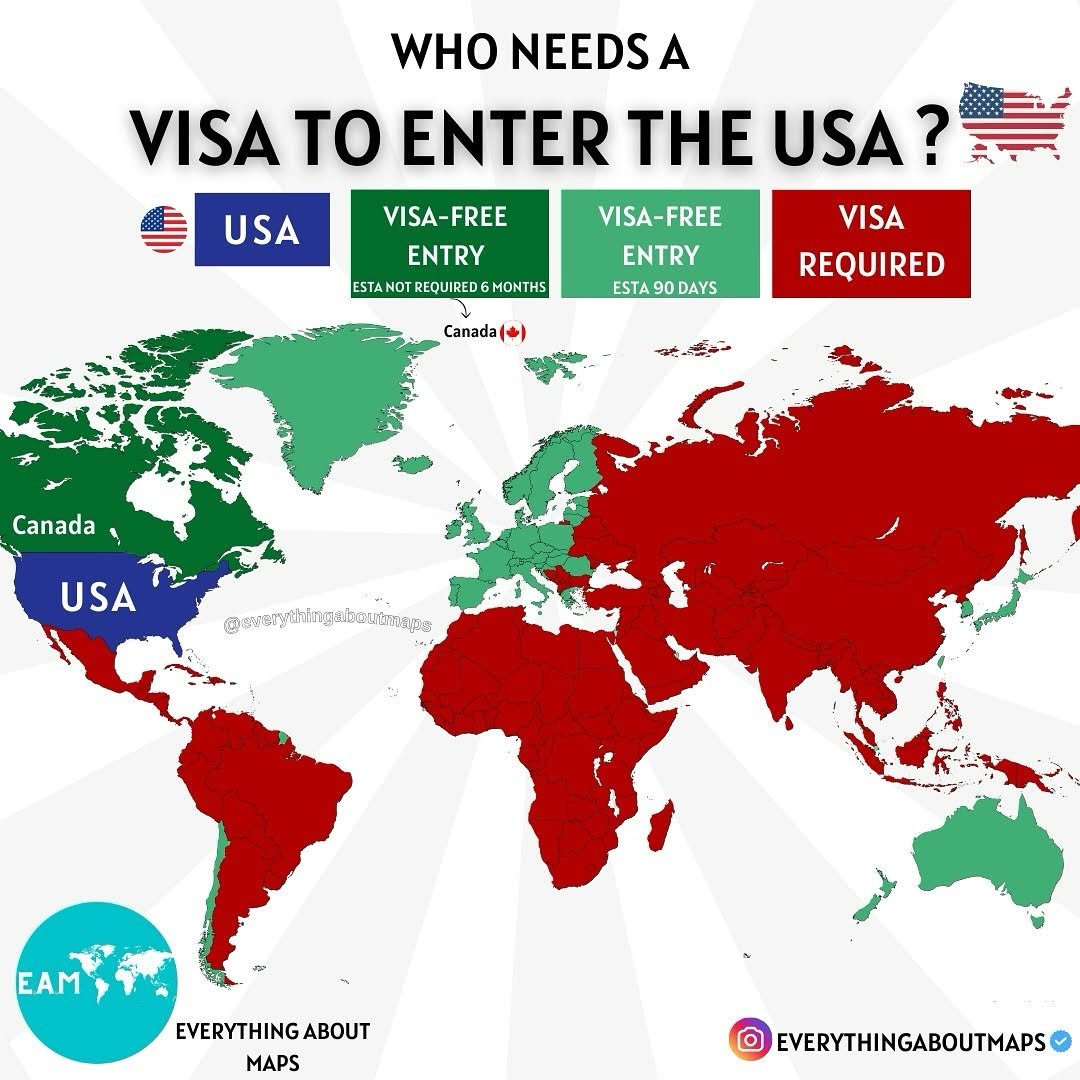
Whether you need a visa to enter the United States depends on your citizenship, passport, reason for travel, and planned length of stay. Many foreign visitors need a U.S. visa, while eligible travelers from Visa Waiver Program countries may visit for up to 90 days with an approved ESTA. Canadian citizens and certain other travelers may qualify for separate exemptions.
If you are planning a trip to the United States, checking your entry requirements is one of the first steps to take. Whether you want to visit New York City, explore national parks, attend a business meeting, or see family in California, the documents you need depend on your individual circumstances. A passport alone is not enough for every international traveler.
The U.S. government uses several entry pathways, including visitor visas, the Visa Waiver Program, and specific exemptions for certain nationalities and immigration statuses. These options have different rules. For example, an eligible British or Australian citizen may qualify to travel for a short visit with ESTA, while a Bangladeshi citizen generally needs an appropriate U.S. visa for tourism or business.
This guide explains how to determine whether you need a visa to enter the USA, which travel authorization may apply, how to apply, and what to prepare before departure. It focuses on U.S. entry requirements and official government procedures. Because immigration rules and fees can change, verify the latest requirements with the U.S. Department of State and U.S. Customs and Border Protection before booking or traveling.
You may need a visa to enter the United States, but there is no single rule that applies to every foreign traveler. The answer starts with your citizenship and the passport you plan to use. Your reason for visiting and your eligibility for a visa exemption also matter.
For most foreign nationals visiting for a vacation, family visit, or short business trip, the main options are a visitor visa or the Visa Waiver Program. Citizens of countries outside the program generally need a suitable visa unless another exemption applies. A person traveling to work, study, or live in the United States must consider a different immigration category.
U.S. citizens do not need a U.S. visa to enter their own country. U.S. citizens traveling internationally should generally use a valid U.S. passport when entering the United States. Lawful permanent residents normally use their valid permanent resident documentation and other required travel documents rather than applying for a visitor visa.
For example, a traveler holding a Bangladeshi passport who plans a vacation in Florida will generally need a B-2 or B-1/B-2 visitor visa. An eligible traveler holding an Australian passport may instead qualify for the Visa Waiver Program, subject to its rules and an approved ESTA. These examples are general guidance, not a guarantee of individual eligibility.
Source: informativenetwork.com
You may need a visitor visa
This usually applies when your citizenship does not qualify for visa-free visitor travel and you do not have another applicable exemption.
You may qualify for ESTA
Citizens of participating Visa Waiver Program countries can apply for electronic travel authorization for eligible short visits.
You may qualify for an exemption
Certain Canadian citizens, Bermudian citizens, U.S. citizens, and lawful permanent residents have different entry requirements depending on their status and travel circumstances.
Which Factors Determine Your Visa Requirement?
Four main factors help determine which entry pathway applies. First, consider your citizenship rather than only the country where you live. Second, check whether your passport qualifies for the relevant program. Third, identify the purpose of your trip. Finally, consider your travel history and any circumstances that may affect eligibility.
For example, a short holiday and a paid job in the United States are not treated as the same activity. A traveler eligible for ESTA for tourism cannot use that authorization to take an ordinary job. Likewise, approval for one visa category does not automatically permit every type of activity.
Citizenship and passport
The passport you use and the nationality it represents affect whether a visa or ESTA may be available.
Purpose and duration
Tourism, business, study, employment, and immigration have different rules. Visa Waiver Program visits are limited to eligible temporary travel of no more than 90 days.
Personal eligibility
Certain travel histories, prior immigration violations, criminal matters, or other circumstances may affect eligibility for ESTA or a visa.
Who Can Enter the USA Without a Visa?
Some travelers can visit the United States without obtaining a traditional visitor visa. However, visa-free travel does not mean that every document requirement disappears. Eligibility depends on the applicable exemption, citizenship, travel purpose, and any conditions imposed by U.S. law.
The Visa Waiver Program is the main route for eligible citizens of participating countries who want to make short visits for tourism or qualifying business activities. It generally permits a stay of up to 90 days. Travelers must obtain approval through the Electronic System for Travel Authorization, commonly called ESTA, before traveling under the program.
Participating countries include Australia, the United Kingdom, Japan, South Korea, France, Germany, Italy, New Zealand, Singapore, Spain, Switzerland, and several other countries. Participation does not automatically make every citizen eligible. Additional passport, travel-history, and personal eligibility rules may apply.
Canadian citizens traveling with Canadian passports generally do not need a visitor visa or ESTA for ordinary tourism. Bermudian citizens also generally qualify for an exemption from visitor visa requirements. Different rules can apply to employment, study, particular travel documents, criminal or immigration concerns, and other special situations. Permanent residents of Canada who hold another nationality do not automatically receive the same treatment as Canadian citizens.
Source: tripjive.com
Visa Waiver Program
Eligible citizens of participating countries may travel for qualifying tourism or business for up to 90 days after receiving ESTA approval.
Canadian citizens
Canadian citizens generally do not need a visa for ordinary tourism, but some purposes and individual circumstances require additional authorization or documents.
Bermudian citizens
Bermudian citizens generally qualify for a visitor visa exemption, subject to applicable conditions and exceptions.
U.S. citizens and permanent residents
These travelers use the documents associated with their U.S. citizenship or permanent resident status rather than applying for an ordinary visitor visa.
What Is ESTA, and Is It the Same as a Visa?
ESTA is an electronic travel authorization used to determine whether an eligible traveler may travel under the Visa Waiver Program. It is not a visa, and it cannot replace a visa when U.S. law requires one.
An approved ESTA generally remains valid for two years or until the passport expires, whichever happens first, unless it is revoked or another rule changes its validity. Some travelers receive a shorter period. A new passport, a change of name or citizenship, or changes to certain eligibility circumstances may require a new application.
ESTA validity does not mean that a visitor may stay in the United States for two years. Each qualifying visit under the Visa Waiver Program is generally limited to 90 days. Repeated visits must also be consistent with temporary travel; frequent or lengthy trips may lead officials to question whether the traveler is trying to live in the country.
Apply through the official U.S. government ESTA website at esta.cbp.dhs.gov. Avoid unofficial sites that may charge extra service fees or give misleading claims about approval. Submit accurate information and check the authorization status before departure.
ESTA is required for eligible VWP travelers
Travelers generally need an approved authorization before boarding a U.S.-bound airplane or vessel or seeking admission at a U.S. land border under the program.
Children need their own authorization
Eligible children, including infants, must have their own approved ESTA when traveling under the Visa Waiver Program.
Approval is not admission
ESTA permits travel to a U.S. port of entry under the program. Customs and Border Protection officers still decide whether to admit each traveler.
Can You Enter the USA Without a Visa If You Are From Bangladesh?
Bangladesh is not a Visa Waiver Program country. Therefore, a Bangladeshi citizen traveling on a Bangladeshi passport generally needs an appropriate U.S. visa for a vacation, family visit, or ordinary short business trip, unless a specific exemption or other qualifying status applies.
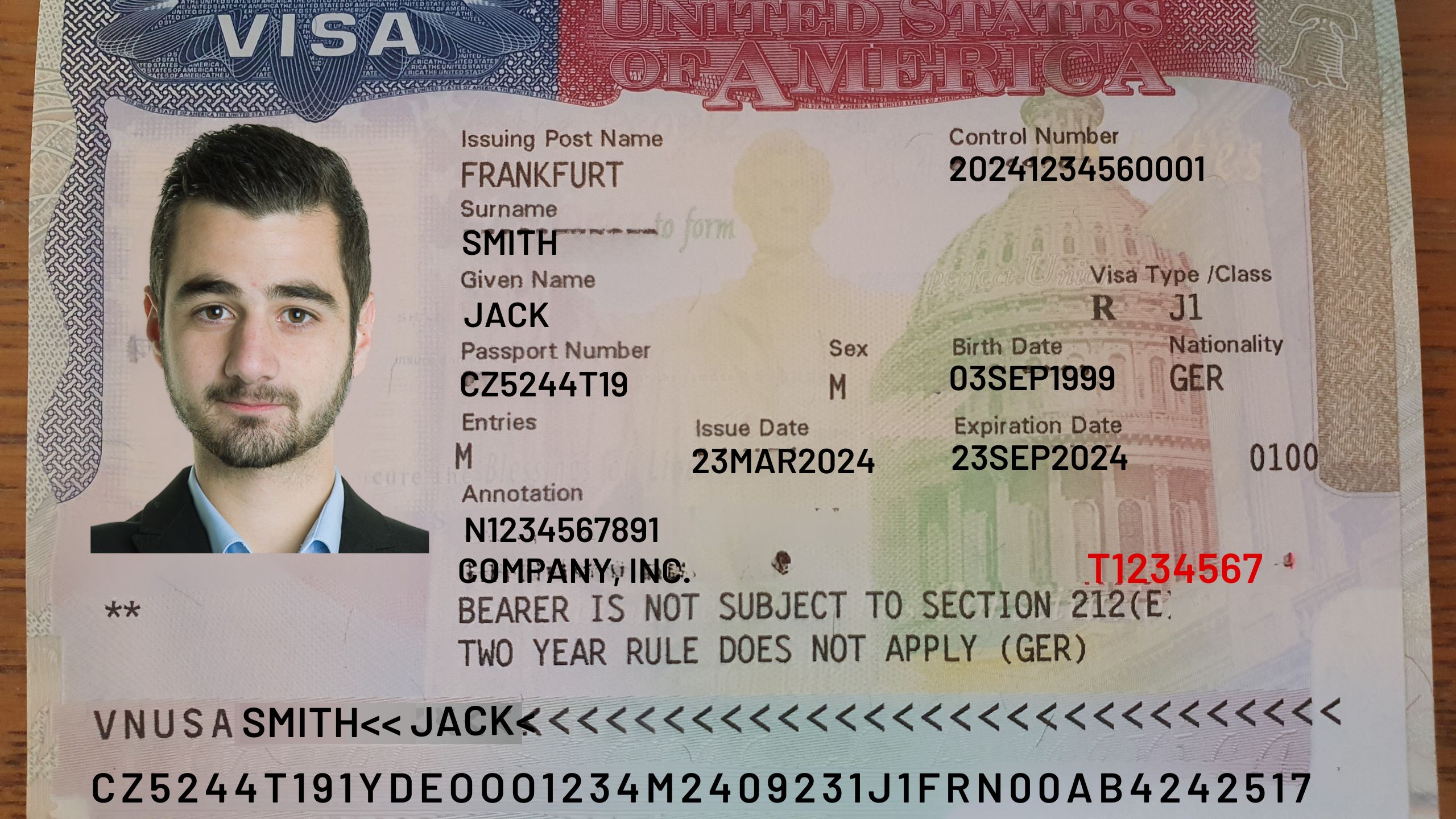
For tourism or visiting family and friends, the B-2 visitor visa is a common option. The combined B-1/B-2 visa may be appropriate for people who need permission for both qualifying business visits and tourism. Applicants must follow the current instructions of the U.S. Embassy or Consulate handling their application.
Living in a country that participates in the Visa Waiver Program does not automatically make a Bangladeshi passport holder eligible for ESTA. Eligibility generally depends on citizenship and the qualifying travel document, not simply the traveler’s residence, employment location, or place of departure.
For a vacation
Check the B-2 or combined B-1/B-2 visitor visa requirements.
For employment or study
Identify the appropriate employment or student visa category before making travel plans.
For a transit stop
Check whether a transit visa or another appropriate authorization is required, even if you do not plan to leave the airport.
Which U.S. Visa Do You Need for Your Trip?
The correct U.S. visa depends on what you plan to do in the country. Choosing a category based only on the length of your visit can lead to problems because each visa has a defined purpose. A short stay does not automatically make a trip eligible for a tourist visa or ESTA.
The U.S. Department of State issues different nonimmigrant visas for temporary visits, study, exchange programs, and employment. Immigrant visas serve a different purpose: they are part of the process for people seeking to move permanently to the United States through an eligible immigration pathway.
Before applying, describe your actual plans clearly. If your trip combines tourism with business meetings, check whether the planned activities are permitted under a visitor visa or the Visa Waiver Program. If you intend to earn wages, attend a full academic program, or move to the United States, investigate the appropriate category instead of assuming that a visitor visa will be enough.
Source: en.usvisaservice.de
B-1 visa
Generally covers qualifying temporary business activities, such as certain meetings, conferences, and contract negotiations. It does not authorize ordinary employment in the United States.
B-2 visa
Generally covers tourism, vacations, visits to family or friends, and qualifying medical treatment.
B-1/B-2 visa
A combined visitor visa that may cover qualifying business and tourism activities, subject to the conditions of admission.
F-1 or M-1 visa
These categories generally apply to eligible academic or vocational study, respectively. The exact category depends on the program and applicable rules.
Employment-related visa
People seeking to work in the United States generally need an appropriate employment-based immigration classification and must meet its requirements.
Immigrant visa
This category is used by eligible applicants pursuing permanent residence through an authorized immigration process.
Can You Use a Tourist Visa to Work in the USA?
No. A B-2 tourist visa does not authorize ordinary employment in the United States. A B-1 business visitor visa also does not serve as general permission to take a job or receive wages from a U.S. employer for work performed in the country.
Some limited business activities may be permitted during a qualifying temporary visit, but the rules depend on the activity and the applicable immigration category. If a U.S. employer has offered you a job, review the relevant work visa requirements before traveling. Depending on the category, the employer may need to file a petition or complete other steps first.
Using a visitor visa or ESTA for an activity that is not permitted can lead to serious immigration consequences. If your plans change after you receive a visa, check whether the new activity requires a different authorization before acting.
Check the activity, not just the job title
The legal treatment of a trip depends on what you will actually do, where the work occurs, and the applicable visa rules.
Confirm employer requirements
Some employment categories require a U.S. employer or another qualifying petitioner to complete a formal process.
Do You Need a Visa to Transit Through the USA?
You may need a U.S. visa or ESTA even if the United States is only a stop on the way to another country. The correct requirement depends on your nationality, eligibility, and the transit rules that apply to your itinerary.
Eligible Visa Waiver Program travelers generally need ESTA approval for transit through the United States. Travelers who are not eligible for the program may need a C-1 transit visa or another suitable visa. Do not assume that remaining inside the airport means you can skip U.S. entry requirements.
Check every connection on your itinerary before purchasing a ticket. If your plans involve entering the United States, changing airports, collecting checked baggage, or staying overnight, confirm the exact requirements with official U.S. government guidance and your airline.
Review your nationality
Transit requirements can differ even when travelers have the same final destination.
Check your authorization before departure
Confirm that your visa or ESTA covers the planned transit and that your travel documents match your booking.
How to Apply for a U.S. Visa
If you need a U.S. visitor visa, start with the official Department of State instructions and follow the process for your location and visa category. Requirements, appointment availability, payment methods, and local procedures may vary by embassy or consulate.
A complete application does not guarantee approval. Consular officers assess the application under the rules that apply to the requested visa. Applicants should answer questions honestly, provide accurate documents, and explain the purpose of the trip clearly.
The steps below describe the general process for many B-1/B-2 applicants. Your embassy or consulate may provide additional instructions or require a different sequence, so use its current guidance as the final reference.
Source: crowncurrency.com.au
Step 1: Confirm the correct visa category
Make sure your intended activities fit the category you are applying for. Do not use a tourist visa for unauthorized employment or long-term study.
Step 2: Complete Form DS-160
Most nonimmigrant visa applicants must complete the online DS-160 application. Review all answers before submission and keep the confirmation page.
Step 3: Follow local fee and appointment instructions
Check the current visa application fee, payment process, and interview booking procedure for the U.S. embassy or consulate responsible for your application.
Step 4: Prepare your documents
Gather your passport, DS-160 confirmation, appointment information, and any other documents required for your category and location.
Step 5: Attend the interview if required
Be prepared to explain your travel purpose, planned activities, funding, and circumstances accurately. Follow the instructions given by the consular post.
Step 6: Wait for the decision
A consular officer may approve the application, refuse it, or require further processing. Do not assume your passport will be returned by a specific date unless the official service confirms it.
Documents Commonly Required for a U.S. Visitor Visa
The required documents depend on your case, but most applicants should begin with the core documents specified by the U.S. Department of State and the relevant embassy or consulate. Additional evidence may be useful when it supports the stated travel purpose or addresses a specific question in the application.
For a temporary visitor visa, applicants may need to explain why they are traveling, how they will pay for the trip, and why the visit is temporary. The documents that best support these points depend on the person’s work, finances, family situation, and itinerary. There is no universal document package that guarantees approval.
Valid passport
Check the passport requirements for your nationality and the validity needed for your intended travel.
DS-160 confirmation page
Keep the confirmation page and barcode for the submitted nonimmigrant visa application.
Appointment and fee records
Bring the records required by the local application process.
Travel purpose information
An itinerary, details of a planned visit, or other relevant information may help explain your intended activities.
Evidence of funding
If relevant, be prepared to explain how you will cover travel, accommodation, and other expenses.
Supporting personal documents
Employment, study, family, or other records may be relevant to your circumstances. Submit what is requested and what genuinely supports your case.
How Long Does a U.S. Visa Take to Process?
U.S. visa processing times vary by visa category, location, season, security checks, administrative processing, and individual circumstances. Interview wait times are not the same as the full time needed to receive a final decision and get your passport back.
Apply well before your intended departure date. Check the official visa appointment wait-time information for the relevant U.S. embassy or consulate, then review its instructions about additional processing and passport delivery. Avoid buying nonrefundable travel arrangements based on an assumed approval date.
If an application requires administrative processing or further documents, the final decision may take longer than expected. Follow the official instructions and provide any requested information promptly.
Check the relevant embassy
Use the current instructions for the location where you will apply, rather than relying on appointment estimates from another country.
Allow time for unexpected delays
A scheduled interview is not a guarantee of approval or immediate passport return.
Documents and Rules for Entering the USA
Having the right visa or ESTA is only part of preparing for entry to the United States. Travelers should check their passport, immigration documents, planned activities, and any requirements that apply to their specific situation before leaving home.
A visa allows a traveler to seek admission for the purpose for which it was issued. It does not guarantee entry. At the U.S. port of entry, Customs and Border Protection officers review the traveler and decide whether admission is permitted and under what conditions.
The length of a visa’s validity and the length of time a person may remain in the United States are different. A visa may permit travel to a port of entry during its validity period, while the authorized stay is determined at admission. Travelers should review their admission record and comply with the date and conditions that apply to them.
Source: coffeethecanvas.com
Check passport validity
Confirm the passport meets the requirements for your nationality and entry category. Some travelers are subject to different validity rules or exceptions.
Carry required travel records
Keep your passport, visa if required, ESTA confirmation details if applicable, and any other documents required for your trip.
Be ready to explain your visit
You may be asked about your travel purpose, accommodation, planned activities, funding, and intended departure.
Follow the terms of admission
Do not overstay or engage in activities that your immigration status does not permit.
Does a Valid Visa Guarantee Entry into the United States?
No. A valid U.S. visa does not guarantee admission. It allows the holder to travel to a U.S. port of entry and request admission in the appropriate category. The final decision rests with the authorized border officials.
Travelers should answer questions truthfully and make sure their activities match the purpose of their visa or travel authorization. Misrepresenting the purpose of a visit, presenting false documents, or attempting to enter for an unauthorized activity can lead to refusal and potentially serious future immigration consequences.
If you are admitted, check the admission information and authorized stay period. The visa expiration date alone does not tell you how long you may remain in the country. Travelers who need help understanding their status or a complicated immigration issue should seek guidance from a qualified U.S. immigration attorney.
Admission is a separate decision
A visa or ESTA is not a promise that border officials will allow entry.
Respect your authorized stay
Use the official admission record and applicable immigration instructions to determine when you must leave or whether another lawful step is available.
What If Your Visa or ESTA Is Denied?
If a U.S. visa application is refused, read the information provided by the consular officer and follow the applicable instructions. The reason for refusal and any available next steps depend on the legal provision involved and the facts of the application.
If ESTA is denied, you cannot travel under the Visa Waiver Program on that denied authorization. If you still plan to visit, you generally need to apply for an appropriate U.S. visa and follow the consular process. Submitting another ESTA application without a relevant change may not resolve the issue.
Never provide false information to obtain an authorization. If your situation involves a prior overstay, criminal record, immigration refusal, or other potentially complex eligibility issue, consider qualified legal advice before submitting a new application.
Review the official decision
Use the instructions provided with the refusal or denial to identify the correct next step.
Correct genuine errors
If a form contains an error, follow the relevant official correction or new-application procedure.
Do not rely on unofficial promises
No agent can guarantee visa approval or lawful admission to the United States.
Common Mistakes to Avoid Before Traveling to America
Many travel problems begin when visitors assume that a passport, a visa, or an electronic authorization is enough for every purpose. The safest approach is to check the requirements that apply to your exact nationality, document, itinerary, and planned activities.
Start with official government information rather than relying only on social media posts, old travel articles, or advice from someone whose citizenship is different from yours. Immigration rules can change, and an exemption that applies to one traveler may not apply to another.
Before departure, compare the information on your travel documents with your booking. Check names, passport numbers, validity dates, visa category, and the purpose of travel. Resolve any uncertainty before you arrive at the airport or border.
Source: brilliantmaps.com
Assuming all passports have the same rules
Visa exemptions depend on specific eligibility rules. A residence permit from another country does not automatically replace a required U.S. visa.
Confusing ESTA with a visa
ESTA is available only to eligible travelers using the Visa Waiver Program. It cannot substitute for a visa when one is required.
Using a visitor category for work
Tourism and qualifying business visits are not the same as ordinary employment. Confirm the permitted activities for your category.
Waiting until the last minute
Visa interviews, document checks, and additional processing may delay travel. Begin the process early.
Trusting guaranteed-approval claims
No private agent or service can guarantee that a consular officer will issue a visa or that border officials will admit a traveler.
Ignoring the authorized stay date
A visa’s expiration date is not necessarily the date by which you must leave the United States. Check the conditions of admission.
A Practical Pre-Travel Checklist
Use this checklist before booking your trip or leaving for the airport. It is designed to help you catch common document problems, but it does not replace the requirements for your specific visa category.
Confirm your entry route
Determine whether you need a visitor visa, ESTA, a transit visa, or another type of authorization.
Check your passport
Confirm that it is valid and meets the requirements for your nationality and travel category.
Verify authorization status
Check that your visa is valid for the planned purpose or that your ESTA has been approved before traveling under the Visa Waiver Program.
Review your travel plans
Make sure your planned activities are permitted and that your itinerary does not conflict with the conditions of your travel authorization.
Check official updates
Review the latest U.S. Department of State and Customs and Border Protection guidance shortly before departure.
Frequently Asked Questions
Q
Can I enter the USA without a visa?
Yes, some travelers can enter or seek admission without a traditional visitor visa. Eligible citizens of Visa Waiver Program countries can travel for qualifying tourism or business visits of up to 90 days with an approved ESTA. Canadian and Bermudian citizens generally have separate exemptions for ordinary tourism, subject to applicable conditions. U.S. citizens and lawful permanent residents follow different document rules. Your eligibility depends on your citizenship, status, travel purpose, and individual circumstances.
Q
Do I need a visa to visit the USA for a vacation?
Many foreign visitors need a B-2 or combined B-1/B-2 visitor visa for a vacation. Eligible citizens of Visa Waiver Program countries may instead qualify for ESTA, which permits qualifying visits of up to 90 days. Canadian citizens generally do not need a visitor visa for ordinary tourism. Check the official requirements for your passport before booking travel.
Q
How long can I stay in the USA without a visa?
Travelers admitted under the Visa Waiver Program can generally stay for up to 90 days per visit. An ESTA may remain valid for two years or until the passport expires, whichever happens first, but that validity period does not allow a two-year stay. Other exemptions and immigration categories have their own conditions. Always follow the authorized stay period that applies to your admission.
Q
Do I need a visa if I am only changing planes in the USA?
You may need a visa or ESTA even when the United States is only a transit point. Eligible Visa Waiver Program travelers generally need ESTA approval for transit. Other travelers may need a C-1 transit visa or another suitable authorization. Check the rules for your nationality and itinerary before booking connecting flights.
Q
Can I apply for a U.S. visa online?
Many nonimmigrant visa applicants complete Form DS-160 online, but that is only one part of the process. Applicants may also need to pay a fee, schedule an appointment, provide supporting documents, and attend an interview. Follow the current instructions of the responsible U.S. embassy or consulate. An online application does not guarantee approval.
Q
Does a U.S. visa guarantee that I can enter the country?
No. A visa allows you to travel to a U.S. port of entry and request admission, but Customs and Border Protection officers make the final decision. They may review your travel purpose, documents, eligibility, and compliance with immigration rules. Answer questions truthfully and make sure your planned activities match your visa category.
Q
Do children need a visa or ESTA to enter the USA?
Children must meet the entry requirements that apply to their nationality and travel category. A child who qualifies to travel under the Visa Waiver Program needs an individual approved ESTA, including an infant. Children who do not qualify for visa-free travel generally need the appropriate visa unless another exemption applies. Parents should verify the document requirements before departure.
Q
What should I do if my ESTA application is denied?
If ESTA is denied, you cannot use that authorization to travel under the Visa Waiver Program. If you still want to visit the United States, you generally need to apply for an appropriate visa through a U.S. embassy or consulate. Review official instructions and provide truthful information. Reapplying with the same circumstances may not resolve the denial.
✦ Wrapping Up
Conclusion
Whether you need a visa to enter the USA depends on your citizenship, passport, travel purpose, and eligibility for an exemption. Many foreign nationals need a visitor visa, while eligible citizens of Visa Waiver Program countries can use an approved ESTA for qualifying short visits. Canadian and Bermudian citizens, U.S. citizens, and lawful permanent residents may follow different rules based on their status.
The most reliable way to prepare is to identify your correct travel category, confirm the official document requirements, and apply early. Do not assume that another traveler’s experience applies to you. Visa approval and border admission are separate decisions, and every traveler must follow the conditions that apply to their own status.
💡 Key Takeaway
Before booking your trip, check the U.S. Department of State website at travel.state.gov and the U.S. Customs and Border Protection website at cbp.gov. If you qualify for the Visa Waiver Program, use esta.cbp.dhs.gov to apply for ESTA. If you need a visa, follow the current instructions of the appropriate U.S. embassy or consulate and verify that your authorization covers the purpose of your visit.