
So, you've got your sights set on Poland for your studies, that's fantastic! It's a country with a rich history, vibrant culture, and some really well-regarded universities. But before you can start packing your bags and brushing up on your Polish (or just relying on English, which is widely spoken in academic circles!), you'll need to sort out your student visa.
Thank you for reading this post, don't forget to subscribe!Don't let that sound daunting. It's really about breaking it down step by step. Think of it like following a recipe, if you have all the ingredients and follow the instructions, you'll get a great result. As of 2026, the core process remains consistent, though specific document requirements can be updated by consular offices.
Who Needs a Polish Student Visa?

If you're planning to study in Poland for longer than 90 days, understanding who needs what type of visa is your first critical step. The primary distinction comes down to your country of origin, specifically whether you're from within or outside the European Union/European Economic Area (EU/EEA) and Switzerland. This immediately sets the path for your entry and stay requirements.
EU/EEA/Swiss Citizens vs. Non-EU/EEA/Swiss Citizens
If you are a citizen of an EU, EEA, or Swiss country, you generally do not require a visa to study in Poland. You'll still need to follow registration procedures upon arrival to confirm your stay, but the visa application process itself is bypassed. For citizens of countries outside this bloc, however, obtaining a national visa, specifically a Type D visa, is mandatory for study purposes exceeding 90 days. This national visa serves as your official authorization to reside in Poland for the duration of your academic program.
The Polish Student Visa Application: Your Essential Checklist
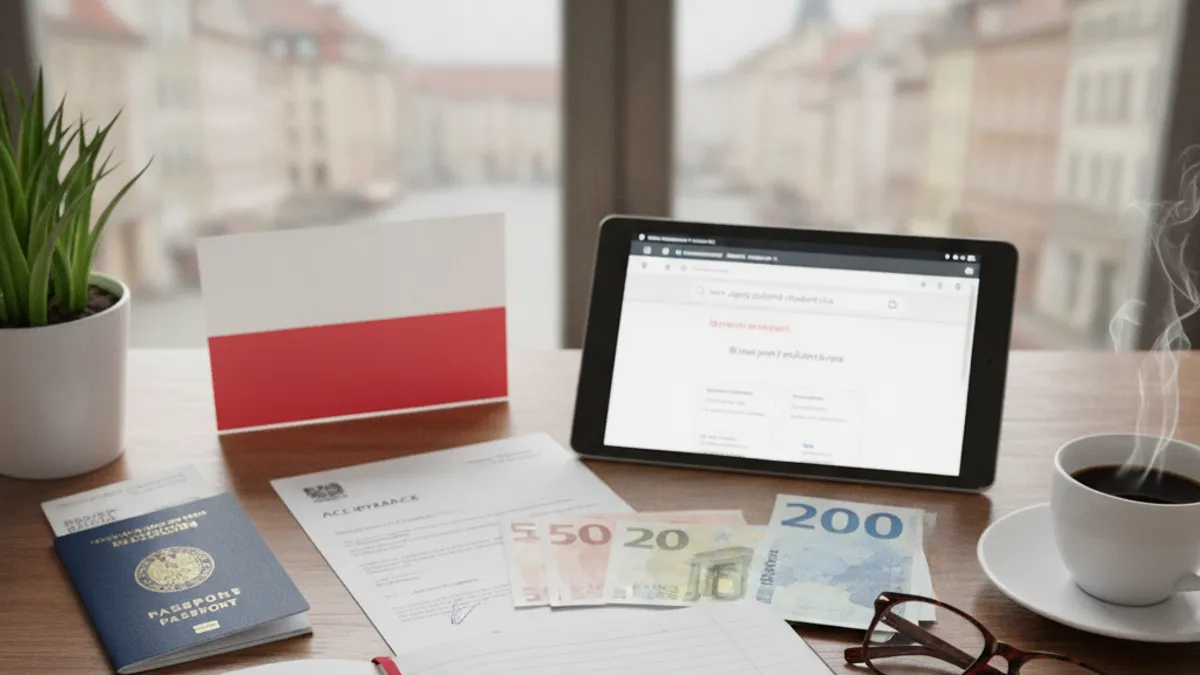
Embarking on your study journey in Poland begins with a thorough understanding of the documentation required for your visa application. This isn't a "one-size-fits-all" scenario; requirements can subtly shift based on your nationality and the specific Polish consulate you're applying through. Our research indicates that meticulous preparation here significantly smooths the rest of the process.
Key Documents You'll Absolutely Need
When applying for your Polish student visa, a comprehensive set of documents is paramount. Missing even one item can lead to delays or, worse, refusal. You'll want to start collecting these well in advance.
- Visa Application Form: This must be completed accurately and without any unfilled sections.
- Valid Passport: Ensure your passport is valid for at least three months after your intended stay in Poland and contains at least two blank pages.
- Passport Photos: Provide recent photographs that meet specific consular size and background requirements.
- University Acceptance Letter: This official document from your Polish educational institution is your primary proof of purpose.
- Proof of Financial Means: Demonstrating you can financially support yourself is non-negotiable.
- Proof of Accommodation: You must show where you will be living during your studies.
- Health Insurance: A valid policy covering your stay in Poland is required. This typically needs to cover medical expenses and repatriation.
- Travel Medical Insurance: Some consulates specifically require a separate travel medical insurance policy with a minimum coverage of €30,000.
Always cross-reference this list with the official website of the Polish embassy or consulate in your country, as they publish the definitive, most up-to-date requirements.
Understanding Proof of Financial Means
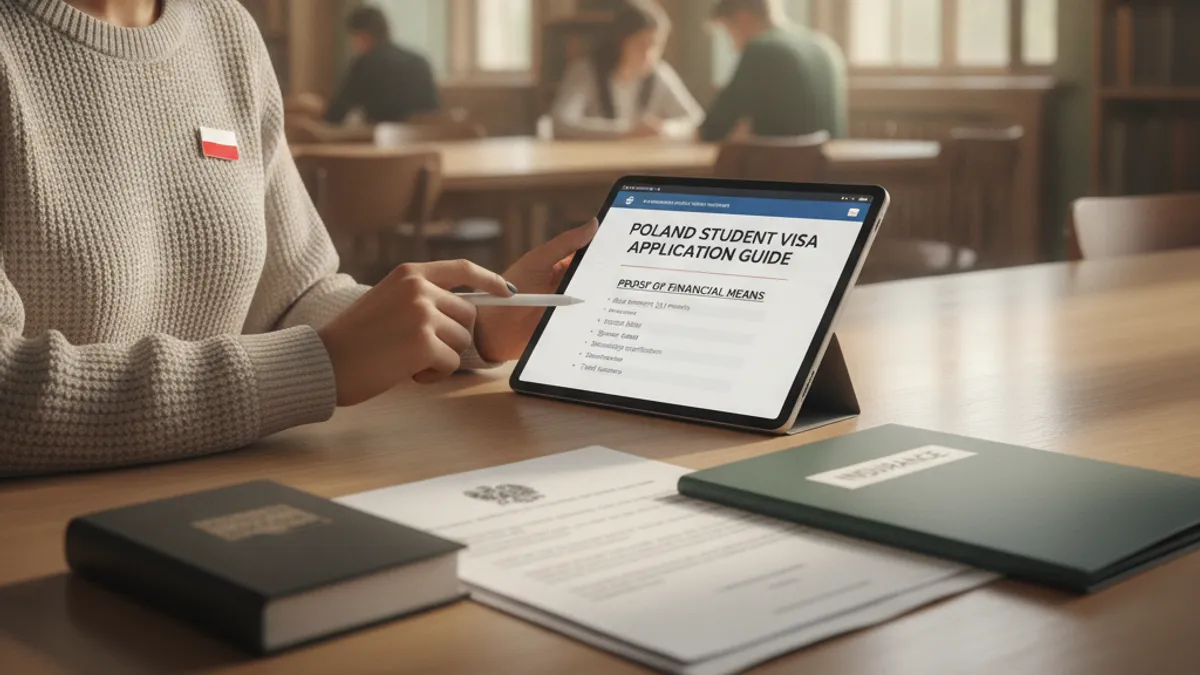
Financial stability is a cornerstone of any student visa application to Poland. The Polish government wants assurance that you won't become a public charge and can comfortably cover your living expenses and tuition fees throughout your academic program. Aggregated review data suggests this is a common point of concern for applicants, so understanding the nuances is key to a successful application.
Your proof of financial means typically comes in one of these forms:
- Bank Statements: Official statements from your bank showing sufficient funds. These should reflect regular activity and a consistent balance that meets the required threshold. Consulates usually look for statements covering the last 3-6 months.
- Scholarship Confirmation: If you've received a scholarship, an official letter detailing the award amount, duration, and terms is essential.
- Sponsorship Letter: A formal declaration from a sponsor (e.g., parents, guardian) who agrees to financially support your studies. This letter should be accompanied by the sponsor's financial documents (like their bank statements or employment verification) to prove their capacity.
- Proof of Tuition Payment: Some consulates may require documentation showing you’ve paid at least the first semester's tuition fees.
The exact amount needed fluctuates, but it's generally aligned with Polish living costs for students. Always check the current minimum financial requirement specified by the Polish consulate for your application.
What Counts as Valid Accommodation Proof?
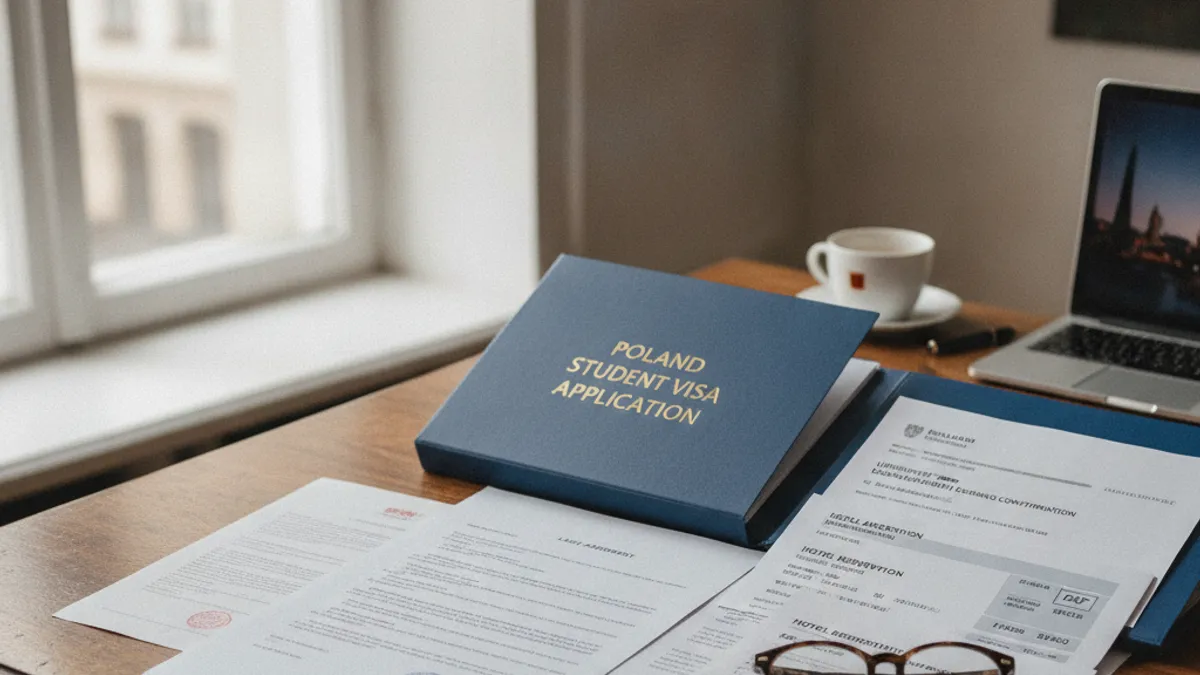
Having a confirmed place to live in Poland is a critical part of your student visa application. It demonstrates that you have a stable plan for your arrival and stay, reassuring the consular officers that your intentions are genuine and well-organized. Without this, your application may be incomplete. Several types of documentation are accepted to fulfill this requirement.
Here are the most common forms of proof:
- Dormitory Confirmation: If you’ll be living in a university dormitory, an official letter from the university confirming your allocated room and the duration of your stay is usually sufficient.
- Rental Agreement: A signed lease agreement for a private apartment. This document should clearly state your name, the property address, the landlord’s details, the rental period, and the monthly rent.
- Host Family Agreement: If you are staying with a family or individual, a formal written agreement, potentially notarized, outlining the living arrangements. This might also include a letter from the host.
Ensure the address on your accommodation proof matches your application details and that the dates align with your intended study period.
Navigating the Polish Student Visa Application: Step-by-Step

Applying for a Polish student visa involves a structured sequence of actions. Think of it as a well-defined workflow: if you complete each stage correctly, you move closer to approval. This process is designed to ensure that all applicants meet the necessary criteria for studying in Poland.
Step 1: Getting Your University Acceptance Letter
Your first and most crucial step is securing an official acceptance letter from a recognized Polish university or educational institution. This document is the foundation of your visa application; without it, you have no basis for applying for a student visa. It signifies that you have successfully been admitted to a program and that the institution is willing to enroll you.
Make sure the letter contains:
- Your full name.
- The name of the program you've been accepted into.
- The duration of the program.
- The start date of your studies.
- Official university letterhead and signature.
This letter serves as your primary invitation.
Step 2: Gathering Your Paperwork: The Nitty-Gritty
Once you have your acceptance letter in hand, the next major phase is meticulously gathering all required supporting documents. This stage demands careful attention to detail, as even minor discrepancies can cause issues. Based on our research into consular requirements, having a checklist and ticking items off as you go is the most effective strategy.
You'll typically need:
- A completed visa application form.
- Recent passport-sized photographs.
- Your valid passport, with sufficient remaining validity and blank pages.
- The official acceptance letter from your Polish university.
- Proof of sufficient financial means.
- Arrangements for accommodation.
- Proof of health insurance.
It is vital to consult the specific requirements of the Polish embassy or consulate in your country, as they often have country-specific nuances. For example, some may require specific translations of documents.
Step 3: Where and How to Submit Your Application
Submitting your visa application correctly is the next critical juncture. You must identify the correct Polish diplomatic mission responsible for processing applications based on your place of residence. Misdirected applications can lead to significant delays.
- Identify the correct consulate: Generally, you apply at the Polish Consulate General or Embassy in your country of permanent residence.
- Booking an appointment: Many consulates now require you to book an appointment online through their official portal. These slots can fill up quickly, especially during peak application seasons.
- In-person submission: In most cases, applications must be submitted in person. This allows consular staff to verify your identity and collect your biometric data (fingerprints and photograph).
Step 4: The Consular Interview: What to Expect
After submitting your application and documents, you may be invited for a consular interview. This is a standard part of the process for many national visa applications, including student visas. The interview is an opportunity for the consular officer to verify the information in your application, assess your genuine intent to study in Poland, and ensure you meet all the requirements.
During the interview, be prepared to discuss:
- Your reasons for choosing Poland and your specific university/program.
- Your study plans and future academic or career goals.
- How you will finance your stay and studies.
- Your familiarity with Poland and its culture.
- Your ties to your home country and your plans after completing your studies.
Honesty, clarity, and preparedness are key. Displaying genuine enthusiasm for your studies will also work in your favor.
Important Timelines for Your Application
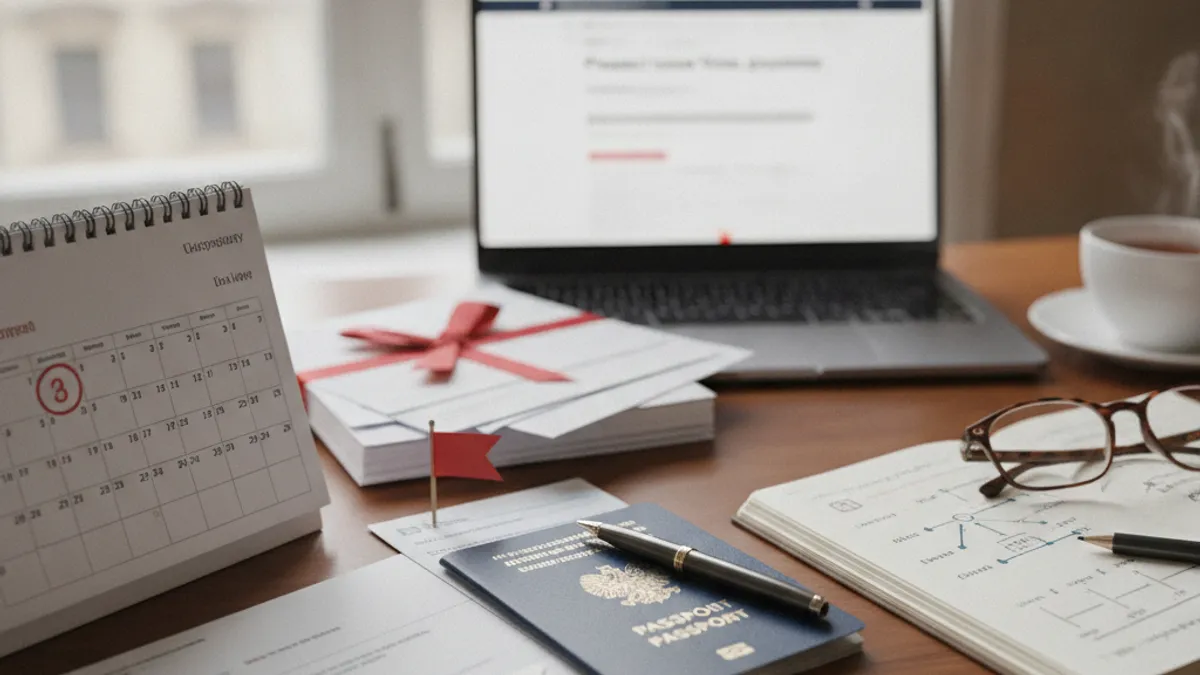
Timing is everything when it comes to applying for a Polish student visa. Starting too late can jeopardize your entire plan to study abroad. Consular processing times can vary significantly, so proactive planning is essential to ensure your visa is secured well before your program begins.
- University Acceptance: Aim to receive your acceptance letter at least 4-6 months before your intended start date. This gives you ample time for the subsequent visa steps.
- Document Collection: Begin gathering necessary documents as soon as you know you'll be applying. Some, like passport photos or translation services, might take a few days.
- Appointment Booking: If an interview is required, check when your local consulate opens its appointment calendar. These slots can disappear within hours, particularly during summer and fall application rushes.
- Visa Processing: While official estimates can range from a few weeks to two months, building in an extra buffer is always wise.
Common Mistakes to Avoid When Applying
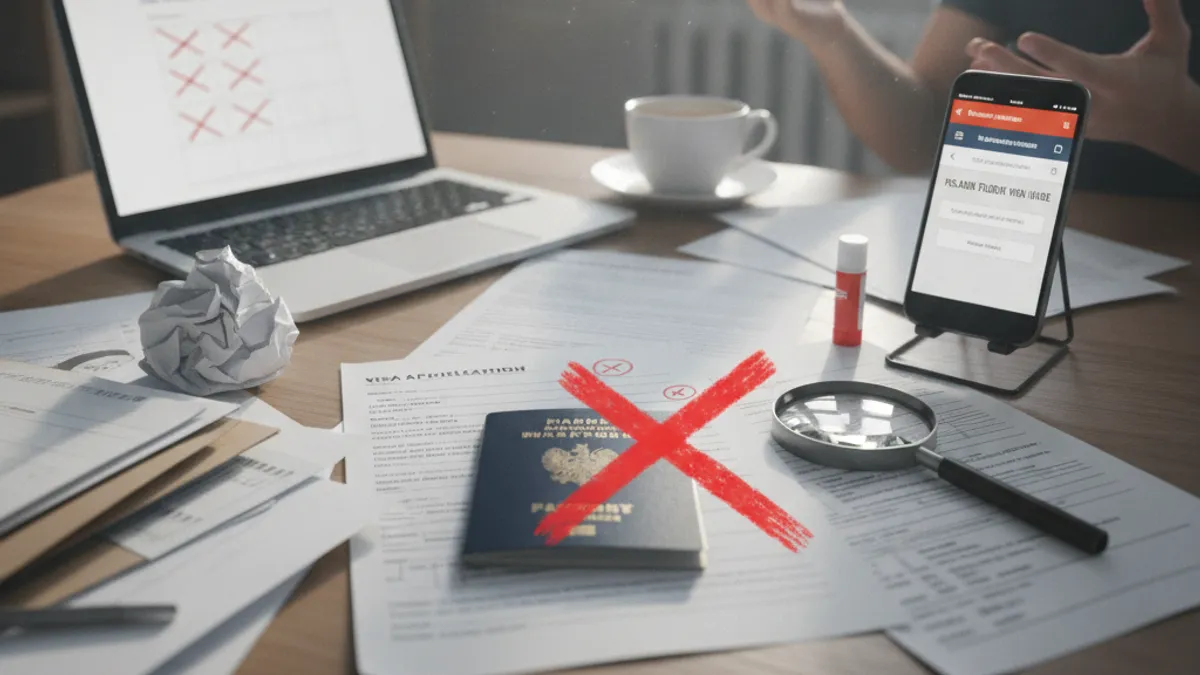
Many applicants make similar errors that can stall or jeopardize their student visa application for Poland. Being aware of these pitfalls can help you submit a strong, complete application from the start, saving you time and potential stress. Our analysis of common application issues highlights a few recurring themes.
- Incomplete or Inaccurate Forms: Failing to fill out the visa application form completely, or providing incorrect information (even accidentally), is a significant misstep. Double-check every field.
- Insufficient Financial Proof: Not demonstrating enough funds to cover tuition and living expenses is a primary reason for refusal. Ensure your bank statements or sponsorship letters clearly meet the consulate's requirements.
- Outdated or Missing Documents: Using expired passports, providing old photos, or forgetting essential documents like the acceptance letter or health insurance can lead to immediate rejection.
- Unclear Accommodation Plans: Vague or unconfirmed living arrangements suggest a lack of preparedness. You need concrete proof of where you'll reside.
- Applying Too Late: Waiting until the last minute to begin the process is risky. Processing times can be lengthy, and you don't want to miss your program start date.
When and Where to Get Official Guidance
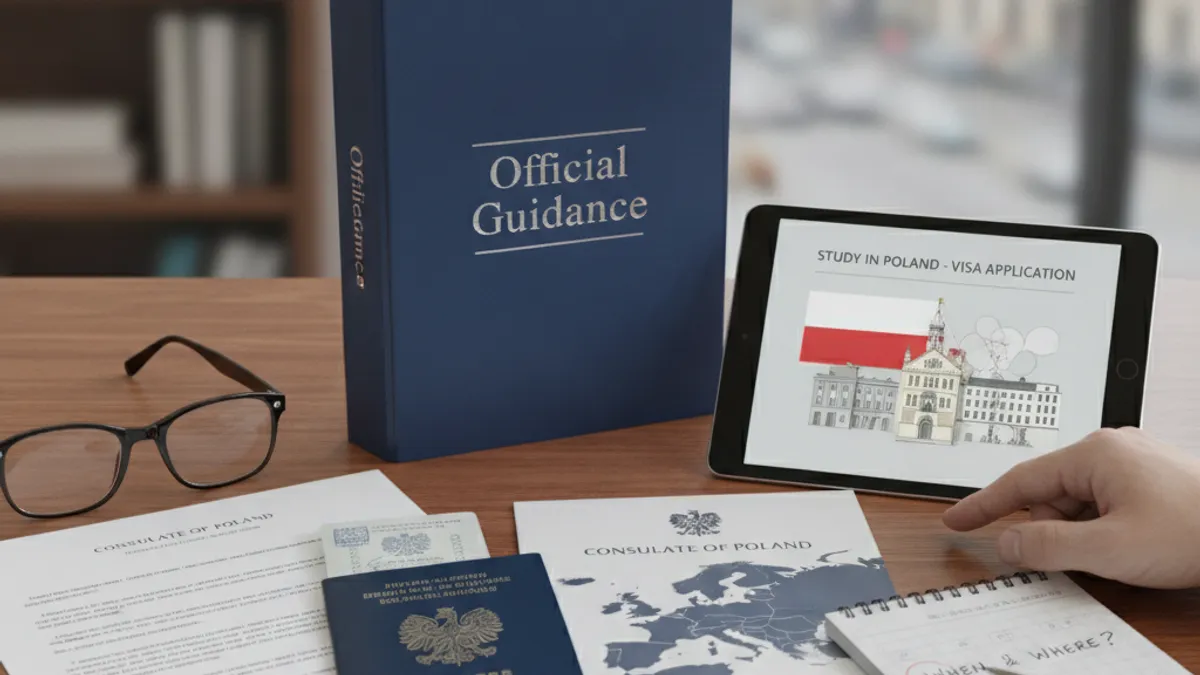
Navigating the specifics of any visa application can be complex, and the Polish student visa is no exception. Relying on outdated information or second-hand advice can lead to crucial mistakes. It’s always best to turn to the most reliable sources for guidance.
- Official Consulate/Embassy Websites: Your primary resource should be the official website of the Polish embassy or consulate in your country of residence. These sites provide the definitive, up-to-date list of required documents, application procedures, and appointment booking information.
- University International Offices: The international student office at your accepting Polish university can offer invaluable advice on the visa process and may have specific guidance tailored to students from certain regions. They often have established relationships with consulates.
- Polish Ministry of Foreign Affairs: For broader policy and general visa information within Poland, the Ministry of Foreign Affairs website is an authoritative source.
Your University Acceptance Letter: The Gateway to Polish Study
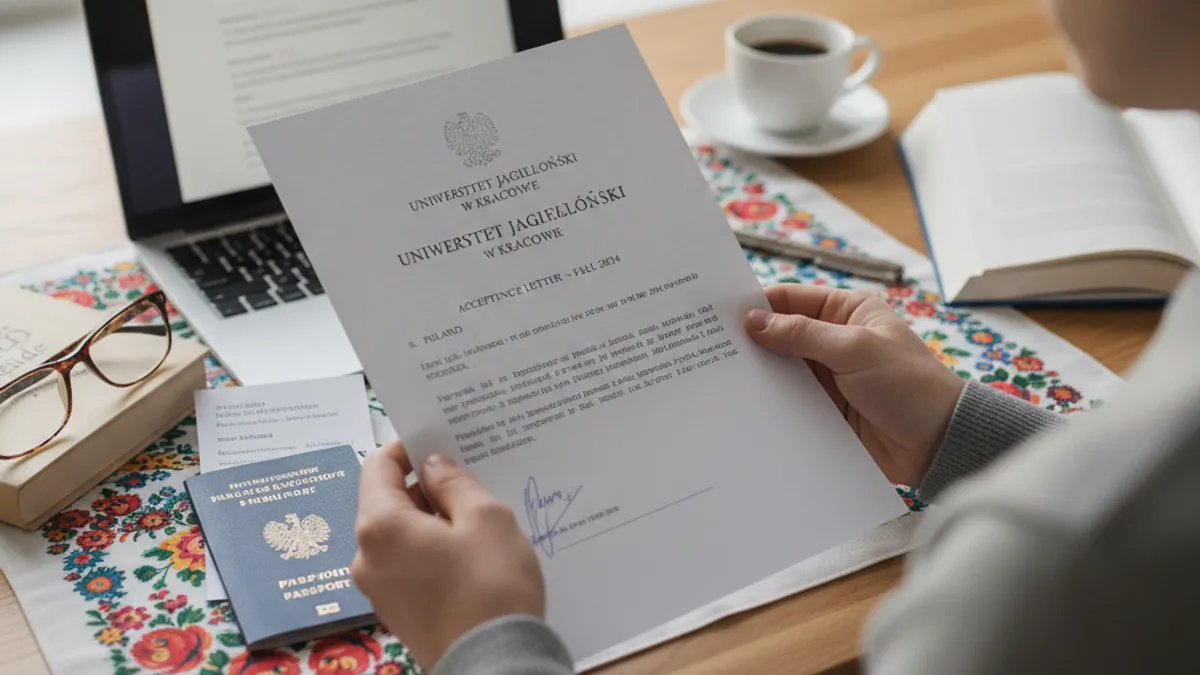
Your journey to studying in Poland hinges on a critical document: the official acceptance letter from your chosen Polish university or educational institution. This isn't just a confirmation of admission; it's your fundamental proof of purpose for the student visa application. Without this letter, your visa application simply cannot proceed. It confirms that you have met the academic entry requirements and that the institution is prepared to enroll you in their program.
When you receive your acceptance letter, make sure it clearly states:
- Your full name, matching your passport.
- The full name of the university or college.
- The name of the specific program or course of study.
- The duration of your program.
- The exact start date of your studies.
- It should be printed on official university letterhead and bear an authorized signature or stamp.
This document acts as your invitation to Poland for academic pursuits. It's the cornerstone upon which the rest of your visa application will be built, and its accuracy and completeness are paramount.