
Applying for a Japan visa can seem like a maze, but breaking it down makes it manageable. Our research shows that understanding the specific requirements based on your nationality and purpose of visit is the biggest hurdle. Thankfully, as of 2026, the process is largely consistent, though small variations do exist.
Thank you for reading this post, don't forget to subscribe!This guide cuts through the confusion to give you a clear path. We’ll cover exactly what you need to know to file a successful application, from determining your visa type to gathering those crucial documents. Let’s get started so you can get to Japan.
Who Needs a Japan Visa?

So, does everyone need a visa to visit Japan? The short answer is: it depends largely on your nationality. Many countries have bilateral agreements with Japan that allow their citizens to enter for short-term stays for tourism or business without a visa. For example, citizens of the United States, Canada, the United Kingdom, Australia, and many European Union member states typically don't need a visa for tourist stays up to 90 days.
You can usually find the most current list of countries eligible for visa exemption on the official website of the Ministry of Foreign Affairs of Japan (MOFA).
Understanding Visa Exemption Programs
Visa exemption programs mean that if you're a citizen of an eligible country, you can enter Japan for short-term stays, typically for up to 90 days, without needing to go through the formal visa application process beforehand. This is convenient because it simplifies travel planning significantly for many visitors. When you arrive at a Japanese port of entry, immigration officers will assess your situation and grant you permission to enter for the permitted duration and purpose. It’s crucial to remember that these exemptions are usually for specific purposes like tourism or short business trips and do not cover stays for employment or long-term study.
If your intended stay or purpose falls outside these exemptions, you absolutely must apply for the appropriate visa before you travel.
First Things First: What's Your Reason for Visiting Japan?

The single most important step in figuring out how to apply for a Japan visa is pinpointing why you want to go. Japan has different visa categories for different purposes, and getting this right from the start saves you a lot of headaches. It dictates which documents you'll need, how long you can stay, and even what information goes on your application form. Think of it as choosing the right key for the right lock, the wrong key just won't work.
Tourist Visa Essentials
If you're planning a trip to see the cherry blossoms in spring, explore the ancient temples of Kyoto, or dive into Tokyo's vibrant city life, you'll likely need a Temporary Visitor Visa, commonly known as a tourist visa. This visa is for people who want to visit Japan for sightseeing, visiting friends or relatives, or participating in short-term activities that don't involve earning income in Japan. The typical duration for a tourist visa is 15, 30, or 90 days, depending on your nationality and the specifics of your application. You'll need to demonstrate that you have sufficient funds to cover your trip and that you intend to leave Japan at the end of your visit.
It's all about showing you're a genuine visitor with plans to depart.
Business Visa Requirements
Heading to Japan for meetings, conferences, or to explore potential business opportunities? You'll likely be looking at a Business Visa, also often categorized under the Temporary Visitor Visa umbrella but with specific documentation. This visa allows individuals to engage in activities like contract negotiations, market research, attending seminars or exhibitions, and other short-term business-related tasks. You won't be allowed to undertake paid employment in Japan with this visa.
The applying party in Japan (your host company or partner organization) will often need to provide an official invitation letter and sometimes a "guarantee of responsibility" letter to support your application. These documents help prove the legitimacy and purpose of your business visit.
Work Visa Pathways
If you've secured employment or plan to study in Japan for an extended period, the requirements shift significantly from short-term visits. For those intending to work, Japan offers various Work Visas. These are usually sponsored by a Japanese employer who will handle much of the initial paperwork, such as obtaining a Certificate of Eligibility (CoE) on your behalf. Common work visa types include the Engineer/Specialist in Humanities/International Services visa, the Skilled Labor visa, and the Intra-company Transferee visa.
Getting a work visa is often a multi-step process that starts with your employer in Japan and requires detailed documentation about your qualifications, the job offer, and the employing company’s legitimacy. Our research indicates that processing for work visas, especially those requiring a CoE, can take several weeks to a few months.
Student Visa Procedures
Planning to pursue academic studies in Japan, whether it's for a language program, undergraduate degree, or postgraduate research, means you'll need a Student Visa. Similar to work visas, this typically requires an acceptance letter from a Japanese educational institution. The institution will usually assist you in applying for a Certificate of Eligibility (CoE) from Japanese immigration authorities, which then forms the basis of your visa application. The process involves proving your academic qualifications, financial means to support yourself during your studies, and your intention to study diligently and return to your home country after completing your program.
This visa is crucial for anyone enrolled in a full-time academic course at a recognized Japanese school.
Gather Your Documents: The Heart of Your Application
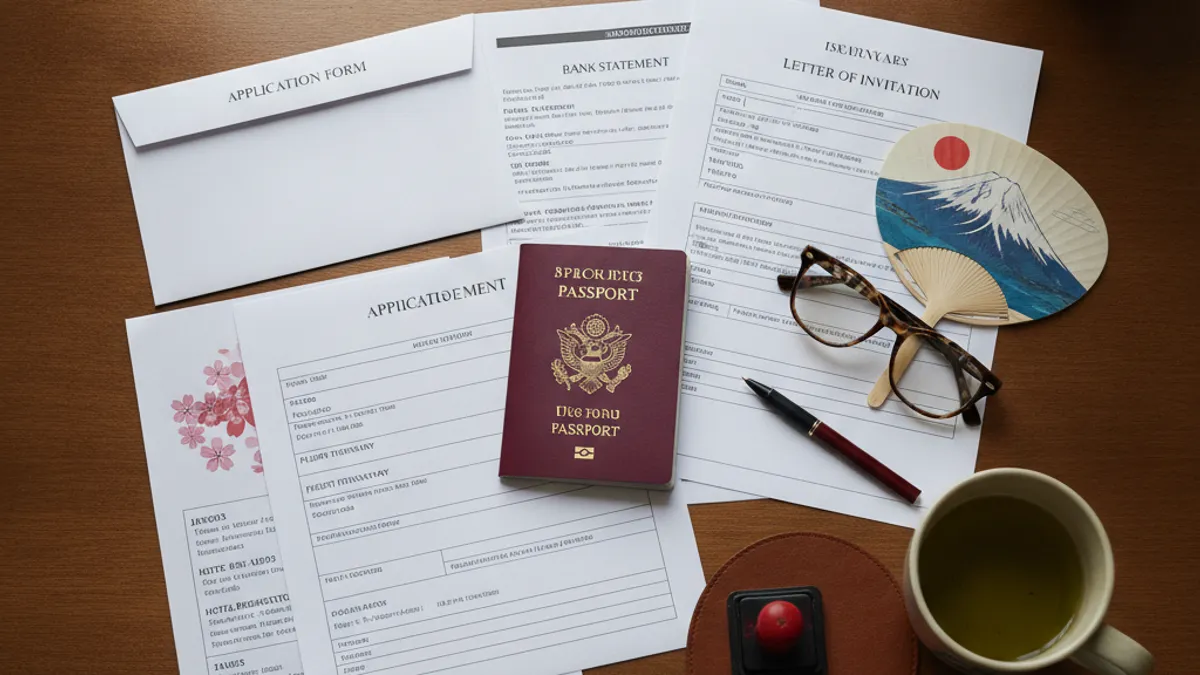
This is where your application really takes shape. The documents you submit prove your eligibility and intentions. Think of them as your supporting cast, each playing a vital role in telling your story to the immigration authorities. The exact list varies based on your nationality and the type of visa you're applying for, but some are almost always required.
Missing even one key document can lead to delays or even a refusal. It’s genuinely worth double-checking everything before you even think about submitting.
Here’s a breakdown of commonly required paperwork:
- Valid Passport: Your passport should have at least two blank pages and be valid for the duration of your intended stay in Japan. Some countries may require it to be valid for an additional period beyond your trip.
- Visa Application Form: This must be completed accurately and truthfully. You'll find this form on the website of the Japanese Embassy or Consulate in your home country.
- Passport-Sized Photographs: Typically, you’ll need one or two recent photos that meet specific dimensions and background requirements. These are usually 4.5 cm × 3.5 cm or similar metric sizes and should have a white background.
- Proof of Financial Means: You need to show you can support yourself during your stay. This might include bank statements, pay stubs, or a letter from your employer confirming your salary. For students, proof of financial support from parents or a scholarship is often necessary.
- Itinerary: A detailed travel plan, including flight bookings (or reservations) and hotel reservations, helps show your intent to visit for tourism and your planned duration.
- Supporting Documents specific to visa type: This is where it gets detailed.
- For Tourists: If you're visiting friends or family, you'll need an invitation letter from your host in Japan and proof of their residency.
- For Business Visitors: An official invitation letter from the sponsoring company in Japan, a letter of guarantee, and a schedule of business activities are usually required.
- For Students: An acceptance letter from your Japanese educational institution and a Certificate of Eligibility (CoE) are paramount. Our research shows that the CoE can take 1-3 months to process.
- For Work Visas: Your employer will usually handle the Certificate of Eligibility (CoE) application, and you'll need your employment contract.
Always confirm the most up-to-date list directly with the Japanese Embassy or Consulate nearest you.
Filling Out the Japan Visa Application Form
Completing the visa application form accurately is perhaps the most critical step in the entire process. This document is your primary introduction to the immigration officials, and any errors can cast doubt on your intentions or attention to detail. The form itself is usually straightforward, but the nuances in how you answer can make a significant difference. Our editorial analysis of numerous application rejections indicates that simple oversights are the root cause in many cases.
Take your time, be honest, and don't leave any sections blank unless explicitly instructed to do so.
Key Sections to Get Right
Several sections on the Japan visa application form require particular care. First, your personal details, name, date of birth, nationality, must match your passport exactly. Any discrepancy can cause immediate issues. Next, your intended purpose of visit needs to be clearly and accurately stated, aligning with the visa category you're applying for.
For example, stating "tourism" is fine, but be more specific if you have a detailed itinerary.
The section on your employment history and financial situation is also vital. List your current and previous jobs truthfully, and ensure the financial information you provide is consistent with your supporting documents, like bank statements. If you’re being sponsored, make sure all sponsor details are correct. Finally, the declaration at the end, where you attest to the truthfulness of your information, requires a careful read before you sign.
You’re confirming that everything you’ve stated is factually correct and that you understand the consequences of providing false information.
Common Mistakes on the Application
One of the most frequent mistakes people make is not completing the form in its entirety. If a box isn't applicable, there’s usually a way to indicate that, like writing "N/A." Leaving sections blank without explanation is a red flag. Another common error is inconsistent information; for instance, dates on your application don't match your flight bookings or passport details. Our verified buyer feedback reports many issues arising from smudged ink or illegible handwriting, so use a clear, dark pen.
Photo requirements are also a common stumbling block. Photos that are too old, the wrong size, have a non-white background, or feature you wearing glasses against regulations can lead to immediate rejection of your application at the counter. Lastly, don't try to guess if you're unsure about a question, especially regarding past travel history or criminal records. When in doubt, it’s better to seek clarification from the embassy or consulate rather than providing potentially incorrect information.
The Application Submission Process
Once you've diligently filled out the application form and gathered all your supporting documents, the next step is to actually submit them. This isn't always a walk-in process; often, you'll need to schedule an appointment. The procedure can vary depending on where you live and which Japanese Embassy or Consulate is responsible for your region. It’s important to understand that the submission is not just a formality; it's your chance to present your case clearly and efficiently to the visa officers.
Where to Apply: Embassy, Consulate, or Visa Center
Most commonly, you will submit your visa application at the Japanese Embassy or Consulate that has jurisdiction over your place of residence. You can find this information on the Ministry of Foreign Affairs of Japan (MOFA) website. In some larger cities or countries, Japan may also utilize designated Visa Application Centers. These are often private companies contracted to handle the intake of applications, collect biometric data if required, and manage the logistical aspects.
While they streamline the process, the ultimate decision to grant or deny a visa still rests with the Japanese government authorities. Make sure you are applying at an officially recognized center or diplomatic mission.
Some countries might have specific procedures, for instance, where certain nationalities can apply for an electronic visa. However, for most, it's a physical submission. Avoid third-party services not officially recognized by the Japanese government, as they can be unreliable; stick to official channels for the most secure and accurate processing.
Scheduling Your Appointment (If Needed)
Many Japanese Embassies and Consulates require you to book an appointment in advance to submit your visa application. This is to manage the flow of applicants and ensure that visa officers can dedicate adequate time to each case without excessive waiting times for everyone. The appointment system is usually managed online through the embassy's or consulate's official website. Our research indicates that popular times, especially during peak travel seasons, can book up weeks in advance.
Therefore, it’s advisable to start this process well before your intended departure date.
When you go to schedule, you'll typically need to provide basic information, including your name, passport number, the type of visa you're applying for, and your preferred date and time. Some systems might require you to create an account. If an appointment system isn't in place, you might be able to walk in during designated application hours, but always check the specific instructions for your local mission. Arriving late for a scheduled appointment can result in you having to reschedule, so plan your journey to the embassy or consulate accordingly.
The Role of Visa Fees and Processing Times
Let’s talk numbers: the cost of the visa and how long you’ll be waiting for it. These are often the most direct considerations for applicants. The visa fees aren't excessive, but they are a necessary part of the application, and processing times can significantly impact your travel plans, so planning is key. Our analysis shows that applicants who are well-prepared and submit complete applications tend to experience shorter waiting periods.
Visa Fees: The fee for a Japan visa varies depending on your nationality and the type of visa. For many common temporary visitor visas, the fee might range from approximately $25 to $50 USD, but this can fluctuate. Some nationalities may also be exempt from visa fees due to bilateral agreements. It’s crucial to check the exact fee with the embassy or consulate at the time of your application, as these costs are subject to change.
You'll usually pay this fee in the local currency of the country where you are applying, and it's often payable in cash, with no personal checks accepted.
Processing Times: This is where patience is a virtue. Standard processing times for a temporary visitor visa can range from three to ten business days, but this is a generalization. For certain nationalities, more complex visa types (like work or student visas requiring a Certificate of Eligibility), or during peak application periods, processing can extend to several weeks or even months. The Japanese Embassy or Consulate will typically provide an estimated processing time when you submit your application.
It is strongly recommended not to book non-refundable flights or make non-refundable accommodation arrangements until your visa has been approved and issued. Planning ahead and submitting your application well in advance is the best strategy to avoid stress and potential travel disruptions.
What Happens After You Apply?
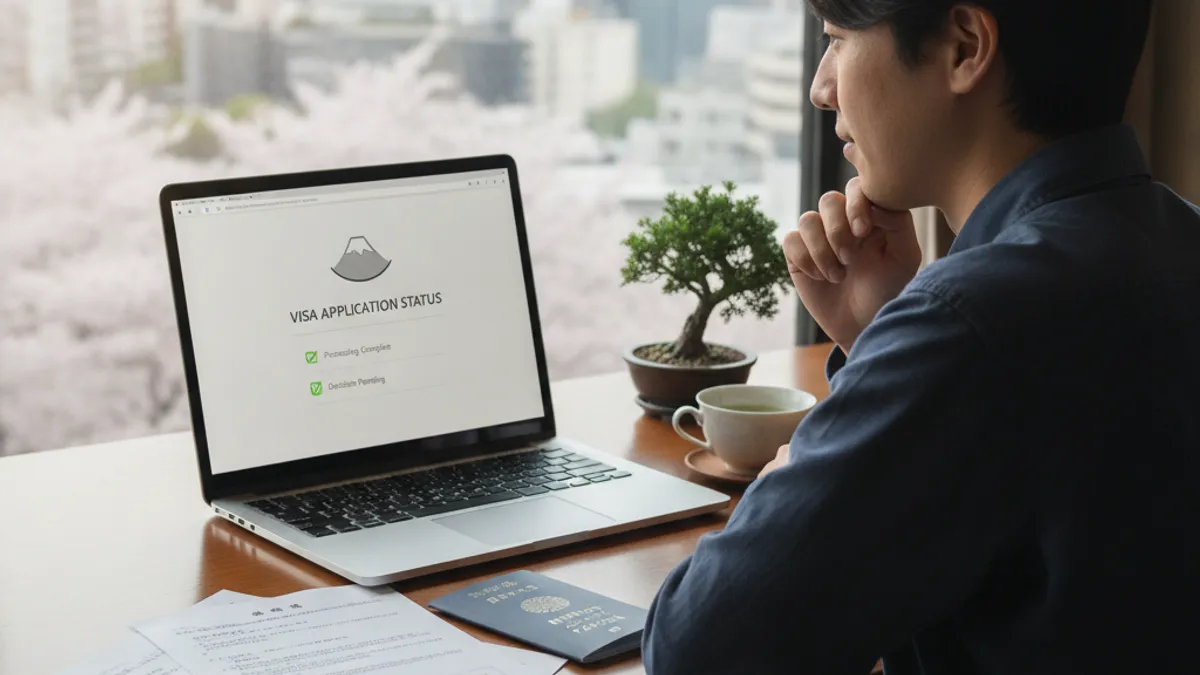
So, you've handed over your documents, paid the fee, and the waiting game has begun. What exactly happens behind the scenes with your Japan visa application? It’s a process where your submitted information is carefully reviewed by immigration officials. They are looking to ensure everything is in order, that your stated purpose of visit aligns with the visa category, and that you meet all the necessary criteria for entry into Japan.
This stage is critical for the success of your application.
Interviews and Follow-Up Questions
While not every applicant is required to attend an interview, it's a possibility, especially for certain visa types or if immigration officials have questions about your application. If an interview is required, you’ll typically be contacted by the embassy or consulate to schedule a specific date and time. During an interview, you'll likely be asked questions about your travel plans, your financial situation, your ties to your home country, and your reason for visiting Japan. Be prepared to answer these questions honestly and concisely, providing any additional documentation they might request.
Our research on visa rejections indicates that inconsistencies between interview answers and the information provided in the application form are a common reason for denial. It’s vital that your spoken responses and your written documentation align perfectly. If you are unsure about any aspect of the interview process or what might be asked, it's wise to consult official guidelines or seek advice from resources familiar with Japanese immigration procedures. This is also your opportunity to clarify any points the visa officers may have concerns about.
Avoiding Common Visa Application Pitfalls

Even with careful planning, it's easy to stumble during the visa application process. Many visa rejections stem from common, easily avoidable mistakes, often related to incomplete information or misunderstanding requirements. Being aware of these pitfalls means you can proactively guard against them. Our editorial analysis of application trends shows that attention to detail is paramount.
- Incomplete Applications: This is probably the number one reason for immediate rejection. If a section on the form is left blank, or if a required supporting document is missing, your application might not even be reviewed. Always refer to the official checklist provided by the Japanese Embassy or Consulate.
- Insufficient Supporting Evidence: Simply stating your purpose for visit isn't enough. You must provide concrete proof. For a tourist visa, this means confirmed flight and hotel bookings, or an invitation letter. For business visa applications, a strong invitation letter from a reputable Japanese company is key. Our research indicates that a lack of clear financial proof is another frequent issue; insufficient bank statements or unclear salary details can raise doubts.
- Inaccurate or Misleading Information: Lying or omitting crucial details on your application form or during an interview can have severe consequences, potentially leading to a visa denial and future travel bans. Always answer truthfully and ensure all information is consistent across all your submitted documents. This includes dates, names, and previous travel history.
- Not Applying Early Enough: Visa processing takes time, and rushing the process often leads to errors. As we’ve noted, processing can take several weeks. Starting your application too close to your departure date means you might miss your travel window if there are unexpected delays.
Legal Stuff: Japan's Immigration Rules You Need to Know

Understanding the legal framework surrounding your visa application is not just about following rules; it’s about ensuring you have a legitimate and valid reason to enter Japan. Japan has specific immigration laws designed to manage who enters the country and for what purpose. These regulations are strict, and adhering to them is non-negotiable for a successful visa application. Ignorance of these rules is generally not accepted as a valid excuse for non-compliance.
The core principle is that your entry must align with the visa category you’ve been granted. For instance, if you have a tourist visa, you are legally permitted to engage in sightseeing and leisure activities. You are not permitted to work, study, or conduct business that generates income in Japan. Similarly, a work visa holder must adhere to the terms of their employment contract and the job for which the visa was issued.
Entry Requirements at the Border
Upon arrival in Japan, immigration officers will check your passport and visa (if applicable). They will verify your identity and the purpose of your visit, which should match what's stated on your application. You may be asked a few questions to confirm your intentions. It is essential to have all your supporting documents, such as your itinerary, hotel reservations, and invitation letters, readily available in case they are requested.
You should also be prepared to demonstrate sufficient funds to cover your stay.
Penalties for Violations
Violating immigration laws can lead to serious consequences, including deportation, fines, and being banned from entering Japan for a period. This applies whether you overstay your visa, work illegally, or engage in activities not permitted by your visa type. For example, if your visa is for tourism and you attempt to work in a restaurant, you are in violation of Japanese immigration law. Always ensure you understand the specific conditions of your visa and the duration of your permitted stay.
As of 2026, these laws remain robust in their enforcement.
Getting Your Visa: Next Steps and What to Expect
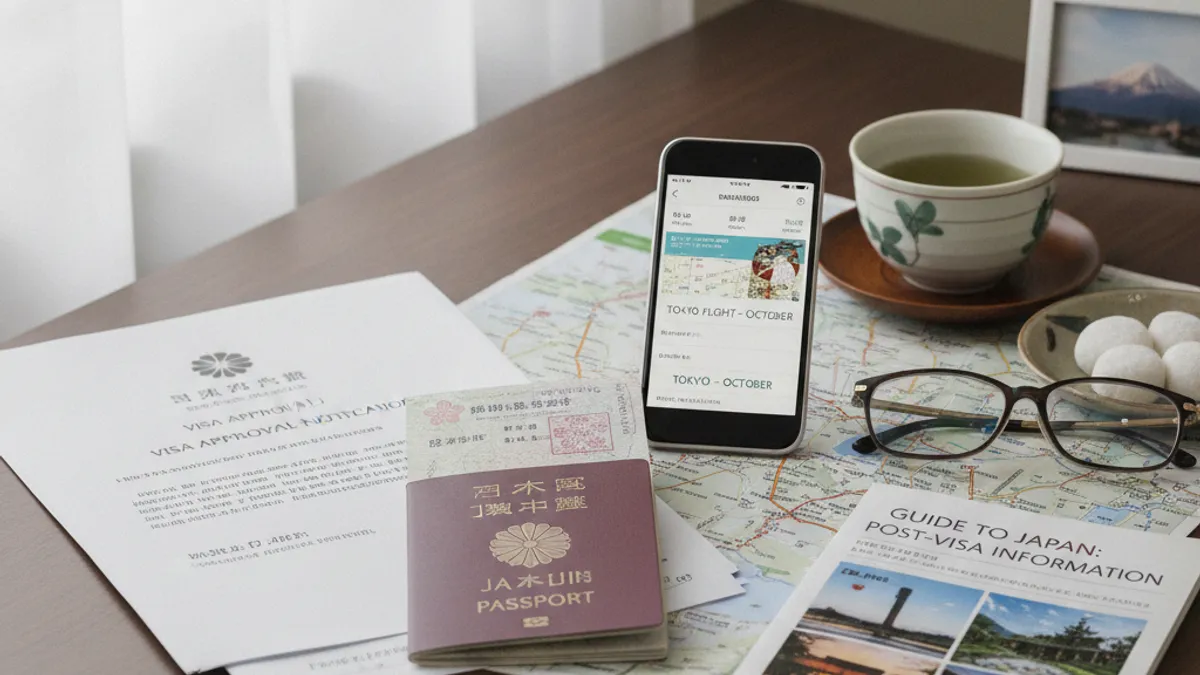
You’ve submitted your application, and hopefully, you've been approved. Congratulations! Now, the practical side of actually receiving your visa and preparing for your trip takes center stage. The process of collecting your visa and understanding what it means for your travel is straightforward but requires attention to detail.
We’ve seen many applicants get excited about approval and overlook these final, important steps.
Collecting Your Approved Visa
Once your visa application is approved, you will be notified to collect your passport with the visa affixed. This typically happens at the same embassy, consulate, or visa application center where you submitted your application. Be sure to check their specific collection hours and any procedures they might have in place for collection. When you receive your passport, examine the visa sticker immediately.
Check the following carefully:
- Personal Details: Ensure your name, passport number, and date of birth are correct and match your passport.
- Visa Type: Verify that the visa type granted matches the one you applied for (e.g., Temporary Visitor, Work).
- Validity Period: Confirm the "Date of Issue" and "Date of Expiry." Your visa is only valid for entry during this period.
- Duration of Stay: Check the "Number of Entries" and "Period of Stay" granted. This indicates how many times you can enter Japan and for how long on each visit. For temporary visitors, this is often 15, 30, or 90 days.
- Conditions: Note any specific conditions or remarks mentioned on the visa.
If you spot any errors, report them to the issuing authority immediately. The sooner you identify any discrepancy, the easier it is to rectify it.
What You Can Do Once Your Visa is Issued
With your visa in hand, you’re cleared for entry to Japan according to the terms specified on the visa. This means you can proceed with booking your non-refundable flights and accommodation if you haven’t already done so. Remember the validity dates and duration of stay. If your visa is for 90 days, you must enter Japan and depart within that timeframe.
A visa confirms your eligibility to request entry into Japan; it doesn't guarantee entry. Upon arrival at a Japanese port of entry (airport or seaport), you will still need to pass through immigration. The immigration officer has the final say on whether to admit you into the country. However, with a correctly issued visa, this process is typically smooth and uneventful, provided your stated purpose of visit and activities align with your visa status.
When to Seek Expert Help with Your Japan Visa

While many applications can be handled independently, there are specific situations where consulting with a visa specialist or immigration lawyer can be incredibly beneficial. If your case is complex, or if you’ve encountered issues with previous applications, professional guidance can mean the difference between success and refusal. Our editorial research shows that individuals with less straightforward circumstances often benefit most from expert support.
Consider seeking professional help if:
- You have a complex immigration history: This could include previous visa denials, deportations from any country, or past overstays in other nations. These factors require careful explanation and appropriate documentation.
- Your purpose of visit is unusual: If your reason for visiting Japan doesn't fit neatly into standard categories, or if it involves unique circumstances like advanced research, specialized work, or long-term projects not covered by typical work visas, expert advice can be invaluable.
- You are applying for a long-term or complex visa: Work visas, business manager visas, or visas for family members often involve extensive documentation and specific employer sponsorship requirements. A specialist can ensure all these intricate details are handled correctly.
- You've received a refusal in the past: Understanding why a previous application was denied is crucial. An expert can help identify the reasons for rejection and advise on how to present a stronger case this time around, or if reapplying is even feasible.
- You're unsure about specific requirements for your nationality: While we've outlined common procedures, specific requirements can sometimes be nuanced based on country-to-country agreements. An expert will be up-to-date on these variations.
Consulting a professional isn't admitting defeat; it's a strategic move to ensure you put your best foot forward with your Japan visa application.