
Planning your next great escape and wondering which countries you can waltz into without the hassle of a visa application? It’s a common dream for travelers looking to simplify their journeys. The truth is, “which country doesn’t need visa” isn’t a fixed list, but rather a dynamic puzzle that depends entirely on your own passport and the specific immigration policies of your desired destination.
Thank you for reading this post, don't forget to subscribe!This isn’t about a secret club of nations that welcome everyone. Instead, it’s about the intricate network of bilateral agreements between governments, dictating who can enter whom, under what conditions, and for how long, often based on principles of reciprocity and diplomatic relations. As of 2026, many countries maintain agreements that allow citizens of certain nations to enter for short-term stays, typically for tourism or brief business purposes, without needing to pre-apply for a visa.
Are You a Bangladeshi Passport Holder?
If you hold a Bangladeshi passport, check our dedicated guide to visa-free and visa-on-arrival countries for Bangladeshi citizens for the most accurate and specific list. This article covers visa-free travel more broadly, across different passport types and regions.
Your Passport Is the Key: Understanding Visa-Free Travel

When we talk about needing a visa, or not needing one, the absolute starting point is your passport. It’s not just a travel document; it’s your global ID that signals your citizenship to every country you wish to enter. The country that issued your passport determines which international travel agreements apply to you. For instance, a US citizen will have vastly different visa requirements than a citizen of India or Brazil when traveling to the same European nation.
This is because countries enter into what are called bilateral agreements, which are essentially treaties made between two nations. These agreements often outline visa-free travel for citizens of both countries for specific purposes, like tourism or short business trips. If such an agreement exists between your home country and your destination country, you might be able to travel visa-free. If not, you’ll likely need to go through the standard visa application process before your trip.
It’s a straightforward concept: no specific agreement, no automatic visa-free entry.
Who Really Doesn’t Need a Visa? It’s All About Your Passport.
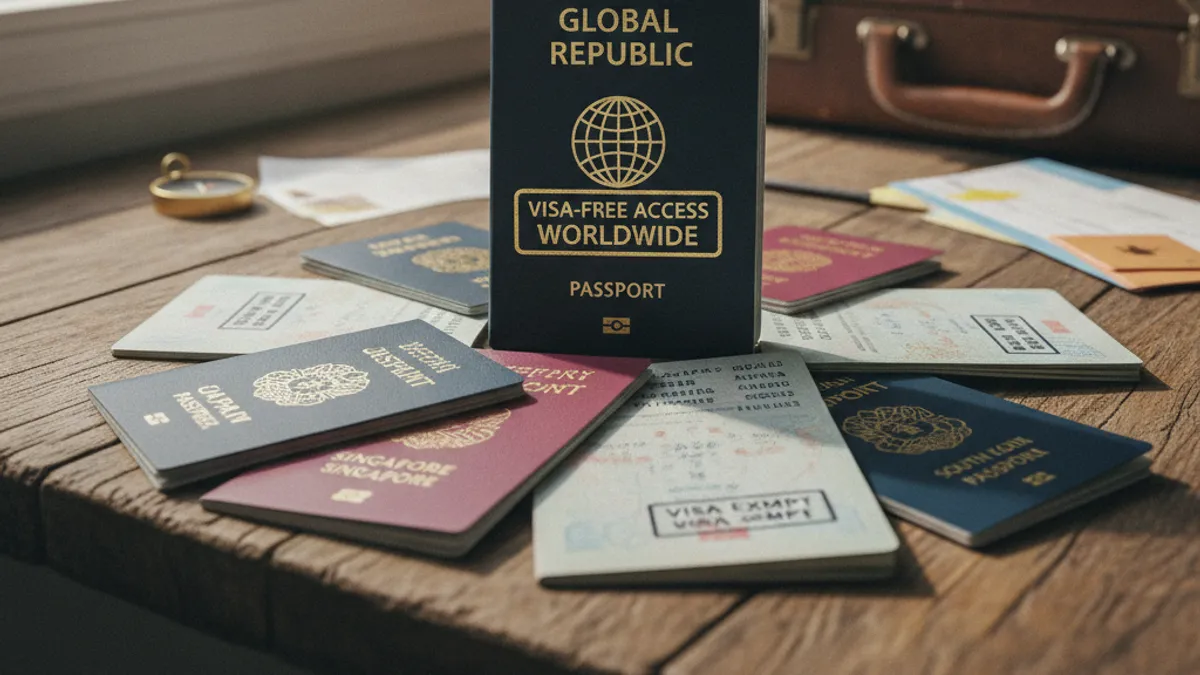
So, if you’re scouring the internet for a definitive answer to “which country doesn’t need visa,” you’re likely to find a lot of varying information. That’s precisely why it’s so crucial to understand that the answer is personal. There isn’t a single, universal list that applies to everyone. Your nationality dictates your access.
For example, as of early 2026, citizens of the United Kingdom might enjoy visa-free access to over 150 destinations, but this number can be significantly different for citizens of other countries.
This is where the concept of citizenship becomes the most powerful factor. If your passport is from a country with many established travel agreements, your options for visa-free travel will be far broader. Conversely, if your passport doesn’t have reciprocal visa-free arrangements with many nations, you’ll encounter more restrictions. This isn’t arbitrary; it’s the practical outcome of diplomacy and how nations choose to interact with each other on travel matters.
How International Travel Rules Work: Bilateral Agreements Explained

The backbone of visa-free international travel is a system of bilateral agreements. These are formal understandings, often treaties, struck between two countries. Think of them as a pact saying, “We’ll let your citizens visit us without extensive paperwork, and you’ll do the same for ours.” This reciprocity is key. If Country A has a strong relationship and similar security interests with Country B, they’re more likely to sign a visa-waiver program, allowing citizens of Country B to enter Country A for up to 90 days, for example, without needing a pre-arranged visa.
These agreements are not static. They can be added, modified, or even revoked based on political, economic, or security situations. This is why it’s vital to always check official sources just before you travel, as an agreement that existed last year might have changed. For instance, many agreements might specify the maximum duration of stay, typically ranging from 30 to 90 days, and often limit the purpose of visit to tourism or short-term business activities.
The Practical Steps: Checking Visa Requirements for Your Trip

Navigating the world of international travel doesn’t have to be overwhelming, even with visa policies. The goal is to equip yourself with the right information before you book flights or accommodation. By following a clear process, you can quickly determine your visa needs for any destination. This approach helps avoid last-minute panic and ensures a smoother travel experience.
Step 1: Identify Your Nationality (Your Passport’s Role)
Your passport is your primary travel document and the foundation for determining your visa status. The country of issue, representing your citizenship, is the most critical piece of information. When researching visa requirements, always start by identifying the issuing country of your passport. For example, if you hold a passport from Canada, your visa-free options will differ significantly from someone holding a passport from Brazil, even if both are traveling to the same destination like Japan.
This step is non-negotiable and forms the basis for all subsequent research. Without knowing who you are from a passport perspective, any information you find about visa requirements will be irrelevant. It’s the first condition in the decision tree of international travel.
Step 2: Pinpoint Your Destination
Once you’ve identified your nationality, the next crucial step is to name your intended destination. The destination country’s immigration policies and its bilateral agreements with your home country will dictate whether you need a visa. For instance, if you are a German citizen and wish to visit Mexico, you’ll find different requirements than if you were planning a trip to Thailand.
It’s important to be specific here. Simply knowing you want to go to “Europe” isn’t enough if you’re not a citizen of a Schengen Area country. You need to know the exact country or countries you plan to visit, as each nation, or bloc like the Schengen Area, has its own set of rules. This specificity avoids any ambiguity when you proceed to the next, most critical step of verification.
Step 3: Consult Official Sources (Govt. Sites are Your Best Bet)
This is the golden rule of travel planning. While blogs and travel sites can offer general guidance, the definitive and most up-to-date information on visa requirements will always come from official government sources. There are two primary types of official websites you should consult:
- Your Home Country’s Ministry of Foreign Affairs or Department of State: These bodies provide information for their citizens traveling abroad. They often have detailed country profiles that include visa advisories and requirements. For example, the U.S. Department of State’s website offers country-specific information for American travelers.
- The Destination Country’s Embassy or Consulate in Your Home Country: This is the ultimate authority. Search for the official website of the embassy or consulate of the country you plan to visit, located within your own country. These sites will have explicit details on visa categories, application processes, fees, and validity periods.
Relying on these sources ensures you have accurate information as of the latest updates, preventing potential issues at the border. This is particularly important as immigration policies can change rapidly.
What “Visa-Free Entry” Actually Entails

When you find out that your nationality allows for visa-free entry to a particular country, it sounds like a free pass. While it certainly simplifies things immensely, it doesn’t mean you can just show up with no preparation. Visa-free entry usually implies that you don’t need to visit an embassy or consulate to apply for and obtain a visa stamp in your passport before you travel. However, you will almost always still need to meet certain entry requirements upon arrival.
These requirements are designed to ensure that visitors are genuine travelers who will abide by the country’s laws and leave within the designated timeframe. They are part of the screening process that border officials conduct to manage the flow of people. Failing to meet these conditions, even with visa-free status, can still result in denied entry. Therefore, understanding what “visa-free” truly means in practice is essential for a smooth journey.
Beyond the Stamp: Essential Documents for Entry
Even if you’re traveling to a country that offers visa-free entry for your nationality, you must be prepared with specific documentation to present to immigration officials upon arrival. Think of these as the minimum requirements to prove you are a legitimate visitor. Primarily, you’ll need:
- A Valid Passport: This is paramount. As of 2026, most countries require your passport to be valid for at least six months beyond your intended stay. It should also have sufficient blank pages (usually at least two) for entry and exit stamps.
- Proof of Onward or Return Travel: Immigration officers want to see that you have a plan to leave the country. This typically means a confirmed return flight ticket or a ticket showing you will depart for a third country.
- Proof of Sufficient Funds: Some countries may ask for evidence that you can support yourself financially during your stay. This could be bank statements, credit card statements, or a letter from a sponsor. The exact amount required varies widely.
- Declared Purpose of Visit: You will need to clearly state why you are entering the country (e.g., tourism, visiting family, attending a conference). Some visa-free agreements are specifically for tourism; engaging in work or business activities not covered by the agreement could lead to problems.
Ensuring these documents are in order significantly streamlines your border crossing experience.
Common Pitfalls: Mistakes to Avoid with Visa-Free Travel

Even with visa-free travel, travelers can stumble into common problems. One of the biggest mistakes is assuming visa-free means absolutely no scrutiny at the border. Many people get turned away because they don’t have proof of onward travel. Immigration officers need to see that you have a concrete plan to leave their country, whether it’s a return flight ticket or a bus ticket to your next destination.
Another frequent error is misinterpreting the duration of stay allowed. A 90-day visa-free period is not a buffer to be used up; it’s a strict limit. Overstaying, even by a day, can lead to significant penalties, including fines, deportation, and future travel bans. Furthermore, relying on outdated information from unreliable sources is a recipe for disaster.
Visa policies can and do change, sometimes with little notice. Always verify with official government websites.
What Happens If You Overstay?
Overstaying your visa-free period is a serious immigration offense. The consequences can range from a hefty fine and a warning to being detained, deported, and banned from re-entering the country for years. In some cases, this ban can extend to other countries as well, particularly if your country has strong intelligence-sharing agreements with the country you overstayed in. This is why strict adherence to the permitted duration of stay is so critical; it safeguards your future travel prospects.
Forgetting Essential Documents
Beyond your passport, failing to pack essential supporting documents can be just as detrimental. This includes missing proof of sufficient funds for your stay or not having a confirmed return ticket. While not every officer will ask for these, they have the right to request them, and if you can’t produce them, you risk being denied entry. It’s always better to have these documents ready and not need them, than to need them and not have them.
Ignoring the Purpose of Visit Clause
Visa-free entry is usually granted for specific purposes, most commonly for tourism or short business trips. Trying to enter a country on a tourist visa-free basis with the intention of working or studying can lead to serious trouble. Immigration authorities are vigilant for this, and if they suspect you are working illegally or will become a burden on the state, entry will be denied. Always be honest about your travel intentions.
Who Benefits Most from Visa-Free Travel?

Visa-free travel offers profound advantages, particularly for frequent explorers and those who value spontaneity. Citizens of countries with comprehensive visa-waiver programs, such as those in the European Union (especially within the Schengen Area), or countries like Canada, Australia, and Japan, generally enjoy broad access to many global destinations without the need for pre-approval. These travelers can often make last-minute decisions to visit friends, attend events, or simply embark on an impromptu adventure.
This convenience translates directly into saved time and money. The extensive back-and-forth of visa applications, including appointment scheduling, document gathering, and waiting periods, can be a significant hurdle. The elimination of these steps makes international travel more accessible and less stressful for millions. For professionals on tight schedules or individuals seeking flexible vacation planning, visa-free travel is a powerful enabler.
The Spontaneous Traveler
For those who love to decide where to go on a whim, visa-free access is a game-changer. Imagine seeing a great flight deal or hearing about a festival happening next week. If your nationality allows visa-free entry, you can book that trip without worrying about a lengthy visa application process. This is particularly appealing for weekend getaways or short, unplanned breaks.
The Budget-Conscious Explorer
Visa fees can add up, especially for multi-stop trips or family vacations. Being able to travel visa-free saves a considerable amount of money that can then be reallocated to experiences, accommodation, or other parts of the travel budget. For many, these savings make international travel a more feasible option.
The Business Professional
Business travelers often need to move quickly and efficiently. Visa-free entry allows them to attend meetings, conferences, or site visits without significant delays. The ability to depart on short notice and enter multiple countries for brief periods can greatly enhance their productivity and opportunities.
When You’ll Likely Need a Visa Anyway

Despite the allure of visa-free travel, it’s important to recognize that it’s not universally applicable. If your passport isn’t from a country with extensive bilateral agreements, or if you plan a longer stay than what’s permitted under a visa-waiver program, you will almost certainly need to apply for a visa in advance. This is common for nationalities from countries that do not have reciprocal visa-free arrangements with many developed nations.
Moreover, the purpose of your visit plays a huge role. Visa-free entry is typically restricted to tourism, visiting family, or very short business meetings. If your intentions involve working, studying, immigrating, or any other long-term activity, a specific visa tailored to that purpose will be required, regardless of international agreements for short stays.
Longer Stays Trigger Visa Requirements
Visa-free statuses are almost always for short-term visits, often capped at 30, 60, or 90 days within a 180-day period. If your travel plans involve staying in a country for an extended period, such as for a semester abroad, a long-term work contract, or to live there, you will need to apply for a long-stay visa or a residency permit. These are separate processes from short-term tourist entries and require a more comprehensive application.
Work, Study, or Immigration Dreams
The moment your travel purpose shifts from leisure to employment, education, or permanent residency, the visa-free classification is no longer relevant. For example, if you’re a citizen of Country X, which has a 90-day tourist visa-free agreement with Country Y, you can visit Country Y for 90 days as a tourist. However, if you secure a job offer in Country Y, you must apply for a work visa before you can legally begin employment there, even if your visa-free period hasn’t expired. The same applies to pursuing academic studies.
Navigating Border Control: What to Expect

Arriving at an international airport or border crossing can feel a bit intimidating, but understanding the process for visa-free travelers can ease anxieties. When you present yourself to the immigration officer, they will scrutinize your documents and your answers to their questions. This is their job: to ensure you meet the entry requirements and that your stated purpose of visit aligns with the visa-free allowance.
Be prepared for questions about your itinerary, where you’re staying, and your return travel plans. Maintain a calm and polite demeanor. Honesty and clarity are your best allies. Even though you have visa-free status, the final decision to grant entry rests with the immigration officer.
If you’ve followed all the steps, have your documentation in order, and are truthful, the process is usually smooth and quick.
The Immigration Officer’s Role
The immigration officer is the gatekeeper. Their primary responsibilities include verifying your identity against your passport, assessing the legitimacy of your travel, and ensuring you comply with the country’s entry and immigration laws. They are trained to spot discrepancies, unusual travel patterns, or potential security risks. Being respectful, answering questions directly, and having all your required documents readily available will significantly contribute to a positive interaction.
What if They Ask More Questions?
If an immigration officer asks follow-up questions or seems to require more information, don’t panic. This is often standard procedure. They might ask for more details about your accommodation, your host if you’re visiting someone, or your itinerary. It could also be a sign they want to confirm your financial capacity.
Politely and clearly provide the information they request. If you have pre-booked accommodation or referred them to your confirmed return ticket, that can help ease their concerns.
Staying Compliant: Legal Considerations for Travelers

Compliance with immigration laws is non-negotiable when traveling internationally, whether you’re using visa-free entry or have a specific visa. The core legal principle is respecting the sovereignty of the destination country. This means adhering to all their rules and regulations concerning entry, stay, and departure. For visa-free travel, this primarily involves respecting the duration of stay limits and the permitted purpose of visit.
Violating these can have far-reaching consequences that extend beyond a single trip. The effects can jeopardize future travel, impact career opportunities, and even affect your ability to secure visas for other countries down the line. It’s always wise to operate with a clear understanding of the legal framework governing your travel. Double-checking with official sources, as mentioned earlier, is your best defense against unintentional non-compliance.
The Long Arm of Immigration Law
Immigration laws are designed to manage a country’s borders, economy, and social structure. When you enter a country, even visa-free, you are implicitly agreeing to abide by these laws. This includes not engaging in unauthorized employment, not overstaying your welcome, and not bringing in prohibited items. Many countries have robust systems for tracking entries and exits, especially in the digital age, making it harder to avoid detection if you break the rules.
Reciprocity and International Relations
It’s worth remembering that visa agreements are often based on reciprocity. If you are a citizen of a country that strictly enforces visa requirements for visitors from your destination country, it’s more likely that your destination country will also require you to obtain a visa. This principle underscores why understanding your specific nationality’s situation is so important; it’s a two-way street that influences travel policies globally.
Your Next Step: Planning Your Visa-Free Adventure

Now that you understand how visa requirements work, it’s time to put that knowledge into action for your next trip. The key takeaway is that while visa-free travel offers incredible freedom, it demands diligent research and adherence to regulations. Start by confirming your passport’s validity and the terms of any visa-waiver agreements between your home country and your desired destination.
Always refer to the official government websites of both your home country’s foreign affairs ministry and the embassy or consulate of your destination country for the most accurate and up-to-date information. This diligence will ensure your trip planning is solid and that you can enjoy the amazing experiences international travel offers without unexpected hiccups at the border. Happy travels!
How to Stay Updated on Changing Policies
International relations and travel agreements can evolve, so staying informed is crucial. Regularly check the official websites of your country’s Department of State or Foreign Affairs Ministry for any travel advisories or changes to visa agreements affecting your passport. Signing up for travel alerts from these agencies can also be a smart way to receive immediate notifications about significant policy shifts. This proactive approach ensures your planning remains accurate right up to your departure date.
Making the Most of Visa-Free Freedom
When you have the flexibility of visa-free travel, embrace it! Consider spontaneous trips, explore destinations you hadn’t previously thought of, or extend your stays within the permitted duration to truly soak in the local culture. The reduced administrative burden allows you to focus more on the adventure itself. Remember, this freedom comes with a responsibility to be a law-abiding and respectful visitor in every country you explore.