
Planning a trip from India to Thailand is exciting, and one of the first things on your mind is likely, "Do Indians need visa for Thailand?" It’s a straightforward question, but the answer can depend on your travel plans. For many short tourist trips, you might be in luck and won't need to apply for a visa beforehand. However, the rules shift if you're planning a longer stay or a different kind of visit.
Thank you for reading this post, don't forget to subscribe!As of 2026, Indian passport holders often enter Thailand for tourism under a visa exemption scheme, typically allowing stays of up to 30 days. This exemption, however, has specific conditions, especially regarding how you enter the country and how many times you use it within a calendar year. Understanding these nuances ensures your entry into the Land of Smiles is as smooth as possible, preventing any unexpected hiccups at immigration.
The Quick Answer: Do You Need a Visa for Thailand?
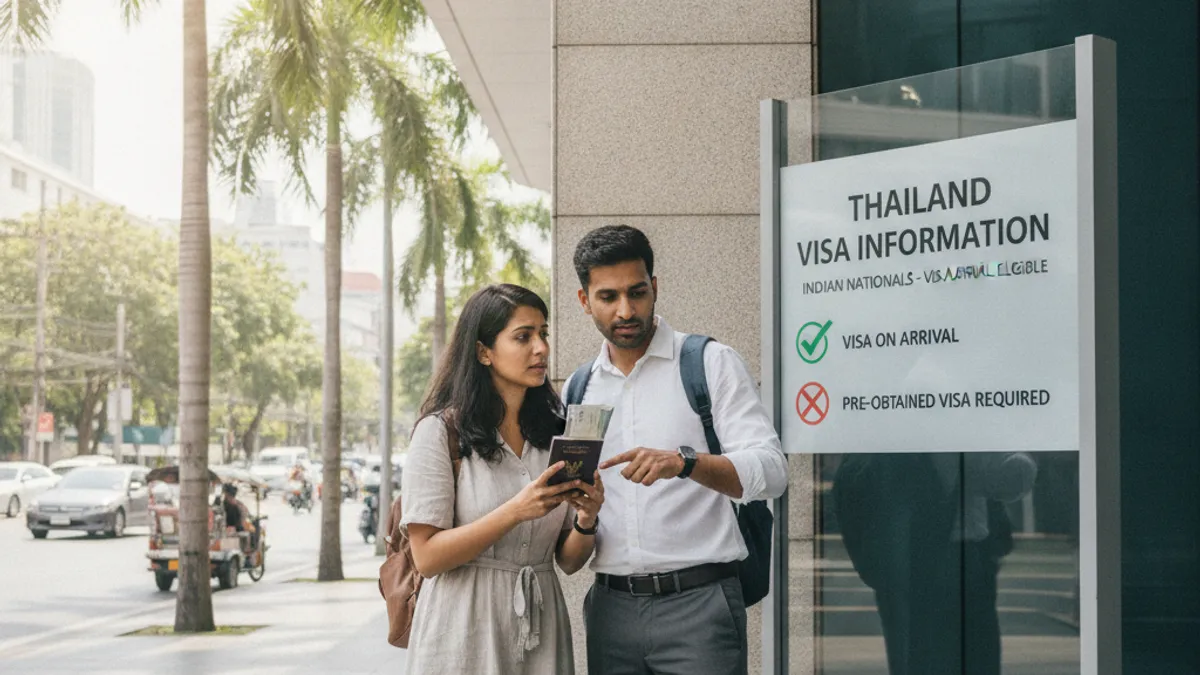
For Indian citizens, the question of needing a visa for Thailand isn't a simple yes or no; it’s a conditional requirement. Most of the time, if your intention is purely tourism and your planned stay is for 30 days or less, you can enter Thailand without needing to apply for a visa beforehand. This is thanks to a visa exemption policy.
However, this pathway has specific rules. If you've already entered Thailand by land or sea twice in a calendar year, you'll need a visa for any subsequent entries, even if they are for tourism under 30 days. Moreover, any visit that extends beyond the 30-day limit or is for purposes other than tourism, like work or study, requires a formal visa application submitted in advance.
Navigating Thailand's Visa Requirements for Indians
The journey to Thailand can feel complicated if you're unsure about the visa situation. Our research indicates that accurately determining your need for a visa hinges on two primary factors: the purpose of your visit and the intended duration of your stay. Understanding these core elements will guide you through the correct process, whether that means a simple stamp at immigration or a pre-approved visa. This guide breaks down those conditions, helping you figure out your specific requirements and avoid common pitfalls that can delay or prevent your entry.
When a Visa Isn't Needed: The Tourist Exemption
For many Indian travelers dreaming of Thai beaches and vibrant street food, the good news is that visa-free entry is often possible. Thailand offers a Visa Exemption for citizens of certain countries, including India, for tourism purposes. This means you can arrive at a Thai airport, present your passport, and receive permission to enter for a set period without needing to visit an embassy or consulate beforehand.
This exemption is designed for short, leisurely trips. It allows you to experience Thailand's culture and attractions without the administrative hurdle of a visa application. However, it's not a blanket pass for everyone, and understanding its limitations is key to a hassle-free journey.
How the Visa Exemption Works for You
The Visa Exemption policy for Indian citizens typically allows for a stay of up to 30 days when arriving by air. This is a convenient option for short vacations. However, the rules get a bit more specific if you plan to enter Thailand overland or by sea. Under the current regulations, you are allowed visa-exempt entry via land or sea borders only twice per calendar year.
Any third entry using land or sea within the same year will require you to obtain a visa in advance. If you are flying into Thailand, this limitation on the number of entries per year generally does not apply to the visa exemption.
When You Absolutely Need a Visa

While the visa exemption is fantastic for many, it's not a one-size-fits-all solution for every Indian traveler heading to Thailand. There are specific scenarios where you will need to apply for and obtain a visa before you depart from India. Ignoring this step can lead to being denied entry at the border or airport, which is a travel nightmare nobody wants.
It's crucial to be upfront about your travel plans. If your trip doesn't fit neatly into the visa-exempt tourist category, proactively seeking the correct visa is your best course of action. Planning ahead is always the smartest move when dealing with international travel regulations.
Reasons You'll Need to Apply in Advance
Here’s a clear breakdown of situations that typically require Indian citizens to secure a visa before traveling to Thailand:
- Extended Tourist Stays: If you plan to stay in Thailand for more than 30 days for tourism, you must apply for a Tourist Visa (TR) in advance. The exemption is strictly for shorter durations.
- Non-Tourist Purposes: Any visit not solely for leisure falls into this category. This includes:
- Work or Business: If you're traveling for employment, business meetings, conferences, or to start a business, you'll need an appropriate Non-Immigrant Visa (e.g., B Visa for business, ED Visa for education).
- Study or Education: For students enrolling in Thai educational institutions, a Student Visa (ED Visa) is mandatory.
- Medical Treatment: While short medical stays might be covered by the exemption, longer or specialized treatments may require a specific visa.
- Family or Retirement: Special visas exist for those looking to join family members in Thailand or retire there.
- Exceeding Land/Sea Entry Limits: As mentioned, if you've already used your visa exemption for land or sea entries twice in a calendar year, any further overland or sea arrival for tourism will require a visa.
Your Step-by-Step Visa Eligibility Check
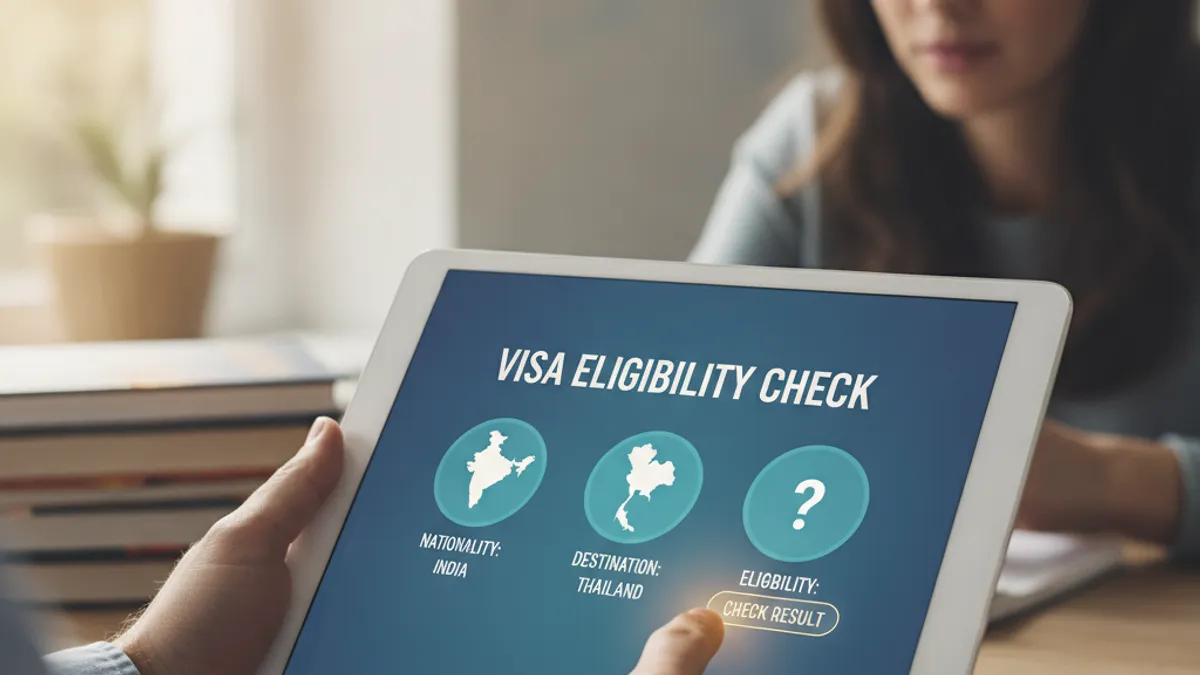
Figuring out if you need a visa doesn't have to be a guessing game. By systematically checking a few key details about your trip, you can determine exactly what’s required. This process helps you avoid potential issues and ensures you’re prepared for your journey to Thailand.
1. Purpose of Your Trip
The very first question to ask yourself is: Why am I going to Thailand? Your primary reason for travel is the biggest determinant in whether you qualify for visa-free entry or need a specific visa.
- Pure Tourism: If your plan involves exploring temples, relaxing on beaches, enjoying cuisine, shopping, or visiting tourist attractions for leisure, without any work or formal study involved, you are likely looking at the Visa Exemption or a Tourist Visa (TR) if your stay exceeds 30 days.
- Work/Business: If you're going to earn a salary, attend business meetings, represent your company, or engage in any commercial activities, you'll need to look into Non-Immigrant Visas, such as the B Visa (Business).
- Education: For any form of study, from short courses to university degrees, a Student Visa (ED Visa) is required.
- Other Specific Reasons: This could include visiting relatives, undergoing medical treatment, or retiring in Thailand, each potentially requiring a specific Non-Immigrant Visa category.
2. Duration of Your Stay
The next critical factor is how long you intend to stay in Thailand. This directly impacts whether the visa exemption applies or if a visa application is necessary.
- 30 Days or Less: If your trip is for tourism and you plan to be in Thailand for 30 days or less, and you meet the entry method criteria (detailed next), you can likely enter using the Visa Exemption.
- More Than 30 Days: If your planned stay for tourism extends beyond 30 days, you must apply for a Tourist Visa (TR) in advance. Similarly, if your purpose is non-tourist (work, study, etc.), the duration will dictate the type of Non-Immigrant Visa you need, and these always require an application beforehand.
3. Your Entry Method
While your purpose and duration are primary, how you arrive in Thailand also plays a role, especially concerning the visa exemption. This distinction is important for repeat visitors.
- Arrival by Air: If you are flying into Thailand, the Visa Exemption typically applies for up to 30 days, and there are generally no limits on the number of times you can use this exemption within a calendar year when arriving by air.
- Arrival by Land or Sea: This is where the entry count matters. Indian citizens can use the Visa Exemption for land or sea entries only twice in a calendar year. If this is your third or subsequent entry into Thailand via land or sea borders within the same year, you will need to have obtained a visa prior to your arrival. This rule is to prevent individuals from essentially living in Thailand on repeated short visa-exempt stays via land crossings.
How to Apply: The Real Process
If your trip doesn't qualify for the visa exemption, or if you’re planning a trip that’s longer than 30 days or for a non-tourist purpose, then it’s time to focus on the visa application process. This isn't something you want to leave to the last minute, as it involves gathering documents and potentially waiting for approval. Thankfully, the process, while detailed, is manageable with the right information and preparation.
Where to Find Official Information
The absolute best place to get the most accurate, up-to-date information on visa requirements, application forms, and fees is directly from the official Thai diplomatic missions in India. Relying on unofficial sources can lead to confusion, as rules can change.
- Royal Thai Embassy, New Delhi: This is your primary authority for visa matters. Their official website usually has a dedicated section for consular services and visa information, including downloadable application forms and lists of required documents.
- Royal Thai Consulate General: Depending on your geographic location within India, a consulate might also serve your region. Always confirm which mission is appropriate for your application.
It’s always recommended to visit their official website or call their consular section directly if you have specific questions. They are equipped to provide the definitive answers regarding your visa status and application.
What Documents You'll Need
The exact documents required can vary slightly depending on the type of visa you're applying for, but there's a core set of items most Indian citizens will need to prepare. Our research shows that having these ready beforehand can significantly speed up your application process.
Here's a general list of documents commonly requested for a Thai visa application:
- Passport: Your valid Indian passport must have a minimum of six months of validity remaining from your intended date of departure from Thailand. It should also contain at least two blank pages for visa stamps.
- Visa Application Form: A completed and signed application form. This is usually available for download from the embassy/consulate website.
- Passport-Sized Photographs: Recent, clear photos (usually 2-3) that meet specific dimensions and background requirements (often white or light blue).
- Proof of Financial Means: Bank statements or a letter from your bank showing sufficient funds to cover your expenses during your stay in Thailand. The exact amount required is set by Thai immigration and can vary, so check with the embassy.
- Travel Itinerary: Confirmed round-trip flight bookings (or an onward ticket to another country if you plan to travel further). This shows your intention to leave Thailand.
- Proof of Accommodation: Hotel booking confirmations or a letter of invitation from your host in Thailand, if applicable.
- Additional Documents (Visa Specific): For Non-Immigrant Visas, you may need further documentation like an employment contract, invitation letters from Thai companies, or admission letters from educational institutions.
Understanding Visa Types for Longer Stays
When the simple 30-day visa exemption isn't enough, Thailand offers several visa categories tailored to different needs. Knowing which one applies to you is crucial for a successful application.
- Tourist Visa (TR): This is for Indian citizens who wish to visit Thailand for tourism purposes for more than 30 days. It typically allows for stays of 60 days and can often be extended once in Thailand.
- Non-Immigrant Visa, B (Business): For those traveling to Thailand for business purposes, such as attending meetings, signing contracts, or investing. This visa usually requires a letter of invitation from a Thai company or government agency.
- Non-Immigrant Visa, ED (Education): This visa is for individuals intending to pursue studies, training, or educational programs in Thailand. You'll need an admission letter from the accredited educational institution.
- Non-Immigrant Visa, O (Other): This is a broad category that can cover visiting relatives, accompanying a Thai national, or for certain types of volunteer work.
- Non-Immigrant Visa, LTR (Long-Term Resident): A newer visa option designed to attract wealthy global citizens and skilled professionals for stays of up to 10 years. This is for individuals meeting significant financial or professional criteria.
Each of these visas has specific eligibility criteria and documentation requirements, so consulting the Royal Thai Embassy's guidelines is essential.
Common Mistakes Indian Travelers Make
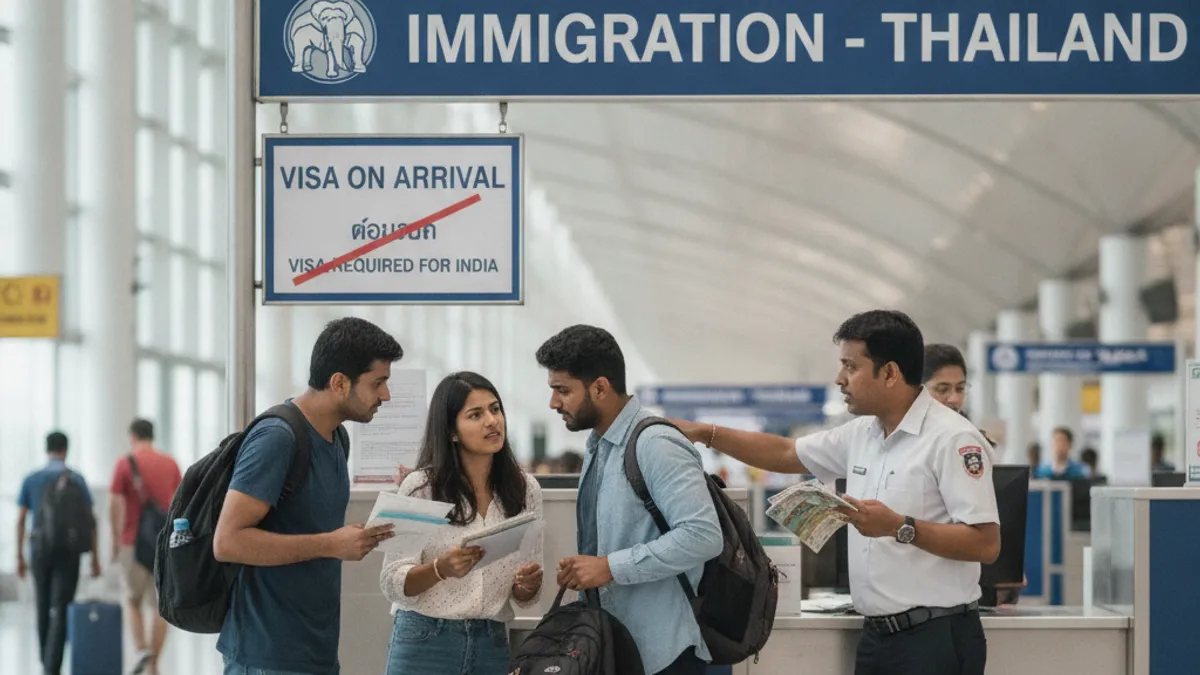
Travel hiccups can often stem from a few recurring errors. For Indian citizens planning a trip to Thailand, understanding these common pitfalls is key to avoiding unnecessary stress or even denied entry. It’s not about complex rules, but about paying close attention to details that can easily be overlooked in the excitement of planning a vacation.
- Missing Passport Validity: A forgotten passport expiry date is a surprisingly frequent issue. Your passport must be valid for at least six months beyond your intended departure date from Thailand. If your passport is close to expiring, renew it well before your trip. This requirement is not flexible and is a standard check at immigration in many countries, including Thailand.
- Assuming Visa on Arrival is Available: For many years, Indian citizens could obtain a Visa on Arrival (VOA) for short tourist stays. However, this option has been phased out for most nationalities, including Indians, for standard tourism. Relying on VOA without confirming its current availability can lead to immediate problems at the point of entry. Always confirm the latest policy; in our research, this is a common point of confusion.
- Not Applying in Advance: This is perhaps the most critical mistake. If your trip purpose or duration exceeds the visa exemption criteria, assuming you can sort it out upon arrival is a gamble that rarely pays off. Many visa categories require submission and approval before you leave India. Delaying your visa application can mean missing your flight or facing difficult questions at immigration.
Expert Tips for a Smooth Trip
Planning a trip to Thailand should be exciting, not overwhelming. Based on aggregated traveler feedback and official advisories, here are a few expert-backed tips to make your journey smoother. These aren't complicated; they’re simply smart practices that seasoned travelers swear by.
- Have a Digital Copy of Everything: In addition to your physical documents, save scanned copies of your passport, visa (if applicable), flight bookings, and hotel reservations in cloud storage (like Google Drive or Dropbox) or on your phone. This way, if you misplace originals, you have backup readily accessible.
- Understand Local Etiquette: While not visa-related, respecting local customs vastly improves your experience. Learn basic Thai greetings like "Sawasdee ka" (for women) or "Sawasdee krab" (for men) and "Khop khun ka/krab" for thank you. A little effort goes a long way in building positive interactions.
- Carry Sufficient Cash: While credit cards are accepted in major establishments, Thailand is still largely a cash-based economy, especially in smaller towns, markets, and for local transport. Exchange some currency before you leave or upon arrival at a reputable exchange counter.
- Get Travel Insurance: This is non-negotiable for any international travel. Ensure your policy covers medical emergencies, lost luggage, and trip cancellations. It offers peace of mind and crucial financial protection should unexpected issues arise.
Thailand Travel Safety and Legal Points
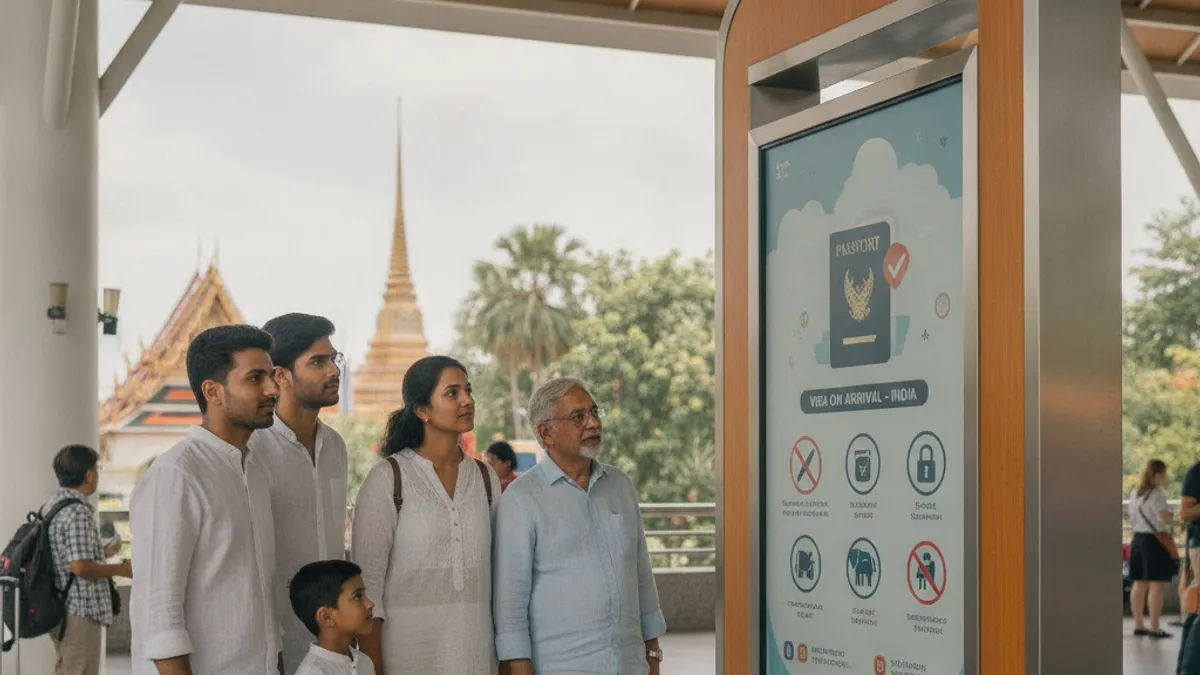
When traveling internationally, being aware of the local laws and safety considerations is paramount. Thailand, like any country, has its own regulations and cultural norms that visitors must respect. This ensures not only your own safety but also a positive experience without any legal entanglements.
- Respect the Monarchy: The King of Thailand and the Royal Family are highly revered. Any act that is seen as insulting or disrespectful towards them is a serious offense and can lead to severe penalties. Always be mindful of this in your conversations and actions.
- Drug Laws: Thailand has extremely strict drug laws. Possession, use, and trafficking of illegal substances carry severe penalties, including long prison sentences and hefty fines. It’s best to avoid any involvement and be aware of what you're carrying.
- Scams: While Thailand is generally safe, like any popular tourist destination, some petty scams can target visitors. Be wary of overly friendly strangers offering "too good to be true" deals, especially concerning tours or gem sales. Always verify prices and services independently.
- Road Safety: If you rent a scooter or car, remember that traffic can be chaotic, especially in cities like Bangkok and on popular islands. Always wear a helmet if riding a scooter, and ensure you have the appropriate license. Driving on the left is the norm.
Checking Current Regulations
Travel regulations, including visa rules, can change without much advance notice. What was true last year might not be true today. Therefore, before you book your flights and accommodation, it's wise to perform a final check on the most current requirements.
This means visiting the official website of the Royal Thai Embassy in India to confirm visa policies and entry protocols. Additionally, check with your airline for any specific travel advisories they might be issuing for flights to Thailand. Staying informed ensures smooth passage and avoids last-minute surprises at the airport.