
So, you're planning a trip to Australia and wondering, "Do US citizens need a visa for Australia?" It's a question that pops up for many travelers, and the quick answer is: usually, you'll need some form of electronic travel authorization, but it's not always a full-blown visa. This digital permission slip is crucial for entry, and getting it right saves a lot of hassle.
Thank you for reading this post, don't forget to subscribe!Most short-term visits for tourism or business, lasting less than three months, are handled through a streamlined process. As of 2026, US citizens typically need an Electronic Travel Authority (ETA) or potentially another type of authorization depending on their specific circumstances. We've dug into the requirements to help you figure out exactly what you need.
When an ETA or eVisitor is Likely Enough (and For Who)

For the vast majority of US citizens planning a holiday or a short business trip to Australia, the process is quite straightforward and often doesn't involve a traditional visa application. Aggregated information from travel forums and official government advisories indicate that if your visit is for tourism, visiting family, or for short business purposes, like attending a meeting or conference but not for employment with an Australian organization, you'll likely qualify for an Electronic Travel Authority (ETA) (subclass 601). This electronic system links directly to your passport and is granted prior to your departure.
The eVisitor (subclass 651) is another common electronic travel authorization, though it's typically for citizens of European countries. As a US citizen, you'll almost certainly be looking at the ETA. Key attributes of the ETA include its validity period, usually 12 months from the date of issue, and the maximum duration of a single stay, which is capped at three months. It’s designed for convenience, allowing for quick approval for eligible travelers.
Essentially, if your travel goals line up with these criteria, you're looking at the simplest path forward. The target audience for this is clear: the casual traveler, the short-term business visitor, and anyone wanting a hassle-free entry for a limited duration.
Who Needs a Different Australian Visa?
If your travel plans stretch beyond a typical holiday or a brief business engagement, you'll need to look beyond the standard Electronic Travel Authority (ETA). The ETA is designed for short, temporary stays, and its conditions mean it's not suitable for everyone. For instance, if you intend to work in Australia, even temporarily to fund your travels, the ETA won't cut it.
In such cases, you'll need to apply for a specific visa. For those aged 18 to 30, the Working Holiday Visa (subclass 417) is a popular option that allows you to work and travel for up to 12 months. If your purpose is education, a Student Visa is required. For individuals seeking to emigrate or those with in-demand skills, various skilled migration visas are available.
Understanding these distinctions is vital to avoid issues with Australian immigration.
The Electronic Travel Authority (ETA) Explained

The Electronic Travel Authority, or ETA (subclass 601), is your digital gateway for short stays in Australia if you're a US citizen. It's essentially an electronically stored authority that lets you enter Australia for tourism or short-term business visitor purposes. Think of it as a pre-approval for your trip, linked securely to your passport. This system has largely replaced physical visa labels for eligible travelers, making the entry process smoother.
Its primary function is to allow eligible passport holders to travel to Australia without needing to apply for a traditional visa in advance. This facilitates quicker processing at the border and a more streamlined travel experience. The target audience here is very specific: individuals making temporary visits for leisure or limited business activities, ensuring they meet Australia's immigration requirements without unnecessary complexity.
ETA: Key Features and What It Covers

The Electronic Travel Authority (ETA) comes with several key features that make it the go-to option for many US travelers heading to Australia. Firstly, it's applied for entirely online, which means you can sort it out from the comfort of your home, no trips to an embassy or consulate required. Aggregated user feedback suggests the application process is generally user-friendly, though accuracy in details is paramount.
Here's a snapshot of what the ETA offers:
- Purpose: Valid for tourism, visiting family and friends, or for short-term business visitor activities. This includes attending business meetings, conferences, or undertaking business negotiations.
- Permitted Activities: You can engage in tourism activities, explore the country, and conduct specific business visitor activities. Crucially, it does not permit you to work for an Australian employer or provide services to an Australian business.
- Validity: Typically valid for 12 months from the date it's granted. This means you can use it for multiple entries within that year, as long as each stay adheres to the duration limits.
- Stay Duration: Each individual stay on an ETA is limited to a maximum of three months. If you plan to stay longer, you will need to apply for a different type of visa.
This combination of features makes the ETA ideal for short, focused trips, ensuring travelers have the necessary authorization without needing to navigate the complexities of a full visa application.
How Long Can You Stay on an ETA?

When it comes to your stay duration on an Electronic Travel Authority (ETA) for Australia, the rules are quite clear and adhere to a strict limit. While your ETA might be valid for 12 months from the date it was granted, this doesn't mean you can stay in Australia for a full year. The critical number to remember is three months.
Specifically, under the ETA (subclass 601), each individual stay in Australia is limited to a maximum of three months. This means that on any single entry into Australia using your ETA, your visit cannot exceed 90 days. If you depart Australia and then wish to re-enter shortly afterward for another visit, immigration authorities will assess your intentions and the frequency of your entries. While the ETA allows for multiple entries within its 12-month validity, you cannot use it to live in Australia or string together successive 90-day stays indefinitely.
For longer stays, a different visa class altogether would be necessary.
Australian Visa Options Beyond the ETA

While the Electronic Travel Authority (ETA) is perfect for many US citizens, it's not a one-size-fits-all solution. If your plans involve more than just a short holiday or typical business engagement, you'll need to explore other visa subclasses. These are designed for longer stays, specific activities like work or study, or for circumstances not covered by the ETA's limited scope.
The Australian Department of Home Affairs offers a wide array of visa options, each with its own set of criteria, application processes, and required documentation. Understanding which visa category best fits your unique situation is crucial to avoid complications with your travel plans. Failing to secure the correct visa can lead to being denied boarding, refused entry, or even facing penalties upon arrival.
Working Holiday Visa: Work and Travel Down Under
The Working Holiday Visa (subclass 417) is a popular choice for young, adventurous US citizens who want to experience Australia long-term while also earning money to support their travels. This visa is specifically designed for those aged between 18 and 30 who want to spend an extended period in Australia. It allows you to combine a holiday with temporary work, offering a unique way to immerse yourself in the country and its culture.
This isn't just a tourist visa with a work add-on; it's a distinct visa subclass with its own requirements and conditions:
- Age Limit: You must be between 18 and 30 years old at the time of application.
- Duration: It generally allows for a 12-month stay in Australia.
- Work Restrictions: While you can work, there are limitations. You typically cannot work for the same employer for more than six months. This encourages you to experience different jobs and locations.
- Purpose: The primary purpose should be holidaying, with work undertaken to supplement your funds.
This visa is perfect for gap year travelers, recent graduates, or anyone looking for an extended adventure where they can sustain themselves financially through temporary employment. It’s a gateway to experiencing Australia beyond the typical tourist trail.
When to Consider a Student or Other Visa Type
If your reasons for visiting Australia aren't covered by the ETA or the Working Holiday Visa, you'll need to explore other specific visa subclasses. The most common reason for needing a different visa, aside from work, is for education. If you plan to enroll in a course of study in Australia, even for a short duration, a Student Visa is mandatory. These visas have their own set of requirements, including proof of enrollment, sufficient funds to cover tuition and living expenses, and often health and character checks.
Beyond study and a working holiday, Australia offers visas for a myriad of other purposes. These can include:
- Skilled Migration Visas: For individuals who possess skills and qualifications that are in demand by Australia's economy.
- Family Visas: For those looking to join family members who are Australian citizens or permanent residents.
- Business Innovation and Investment Visas: For individuals looking to establish or invest in businesses in Australia.
- Medical Treatment Visas: For those needing to travel to Australia for specific medical procedures.
The key takeaway is that if your intended stay is longer than 90 days, or if your activities include employment (outside of the Working Holiday Visa provisions) or formal education, you must identify and apply for the correct visa subclass well in advance of your travel date.
Applying for Your Australian Travel Authority
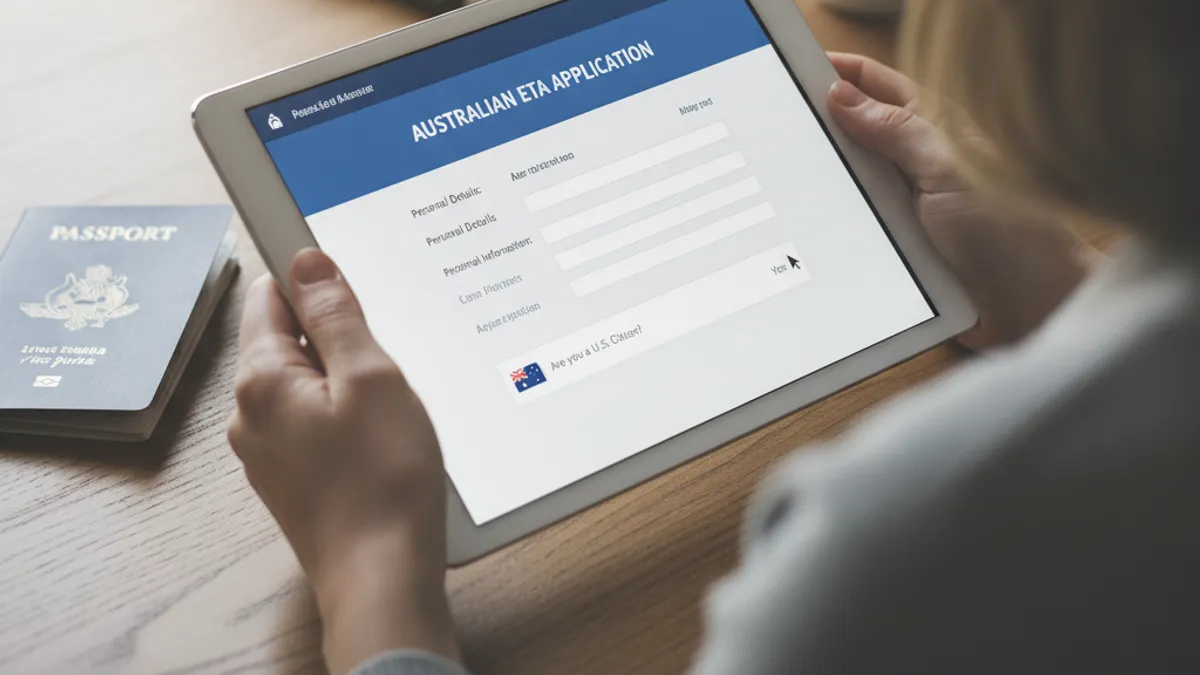
Securing your path to Australia is largely about figuring out which type of authorization you need and then navigating the application process. For the majority of US citizens heading for tourism or short business trips, this means applying for an Electronic Travel Authority (ETA). The process is designed to be efficient, but it’s vital to get it right to avoid any last-minute hiccups or outright rejections.
The official channel for obtaining an ETA is typically through the Australian ETA app, available on compatible mobile devices. While third-party services exist, using the official app or website is generally recommended for accuracy, cost, and security. This ensures your application is processed directly by the Department of Home Affairs, minimizing potential errors or scams. Accuracy in every detail you provide is paramount, as even minor discrepancies can cause delays or result in denial.
Step-by-Step: Applying for an ETA
Applying for an Electronic Travel Authority (ETA) is designed to be a straightforward digital process, but attention to detail is key. You'll need your valid US passport, and it's best to have it and a reliable internet connection ready before you start. The entire process typically takes just a few minutes.
Here’s a general breakdown of the steps involved:
- Download the App: Find the official "Australian ETA" app in your device's app store. Make sure you download the legitimate app, not a third-party imitation.
- Start a New Application: Open the app and select the option to start a new ETA application.
- Scan Your Passport: The app will prompt you to scan the biographical page of your US passport using your device's camera. Ensure the details are clear and legible.
- Enter Personal Details: You'll need to manually enter information such as your name, date of birth, passport number, and expiry date if the scan isn't fully recognized.
- Answer Eligibility Questions: You'll be asked a series of questions about your criminal history, health, and previous visa applications for Australia. Answer these honestly and accurately.
- Provide Contact Information: Enter your email address and a contact phone number. This is crucial for any notifications or further communication.
- Review and Submit: Carefully review all the information you've entered for accuracy. Once you're satisfied, submit the application.
- Receive Notification: You'll usually receive a notification via the app almost immediately, or within a short period, informing you whether your ETA has been granted. It's a good idea to take a screenshot or save this confirmation.
If your ETA is approved, it's electronically linked to your passport. There's no physical document to carry, but it's wise to keep a record of the application reference number. If for any reason it's not approved instantly, you might be asked to provide further information or directed to apply for a different visa, which can take longer.
Common Mistakes When Planning Your Australia Trip

When planning a trip to Australia, it's easy to overlook small details that can lead to significant problems down the line. One of the most common pitfalls for US citizens is assuming their passport alone is enough for entry, forgetting that an electronic travel authorization or a specific visa is required. Another frequent error is applying for the wrong type of travel authority; for instance, using an ETA for work purposes, which is strictly forbidden and can result in immediate penalties or deportation.
Misunderstanding the duration limits is also a major issue. Relying on the 12-month validity of an ETA without realizing each stay is capped at three months can lead to overstays, impacting future travel. Additionally, errors in passport details on the ETA application are surprisingly common. Even a single mismatched letter or number can cause complications at the border, so double-checking every piece of information is non-negotiable.
What NOT to Do When Applying or Traveling
To ensure your journey to Australia is smooth, there are several actions you should deliberately avoid. Firstly, never attempt to travel on an expired passport; ensure your passport is valid for at least six months beyond your intended stay, though primarily for the ETA, valid for a sufficient period to cover your travel. Secondly, do not rely on third-party websites that promise guaranteed ETA approval or charge excessive fees; always use the official Australian ETA app or the Department of Home Affairs website for applications.
- Don't Overstate Your Visit Purpose: If you are on an ETA, stick strictly to tourism or short business visitor activities. Don't tell immigration officers you're looking for work opportunities, even if casually.
- Don't Wait Until the Last Minute: While ETA applications are often instant, there's always a chance of a delay or a request for more information. Apply at least a few weeks before your flight to be safe.
- Don't Forget About Health: Be aware of any health declarations required. Some visa types might require medical examinations.
- Don't Assume Waivers: If you have a criminal record, do not assume it will be overlooked. You may need to declare it and potentially apply for a different visa type or seek a specific waiver, which isn't guaranteed.
- Don't Travel with Another Person's Passport: Ensure the ETA is linked to the exact passport you will be traveling with. Carry the passport that was used for the application.