
Planning a trip to the Maldives is exciting, but a common question that pops up is: do I need a visa for the Maldives? The good news is, for most tourists, getting into this island paradise is refreshingly straightforward. You'll generally receive a visa on arrival, which lets you stay for up to 30 days, provided you meet a few key conditions.
Thank you for reading this post, don't forget to subscribe!Those conditions are pretty standard for international travel. Your passport needs to be valid for at least another six months from your date of entry. You'll also need to show proof that you have a confirmed onward or return ticket. Plus, immigration officials will want to see evidence you have enough funds to cover your stay or a confirmed booking for accommodation.
Meeting these requirements usually means a smooth sail through immigration.
Your Nationality: The First Big Question
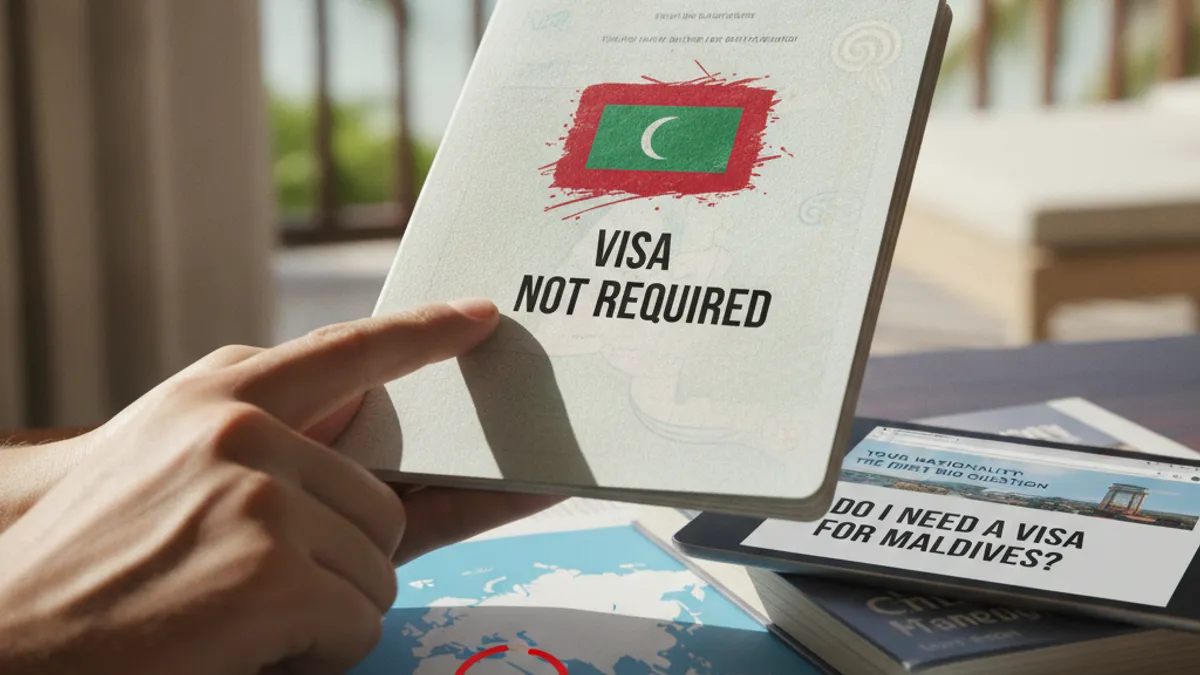
The absolute number one factor determining your need for a visa is your passport's country of origin. The Maldives has a policy that allows citizens of most countries to enter visa-free for tourism purposes. This means if you're from a large number of nations, you won't need to apply for a visa in advance. It's a system designed to make travel as easy as possible for people coming to enjoy the islands.
However, there are some exceptions. Certain nationalities might require pre-approval or have different entry stipulations. It's always best to verify your specific situation based on where your passport was issued. Our research shows that the vast majority of visitors benefit from the visa-on-arrival policy, but a quick check ensures there are no surprises at the airport.
Think of it as the first checkpoint to confirm you're on the right path to paradise.
Do You Have a Valid Passport?
This is a non-negotiable requirement, no matter your nationality. Your passport is your primary identification and travel document when entering any country, and the Maldives is no different. For entry into the Maldives, your passport must be valid for a minimum of six months beyond your intended stay. This means if you plan to leave on day 25 of your 30-day visa-free entry, your passport must not expire for another six months from that departure date.
Why the six-month rule? It's a standard practice in international travel, giving countries some buffer if an unforeseen event causes a traveler to exceed their planned stay. While the Maldives offers an initial 30-day entry, this passport validity requirement is a proactive measure. If your passport is close to expiring, even within that six-month window, immigration officers have the discretion to deny entry.
So, before you even think about booking flights, pull out your passport and check that expiry date carefully.
What's the Purpose of Your Trip?
The visa policy often hinges on why you're entering the country. For the Maldives, the most common reason people visit is tourism. Whether you're heading for a honeymoon, a family vacation, or a solo adventure to explore its stunning reefs, short-term tourist visits are covered by the visa-on-arrival policy for most nationalities. This generally grants you a stay of up to 30 days.
However, if your trip has a different purpose, like extensive business activities, employment, or to reside long-term, the rules can change. Businesses operating in the Maldives, for instance, might need to secure specific work permits or business visas for their employees or partners, which are obtained prior to arrival. For short business trips, such as attending meetings or conferences, it may still fall under the general tourist entry, but it's always wise to confirm with official sources directly, especially if your visit involves commercial transactions or extended stays beyond typical tourism.
Landing in Paradise: What to Expect at Immigration
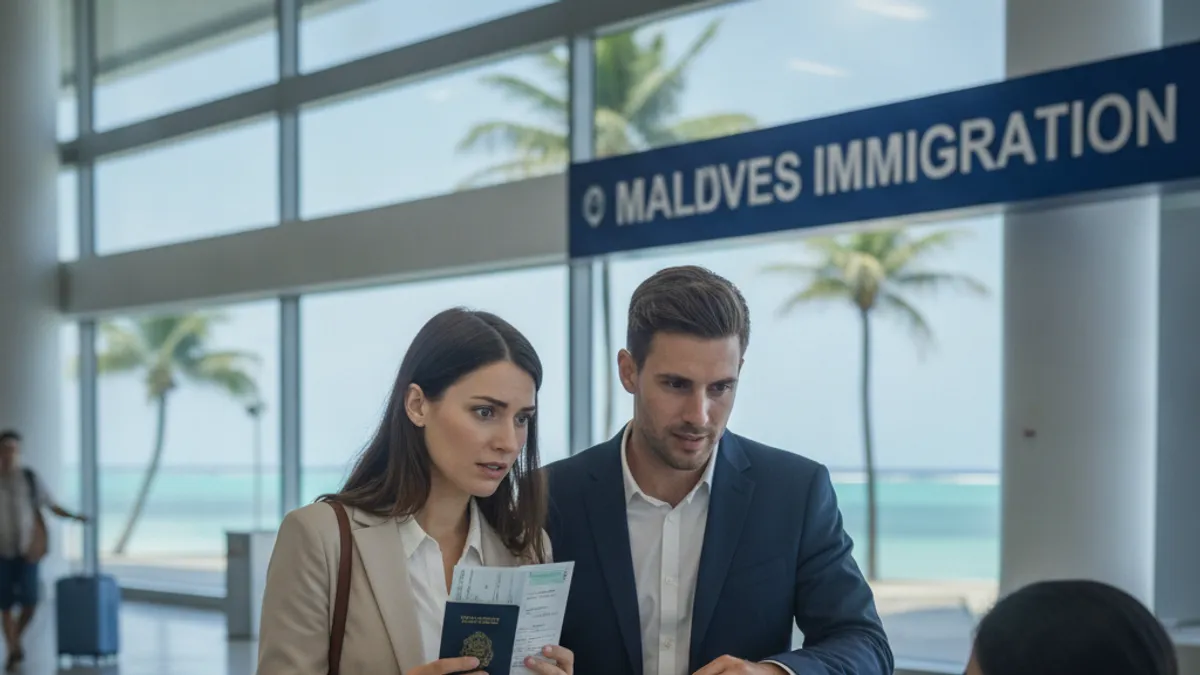
So, you've arrived at Velana International Airport (MLE), the main gateway to the Maldives. After deplaning, you’ll follow the signs for immigration. This is where your journey gets its final official stamp of approval. The process is generally efficient, but it’s important to have everything ready.
You'll present your passport and any required documents to the immigration officer.
They will check your passport's validity and review your entry declaration. If you’re eligible for a visa on arrival and have met all the requirements, the officer will typically grant you an entry permit, which is often stamped directly into your passport. This permit usually allows for an initial stay of 30 days. Remember to keep your boarding pass stub or a copy of your arrival details, as you might need it later for hotel check-ins or other services.
Do You Have a Return Ticket and Proof of Funds?
These two are critical pieces of the puzzle for your entry into the Maldives. Having a confirmed onward or return ticket is essential because immigration authorities need assurance that you plan to leave the country within your granted stay. This prevents visitors from overstaying their visa-free period and becoming undocumented. It doesn't necessarily mean you need a round-trip ticket back to your home country; a ticket to another destination is usually sufficient.
Equally important is demonstrating that you have sufficient funds to support yourself during your visit. While the exact amount can vary and isn't always strictly enforced for standard tourist stays, you should be prepared to show proof of financial means. This could be through credit card statements, bank statements, or even cash. For those with confirmed hotel bookings and pre-paid packages, this often serves as implicit proof of financial stability for your duration of stay.
How Long Can You Stay?
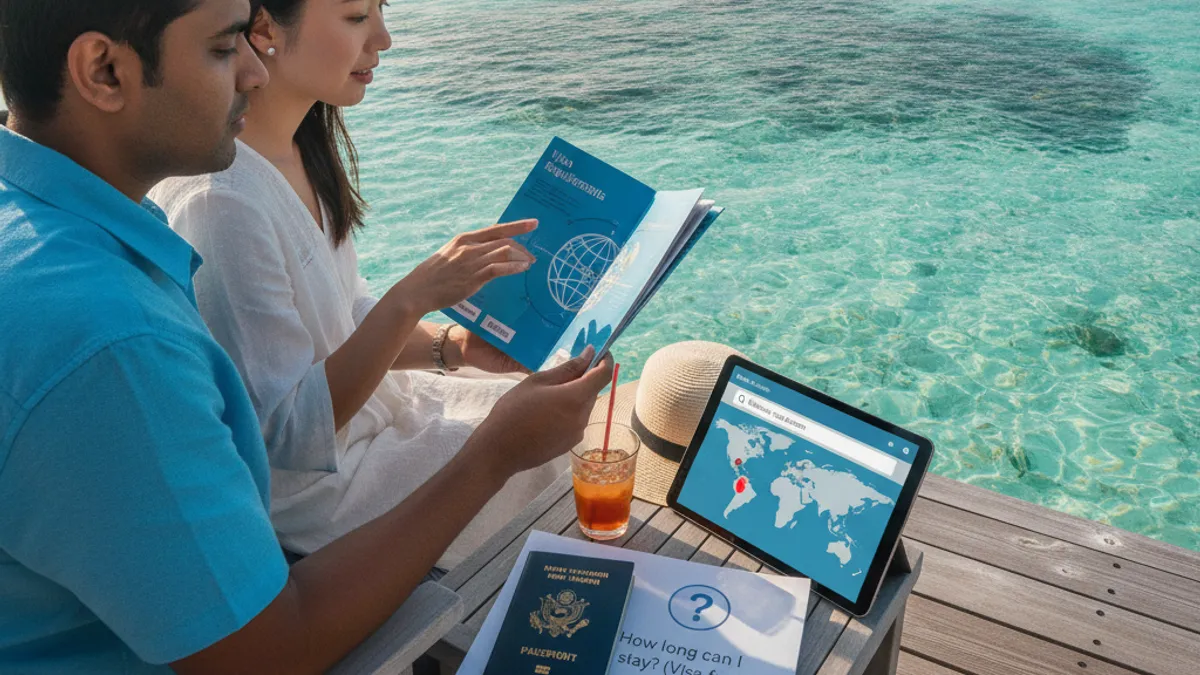
For most nationalities entering the Maldives for tourism, the standard visa on arrival grants an initial stay of 30 days. This period is usually enough for a fantastic vacation exploring the islands, enjoying the beaches, and diving or snorkeling in the crystal-clear waters. It's important to note this duration starts from the day you enter the country.
If you find yourself wanting to extend your stay beyond those initial 30 days, it is possible, but it requires an application for an extension before your current period expires. The Maldives Immigration Department handles these applications. You'll need to apply for an extension and meet specific criteria, which usually involves proving continued financial means and a valid reason for the extension. Extensions are typically granted for periods that, when combined with the initial stay, do not exceed 90 days within a six-month period.
It's crucial to get this processed correctly to avoid any compliance issues.
When You Might Actually Need a Specific Visa

While the visa on arrival is the standard for most tourists, there are specific circumstances where you'll need to apply for a Maldives visa before you travel. This usually applies if you're not visiting purely for tourism or if you're from a country that requires pre-approval. For example, if your trip involves activities like working for a Maldivian company, attending extended educational programs, or establishing residency, a regular tourist entry won't suffice.
These specific visas, such as employment visas or long-term business visas, are processed through the Maldives Immigration Department or the relevant ministry in your home country if an embassy or consulate is available. The application process for these can be more involved, requiring documentation like sponsorship letters, employment contracts, or proof of academic enrollment. It's always essential to check the official Maldives Immigration website for the most current and detailed requirements relevant to your specific visa type.
Common Entry Hassles to Sidestep
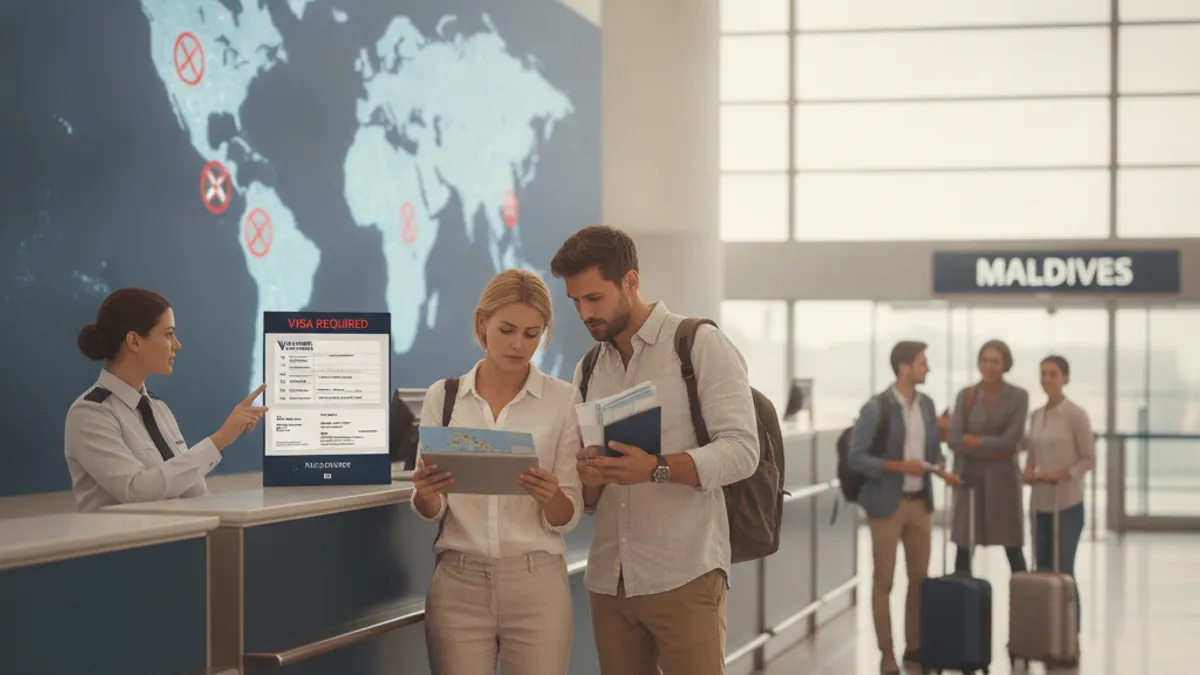
Even with a visa-free system, a few common issues can cause delays or problems at immigration. One frequent hiccup is a passport that doesn't meet the required six-month validity. Airport staff at your departure point might even deny boarding if your passport is too close to its expiry date, as they can be fined if they transport a passenger who is then denied entry. Always double-check this before you even leave home.
Another point of confusion can be proof of onward travel. If you've booked a one-way ticket, or your travel plans are very flexible, immigration might ask for more concrete evidence of your departure. This could include a credit card with a high limit or a bank statement showing substantial funds. Being prepared with clear documentation for both your passport validity and your exit plans will make the immigration process much smoother.
What Happens If You Overstay?
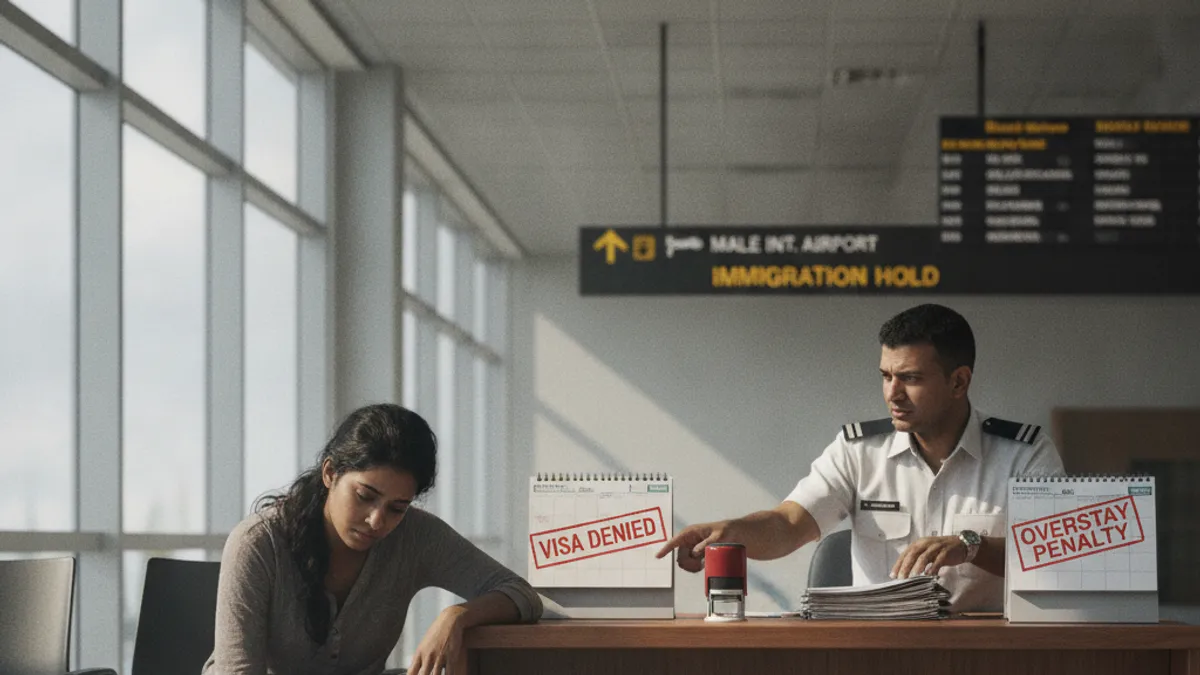
Overstaying your visa in the Maldives is taken seriously and can lead to several penalties. The most immediate consequence is usually a fine. Per Maldives Immigration regulations, these fines are calculated daily for each day you remain in the country beyond your authorized period. As of 2026, these fines can accrue rapidly, impacting your budget for the trip or any future travel plans.
Beyond fines, overstaying can also lead to detention and deportation. This is a more severe outcome that not only ends your current trip abruptly but can also result in a ban from re-entering the Maldives for a set period. In some cases, it might even affect your ability to travel to other countries in the future, as deportation records can impact visa applications elsewhere. It’s paramount to understand your visa duration and ensure you depart within the permitted timeframe.
Your Quick Decision Guide: Visa or No Visa?
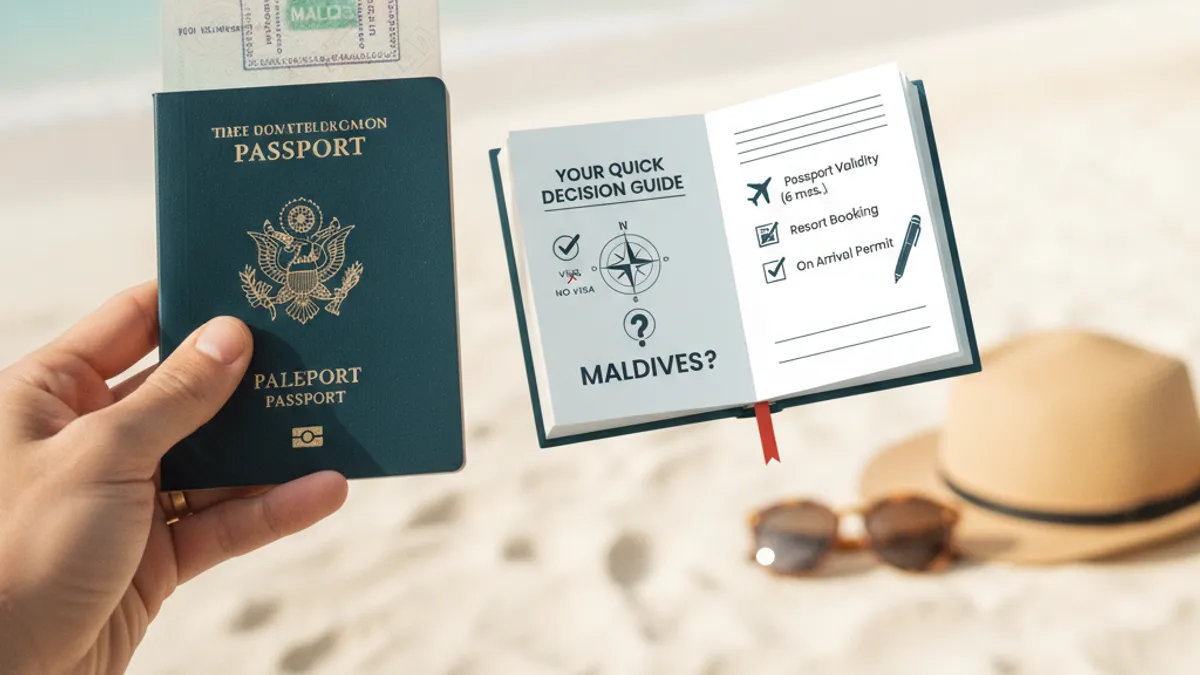
So, to boil it down, needing a visa for the Maldives largely depends on your travel plans and where you're from. If you're visiting for tourism, staying for 30 days or less, and your passport is valid for six months beyond your entry date, you most likely don't need to apply for a visa beforehand. In this scenario, you'll receive your visa on arrival with the necessary documents.
However, if you plan to stay longer than 30 days, are traveling for work or study, or your nationality isn't automatically granted visa-free entry, you'll need to apply for a specific Maldives visa in advance. The key takeaway is to always verify your situation based on your specific nationality and the exact purpose and duration of your trip. Consulting the official Maldives Immigration Department website is the best way to confirm, ensuring your dream vacation starts with peace of mind.