
Applying for a Japan visa can seem daunting, but understanding the process makes it straightforward. Whether you're planning a dream vacation or a business trip, knowing how to apply for a Japan visa correctly from the start is your best bet for a smooth journey. This guide breaks down the requirements and steps, so you can focus on your upcoming adventure.
Thank you for reading this post, don't forget to subscribe!The specifics of your visa application depend heavily on your nationality and the purpose of your visit. For instance, citizens of many countries can enter Japan for short stays without a visa, typically for up to 90 days. However, if a visa is required, thorough preparation is key.
1. Do You Actually Need a Japan Visa? Checking Your Exemption Status
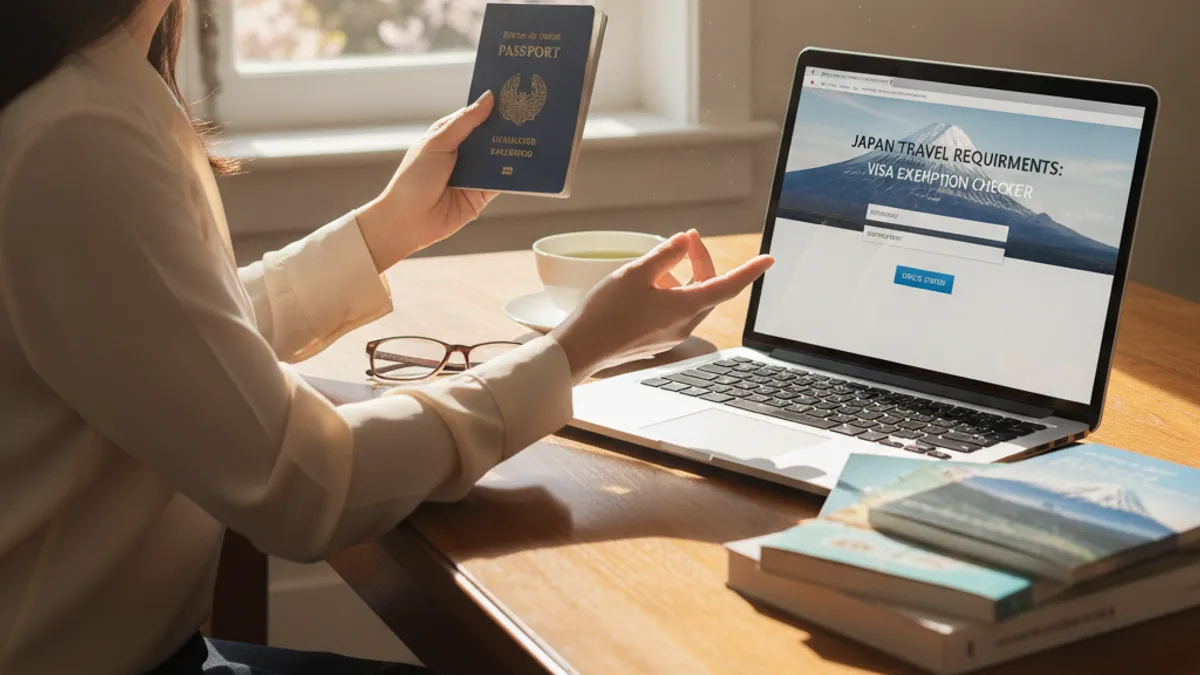
Before diving into application forms, the very first question to answer is if you even need a visa at all. Japan has reciprocal agreements with numerous countries, allowing their citizens to enter for short-term stays (usually for tourism or non-remunerative business activities) without the need for a visa beforehand. This status is known as visa exemption.
- Who is typically visa-exempt? Citizens of countries like the United States, Canada, the United Kingdom, Australia, New Zealand, and many in Europe are often eligible for visa-free entry for stays of up to 90 days.
- What are the conditions for visa-free entry? If you qualify, your passport must generally be valid for the duration of your stay, and you must prove the purpose of your visit (like hotel bookings for tourism) and your intent to depart Japan. You won't be permitted to work or engage in activities that require a different visa status.
- How to confirm your status: The most reliable way to check if your nationality falls under the visa exemption program is to visit the official website of the Japanese Ministry of Foreign Affairs (MOFA) or the website of the Japanese Embassy or Consulate in your home country. They maintain the definitive lists. As of 2026, these lists are kept up-to-date with any changes to international agreements.
If your country is not on the visa-exempt list, or if your intended stay exceeds the visa-free period, or if your purpose is work or long-term study, you will need to apply for a visa. This guide will assume you need a visa and walk you through that process.
2. Understanding Your Purpose: What Kind of Japan Visa Do You Need?
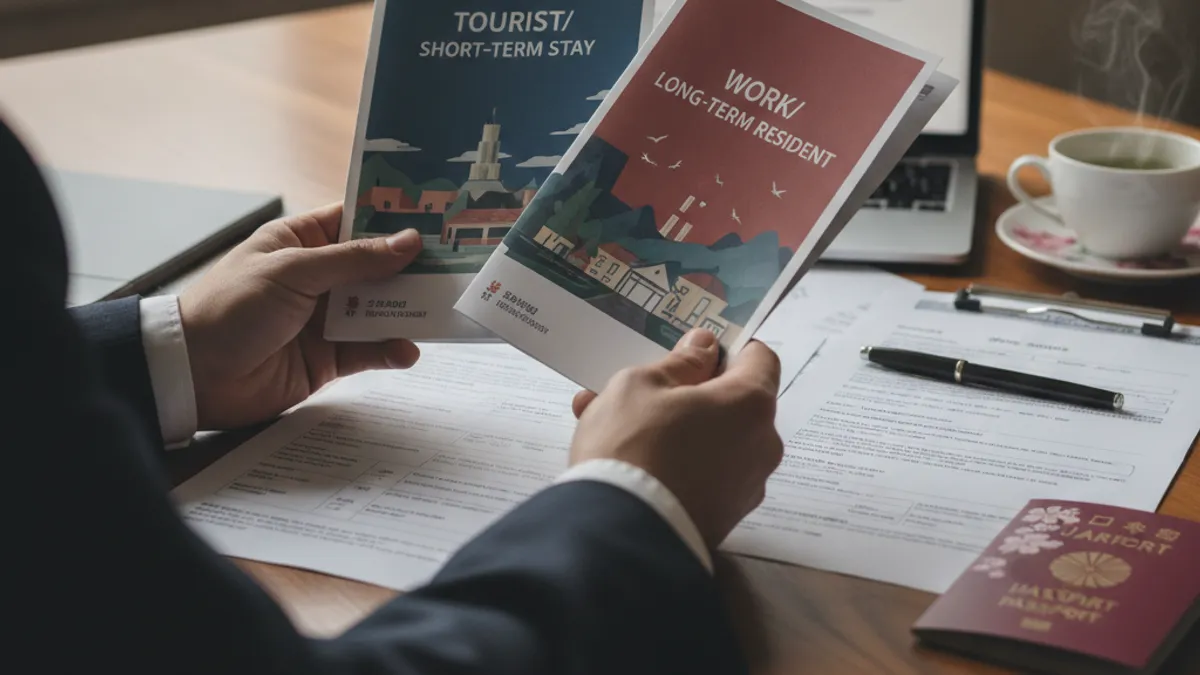
Once you've confirmed that you indeed need to apply for a visa, the next critical step is to identify the correct visa category. Japan offers various visa types, each designed for a specific purpose of visit and carrying its own set of documentation and requirements. Choosing the wrong visa type can lead to application delays or outright rejection, so it’s vital to match your travel plans to the correct category.
2.1 Tourism & Short-Term Stays
The most common visa type is for tourism, also often grouped under short-term stays. This is for individuals who wish to visit Japan for sightseeing, visiting friends or family, or engaging in non-remunerative activities.
- Who is this for? Anyone planning a vacation, exploring Japan's culture, or attending events like festivals or sports competitions, provided they aren't seeking employment or enrolling in a formal educational program.
- Typical duration: Usually granted for stays of 15, 30, or 90 days.
- Key documents needed: This typically involves a visa application form, passport photos, your passport, an itinerary detailing your visits to cities and attractions, and proof of sufficient funds (like bank statements) to cover your expenses during the trip. You might also need flight reservations and hotel bookings.
2.2 Business & Work Visas
If your reason for visiting Japan is to conduct business or to take up employment, you'll need a different category of visa. These visas are more complex and often require more extensive documentation, frequently involving a sponsoring company in Japan.
- Business Visa: For attending meetings, negotiating contracts, participating in conferences, or conducting short-term business-related activities. This does not permit you to be paid by a Japanese company for work performed in Japan. A letter of invitation from the Japanese company is usually a mandatory document.
- Work Visa: For individuals who have secured employment with a company in Japan and will be residing there long-term to work. The specific type of work visa (e.g., Highly Skilled Professional, Engineer/Specialist in Humanities/International Services, Intra-company Transferee) will depend on your qualifications and the job offer. The sponsoring company will play a significant role in the application process, often needing to obtain a Certificate of Eligibility (COE) on your behalf.
2.3 Study & Family Visit Visas
For longer-term stays focused on education or reuniting with family, distinct visa categories apply.
- Study Visa: This is for students who have been accepted into a Japanese educational institution, such as a university, vocational school, or language school. The application process will require proof of admission, academic transcripts, and evidence that you can financially support your studies and living expenses in Japan. You will likely need a Certificate of Eligibility (COE) obtained by the educational institution.
- Family Visit Visa: Designed for individuals wishing to visit close family members who are legally residing in Japan. This could include spouses, children, parents, or siblings. You will need to provide proof of your familial relationship, such as birth certificates or marriage certificates, along with an invitation letter from your family member in Japan and documents proving their status in Japan.
3. Finding the Right Place: Locating Your Japanese Embassy or Consulate

Once you've identified the appropriate visa category, the next practical step is figuring out where to submit your application. Visa applications for Japan are processed through Japan's diplomatic missions abroad, which include Embassies and Consulates General. The key is to identify the mission that has jurisdiction over your place of residence.
- Jurisdiction Explained: Each Embassy and Consulate General has a specific geographical area within your home country that it serves. For example, if you live in New York City, you'd apply to the Consulate General of Japan in New York. If you live in Los Angeles, you'd look to the Consulate General of Japan in Los Angeles. Those residing in or near Washington D.C. would typically deal with the Embassy of Japan.
- How to Find Your Mission: The easiest way to locate the correct office is to search online for "Japanese Embassy [Your Country]" or "Consulate General of Japan [Your State/Region]." The official websites for these missions are your primary resource. They will clearly state which areas fall under their purview.
- Why it Matters: Submitting your application to the wrong mission can lead to its rejection or significant delays as they redirect your paperwork. Always verify the consular district you belong to before you start gathering documents or filling out forms, ensuring you are contacting the correct authority for your Japan visa application.
4. Gathering Your Japan Visa Application Documents: What to Prepare
This is arguably the most crucial and often the most time-consuming part of the process. The documents required for a Japan visa application are specific and must be prepared meticulously. Missing even one piece of crucial documentation, or submitting something incorrect, can lead to delays or rejection. Our research indicates that applicants often underestimate the attention to detail needed here.
4.1 Essential Documents: Passport, Photos, and Application Form
These are the foundational elements of almost any visa application, and Japan is no exception.
- Passport: Your passport must be valid for at least six months beyond your intended stay in Japan. It also needs to have sufficient blank pages for the visa stamp and any entry/exit stamps. Ensure there are no alterations or unofficial endorsements on your passport. Damaged passports are generally not accepted.
- Visa Application Form: This is a standardized form that you can usually download directly from the website of the Japanese Embassy or Consulate handling your application. Fill it out completely, accurately, and legibly. Typed applications are often preferred. Be prepared to provide personal details, travel plans, and information about any previous visa history.
- Passport-Sized Photographs: You will need recent passport-style photographs that meet very specific criteria. These typically include:
- Dimensions: Usually 45mm x 35mm or 2 inches x 2 inches.
- Background: A plain white or off-white background.
- Recency: Taken within the last six months, showing your current appearance.
- Head Position: You must face directly forward, with your full face clearly visible.
- Expression: A neutral expression or a slight natural smile is acceptable; no extreme expressions.
- Headwear: Generally not allowed, except for religious reasons if they do not obscure your face.
4.2 Financial Proof: Showing You Can Support Your Stay
A key component for most visa applications, including for Japan, is demonstrating that you have adequate financial resources to support yourself during your time in the country and that you do not intend to seek unauthorized employment.
- What is needed? This typically involves providing recent bank statements. The number of months required can vary (often 3-6 months), and the statements should clearly show your name, account number, and the balance. Recent transactions are important to show ongoing financial activity.
- How much is enough? There isn't a single, universally published amount for every visa type. However, the embassy or consulate will assess if the funds shown are sufficient for the length and purpose of your intended stay. If you are on a very tight budget, it might raise concerns.
- Specific Scenarios:
- Sponsored Travel: If your trip is being funded by someone else (a parent, relative, or employer), you may need to provide their bank statements along with a letter of sponsorship, detailing their willingness to cover your expenses and proof of their relationship to you.
- Business Travel: If you are traveling for business, a letter from your employer detailing their cover of expenses might suffice or supplement bank statements.
4.3 Specific Documents by Visa Type (e.g., Invitation Letters, Enrollment Proof)
Beyond the essentials, each visa category requires specific supporting documents that substantiate the claimed purpose of your visit. These form the core of your application's credibility.
- For Tourism:
- Travel Itinerary: A day-by-day plan of your activities in Japan, including cities you'll visit, accommodation details (hotel bookings, or confirmation if staying with friends/family), and transportation plans.
- Flight Reservations: Proof of round-trip flight bookings to and from Japan. You generally don't need to have purchased the tickets yet, but a confirmed reservation shows clear intent to travel within a specific timeframe.
- For Business Visits:
- Letter of Invitation: A formal letter from the Japanese company you will be visiting. This letter should clearly state the purpose of your visit, the duration, the dates of your stay, and information about who will be responsible for your expenses. It should include the company's letterhead, contact information, and the signature of an authorized representative.
- Letter from Your Employer: A letter from your own company confirming your employment, the purpose of your business trip to Japan, and that your company will bear all expenses.
- For Study Visas:
- Certificate of Eligibility (COE): This is a crucial document issued by the Immigration Services Agency in Japan, typically applied for by the educational institution on your behalf. It certifies that you meet the conditions for the visa you are seeking.
- Letter of Acceptance: A formal acceptance letter from the Japanese educational institution.
- Academic Transcripts/Records: Proof of your previous educational background.
- Proof of Financial Support: Evidence showing you can cover tuition fees and living expenses for your entire study period in Japan.
- For Work Visas:
- Certificate of Eligibility (COE): Almost always a requirement for work visas, applied for by the Japanese employer.
- Employment Contract: A copy of your signed employment contract with the Japanese company.
- Resume/Curriculum Vitae: Detailing your skills and work experience.
- Diplomas/Certifications: Proof of your educational qualifications relevant to the job.
It's essential to check the specific list of required documents on the exact Embassy or Consulate website you are applying through, as minor variations can exist.
5. Submitting Your Japan Visa Application: Appointments and Procedures

After meticulously gathering all the necessary documents, the next step is to officially submit your Japan visa application. The submission process is governed by the specific procedures of the Japanese Embassy or Consulate responsible for your region. It’s not as simple as walking in at any time; most missions require you to follow a structured protocol.
- Appointment Scheduling: In many major cities, especially those with high volumes of visa applications, you will need to schedule an appointment online or via phone before you can visit the embassy or consulate. These appointments can sometimes be booked up weeks in advance, which is why starting your application process early is so important. Checking the embassy's website for their appointment system is your first action here.
- In-Person Submission: For most visa types, in-person submission of your application and all supporting documents is mandatory. This allows consular officers to review your application and documents directly and to ask any clarifying questions they might have. Some very specific circumstances might allow for mail-in applications, but this is rare and should be confirmed directly with the consulate.
- Document Review: Upon arrival for your appointment, you will submit your complete application package. A consular staff member will typically conduct a preliminary review to ensure all required documents are present. If anything is missing or appears incorrect, they may inform you on the spot, or you might be asked to return with the correct items.
- Biometrics (if applicable): While not universally required for all nationalities or visa types for Japan, some countries and visa categories may require the collection of biometric data, such as fingerprints. Be prepared for this possibility, though it's less common for standard tourist and short-term business visas compared to some other countries.
- Be Prepared for Questions: Consular officers may ask you questions about your travel plans, your intended activities in Japan, your ties to your home country, and your financial situation. Answering these questions clearly and honestly is crucial. Your ability to articulate your purpose and demonstrate a genuine intent to return home after your visit are key factors in the decision-making process.
- Visa Sticker Placement: If your visa is approved, it will typically be affixed as a sticker or stamp inside your passport. The processing time varies, and you will be notified when your passport is ready for collection or if it will be mailed back to you.
6. Japan Visa Fees: What to Expect and How to Pay

Understanding the costs involved is an essential part of planning any international trip. For a Japan visa, the fee isn't always a flat rate and can depend on your nationality and the type of visa. It's important to know that many countries that have visa exemption agreements with Japan do not require a fee because their citizens don't need a visa in the first place. For those who do require a visa, fees are typically nominal but should be factored into your budget.
- Fee Varies by Nationality: The visa fee is often reciprocal. This means if your country charges Japanese citizens a fee to enter, then Japan will likely charge your country's citizens a fee for a visa. This is why checking with your specific embassy or consulate is crucial, they will have the exact fee applicable to your passport.
- Common Fee Range: For nationalities that incur a fee, it commonly falls within a range of roughly 2,000 to 4,000 Japanese Yen (JPY) or the equivalent in your local currency. For example, a single-entry tourist visa might cost around ¥3,000 JPY. Double-entry or multiple-entry visas, if applicable and granted, could cost more.
- Payment Methods: Embassies and consulates are quite specific about how they accept payment. They often prefer payment in the local currency of the country where you are applying. Cash is frequently required, but some missions might accept money orders, cashier's checks, or sometimes debit/credit cards. Never assume; always verify acceptable payment methods on the official website.
- When to Pay: Typically, the visa fee is paid when you submit your application or sometimes upon collection of your passport after the visa has been approved. You will usually be informed by the consular staff at the time of submission about the exact payment procedure. Be aware that fees are usually non-refundable, even if your visa application is denied.
7. Japan Visa Processing Times: How Long Will It Take?
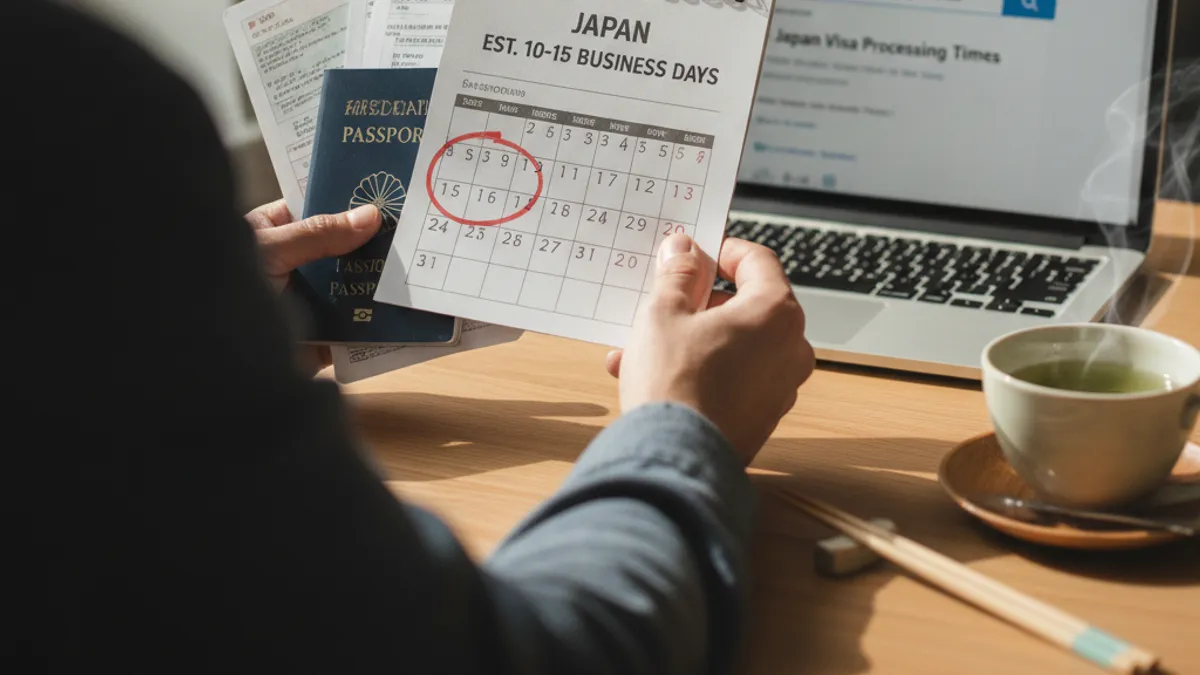
Patience is a virtue when waiting for visa approval, and Japan visa processing times can vary significantly. While some applications might be processed relatively quickly, others can take longer, depending on the complexity of the case, the volume of applications being handled by the embassy or consulate, and the specific visa type. It’s always wise to apply well in advance of your intended travel date to avoid any last-minute stress or potential disruptions to your plans.
Standard Processing: For straightforward applications, such as tourist visas for citizens of countries with no visa exemption, the processing time can range from approximately 3 to 7 business days. This is the commonly cited timeframe by many Japanese diplomatic missions.
Factors Affecting Processing Time:
- Volume of Applications: During peak travel seasons (like holidays or school breaks), consulates can be overwhelmed, leading to longer processing times.
- Visa Type: More complex visa applications, such as work or study visas requiring a Certificate of Eligibility (COE), can take considerably longer. The COE process itself can take several weeks to a few months, and then the visa application attached to it adds more time.
- Completeness and Accuracy of Application: If your application is incomplete, contains errors, or lacks necessary supporting documents, it will cause delays. The consular officers may need to contact you for clarification or additional information, extending the overall processing period.
- Nationality: For certain nationalities, additional checks might be required by the Japanese authorities, which could slightly extend the timeframe.
- Public Holidays: Keep in mind that both Japanese and local national holidays can affect processing times, as government offices will be closed.
Getting an Estimate: The most accurate information regarding processing times will be available on the website of the Japanese Embassy or Consulate where you are applying. They often provide estimated durations, but these are usually guidelines and not guarantees. It’s prudent to add a buffer of several extra days or even a week to any estimated processing time. For example, if they state 5 business days, plan for 10-12 business days to be safe, especially if your travel date is firm.
8. Common Mistakes to Avoid When Applying for a Japan Visa
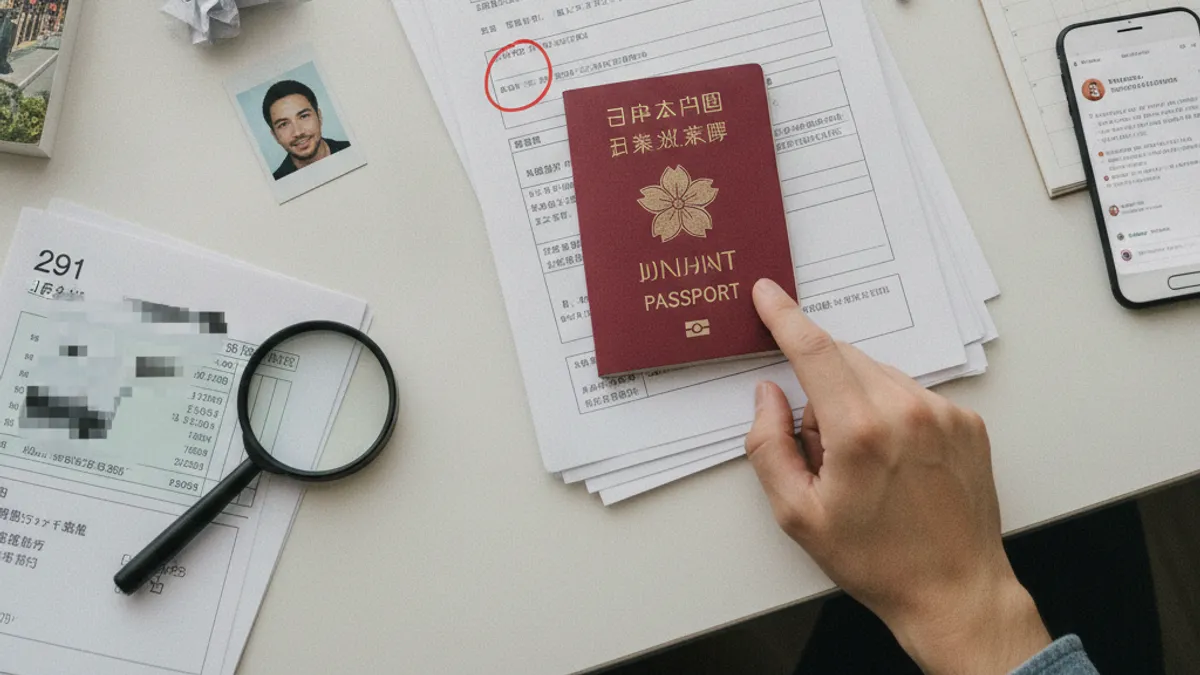
Navigating the application process successfully hinges on avoiding common pitfalls that can slow down your application or even lead to its denial. Many of these errors stem from not reading instructions carefully or making assumptions about the requirements. Being aware of these can save you a lot of frustration.
- Incomplete or Inaccurate Application Form: Filling out the visa application form is straightforward, but overlooking questions, providing ambiguous answers, or making typos can be problematic. Ensure every field is completed accurately and truthfully. For instance, if asked about previous visa rejections, be honest; failure to disclose this can be grounds for denial.
- Missing or Incorrect Supporting Documents: This is perhaps the most frequent mistake. Not attaching a required document, providing an outdated bank statement, or submitting a photo that doesn't meet specifications can halt your application immediately. Always double-check the checklist provided by the embassy or consulate against your prepared documents. If a photo is rejected, you’ll need to get a new one that meets the precise 45mm x 35mm dimension and white background requirement.
- Insufficient Financial Proof: Many applicants underestimate the amount of financial evidence required or provide statements that don't clearly show sufficient funds. If your bank balance is low, or the statements are inconsistent, it can raise concerns about your ability to fund your trip independently, potentially leading to a visa denial.
- Mismatched Travel Plans and Visa Type: Applying for a tourist visa when your purpose is actually to work, or vice versa, is a fundamental error. The consular officers will assess your application based on the stated purpose and the documents provided; a mismatch will likely result in rejection. Always ensure your chosen visa type aligns perfectly with your intentions in Japan.
- Submitting an Application Too Late: Waiting until the last minute is a recipe for disaster. Processing times can be longer than expected, and if you need to correct or resubmit documents, you'll lose valuable time. Aim to submit your application at least 3-4 weeks before your planned departure date.
9. When to Seek Official Guidance: Navigating Complex Cases
While this guide covers the general process, some situations are more complex and may require direct consultation with the Japanese Embassy or Consulate. If your case falls into any of the following categories, don't hesitate to reach out to them for personalized advice. Their consular officers are there to assist with inquiries related to visa applications.
- Unusual Travel Purpose: If your reason for visiting Japan doesn't fit neatly into standard categories like tourism or short-term business, it's best to inquire. This could include specialized research, artistic performances, or short-term volunteer work that doesn't constitute employment but is more than casual tourism.
- Previous Visa Denials or Immigration Issues: If you have had a visa application rejected in the past for Japan or any other country, or if you have a history of immigration violations, it's crucial to be transparent and seek advice. You may need to provide additional explanations or documentation to address past concerns.
- Lengthy Stays or Specific Employment/Study Situations: While we've touched on work and study visas, situations involving long-term commitments, specific job offers that might require special permits, or enrollment in unique academic programs might need pre-application consultation to ensure all requirements are met. A complex work visa application, for example, might involve securing a Certificate of Eligibility (COE) first, which has its own intricate process.
- Traveling with Dependents or Specific Family Circumstances: If you are applying as part of a family group with varying ages or relationships, or if your family situation is unconventional, it's wise to confirm if any special documentation or procedures apply. This ensures everyone in your party meets the entry requirements for Japan.
- Doubts About Document Validity: If you are unsure whether a specific document you possess (like a notarized certificate or a letter from an unusual source) will be accepted as proof, contacting the embassy or consulate beforehand can save you wasted effort and potential disappointment.
10. After Approval: Picking Up Your Japan Visa
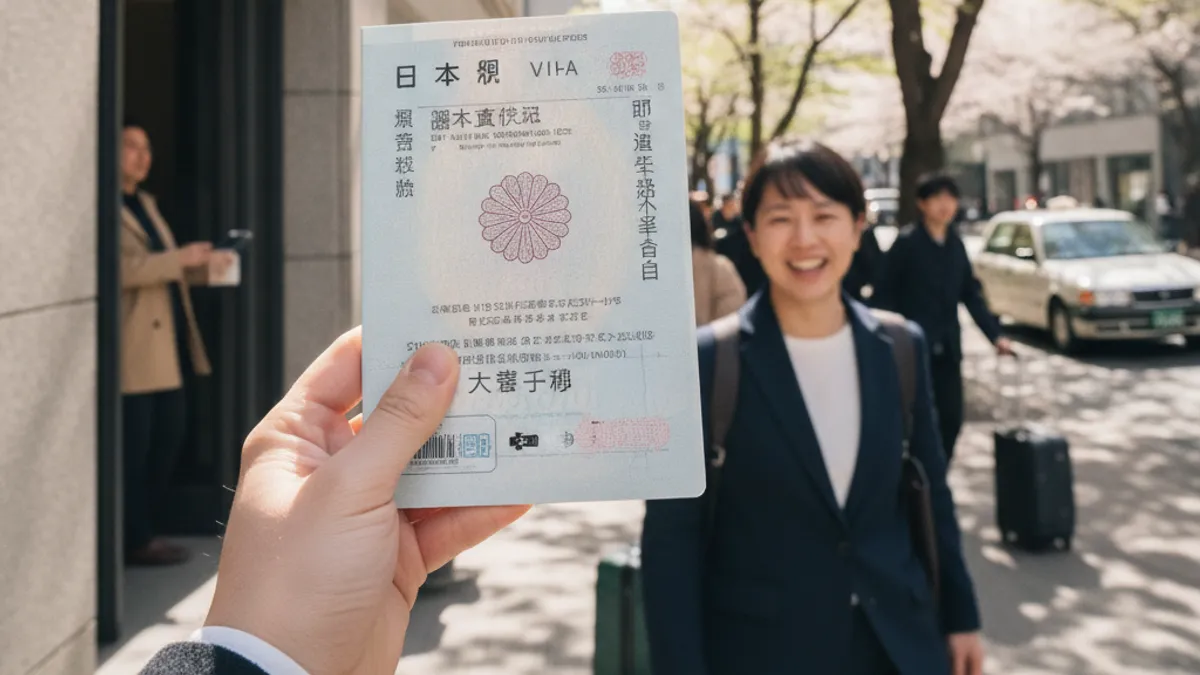
Receiving notification that your Japan visa application has been approved is a moment of relief and excitement. The next step is to collect your passport, which now contains the official visa sticker or stamp that grants you permission to enter Japan. This process is usually straightforward but requires adhering to the consular office's procedures for collection.
- Notification of Approval: You will typically be contacted by the embassy or consulate, either via phone, email, or through their online portal, informing you that your passport is ready for collection. The notification will usually specify the timeframe within which you need to pick it up.
- Required Items for Collection: When you go to collect your passport, be sure to bring any identification that was required for your initial application, such as your national ID card or driver's license. Some consulates may also ask for the submission receipt you received when you lodged your application.
- Payment of Fees (if applicable): If the visa fee was not paid upfront, this is usually when you will be required to pay it. As mentioned earlier, check the acceptable payment methods beforehand to avoid any surprises. This is your final confirmation that the fee has been settled.
- Verifying the Visa Details: Once you have your passport back, take a moment to carefully examine the visa sticker. Ensure all the details are correct:
- Your name spelling
- Passport number
- Visa type
- Number of entries permitted (single, double, multiple)
- Period of validity (the dates between which you can enter Japan)
- Duration of stay allowed per visit
If you notice any discrepancies, report them to the consular office immediately, as correcting an error after leaving can be very difficult, if not impossible.
- Collection Timelines: Embassies and consulates have specific hours for passport collection, and they may also have a deadline for collection. If you cannot pick up your passport yourself, check if they allow a designated third party to collect it on your behalf and what authorization is needed for that. Missing the collection deadline could potentially lead to your visa being canceled or your passport being held.
Frequently Asked Questions About Japan Visas
We've covered the core application process, but some common questions pop up regularly. Here's a quick rundown of frequently asked questions to help clarify anything that might still be on your mind about obtaining a Japan visa.
Can I apply for a Japan visa from any country?
Generally, you must apply for a visa through the Japanese Embassy or Consulate that has jurisdiction over your country of legal residence. You cannot simply apply from any country; you need to demonstrate you reside in the consular district. If you are a tourist in a third country and need a visa, you would typically need to apply at the Japanese mission in that third country, which may have additional requirements.
What if my passport is expiring soon but my trip is longer than my passport's validity?
Your passport must be valid for at least six months beyond your intended date of departure from Japan. If your passport is nearing its expiration, you must renew it before applying for the visa. Having insufficient passport validity is a common reason for application rejection, as it impacts your ability to fulfill immigration requirements.
Can I work in Japan on a tourist visa?
No, you absolutely cannot work in Japan on a tourist visa or any visa that permits visa-free entry for tourism. Engaging in paid work while on a tourist status is a violation of Japanese immigration law and can lead to serious consequences, including deportation and future entry bans. You must obtain the appropriate work visa before arriving in Japan to start employment.
How long does it take to get a Certificate of Eligibility (COE)?
The Certificate of Eligibility (COE) is a pre-assessment by Japanese immigration authorities that significantly streamlines the subsequent visa application process. The processing time for a COE typically ranges from one to three months, though this can vary depending on the applicant's country of origin and the specific visa category (e.g., work visas often take longer than study visas). Your sponsoring institution or employer in Japan will initiate this process on your behalf.
What happens if I overstay my visa in Japan?
Overstaying your visa is a serious offense in Japan. Penalties can include immediate deportation, hefty fines, and a ban from re-entering Japan for a significant period, often five to ten years. It can also affect your ability to obtain visas for other countries in the future. Always ensure you understand the duration of your allowed stay and depart before it expires.
11. Final Considerations for Your Japan Visa Application
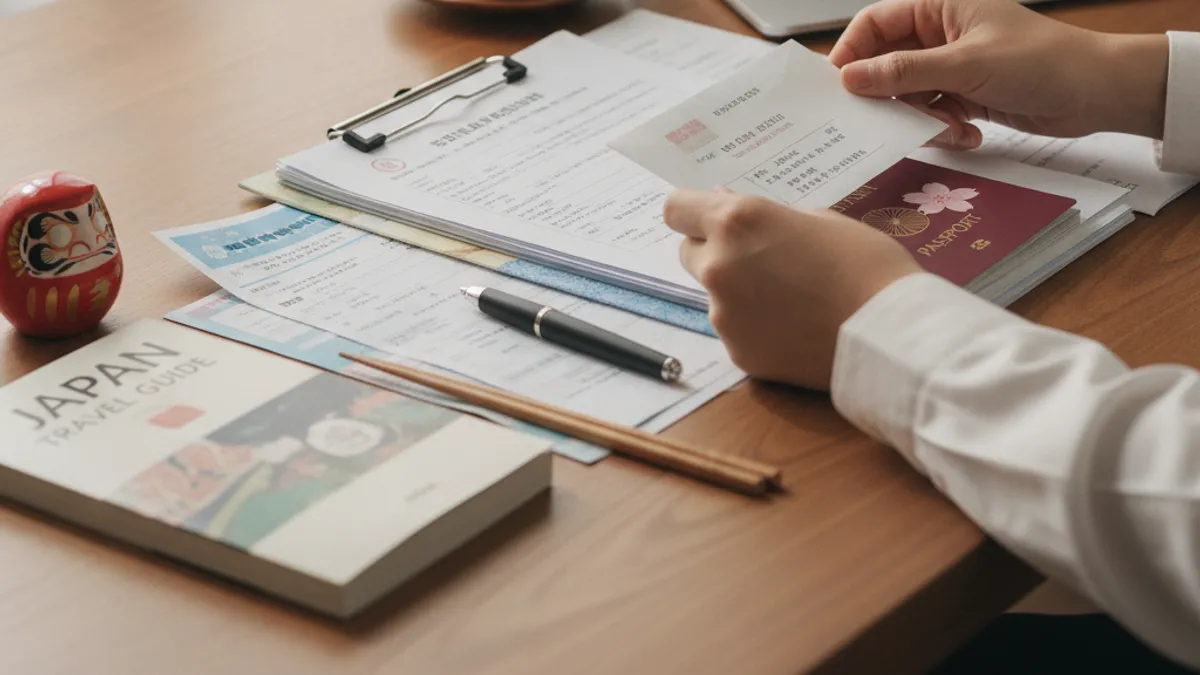
Applying for a Japan visa requires attention to detail and adherence to official procedures, but it's a manageable process when approached systematically. By understanding whether you qualify for visa exemption, identifying the correct visa type for your purpose, gathering all required documents accurately, and submitting your application diligently, you significantly increase your chances of a successful outcome. Always rely on the official information provided by the Japanese Embassy or Consulate in your country of residence.
Remember, the immigration authorities want to see that you have a legitimate reason for visiting Japan and that you intend to abide by the country's laws, including departing at the end of your authorized stay. Thorough preparation and honest representation are your best tools. With the right planning, your visa application will be one less thing to worry about as you prepare for your trip to Japan.