
Planning a trip to Australia, but wondering about the visa situation? You're not alone! Figuring out which countries can enter Australia without a visa is a common first step for many travelers, and it can feel a little confusing. The good news is, for citizens of quite a few nations, getting into Australia for a short stay is relatively straightforward.
Thank you for reading this post, don't forget to subscribe!Australia has agreements with numerous countries that allow their citizens to visit for tourism or short business trips without needing a formal visa upfront. Instead, many will qualify for an Electronic Travel Authority (ETA) or a similar electronic entry permit. As of 2026, these systems continue to streamline the process for eligible travelers. We'll break down exactly how this works so you can plan your adventure with confidence.
Can You Enter Australia Without a Traditional Visa?

So, you're asking yourself, "Do I need to book an appointment, fill out stacks of paperwork, and wait weeks for a visa stamp?" For many people, the answer is a resounding "no." Australia has established visa-waiver programs that allow citizens from a specific list of countries to enter for short stays without obtaining a traditional visitor visa beforehand. This isn't just about speed; it's about creating a streamlined, digital system that benefits both traveler and country.
Your Nationality is Key
The entire system hinges on one crucial factor: your passport. Australia's visa exemption policies are built on bilateral agreements with other nations, assessing factors like their immigration history, economic stability, and security cooperation. Because of this, who can enter visa-free isn't a static list and depends entirely on the citizenship associated with the passport you will be traveling on. If you're not a citizen of one of the eligible countries, you will generally need to apply for a visa.
How to Check Your Specific Visa Eligibility

To get the most accurate, up-to-the-minute information on whether your nationality allows for visa-free entry into Australia, there's one authoritative place to turn. This is the official gateway to understanding all immigration requirements for Australia. Skimming general travel blogs or forums can lead to outdated or incorrect information, which can cause significant problems when you're trying to travel.
Using the Official Australian Government Site
The absolute best and most reliable destination for this information is the website of the Australian Department of Home Affairs. This government department is responsible for immigration and border protection, meaning they have the definitive, official word on all visa matters. They provide tools and comprehensive details that are regularly updated to reflect current policy. Checking here ensures you're working with the most current regulations, preventing potential issues down the line.
What to Look For on the Government Website
Once you land on the Department of Home Affairs site, you'll want to navigate toward their "Visa Finder" tool or sections related to "Visitor Visas" or "Travel Requirements." These tools are designed to help you input your nationality and the purpose of your visit (typically tourism or short-term business) to determine your eligibility and the correct application process. Pay close attention to sections detailing Electronic Travel Authorities (ETAs) and eVisitor applications, as these are the primary mechanisms for visa-free entry for many.
Understanding Visa-Free Entry Options

When we talk about entering Australia without a traditional visa, we're usually referring to one of two main electronic authorization systems. These are designed to be quick, efficient, and accessible online, making them a popular choice for many international visitors. They serve a similar purpose as a visa but are handled through a simpler, digitally managed process.
What is an Electronic Travel Authority (ETA)?
An Electronic Travel Authority, or ETA, is a digital authorization that allows eligible passport holders to enter Australia for tourism or short business visitor activities. It's not a physical visa stamp in your passport. Instead, it's linked electronically to your passport number. An ETA typically allows multiple entries into Australia within a 12-month period, with each stay limited to a maximum of three months.
To apply for an ETA, you usually need a passport from one of the eligible countries, and the application is typically completed through a dedicated mobile app.
What is an eVisitor Visa?
The eVisitor visa is an electronic visa specifically for citizens of certain European countries who wish to visit Australia for tourism or business visitor activities. Like the ETA, it's a digital authorization linked to your passport, allowing multiple entries for up to three months per visit within a 12-month period. The primary distinction is the list of eligible passport nationalities; the eVisitor is generally available to citizens of the European Union and some other European nations. The application process is also completed online, similar to the ETA.
Countries Typically Eligible for Visa-Free Entry

Australia extends its visa-waiver programs to citizens of a carefully selected group of countries. This list is not exhaustive and is subject to change based on international relations and government policy reviews. However, generally speaking, these programs are offered to nations that have a strong economic standing, a stable political environment, and a low risk of immigration non-compliance. Many of these countries are located in Western Europe, North America, and parts of Asia and Oceania.
General Regions with Agreements
Broadly, you'll find that citizens of countries such as the United States, Canada, the United Kingdom, and many member states of the European Union are often eligible for an ETA or an eVisitor visa. It's crucial to reiterate that eligibility is tied to your passport's country of issue, not necessarily where you currently reside. For example, if you hold a UK passport, you'd check the UK's eligibility; if you have a passport from Germany, you'd check Germany's status for the eVisitor. This system is designed to facilitate travel for individuals from nations with close ties and established trust with Australia.
What If You Need a Different Visa?

If your nationality doesn't place you on the list for an ETA or eVisitor, don't worry. It simply means you'll need to apply for a specific visa before you travel to Australia. The Australian government offers a range of other visa subclasses designed for different purposes and nationalities. The most common alternative for travelers who don't qualify for visa-free entry is the Visitor visa (subclass 600).
Visitor Visa (Subclass 600)
The Visitor visa (subclass 600) is a popular option for individuals who want to visit Australia for tourism, to see family and friends, or for short-term business activities but are not eligible for an ETA or eVisitor. This visa often requires more detailed information about your travel plans, financial situation, and ties to your home country. The application process is typically done online through the Department of Home Affairs website, and it may involve providing supporting documents and potentially attending an interview or medical examination, depending on your circumstances and nationality. Processing times can vary significantly for this visa subclass.
Other Visa Options
Beyond the Visitor visa (subclass 600), Australia offers a wide array of visas tailored to specific needs. These can include working holiday visas for young adults looking to travel and work, student visas for those intending to study, and specialized visas for skilled workers or business investors. If you're planning a trip for a purpose other than general tourism or short business visits, it's essential to explore these other visa categories on the Department of Home Affairs website to find the one that best suits your situation. Understanding the application requirements and processing times for these different visas is part of thorough travel preparation.
Mistakes to Avoid When Planning Your Entry
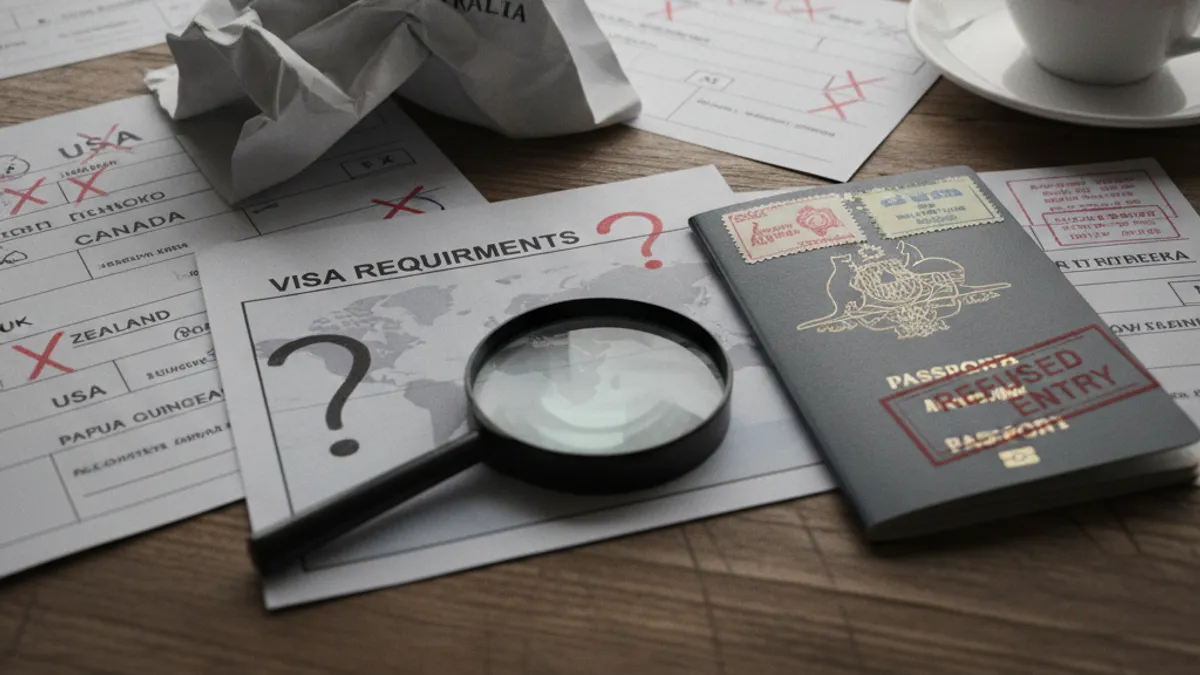
Navigating the nuances of international travel requirements can be tricky, and when it comes to entering a country like Australia, small errors can lead to big problems. The most important thing is to get your entry authorization correct before you travel. Incorrectly assuming you qualify for visa-free entry or misinterpreting the rules can lead to a range of frustrating outcomes, from being denied boarding your flight to being refused entry upon arrival.
Relying on Outdated Information
Visa policies, even electronic ones, can change. Information that was accurate a year ago might no longer be current today. This is particularly true for specific country eligibility for ETAs or eVisitor permits. If you rely on a screenshot from a friend or an article you read a while back, you risk acting on information that's no longer valid.
Always, always cross-reference with the official Department of Home Affairs website for the latest updates; this is the only way to ensure your information is correct.
Incorrect Application Details
When applying for an Electronic Travel Authority (ETA) or an eVisitor visa, accuracy is paramount. A simple typo in your passport number, name, or date of birth can render your authorization invalid. These electronic systems are highly automated, and any mismatch between your passport details and your electronic entry authorization can trigger issues at the border. It’s also crucial to use the correct application channel; ETAs are typically applied for via a specific mobile app, whereas some other visas are managed through a different online portal or the ImmiAccount.
Ensure you're using the official, secure method to avoid scams or errors.
Benefits of Visa-Free Entry for Travelers

Opting for visa-free entry, typically through an ETA or eVisitor, offers a significant number of advantages that make planning and executing an Australian trip much smoother. These benefits are primarily focused on efficiency, convenience, and reducing the administrative burden associated with traditional visa applications. For eligible travelers, this system is a clear win, streamlining what can often be a complex part of international travel planning.
Streamlined Process and Convenience
The most significant benefit is the ease and speed of the application process. Instead of preparing extensive documentation, attending interviews, or waiting for lengthy processing times, eligible individuals can often obtain their electronic authorization within minutes or hours. This convenience means travelers can make more spontaneous plans or secure their entry authorization closer to their departure date (though it's always wise to apply well in advance). The digital nature of the ETA and eVisitor means there's no physical visa sticker to worry about losing, and it's linked directly to your passport, making border crossings smoother.
Your Checklist for Smooth Entry into Australia

To ensure your journey to Australia is as seamless as possible, having a clear checklist is incredibly helpful. This process involves a few key steps, starting long before you even think about packing your bags. Getting these elements right from the outset is critical to avoid any unexpected issues at immigration or when boarding your flight. It’s about preparation and accuracy.
Pre-Travel Requirements and Actions
Here’s a breakdown of what you need to do to prepare for entering Australia, especially if you qualify for an ETA or eVisitor:
- Confirm Your Nationality's Eligibility: As we've discussed, check the official Department of Home Affairs website to confirm if your passport country is on the list for an ETA or eVisitor.
- Ensure Your Passport is Valid: Your passport must be valid for the duration of your intended stay. Many countries, including Australia, recommend your passport have at least six months of validity remaining beyond your planned departure date.
- Apply for Your ETA or eVisitor: If eligible, apply for your electronic authorization well in advance of your travel dates using the correct official channels (usually the Australian ETA app for ETAs).
- Note Your Application Reference: Keep a record of your application reference number and the approval confirmation. While linked to your passport, having a physical or digital copy of your approval can be a helpful backup.
- Check Flight and Accommodation Details: Have your flight details and accommodation bookings ready, as you may be asked for this information upon arrival.
- Be Aware of Border Control Questions: Immigration officers may ask about the purpose of your visit, how long you plan to stay, and how you will support yourself financially during your trip. Be prepared to answer these clearly and honestly.
Remember, having your ETA or eVisitor approved is not a guarantee of entry; immigration officers make the final decision at the Australian border.