
When you’re in a foreign country and your visa is about to expire, you might start wondering: what is visa extension? It’s essentially a formal request to legally stay longer than your original visa permitted. This isn’t about a quick fix; it’s a process that requires carefully following the rules of the country you’re in.
Thank you for reading this post, don't forget to subscribe!The specifics vary wildly because each nation has its own immigration laws, with processing times often cited as between 30 to 90 days for a decision in many common cases. Missing the deadline or not meeting the criteria can lead to serious consequences, making it vital to understand the system before your current visa runs out.
Why You Might Need to Extend Your Stay

Life rarely sticks to a perfect schedule, and that’s often true for international travel and stays. You might find yourself needing to extend your visa for a multitude of reasons, and most countries understand that circumstances can change. These aren’t uncommon scenarios, and knowing them can help you prepare if you’re faced with a similar situation.
Common Reasons for Needing More Time
- Unexpected Travel Delays: Flights can be canceled, family emergencies can arise back home, or you might simply want more time to explore a place you’ve grown to love. These situations can easily push your departure date beyond your visa’s expiration.
- Continuing Education: Many international students find that their academic programs extend, or they decide to pursue further studies or change their course of study. A visa extension is typically required to legally remain enrolled and in the country.
- Work Projects and Opportunities: For those on work visas, a project might be extended, or a new opportunity could arise that requires staying longer than initially planned. Employers often assist with the process to retain valuable staff.
- Personal Circumstances: This is a broad category that can include anything from needing to be present for a family member’s medical treatment to navigating complex personal matters that require your continuous presence in the country.
- Extended Tourism: If you fall in love with a destination and want to experience more of its culture, landscape, or attractions, you might apply for an extension to continue your tourist stay legally.
How Visa Extensions Typically Work

Navigating the visa extension maze can feel daunting, but understanding the general flow makes it much more manageable. Think of it as a structured process where you’re proving to immigration authorities that you meet specific criteria to be granted more time. While the exact forms and specific requirements are country-dependent, the underlying principles are usually similar.
The Core Process at a Glance
The fundamental idea behind a visa extension is to obtain official permission to remain in a country beyond your initial visa’s expiration date. This process typically involves submitting an application to the relevant immigration authority before your current visa expires. It’s crucial to understand that extensions are not guaranteed and depend heavily on the type of visa you hold and your specific circumstances. As of 2026, many countries are streamlining these applications to be predominantly digital.
Key Steps for Applying
Applying for a visa extension generally follows a predictable pattern, though you’ll need to confirm the precise steps for your specific country:
- Confirm Eligibility: First, determine if your current visa type can be extended. Not all visas are extendable, and some have strict limitations.
- Gather Required Documents: This is often the most time-consuming part. You’ll need to compile all the necessary paperwork, which can include proof of funds, your passport, the original visa, and supporting documents related to your reason for extension.
- Complete the Application Form: Fill out the official visa extension application form accurately and completely. Even minor errors can cause delays or rejections.
- Submit Your Application: File your application with the appropriate immigration office before your current visa expires. Submission methods vary, often including online portals, mail-ins, or in-person appointments.
- Pay the Fees: Most applications require a processing fee, which is typically non-refundable even if your application is denied.
- Attend Appointments (If Required): In some cases, you may need to attend an interview or a biometrics appointment.
- Await a Decision: Processing times can vary significantly. It’s often advised to apply well in advance of your visa’s expiry date to allow for this waiting period.
What You’ll Need for Your Application
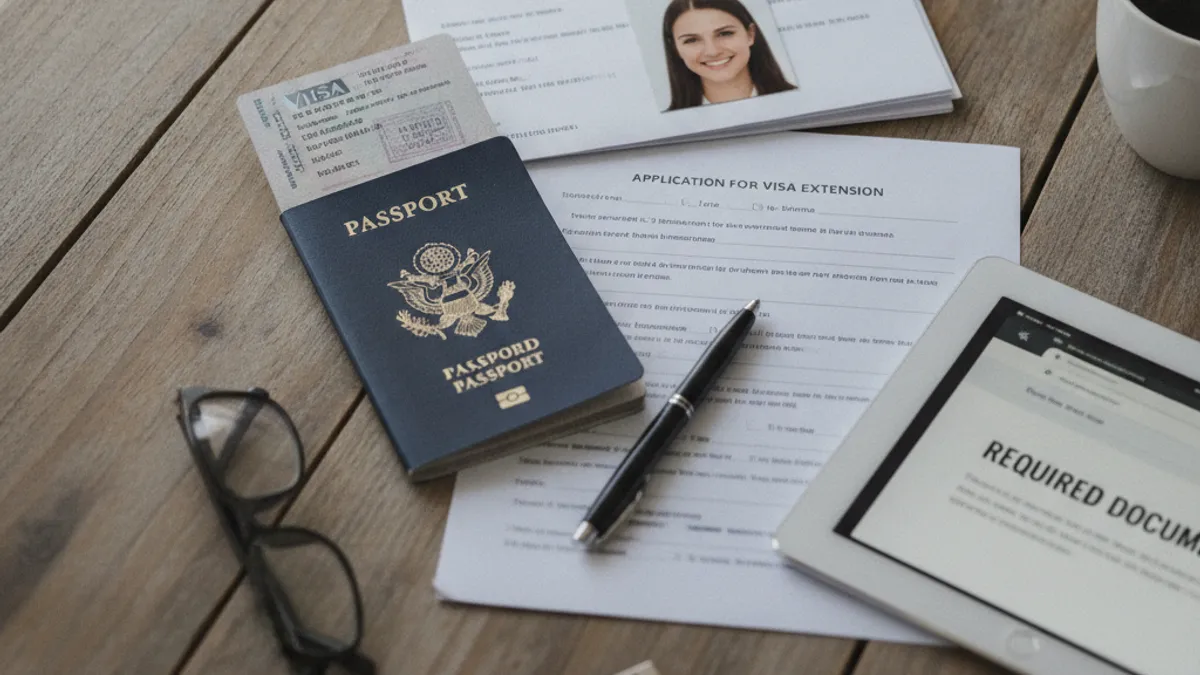
The documentation required for a visa extension can be extensive, and it’s wise to start gathering these items early. Immigration authorities want to see clear evidence that you meet their criteria for granting additional time in the country. Failing to provide complete or accurate documentation is one of the most common reasons for an application to be delayed or, worse, denied.
Essential Documents and Proof
- Valid Passport: Your passport must be valid for the entire duration of the requested extension, and ideally for at least six months beyond your intended departure date.
- Current Visa: A copy of your existing visa and any stamps or endorsements within your passport.
- Completed Application Form: The official visa extension application form, filled out accurately. Mistakes here can be critical.
- Proof of Financial Means: You’ll need to demonstrate you have sufficient funds to support yourself (and any dependents) for the duration of the extended stay without resorting to public funds. This can include bank statements, pay stubs, or sponsorship letters.
- Reason for Extension: A clear, well-written letter explaining why you require an extension and how it aligns with the conditions of your visa type (e.g., a letter from your university for students, an updated work contract for employees).
- Photographs: Recent passport-style photographs meeting specific size and background requirements.
- Travel Itinerary (Sometimes): In some cases, you may need to show flight bookings or a travel plan for your eventual departure.
- Health Insurance: Proof of adequate health insurance coverage for the extended period may be required.
Is Your Visa Eligible for Extension?
Before you even start gathering documents, the critical first step is to determine if your current visa type is even eligible for an extension. This is a fundamental gatekeeper to the entire process. Not all visas are created equal when it comes to extensions; some are designed for a fixed period with no option to stay longer without applying for a completely different visa category.
Visa Types That Are Typically Extendable
Generally, visas that are issued for a specific purpose and duration, but where that purpose might reasonably extend, are often eligible for extension. See- Types Of Visa
- Student Visas: Commonly extendable if you are continuing your studies, enrolling in a new program, or have thesis writing or dissertation work extending beyond the original visa period. Your educational institution typically needs to provide an official letter confirming your academic status.
- Work Visas: Extensions are often possible, particularly if your employer requires your continued presence for an ongoing project or if your employment contract is being extended. Your employer usually plays a key role in providing supporting documentation.
- Long-Stay Tourist Visas: In some countries, tourist visas can be extended if you can demonstrate a compelling reason and sufficient funds, though this is less common and often has stricter conditions than student or work visa extensions.
Visa Types That Usually Aren’t
Some visas are intentionally issued for a finite, non-extendable period, or their extension would require applying for a different status altogether.
- Short-Term Tourist Visas (Standard): Many standard tourist visas, especially those issued under visa waiver programs, are not extendable. Their purpose is strictly for short-term visits.
- Transit Visas: These are designed for passing through a country and are inherently short-term, making extensions extremely rare.
- Visas with Specific End Dates: Certain visas are issued with a clear “must depart by” date that is not subject to extension, regardless of circumstances.
Potential Pitfalls and Mistakes to Avoid

The visa extension process, while sometimes straightforward, is packed with potential pitfalls that can derail your plans. Awareness of these common issues is your best defense against unfortunate outcomes. Many of these problems stem from misunderstanding the rules or simply not paying close enough attention to detail.
Dangers of Overstaying Your Visa
Overstaying your visa, even by a single day, can have significant and lasting negative consequences. It’s not a minor infraction and can complicate future travel plans immensely.
- Immediate Deportation: Depending on the country’s laws, you could be detained and immediately deported.
- Fines and Fees: Substantial financial penalties can be imposed upon discovery of an overstay.
- Entry Bans: Many countries will immediately impose a ban on re-entry for a set period, sometimes years, or even permanently. This ban can sometimes extend to other countries within certain international agreements.
- Difficulty Obtaining Future Visas: Even if you aren’t banned, an overstay record makes it significantly harder to get any future visa for that country, often requiring extensive explanation and evidence of substantial rehabilitation.
Common Application Errors
Simple mistakes can lead to major headaches. Reviewing these common errors can help you sidestep them:
- Missing the Deadline: The most critical mistake is submitting your application after your current visa has expired. Almost universally, this invalidates your request for an extension and potentially classifies you as an overstayer.
- Incomplete Documentation: Forgetting to include a required document, or providing a document that doesn’t meet the exact specifications (e.g., wrong photo size, outdated bank statement), is a frequent killer of applications.
- Inaccurate Information: Any falsehoods or significant inaccuracies on the application form, whether intentional or accidental, can lead to outright denial and potential future bans.
- Insufficient Funds: Failing to provide convincing proof of sufficient financial resources to support yourself during the extended stay is a common reason for rejection.
- Lack of Clear Justification: Not clearly articulating why you need an extension or how it aligns with your visa’s initial purpose can be a deal-breaker.
After You Apply: What to Expect

Once you’ve submitted your visa extension application, a waiting game begins. The timeframe for a decision can vary significantly, and it’s crucial to manage your expectations. Understanding what happens during this period and what the different outcomes mean is key to navigating this phase smoothly.
Understanding Processing Times
Processing times are rarely fixed and often depend on the country’s immigration department, the volume of applications they’re handling, and the complexity of your case. It’s common to see anywhere from a few weeks to several months. For instance, aggregate data from governmental immigration sites indicates that processing for certain work permit extensions can take between 6 to 12 weeks as of 2026, if all documentation is in order. Always check the official government website for the most up-to-date estimates for your specific visa type and location.
What Happens if Your Extension is Denied
A denial means your request to stay longer has been refused. In this situation, you are typically required to depart the country by a specific date, often listed in the denial notice. It’s vital to understand the reasons for denial; if you believe an error was made or new information can be provided, you may have options to appeal. However, overstaying your visa after a denial carries the same severe penalties as overstaying without having applied.
Visa Extension vs Other Options
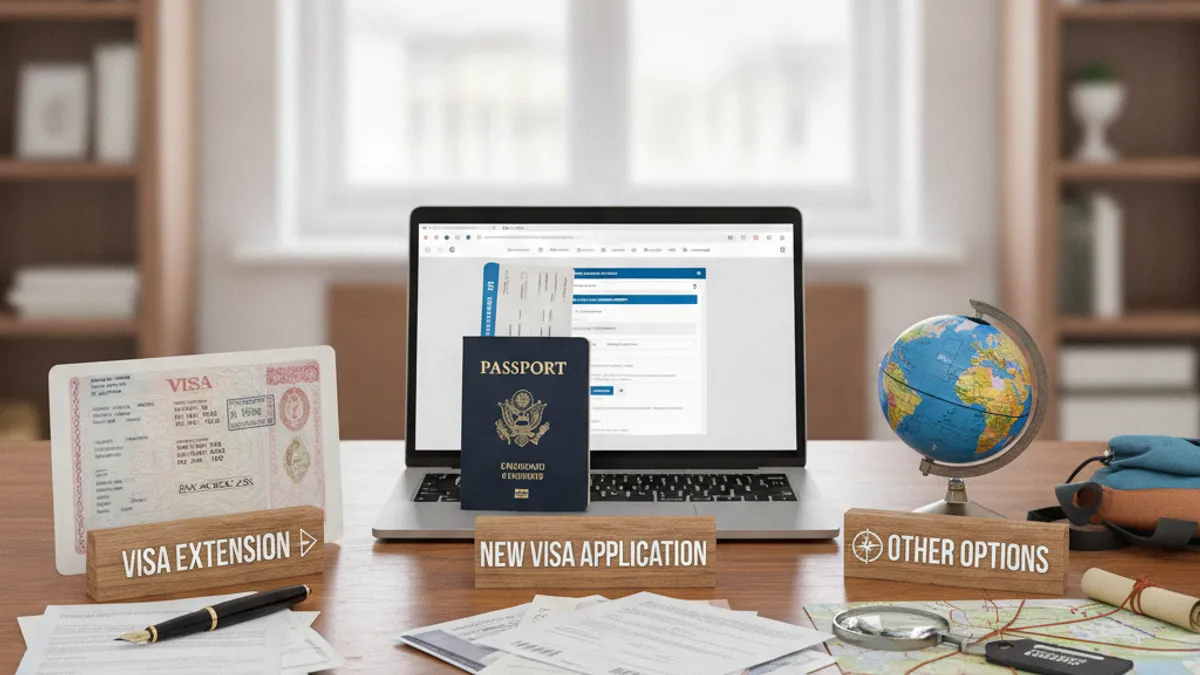
When your visa is nearing its expiry, it’s not always as simple as just extending. You have to consider what your ultimate goal is and what the most appropriate pathway is. Sometimes, an extension is the best solution, but other times, it might be more suitable to pursue a different immigration status or even leave and re-apply.
When to Consider a Visa Renewal
A visa renewal often implies that you must leave the country and apply for a new visa from outside, often at an embassy or consulate. This is different from an extension, which allows you to remain in the country while your application is processed.
- Visa Extension: Best when you need to stay in the country for a slightly longer period to complete your original purpose (e.g., finish a semester, complete a project phase) and your current visa type allows for such extensions.
- Visa Renewal: A good option if your current visa is expiring, your purpose in the country is finished, or you are returning for a new, distinct trip and want a fresh visa. It involves a new application process, potentially from your home country.
- Change of Status: If your circumstances have fundamentally changed (e.g., you decided to start working permanently after a tourist visit, or you’re now eligible for a different visa category), you might need to apply for a change of status rather than an extension. This is a more complex process.
Navigating Different Country Rules
Understanding that visa extension rules are not universal is one of the most crucial aspects of this process. What’s standard practice in one country could be virtually impossible in another. These differences are rooted in each nation’s immigration policies, economic needs, and security concerns.
- United States: Generally requires applications to be filed with U.S. Citizenship and Immigration Services (USCIS) before expiration. Specific forms like I-539 are common for extensions of stay for certain non-immigrant visa categories.
- United Kingdom: The Home Office manages visa extensions, often through online applications. Different visa routes have entirely distinct rules, with some, like certain work visas, requiring employers to be involved in the extension process.
- Canada: Immigration, Refugees and Citizenship Canada (IRCC) handles extensions. It’s vital to apply for an extension or change of status before your current status expires to maintain your ability to stay legally.
- Australia: Department of Home Affairs oversees all visa matters. Applying for an extension or a new visa while onshore requires careful attention to visa conditions and ensuring you don’t hold a “no further stay” condition.
The key takeaway is to always consult the official government immigration website for the specific country you are in. The information there is the most accurate and up-to-date source for your situation.
When to Seek Expert Immigration Advice

While some visa extension processes might seem straightforward, there are many situations where seeking guidance from an immigration professional or lawyer is highly recommended. Relying solely on DIY research can be risky, especially when the stakes are so high.
If your situation involves any of the following, consulting an expert is a wise investment:
- Complex Visa Categories: If you hold a specialized visa (e.g., certain investor visas, highly skilled worker visas), its extension rules can be intricate.
- Previous Visa Issues: If you have ever overstayed a visa, had an application denied, or encountered other immigration problems, an expert can help navigate the repercussions.
- Changing Circumstances: If your reason for needing an extension doesn’t fit neatly into standard categories, an immigration advisor can help frame your case effectively.
- Urgency: If your visa is expiring very soon and you’re unsure about the process or eligibility, an expert can expedite understanding and action.
- Country-Specific Nuances: For countries with particularly complex or stringent immigration laws, professional advice is often indispensable. An immigration lawyer can also represent you if your case becomes contentious.