
Planning a trip to China can bring up a lot of questions, especially when it comes to entry requirements. Figuring out what is L visa in China is your first major step if you’re looking to visit for tourism. This specific visa type is designed for leisure travelers, simplifying your entry for sightseeing or visiting loved ones.
Thank you for reading this post, don't forget to subscribe!The L visa is straightforward for its intended purpose: travel for pleasure. Most countries require their citizens to secure one before arriving. To be eligible, you’ll generally need a valid passport and proof of your travel plans, like confirmed flight and hotel bookings. Let’s break down precisely what you need to know to get yours.
Who Needs a China L Visa for Tourism?

If you’re planning a trip to mainland China purely for tourism, sightseeing, or to visit family and friends, you almost certainly need an L visa. This visa is officially known as the Tourist Visa, or Lǚyóu qīzhèng in Mandarin. It’s the go-to document for international visitors whose primary purpose isn’t business, work, or study. Think of it as your golden ticket for a leisurely exploration of China’s wonders.
Most countries require their citizens to obtain one before they depart. For example, travelers from the United States, Canada, the UK, and Australia will need to apply for an L visa. There are few exceptions for citizens of certain countries who have visa-exemption agreements with China for short stays, but these are specific and limited. Relying on these without double-checking official sources can lead to significant travel disruptions.
Your trip’s purpose is the main deciding factor. If you’re attending a wedding, visiting relatives, or simply want to explore Beijing’s Forbidden City or Shanghai’s Bund, the L visa is your category. If your visit involves any commercial activities, like attending trade fairs or negotiating contracts, you’d likely need a Business ‘M’ visa instead. This distinction is crucial; the wrong visa can result in denied entry or penalties.
Navigating the L Visa Application: Key Requirements

Getting your L visa involves a few key pieces of information and documentation that immigration authorities need to see. They want to know you’re a genuine tourist with a clear itinerary and the means to support yourself during your stay. Missing even one small item can cause delays or, worse, a denial.
The core requirements aim to confirm your identity, your intent to tour, and your confirmed plans. While exact details can vary slightly by country and consulate, the foundation remains consistent. You’ll be asked to provide certain standard documents that prove you are who you say you are and that your trip is well-organized.
Gathering Your L Visa Documents
To successfully apply for a China L visa, you’ll need a specific set of documents ready. Our research indicates that the most frequently requested items are designed to confirm your identity and your travel itinerary. Having these prepared in advance will make the application process much smoother and faster.
Here’s a rundown of what you’ll typically need:
- Passport: This must be valid for at least six months beyond your intended stay in China and have at least two blank visa pages. Ensure it’s not damaged in any way.
- Completed Visa Application Form: This is a detailed form you’ll fill out online or by hand, depending on the consulate’s preference. Accuracy is paramount here.
- Recent Passport-Style Photograph: Usually, one or two photos are required. They must be recent, in color, with a white background, and meet specific size and format requirements. It’s best to get these professionally done to meet specifications.
- Proof of Travel Arrangements: This typically includes round-trip flight tickets and hotel reservations that cover your entire stay. Some consulates may accept a detailed itinerary if bookings aren’t fully confirmed.
- For Non-US Citizens applying in the US: You might need to provide proof of legal status in the US, like a green card or valid visa.
Sometimes, you might need additional documents. If you’re visiting friends or family, an invitation letter from your host in China could be required. This letter should include details about your host and your visit. Always check the specific requirements for the Chinese Embassy or Consulate serving your region.
Understanding L Visa Eligibility Criteria
Eligibility for a China L visa hinges on a few core factors, primarily your nationality and the purpose of your visit. China has specific policies regarding who can enter the country for tourism. Generally, if you are not a citizen of a country with a visa-exemption agreement for short stays, you will need to apply.
Here’s a breakdown of the key eligibility points:
- Nationality: Chinese immigration law determines which nationalities require a visa. While many countries need one, a small number have agreements for visa-free entry for tourism up to a certain number of days. It’s essential to verify your specific country’s status.
- Purpose of Visit: The L visa is strictly for tourism or visiting friends and relatives. Any intention to work, study, conduct business, news reporting, or perform other activities requires a different visa category. Misrepresenting your purpose can lead to serious consequences.
- Valid Travel Documents: As mentioned, a passport with adequate validity and blank pages is non-negotiable. Expired or nearly expired passports will prevent your application from moving forward.
- Financial Means: While not always explicitly asked for upfront, you should be prepared to demonstrate you have sufficient funds to cover your trip. This might come up if you’re asked to provide bank statements or if immigration officers question your planned duration of stay.
- No Criminal Record or Immigration Violations: Past issues with immigration authorities, including visa overstays or criminal convictions, can affect your eligibility.
If you have any doubts about your eligibility based on your personal circumstances, it’s always best to consult directly with the relevant Chinese embassy or consulate. They are the ultimate authority on who qualifies for a visa.
Choosing Your L Visa Type: Single, Double, or Multiple Entry?
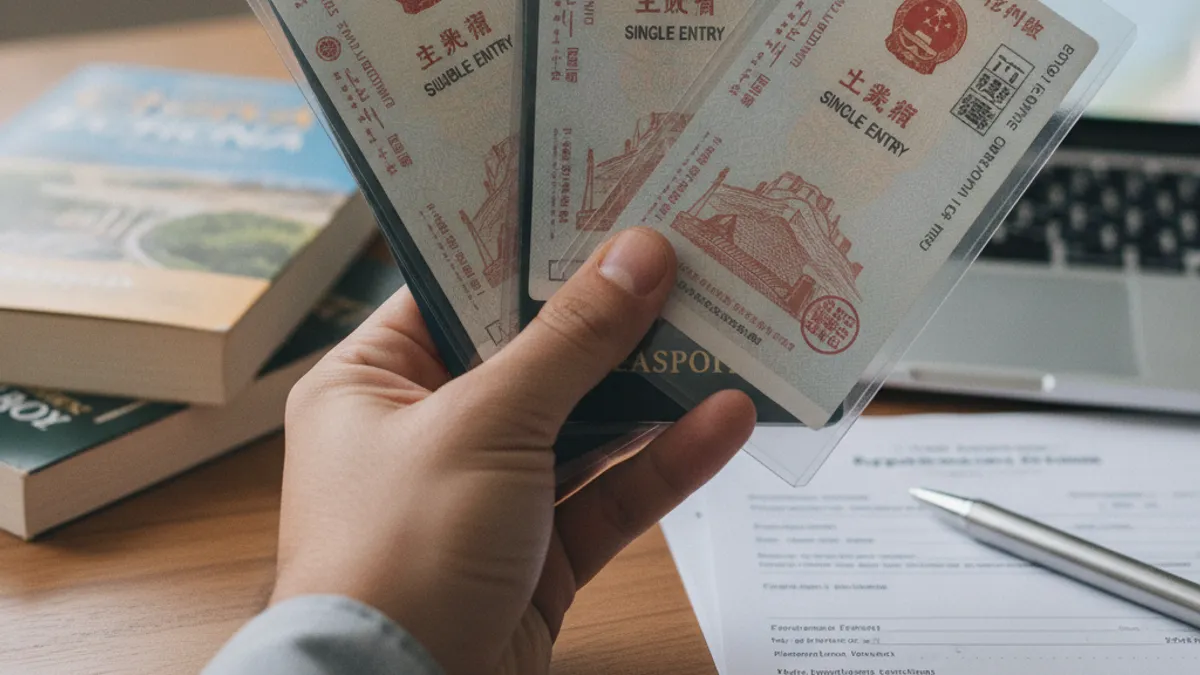
When you apply for an L visa, you’ll likely be asked to specify the type of entry you need. This decision depends entirely on your travel plans to China. Choosing the right one ensures you won’t face issues if your itinerary involves re-entering the country or making multiple trips within a specific timeframe.
The primary distinction lies in how many times you can enter mainland China using that single visa. Each type has an associated validity period, but the number of permitted entries is the key factor to consider. Think carefully about whether you’ll be leaving and re-entering China during your trip.
Here’s a look at the common L visa entry types:
- Single Entry: This is the most common type. It allows you to enter mainland China one time within the visa’s validity period. Once you depart China, the visa is considered used and cannot be re-entered with. It’s ideal for straightforward tourist trips where you won’t be leaving mainland China and returning.
- Double Entry: This type permits you to enter mainland China two times within the visa’s validity period. This is useful if you plan a trip that might include a short excursion to a nearby country (like Hong Kong or Macau, which are Special Administrative Regions and often considered separate for visa purposes) and then returning to mainland China.
- Multiple Entry: This is the most flexible option, allowing you to enter mainland China multiple times within the visa’s validity period. This type is typically for longer-term travelers or those who anticipate needing to re-enter China several times. There are often stricter eligibility requirements for multiple-entry visas, and they might not be issued to first-time applicants or to citizens of certain countries. They usually have longer validity periods, often one to five years.
The validity period refers to the window of time during which you must begin your travel. For example, a visa with a 30-day validity period means you must enter China within 30 days of the issue date. The duration of stay refers to the maximum number of days you can remain in China on each entry. Always double-check these dates on your visa sticker once it’s issued.
The L Visa Application Process: Step-by-Step
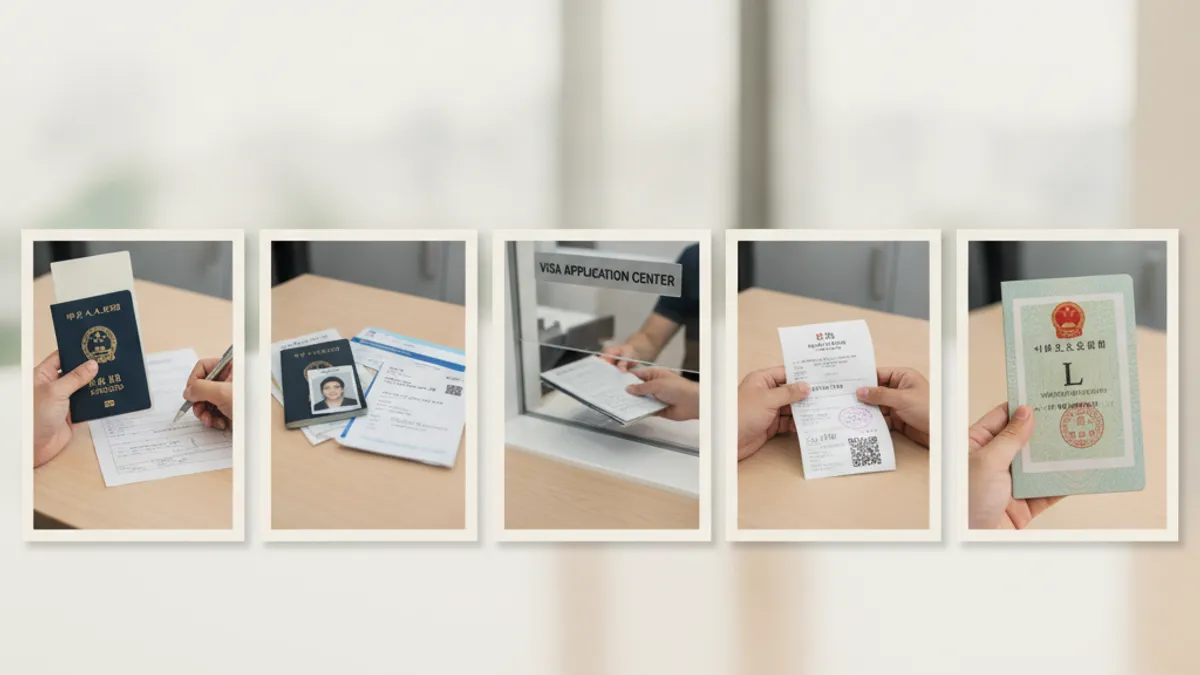
Applying for a China L visa can seem daunting, but breaking it down into manageable steps makes it much clearer. The process generally involves gathering your documents, filling out an application, submitting it, and then waiting for approval. Each stage has its own requirements and timelines, so staying organized is key.
Most applications are now handled through Chinese Embassies and Consulates or authorized Visa Application Service Centers. These centers act as intermediaries, streamlining the submission and collection process. It’s important to start this process well in advance of your planned travel date.
Let’s walk through the typical stages:
Filling Out the Application Form
The foundation of your L visa application is the official visa application form. This document requires you to provide detailed personal information, travel plans, and background details. Accuracy and completeness are absolutely critical; even minor errors can lead to delays or rejection.
Most Chinese Embassies and Consulates now require you to complete this form online. You’ll typically need to create an account on their designated system. Be prepared to input information such as:
- Personal Details: Full name, date of birth, nationality, passport number, and employment information.
- Travel Itinerary: Dates of entry and exit, intended cities of visit (e.g., Beijing, Shanghai, Xi’an), and names of hotels or other accommodation. If visiting friends or family, you’ll need their full name, address, and contact details.
- Previous Travel History: Any previous Chinese visas, and travel to China or other countries.
- Emergency Contact Person: Details of someone who can be contacted in case of an emergency.
You’ll likely need to upload a digital photo that meets the strict specifications mentioned earlier. Before you submit, carefully review every field. It’s a good idea to save a copy of the completed form for your records.
Scheduling Your Visa Appointment
Once your application form is complete and you’ve gathered all necessary supporting documents, the next step is usually to schedule an appointment. This is when you will physically submit your application and supporting materials to the embassy, consulate, or visa application center. Appointment slots can fill up quickly, especially during peak travel seasons, so booking in advance is highly recommended.
The online application system often directs you to a scheduling portal. You’ll select a date and time that works for you. Some centers offer appointments during weekdays, while others might have limited weekend availability.
Consider the following when booking:
- Processing Time: Factor in the standard visa processing time when choosing your appointment date. As of 2026, standard processing typically takes about 4-5 business days.
- Location: Choose an appointment at a center that is convenient for you to travel to.
- Availability: If you have specific travel dates, check appointment availability well in advance. If your preferred date isn’t available, you may need to adjust your travel plans slightly or opt for an express service if possible.
Arrive a few minutes early for your appointment. You’ll likely need to present your appointment confirmation and identification.
Common Pitfalls: Mistakes to Sidestep with Your L Visa

Navigating the L visa application process is usually straightforward, but certain common mistakes can cause unnecessary delays or even lead to your application being denied. Being aware of these pitfalls beforehand can save you a lot of frustration and help ensure your visa is approved smoothly. The Chinese consulates are precise about their requirements, and even small oversights matter.
Proactive planning and careful attention to detail are your best defense against these issues. Most problems stem from either incomplete documentation or incorrect information. Let’s look at some of the most frequent errors people make.
Here are the top mistakes to avoid:
- Incomplete or Incorrect Application Form: This is perhaps the most common error. Missing information, typos in names or passport numbers, or failing to answer all questions can halt your application. Always double-check every field before submitting.
- Invalid Passport: Submitting an application with a passport that doesn’t meet the validity requirements (less than six months remaining) or lacks sufficient blank visa pages is a sure way to get rejected. Ensure your passport is up to date and has at least two blank pages.
- Unclear or Invalid Travel Itinerary: Simply stating you want to “tour China” isn’t enough. You need to provide concrete proof of accommodation and transportation. Ambiguous hotel bookings or flight reservations without clear dates can raise red flags.
- Incorrect Photo Specifications: Visa photos have very strict requirements regarding size, background color, head position, and recentness. Photos that don’t meet these standards, even slightly, will be rejected.
- Applying Too Late (or Too Early): While you shouldn’t wait until the last minute, applying too far in advance (more than a few months before your travel date) might also be an issue, as the visa might expire before you travel. Standard processing takes several business days, so aim to apply about 1-2 months before your departure.
- Misrepresenting Purpose of Visit: Applying for an L visa when your actual intent is business or work is a serious misrepresentation and can lead to visa denial, future travel bans, or penalties upon arrival. Be honest about why you are traveling.
- Not Checking Specific Consulate Requirements: Application requirements can differ slightly between the Chinese Embassies and Consulates in various countries. Always check the specific guidelines for the consulate handling your application. Relying on generic advice without verification is risky.
L Visa vs. Other China Visas: Knowing the Difference

It’s important to understand that the L visa isn’t the only type of visa available for China. Depending on your reason for travel, you might actually need a different category. Choosing the wrong visa type can lead to your application being denied or even issues when you try to enter China. The L visa is specifically for tourism and visiting friends or family.
If your trip involves any business activities, such as attending meetings, negotiating contracts, or visiting potential suppliers, you’ll likely need a Business ‘M’ visa. For those planning to work in China, a Work ‘Z’ visa is essential. Long-term study requires a Student ‘X’ visa, and journalistic activities fall under a Journalist ‘J’ visa. Trying to use an L visa for any of these purposes is not permitted and can have serious consequences.
Here’s a quick comparison of common visa types and their purposes:
| Visa Type | Primary Purpose | Key Documentation Examples |
|---|---|---|
| L Visa | Tourism, visiting friends/family | Round-trip flights, hotel bookings, invitation letters |
| M Visa | Business and commercial activities | Invitation letters from Chinese companies, business proofs |
| Z Visa | Employment in China | Employment license, work permit approval |
| X Visa | Study in educational institutions | Admission notice, application for study permit |
| G Visa | Transit through mainland China | Valid visa for the destination country, onward ticket |
The core differentiator for the L visa is its focus on leisure and personal visits. If your purpose involves any form of remuneration, employment, or commercial exchange, you must select a visa category that matches that activity. Always verify the exact requirements for each visa type with the official Chinese immigration or consular websites.
Tourist Scenarios: Who Benefits Most from an L Visa?

The China L visa is designed for a wide range of travelers, but it’s particularly beneficial for individuals with clear leisure or personal visit plans. If your trip involves experiencing China’s culture, history, and natural beauty without any commercial intent, this visa is tailor-made for you. It simplifies entry for those whose main goal is exploration and enjoyment.
This visa category is perfect for independent travelers planning their own itineraries, as well as those joining organized group tours. It also caters to individuals who wish to visit family members or friends residing in mainland China. The flexibility of the L visa, including its single, double, and multiple-entry options, can accommodate various travel styles and durations.
Consider these typical scenarios where the L visa is the ideal choice:
- The Sightseer: You’re planning to visit iconic landmarks like the Great Wall, the Terracotta Army in Xi’an, or the Li River in Guilin. Your itinerary focuses on cultural immersion and experiencing China’s diverse landscapes.
- The Family Visitor: You have relatives or close friends living in China and wish to stay with them for a period. An invitation letter from your host will be a key document for your application.
- The Group Tour Participant: You’ve booked an all-inclusive package tour with a travel agency. The agency will typically provide a confirmed itinerary and sometimes group visa application support.
- The Short-Excursion Traveler: You plan a trip to mainland China for a week or two, perhaps to see a specific event or region, and will depart directly for your home country afterward. A single-entry L visa often suffices here.
- The Multi-Destination Explorer: You want to visit mainland China, perhaps pop over to Hong Kong for a couple of days, and then return to Beijing before flying home. A double-entry L visa could be appropriate for this.
Essentially, if your main reason for entering China is non-commercial and focuses on personal enrichment or connection, the L visa is your pathway.
L Visa Costs and Processing Times
The financial and time investment for an L visa can vary, so it’s wise to understand these aspects early in your planning. Visa fees are not fixed globally; they often depend on your nationality and the visa service center you use. Processing times also differ, with faster options available at a premium.
As of 2026, the standard cost for an L visa can range from approximately $140 to $180 USD for many common nationalities applying in places like the United States. However, this price can fluctuate based on currency exchange rates and specific service fees charged by the visa application center. It’s crucial to check the official fee schedule for the Chinese Embassy or Consulate serving your region.
Processing times generally fall into a few categories:
- Standard Processing: This is the most common option and usually takes about 4 to 5 business days. It’s important to note that this timeframe typically starts the day after your application is formally accepted by the consulate, not from when you submit it to the service center.
- Express Processing: If you need your visa more quickly, many centers offer an express service, often reducing the processing time to 2 to 3 business days. This service comes with an additional fee.
- Rush Processing: In urgent situations, some consulates might offer a same-day or next-day rush service, though this is not always guaranteed and can be significantly more expensive.
It’s also worth considering potential delays. Unforeseen circumstances, increased application volumes, or missing documentation can extend processing times beyond the stated estimates. This is why applying well in advance, as discussed in the pitfalls section, is so important. Always factor in a buffer of several extra days to avoid travel disruptions.
Important L Visa Rules and Compliance

Complying with the rules associated with your L visa is crucial for a hassle-free trip and to maintain good standing for future travel. China has specific regulations for visa holders, and understanding these will prevent misunderstandings or problems upon arrival and during your stay. Adherence ensures your visit is smooth and legal.
The L visa grants you entry for tourism, and this purpose must guide your actions while in China. Any deviation from this intent can lead to consequences. It’s not just about getting the visa; it’s about respecting the terms under which it was granted.
Key rules and compliance points to remember include:
- Purpose Limitation: As repeatedly emphasized, the L visa is strictly for tourism, visiting friends, or family. Engaging in any work, business, or study without the appropriate visa is a violation. This can range from attending informal business meetings to accepting temporary employment.
- Duration of Stay: You must adhere to the maximum number of days permitted for your stay, as indicated on your visa. Overstaying your visa is a serious offense and can result in fines, detention, deportation, and future travel bans. Always know the exact expiration date and allowed duration.
- Registration Requirements: Depending on your situation and destination, you may be required to register your presence with local police or public security bureaus, especially if you are staying in private accommodation rather than a hotel. Hotels typically handle this registration automatically.
- Passport and Visa Security: You must carry your passport and visa at all times. Report any loss or theft immediately to the local authorities and the nearest Chinese Embassy or Consulate. Your visa sticker is proof of your legal status.
- Respecting Local Laws: This goes without saying, but you are expected to abide by all laws and regulations of the People’s Republic of China. This includes local customs, traffic laws, and any specific rules related to protected areas or cultural sites.
- Not Working on a Tourist Visa: Even if offered a casual job or an attractive opportunity during your visit, you cannot legally work using an L visa. You would need to exit China and apply for the appropriate work visa before returning to commence employment. Attempting to work on an L visa can lead to immediate detention and deportation.
Understanding and following these guidelines ensures your pleasant tourist experience isn’t marred by immigration issues. Always err on the side of caution and when in doubt, seek clarification from official sources.
Expert Tips for a Smooth L Visa Application

Applying for your L visa doesn’t have to be a stressful experience. With a little foresight and by following some best practices, you can significantly increase your chances of a quick and successful application. These tips are based on common insights from successful applicants and consular guidelines.
Think of these as insider advice to help you navigate the process efficiently. They focus on proactive measures and smart strategies that can prevent common hiccups. Applying these tips can make the difference between a smooth process and a frustrating one.
Here are some key recommendations from our research:
- Start Early: Don’t wait until the last minute. Begin gathering documents and researching requirements at least two to three months before your planned departure date. This buffer allows time to correct any issues and obtain necessary documents.
- Be Meticulous with Forms: Double-check every single detail on your application form. A misplaced comma or a typo in your passport number can lead to delays. If you’re unsure about a question, look for official guidance or contact the visa center.
- Professional Photos: Invest in passport photos that strictly meet the Chinese visa photo specifications. If they’re rejected, you’ll have to get new ones, which can eat into processing time.
- Organize Supporting Documents: Keep all your supporting documents (flight bookings, hotel reservations, invitation letters if applicable) neatly organized. Present them in a clear, logical order when you submit your application.
- Understand Your Visa Type: Make sure you are applying for the correct L visa entry type (single, double, or multiple) based on your confirmed travel itinerary. Changing this later can be difficult or impossible.
- Keep Copies: Make photocopies or take clear photos of your entire application, passport, and all supporting documents before submitting them. This is invaluable if anything is lost or if you need to refer back to details later.
- Be Honest and Clear: Present your travel plans truthfully and clearly. Any attempt to camouflage the true purpose of your visit will likely backfire.
- Confirm Consulate Specifics: Requirements can vary slightly between different Chinese Embassies and Consulates. Always visit the official website of the consulate that serves your jurisdiction for the most accurate and up-to-date information.
By implementing these strategies, you can approach your L visa application with confidence, knowing you’ve taken the necessary steps for a smooth journey from application to approval.