
Applying for a visa can feel like trying to solve a complex puzzle, especially when the requirements are detailed and seem to change from one country to the next. Understanding precisely what is expected is crucial, and that’s where a Standard Operating Procedure, or SOP, for your visa application comes into play. Think of it as your personal roadmap to a successful submission.
Thank you for reading this post, don't forget to subscribe!When you’re preparing a visa application, there’s a lot to keep track of, and a well-defined SOP acts as your system to manage it all. For instance, U.S. visa applications generally require specific sets of documents depending on the visa category, and adhering to the consulate’s documented guidelines, such as those provided by the U.S. Department of State, is paramount. This structured approach helps avoid common errors that can halt the entire process.
Why Visa Application SOPs Matter for Your Success
Not having a clear Standard Operating Procedure for your visa application isn’t just an inconvenience; it can actively work against your goal. Many applicants dive in, gather what they think they need, and submit, only to find out later that a crucial step was missed or a document wasn’t presented in the correct format. This often leads to delays, requests for additional information that can take weeks or months to process, or worst of all, outright rejection. The consequences of rejection can be significant, impacting future travel plans or even immigration opportunities.
What Exactly is a Visa Application SOP?

So, what are we talking about when we say “SOP for your visa application”? At its heart, it’s a detailed, step-by-step guide that outlines every single action and document required for your specific visa application. It’s not just a checklist; it’s a narrative of how you will secure and present everything precisely as the authorities expect. This process is designed to be followed meticulously, ensuring nothing is overlooked.
The Core Purpose of an SOP
The main goal of an SOP is to ensure consistency and accuracy in your application process. Whether you’re applying for a student visa, a work permit, or a tourist visa, the fundamental need for clear, verifiable information remains the same. An SOP helps you organize your thoughts and efforts, making sure that when you hand over your application, it’s as complete and convincing as possible from the outset.
Key Components of a Strong SOP
A robust SOP typically includes several key elements. It will detail the specific visa type you’re applying for and the country’s immigration authority overseeing it. You’ll find requirements for official forms, supporting personal documents like passports and birth certificates, financial evidence, proof of purpose (like admission letters or job offers), and any other country-specific mandates. The SOP ensures each component is sourced, verified, and organized.
Potential Pitfalls of Not Having a Clear SOP

When you skip the SOP step, you’re essentially navigating unfamiliar territory without a map. This lack of a structured plan opens the door to a host of problems that can quickly spiral. Think of it like building a house without blueprints, you might get a structure up, but it’s unlikely to be sound or meet building codes.
Domino Effects of a Weak Application
A single error or omission can trigger a cascade of issues. For example, if a financial statement isn’t formatted to the exact specifications of the embassy, it might be questioned. This can lead immigration officers to doubt your ability to support yourself. This doubt can then lead them to scrutinize other parts of your application more heavily.
The result is often a request for more documentation, extending processing times significantly.
Common Mistakes Applicants Make
We’ve seen applicants make repeated errors because they weren’t following a structured procedure. This includes submitting expired passport copies, failing to get required documents notarized or apostilled, providing vague or unconvincing statements of purpose, and not accounting for processing times. Many assume that if they meet most criteria, it’ll be fine. However, immigration services often have very specific requirements that demand exact adherence.
How to Build Your Own Visa Application SOP
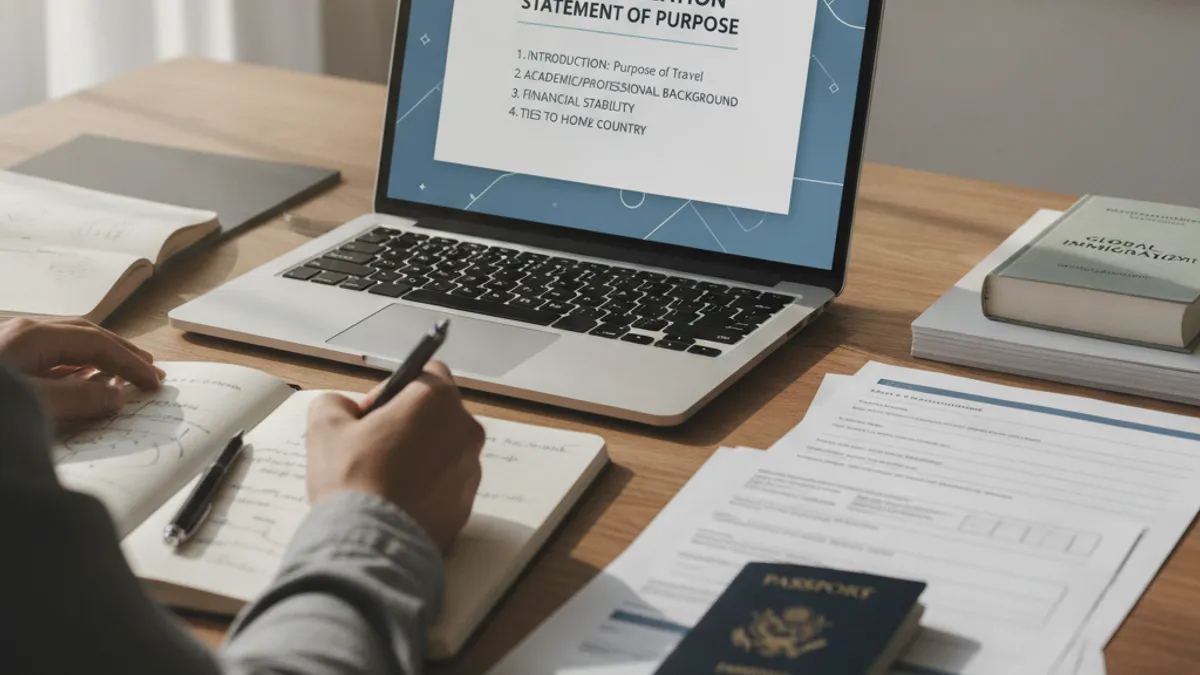
Creating your own SOP might sound daunting, but it’s really about methodical organization and attention to detail. It’s the process of turning a giant “to-do” list into an actionable, sequential plan. Think of this as your personal project management for one of the most important applications you’ll make.
Step 1: Understand Your Specific Visa Type
This is non-negotiable. Every visa type has unique requirements. A student visa requires proof of enrollment and financial means for tuition, while a work visa needs a job offer and employer sponsorship. You absolutely must identify the precise visa category you need.
Visit the official immigration website of the destination country for the most accurate, up-to-date guidelines. This is your foundational step.
Step 2: Gather All Required Documents
Once you know your visa type, you can start compiling the necessities. This involves collecting official documents such as your passport, photos, and application forms. You’ll also gather supporting evidence like bank statements, employment letters, academic transcripts, and proof of accommodation. Your SOP should list each document, where to obtain it, and any specific formatting or translation requirements.
Step 3: Structure Your Supporting Information Logically
How documents are presented matters. Your SOP should dictate how you’ll organize this information. Will you use dividers? Will you number each document?
For instance, if you’re applying for a visa that requires proof of funds for six months, your SOP should specify the exact period your bank statements must cover. It should also state that they should be presented in chronological order. This makes it easy for the reviewing officer to find what they need.
Step 4: Ensure Accuracy and Authenticity
This is an area where mistakes can be fatal to your application. Your SOP must include a step for double-checking every piece of information for typos, correct dates, and consistent names across all documents. It also needs to address the authenticity of your documents. Ensure any birth certificates or marriage certificates are official copies issued by the relevant government authority.
Step 5: Tailor to Embassy/Consulate Expectations
Different embassies and consulates, even within the same country, can sometimes have slightly different preferences for how applications are submitted or what additional information they might request. Your SOP should incorporate findings from the specific embassy or consulate where you’ll be applying. Always check their official website for any specific instructions or preferred methods of submission related to supporting documents.
Key Benefits of a Well-Defined SOP
Adopting a structured approach with a clear SOP doesn’t just make the process less stressful; it actively improves your odds of a successful outcome. It’s about working smarter, not just harder, to meet the stringent demands of immigration authorities.
Streamlining Your Application
An SOP cuts through the chaos of visa requirements. It breaks down a potentially overwhelming process into manageable tasks. When everything is laid out chronologically and logically, you know exactly what needs to be done today, tomorrow, and next week. This prevents last-minute panic and ensures you have ample time for each step.
This includes waiting for official responses or processing times, which can sometimes take over 60 days for certain documents.
Boosting Your Chances of Approval
Immigration officers review thousands of applications. A clear, organized, and complete application that follows their guidelines stands out immediately. It signals to them that you’re a serious applicant who respects their process and has taken the time to prepare thoroughly. This professionalism can subtly influence their perception.
It makes them more inclined to approve your case rather than flag it for further scrutiny.
Critical Risks and Compliance Considerations

When discussing visa applications, the legal and compliance aspects are paramount. Failing to adhere to governing laws and regulations can lead to serious repercussions, far beyond just a rejected application.
Navigating Immigration Laws
Each country has its own complex set of immigration laws and policies. These laws dictate who can enter and under what conditions. Your SOP must thread through these regulations, ensuring every document and every piece of information provided is compliant. For instance, certain countries require specific types of background checks or health examinations.
These are mandated by their immigration laws. Missing these can lead to an application being denied on legal grounds.
The Importance of Truthfulness
Honesty is not just the best policy; it’s a legal requirement when applying for a visa. Any attempt to mislead immigration authorities can result in severe penalties. This includes forged documents, false statements, or omissions of crucial information. Penalties can include immediate visa rejection, a ban from re-applying for a set period (often years), and in some cases, deportation if you are already in the country.
Your SOP should emphasize verification and truthfulness at every stage to prevent accidental misrepresentation.
Who Needs a Detailed Visa SOP Most?

While everyone benefits from a structured approach, certain situations and applicant profiles make a detailed SOP absolutely essential. It’s about recognizing when the stakes are higher and the process is more intricate.
Specific Scenarios Where an SOP is Crucial
Consider complex applications like those for skilled worker visas, long-term study permits, or family reunification. These often require extensive documentation proving qualifications, financial stability, and genuine relationships. Applicants undergoing significant life changes, such as recent graduates or individuals changing careers, also benefit immensely from an SOP. It clearly bridges any gaps in their application history.
Even relatively straightforward tourist visas can become complicated if you have a nuanced travel history or specific personal circumstances that need explanation.
Expert Tips for Crafting an Unforgettable SOP
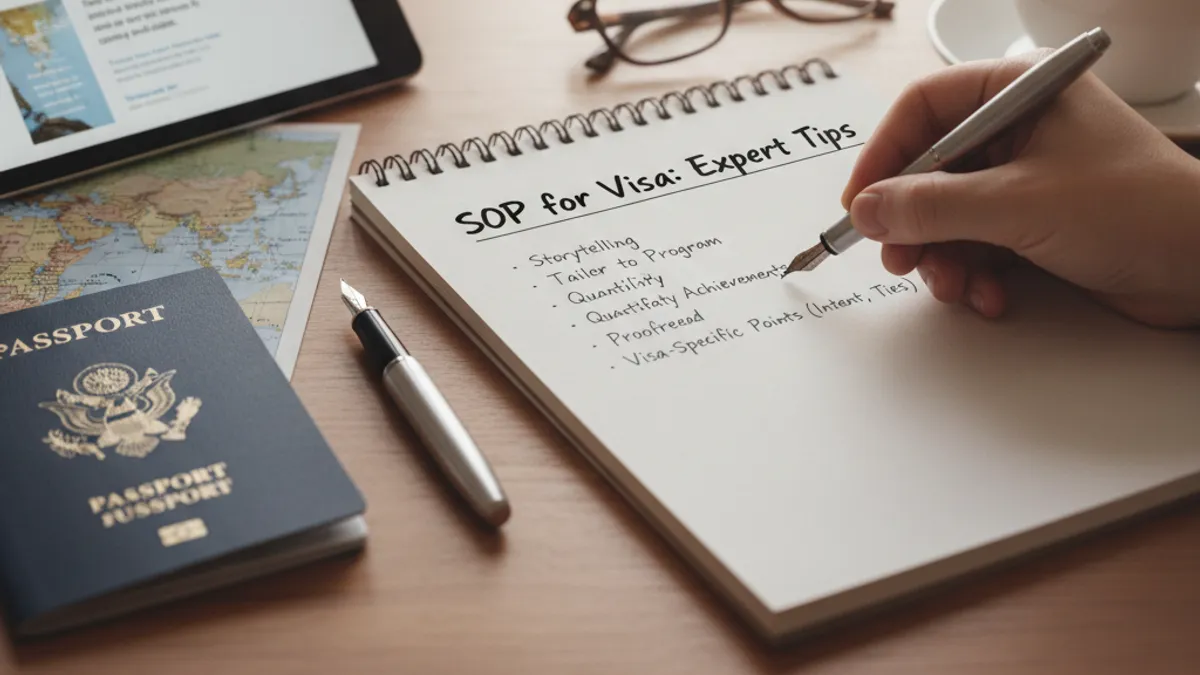
Beyond the basic steps, there are tried-and-true methods that seasoned applicants and immigration consultants use to create applications that really impress. These aren’t always obvious, but they can make a significant difference.
- Go Beyond the Checklist: Authorities often provide a list of required documents. Your SOP should do more by including a section for “highly recommended but not mandatory” documents. These further support your case. For example, if applying for a business visa, including a brief business plan or proof of existing international contacts can be very persuasive.
- Create a “Master Document”: Think of your SOP not just as a planning tool, but as a document that might be partially shared. If appropriate, an appendix might include a signed declaration of the accuracy of all submitted documents. It could also be a cover letter that succinctly summarizes your application’s purpose and highlights the strength of your evidence.
- Anticipate Questions: Try to put yourself in the immigration officer’s shoes. What questions might they have based on your application? Your SOP should proactively address these potential queries within your supporting documents or cover letter. For instance, if there’s a gap in your employment history, your SOP should guide you to include an explanation.
- Verify Source Requirements Constantly: Immigration rules can change. As of 2026, official government websites remain the only truly authoritative source for visa requirements. It’s best practice to check these sites at least twice during your application process. Check once when you start planning, and again just before you submit. This helps catch any last-minute updates or policy shifts that might affect your application.
When to Get Professional Help with Your SOP

While you can certainly build an effective SOP yourself, there are times when enlisting professional help makes the most sense. This isn’t admitting defeat; it’s recognizing when specialized expertise can save you time, stress, and potentially a crucial application.
If your case is particularly complex, perhaps involving a criminal record, a previous visa denial, or unusual financial circumstances, bringing in an immigration consultant or lawyer is wise. They have experience with these edge cases and know how to frame your situation within legal guidelines. They can also help refine your SOP to address specific concerns that might arise, ensuring your application is robust. For instance, if you’re applying for asylum or a complex business visa, the nuances of the SOP are critical.
Professional review can prevent costly errors.