Thank you for reading this post, don't forget to subscribe!
An American green card is an official document that proves a person has lawful permanent resident status in the United States. It generally allows the holder to live and work permanently in the country, subject to U.S. immigration laws.
In the United States, a green card is one of the main ways a foreign national can establish a long-term life in the country. The document is formally called a Permanent Resident Card. U.S. Citizenship and Immigration Services (USCIS) issues these cards to eligible people who obtain lawful permanent resident status through an approved immigration process.
A green card offers major benefits, including the ability to live and work in the United States without relying on a temporary work visa. However, it is not the same as U.S. citizenship. Permanent residents must follow immigration rules, keep their status, and meet certain conditions if they later want to become American citizens.
People may qualify through family relationships, employment, humanitarian programs, the Diversity Immigrant Visa Program, or other categories established by U.S. law. The correct route depends on the applicant’s circumstances, immigration history, eligibility, and the availability of visas where annual limits apply.
Understanding the rules before applying can help prevent costly mistakes. This guide explains what an American green card is, what rights it provides, who may qualify, how the application works, what costs to expect, and how permanent residents can protect their status.
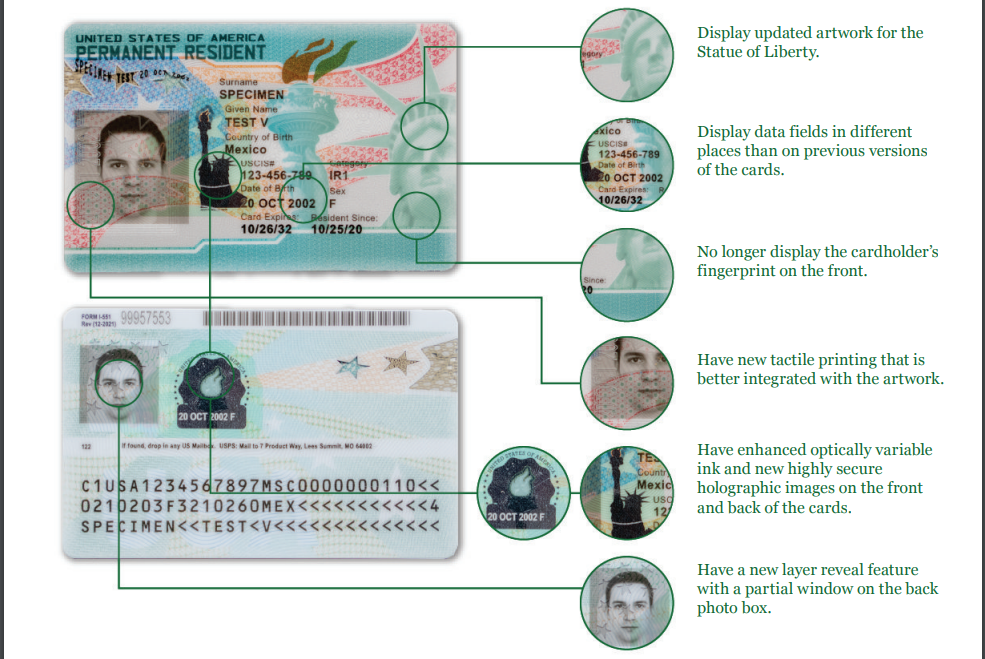
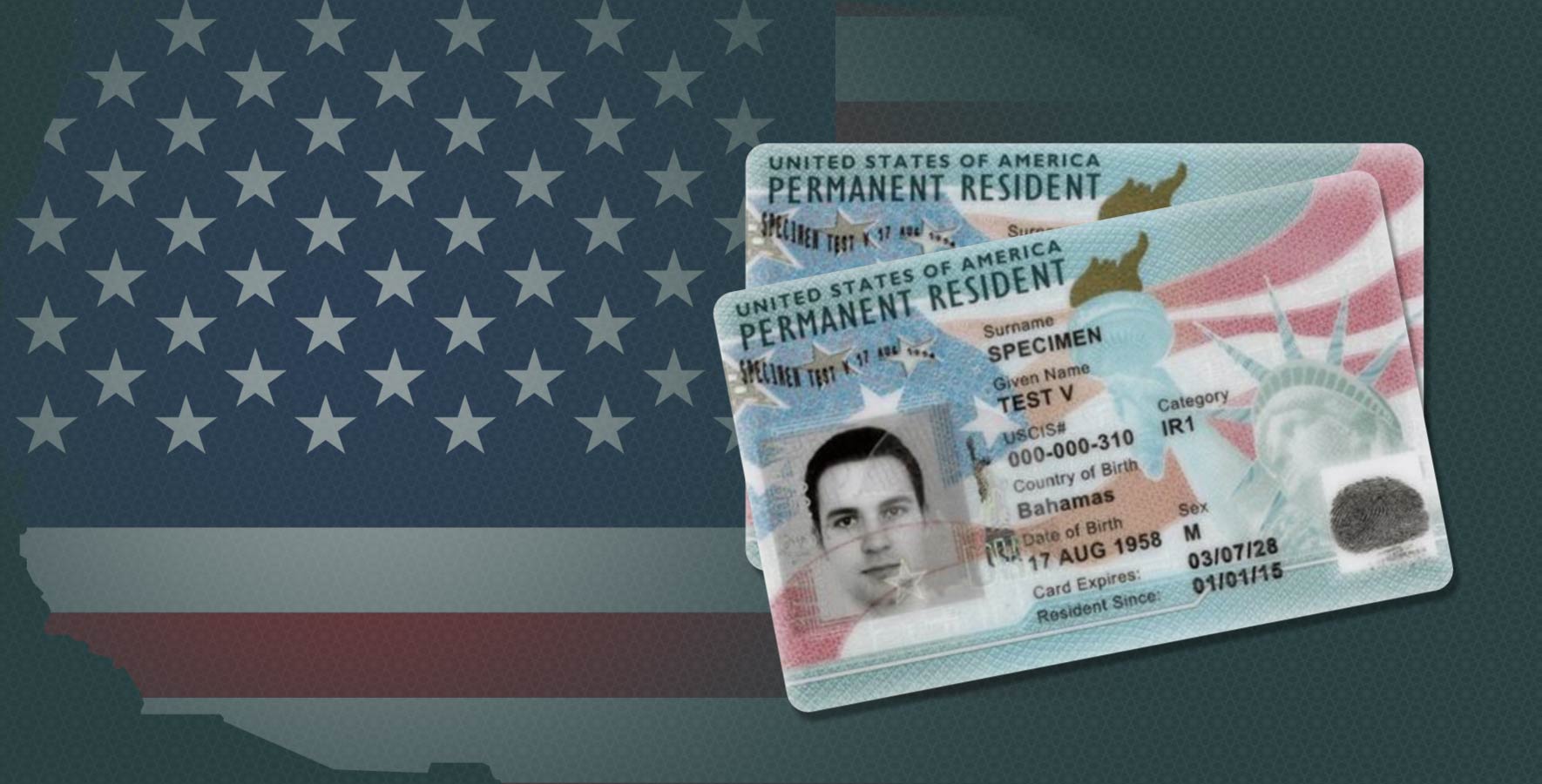
An American green card is a government-issued identification document that confirms lawful permanent resident status in the United States. Its official name is the Permanent Resident Card, and it is commonly associated with Form I-551.
Lawful permanent residence gives an eligible foreign national permission to live in the United States on a permanent basis. It also generally permits employment, subject to legal restrictions that apply to particular jobs or circumstances.
The term green card refers to the physical document, while permanent resident status refers to the person’s legal standing under U.S. immigration law. These are related but distinct concepts. A card can expire while the underlying status continues, although certain legal events can terminate that status.
For example, a person who immigrates through an eligible family relationship may receive a green card after completing the required process. That person can then live in the United States as a permanent resident, provided they continue to meet their legal obligations.
Source: images.indianexpress.com
Official proof of status
The card helps demonstrate that its holder is a lawful permanent resident and may be used for employment verification and other permitted purposes.
Permission to live in the United States
Permanent residents can generally establish their homes in the country without applying repeatedly for temporary visitor or work visas.
Employment authorization
Most permanent residents may work for eligible employers without obtaining a separate employment authorization document.
A possible path to citizenship
Eligible permanent residents may later apply for naturalization if they meet residence, physical presence, good moral character, English, civics, and other applicable requirements.
Why Is It Called a Green Card?
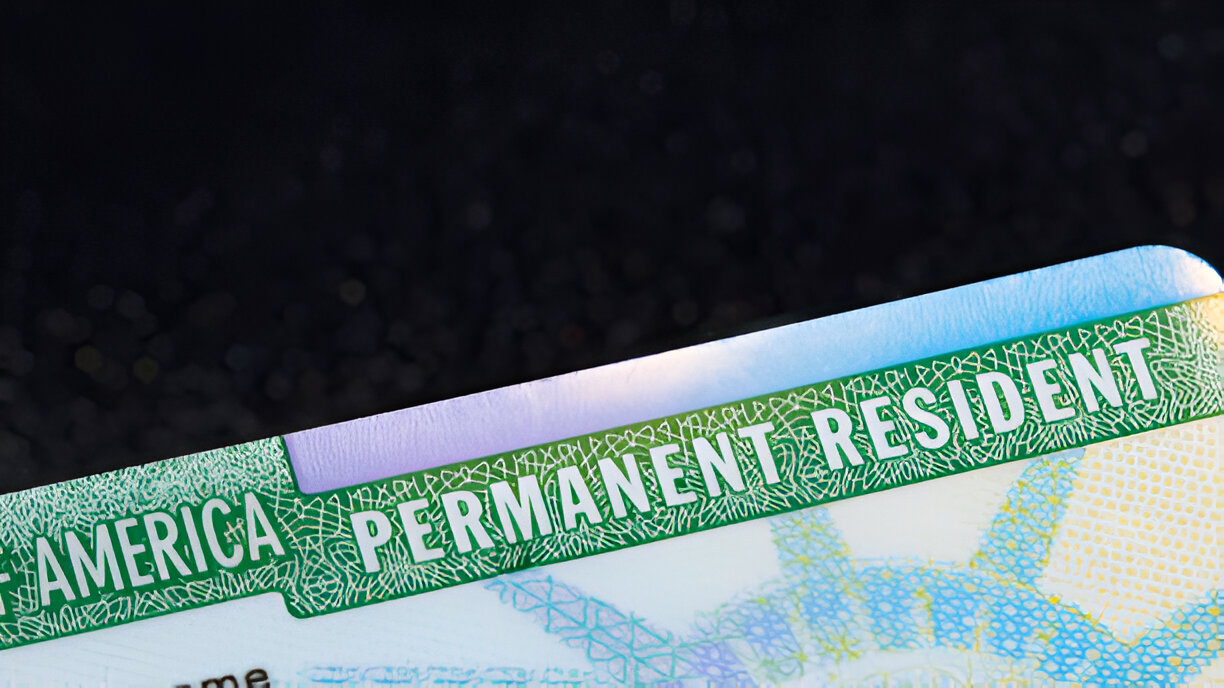
The name comes from the card’s historical association with green-colored designs. The appearance of the document has changed over time, so not every card has looked the same or used the same shade of green.
Today, green card is the familiar everyday term for the Permanent Resident Card. The legal rights attached to the document come from immigration law, not its color or design.
Who Issues the American Green Card?
USCIS manages many applications for lawful permanent residence and issues Permanent Resident Cards. Applicants immigrating from abroad usually complete an immigrant visa process through the U.S. Department of State before entering the United States as permanent residents. USCIS handles card production and other immigration functions after the required steps are completed.
What Rights Does a U.S. Green Card Provide?
A green card provides important rights that allow a person to build a stable life in the United States. The most significant benefits are permanent residence and broad permission to work, but these rights remain subject to federal law and certain restrictions.
Permanent residents can generally choose where to live within the United States, pursue education, open eligible bank accounts, rent or buy property, and conduct many ordinary personal and business activities. Access to public benefits depends on the specific program, immigration rules, income, residence, and other eligibility requirements.
Green card holders can also travel internationally and seek admission back into the United States. However, a green card is not a guarantee of admission in every circumstance. Extended absences, certain criminal convictions, immigration violations, or evidence that a person abandoned U.S. residence can create serious problems.
Source: businesspost.ng
Live permanently
A permanent resident can generally make the United States their home for an indefinite period, provided their status is maintained.
Work legally
Most permanent residents may accept employment with eligible employers without needing an employer-sponsored temporary work visa.
Travel abroad
Permanent residents can generally leave and return to the United States with valid travel documents, but lengthy trips may affect residence and citizenship eligibility.
Sponsor certain relatives
Eligible permanent residents may petition for a spouse and unmarried children in applicable family-based immigration categories. Visa limits and waiting periods can apply.
Apply for naturalization
A qualifying permanent resident may apply for U.S. citizenship after meeting the relevant legal requirements.
Can Green Card Holders Work Anywhere?
Most green card holders can work for many employers in the private sector and may change jobs without first obtaining permission from an immigration sponsor. Certain government roles, security-sensitive positions, and jobs with citizenship requirements may remain unavailable.
Permanent residents must also comply with employment laws, licensing rules, and any professional qualifications required for a particular occupation. A green card does not automatically provide a professional license.
Can Green Card Holders Receive Government Benefits?
Some permanent residents qualify for public benefits, while others do not. Eligibility can depend on the program, the person’s income, work history, length of residence, age, disability status, and specific immigration rules.
Before applying for a benefit, check the rules of the agency that administers it. Do not assume that permanent residence automatically provides access to every federal, state, or local program.
What Is the Difference Between a Green Card and U.S. Citizenship?
A green card makes someone a lawful permanent resident, not a U.S. citizen. Citizenship generally provides broader political rights and stronger protection against losing the right to live in the United States, while permanent residence remains subject to specific grounds for termination and removal.
A permanent resident usually cannot vote in federal elections. Voting in a federal election when not legally entitled to do so can have serious immigration consequences. Some local jurisdictions permit certain noncitizens to vote in limited local elections, but the rules vary and do not create a general right to vote in federal or state elections.
U.S. citizens generally have the right to vote in federal elections, apply for a U.S. passport, and remain outside the United States for extended periods without abandoning permanent resident status. Citizenship also affects eligibility to sponsor relatives and access certain government jobs.
A green card may be an important step toward citizenship, but naturalization is a separate legal process. Permanent residents must meet the applicable eligibility rules and submit the required application.
Source: seed.com.ng
Immigration status
Green card holders are lawful permanent residents. U.S. citizens possess citizenship rights and are not subject to the permanent resident rules governing abandonment of residence.
Voting
Permanent residents generally cannot vote in federal elections. U.S. citizens who meet applicable voting requirements may vote.
Passports
A green card is not a U.S. passport. Permanent residents normally travel using their national passport and appropriate U.S. immigration documents.
Time abroad
Long absences can put permanent residence or future citizenship eligibility at risk. U.S. citizens generally do not lose citizenship merely by living abroad.
Citizenship application
Permanent residents may apply for naturalization when eligible, but receiving a green card does not automatically grant citizenship.
How Long Must You Hold a Green Card Before Applying for Citizenship?
Many permanent residents may apply for naturalization after five years as lawful permanent residents if they satisfy the other requirements. Certain applicants married to and living in qualifying marital union with a U.S. citizen may be eligible after three years, subject to the applicable conditions.
Applicants must also meet requirements related to continuous residence, physical presence, state or district residence, good moral character, English ability, and civics knowledge, unless an exception applies. Time spent outside the country can affect eligibility, so the exact travel history matters.
The filing date may be earlier than the full five-year or three-year anniversary under the applicable early-filing rule, but applicants should calculate eligibility carefully. USCIS provides official naturalization guidance and eligibility tools.
Who Is Eligible for an American Green Card?
Eligibility depends on a person’s relationship to a qualifying sponsor, employment qualifications, humanitarian circumstances, or another immigration category authorized by U.S. law. There is no single green card application that works for everyone.
Some applicants can apply through a close family member who is a U.S. citizen or permanent resident. Others qualify through employment, investment-related provisions, refugee or asylee status, special immigrant categories, or the Diversity Immigrant Visa Program when eligible.
Meeting the basic criteria does not always mean a visa is immediately available. Annual numerical limits, country-specific demand in certain categories, admissibility rules, and the applicant’s immigration history can affect when and whether a green card can be granted.
Source: documentedny.com
Family-based immigration
Eligible relatives of U.S. citizens and permanent residents may qualify through a family petition. The available categories and waiting periods differ by relationship.
Employment-based immigration
Certain workers, professionals, researchers, people with extraordinary ability, and other qualifying applicants may obtain permanent residence through employment-related categories.
Refugees and asylees
People admitted as refugees or granted asylum may become eligible to apply for permanent residence after satisfying the applicable requirements.
Diversity Visa Program
Eligible individuals selected through the program may pursue immigrant visas, subject to the program’s rules, documentation, deadlines, and visa availability.
Special immigrant categories
Certain religious workers, qualifying international organization employees, special immigrant juveniles, and other groups may qualify under specific statutory provisions.
Other statutory routes
Additional provisions may cover special circumstances, including certain humanitarian or victim-based categories. Eligibility depends on the exact law and individual facts.
Family-Based Green Cards
Family-based immigration is a common route to permanent residence. U.S. citizens may petition for certain close relatives, including spouses, unmarried children, parents when the citizen meets the age requirement, and qualifying siblings. Permanent residents may petition for eligible spouses and unmarried children under the relevant categories.
Immediate relatives of U.S. citizens are generally not subject to the same annual numerical limits as family preference categories. Other family categories can involve long waits, depending on the category, priority date, and country of chargeability.
A family relationship alone does not guarantee approval. The relationship must qualify under immigration law, required evidence must be provided, and applicable admissibility rules must be satisfied.
Employment-Based Green Cards
Employment-based permanent residence includes several preference categories. Some applicants need a U.S. employer to sponsor them, and some employer-sponsored cases require a labor certification process. Other categories may allow eligible applicants to file without a specific job offer.
Qualifications, work experience, educational records, employer requirements, and visa availability all matter. Applicants should confirm which category fits their circumstances before paying fees or submitting forms.
Can Anyone Apply Through the Green Card Lottery?
No. The Diversity Immigrant Visa Program has eligibility rules, including requirements tied to a person’s country of birth and education or qualifying work experience. The list of eligible countries can change from one program year to another.
Selection does not guarantee a visa or a green card. Selected applicants must complete the required process on time, meet eligibility rules, and receive a visa while one remains available. Applicants should use the official U.S. Department of State website and avoid websites that falsely promise selection or guaranteed approval.
How to Get an American Green Card
The process for getting an American green card starts with choosing the correct eligibility category. The next steps depend mainly on whether the applicant is inside the United States and qualifies to apply for adjustment of status or must complete consular processing abroad.
Before filing, review the official instructions for the relevant category. Forms, filing fees, supporting evidence, and deadlines can change, and filing the wrong form or using an unavailable route can cause delays or denial.
The steps below describe the general process. Individual cases may require additional evidence, interviews, medical examinations, waivers, or other procedures.
Source: cfuis.com
Step 1: Confirm eligibility
Identify the family, employment, humanitarian, diversity, or other category that may apply. Check visa availability and any special requirements.
Step 2: File the required petition or application
A sponsor or applicant may need to submit a petition such as Form I-130 or Form I-140, depending on the category. Some applicants follow a different process.
Step 3: Wait for visa availability when required
If the category is subject to numerical limits, check the relevant Visa Bulletin and applicable priority date.
Step 4: Complete the correct application route
Eligible applicants in the United States may apply for adjustment of status using Form I-485. Applicants processing abroad generally complete the immigrant visa process through the Department of State and a U.S. consulate.
Step 5: Complete checks and attend appointments
Follow instructions for biometrics, medical examinations, interviews, financial sponsorship evidence, and any additional documents required for the case.
Step 6: Receive a decision
If the application is approved and all remaining requirements are met, permanent resident status is granted through the applicable process and the card is issued.
Adjustment of Status Inside the United States
Adjustment of status allows certain eligible people already in the United States to apply for lawful permanent residence without leaving the country for an immigrant visa interview abroad. Form I-485 is commonly used for this process.
Not every person in the United States can adjust status. Entry history, current immigration status, unauthorized employment, prior immigration violations, the category involved, and other legal provisions may affect eligibility. Some applicants are subject to restrictions, while specific exceptions may apply.
Applicants should not assume that having a pending petition automatically grants permission to work or travel. Employment authorization and advance parole may require separate applications, and leaving the United States without appropriate authorization can have serious consequences in some cases.
Consular Processing Outside the United States
Consular processing is generally used when an eligible applicant completes the immigrant visa process outside the United States. After the required petition is approved and a visa becomes available when necessary, the case proceeds through the National Visa Center and the appropriate U.S. embassy or consulate.
Applicants typically submit forms and civil documents, complete the required medical examination, attend an interview, and demonstrate eligibility for an immigrant visa. Financial sponsorship evidence may be required in many family-based cases.
After an immigrant visa is issued, the applicant must follow the visa instructions and enter the United States within its validity period. Admission in the immigrant category generally establishes permanent resident status, subject to the applicable requirements and payment of any required immigrant fee.
Documents Commonly Needed for a Green Card
Required documents vary by category, but applicants should gather accurate records early. Documents in a foreign language generally need appropriate English translations under the applicable instructions.
Common examples include a valid passport, birth certificate, marriage or divorce records where relevant, evidence of a qualifying family relationship or employment, financial sponsorship documents, immigration records, photographs when required, and medical examination records submitted according to the official process.
Never submit false records or conceal a material fact. Fraud or material misrepresentation can lead to denial and may create long-term immigration consequences.
Identity records
Provide the identity and civil documents required for the specific application.
Eligibility evidence
Include proof of the qualifying family relationship, employment, humanitarian status, or other legal basis.
Financial documents
Where required, provide sponsorship forms, income evidence, tax records, or other financial proof.
Immigration history
Disclose prior entries, visa applications, refusals, proceedings, and other relevant history as requested.
How Much Does an American Green Card Cost?
The total cost of getting an American green card depends on the immigration category and the process used. There is no single fee that applies to every applicant, because petitions, applications, medical examinations, translations, travel, and other expenses can differ.
Government filing fees can change. Applicants should use the current USCIS fee schedule and official Department of State instructions to confirm the amount due for each form or service before submitting payment.
Some applicants may also pay for a required medical examination, civil document copies, certified translations, photographs, postage, travel to an interview, or legal assistance. Attorney fees are separate from government charges and vary by provider and case complexity.
Source: immigrationvision.com
Petition fees
A family sponsor or employer may need to pay a fee for the initial petition, depending on the category and applicable rules.
Adjustment of status fees
Applicants filing Form I-485 may owe a fee based on the current fee schedule and their individual circumstances.
Consular processing fees
Applicants processing abroad may pay immigrant visa processing charges and other applicable fees.
Medical examination
The cost of a required immigration medical examination depends on the provider and location.
Other expenses
Translations, document procurement, travel, and optional legal services can add to the overall budget.
How to Avoid Green Card Fee Scams
Use official government websites to confirm fees, download forms, and check case instructions. A private service cannot guarantee that USCIS or a consular officer will approve an application.
Be cautious of anyone who promises a guaranteed green card, asks for payment to secure lottery selection, or claims to have special influence over an immigration decision. The Diversity Visa Program has official entry procedures and does not require applicants to buy a selection guarantee.
Keep copies of applications, payment receipts, notices, and supporting records. Use official case-status tools when available, and verify any unexpected payment request independently before sending money.
How Long Does It Take to Get a Green Card?
Green card processing times vary widely. Some cases move forward relatively quickly, while others take years because of visa limits, high demand, background checks, requests for evidence, interview scheduling, or case-specific legal issues.
Immediate relatives of U.S. citizens are generally not subject to the same annual numerical limits as family preference applicants. By contrast, applicants in capped family and employment categories may have to wait until their priority dates become eligible under the Visa Bulletin.
The priority date is generally the date used to determine a person’s place in line for an immigrant visa category. Its role and the applicable filing rules depend on the case. A current priority date does not itself guarantee approval, because all other eligibility requirements must still be met.
Use the USCIS processing-time tool for relevant applications and the Department of State Visa Bulletin for categories subject to numerical limits. Neither source can guarantee the exact date an individual case will be completed.
Source: wasden.law
Immigration category
Family relationships, employment classifications, and humanitarian routes follow different procedures and legal limits.
Visa availability
Numerical limits and demand may create long waits in certain categories.
Application completeness
Missing forms, unclear evidence, or unanswered requests can delay a decision.
Background and eligibility checks
Required checks or questions about admissibility may affect the timeline.
How to Check Your Application Status
After filing, retain the receipt number and use the official USCIS case-status service for eligible applications. Read every notice carefully and respond to requests by the stated deadline.
Applicants completing consular processing should follow the official Department of State or National Visa Center instructions for their case. Keep contact details current and submit documents through the approved channel.
If the case appears delayed beyond the published guidance, check the relevant agency’s inquiry procedures. Processing estimates are not guarantees, and an individual case may require a different next step.
How Long Is an American Green Card Valid?
Many standard Permanent Resident Cards are valid for 10 years, while certain conditional resident cards are valid for two years. The card’s expiration date and the person’s underlying immigration status are not the same thing.
A standard card expiring does not automatically end lawful permanent resident status. However, permanent residents generally need acceptable proof of status for employment verification, travel, and other purposes, so they should follow the applicable renewal or replacement procedures.
Conditional residence applies in certain cases, including some marriages where permanent residence is granted before the second wedding anniversary. Conditional residents generally need to file the appropriate petition to remove conditions within the required period, subject to specific exceptions and procedures.
Missing a deadline to remove conditions can put status at risk. Conditional residents should check the instructions for Form I-751 or the applicable form for their category rather than treating a two-year card as an ordinary card that can simply be renewed.
Ten-year card
Many permanent residents use the applicable renewal process when their regular card is nearing expiration.
Two-year conditional card
Conditional residents generally must follow a separate process to remove conditions before the relevant deadline.
Lost or stolen card
A replacement application may be necessary if the card is lost, stolen, damaged, or contains incorrect information.
Expired card while an application is pending
Certain filing receipts or other official documents may extend evidence of status or card validity under specific rules. Check the exact notice and current USCIS guidance.
How to Renew or Replace a Green Card
For many standard cards, Form I-90 is used to renew an expiring card or replace a lost, stolen, damaged, or incorrect card. The appropriate procedure depends on the reason for filing and the person’s immigration status.
Conditional residents generally use a different process to remove conditions rather than filing a routine Form I-90 renewal. If a card was issued with an error, review the official instructions to determine whether the correction process differs from a standard renewal.
Before traveling, check whether your current card, receipt notice, or other evidence meets the requirements for your circumstances. Do not assume that an expired card or an unfiled renewal will be accepted by an airline or border official.
Responsibilities of American Green Card Holders
Permanent residents have duties as well as rights. They must obey applicable laws, file required tax returns, keep their immigration records accurate, and avoid actions that could jeopardize their status.
A green card holder’s tax obligations may include reporting worldwide income to the Internal Revenue Service, depending on the person’s tax status and circumstances. Immigration status and tax residence are related in some contexts but are not identical in every legal situation, so complicated cases may need qualified tax advice.
Permanent residents should also update their address with USCIS when required. Keeping contact information current helps ensure that important notices and requests reach the correct person.
Follow U.S. laws
Criminal conduct can affect immigration status, admissibility, and future naturalization eligibility. The impact depends on the offense and the applicable law.
File required taxes
Meet applicable federal and state tax obligations and seek qualified tax advice if reporting duties are unclear.
Maintain residence
Avoid actions that could show abandonment of U.S. residence, especially when planning long periods abroad.
Update your address
Follow USCIS address-reporting rules and keep records of submitted updates.
Protect your card
Store the card securely and use it only for legitimate purposes. Report loss or theft and follow official replacement instructions.
Can You Lose Your Green Card?
Yes. Permanent resident status can be lost or terminated under specific legal circumstances. Examples may include a formal abandonment of residence, certain criminal grounds, immigration fraud, or a final removal order.
A long trip outside the United States does not automatically mean a person has abandoned residence, but the length and purpose of the trip, U.S. ties, tax treatment, and other evidence may matter. A reentry permit can help document plans for certain extended trips, but it does not guarantee admission or preserve status in every circumstance.
Anyone with a complicated travel history, prior criminal case, removal proceedings, or possible immigration violation should seek advice from a qualified immigration attorney before taking action that could affect status.
Can a Green Card Holder Live Outside the United States?
Permanent residents may travel and spend time abroad, but lawful permanent residence is intended for people whose permanent home is in the United States. Extended or repeated absences can raise questions about whether that home has been abandoned.
A reentry permit may be appropriate for some permanent residents who expect to remain abroad for an extended period. It is not a universal exemption from immigration rules and does not automatically preserve eligibility for naturalization.
Before leaving for a long period, review official travel guidance and consider qualified legal advice. Do not rely only on the physical card’s expiration date to decide how long you can stay abroad.
Common Green Card Mistakes to Avoid
Many immigration problems begin when applicants assume that all green card categories follow the same rules. Checking the exact category and instructions before filing can prevent errors that cost time and money.
A strong application must be accurate, complete, and supported by evidence. Applicants should disclose relevant facts honestly, keep copies of every submission, and respond to agency notices within the required deadlines.
Using the wrong form
Different immigration categories and stages require different forms. Confirm the correct form and edition on the official government website.
Assuming eligibility guarantees approval
Applicants must still meet all legal requirements, including admissibility rules and any applicable visa limits.
Ignoring visa availability
A petition approval does not necessarily mean an immigrant visa is immediately available in a category subject to numerical limits.
Traveling without checking the consequences
Leaving the United States while an application is pending can affect the case, especially if required travel authorization has not been obtained.
Missing conditional residence deadlines
Conditional residents should follow the required process to remove conditions rather than relying on ordinary card-renewal rules.
Trusting guaranteed approval claims
No private service can guarantee a government decision. Verify forms, deadlines, and fees through official sources.
When Should You Speak With an Immigration Attorney?
Professional legal help can be especially useful when a case involves prior visa overstays, unauthorized work, criminal charges or convictions, prior removal proceedings, suspected fraud, complex family circumstances, or uncertainty about travel and abandonment of residence.
An attorney can assess the facts and explain which legal rules may apply. Choose a licensed attorney authorized to practice law in the relevant jurisdiction, or seek assistance from a Department of Justice-accredited representative working through a recognized organization where permitted.
Be cautious of immigration consultants or document preparers who claim they can provide legal representation without the required authorization. Accurate legal advice matters because a mistake can have consequences beyond a delayed card.
Where to Find Official Green Card Information
The safest way to confirm green card requirements is to consult the government agency responsible for the specific step. Official guidance helps applicants verify forms, fees, eligibility criteria, and procedural changes before acting.
USCIS provides information on permanent residence, forms, processing times, card renewal, and naturalization. The U.S. Department of State provides immigrant visa guidance, the Visa Bulletin, and Diversity Visa Program information for applicants using those routes.
The Executive Office for Immigration Review provides information related to immigration court proceedings, while the Internal Revenue Service explains federal tax duties. If a question involves an individual legal problem, general website information may not replace case-specific legal advice.
USCIS
Use https://www.uscis.gov/ for green card categories, official forms, filing instructions, card renewal, case status, and citizenship information.
U.S. Department of State
Use https://travel.state.gov/ for immigrant visa processing, consular instructions, the Visa Bulletin, and Diversity Visa information.
USCIS processing times
Use https://egov.uscis.gov/processing-times/ to review published estimates for eligible forms and offices.
USCIS case status
Use https://egov.uscis.gov/casestatus/ to check an application or petition using its receipt number.
Internal Revenue Service
Use https://www.irs.gov/ to review federal tax filing duties and guidance for resident aliens.
How to Prepare Before Starting an Application
Start by identifying the immigration category that matches your circumstances. Write down your current location, entry history, qualifying relationship or employment basis, and any prior immigration issues that could affect eligibility.
Next, review the current form instructions and gather the required evidence. Check whether a visa is available, confirm the correct filing method and fees, and make copies of all records before submitting anything.
Finally, create a calendar for appointments, response deadlines, travel plans, and renewal dates. If the case involves legal complications or unclear eligibility, obtain qualified advice before filing.
Frequently Asked Questions
Q
Is an American green card the same as a visa?
No. A visa generally allows a foreign national to request entry to the United States for a specified purpose or immigration category. A green card proves lawful permanent resident status after the person obtains that status through the applicable process. An immigrant visa can be part of the process of becoming a permanent resident, but the visa and the green card are different documents.
Q
Can I get a green card without a job offer?
Yes, depending on your circumstances. Some family-based, humanitarian, diversity, and other immigration categories do not require a U.S. job offer. Certain employment-based categories may also permit self-petitioning when the applicant meets specific criteria. The correct route depends on the category’s legal requirements.
Q
Can I travel internationally with a green card?
Generally, yes. Permanent residents can travel abroad and seek to return to the United States with appropriate documents. However, long absences may raise questions about abandonment of residence and may affect eligibility for citizenship. Check current travel requirements and seek legal advice before an extended trip if your circumstances are complicated.
Q
Does a green card expire after 10 years?
Many standard green cards have a 10-year validity period, while certain conditional cards are valid for two years. Expiration of a standard physical card does not automatically terminate lawful permanent resident status. Card renewal, replacement, or removal of conditions must follow the process that applies to the holder’s category.
Q
Can a green card holder become a U.S. citizen?
Yes, if the permanent resident meets the requirements for naturalization. Many applicants qualify after five years as permanent residents, while some spouses of U.S. citizens may qualify after three years under specific conditions. Applicants must also satisfy other applicable requirements, including continuous residence, physical presence, good moral character, and the required English and civics standards or an applicable exception.
Q
Can my family get green cards through me?
A permanent resident may petition for certain eligible relatives, including a spouse and unmarried children in applicable categories. However, the rules differ from those for U.S. citizens, and visa limits or waiting periods may apply. Approval depends on the relationship, documentation, admissibility, and other legal requirements.
Q
Can I apply for a green card while living in the United States?
Some people already in the United States can apply through adjustment of status, often using Form I-485. Eligibility depends on the immigration category, entry history, status, and other legal factors. Being physically present in the country does not automatically make someone eligible to adjust status.
Q
Does winning the Diversity Visa lottery guarantee a green card?
No. Selection only allows an applicant to continue through the required process. The applicant must meet the program’s eligibility rules, submit the required documents, complete the interview and other steps, and receive a visa before the applicable deadline and numerical limits are reached.
✦ Wrapping Up
Conclusion
An American green card is proof of lawful permanent resident status in the United States. It generally gives a person the right to live and work in the country permanently, travel subject to immigration rules, and pursue citizenship when eligible. It does not provide every right of a U.S. citizen, and permanent residents must continue to meet their legal responsibilities.
The right application route depends on the person’s family ties, employment qualifications, humanitarian circumstances, or other qualifying basis. Costs and waiting periods also vary, so applicants should confirm current rules rather than rely on general estimates or promises from private services.
A careful approach begins with official information, accurate documents, and a clear understanding of eligibility. When an immigration history, criminal issue, long absence, or other complication may affect the case, qualified legal advice can help the applicant understand the risks before filing.
💡 Key Takeaway
Start at https://www.uscis.gov/ to identify the green card category that fits your circumstances. Review the latest eligibility rules, form instructions, fees, and processing guidance. If you will apply from abroad, also consult https://travel.state.gov/. Do not submit an application until you understand the requirements that apply to your case.