Thank you for reading this post, don't forget to subscribe!
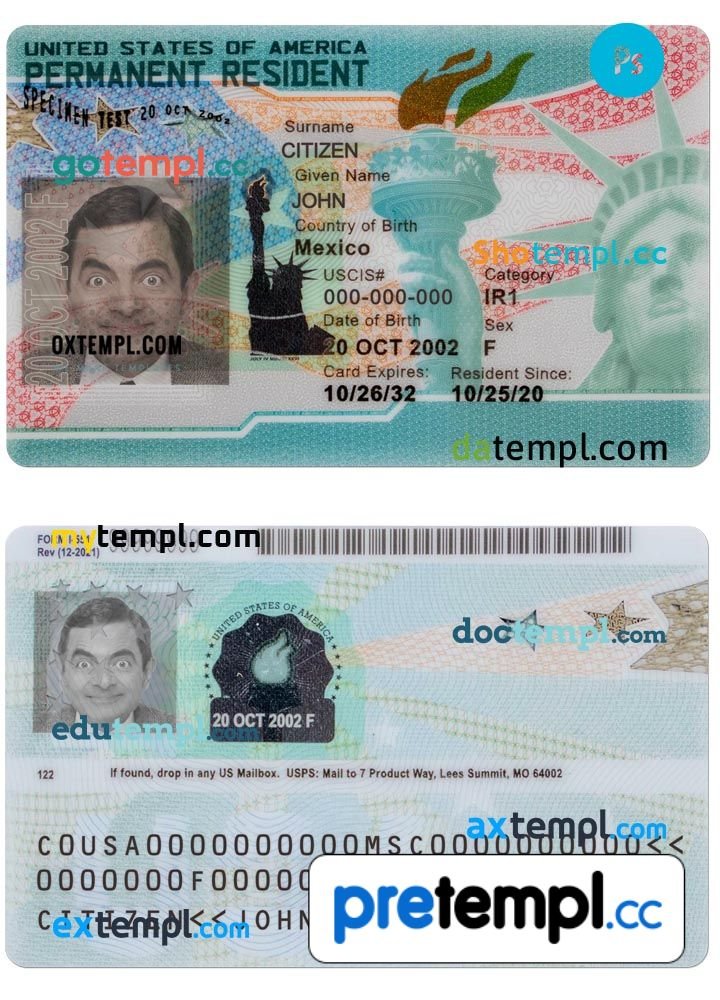
Yes. A green card is the official U.S. permanent Resident Card, also known as Form I-551. It proves that a person has lawful permanent resident status in the United States. The card is proof of that status, not the status itself.
For people planning to live, work, or build a future in the United States, immigration documents can be confusing. You may hear the terms green card, permanent resident card, and lawful permanent resident used as if they mean the same thing. They are closely related, but knowing how they differ can help you avoid mistakes when applying for jobs, traveling, or completing official forms.
The U.S. Department of Homeland Security and U.S. Citizenship and Immigration Services use Permanent Resident Card to describe the official document commonly called a green card. A person who receives lawful permanent residence generally receives this card as evidence of their immigration status. The card also serves as an important identity and work authorization document.
However, a green card does not make someone a U.S. citizen. Permanent residents have many important rights, but they must still follow immigration laws and meet certain obligations. Understanding the difference between the physical card and the legal status it represents is especially useful when a card expires, gets lost, or needs to be renewed.
Is a Green Card the Same as a Permanent Resident Card?
Yes. In the United States, a green card and a Permanent Resident Card refer to the same official immigration document. The formal name is Permanent Resident Card, and its form number is I-551. Green card is the familiar name used by residents, employers, government agencies, and immigration professionals.
The card is issued by U.S. Citizenship and Immigration Services, commonly called USCIS. It serves as evidence that the federal government has granted a person lawful permanent resident status. That status generally permits the person to live permanently and work in the United States, subject to immigration law.
The distinction between the document and the status is important. The card is physical proof of a legal position. If the card is lost or expires, the person may still hold permanent resident status. However, the person may need updated documentation to prove that status for employment, travel, or other official purposes.
For example, an employer may ask a new employee to complete Form I-9 to verify identity and employment authorization. An eligible permanent resident can generally present an acceptable Permanent Resident Card for this purpose. The employer must follow the applicable document verification rules rather than demand a specific document when the law permits the employee to choose among acceptable options.
Source: garfinkelimmigration.com
Green card
The everyday name for the official U.S. Permanent Resident Card.
Permanent Resident Card
The formal name of the document, also known as Form I-551.
Lawful permanent resident
The person who has been granted permanent resident status under U.S. immigration law.
U.S. citizen
A person with citizenship rights and obligations. Permanent residence alone does not grant citizenship.
Why Do People Use Different Names?
The name green card is a long-standing nickname for the document. Its design and color have changed over time, but the familiar name remains in use. Government agencies may use the formal term Permanent Resident Card, while people often say green card in everyday conversation.
These names do not usually describe separate immigration benefits. If a form asks whether you have a Permanent Resident Card, it is generally asking about the same document people call a green card. Always read the full question, though, because a form may be asking about your legal status rather than whether you currently possess the physical card.
What Does Form I-551 Mean?
Form I-551 is the official form designation associated with the Permanent Resident Card. You may see this number in government instructions, employment verification information, or travel guidance. Recognizing it can help you identify the document discussed in an official notice.
What Is a Lawful Permanent Resident?
A lawful permanent resident is a non-U.S. citizen who has been granted permission under U.S. immigration law to live permanently in the country. Permanent residence is an immigration status. The green card is the main physical document used to show evidence of that status.
People may qualify for permanent residence through different legal pathways. These include qualifying family relationships, certain employment categories, refugee or asylee pathways, and other immigration provisions. Each pathway has its own eligibility rules, application process, and supporting evidence requirements.
Some people apply for permanent residence while already living in the United States through a process called adjustment of status. Others complete immigrant visa processing through a U.S. embassy or consulate abroad and enter the country as permanent residents. The correct process depends on the person’s circumstances and eligibility.
Receiving a green card is a major legal step, but it does not remove every immigration requirement. Permanent residents must follow applicable federal, state, and local laws. They may also need to maintain their residence in the United States and comply with requirements tied to their particular immigration category.
Source: davarilaw.com
Family-based residence
Certain eligible relatives of U.S. citizens or permanent residents may qualify under family immigration rules.
Employment-based residence
Some workers and other eligible applicants may qualify through employment-related immigration categories.
Humanitarian pathways
Some refugees, asylees, and other eligible individuals may qualify under specific legal provisions.
Other eligibility categories
Additional pathways exist, each with its own conditions and application rules.
Does a Green Card Make You a U.S. Citizen?
No. A green card grants lawful permanent residence, not U.S. citizenship. Permanent residents can generally live and work in the United States, but they cannot vote in federal elections or claim all rights reserved for citizens.
Some permanent residents may later qualify for naturalization. Many applicants must meet a continuous residence period, physical presence rules, good moral character requirements, and English and civics requirements, subject to applicable exceptions. The common eligibility period is five years as a permanent resident, or three years for certain applicants married to and living in marital union with a U.S. citizen who meet the other conditions.
Eligibility is not automatic when the required period passes. USCIS reviews the application and the person’s circumstances. Before applying, check the current naturalization requirements and consider qualified legal advice if you have concerns about travel, taxes, criminal history, or your immigration record.
What Rights Does a Green Card Provide?
A green card generally allows its holder to live permanently and work lawfully in the United States. It can also be used as evidence of immigration status and, when applicable requirements are met, as a document for returning to the country after temporary international travel.
Permanent residents can usually work for U.S. employers without obtaining a separate employment authorization document for that same permanent resident employment. Some jobs, however, are restricted to U.S. citizens or people who meet special legal or security requirements. A green card does not override those restrictions.
Permanent residents may qualify for certain federal, state, or local benefits, depending on the program’s rules. Eligibility may depend on factors such as income, length of residence, immigration category, age, and other requirements. Having a green card does not mean every public benefit is available.
Permanent residence also comes with responsibilities. Certain permanent residents must carry proof of registration, file required tax returns, and comply with immigration laws. Serious criminal conduct, fraud, or other grounds specified in law can have immigration consequences.
Source: dvprogram-state-gov.ru
Living in the United States
Permanent residents generally have permission to establish their lives and homes in the country.
Employment
A valid green card is generally evidence of identity and employment authorization for Form I-9 purposes.
Travel
The card can serve as an important document for returning after temporary travel, but other requirements may apply.
Future citizenship
Eligible permanent residents may apply for naturalization after meeting the relevant legal requirements.
Can You Work Anywhere With a Green Card?
A permanent resident can generally accept lawful employment in the United States without employer sponsorship for a temporary work visa. This is a major difference between permanent residence and many temporary immigration classifications.
However, some positions have citizenship requirements. Certain federal jobs, security-sensitive positions, or roles governed by special laws may not be open to every permanent resident. Employers must apply the relevant rules to the position rather than assume that permanent residence removes every employment restriction.
Can You Travel Internationally With a Green Card?
Permanent residents can generally take temporary trips abroad and seek to return to the United States using a valid green card and the required travel documents. A green card does not replace a passport for international travel in general. The destination country may require a passport, visa, or other entry documents.
Long trips or repeated extended absences can raise questions about whether a person has maintained permanent residence in the United States. An absence of six months or more may affect certain naturalization rules, while an extended absence of one year or more can create additional immigration and return-document issues. These periods are not universal guarantees of whether residence has been abandoned.
If you plan to live abroad, travel for an extended period, or have a complicated immigration history, get individualized advice before leaving. The length of a trip, the reason for it, your ties to the United States, and your immigration record may all matter.
How Long Is a Permanent Resident Card Valid?
The validity period depends on the type of green card. Most standard Permanent Resident Cards are valid for 10 years. Cards issued to conditional permanent residents are generally valid for two years and involve a different process for maintaining permanent resident status.
The expiration date printed on a card tells you when that particular document expires. It does not, by itself, answer every question about the person’s immigration status. A standard card may expire while the holder remains a lawful permanent resident, provided the status has not otherwise ended.
Conditional residence works differently. People granted conditional residence through certain marriages or qualifying investor cases must generally file a petition to remove the conditions. They should not treat the two-year card like an ordinary 10-year card that can simply be renewed using Form I-90.
Always check the expiration date and the instructions for your specific category. If you are unsure whether you have conditional residence, review your approval notice and card details or ask USCIS or a qualified immigration attorney.
Source: isfma.com
Standard green card
Most cards are valid for 10 years and may need renewal when expired or approaching expiration.
Conditional green card
Generally valid for two years and subject to a separate process for removing conditions.
Older card
Some older cards have different designs or expiration information. Check current official guidance about whether replacement is appropriate.
Does an Expired Green Card Mean You Are No Longer a Permanent Resident?
Not necessarily. Expiration of a standard green card does not automatically terminate the lawful permanent resident status it documents. The legal status and the physical card are different things.
Even so, an expired card can create practical problems. You may need current evidence of status for travel, employment verification, or other official matters. Do not assume that an expired document will be accepted in every situation.
USCIS may provide an extension of the card’s validity when an eligible person properly files a renewal application. The exact extension, acceptable evidence, and process depend on current agency rules and the filing category. Read your receipt notice and the latest USCIS instructions rather than relying on an old example.
What If Your Green Card Has No Expiration Date?
Some older permanent resident cards do not display an expiration date. A missing date does not necessarily mean the card is invalid, but certain older versions may no longer be accepted as current proof for particular purposes.
Review the current USCIS guidance for your specific card. You may need to replace an older document even if the printed card does not show an expiration date. Do not discard the old card until you have checked the official replacement instructions.
How to Renew or Replace a Green Card
If your standard green card is expiring, has expired, or has been lost or damaged, the usual process is to apply to renew or replace it using Form I-90, Application to Replace Permanent Resident Card. The correct action depends on why you need a new card and whether you hold standard or conditional permanent residence.
Before filing, use the official USCIS website to check the latest form edition, eligibility rules, fees, evidence requirements, and filing instructions. Government forms and fees can change, so an older guide may not reflect the current process.
Keep copies of your application, supporting documents, payment confirmation, and any USCIS notices. If USCIS requests additional evidence, respond by the deadline and follow the instructions in the notice. Missing a deadline or submitting the wrong application can delay the process.
If you need evidence of status urgently, such as for an international trip or an employment-related matter, check whether USCIS offers an appropriate temporary proof or extension document for your circumstances. Do not assume that a pending application alone will meet every airline, employer, or border requirement.
Source: stock.adobe.com
Step 1: Identify the problem
Determine whether the card is expiring, already expired, lost, stolen, damaged, or needs an update.
Step 2: Check your immigration category
Confirm whether you have standard permanent residence or conditional residence. The filing process is not the same.
Step 3: Review Form I-90 eligibility
Use the current USCIS instructions to confirm that Form I-90 is the right application for your situation.
Step 4: Submit the application
Complete the required fields, provide requested evidence, pay the applicable fee or request a permitted fee waiver if eligible, and keep proof of filing.
Step 5: Follow USCIS notices
Check your case status and respond to requests or appointment notices as directed.
When Should You Use Form I-90?
Form I-90 is commonly used to renew an eligible standard green card or replace a card that is lost, stolen, damaged, or needs correction under the applicable rules. USCIS instructions explain which situations qualify and what supporting evidence is required.
A conditional resident whose two-year card is expiring generally needs to file the appropriate petition to remove conditions instead. A marriage-based conditional resident generally uses Form I-751, while an eligible investor-based conditional resident generally uses Form I-829. Filing Form I-90 alone does not remove the conditions on residence.
What If Your Green Card Is Lost or Stolen?
If your card is lost or stolen, protect any personal information associated with it and follow the official replacement process. If you suspect identity theft or fraudulent use, consider taking appropriate steps to protect your identity and report the incident to the relevant authorities.
If you are outside the United States when your card is lost, stolen, or expired, contact the appropriate U.S. embassy or consulate and review current U.S. Customs and Border Protection guidance. You may need a special document to board transportation or request admission. Do not assume that a standard replacement application will solve an urgent overseas travel problem.
Common Green Card Mistakes to Avoid
Many green card problems begin with a simple misunderstanding. A person may confuse the card’s expiration date with the end of immigration status, use the wrong renewal form, or assume permanent residence grants the same rights as citizenship.
The safest approach is to check your exact immigration category and use current official guidance before filing an application or making an important travel decision. General explanations can help you understand the rules, but your documents and personal circumstances determine which procedure applies.
Source: pretempl.cc
Mistake: Treating permanent residence as citizenship
Permanent residents are not automatically citizens. Voting in federal elections and other citizenship-specific rights remain restricted.
Mistake: Ignoring the expiration date
An expired card can create proof and travel problems even when the underlying status remains valid. Check renewal requirements early.
Mistake: Using Form I-90 for conditional residence
Conditional residents generally need to file the correct petition to remove conditions rather than simply renew the card.
Mistake: Assuming every trip abroad is risk-free
Extended absences may affect reentry or naturalization. Seek qualified advice before a long stay abroad.
Mistake: Trusting unofficial forms or websites
Use official government sources to verify form editions, fees, deadlines, and filing addresses. Never provide sensitive information to a site you cannot verify.
Mistake: Assuming a pending application solves every problem
A receipt notice or filing confirmation may help establish an extension in some cases, but acceptance depends on the document, applicable rules, and the purpose for which it is presented.
When Should You Seek Immigration Legal Advice?
Consider consulting a qualified immigration attorney if you have a criminal record, received a removal notice, may have abandoned permanent residence, made a mistake on an immigration application, or need to travel while your status documents are uncertain. These issues can have consequences that are difficult to assess from a general article.
You may also seek help from a reputable nonprofit organization with authorized immigration legal services. Be cautious of individuals who promise guaranteed approval or claim they can change immigration status without the proper legal process.
Frequently Asked Questions
Q
Is a green card officially called a Permanent Resident Card?
Yes. The official U.S. document is called the Permanent Resident Card, also known as Form I-551. Green card is its common name. Both terms generally refer to the same document.
Q
Is a green card proof of permanent residency?
Yes. A green card is the main physical document used to show lawful permanent resident status in the United States. The card serves as evidence of status, but the physical document and the underlying legal status are not identical.
Q
Can I still be a permanent resident if my green card expires?
Generally, the expiration of a standard green card does not automatically end lawful permanent resident status. However, you may need updated proof of status for travel, employment verification, or other official matters. Check USCIS instructions for renewal and any available extension evidence.
Q
How long does a green card last?
Most standard green cards are valid for 10 years. Conditional green cards are generally valid for two years. Conditional residents usually must file the appropriate petition to remove conditions rather than use the standard renewal process.
Q
Does a permanent resident card allow me to work in the United States?
Yes. A valid Permanent Resident Card generally serves as evidence of identity and employment authorization. Some positions have citizenship or other legal requirements, so a green card does not qualify someone for every job.
Q
Can I travel outside the United States with a green card?
Permanent residents can generally travel abroad temporarily and seek to return with the required documents. You will usually need a passport or another document accepted by the destination country. Long absences may create immigration or naturalization issues, so check current rules before an extended trip.
Q
Is a green card the same as a work permit?
No. A green card is evidence of lawful permanent residence and generally provides employment authorization. A work permit, often an Employment Authorization Document, is a different document issued to people who qualify for employment authorization under specific immigration categories. A person with a green card generally does not need a separate work permit to work lawfully.
Q
Can I become a U.S. citizen after getting a green card?
Possibly. Eligible permanent residents may apply for naturalization after meeting the required residence, physical presence, good moral character, and other conditions. The common eligibility period is five years, with a three-year route available to certain qualifying spouses of U.S. citizens. The correct eligibility date depends on your circumstances and current law.
✦ Wrapping Up
Conclusion
Yes, a green card is the same document as a U.S. Permanent Resident Card. Its official form designation is I-551, and it serves as evidence that its holder has lawful permanent resident status. This status generally allows a person to live permanently and work lawfully in the United States.
The main point to remember is that the physical card is not the same as the legal status it proves. A standard card may expire while the holder remains a permanent resident, but the person may still need current documentation. Conditional residents must also follow the correct process for removing conditions.
If you already have a green card, check the expiration date, confirm your immigration category, and keep your documents secure. If you need to renew or replace the card, start with the latest USCIS instructions. If your situation involves long trips abroad, possible abandonment of residence, criminal issues, or a removal proceeding, seek qualified immigration advice before taking action.
💡 Key Takeaway
For accurate, current information, visit USCIS.gov and review the Permanent Resident Card and Form I-90 guidance. If you hold a two-year conditional green card, check the instructions for Form I-751 or Form I-829, as applicable, before filing anything.