Thank you for reading this post, don't forget to subscribe!
A green card is an official United States identification document that proves a person has lawful permanent resident status. It generally allows the holder to live and work permanently in the United States, subject to immigration laws and specific conditions.
For people planning to build a future in the United States, a green card can be a major step toward long-term stability. It allows eligible immigrants to live in the country as lawful permanent residents, work for most employers without needing a separate employment visa, and pursue a path to US citizenship if they meet the legal requirements. The card is issued through the US immigration system and serves as proof of permanent resident status.
A green card is not the same as a tourist visa, a temporary work visa, or US citizenship. Applicants must qualify through an approved immigration category, such as a qualifying family relationship, employment, humanitarian protection, or another route allowed by law. The application process, waiting time, fees, and supporting documents depend on the applicant’s circumstances and the category used.
This guide explains what a green card means in the United States, the main ways to qualify, how the application process works, what permanent residents can and cannot do, and how to avoid common mistakes. It focuses on US immigration rules and practical decisions that applicants should understand before filing.
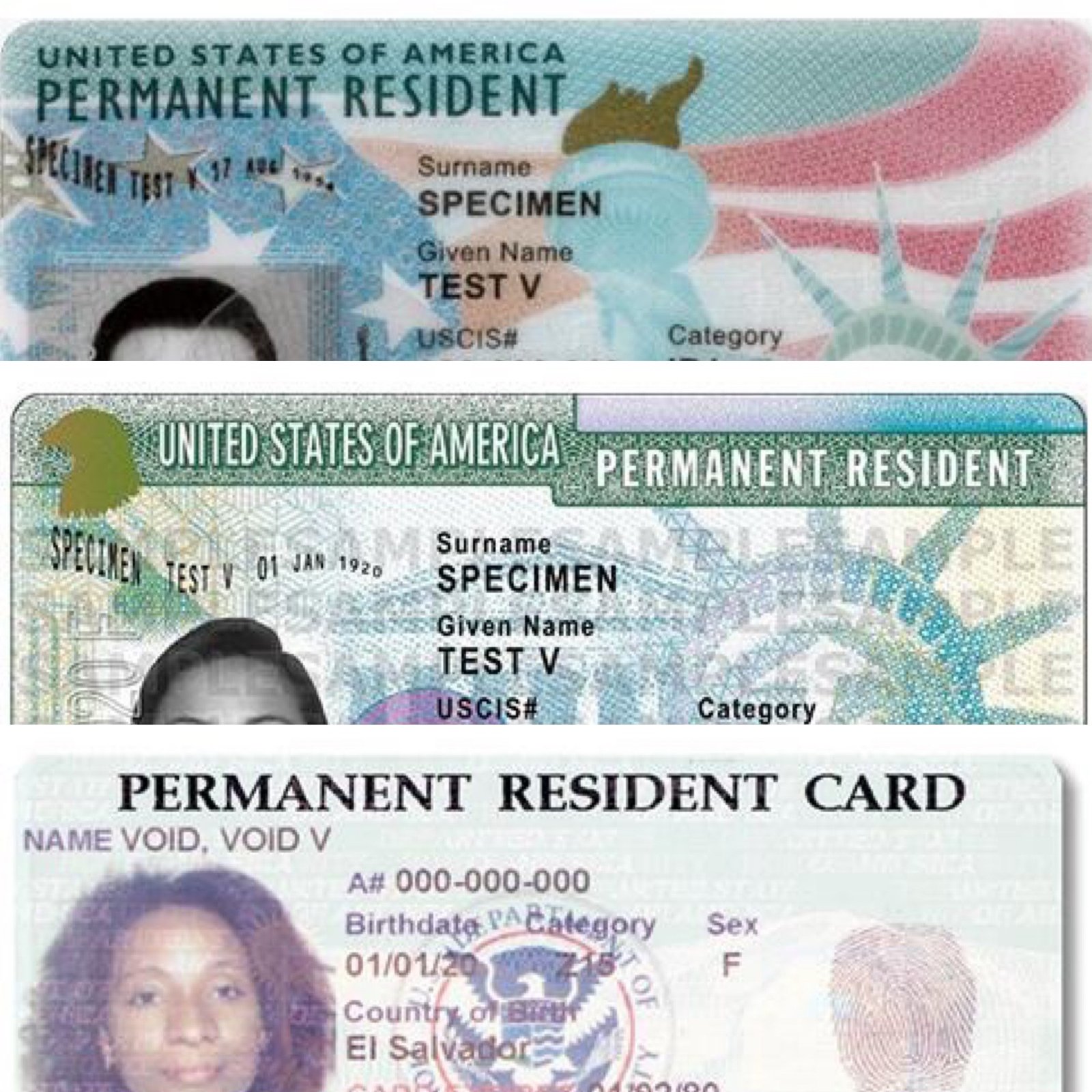
A green card is the common name for the Permanent Resident Card issued by US Citizenship and Immigration Services, also known as USCIS. It documents a person’s status as a lawful permanent resident, often shortened to LPR. This status allows a person who is not a US citizen to reside in the country permanently, provided the person continues to comply with applicable immigration law.
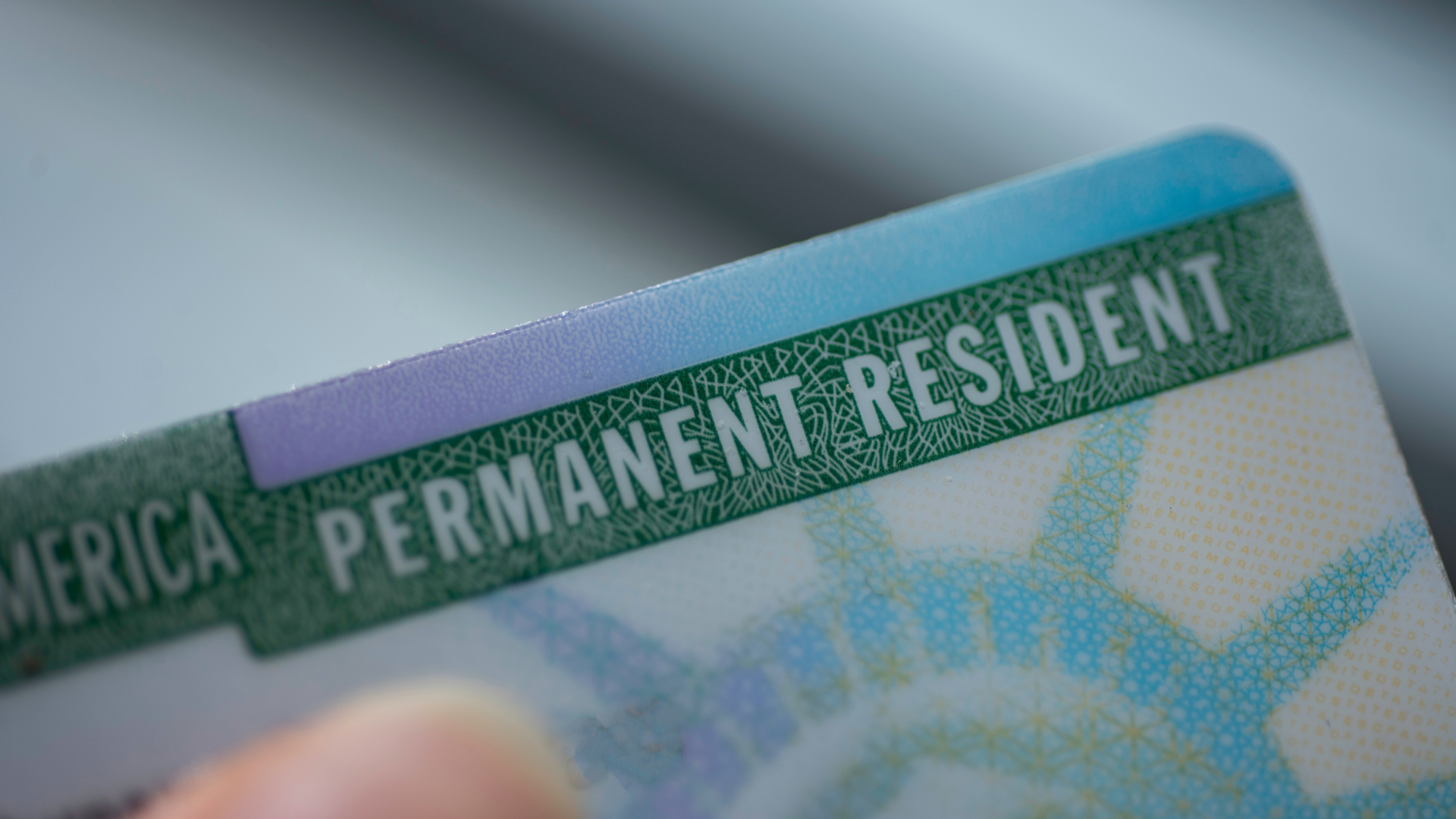
The name green card comes from the document’s familiar green appearance. The card contains identifying information and security features, but the legal status it represents is more important than the physical document. A card’s expiration date does not always mean the person’s underlying permanent resident status automatically ends on that date; however, an expired card can create problems when proving status, traveling, or completing employment and administrative checks.
People often ask whether a green card means they have become American citizens. It does not. Permanent residents remain citizens of another country unless they separately acquire US citizenship through naturalization or another legally recognized process. They must continue to meet the requirements that apply to permanent residents.
Source: farmerlawpc.com
Permanent residence
The holder can generally live in the United States indefinitely, subject to the rules governing permanent resident status.
Employment authorization
The holder can generally work for US employers without obtaining a separate employment visa or employment authorization document.
Proof of immigration status
The card is commonly used to demonstrate permanent resident status for employment, travel, and other official purposes.
Potential path to citizenship
Eligible permanent residents may apply for naturalization after satisfying the applicable residence, physical presence, good moral character, and other requirements.
Is a Green Card a Visa?
No. A visa generally permits a person to seek admission to the United States for a particular purpose and under specified conditions. A green card documents lawful permanent resident status. Temporary visas may limit the holder’s stay, work rights, or activities, while permanent residents generally have broader rights to live and work in the country.
Temporary visa
Usually authorizes a particular type of temporary stay, such as tourism, study, or qualifying employment.
Green card
Documents permanent resident status and generally allows long-term residence and employment.
What Rights and Benefits Does a Green Card Provide?
A green card provides important rights, but permanent residents are not exempt from US law or immigration requirements. The exact benefits available to a person may also depend on the person’s circumstances, state of residence, work history, income, and other eligibility rules.
One of the main benefits is the ability to live in the United States without repeatedly renewing a temporary immigration visa. Permanent residents can generally accept lawful employment, establish a home, attend school, and participate in everyday community life. They may also qualify for certain public benefits, but eligibility is not automatic and can depend on federal, state, and program-specific rules.
Permanent residents can petition for certain eligible relatives to immigrate. The available family categories and waiting periods differ, and not every family relationship qualifies for the same treatment. A green card holder cannot petition for a parent or sibling in the same way a US citizen may be able to do so.
The status can also create a route to naturalization. Many permanent residents may apply after five years, while some spouses of US citizens may qualify under a three-year rule if they satisfy all relevant requirements. These periods are not guarantees of approval, and applicants must meet additional legal conditions.
Source: 1.bp.blogspot.com
Live in the United States
Permanent residents can generally establish a home and remain in the country indefinitely, subject to immigration rules.
Work legally
Most permanent residents can work for different employers or become self-employed, subject to any applicable professional licensing and other laws.
Study in the United States
Permanent residents can attend eligible educational institutions and may qualify for certain education-related opportunities under applicable rules.
Sponsor eligible relatives
A permanent resident may file qualifying family-based petitions for a spouse and unmarried children, with category-specific rules and waiting periods.
Apply for citizenship
Eligible residents can pursue naturalization when they satisfy the required period of residence and other statutory conditions.
Can Green Card Holders Receive Government Benefits?
Some permanent residents qualify for public benefits, while others do not. Eligibility may depend on the program, the person’s immigration category, how long the person has held qualifying status, income, work history, age, disability, and state rules. Certain humanitarian immigrants and other groups may be subject to different provisions.
Before relying on a particular benefit, applicants should review the rules of the agency that administers it. Immigration-related consequences can vary by benefit and circumstance, so people with questions about sponsorship obligations or public charge rules should obtain advice from a qualified immigration attorney or an accredited representative.
Check the specific program
Do not assume that all green card holders qualify for every federal or state benefit.
Review eligibility periods
Some programs impose waiting periods or other conditions that affect access to benefits.
Who Qualifies for a US Green Card?
A person must fit an immigration category established by US law to obtain a green card. There is no single application route that applies to everyone. USCIS and, where relevant, the US Department of State assess eligibility according to the category, the evidence submitted, and the applicant’s individual circumstances.
The most suitable route depends on factors such as family relationships, a job offer, professional qualifications, humanitarian protection, investment-related eligibility, and other statutory provisions. Some applicants can file for adjustment of status while physically present in the United States. Others must complete immigrant visa processing abroad. Meeting the basic description of a category does not automatically establish eligibility for approval.
Source: usgreencardoffice.com
Family-based immigration
Certain spouses, children, parents, and other qualifying relatives of US citizens or permanent residents may be eligible under the applicable family category.
Employment-based immigration
Eligible workers may qualify through employment-based immigrant categories, including certain professional, skilled-worker, and extraordinary-ability pathways.
Refugees and asylees
People granted qualifying refugee or asylum status may become eligible to apply for permanent residence after meeting the relevant statutory conditions.
Diversity Visa program
Individuals selected through the program may pursue immigrant visas if they meet the program’s eligibility requirements and complete the required steps within the applicable period.
Other special categories
Certain special immigrants, eligible victims of abuse or crime, qualifying religious workers, and other groups may have routes established by law.
Investment-based immigration
Some investors may qualify under the EB-5 immigrant investor program if they meet the applicable investment, job-creation, and other requirements.
Green Cards Through Family Relationships
Family-based immigration is a common route to permanent residence. US citizens may petition for certain immediate relatives, including spouses, unmarried children under 21, and parents when the citizen petitioner meets the minimum age requirement. Immediate relatives are not subject to the same annual numerical limits as family-preference categories, although processing and eligibility requirements still apply.
Other eligible relatives may fall under family-preference categories with annual limits and potentially lengthy waits. Permanent residents generally may petition for spouses and unmarried children, but they cannot petition for every relative who might qualify through a US citizen. A qualifying family relationship alone does not remove requirements related to admissibility, financial sponsorship, or other legal rules.
Petition and proof
The sponsoring relative generally submits Form I-130 and provides evidence that the claimed family relationship is genuine and legally qualifying.
Financial sponsorship
Many family cases require an Affidavit of Support, often using Form I-864, subject to applicable exceptions.
Green Cards Through Employment
Employment-based green cards cover several categories, and the steps differ by category. Some cases require a US employer to obtain a labor certification and file an immigrant petition. Other categories may allow a person to self-petition, depending on the legal requirements.
A temporary work visa does not automatically convert into a green card. The worker and employer, where applicable, must follow the separate immigrant process and comply with the rules for the specific category. Applicants should verify whether a job offer, labor certification, petition approval, or a current visa number is required.
Employer-sponsored cases
The employer may need to complete recruitment and labor certification steps before filing the applicable immigrant petition.
Self-petition options
Certain applicants, including some individuals with extraordinary ability or qualifying national interest cases, may be eligible to file without a conventional employer sponsor.
Green Cards Through Humanitarian Protection
People granted asylum or admitted as refugees may have a path to permanent residence under the applicable immigration provisions. Their filing requirements, eligibility dates, and supporting evidence differ from those used in many family or employment cases.
Some victims of abuse, trafficking, or qualifying crimes may have access to specialized immigration protections. These cases can involve strict legal definitions, safety concerns, confidentiality requirements, and specific filing procedures. A qualified attorney or accredited representative can help assess eligibility without assuming that every difficult situation qualifies for the same relief.
Review the exact category
Check the requirements for the specific humanitarian classification rather than relying on general green card advice.
Protect sensitive records
Use appropriate safeguards when preparing documents involving abuse, trafficking, crime, or other confidential circumstances.
How to Apply for a Green Card in the United States
The green card application process begins by identifying the correct eligibility category. The process then depends on whether the applicant can apply for adjustment of status inside the United States or must complete consular processing abroad. Filing the wrong form, overlooking a deadline, or applying when a visa number is unavailable can delay a case or lead to denial.
USCIS administers many applications and petitions inside the United States. The US Department of State handles immigrant visa processing at consular posts abroad. Applicants should use the current official instructions for their category because filing addresses, required evidence, forms, and fees can change.
Source: imagility.co
Step 1: Identify your eligibility category
Determine whether the case is family-based, employment-based, humanitarian, diversity-based, or another authorized category. Check the exact eligibility rules before filing.
Step 2: File the required petition
Many family cases begin with Form I-130, while many employment cases require Form I-140. Other categories may use different forms or procedures, and some cases have special filing rules.
Step 3: Check visa availability
For categories subject to numerical limits, confirm that an immigrant visa is available under the applicable priority date and Visa Bulletin rules before proceeding with the next stage.
Step 4: Complete the correct application process
Eligible applicants inside the United States may file Form I-485 for adjustment of status. Applicants abroad generally complete immigrant visa processing through the National Visa Center and a US consulate, as applicable.
Step 5: Submit evidence and attend appointments
Provide the required identity, relationship, employment, financial, medical, and other supporting records. Attend biometrics appointments and interviews when required.
Step 6: Respond to official requests
If USCIS or another responsible agency requests more evidence, follow the notice carefully and submit the requested materials by the stated deadline.
Step 7: Receive a decision
If the case is approved, follow the applicable instructions for receiving the permanent resident card or completing immigrant visa admission procedures.
Adjustment of Status Versus Consular Processing
Adjustment of status is the process by which an eligible person already in the United States applies to become a permanent resident without leaving the country for an immigrant visa interview abroad. Form I-485 is the main application used for many such cases. Eligibility depends on the immigration category, lawful entry and other requirements where applicable, visa availability, admissibility, and any bars or exceptions that apply.
Consular processing is generally used when an applicant completes the immigrant visa process outside the United States. After the petition stage, the case may proceed through the National Visa Center and a US embassy or consulate. If an immigrant visa is issued and the person is admitted to the United States as a permanent resident, the person can then receive the physical green card according to the applicable procedures.
These routes are not interchangeable for every applicant. A person with a prior immigration violation, unlawful presence, a removal order, criminal history, or complicated entry history should obtain case-specific legal advice before filing or traveling. A departure from the United States can have serious consequences for some people.
Adjustment of status
Potentially available to eligible applicants in the United States who meet the requirements for the relevant category.
Consular processing
Generally involves an immigrant visa application, document review, a medical examination, and a consular interview abroad.
Common Documents Applicants May Need
The documents required depend on the green card category. Applicants should follow the current form instructions and avoid submitting altered, incomplete, or misleading records. Documents in another language may need a complete English translation with the certification required by the relevant agency.
Identity documents
A valid or relevant passport, birth certificate, photographs, and other identity or civil records requested for the case.
Immigration records
Applicable visa records, entry documents, prior immigration notices, and evidence of current or past immigration status.
Relationship or employment evidence
Marriage and birth records, proof of a qualifying relationship, job-related documents, or other category-specific evidence.
Financial records
An Affidavit of Support and supporting income or asset documents when required for the case.
Required medical examination records and any additional information requested to assess admissibility.
How Much Does a Green Card Cost?
The total cost of obtaining a green card varies by immigration category and processing route. Applicants may need to pay government filing fees, a medical examination fee, document translation costs, travel expenses, and other charges. Attorney fees are separate when an applicant chooses to hire legal counsel.
There is no single fee that accurately describes every green card case. The required forms and their fees depend on the applicant’s route, age, circumstances, and whether family members are applying as well. Some categories have different fee rules or exemptions, and fees may change.
Before paying, review the current USCIS fee schedule and the official Department of State instructions for the applicable process. Use the payment method and filing location specified by the agency. An incorrect payment or outdated form can delay a filing or result in rejection.
Source: cheryldavidlaw.com
Petition filing fees
A qualifying family or employment case may require a petition fee before the permanent residence application stage.
Adjustment or immigrant visa fees
Applicants may have to pay separate fees for Form I-485 or the immigrant visa application, depending on the route.
Medical examination
The medical examination and required vaccinations can add costs, and the amount depends on the provider and circumstances.
Other expenses
Translations, document procurement, travel, postage, and optional legal assistance can increase the total.
How to Estimate Your Total Application Cost
Prepare a case-specific budget before filing. List each required government form, confirm the current fee for that form, and add the cost of the medical examination and any necessary civil records or translations. If multiple family members are applying, check whether each person needs a separate application and fee.
Do not rely on a fee quoted in an old article, social media post, or third-party advertisement. Confirm whether the official agency requires a separate payment for a petition, an application, or a post-approval step. Some cases qualify for fee exemptions or waivers under applicable rules, but eligibility must be verified before filing.
Use official fee schedules
Check the current USCIS fee schedule and the relevant Department of State fee instructions.
Budget for each applicant
Calculate the costs for the principal applicant and each dependent separately.
Keep payment records
Save receipts, confirmation notices, and copies of submitted forms for future reference.
How Long Does It Take to Get a Green Card?
Green card processing times vary widely. Some cases move through the system faster than others, while categories with annual numerical limits may involve long waits before an immigrant visa becomes available. The time needed to gather documents, obtain an employer’s cooperation, complete security checks, attend an interview, and respond to requests can also affect the overall timeline.
Family-preference and employment-based categories may be affected by priority dates and the monthly Visa Bulletin. Immediate relatives of US citizens are generally not subject to the same annual numerical limits, but their cases still require processing and a favorable decision. A published processing estimate is not a promise that a particular case will be completed by a certain date.
Applicants should check USCIS processing-time information for the correct form and office, along with the Department of State’s Visa Bulletin when numerical limits apply. They should also read all official notices carefully and avoid submitting duplicate inquiries unless the agency’s rules permit or recommend doing so.
Source: lawsb.com
Immigration category
Different family, employment, and humanitarian categories follow different legal and administrative procedures.
Visa availability
Numerically limited categories may require applicants to wait until a visa number is available under the applicable rules.
Application completeness
Missing forms, incomplete evidence, payment errors, or late responses can delay a case.
Additional review
Security checks, interviews, and requests for evidence may affect the final decision date.
What Is a Priority Date?
A priority date is a date used to determine an applicant’s place in line for certain numerically limited immigrant visa categories. Its meaning depends on the category and filing rules. For some employment cases, it may be tied to a labor certification filing or the filing of an immigrant petition, while family cases generally use the relevant petition filing date.
The Visa Bulletin published by the Department of State provides information about visa availability. Applicants must use the correct chart and follow the applicable USCIS instructions for determining when they can file an adjustment application. A current priority date does not itself guarantee approval, because all other eligibility and admissibility requirements still apply.
Check the category
The applicable preference category and country of chargeability can affect the wait.
Review the latest bulletin
Visa availability can change from month to month, so use the current official bulletin rather than an old estimate.
What Are the Responsibilities of a Green Card Holder?
Permanent residence provides important rights, but it also creates ongoing duties. Green card holders must obey applicable federal, state, and local laws, file required tax returns, and keep their immigration records accurate. Serious criminal conduct, fraud, or certain immigration violations can place permanent resident status at risk.
Most permanent residents must notify USCIS of a change of address within the required period, generally within 10 days of moving. The change-of-address process should be completed through the official USCIS procedure, and updating an address with the postal service alone does not satisfy every immigration reporting obligation.
Travel outside the United States also requires care. A short trip generally does not end permanent residence, but extended or repeated absences can raise questions about whether a person has abandoned residence. A reentry permit may help document an intended temporary absence in appropriate cases, but it does not guarantee admission or eliminate all risks.
Source: thehill.com
Follow US law
Permanent residents remain subject to applicable criminal, civil, and immigration laws.
Meet tax obligations
US tax rules may require permanent residents to report worldwide income, subject to applicable tax provisions and treaty rules.
Report address changes
Follow USCIS requirements for reporting a new residential address within the prescribed period.
Maintain immigration records
Keep copies of filings, approval notices, travel records, and other important documents.
Protect permanent residence during travel
Consider the length and purpose of trips abroad and seek legal advice before a long absence if residence could be questioned.
Can a Green Card Holder Travel Outside the United States?
Yes. Permanent residents can generally travel internationally and return to the United States using the required travel documents, including a valid green card and passport where required. However, a green card is not an unconditional guarantee of admission in every situation, and a person’s immigration history or conduct may affect admissibility.
Long absences can create problems when the government assesses whether permanent residence has been abandoned. The analysis depends on the facts, including the length and pattern of travel, the person’s continuing ties to the United States, and the circumstances of the absence. A reentry permit may be appropriate for some planned extended trips, but applicants should understand its limits before leaving.
Permanent residents who plan to remain abroad for a prolonged period, have a prior removal order, or have other complicated immigration circumstances should seek qualified legal advice before traveling. They should not assume that a valid card alone resolves every possible entry issue.
Short trips
Usually present fewer residence concerns, although individual circumstances and immigration history still matter.
Extended trips
Can raise questions about continuing US residence and may affect later naturalization eligibility.
Reentry permits
May help eligible permanent residents document plans for a temporary extended absence but do not guarantee admission.
Can a Green Card Be Revoked?
Permanent resident status can be lost or terminated under specified legal procedures and circumstances. Potential issues include abandonment of residence, certain criminal convictions, fraud or misrepresentation in obtaining immigration benefits, and other grounds established by immigration law. The result depends on the facts and the applicable legal process.
An expired physical card is not, by itself, the same as a final decision terminating permanent resident status. However, a person with an expired or missing card may need to renew or replace the document and obtain appropriate evidence of status. Anyone who receives a notice alleging removability or has a serious criminal or immigration issue should seek qualified legal advice promptly.
Fraud or misrepresentation
False information or fraudulent documents can lead to serious immigration consequences.
Abandonment concerns
Travel patterns and other facts may raise questions about whether a person continues to reside permanently in the United States.
Criminal and immigration issues
Certain conduct may trigger immigration consequences that require an individual legal assessment.
How Does a Green Card Differ From US Citizenship?
A green card provides permanent resident status, while US citizenship provides a broader set of legal rights and protections. Permanent residents can generally live and work in the United States, but they cannot vote in federal elections or hold certain positions reserved for citizens. They also remain subject to immigration laws that do not apply in the same way to US citizens.
Naturalization is the process through which an eligible permanent resident becomes a US citizen. Many applicants must have held permanent resident status for at least five years, while certain spouses of US citizens may qualify under a three-year statutory period. Applicants must also meet requirements involving continuous residence, physical presence, good moral character, English and civics, and other applicable rules, subject to exceptions.
Citizenship is not automatic when someone receives a green card or reaches a particular anniversary. The person must apply when eligible, complete the required process, and take the oath of allegiance when required. Some permanent residents choose to remain permanent residents, while others pursue citizenship for voting rights, travel flexibility, or other reasons.
Source: myglobaldocument.com
Voting
US citizens generally can vote in federal elections if they meet the applicable registration and election rules; permanent residents cannot vote in federal elections.
Immigration status
Citizenship is not dependent on maintaining permanent resident status, while green card holders must comply with rules that govern their status.
Travel and passport
US citizens may qualify for a US passport, while permanent residents generally travel using the passport of their country of citizenship and required US resident documentation.
Family immigration
Citizens can petition for some family members who are not eligible for the same petition category through a permanent resident sponsor.
Public office and jury service
Some civic duties and public positions are limited to citizens, and jury eligibility is governed by applicable law.
When Can You Apply for US Citizenship?
The standard naturalization route generally requires five years as a lawful permanent resident, while some eligible spouses of US citizens may qualify under a three-year rule. Other special provisions can apply to certain applicants, including qualifying military service members. The correct eligibility date depends on the person’s category and circumstances.
Applicants should review Form N-400 instructions and USCIS naturalization guidance before filing. They should confirm that they satisfy the residence, physical presence, good moral character, and other requirements, and should seek advice if travel, criminal history, taxes, or other circumstances could affect eligibility.
Check the applicable waiting period
Determine whether the standard five-year rule, a qualifying three-year spouse rule, or another statutory provision applies.
Review all eligibility requirements
Meeting the time requirement alone does not establish eligibility for naturalization.
Frequently Asked Questions
Q
Is a green card the same as US citizenship?
No. A green card proves lawful permanent resident status, while citizenship is a separate legal status. Permanent residents generally can live and work in the United States, but they cannot vote in federal elections and remain subject to immigration rules that do not apply in the same way to citizens. Eligible permanent residents may apply for naturalization after meeting the required conditions.
Q
Can I get a green card without marrying a US citizen?
Yes. Marriage to a US citizen is only one possible route. Depending on individual circumstances, a person may qualify through another family relationship, employment, refugee or asylee status, the Diversity Visa program, the EB-5 immigrant investor program, or another category authorized by law. Each route has its own eligibility rules and evidence requirements.
Q
How long is a US green card valid?
Many standard permanent resident cards are valid for 10 years, while certain conditional resident cards are valid for two years. Other situations may involve different documentation or renewal procedures. Card expiration and immigration status are distinct issues, so holders should follow USCIS instructions to renew or replace the card when required and should not assume that an expired card automatically ends permanent resident status.
Q
Can I work in the United States with a green card?
Generally, yes. Lawful permanent residents can work for most US employers without a separate employment visa or employment authorization document. They must still comply with applicable employment, professional licensing, and other legal requirements, and some jobs may be restricted to US citizens.
Q
Can a green card holder stay outside the United States for several years?
A prolonged absence can place permanent resident status at risk if the government determines that the person abandoned US residence. The outcome depends on the length and circumstances of the absence, the person’s ties to the United States, and other facts. A reentry permit may help document a temporary extended absence in some cases, but it does not guarantee admission or eliminate all immigration risks. Seek legal advice before making long-term travel plans.
Q
Can I apply for a green card while visiting the United States?
It depends on the person’s eligibility category, manner of entry, intent, immigration history, visa availability, and other legal requirements. Entering as a visitor with a concealed plan to remain permanently can raise serious misrepresentation concerns. Some people may qualify to adjust status based on later developments or specific legal provisions, but others must complete consular processing or may be barred from adjustment. Obtain qualified legal advice before filing if the circumstances are complicated.
Q
Where should I check official green card requirements?
Use the official USCIS website for green card categories, forms, filing instructions, processing information, and current fees. Use the US Department of State website for immigrant visa processing and the Visa Bulletin. The official government websites are the best starting points for checking current requirements before submitting an application.
✦ Wrapping Up
Conclusion
A green card is proof of lawful permanent resident status in the United States. It generally allows an eligible immigrant to live and work in the country permanently, pursue education and other opportunities, and potentially apply for US citizenship later. The card offers significant benefits, but holders must continue to follow immigration, tax, address-reporting, and travel rules.
The right application route depends on the person’s circumstances. Family relationships, employment, humanitarian protection, and other legal categories may provide paths to permanent residence, but each route has its own forms, evidence requirements, processing steps, and possible delays. Fees and procedures can change, so current official guidance should always take priority over outdated articles or informal advice.
Anyone considering a green card should first confirm the applicable eligibility category, check whether a visa number is available when required, and prepare accurate supporting documents. People with prior immigration violations, complicated travel histories, criminal concerns, or possible misrepresentation issues should seek qualified legal assistance before taking steps that could affect their status.
💡 Key Takeaway
Start with the official USCIS green card information at https://www.uscis.gov/green-card. Identify your immigration category, review its current form instructions and fees, check visa availability if applicable, and obtain qualified legal advice when your circumstances raise questions about eligibility or admissibility.