
Moving to Europe for work often sparks a lot of questions, and understanding how to get a work visa for Europe is usually top of the list. It’s a process that can feel overwhelming, especially with so many different countries and types of visas to consider. Getting it right means you can start your new career and life without unnecessary delays or problems.
Thank you for reading this post, don't forget to subscribe!Our research shows that the most critical factor for a successful application is understanding the specific requirements of the country you're targeting and your own circumstances. For instance, eligibility for the EU Blue Card, a popular route for highly skilled individuals, as of 2026 requires a recognized university degree and a job offer meeting certain salary thresholds. This guide will walk you through the maze.
Why Getting a European Work Visa Can Feel Like a Maze

The dream of working in Europe is alive for many skilled professionals outside the European Union. However, turning that dream into reality involves navigating a complex system of immigration laws and visa applications. It's not a one-size-fits-all situation; what works for one person might not apply to another, making the initial research phase crucial. You'll find that each European nation has its own set of rules, priorities, and processing timelines, adding layers to an already intricate process.
This complexity stems from the varying labor market needs and immigration policies of each country, alongside broader EU regulations. For example, while the Schengen Area allows for relatively free movement once you're legally inside, the process to get permission to work in a specific country is entirely handled by that nation's authorities. This can lead to a lot of confusion if you're not sure where to begin or what to expect.
Your First Step: Figuring Out Which Visa You Actually Need
Before you start gathering documents, the very first and most important step is identifying the correct visa category for your situation. This isn't just about picking the fastest one; it's about choosing the one you're most likely to qualify for. Trying to apply for the wrong visa is a common reason for applications to be rejected, costing you time and money.
The Blue Card: For Highly Skilled Non-EU Workers
The EU Blue Card is designed to attract highly qualified non-EU citizens to work in EU member states. It’s often seen as a streamlined process for those with university degrees and professional job offers. To qualify, you generally need a higher education qualification recognized in the EU country you wish to work in.
Additionally, you must have secured a job offer or a binding job offer. The salary for this job must meet a specific minimum threshold, which varies by country and is adjusted annually. For instance, as of 2026, Germany's threshold for the Blue Card is approximately €58,400 gross per year for shortage occupations, or €45,300 for professions in high demand.
National Work Visas: Country-Specific Routes
These are the visas issued by individual European countries that are not necessarily part of the broader EU Blue Card scheme. They are tailored to that nation's specific immigration policies and labor market needs. If you don't qualify for the Blue Card, or if you're looking to work in a European country that doesn't fully implement the Blue Card system, a national work visa is likely your path.
These visas can cover a range of employment situations, from skilled trades to seasonal work, and often require sponsorship from a local employer. The application requirements, processing times, and validity periods differ significantly from country to country. For example, a national visa for France might have different documentation requirements than one for Spain, even for similar types of work.
What You'll Need: The Essential Document Checklist
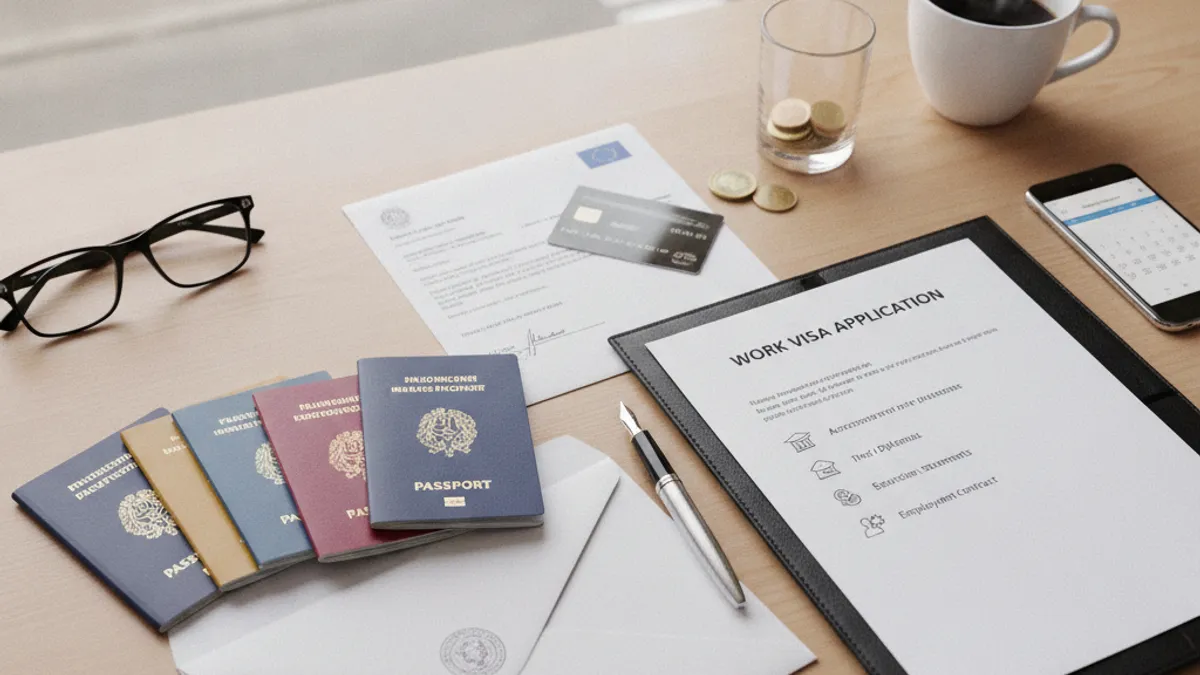
Once you've identified the correct visa type, it's time to focus on the paperwork. The list of required documents can seem daunting, but it's designed to verify your identity, your qualifications, and the legitimacy of your employment in Europe. Missing even one key document is a frequent cause for delays or outright rejection.
The All-Important Job Offer & Employment Contract
A job offer from a European employer is almost always the cornerstone of any work visa application. This offer needs to be formal and detailed, outlining your role, responsibilities, salary, and duration of employment. The employment contract is the legally binding document that confirms the terms of your engagement.
Many countries require the employer to demonstrate they couldn't find a suitable candidate from within the EU or EEA for the position. This is often referred to as a labor market test. It's crucial that the contract meets the minimum salary requirements for the specific visa you're applying for, as this is a key eligibility criterion.
Proof of Qualifications and Experience
Your educational degrees, professional certifications, and work experience are vital. You'll need to provide original documents or certified copies, along with official translations if they're not in the language of the country you're applying to or English. For certain professions, like those in healthcare or engineering, you might also need your qualifications officially recognized or validated by the relevant professional bodies in the destination country. This verification process can add an extra layer of time to your preparation.
Financial Means and Salary Requirements
Most work visas require proof you will be financially self-sufficient and that the offered salary meets or exceeds the minimum threshold set by immigration authorities. This is a critical part of the assessment, as it ensures you won't become a burden on the state. The exact salary requirements vary by country and visa type.
For example, the EU Blue Card demands a salary above a certain level, designed to attract high earners. National visas might have lower thresholds but will still have a minimum, often tied to local wage standards. Bank statements or official salary offers from your employer will serve as proof.
Personal Documents (Passport, Photos, etc.)
Standard personal identification documents are a must. This typically includes a valid passport with sufficient validity remaining (often at least six months beyond your intended stay) and several recent passport-sized photographs that meet specific biometric standards. You may also need to provide a birth certificate or a marriage certificate if applicable.
Health Insurance Coverage
Proof of adequate health insurance is a common requirement, especially for longer stays. This insurance should cover medical expenses, hospitalization, and repatriation. Some countries have specific requirements for the type of insurance or only accept policies from designated providers. This ensures you are covered for medical emergencies during your time there.
The Application Process: Step-by-Step
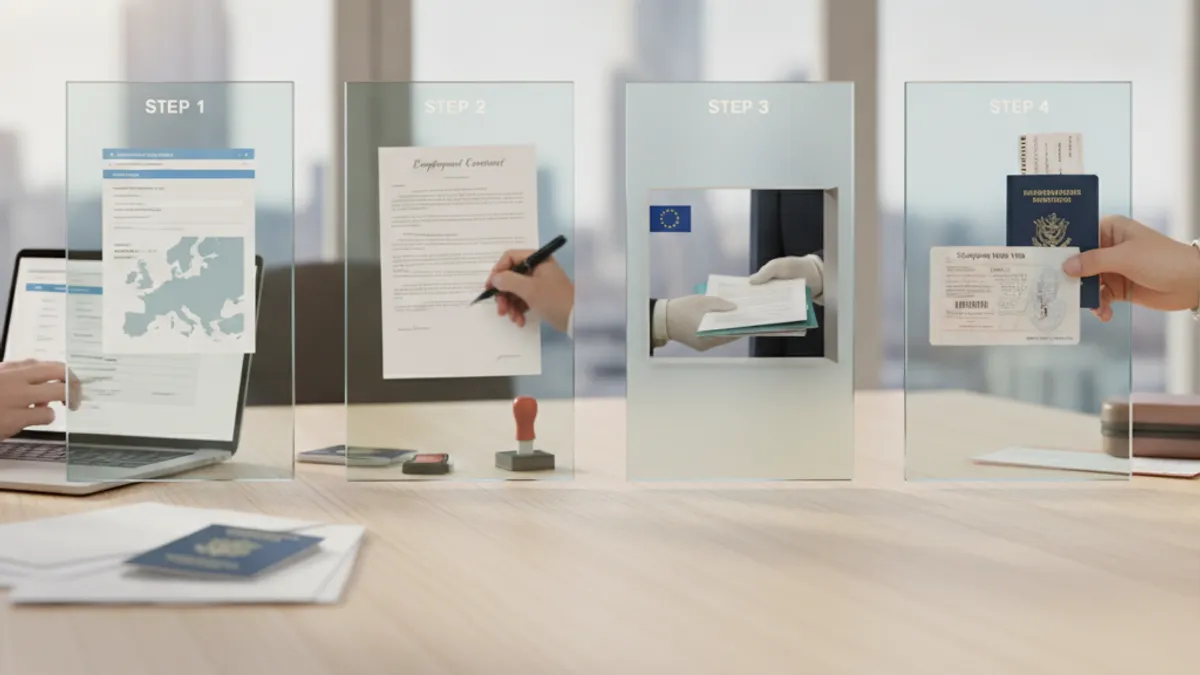
With your documents in hand and a clear understanding of the visa you need, you're ready to tackle the application process. While the specifics vary greatly by country, there's a general flow most applicants will follow. Think of this as your roadmap to submitting a complete and accurate application.
Researching Your Target Country's Specific Requirements
Always start with the official immigration authority of your destination country. Websites of national immigration agencies are your most reliable source of information. They will detail the exact documents needed, current processing times, application fees, and any recent policy changes. Relying on unofficial sources can lead to critical errors.
For instance, if you're aiming for Germany, the Federal Office for Migration and Refugees (BAMF) website is your go-to. If it's France, you'd look at the Ministry of the Interior's immigration portal. These sites will tell you whether you need an appointment, if you can apply from your home country, or if you need to enter on a different visa first.
Submitting Your Application: Where and How
The submission method largely depends on your nationality and the country you're applying to. Many typically require you to submit your application at the embassy or consulate of your destination country in your home country. For the EU Blue Card, some countries might allow applications to be processed once you're already within the EU, but this is not universal.
You will likely need to book an appointment well in advance, as slots can fill up quickly. Be prepared for the application to be reviewed by visa officers who will check that all required documents are present, correct, and meet the legal criteria.
The Waiting Game: Processing Times and What to Expect
Processing times are notoriously variable and are one of the biggest sources of anxiety for applicants. They can range from a few weeks to several months, depending on the country, the type of visa, the volume of applications, and whether your case is straightforward or requires further checks. As of late 2026, processing times for some national work permits can extend to 3, 6 months.
Some immigration authorities offer expedited processing for an additional fee, but this is not always available. It's wise to apply as early as possible to avoid conflicts with your intended start date for employment.
After Approval: Collecting Your Visa and Next Steps
Once your visa is approved, you'll usually be notified to collect your passport with the visa affixed. This visa will specify the duration it's valid for and any conditions attached. It usually allows you to travel to the country and commence employment.
However, the visa itself is often just the initial step. Upon arrival in your destination country, you will typically need to register with the local authorities and apply for a residency permit or equivalent long-term status. This permit is what governs your legal stay and right to work for the duration of your employment.
Navigating Common Roadblocks and Mistakes

Even with careful preparation, some common pitfalls can derail your work visa application. Recognizing these early can save you stress and potential disappointment. Many of these errors are preventable with attention to detail and a thorough understanding of the requirements.
Incomplete or Incorrect Documentation
This is by far the most frequent reason for visa rejections. Every document must be exactly as specified, translations need to be official, copies notarized if required, and application forms filled out without any blank spaces. Ensure all dates, names, and numbers are precise. Even a small typo can cause an issue.
Underestimating Processing Times
Visa processing isn't instant. Many people underestimate the time it takes from initial application to final approval. This oversight can lead to missed start dates for jobs, forfeited airline tickets, and immense pressure as deadlines loom. Always factor in buffer time.
Not Understanding Employer Sponsorship Rules
For many work visas, employer sponsorship is mandatory. This means the employer plays an active role in the application process, often by obtaining labor market clearance or directly supporting your application. If your employer isn't fully aware of their responsibilities or is unwilling to commit the necessary resources, your application can stall or fail. Ensure you and your prospective employer are on the same page regarding responsibilities and timelines.
Beyond the Visa: What Happens When You Arrive

Getting your work visa approved is a huge milestone. Congratulations! But that’s not quite the end of the journey. Once you land in your new European country, there are often a few crucial administrative steps you need to take to ensure you’re fully compliant and can legally live and work there long-term.
These procedures might seem like just more paperwork, but they're essential for settling in properly.
Most countries require you to register your arrival and intent to reside within a specific timeframe, typically shortly after you enter. This usually involves visiting a local government office, such as a town hall or an immigration department. Missing these deadlines can sometimes lead to fines or complications with your legal status.
Registering with Local Authorities
When you arrive, a mandatory first step in nearly every European country is registering your address with the local municipality or town hall. This process confirms where you are living officially. You'll usually need to show proof of residency, such as a rental agreement or an employer's letter stating your accommodation.
This registration is often a prerequisite for obtaining your long-term residency permit. The exact procedure and documents required can differ, so always check the specific requirements for your city or region ahead of time. Some larger cities might have dedicated immigration offices that handle this.
Applying for Your Residency Permit
The residency permit is the document that formally grants you the right to live and work in the country for an extended period, beyond the initial visa's validity. This is a crucial document and often functions like an ID card. It’s separate from your initial work visa, which typically allows entry and initial settlement.
The application for a residency permit usually happens after you've registered with local authorities. You'll submit further documentation, which might include your passport, visa, employment contract, proof of health insurance, and sometimes a criminal record check. This permit will have an expiry date and will need to be renewed.
When to Seek Expert Help for Your Visa Application

While many applications are handled successfully by individuals, there are times when consulting a legal professional or a certified immigration advisor makes a significant difference. If your situation is complex, or if you've faced rejections in the past, external expertise can be invaluable. They can help you understand the nuances of immigration law and present your case in the strongest possible light.
An immigration lawyer or consultant can guide you through potential pitfalls, ensure your documentation is flawless, and act as a liaison with immigration authorities. This is particularly true for specialized visa categories or if you're applying to countries with particularly stringent requirements. Using their services can prevent costly mistakes and speed up the process.
Can I apply for a work visa if I don't have a job offer yet?
In most cases, a concrete job offer from a European employer is a prerequisite for obtaining a work visa. Some countries, however, have specific job seeker visas that allow you to enter the country for a limited time to look for employment, but these aren't work visas themselves and have their own strict eligibility criteria. The EU Blue Card, for example, absolutely requires a job offer.
What if my qualifications aren't recognized in Europe?
If your educational qualifications or professional certifications aren't directly recognized, you may need to go through an accreditation or equivalency assessment process. This involves submitting your documents to the relevant assessment body or professional organization in the destination country. This can be a time-consuming step, so it's best to start this investigation early in your planning.
How long does it take to get a residency permit after arriving?
The timeline for obtaining a residency permit can vary greatly. Generally, you should aim to apply as soon as you have your local registration completed. Processing can take anywhere from a few weeks to several months. It's common for authorities to issue a temporary receipt that proves you have applied while the official permit is being processed.
Can my family members join me on a work visa?
Many European work visas allow for family reunification. This means your spouse or registered partner and dependent children may be eligible to apply for their own visas or permits to join you. The requirements for family members often include proof of your ability to financially support them and adequate accommodation. Specific procedures and eligibility vary by country, so check the relevant immigration authority's guidelines.
What happens if my work visa is rejected?
If your work visa application is rejected, the authorities will usually provide a reason for the refusal. Your options depend on the country and the grounds for rejection. You might be able to appeal the decision, correct the errors and reapply, or explore alternative visa categories. It's crucial to carefully review the refusal letter and seek professional advice if you're unsure about the next steps.
Appealing is not always guaranteed to be successful; reapplying with corrected information is often a more viable path.