Thank you for reading this post, don't forget to subscribe!
Illegal immigrants is a common term for people who are in the United States without the immigration permission required by law, or who remain after their lawful permission expires. The terms unauthorized immigrants and undocumented immigrants are also widely used, although their meanings can differ by context.
In the United States, immigration status affects whether a person may live, work, study, or remain in the country. People enter the US under many different circumstances. Some arrive with valid visas, some seek protection at the border, and others remain after a visa expires or enter without inspection. These situations do not all have the same legal consequences.
Understanding what illegal immigrants means requires looking beyond a single label. US immigration law distinguishes between unlawful entry, remaining beyond an authorized stay, violating visa conditions, and having a pending immigration case. A person may also have certain legal protections or a possible route to lawful status, depending on individual facts. This guide explains the main terms, how immigration status works, what the law may mean in practice, and where people can seek reliable help.
What Does Illegal Immigrant Mean in the United States?
An illegal immigrant is a common term for someone who enters or stays in the United States without the authorization required under federal immigration law. Government agencies, researchers, and legal professionals often use terms such as unauthorized immigrant, undocumented immigrant, or noncitizen without lawful status. The most accurate term depends on the person’s circumstances.
The label does not explain how a person arrived, whether the person once held a valid visa, or whether an application for protection is pending. Two people described by the same label may have very different immigration histories and legal options. For this reason, immigration status should be assessed through the relevant records and laws rather than assumptions based on appearance, language, nationality, or occupation.
US immigration law uses technical categories to determine whether a person may enter, remain, work, or receive a particular benefit. A person can be lawfully present in one situation but ineligible for a specific benefit. Another person may lack lawful status while still having a pending claim or protection from immediate removal.
Source: licensing.visualcapitalist.com
Unauthorized immigrant
A broad term for a person who lacks the required legal authorization to enter or remain in a country. It is common in research and policy discussions.
Undocumented immigrant
A term often used for a person who lacks current lawful immigration status or whose immigration documents do not establish permission to remain. Some people in this category may still possess identity documents or other records.
Unlawful presence
A specific immigration-law concept that can affect eligibility to return to the United States. It is not interchangeable with every violation of immigration law.
Noncitizen
A general legal term for someone who is not a US citizen. It includes lawful permanent residents, temporary visa holders, and people without lawful immigration status.
Is Illegal Immigrant an Official Legal Term?
Illegal immigrant is widely used in public debate and media coverage, but it is not a single immigration status that resolves every legal question. Federal immigration law instead relies on specific categories, including admission, parole, nonimmigrant status, lawful permanent residence, and removal proceedings. Government agencies may use different terms depending on the program or document.
The distinction matters because a person may have violated one immigration rule without every other part of the person’s situation being settled. For example, someone with an expired visa may have a different procedural history from someone who entered without inspection. A pending application may also affect what happens next, although filing an application does not automatically grant lawful status or permission to work.
Use precise language
When discussing a specific case, describe the known facts, such as a visa overstay or entry without inspection, rather than assuming that one broad label captures the entire situation.
How Do People Become Unauthorized Immigrants?
People may lack lawful immigration status for several reasons. Some enter the United States without inspection or required permission. Others arrive lawfully with a visa and remain after their authorized stay ends. A person may also violate the terms of a temporary status or lose a status that previously allowed the person to remain.
The route into an unauthorized situation affects the legal analysis. Immigration officers and courts may consider how a person entered, the length of any overstay, prior immigration orders, criminal history where relevant, family ties, and eligibility for relief. These details can change the available options and the risk of removal.
Source: www.foxnews.com
Entry without inspection
A person crosses into the United States without being inspected and admitted or otherwise authorized by an immigration officer. The legal consequences depend on the circumstances and any later applications or protections.
Visa overstay
A person enters lawfully on a temporary visa but remains beyond the period authorized for the stay. The expiration date printed on a visa is not always the date that determines the authorized stay; the admission record and applicable rules matter.
Violation of status conditions
A visitor, student, worker, or other temporary resident may fail to meet conditions tied to the person’s status. Unauthorized employment, failure to maintain required student status, or other violations can have consequences.
Loss of a previously held status
A person’s status may end or become invalid under applicable rules. The effect depends on the category, the reason for the change, and whether an extension, appeal, or other application is available.
Reentry after removal or departure
A person who returns after removal or leaves while subject to certain legal restrictions may face additional consequences. Previous orders and departure records can be important.
Does Crossing the Border Without Permission Mean the Same Thing as Overstaying a Visa?
No. Entry without inspection and a visa overstay are distinct situations. A person who is inspected and admitted for a temporary visit has a different entry history from someone who enters without inspection, even if both later lack permission to remain.
The distinction can affect adjustment of status, eligibility for certain benefits, removal procedures, and future applications. Neither situation should be evaluated from one fact alone. An immigration attorney can review admission records, prior applications, and relevant exceptions before advising on an individual case.
Example: visa overstay
A visitor enters with permission, receives a specific authorized period of stay, and remains after that period ends. The person’s next steps depend on the record, eligibility for an extension or other relief, and any applicable exceptions.
Example: entry without inspection
A person enters without being inspected and admitted. The person may face different barriers to certain immigration benefits, although eligibility for protection or other forms of relief must be assessed separately.
What Is the Difference Between Illegal Immigration and Legal Immigration?
Legal immigration generally means entering or remaining in the United States under the authorization and conditions required by law. Unauthorized immigration refers to entry or continued presence without the required permission. The distinction depends on the person’s actual status and circumstances, not simply on whether the person has immigration paperwork.
The United States offers several immigration pathways. These include family-based immigration, employment-based visas, temporary visits, student status, humanitarian protection, and the Diversity Visa program for eligible applicants. Each pathway has its own requirements, limits, procedures, and deadlines.
A visa does not always guarantee admission, and a visa holder does not automatically have permanent residence. Likewise, a person who has submitted an immigration application does not necessarily gain lawful status simply by filing it. The exact effect of an application depends on the relevant law and category.
Source: licensing.visualcapitalist.com
Temporary visa
Allows travel or a defined activity, such as study, tourism, or certain employment, subject to the visa category and authorized period of stay.
Lawful permanent residence
Allows an eligible immigrant to live permanently in the United States, subject to legal requirements. Permanent residents may generally work, but they are not US citizens.
Humanitarian protection
Certain people may qualify for asylum, refugee status, or other protection under specific legal standards. Eligibility and procedures vary, and a claim is not automatically approved.
Unauthorized presence
Describes a situation in which a person lacks the required permission to remain. The legal consequences vary according to the person’s entry, status history, and applicable law.
Can Someone Become Authorized After Entering Without Permission?
In some cases, a person may qualify for a legal pathway after entering the country, but there is no universal process that grants lawful status to everyone. Eligibility may depend on family relationships, a qualifying humanitarian claim, employment-related rules, prior immigration history, and specific statutory provisions.
Some applicants may need to complete processing outside the United States or obtain a waiver before they can return. Other people may be eligible to apply for a benefit from within the country. The rules are complex, and leaving the United States without advice can trigger serious consequences for some individuals.
Check eligibility first
Review the exact immigration category, prior entries, departures, applications, and orders before choosing a filing strategy.
What Rights Do Undocumented Immigrants Have in the US?
People without lawful immigration status retain certain rights under US law. Constitutional protections often apply to people within the United States regardless of citizenship, although the precise scope of a right depends on the legal setting. Immigration status can affect eligibility for benefits and the procedures that apply, but it does not mean a person has no rights at all.
The legal system distinguishes between constitutional protections, immigration benefits, state and local rules, and federal eligibility requirements. A person may be protected against certain government actions while still being subject to immigration enforcement. Understanding that distinction helps prevent harmful assumptions about what an individual can or cannot do.
Source: ar.inspiredpencil.com
Certain constitutional protections
People in the United States generally have protections under provisions such as due process and equal protection, subject to the specific context and applicable law.
Access to legal procedures
A person placed in removal proceedings may have an opportunity to respond before an immigration judge when the law provides for that process. The right to government-funded counsel is generally not guaranteed in immigration court.
Emergency medical care
Federal law requires certain hospitals participating in Medicare to screen and stabilize emergency medical conditions within the limits of the Emergency Medical Treatment and Labor Act. This is not the same as a general entitlement to free medical care.
Public education for children
The US Supreme Court has held that states cannot deny children access to public elementary and secondary education solely because of their immigration status. Rules for other education programs and financial aid may differ.
Workplace protections
Certain wage, workplace safety, and labor protections may apply regardless of immigration status. However, immigration rules can restrict employment authorization and affect the remedies available in particular cases.
Do Undocumented Immigrants Have a Right to an Attorney?
People in immigration proceedings may hire a qualified attorney or an authorized representative to help them present their case. In most immigration court proceedings, the government does not have to provide a free attorney in the way that criminal courts provide appointed counsel to eligible defendants.
A person who cannot afford private legal services can look for nonprofit immigration organizations, legal aid programs, and recognized providers. The immigration court system maintains information about free or low-cost legal service providers. People should avoid anyone who falsely claims to be a lawyer or guarantees a particular result.
Verify the provider
Check that an attorney is licensed or that a non-attorney representative is authorized to provide immigration services under the applicable rules.
What Are the Possible Consequences of Unauthorized Immigration?
Unauthorized entry or presence can lead to serious immigration consequences, including removal proceedings, limits on employment, difficulty obtaining certain benefits, and barriers to future entry. The result depends on the person’s immigration history, the specific law involved, and whether the person qualifies for relief or protection.
Not every immigration violation has the same penalty. Some consequences arise from unlawful entry, others from remaining beyond an authorized stay, and others from a prior removal order or unlawful reentry. A careful review of the facts is essential before making predictions about a case.
Source: www.foxnews.com
Removal proceedings
The government may begin a process to determine whether a person can remain in the United States. Procedures, available defenses, and review options depend on the case.
Restrictions on future entry
Certain periods of unlawful presence followed by departure can trigger three-year or ten-year bars to admission, subject to statutory rules and exceptions. These bars do not apply automatically to every immigration violation.
Employment restrictions
Many jobs require valid employment authorization or other proof of eligibility. Working without authorization can affect future immigration applications, depending on the category and circumstances.
Difficulty accessing some benefits
Eligibility for federal, state, and local programs varies. Some benefits have citizenship or immigration-status requirements, while other services follow different rules.
Additional consequences after prior removal
Returning after a removal order or violating a reentry restriction may create further legal problems. The person’s record should be reviewed before any travel or application.
What Are the Three-Year and Ten-Year Bars?
US immigration law includes three-year and ten-year bars to admission for certain people who accumulate specified periods of unlawful presence and then depart or are removed. The general framework is set out in section 212(a)(9)(B) of the Immigration and Nationality Act, but its application depends on detailed legal rules.
Unlawful presence is a technical term. It is not always the same as being out of status, and special rules may apply to minors, certain pending applications, and other circumstances. A person should not assume that a particular bar applies or does not apply without reviewing the relevant dates and records.
Before leaving the country
Seek individualized legal advice if a departure could affect future admission, an application for permanent residence, or eligibility for a waiver.
How Does the US Government Handle Unauthorized Immigration?
The federal government enforces immigration law through agencies with different roles. US Customs and Border Protection handles border inspection and related enforcement. US Immigration and Customs Enforcement conducts certain interior enforcement operations and manages detention and removal functions. US Citizenship and Immigration Services processes many immigration applications and petitions.
The immigration process varies depending on where a person is encountered, whether the person has previously been removed, and whether the person seeks admission or protection. Some cases involve expedited removal procedures, while others proceed through immigration court. Applicable protections and review rights differ by procedure.
A notice from an immigration agency should be read carefully. Missing a required hearing or filing deadline can have serious effects, including the possibility of an order issued when the person does not appear. Anyone who receives official paperwork should verify the case details and obtain qualified advice promptly.
Source: www.theepochtimes.com
Border inspection
Officers determine whether a traveler may be admitted or whether another process applies. A person’s documents, statements, travel history, and legal eligibility may be relevant.
Detention
Some noncitizens may be detained during immigration proceedings or enforcement. Whether release is available depends on the applicable law and individual circumstances.
Immigration court
An immigration judge may consider whether a person is removable and whether a form of relief is available. Not every immigration case follows the same court process.
Removal
Removal is the formal legal process of requiring a noncitizen to leave the United States. Existing orders, appeals, stays, and other legal issues can affect when or whether removal occurs.
What Should Someone Do After Receiving an Immigration Notice?
A person who receives an immigration notice should first confirm the issuing agency, case number, deadlines, and any hearing date. The person should keep copies of all notices and related records in a safe place. If the notice appears confusing or incorrect, qualified legal help can clarify the next step.
Do not ignore a notice because an application is pending or because the person believes the government already has the correct address. Update contact information with the relevant agency or court according to its rules, and verify hearing information through official channels.
Protect case records
Keep copies of passports, entry records, applications, notices, court papers, and proof of submitted filings.
Check deadlines
Confirm the exact response or hearing date and ask a qualified representative about any filing requirements.
Can Undocumented Immigrants Apply for Legal Status?
Some people without lawful status may qualify for an immigration benefit or form of protection, but eligibility is never automatic. The answer depends on the person’s entry history, family relationships, employment circumstances, humanitarian needs, previous applications, criminal history where relevant, and any existing removal order.
Possible pathways include certain family-based petitions, asylum or other humanitarian protections, special immigrant categories, and waivers where the law permits them. Each route has strict requirements, and some applications require the person to complete a process outside the United States. A family petition or an employment offer alone does not guarantee permanent residence.
Before filing, an applicant should confirm the current eligibility rules and the legal effect of the application. A pending filing does not necessarily confer lawful status, prevent detention, stop removal, or authorize employment. Those effects must be determined under the specific law and procedural posture.
Source: Wall Street Journal
Family-based immigration
Certain relatives of US citizens or lawful permanent residents may qualify for immigration benefits. The relationship, petition category, visa availability, entry history, and inadmissibility rules can all affect eligibility.
Asylum
A person who meets the legal definition of a refugee and satisfies the applicable requirements may be eligible for asylum. Fear of hardship alone is not enough; the claim must meet the relevant legal standards.
Other humanitarian protections
Certain people may qualify for protection under programs for victims of specified crimes or trafficking, or under other humanitarian provisions. Each program has its own eligibility rules.
Waivers
Some immigration barriers may be waived if the applicant meets detailed legal requirements. Waivers are not available for every ground of inadmissibility.
Why Is Legal Advice Important Before Filing?
Immigration applications can affect a person’s ability to remain in the United States or return after travel. A mistaken filing or an unplanned departure may create new barriers or reveal issues that need to be addressed. Advice should be based on the complete immigration history, not only on the most recent event.
People should seek help from a licensed immigration attorney or a representative authorized by the US Department of Justice. Notaries and unlicensed consultants cannot provide legal representation merely because they offer immigration paperwork services. Avoid anyone who guarantees approval, asks the applicant to provide false information, or recommends hiding past immigration events.
Prepare a full timeline
List entries, exits, visa periods, applications, interviews, prior orders, and any contact with immigration authorities.
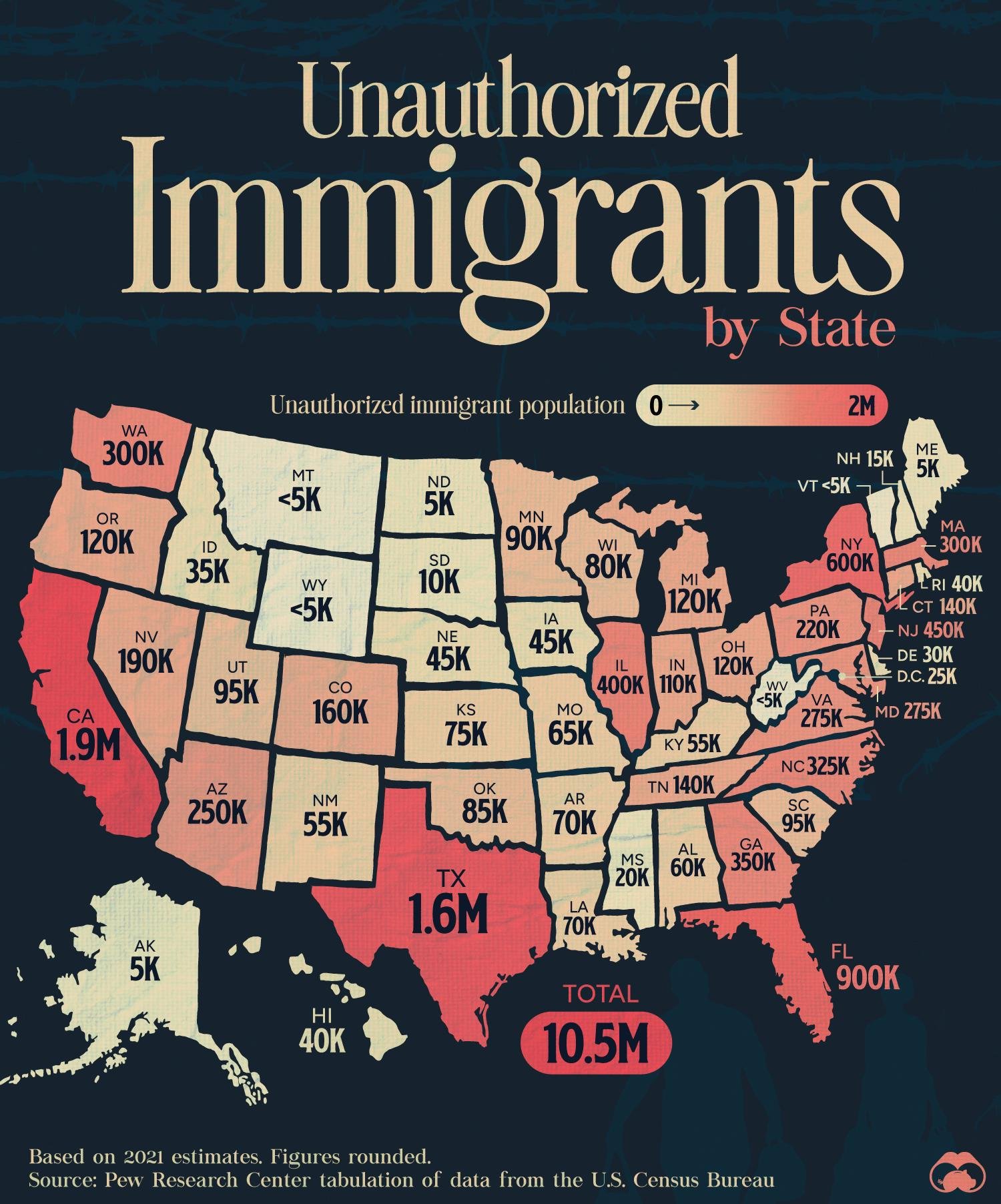
How Many Unauthorized Immigrants Live in the United States?
The number of unauthorized immigrants living in the United States is an estimate rather than a complete count. Researchers use population surveys, demographic models, administrative records, and assumptions about migration and departures to estimate the population. Different methods and reference years can produce different results.
A reliable estimate must be tied to a named research organization, a defined population, and a specific year. Estimates of the resident unauthorized population are not the same as counts of border encounters, arrests, apprehensions, or people who attempted to enter. One person may be recorded in more than one encounter, and an encounter does not by itself establish long-term residence.
Population estimates can help policymakers understand labor markets, public service needs, and immigration trends. They cannot determine an individual’s legal status. A person-level determination requires evidence about that person’s immigration history and current circumstances.
Source: animalia-life.club
Population estimates
Estimate how many people without lawful immigration status live in the country during a defined period.
Border encounters
Record encounters or enforcement events at the border. They should not be treated as a direct count of unique people residing in the United States.
Visa overstay data
May identify people whose recorded departures do not match expected travel records. These data have limitations and do not necessarily show a person’s current status in every case.
Why Do Estimates Differ by State?
Unauthorized immigrants live in many parts of the country, and state-level estimates depend on where people reside, how researchers define the population, and which data sources they use. Employment opportunities, family networks, housing, and existing communities can influence where people settle.
Maps and charts can help readers compare estimates, but the publication date and underlying method matter. A map should not be treated as a current official count unless its data source and reference year support that interpretation.
Check the reference year
Use the year of the data rather than assuming that the date of publication is the year measured.
Read the methodology
Confirm whether the figure estimates residents, counts encounters, or measures a different population.
Common Misconceptions About Illegal Immigration
Public discussion often treats unauthorized immigration as one simple category, but the law distinguishes many situations. Correcting common misconceptions helps readers understand the limits of available data and avoid making unsupported claims about individuals or groups.
Source: brilliantmaps.com
Misconception: Every immigrant is undocumented
The United States has citizens by naturalization, lawful permanent residents, temporary visa holders, refugees, asylees, and other categories of noncitizens. Immigration status varies from person to person.
Misconception: Everyone without lawful status entered illegally
Some people entered lawfully and later overstayed or violated the terms of their status. Others entered without inspection. These histories can lead to different legal consequences.
Misconception: Filing an application automatically grants status
Submitting a petition or application does not generally mean that the applicant has become a lawful permanent resident or has permission to work. The legal effect depends on the specific category.
Misconception: All undocumented immigrants can be deported immediately
Removal must follow the applicable legal process, although some procedures move quickly and some people face mandatory detention or other limits. Available procedures and protections depend on individual circumstances.
Misconception: Immigration status determines whether someone has any rights
People without lawful status may retain constitutional, labor, and other legal protections. The scope of those protections and eligibility for benefits differ by context.
Misconception: Border encounter figures equal the number of undocumented residents
Encounter statistics measure enforcement events, not necessarily unique people who remain in the country. Researchers use different methods to estimate the resident population.
How Can Readers Check Immigration Claims?
Readers should trace legal claims to official statutes, regulations, agency guidance, or court decisions. For population figures, they should look for the original research, reference year, definitions, and methodology rather than relying only on a headline or social media post.
A useful report separates confirmed facts from estimates and opinions. It should also explain the limits of its evidence. This approach reduces the risk of treating a disputed claim or an old statistic as a settled description of current conditions.
Use primary sources
Consult US Citizenship and Immigration Services, US Customs and Border Protection, US Immigration and Customs Enforcement, the Department of Justice, and the relevant statutory text for matters within their scope.
Frequently Asked Questions
Q
What Are Illegal Immigrants in Simple Terms?
Illegal immigrants is a common term for people who enter or remain in the United States without the immigration authorization required by law. The term may describe different situations, including entry without inspection, a visa overstay, or certain violations of immigration status. The precise legal position depends on the person’s records and circumstances.
Q
Are Undocumented Immigrants and Illegal Immigrants the Same?
The terms often refer to overlapping groups, but their use differs. Illegal immigrant is a common public and political label, while undocumented immigrant and unauthorized immigrant are often used in reporting and research. None of these labels alone establishes the details of a person’s immigration case.
Q
Can an Undocumented Immigrant Work in the United States?
Most noncitizens must have employment authorization or another valid basis to work legally in the United States. A person without lawful immigration status may be ineligible for that authorization, although certain pending applications or specific categories may create eligibility. The answer depends on the person’s status and the applicable rules.
Q
Can an Undocumented Immigrant Become a US Citizen?
Some people who currently lack lawful status may eventually qualify for lawful permanent residence and, later, naturalization. However, there is no general rule that automatically grants citizenship after a certain number of years in the United States. Eligibility depends on a valid immigration pathway, statutory requirements, and the person’s history.
Q
Can an Undocumented Immigrant Be Deported?
A noncitizen who is removable under immigration law may face removal proceedings. The procedures, available defenses, and possible forms of relief depend on the case. Some cases use expedited processes, while others involve immigration court, and deadlines can be strict.
Q
Do Undocumented Immigrants Pay Taxes?
Some people without lawful immigration status pay federal, state, and local taxes through payroll deductions, income tax returns, sales taxes, and property taxes paid directly or through rent. Tax obligations depend on income, employment, residence, and the applicable tax rules. Paying taxes does not itself grant lawful immigration status.
Q
Where Can Someone Get Reliable Immigration Help?
People can seek help from a licensed immigration attorney or an authorized representative recognized under the applicable Department of Justice rules. Official USCIS resources and immigration court information can help explain forms and procedures. Avoid unlicensed advisers who promise guaranteed approval or recommend false statements.
✦ Wrapping Up
Conclusion
Illegal immigrants is a widely used term for people who lack the immigration authorization required to enter or remain in the United States. However, the label covers different legal situations, including entry without inspection, visa overstays, and certain violations of immigration status. Each situation can carry different consequences.
US immigration law also recognizes distinctions among lawful permanent residents, temporary visa holders, people seeking humanitarian protection, and people facing removal proceedings. A person’s rights, options, and risks depend on the specific facts and applicable law. General information can explain the framework, but it cannot replace an individualized review of immigration records.
For reliable guidance, check official federal immigration resources and consult a qualified immigration attorney or authorized representative before making decisions about travel, applications, employment, or court proceedings. Accurate records and timely action can help people understand their options and avoid preventable legal problems.
💡 Key Takeaway
If you or someone you know has an immigration concern, gather all entry records, visas, notices, applications, and court documents, confirm any deadlines, and consult a licensed immigration attorney or authorized representative before taking action.