
So, you're asking, "can Schengen visa be applied online?" It's a common question because so much of our lives are digital now, and we expect travel planning to be just as streamlined. The short answer is: sometimes, yes, but it's not a universal online button for every traveler. The process fundamentally depends on your unique circumstances, primarily where you're from and which Schengen country you're heading to.
Thank you for reading this post, don't forget to subscribe!Our research shows that while many countries are moving towards digital solutions, each Schengen member state has its own immigration authority and technological adoption pace. As of 2026, official Schengen visa application instructions still highlight that the ability to complete the entire process online varies significantly. If you're looking to understand if you can skip some of the traditional steps, you've come to the right place.
Quick Answer: It Depends on Your Nationality and Destination

Can you apply for a Schengen visa online? Generally, the direct answer is that you can often begin the process online, but completing the entire application and approval without any in-person contact is rare for most nationalities. The specific route you’ll take hinges on two primary factors: where you legally reside and hold citizenship, and which Schengen country you intend to visit as your main destination or point of entry.
For instance, if you hold a passport from a country with specific visa waiver agreements or streamlined entry protocols with the European Union, you might find a more comprehensive online application system. Conversely, other nationalities are typically required to attend an appointment at a designated visa application center or a Schengen consulate to submit biometrics and required documents, even if parts of the form are completed digitally. Official Schengen visa guidelines clearly state these variations exist to manage security and identity verification.
How Schengen Visa Applications Work Online
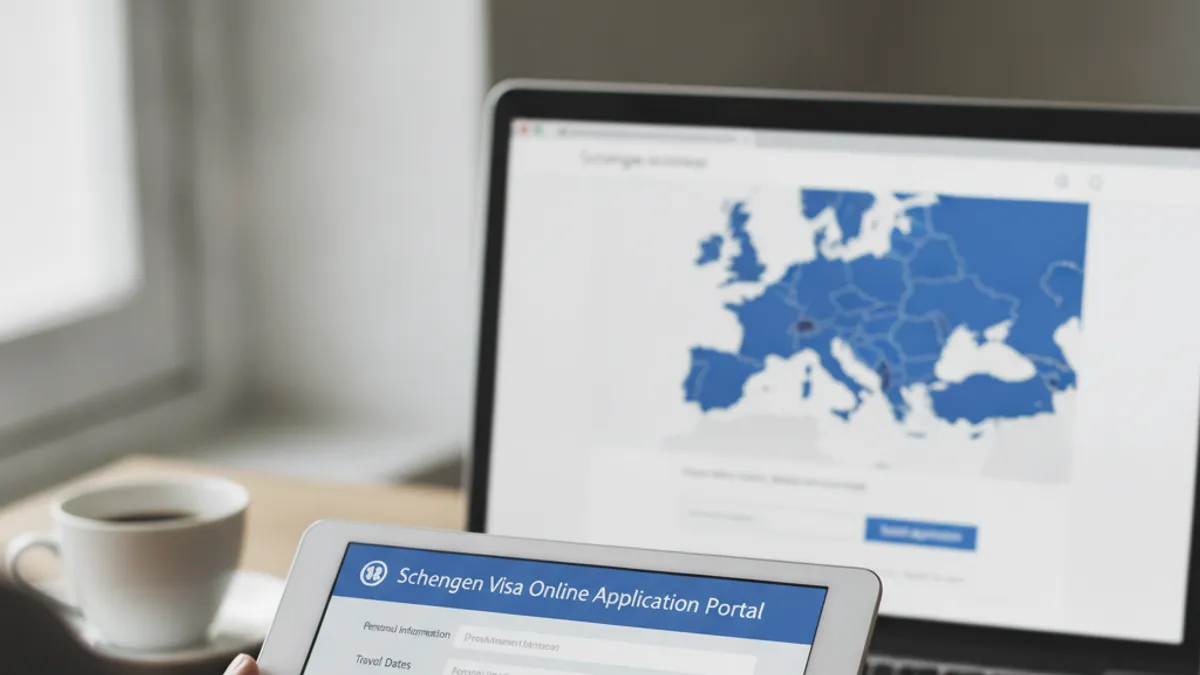
When we talk about applying for a Schengen visa online, it's actually a bit of a layered process, and the "online" part can mean different things depending on the country you’re dealing with. It’s not typically a single portal where every single step is completed from start to finish without any physical presence. Instead, think of it as a digital gateway that helps streamline parts of the application.
Here's what usually happens when an online component is available for your specific situation:
- Digital Form Completion: You'll get to fill out the official Schengen visa application form on a computer, rather than on paper. This means you can type your answers, save your progress, and make corrections more easily.
- Document Uploads: Many countries now allow you to upload scanned copies of your supporting documents. This can include your passport data page, proof of accommodation (like hotel bookings), flight itineraries, and proof of financial means.
- Online Fee Payment: The visa application fee, which is generally €80 for adults as of the latest implemented fees, can often be paid directly through a secure online portal. This saves you a trip to a bank or payment office beforehand.
What "Online Application" Usually Means (and Doesn't Mean)
So, what exactly does "applying online" entail in the context of a Schengen visa? Our research indicates that the term often refers to the initial stages of the application process, emphasizing digital convenience for form-filling and document submission. You might be interacting with an official e-visa portal or a national immigration website designed to simplify these early steps.
However, it's crucial to understand what it doesn't typically mean. For the vast majority of applicants, the process is not entirely remote. The collection of biometric data, your fingerprints and a facial photograph, almost always requires an in-person visit. This is a security measure mandated by the Schengen visa regulations to verify your identity accurately before your visa can be processed.
Therefore, even with a "digital" application, you will likely need to book an appointment at a Schengen visa application center or the country's consulate to finalize your application.
Key Factors That Decide Your Application Method

When you're figuring out how to apply for your Schengen visa, there are a few big things that really steer the ship. It's not a one-size-fits-all situation, and these factors will tell you whether you can lean more on online tools or if you'll need to be physically present for more steps. Understanding these will save you a lot of confusion later.
Your Nationality: The Biggest Driver
The passport you hold is probably the single most influential factor in determining your Schengen visa application process. Different countries have various agreements and protocols with the Schengen member states. For example, if your nationality is one that has historically required a visa for short stays in the Schengen Area, your country's existing relationship with the EU might dictate whether an online application is even an option.
Official EU directives and individual country agreements outline these requirements. Some nationalities might find that their country’s immigration authorities offer a dedicated e-visa portal for certain visa types, allowing for a significant portion of the application to be handled digitally. Other nationalities may be required to follow the traditional route, which often involves booking an appointment at a designated visa application center to provide a physical application form, supporting documents, and biometrics. Researching your specific nationality’s requirements on the embassy's website is always the first, most critical step.
Which Schengen Country You're Going To
Beyond your nationality, the specific Schengen country you apply through plays a significant role in how your application can be submitted. While the Schengen Area operates under common visa policies, the Schengen Agreement itself doesn't mandate a uniform online application system for all member states. Each country’s immigration department manages its own visa processing and technology infrastructure.
This means you need to identify your primary destination country, that’s the country where you’ll spend the most time, or where you’ll enter the Schengen Area first if your stay is of equal length in multiple countries. Once identified, you must consult the official website of that country's embassy or consulate in your country of residence. They will detail whether they offer an online application portal, accept applications through specific visa application centers (like VFS Global or TLScontact), or have other specific instructions. For example, Germany might have a different online system than Spain or France, even though they are all Schengen states.
Your Step-by-Step Guide to Checking Online Options

So, you've got your travel plans, and you're wondering about the easiest way to get your Schengen visa. Since applying online isn't a guaranteed feature for everyone, your best bet is to do a bit of detective work tailored to your situation. Following these steps will help you figure out exactly what’s available to you and how to proceed smoothly.
Step 1: Pinpoint Your Primary Schengen Destination
Before you even think about filling out forms, you need to know exactly which Schengen country you're applying through. This is pretty straightforward if you have one main destination. For example, if you're visiting Paris for a week and then Rome for three days, France is your primary destination.
However, if your trip involves equal stays in multiple countries, or if you're entering the Schengen Area through one country and then traveling to others without a clear primary destination, you typically apply through the country of first entry. This is an important detail, as the embassy or consulate of that specific country will be the authority handling your visa application. Their rules and online capabilities will be what you need to follow.
Step 2: Navigate the Official Embassy or Consulate Website
Once you've identified your primary Schengen country, the next crucial step is to find the official website for that country's embassy or consulate in your country of residence. This is your go-to source for accurate, up-to-date information. Don't rely on unofficial websites or general travel forums for this; always head straight to the official government domain.
When you're on the site, look for sections labeled "Visas," "Consular Services," or "Apply for a Visa." This is where they’ll detail the types of visas available, the eligibility criteria, required documents, and, most importantly, the application procedures. Pay close attention to any information that mentions online services, appointment systems, or specific procedures for your nationality. Here you will find the most reliable information regarding whether your situation allows for any digital application components.
Step 3: Look for Digital Application Indicators
Once you're on the official embassy or consulate website, keep your eyes peeled for specific keywords and sections. You're looking for terms like "Online Application," "E-Visa Portal," "Digital Submission," or "Visa Application System." These phrases are direct flags that the country offers at least some part of the application process electronically.
Often, you'll find a link that directs you to a dedicated portal. This portal might be hosted by the country's own immigration service or by an authorized third-party service provider that handles visa applications on behalf of the embassy. Pay attention to whether this system is described as a full e-visa system or just a platform for scheduling appointments and uploading initial documents. The wording here is key to understanding the extent of online processing available to you.
Step 4: Understand Biometrics Requirements
This is a critical point where the "online" aspect often stops for Schengen visas. While you might complete the application form and upload documents digitally, the vast majority of Schengen visa applications require you to provide biometric data in person. This includes fingerprints and a digital photograph.
The reason for this is quite straightforward: it's a necessary security measure for identity verification. Official Schengen visa regulations mandate the collection of biometrics for all applicants, unless specific exemptions apply (which are rare for standard short-stay visas). So, even if you've done everything else online, anticipate that you'll need to schedule an appointment at a designated visa application center or the embassy/consulate itself to provide these details. This in-person step is still a cornerstone of the application process.
When an Online Application Might Still Need In-Person Steps
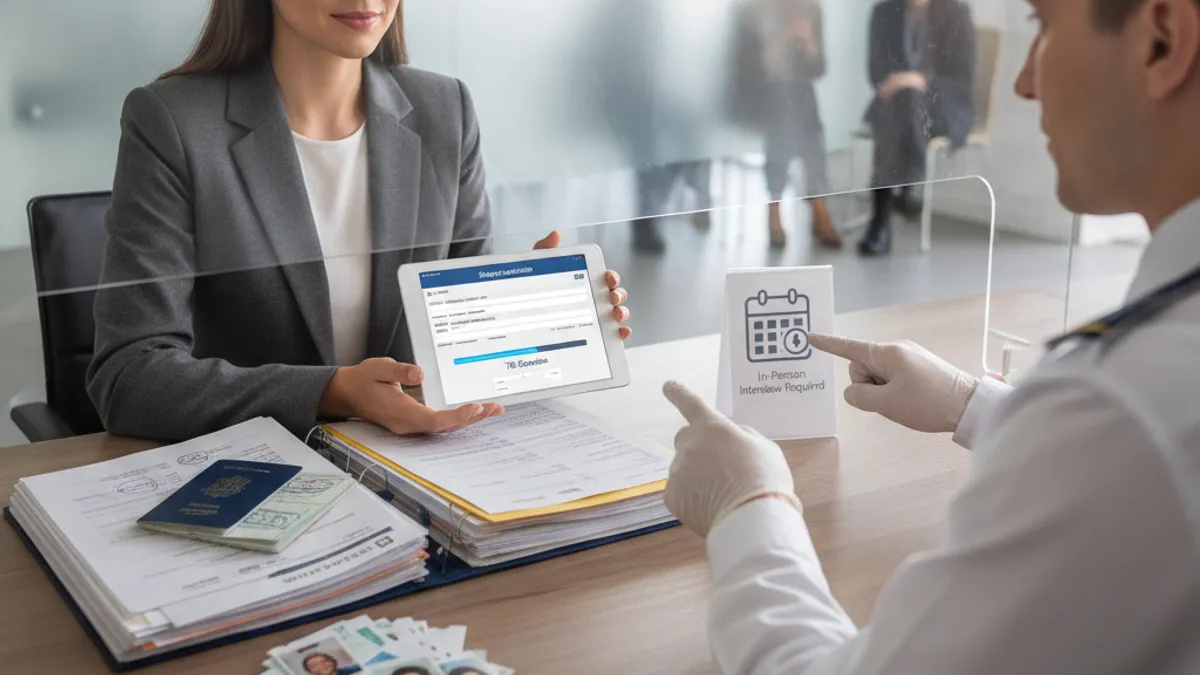
So, you've found a country that seems to offer a good online application system. That's great, and it definitely streamlines things. However, you need to be aware that the "online" aspect usually doesn't cover the entire journey from start to finish. For nearly all Schengen visa applications, even those initiated digitally, an in-person visit will be a required part of the process.
This is primarily due to the mandatory collection of biometric data. Fingerprints and a facial photograph are collected at a secure facility. This step is crucial for identity verification and security protocols. If you see terms like "E-Visa" or "Online Portal," investigate further to confirm if the biometric appointment is a follow-up step or if there’s a truly remote biometric solution available for your nationality, though the latter is uncommon for the standard Schengen visa.
Common Mistakes When Trying to Apply Online

People often run into snags when they think they can complete the entire Schengen visa application process online, only to find out they still need to go somewhere in person. One of the most frequent mistakes is assuming that because the form is digital, the entire approval process will be too. This can lead to confusion and last-minute panic, especially if you're on a tight travel schedule.
Another common pitfall is not verifying the official source of information. Relying on unofficial websites or outdated blog posts can lead applicants astray, pointing them toward non-existent online portals or incorrect procedures. Always, always start and end your information gathering on the official embassy or consulate website for the Schengen country you are applying to. Failing to confirm the specific requirements for your nationality is also a major error; what works for one country's citizen might not work for another’s.