Thank you for reading this post, don't forget to subscribe!
To get a visa to the USA, choose the right visa category, complete the required application, pay the fee, schedule an appointment, submit your documents, and attend an interview if required. The exact process depends on your travel purpose, nationality, and personal situation.
If you want to visit the United States, study at an American college, work for a US employer, or join family members, your first step is to identify the visa that fits your plans. The US government offers several visa categories, each with its own rules. A tourist visa, for example, does not give you the same rights as a student visa or a work visa. Choosing the wrong category can lead to delays, extra costs, or a refusal.
For most people applying for a temporary US visa from outside the country, the process involves an online application, a fee, and an appointment at a US embassy or consulate. Some applicants must also provide extra records or complete other steps. If you plan to move to the United States permanently, the process may involve a family petition, an employment-based case, or another immigrant visa route instead.
This guide explains how can i get a visa to USA in clear, practical steps. You will learn which visa may fit your plans, how to prepare your application, what to expect at an interview, and what to do after a decision. Rules, fees, and appointment options can change, so check the official US Department of State and US Citizenship and Immigration Services websites before you apply.
1. Choose the Right US Visa for Your Travel Purpose
The first step is to decide why you want to enter the United States. Your purpose determines which visa category you should consider and which application steps apply to you. There is no single US visa that covers every type of visit, job, or long-term stay.
US visas generally fall into two broad groups: nonimmigrant visas for temporary visits and immigrant visas for people seeking to live permanently in the country. Some travelers from participating countries may qualify for the Visa Waiver Program for short visits, but they must meet its conditions and obtain approved Electronic System for Travel Authorization, or ESTA, before traveling.
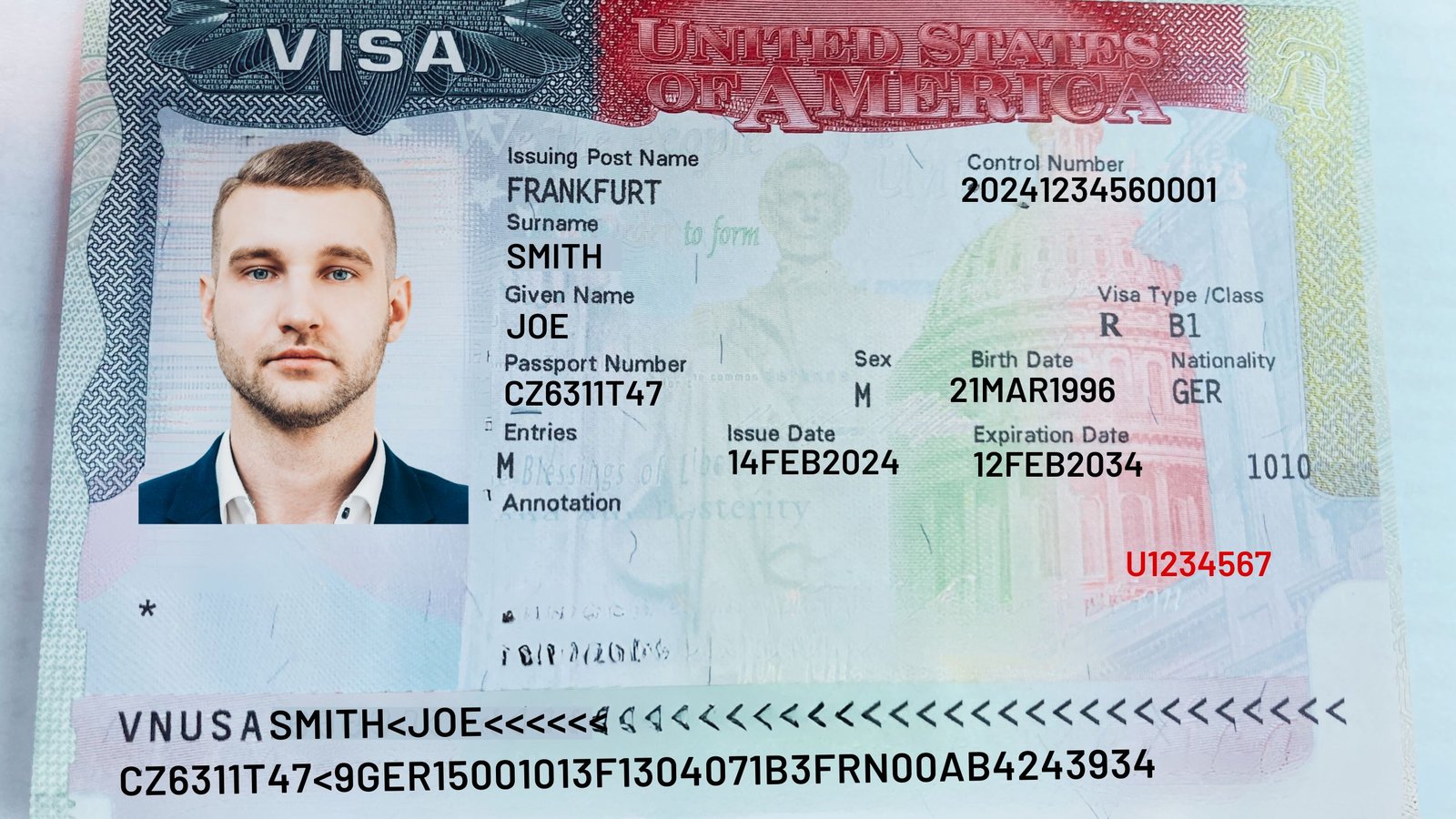
Source: visatraveler.com
Visitor visa
A B-2 visa is generally used for tourism, vacations, visits with family or friends, and certain medical trips. A B-1 visa covers permitted temporary business activities, such as attending meetings or negotiating contracts. A combined B-1/B-2 visa may cover both types of visits.
Student visa
An F-1 visa is generally for academic study at an eligible institution. An M-1 visa is for certain vocational or nonacademic study. A school must meet the relevant requirements before a student can use it for a student visa application.
Work visa
Temporary work visas include categories for eligible specialty occupations, seasonal work, certain professional roles, and other qualifying jobs. Many categories require a US employer or another authorized petitioner to take action before the worker applies for a visa.
Exchange visitor visa
A J-1 visa may be suitable for approved exchange programs, research, teaching, training, and certain other cultural or educational activities. The program and sponsor must meet the applicable requirements.
Immigrant visa
An immigrant visa may be available through qualifying family relationships, certain employment categories, or other immigration provisions. After admission with an immigrant visa, the person generally becomes a lawful permanent resident.
Transit visa
Some travelers passing through the United States on their way to another country need a C transit visa. Whether one is required depends on nationality, travel documents, and the circumstances of the trip.
Do You Need a Visa to Visit the United States?
Not every international traveler needs a traditional visa. Eligible citizens or nationals of countries in the Visa Waiver Program may travel for permitted tourism or business visits of up to 90 days without a visitor visa, provided they meet the program’s requirements and obtain ESTA approval. ESTA is travel authorization, not a visa, and it does not guarantee admission.
If your nationality is not covered by the program, your travel purpose is not permitted under it, or you do not meet its conditions, you may need to apply for a visa. Some travelers who otherwise qualify for the program are subject to additional restrictions. Check the current official rules before booking your trip.
Match the visa to the activity
Do not use a visitor visa to take an ordinary job in the United States. Employment, academic study, and permanent immigration have separate requirements.
Check your nationality and status
Visa rules can differ by nationality, passport type, immigration history, and the purpose of travel. Use the official visa directory to identify the rules that apply to you.
Which Visa Should You Apply For?
Think about what you intend to do, how long you expect to stay, and whether a US employer, school, family member, or program sponsor must support the application. For example, a person visiting relatives for two weeks would usually explore the visitor visa process, while someone accepted into a qualifying degree program would normally examine the student visa process.
If you are unsure, review the official visa category descriptions before paying a fee or submitting a form. An immigration attorney or qualified legal representative may help when your history includes a prior refusal, unlawful presence, a criminal issue, a complicated family petition, or uncertainty about eligibility.
Temporary visit
Review the B-1/B-2 requirements or the Visa Waiver Program, if your nationality and circumstances qualify.
Study or exchange
Start with the school or exchange program and confirm which visa category fits the program.
Employment or permanent residence
Check whether a petition, labor certification, sponsor, or other eligibility step is required before applying.
2. Check the Requirements Before You Apply
Before starting your application, check the rules for your specific visa category and the US embassy or consulate where you plan to apply. The required documents, appointment system, fee payment method, and interview rules may differ by location and visa type. A checklist from the relevant embassy can help you avoid preventable errors.
For many temporary visa applications, you need a valid passport and an online application confirmation. You may also need proof of payment, a compliant photograph, and records that explain your reason for travel. Additional evidence depends on your circumstances rather than a single universal list.
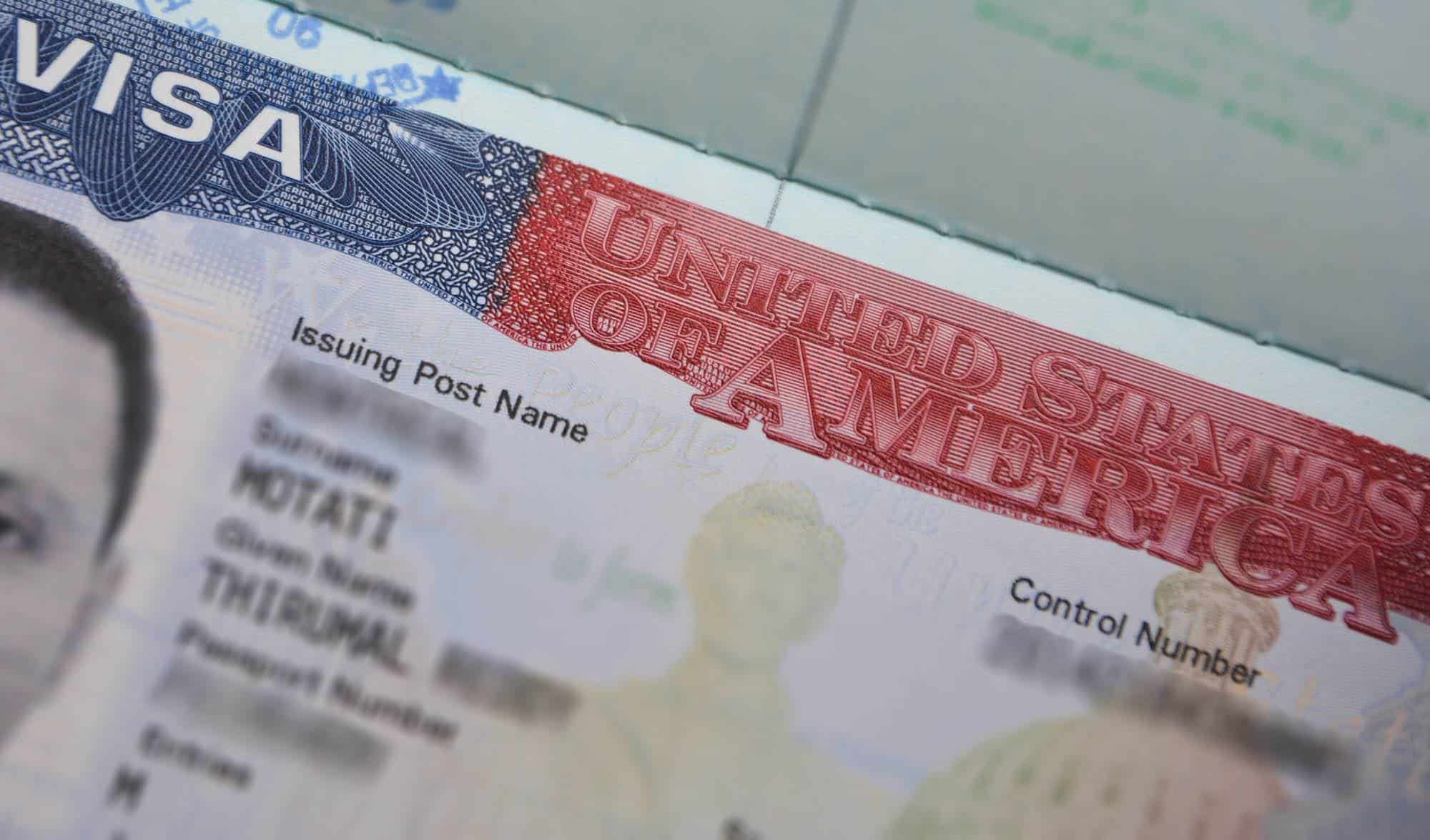
Source: arptravels.com
Valid passport
Check the passport validity rules that apply to your nationality and trip. Some travelers are subject to a general six-month validity rule, while country-specific agreements may provide exceptions.
Application information
Prepare your passport details, contact information, employment or education history, travel plans if available, and information about previous US visits.
Supporting documents
Collect records relevant to your purpose, such as an invitation, school documents, approved petition information, or evidence of available funds when appropriate.
Photograph
Follow the official photograph specifications for your visa category. If the online upload fails, check whether you must bring a printed photograph.
Fee and appointment instructions
Use the official embassy or consulate instructions to confirm the current fee, payment process, appointment system, and any extra local requirements.
How Can You Show That Your Visit Is Temporary?
For a visitor visa, the consular officer considers whether you qualify under the relevant law and whether your planned trip is consistent with temporary visitor status. Depending on your situation, useful records may include your employment, studies, family responsibilities, residence, finances, and a clear travel plan.
There is no single document that guarantees approval. A property deed, bank statement, invitation letter, or employment letter may help explain part of your situation, but none automatically proves eligibility. Provide genuine records that support your answers and avoid submitting a large stack of unrelated paperwork.
Explain your travel plan
Be ready to state why you are going, how long you plan to stay, where you expect to stay, and how the trip will be funded.
Show relevant ties
Employment, education, close family responsibilities, or other commitments may help explain your circumstances. Their relevance depends on the facts of your case.
Keep information consistent
Your application, supporting records, and interview answers should describe the same facts. Correct any errors rather than trying to hide them.
What If You Are Applying for a Student or Work Visa?
Student applicants should confirm that the school and program qualify for the intended visa. For an F-1 or M-1 application, the school generally issues Form I-20 after the required admission and record steps. Applicants must follow the applicable student visa instructions and may need to pay the required SEVIS fee.
Work visa applicants should identify whether their category requires a petition filed by a US employer or another petitioner. For categories that require an approved petition, obtain the relevant approval information and follow the instructions for the visa application. A job offer alone does not automatically grant permission to work in the United States.
Students
Prepare your school documents, evidence of funds when required, and information about your intended course of study.
Workers
Confirm the correct work visa category and the status of any required petition before scheduling the visa interview.
3. Complete the US Visa Application Step by Step
For most nonimmigrant visa applicants, the central online form is Form DS-160. You complete it electronically through the US Department of State’s Consular Electronic Application Center. Immigrant visa applicants generally follow a different process, which may involve a petition, the National Visa Center, and an immigrant visa application such as Form DS-260.
The steps below focus on a typical temporary visa application, such as a visitor visa. Your embassy or consulate may require a different order for some steps, so follow the local instructions rather than assuming every location uses the same process.
Source: www.deccanchronicle.com
Step 1: Open the official application website
Use the US Department of State’s official website to reach the correct form. Avoid unofficial sites that imitate government services or charge unnecessary fees.
Step 2: Complete Form DS-160
Enter your personal details, passport information, travel plans, and other requested information. Answer all questions accurately and review your entries before submitting.
Step 3: Upload your photograph
Upload a photograph that meets the current rules for the form. Follow the instructions if the system rejects the image or requires an additional printed photograph.
Step 4: Submit and save the confirmation
Electronically sign and submit the form as instructed. Save or print the confirmation page containing the barcode because you will generally need it for the next steps.
Step 5: Follow local appointment instructions
Use the embassy or consulate website to learn how to create an appointment account, pay the fee, and book an interview or document submission appointment.
Step 6: Prepare and attend the appointment
Bring the documents required by your location and visa category. If an interview is required, answer questions honestly and directly.
How to Fill Out Form DS-160 Correctly
Set aside enough time to complete the form carefully. Have your passport and relevant travel, work, education, and previous US travel details ready before you begin. Depending on your circumstances, the form may ask for information about your history and background.
Do not guess when a question concerns an important fact. If you are uncertain how to answer, review the official instructions or seek qualified guidance. An inaccurate answer can cause delays, require corrections, or affect your eligibility.
After submission, check the confirmation page and keep a copy in a safe place. If you discover an error, consult the DS-160 instructions and the embassy or consulate’s guidance about whether you need to submit a corrected application or update your appointment details.
Use your legal name
Enter your name and other personal details as requested, following the form’s rules for passport information and any other names you have used.
Provide a realistic purpose and plan. Do not invent a hotel booking, invitation, job, or travel history to make your application appear stronger.
Protect your application information
Keep your application number and confirmation details private. Use secure devices and official websites when entering personal information.
How Much Does a US Visa Cost?
The total cost depends on your visa category, nationality, and circumstances. As of October 2026, the standard application processing fee for many common visitor, student, and exchange visitor visa categories is listed as $185, but fees and additional charges can change. Other categories may have different application fees or separate petition-related costs.
Some applicants may also need to pay a visa issuance fee based on nationality or other charges linked to their category. Student applicants may have a separate SEVIS fee, while employment-based cases may involve costs paid by a petitioner. Always verify the current fee on the official government website before making a payment.
Application fee
Check the fee for the exact visa category and follow the payment instructions for the place where you apply.
Travel and document costs
Budget for transport to the embassy or consulate, photographs, document preparation, and any required medical examination or delivery service.
Nonrefundable payments
Many visa application fees are nonrefundable, even if the visa is refused. Confirm the terms before paying.
4. Schedule Your Interview and Prepare Your Documents
After completing the required application, follow the appointment instructions for the US embassy or consulate where you will apply. Many nonimmigrant visa applicants must attend an interview, although limited exceptions may apply. Even when an interview waiver may be available, the consular officer can still require an interview.
Applicants should generally schedule nonimmigrant visa interviews in their country of nationality or residence, subject to current Department of State instructions and any designated processing arrangements. Applying in another country may make it harder to demonstrate eligibility or obtain an appointment that fits your needs.
Appointment availability changes by location, visa category, season, and staffing. Apply well before your intended travel date and check the official visa appointment wait-time information. An estimated wait is not a promise of a specific appointment or final decision date.
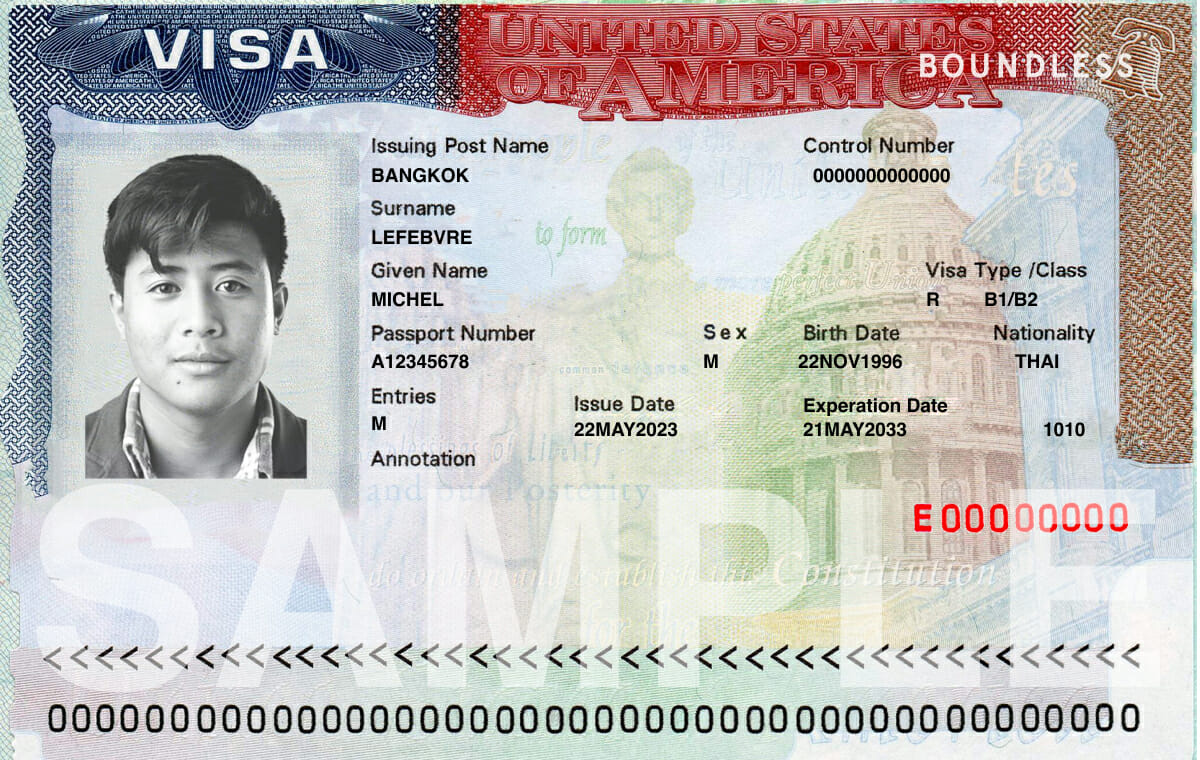
Source: www.boundless.com
Passport
Bring your valid passport and any additional passport or travel document required by the local instructions.
DS-160 confirmation
Bring the confirmation page with its barcode. The full application usually does not need to be printed unless the local instructions say otherwise.
Payment confirmation
Bring the receipt or other proof of payment if the appointment instructions require it.
Supporting evidence
Bring records that explain the purpose of your trip and support your eligibility. The required evidence depends on the visa category and your circumstances.
Appointment confirmation
Keep the appointment notice and follow instructions about arrival time, security rules, permitted items, and document order.
How to Prepare for a US Visa Interview
Prepare to explain your plans in a clear and honest way. For a visitor visa, a consular officer may ask why you are traveling, how long you plan to stay, who will pay for the trip, and what you do in your home country. Your answers should reflect your actual circumstances, not a memorized script.
For a student visa, be ready to discuss your school, course, funding, and study plans. For a work visa, understand the job, employer, petition, and conditions that apply to your category. Keep your answers focused on the question and provide supporting documents when requested.
There is no guaranteed interview answer or document combination that ensures approval. Consular officers assess applications under the applicable law and the full facts of each case. Be polite, answer truthfully, and ask for clarification if you do not understand a question.
Review your application
Read your submitted answers before the interview so you can explain the information accurately.
Explain your funding
Know how you will pay for the trip and be prepared to describe any sponsor’s role truthfully.
Avoid false documents
Never submit fake bank statements, employment letters, invitations, school records, or other evidence.
What Happens at the Embassy or Consulate?
The appointment may involve identity checks, document review, fingerprint collection, and an interview, depending on the location and visa category. Follow the staff’s directions and provide the requested information. Some cases need additional administrative processing after the interview.
The result may be an approval, a refusal, or a case that requires further review or documents. If the officer requests more information, follow the instructions and use the official method provided. Do not assume that a temporary delay means approval or refusal.
If the visa is approved, follow the passport return instructions and check the visa details when you receive your passport. Do not make nonrefundable travel plans solely on the assumption that an application will be approved by a certain date.
Arrive prepared
Bring the required documents and arrive according to the appointment instructions. Check local security restrictions before leaving.
Follow additional requests
If your case requires further documents or administrative processing, use the official instructions and keep copies of what you submit.
Check the final visa
Review your name, passport details, visa category, and validity dates when your passport is returned.
5. Understand Visa Approval, Refusal, and Entry into the USA
Getting a visa is a decision based on the category’s legal requirements and the facts of your application. A complete form and paid fee do not guarantee approval. For a visitor visa, the officer may consider whether the applicant qualifies for the requested temporary visit and whether the evidence and interview answers support the stated purpose.
A refusal can occur for several reasons. For example, an applicant may not establish eligibility under the applicable law, may lack a required petition or document, or may have a legal issue that affects admissibility. The refusal notice and any instructions from the consular section are the best starting point for understanding the next steps.
Source: tablighajj.com
Approval
If approved, the embassy or consulate will explain how your passport and visa will be returned. Review the visa details and follow any instructions given with it.
Additional processing
Some applications require further administrative processing or additional information. Timing varies, and you should follow the official instructions for your case.
Refusal
Read the refusal notice carefully. Depending on the legal basis and your circumstances, you may be able to reapply, provide missing information, or seek qualified legal advice.
What Should You Do If Your US Visa Is Refused?
Start by reviewing the refusal notice and identifying the legal section or reason stated by the consular officer. Different refusal grounds have different consequences, so do not assume that every refusal can be resolved by submitting more bank statements or booking another interview.
If the refusal relates to a temporary visitor application and the officer determines that the applicant has not established eligibility under Section 214(b) of the Immigration and Nationality Act, the applicant may apply again. However, a new application should be based on accurate information and any meaningful changes in circumstances or relevant new evidence. Paying another fee without addressing the concern may not improve the result.
If the case involves a possible inadmissibility issue, misrepresentation, a prior immigration violation, or another complex legal matter, consider speaking with a qualified US immigration attorney. Do not conceal a previous refusal or provide false information on a later application.
Understand the reason
Use the refusal notice and official guidance to identify what the decision means for your case.
Address real gaps
If you reapply, ensure your application answers the relevant concerns with truthful and relevant information.
Get legal help when needed
Seek qualified advice for complex inadmissibility questions, alleged misrepresentation, or difficult immigration histories.
Does a US Visa Guarantee Entry?
No. A visa generally allows a traveler to travel to a US port of entry and request admission. It does not guarantee that the traveler will be allowed to enter. US Customs and Border Protection officers make admission decisions at airports, land borders, and other ports of entry.
At arrival, be prepared to explain your travel purpose and answer questions about your stay. Carry relevant supporting information when appropriate, such as your return plans, destination details, school documents, or employment authorization records. The documents you need depend on your status and travel purpose.
Follow the conditions of your admission and the rules of your visa category. A visitor visa does not authorize ordinary employment, and a student or worker must comply with the specific restrictions that apply to the person’s status.
Check your admission record
After entry, review your electronic Form I-94 admission record when applicable to confirm the class of admission and authorized period of stay.
Follow the authorized stay
Do not assume that a visa’s expiration date is the same as the date you must leave the United States. The authorized stay is determined by the applicable admission rules and record.
Ask before changing plans
If you want to work, study, extend a stay, or change immigration status, check whether the law allows it and what application or approval is required.
6. Special Guidance for Applicants Applying from Bangladesh
If you live in Bangladesh and want to travel to the United States, start with the official US Embassy in Dhaka information and the current appointment instructions for your visa category. The correct procedure depends on whether you are applying for a visitor, student, temporary work, or immigrant visa.
For many temporary visa applications, applicants in Bangladesh use the online DS-160 form and the local appointment process. The embassy’s current guidance determines how to pay, schedule, submit documents, and receive a passport. Because appointment availability and local procedures can change, check the official instructions shortly before taking action.
If you are applying for an immigrant visa, the process may be different from a tourist visa application. Depending on the category, you may first need an approved petition and further processing through the National Visa Center before the interview. Applicants should follow the instructions for their individual case rather than using a visitor visa checklist.
Source: Condé Nast Traveller India
Use official local instructions
Check the US Embassy in Dhaka’s visa information and the official appointment service linked from the embassy website.
Keep your records ready
Prepare your passport, application confirmation, appointment details, and the supporting documents required for your category.
Check the current interview location
Follow the current rules for where applicants should schedule an interview. Do not assume that applying in a third country will be faster or easier.
Avoid unofficial promises
No agent can guarantee a visa or lawfully guarantee an interview outcome. Be cautious of anyone selling false documents or claiming special influence over consular decisions.
How Long Does It Take to Get a US Visa from Bangladesh?
There is no single processing time for every applicant in Bangladesh. The total time can include completing the application, finding an appointment, attending the interview, and waiting for any required administrative processing or passport return.
Check the Department of State’s current visa appointment wait-time information and the local embassy instructions for the category you need. Wait-time estimates can change and do not include every stage of processing, so allow extra time and avoid relying on a single estimate when making important plans.
Apply early
Begin the process well before your planned departure, school start date, or employment start date.
Check for official updates
Review appointment notices and embassy announcements rather than relying only on social media posts or old reports.
Do not buy a guaranteed appointment
Use the authorized appointment system and follow its rules. Be wary of anyone claiming to sell guaranteed access or approval.
How Can You Avoid Common Application Problems?
Many preventable problems come from selecting the wrong category, entering inconsistent details, missing an appointment requirement, or using outdated fee information. A careful review before submission can reduce the risk of delay, although it cannot guarantee a favorable decision.
Keep copies of the confirmation page, payment records, appointment notice, and documents you submit. If you need to correct a form or change an appointment, use the official process and confirm what the embassy requires before making changes.
Check every form field
Review names, dates, passport details, travel purpose, and prior travel information before submitting.
Use genuine documents
Never alter financial records, employment letters, invitations, or school documents to make an application appear stronger.
Follow the correct category
Do not apply for a visitor visa if your real plan is to take an ordinary job or begin a course that requires a student visa.
Read current notices
Check the embassy’s official website for changes to appointment procedures, document submission, and passport return.
7. Common Mistakes to Avoid When Applying for a US Visa
The safest approach is to make your application accurate, complete, and suited to your actual plans. No application method can guarantee approval, but avoiding common mistakes can help prevent unnecessary problems and make it easier for an officer to understand your case.
Do not rely on advice from an agent who promises approval, tells you to hide facts, or asks you to use false records. The applicant remains responsible for the accuracy of the application, even when another person helps prepare it.
Source: Magoosh
Choosing the wrong visa
A tourist visa is not a general permit to work or study. Check the legal purpose and restrictions of the category before applying.
Submitting false information
Misrepresentation can have serious immigration consequences. Give truthful answers and disclose information when the form or law requires it.
Ignoring local instructions
Appointment systems, payment methods, interview rules, and document requirements can vary. Use the instructions for the post where you apply.
Applying too late
Appointment delays and extra processing can affect travel plans. Start early and avoid treating estimated wait times as guarantees.
Confusing visa validity with authorized stay
A visa’s validity period governs when it may be used to seek entry, while the authorized stay after admission follows the applicable entry record and immigration rules.
Booking nonrefundable travel too soon
An application fee or scheduled interview does not mean a visa will be approved. Consider refundable arrangements until you have the required authorization.
What If You Need Help With Your Application?
You may ask another person to help you understand the questions or organize documents, but you must follow the official rules for signing and submitting your application. For Form DS-160, the applicant generally must electronically sign and submit the form unless a permitted exemption applies.
If you hire an immigration lawyer or other representative, check their qualifications and make sure you understand what they will do. A representative cannot guarantee a consular decision or replace your duty to provide truthful information.
For complex cases, such as previous immigration violations, a possible ground of inadmissibility, or uncertainty about the correct visa category, qualified legal advice may be more useful than relying on general online guidance.
Use official government resources
Start with the US Department of State, US Citizenship and Immigration Services, and the relevant US embassy or consulate.
Keep control of your information
Review the application yourself and retain copies of submitted forms, receipts, and important correspondence.
Ask questions before paying
Confirm the service being offered, the expected fee, and whether the person is qualified to provide the help you need.
Frequently Asked Questions
Q
How can I get a visa to the USA for the first time?
First, identify your travel purpose and choose the appropriate visa category. For many temporary visas, you then complete Form DS-160, submit it, pay the required fee, follow the local appointment instructions, prepare supporting documents, and attend an interview if required. Check the official embassy or consulate website for the exact process that applies to you.
Q
How much money do I need in my bank account for a US tourist visa?
There is no universal minimum bank balance that guarantees a US tourist visa. The relevant question is whether your financial circumstances and supporting evidence make sense for the trip you plan to take. Consider the expected travel costs, who will pay, your income or other resources, and any genuine sponsorship. Never borrow money temporarily or submit false statements just to create the appearance of financial strength.
Q
Can I apply for a US visa online?
Many nonimmigrant visa applicants begin online by completing Form DS-160. However, completing the form does not finish the entire process. You may still need to pay a fee, schedule an appointment, submit documents, attend an interview, and complete any further steps required by the embassy or consulate. Immigrant visa applicants generally follow a different process.
Q
How long does it take to get a US visa?
The timeline depends on the visa category, location, appointment availability, individual circumstances, and whether extra processing is needed. Check the official Department of State appointment wait-time information and the instructions from the embassy or consulate where you plan to apply. An appointment estimate does not guarantee the date of a final decision or passport return.
Q
Can I work in the United States with a tourist visa?
No. A B-1/B-2 visitor visa does not authorize ordinary employment in the United States. If you plan to work, identify the correct employment-based visa or immigration category and check whether a US employer or another authorized petitioner must complete a required step before you apply.
Q
What happens if my US visa application is denied?
Read the refusal notice to understand the legal basis and any instructions. Depending on the reason, you may be able to apply again, provide relevant new information, or need to address a legal issue before proceeding. A new application and fee do not guarantee approval. Consider consulting a qualified US immigration attorney if the case involves inadmissibility, alleged misrepresentation, or a complex immigration history.
Q
Do I need an invitation letter to get a US tourist visa?
An invitation letter is not a universal requirement for a US tourist visa. If you are visiting family or friends, a genuine invitation may help explain where you plan to stay and the purpose of your visit. However, it does not guarantee approval and does not replace the need to qualify under the applicable visa rules.
Q
Can someone guarantee that I will get a US visa?
No private agent, travel company, or other person can guarantee that a US consular officer will approve your application. Be cautious of anyone promising a visa, selling fake documents, or claiming special access to the embassy. Use official government websites and provide complete, truthful information.
✦ Wrapping Up
Conclusion
Getting a visa to the United States starts with choosing the right category for your purpose. Once you know whether you need a visitor, student, work, exchange, or immigrant visa, you can follow the correct application process and prepare the required documents. For many temporary visa applicants, this means completing Form DS-160, paying the appropriate fee, scheduling an appointment, and attending an interview if required.
The strongest practical approach is to check official government instructions before every major step. Confirm the current fee, appointment rules, document requirements, and processing estimates for the embassy or consulate where you will apply. Keep your answers accurate, make sure your supporting documents are genuine, and allow enough time for delays or extra processing.
Remember that a visa does not automatically guarantee admission to the United States or authorize every activity after arrival. Follow the conditions of your visa and admission, and seek qualified legal advice if your case includes complex immigration questions. Careful preparation can help you avoid common errors, but the final decision depends on the applicable law and the facts of your application.
💡 Key Takeaway
Start by visiting the official US Department of State visa website at https://travel.state.gov/content/travel/en/us-visas.html. Identify the correct visa category, read the instructions for the US embassy or consulate where you will apply, and gather the required documents before submitting your application or paying any fee.