
If you're a Canadian planning a trip to Thailand, you're probably wondering, "Do Canadians need a visa for Thailand?" The straightforward answer is that it often depends on how long you intend to stay and the specific reason for your visit. Most short-term tourist trips allow entry without a pre-arranged visa, thanks to a visa exemption agreement.
Thank you for reading this post, don't forget to subscribe!However, this exemption comes with certain conditions, and not everyone qualifies. For instance, typical tourist stays are generally capped at 30 days, though this can fluctuate with current regulations. If your travel plans extend beyond this or involve purposes other than leisure, securing the appropriate visa beforehand becomes essential to avoid issues upon arrival.
When You Likely DON'T Need a Visa: The Tourist Exemption
For many Canadians heading to the Land of Smiles for a vacation, the visa exemption is your best friend. This is an official allowance that lets you enter Thailand for tourism purposes for a limited time without needing to apply for a visa from Canada. It’s designed to make short-term travel easier, allowing spontaneous trips or longer holiday breaks without the upfront paperwork often associated with visas.
How the Tourist Exemption Works
The tourist visa exemption is essentially a stamp in your passport granted upon arrival at a port of entry in Thailand. It’s not a document you apply for in advance; rather, it's a right of entry for eligible nationalities for a specific duration. Official regulations, like those governing passport validity for at least six months, are key to qualifying for this streamlined entry. As of 2026, the standard period for this exemption is typically 30 days, though this can be adjusted by the Thai government.
Key Requirements for Visa-Exempt Entry
To benefit from the visa exemption, you'll need to meet a few crucial criteria. Your Canadian passport must be valid for at least six months from your intended date of entry into Thailand. You also typically need to present proof of onward travel, meaning a ticket or confirmed booking showing you will depart Thailand within the visa-exempt period. This demonstrates that your stay is indeed temporary and not an intention to reside long-term without proper authorization.
When You PROBABLY Need a Visa Before You Go
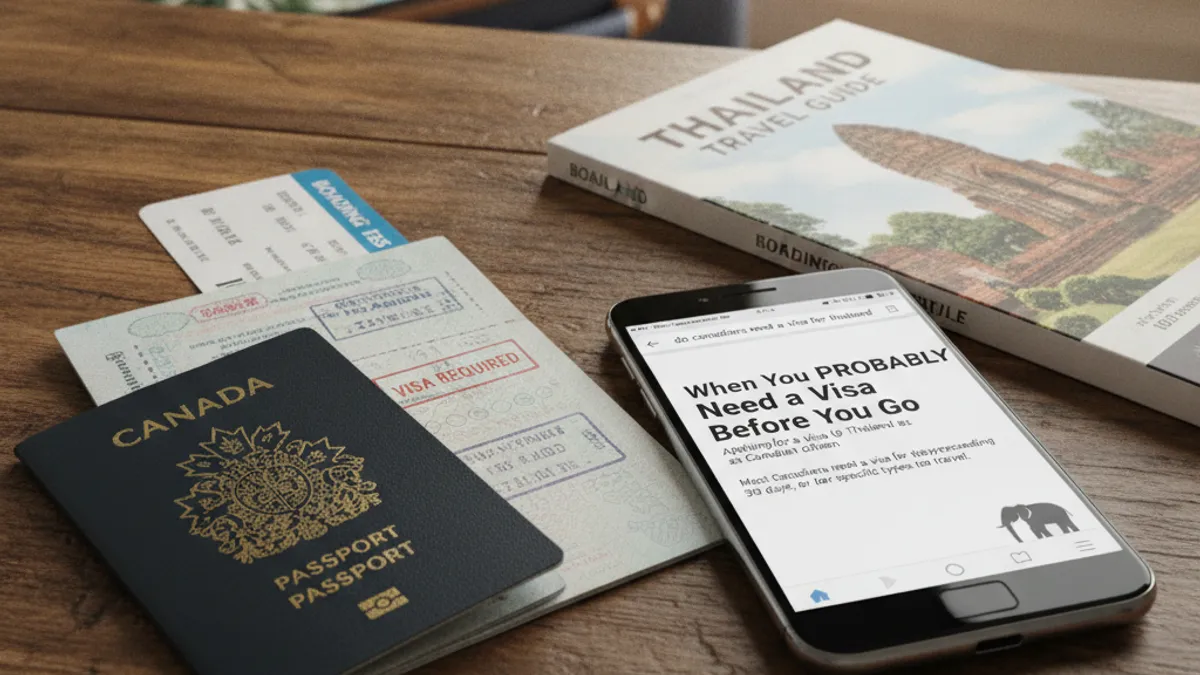
If your travel plans aren't a straightforward, short-term vacation, then it's highly likely you'll need to apply for the correct visa before you even set foot on a plane. Trying to enter Thailand for purposes outside of typical tourism without the right visa can lead to denial of entry, significant delays, or even fines. Understanding these requirements upfront is critical for a smooth and stress-free trip.
Longer Stays: Beyond the Exemption Period
The primary reason many Canadians need a visa is simply the duration of their intended stay. The standard visa exemption for tourists typically covers 30 days. If your plans involve staying in Thailand for longer than this period, whether it's two months, six months, or even a year, you will need to apply for an appropriate long-term visa such as a tourist visa extension or a non-immigrant visa. Entering under the exemption and then trying to extend it indefinitely isn't a viable strategy for extended stays.
Specific Purposes: Work, Study, and More
Thailand has different visa categories for various activities beyond simple tourism. If you plan to work, you'll need a Non-Immigrant B visa (Business/Work) along with a work permit once you're in Thailand. Those looking to pursue academic studies will require a Non-Immigrant ED visa (Education). Similarly, there are specific visas for individuals intending to retire in Thailand, join family members already residing there, or engage in other long-term activities.
These visas must generally be applied for at a Royal Thai Embassy or Consulate before your departure from Canada.
Your Step-by-Step Guide to Thailand Entry
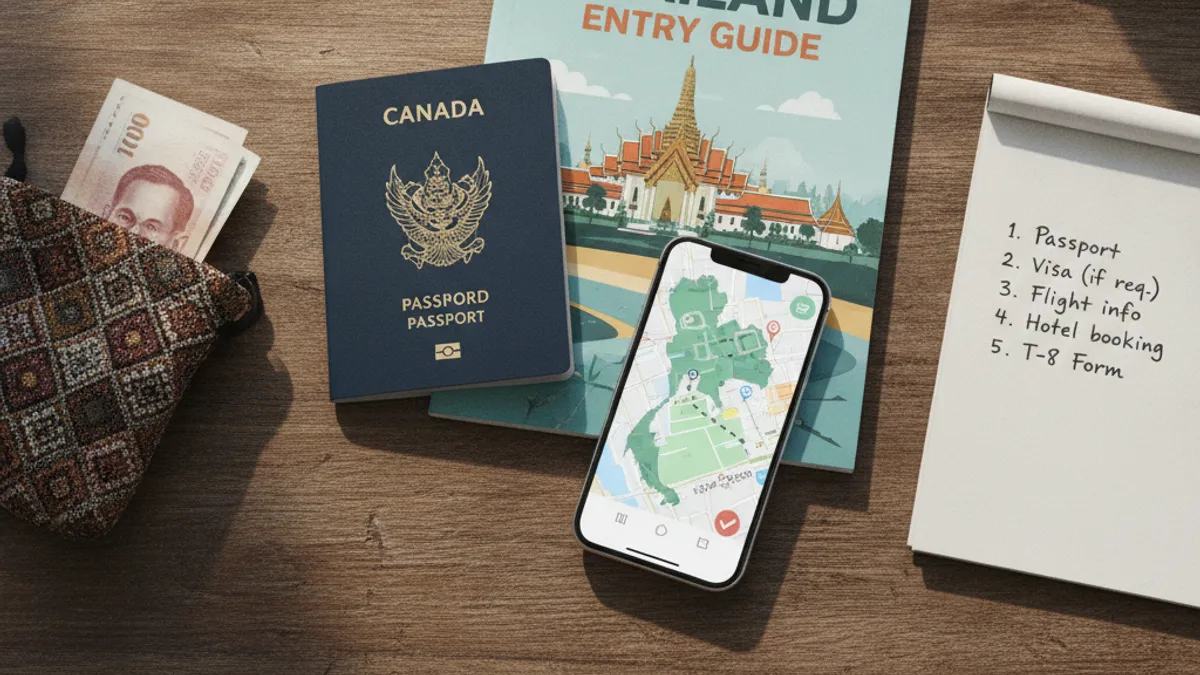
Navigating visa requirements can feel a bit complex, but breaking it down into manageable steps makes it much more straightforward. Here’s a practical approach to ensure you have everything in order before your trip to Thailand, whether you need a visa or not. Think of this as your personal checklist to avoid any last-minute surprises at immigration.
Step 1: Assess Your Trip Details (Length & Purpose)
The very first thing you need to do is nail down the specifics of your trip. How many days will you be in Thailand? Are you going purely for sightseeing and relaxation, or do you have other intentions like studying at a local university, starting a job, or visiting family long-term? This initial assessment is the most critical step, as it directly dictates whether you'll fall under the visa exemption or a visa requirement.
Be honest and thorough here; guessing can lead to significant problems.
Step 2: Check the Royal Thai Embassy in Canada
For the most accurate and up-to-date information tailored to Canadian citizens, your primary resource should be the official channels. The Royal Thai Embassy in Ottawa, or the nearest Consulate General, is the definitive source for visa regulations and entry requirements. Their official website will detail current visa policies, including any changes to visa exemption periods or application procedures. This is far more reliable than relying on anecdotal advice or outdated travel forums.
Step 3: Gather Required Documents (Passport, etc.)
Once you've determined your entry status (exempt or visa-required), you need to prepare your documentation. For visa exemption, essential items include your Canadian passport, which must have at least six months of validity remaining from your planned entry date. You should also have confirmed proof of onward travel, this is often an airline ticket showing your departure from Thailand within the visa exemption period. If you are applying for a visa, there will be a more extensive list of required documents, which will be detailed on the embassy's website.
Step 4: Apply for a Visa (If Necessary)
If your assessment in Step 1 and information from Step 2 indicates you need a visa, it's time to act. Do not wait until the last minute; visa application processing times can vary. You'll typically need to download the correct application form from the Royal Thai Embassy's website, fill it out completely and accurately, and then gather all supporting documents. These might include passport photos, proof of funds, and potentially invitation letters depending on the visa type.
You'll then submit your application either in person at the embassy or consulate, or by mail, following their specific instructions.
Common Mistakes Canadians Make About Thailand Visas
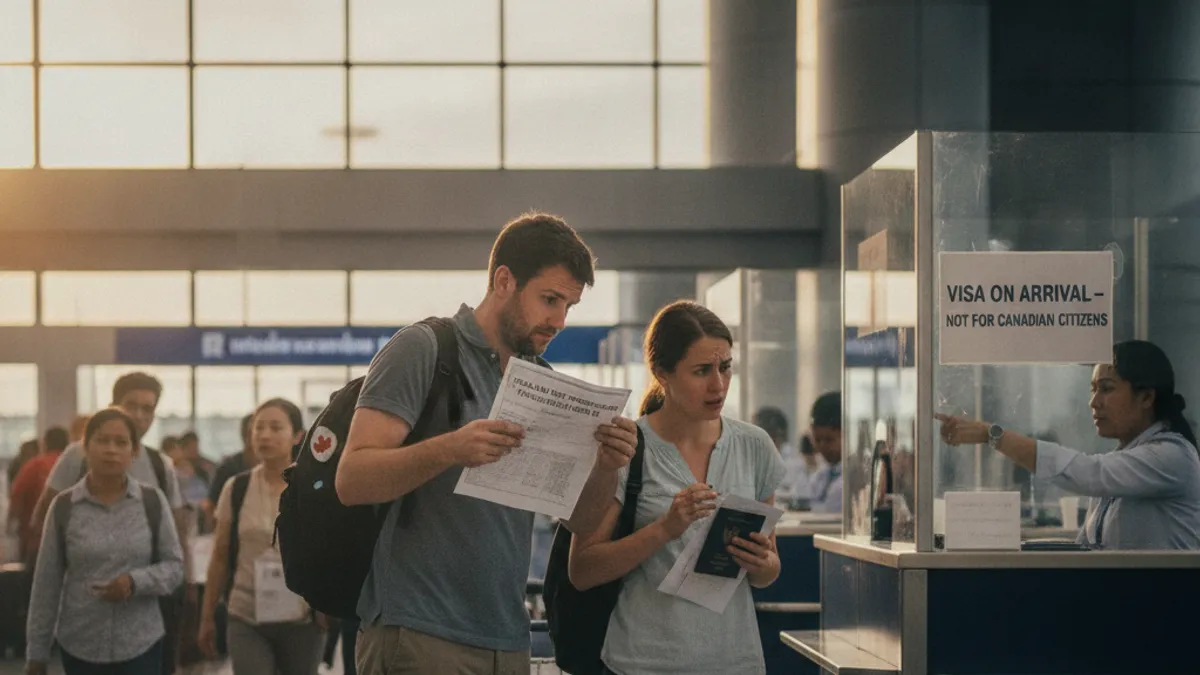
Many travelers, Canadians included, run into trouble with Thailand's visa rules simply because they overlook key details or make assumptions. One of the most frequent errors is assuming that the visa exemption period is indefinite or easily extendable without proper procedures. Another is not checking the current regulations, which can change without much notice. Many also underestimate the importance of having proof of onward travel when trying to enter under the exemption.
A significant pitfall is arriving for purposes other than tourism, like starting a job or enrolling in a long-term course, on a tourist stamp. This is a direct violation of visa terms and can lead to serious consequences, including deportation and bans from re-entry. Finally, people often leave visa applications until just days before departure, not realizing that processing can take several weeks, especially if more complex documentation is needed. It’s about being prepared and respecting the immigration laws of Thailand.
When You PROBABLY Need a Visa Before You Go

If your travel plans aren't a straightforward, short-term vacation, then it's highly likely you'll need to apply for the correct visa before you even set foot on a plane. Trying to enter Thailand for purposes outside of typical tourism without the right visa can lead to denial of entry, significant delays, or even fines. Understanding these requirements upfront is critical for a smooth and stress-free trip.
Longer Stays: Beyond the Exemption Period
The primary reason many Canadians need a visa is simply the duration of their intended stay. The standard visa exemption for tourists typically covers 30 days. If your plans involve staying in Thailand for longer than this period, whether it's two months, six months, or even a year, you will need to apply for an appropriate long-term visa such as a tourist visa extension or a non-immigrant visa. Entering under the exemption and then trying to extend it indefinitely isn't a viable strategy for extended stays.
Specific Purposes: Work, Study, and More
Thailand has different visa categories for various activities beyond simple tourism. If you plan to work, you'll need a Non-Immigrant B visa (Business/Work) along with a work permit once you're in Thailand. Those looking to pursue academic studies will require a Non-Immigrant ED visa (Education). Similarly, there are specific visas for individuals intending to retire in Thailand, join family members already residing there, or engage in other long-term activities.
These visas must generally be applied for at a Royal Thai Embassy or Consulate before your departure from Canada.
Your Step-by-Step Guide to Thailand Entry

Navigating visa requirements can feel a bit complex, but breaking it down into manageable steps makes it much more straightforward. Here’s a practical approach to ensure you have everything in order before your trip to Thailand, whether you need a visa or not. Think of this as your personal checklist to avoid any last-minute surprises at immigration.
Step 1: Assess Your Trip Details (Length & Purpose)
The very first thing you need to do is nail down the specifics of your trip. How many days will you be in Thailand? Are you going purely for sightseeing and relaxation, or do you have other intentions like studying at a local university, starting a job, or visiting family long-term? This initial assessment is the most critical step, as it directly dictates whether you'll fall under the visa exemption or a visa requirement.
Be honest and thorough here; guessing can lead to significant problems.
Step 2: Check the Royal Thai Embassy in Canada
For the most accurate and up-to-date information tailored to Canadian citizens, your primary resource should be the official channels. The Royal Thai Embassy in Ottawa, or the nearest Consulate General, is the definitive source for visa regulations and entry requirements. Their official website will detail current visa policies, including any changes to visa exemption periods or application procedures. This is far more reliable than relying on anecdotal advice or outdated travel forums.
Step 3: Gather Required Documents (Passport, etc.)
Once you've determined your entry status (exempt or visa-required), you need to prepare your documentation. For visa exemption, essential items include your Canadian passport, which must have at least six months of validity remaining from your planned entry date. You should also have confirmed proof of onward travel, this is often an airline ticket showing your departure from Thailand within the visa exemption period. If you are applying for a visa, there will be a more extensive list of required documents, which will be detailed on the embassy's website.
Step 4: Apply for a Visa (If Necessary)
If your assessment in Step 1 and information from Step 2 indicates you need a visa, it's time to act. Do not wait until the last minute; visa application processing times can vary. You'll typically need to download the correct application form from the Royal Thai Embassy's website, fill it out completely and accurately, and then gather all supporting documents. These might include passport photos, proof of funds, and potentially invitation letters depending on the visa type.
You'll then submit your application either in person at the embassy or consulate, or by mail, following their specific instructions.
Essential Info: Passport Validity and Entry Limits
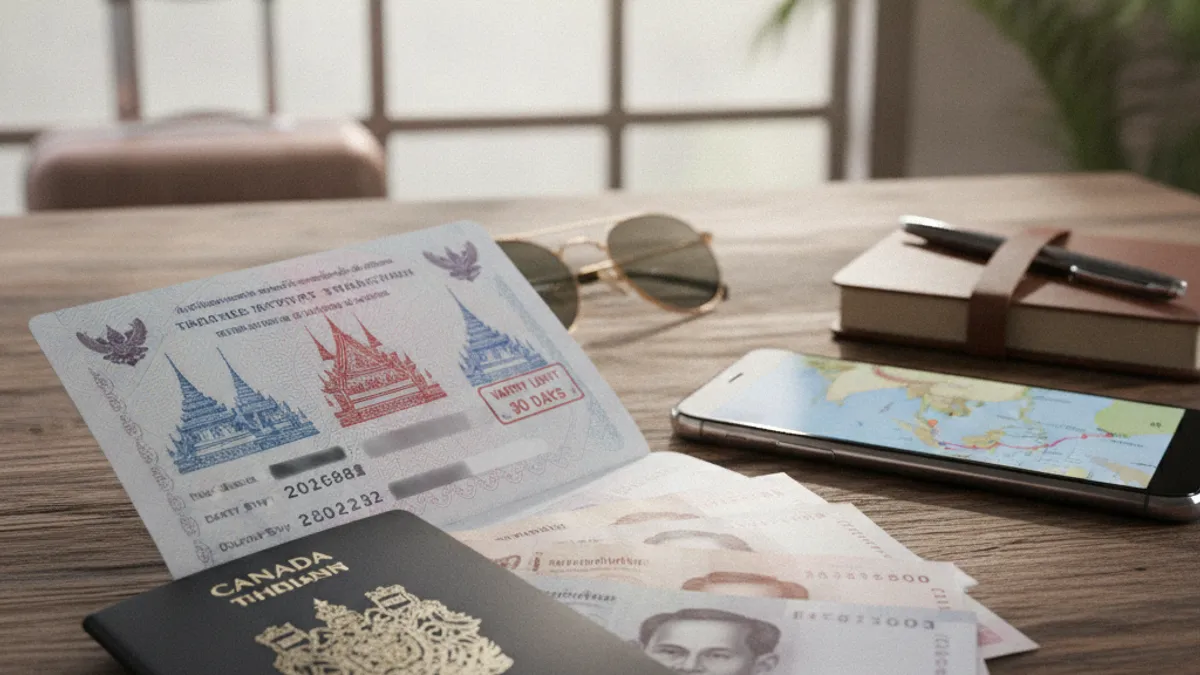
When planning your international travel, especially to countries like Thailand, understanding passport validity rules is paramount. For Canadians entering Thailand under the visa exemption, your passport must remain valid for a minimum of six months from your date of entry. This isn't just a suggestion; it's a strict requirement. A passport nearing its expiration date, even if valid on your departure from Canada, might still be problematic if it won't cover the full six months ahead from your arrival in Thailand.
Always check your passport's expiry date well in advance.
Beyond just the passport's validity, there are also limits on how frequently you can use the visa exemption. Regulations can vary, but typically, there's a limit on the number of times you can enter Thailand using the visa exemption within a certain period, particularly if you are arriving by land. For instance, you might be allowed a certain number of visa-exempt entries per calendar year or within a six-month span. Exceeding these limits will necessitate obtaining a visa beforehand.
These rules are in place to distinguish genuine tourists from those who may be attempting to live in Thailand long-term without the proper immigration status.
Who Needs to Be Extra Careful? Specific Situations

While most Canadian tourists won't face visa hurdles for short stays, certain situations require extra vigilance and proactive planning regarding Thai visas. This includes frequent travelers who might be approaching limits on visa-exempt entries, individuals with past immigration issues in any country, or those planning non-standard activities. Being proactive at this stage can save you significant stress and potential travel disruption.
Frequent Visitors and Entry Limits
If you're someone who loves Thailand and visits frequently, you need to be aware of re-entry limits on the visa exemption. While it's typically for 30 days, you usually can't just hop in and out of the country every few weeks using the exemption. Our research indicates that regulations often restrict visa-exempt entries to a certain number within a specific timeframe, particularly when arriving via land borders. For instance, arriving by land might allow for fewer consecutive visa-exempt entries compared to flying in.
This is to ensure the exemption serves genuine tourists, not those trying to live in Thailand without a proper visa.
Non-Tourist Activities and Their Visa Needs
The visa exemption is strictly for tourism. If your purpose for visiting Thailand isn't sightseeing, relaxation, or visiting friends, you'll need a specific visa. This applies to anyone planning to work, even on a volunteer basis if it involves regular duties. Similarly, studying, attending workshops, investment, or medical treatment (beyond short-term emergencies) typically require their own category of visa.
Trying to enter on a tourist stamp for these activities is a clear violation of immigration law and will likely result in denial of entry or immediate deportation.
Entering with Specific Relationships
For Canadians planning to join family members already living in Thailand, the pathway isn't usually the tourist exemption. If you're moving to live with a spouse who is a Thai national or a foreign resident with long-term status, you'll likely need a Non-Immigrant O visa (dependent family). The requirements for this visa are more extensive, often needing proof of relationship, financial stability, and the Thai resident's status. It’s crucial to apply for this type of visa through the embassy before your departure.
Expert Tips for a Smooth Entry into Thailand

Securing a smooth entry into Thailand as a Canadian traveler comes down to meticulous preparation and understanding the nuances of their immigration policies. Beyond the basics of passport validity and visa requirements, a few expert insights can significantly ease your journey. Paying attention to these details can prevent unexpected hiccups at the immigration counter and ensure your trip starts on the right foot.
Double-Check Regulations Before You Book
The most critical tip we can offer is to always verify the latest entry requirements directly from the official source shortly before booking flights or making travel arrangements. Visa policies and exemption durations can change, sometimes with little notice. Relying on outdated information from travel blogs or even previous personal experiences can lead to significant problems. The official website of the Royal Thai Embassy or the Consulate General in Canada should be your go-to reference as of 2026.
Keep Digital Copies of Essential Documents
In addition to carrying physical copies of your passport, visa (if applicable), and onward travel tickets, it's wise to have digital backups. Scan your passport's main page and any visa pages, save your flight confirmations, and even a digital copy of your travel insurance. Storing these securely in cloud storage or emailing them to yourself provides quick access if your physical documents are lost or stolen. This can be a lifesaver when dealing with immigration or emergency situations.
Understand "Visa Run" Limitations
Some travelers attempt to extend their stay by making short "visa runs" to neighboring countries and then re-entering Thailand. While this might have worked in the past, Thai immigration authorities are increasingly scrutinizing such practices. Consistently using visa exemptions or short-term tourist visas through frequent border crossings, especially by land, can flag you as someone potentially overstaying or attempting to reside long-term without the correct visa. This can lead to refusal of re-entry, even if you were previously allowed in.
For extended stays, a proper visa is always the recommended and lawful route.