
So, you're wondering if you, as an Aussie, need a visa to pop over to the USA? It’s a super common question, and honestly, it's not a straightforward "yes" or "no." It really boils down to why you're going and for how long.
Thank you for reading this post, don't forget to subscribe!Think of it like this: the US government has different rules for different kinds of visits. For a quick tourist trip or a business visit that doesn't involve getting paid by a US company, there's usually an easier way than a full-blown visa. For instance, if you're planning a trip under the Visa Waiver Program, you'll need to get an ESTA authorization, which is typically valid for two years or until your passport expires, whichever comes first, as of 2026.
Do Australians Need a Visa for the USA? The Quick Answer
No, most Australians do not need a traditional visa for short tourist or business trips to the United States. Instead, they can travel visa-free under the Visa Waiver Program (VWP) by obtaining an Electronic System for Travel Authorization (ESTA). This system streamlines entry for eligible visitors planning stays of 90 days or less.
Navigating US Entry: Visa Waiver Program vs. Full Visa
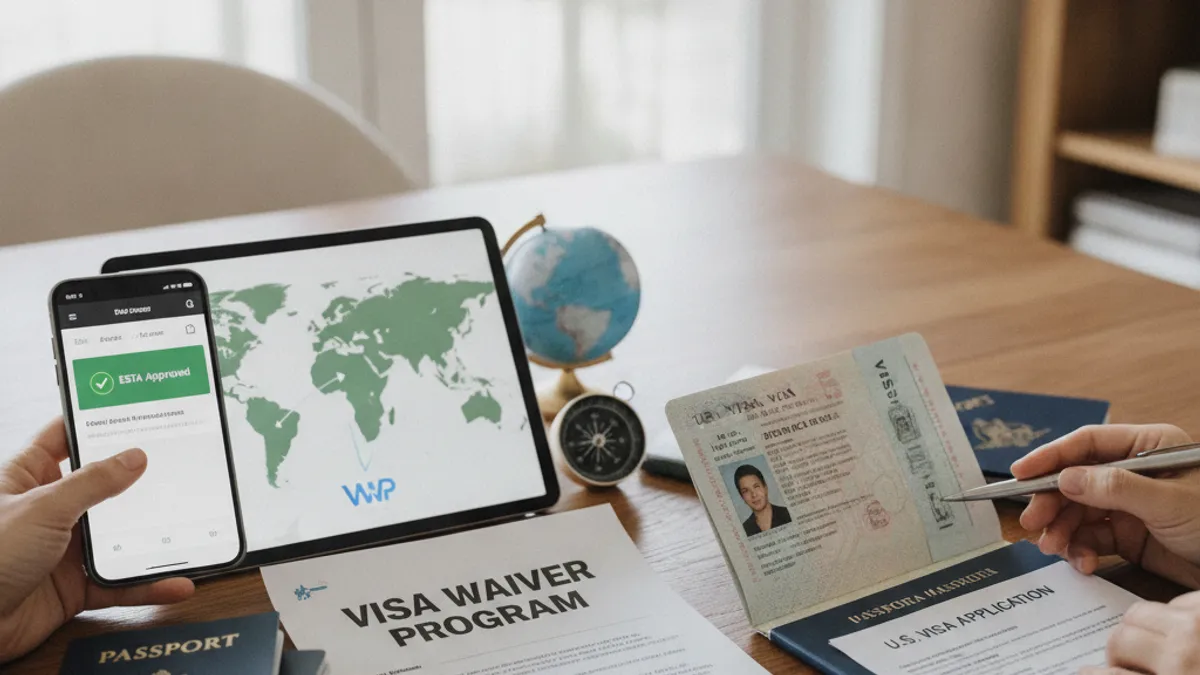
When planning a trip to the United States from Australia, understanding your entry requirements is key to a smooth journey. The primary distinction lies between traveling visa-free under the Visa Waiver Program (VWP) and needing to apply for a formal US visa. The VWP allows citizens from certain countries, including Australia, to enter the US for tourism or business for up to 90 days at a time without obtaining a visa. However, eligibility for the VWP depends on several factors and requires pre-travel authorization through the ESTA system.
If you don't meet the VWP criteria or plan to stay longer than 90 days, you'll need to go through the more rigorous process of applying for a specific US visa.
How the Visa Waiver Program (VWP) and ESTA Work
The Visa Waiver Program (VWP) is a government initiative that allows citizens of designated countries to travel to the United States for tourism or business purposes for up to 90 days at a time without obtaining a visa. Australia is one of these designated countries. However, to use the VWP, travelers must obtain an Electronic System for Travel Authorization (ESTA) approval before boarding their flight or vessel. ESTA is not a visa; it's an automated electronic system that determines eligibility to travel under the VWP and checks for potential security risks.
The application is done online and is designed to be a quick screening process.
Who Qualifies for the VWP and ESTA?
To qualify for the Visa Waiver Program and subsequently apply for ESTA, you must meet several criteria. This ensures that only individuals with a legitimate purpose for short-term travel and no significant security concerns are permitted entry without a traditional visa. Successful applicants typically hold a valid Australian passport and have no history of visa violations or criminal activity that would disqualify them.
- Passport Requirements: You must possess a valid Australian passport issued by the government of Australia. It needs to be a standard e-passport with an electronic chip.
- Purpose of Travel: Your trip must be for tourism or business. This means attending meetings, conferences, or sightseeing. It specifically excludes any form of paid employment or study within the U.S.
- Duration of Stay: The intended stay in the United States cannot exceed 90 days. This limit is strictly enforced.
- Previous Travel History: If you have previously overstayed a visa, been denied entry to the U.S., or had a visa application rejected, you may be ineligible for the VWP and will need a formal visa.
- Dual Nationality: Individuals holding dual nationality with certain countries may also be ineligible for ESTA and may need to apply for a visa. This is a critical stipulation to check.
If even one of these conditions isn't met, you cannot use the VWP and will require a formal visa.
The ESTA Application: Your First Step
Applying for ESTA is the crucial first step for most Australians planning short trips to the U.S. It’s an online process, so you can do it from home. The official application is available on the U.S. Customs and Border Protection website.
When you apply, you'll be asked a series of questions about your personal information, passport details, and travel plans. These questions are designed to assess your eligibility and identify any potential security risks.
It's vital to apply at least 72 hours before your scheduled departure to ensure you have your authorization well in advance. While most applications are approved within minutes, processing can sometimes take longer. If approved, your ESTA authorization is generally valid for two years, allowing multiple entries into the U.S. as long as your passport remains valid and you adhere to the VWP's terms.
When You Definitely Need a US Visa
There are specific circumstances where an ESTA will not suffice, and you must obtain a formal US visa before traveling. The Visa Waiver Program is designed for short, specific purposes, and deviating from these conditions means you need a different entry authorization. If your travel plans fall outside the VWP's scope, you must apply for the appropriate visa category at a U.S. embassy or consulate well in advance of your intended departure date.
Here are the primary situations that necessitate a full US visa application:
- Staying for More Than 90 Days: If your planned trip to the United States is for longer than three months, you are automatically ineligible for the Visa Waiver Program. You will need to apply for a B-1 (business) or B-2 (tourism) visa, depending on your purpose.
- Engaging in Employment: Any intention to work in the United States, even for a short contract or project, requires a specific work visa, such as an H-1B visa for specialized occupations. ESTA does not permit any form of employment.
- Pursuing Education: If your goal is to study at a U.S. educational institution, you must obtain a student visa, like an F-1 visa. The VWP is not for academic pursuits.
- Past Immigration Issues: If you have previously been denied entry to the U.S., had a visa refused or revoked, or have a history of immigration violations in any country, you will likely be disqualified from the VWP and need to apply for a visa. This also applies if you have been arrested for certain crimes.
- Specific Travel Purposes: Certain types of travel not covered under tourism or general business, such as participating in exchange programs or visiting as a journalist, may require specific visa categories.
If any of these apply to you, begin the visa application process immediately. It can be lengthy and requires careful attention to detail.
Do You Need a Visa? A Decision Guide for Australian Travelers
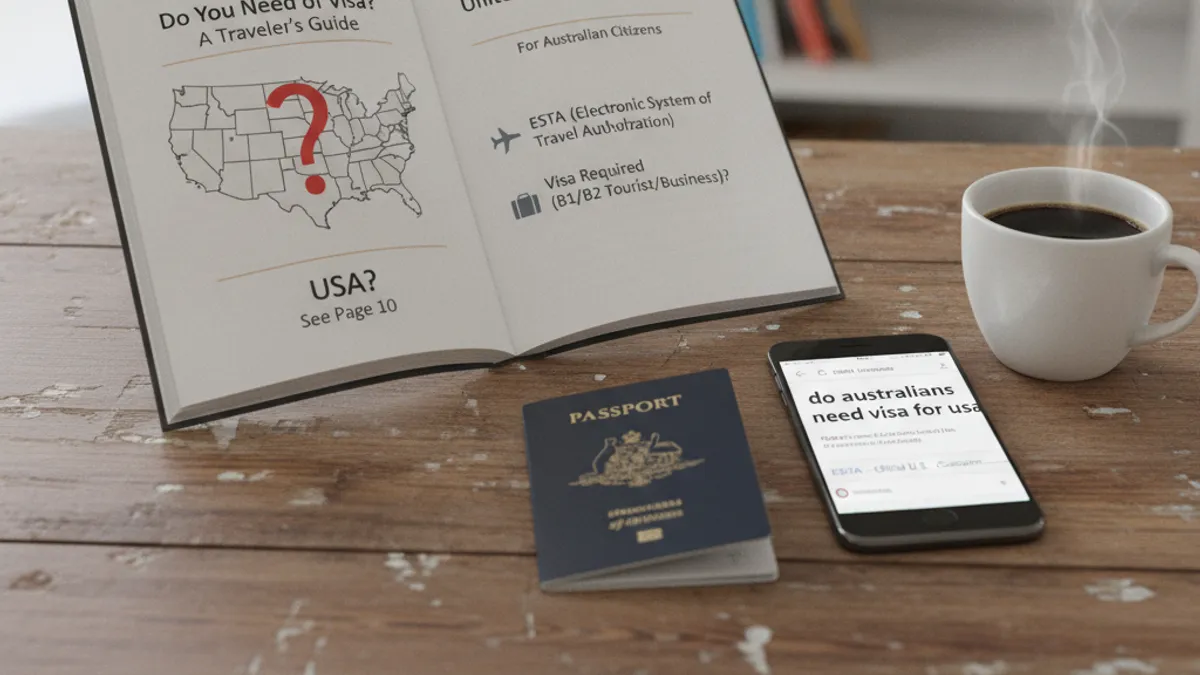
Figuring out whether you need a full visa or can use the ESTA system comes down to a few key questions about your trip. Think of this as a quick checklist to steer you in the right direction. Based on official U.S. government guidelines, your travel purpose and the duration of your stay are the primary deciding factors.
Scenario 1: Short Tourist or Business Trip (Under 90 Days)
If you're an Australian citizen planning a visit that's primarily for tourism or short-term business, and you intend to stay for 90 days or less, you will likely qualify for the Visa Waiver Program. This means you won't need a traditional US visa. However, you must obtain an approved Electronic System for Travel Authorization (ESTA) before you travel. This application verifies your eligibility and is a mandatory requirement for VWP travelers.
It's crucial to apply for ESTA at least 72 hours before your flight. If approved, your ESTA is generally valid for two years, allowing multiple entries under the VWP. Remember, this is strictly for non-immigrant purposes; you cannot work or study using ESTA.
Scenario 2: Longer Stays or Specific Purposes (Work, Study)
If your plans involve staying in the United States for more than 90 days, or if your reason for visiting isn't strictly for tourism or short business meetings (like working, studying, attending a long-term conference, or participating in paid activities), then you will need to apply for a formal US visa. ESTA is not an option in these cases. You'll need to determine the correct visa category that matches your specific purpose of travel. This process typically involves submitting a detailed online application form, paying a fee, and attending an interview at a U.S. embassy or consulate.
It's advisable to start this visa application process well in advance, as it can take several weeks or even months to complete.
Key Differences: ESTA vs. Full US Visa
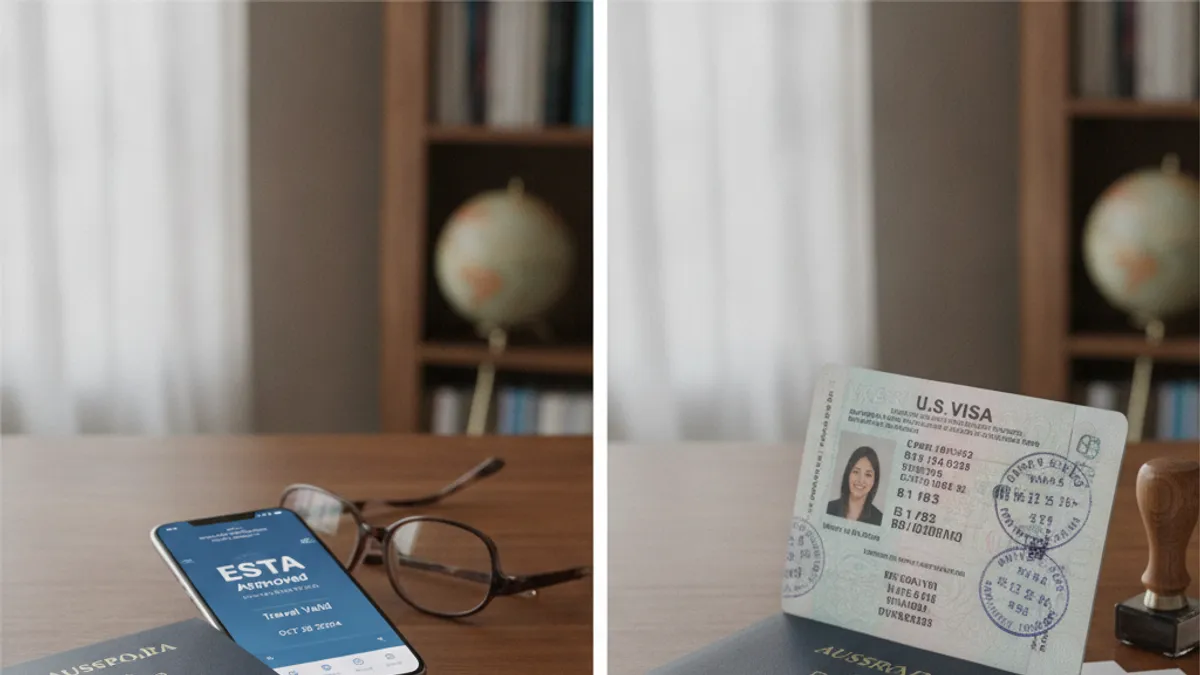
Understanding the distinction between ESTA and a full US visa is critical for avoiding travel disruptions. ESTA is a streamlined electronic authorization for short-term stays under the Visa Waiver Program, while a visa is a formal document stamped into your passport, granting entry for longer periods or specific purposes.
| Feature | ESTA (Visa Waiver Program) | Full US Visa (e.g., B-1/B-2, H-1B, F-1) |
|---|---|---|
| Who It's For | Citizens of VWP countries (like Australia) for tourism/business, staying ≤ 90 days. | Anyone not eligible for VWP, or for purposes beyond VWP limits (work, study, long stays). |
| Application Process | Online application, typically fast approval. | Online application (DS-160), fee, interview at embassy/consulate. |
| Duration | Up to 90 days per entry, authorization valid for 2 years. | Varies by visa type; can be months to years, often with specific conditions. |
| Purpose | Tourism, short business meetings, transit. | Work, study, long-term visits, specific employment, exchange programs. |
| Requirement | Mandatory for VWP travelers before boarding. | Required for most other travel types. |
| Interview | Not required. | Generally required, though exceptions exist for some renewals. |
| Cost | Small processing fee per application. | Varies by visa type; often higher than ESTA fee. |
Essentially, ESTA is a shortcut for eligible travelers with brief visit plans. If your trip falls outside these parameters, the visa process is necessary to ensure you meet all U.S. immigration requirements.
Common Mistakes Aussies Make When Planning US Travel

Many Aussies planning a trip to the U.S. run into common issues that can cause serious travel headaches. Often, these hinge on misunderstanding the ESTA process or assuming that eligibility for the Visa Waiver Program means automatic entry. Forgetting to apply for ESTA before the 72-hour deadline is a frequent oversight, leading to frantic last-minute applications or even missed flights. Another significant pitfall is applying through unofficial websites that look legitimate but charge exorbitant fees or are outright scams.
One of the most costly mistakes happens when travelers believe they can simply "wing it" with their intent for a short visit. For instance, someone might intend to visit family for a month but then decide to take up a short-term job offer they receive while there. This is a direct violation of VWP terms and can lead to immediate removal, future travel bans, and permanent ineligibility for the VWP. Always be upfront and honest in your application, and if your plans change to involve work or longer stays, you must apply for the correct visa.
Essential Steps: Applying for ESTA and Visas
Navigating the application processes for both ESTA and a full US visa requires careful attention to detail. Each has distinct requirements and timelines. Successfully completing these steps is your gateway to entering the United States without issues.
Applying for ESTA
The ESTA application is designed for simplicity and speed. You can complete it entirely online.
- Visit the Official Website: Go to the official U.S. Customs and Border Protection (CBP) ESTA website. Be wary of unofficial sites that might charge extra fees.
- Fill Out the Application: You'll need your passport details, including passport number, issue date, and expiration date. You also need to answer biographical questions and provide travel information, such as your intended U.S. destination and contact information.
- Answer Eligibility Questions: You'll be asked a series of yes/no questions related to your background, such as criminal history, previous visa denials, and intent to work. Honesty is crucial here.
- Submit and Pay: There is a small processing fee for ESTA applications, payable by credit card.
- Check Your Status: Once submitted, you’ll receive a status update, approved, not approved, or pending. It’s recommended to check your status regularly.
- Print and Save: While not always required to present at check-in, it's wise to print a copy of your ESTA approval for your records.
Remember, ESTA approval does not guarantee entry; a CBP officer at the port of entry makes the final decision.
Applying for a US Visa
If you need a full visa, the process is more involved and requires more time.
- Determine Visa Type: Identify the correct visa category based on your purpose of travel. This could be a B-1 for business, B-2 for tourism, or other specific visas like F-1 (student) or H-1B (specialty occupation work). You can find detailed information on the U.S. Department of State website.
- Complete the DS-160 Form: This is the online nonimmigrant visa application form. It's lengthy and requires detailed personal, travel, and background information. You'll need to upload a recent digital photograph that meets specific U.S. visa photo requirements.
- Pay the Visa Application Fee: A non-refundable visa application fee (MRV fee) must be paid before you can schedule an interview. The cost varies by visa type.
- Schedule an Interview: Most applicants must attend an in-person interview at a U.S. embassy or consulate in your country. Wait times for appointments can vary significantly depending on location and demand.
- Attend the Interview: Bring all required documents, including your passport, DS-160 confirmation page, fee receipt, and any supporting documents (e.g., proof of ties to Australia, financial statements, employment letters). Be prepared to answer questions about your trip and intentions clearly and truthfully.
- Visa Approval/Denial: If approved, your passport will be held for visa stamping and returned to you. If denied, you'll be informed of the reasons.
The entire visa process can take several weeks to months, so planning is absolutely essential.
What Happens If Your ESTA Is Denied?
If your ESTA application is denied, it usually means you are no longer eligible to travel to the U.S. under the Visa Waiver Program. This is a critical moment, as it redirects your travel plans entirely. It doesn't automatically mean you can't visit the U.S., but it does mean you must pursue a different entry route.
The denial typically occurs because you failed to meet one or more of the VWP eligibility requirements. Your responses to the application questions may have indicated a security risk, a history of immigration violations, or simply that your intended purpose or duration of stay doesn't align with VWP rules. If your ESTA is denied, your next step is to apply for a U.S. visa. This will involve following the more comprehensive application process outlined previously, including the DS-160 form and an interview at a U.S. embassy or consulate.
Be prepared to explain the circumstances that led to your ESTA denial during your visa interview.
Important Travel Compliance for Australians Heading to the USA

Beyond the ESTA or visa itself, there are several important compliance aspects for Australians traveling to the U.S. These relate to what you can bring, what you can do once you arrive, and how long you can legally stay. Adhering to these rules helps ensure a smooth and lawful visit.
- Declaration of Goods: You must declare all goods you bring into the U.S. Certain items are prohibited or restricted, such as fresh fruits, vegetables, meats, and large amounts of currency. Failure to declare can result in confiscation, fines, or penalties.
- Customs and Border Protection (CBP): Upon arrival, you will be processed by CBP officers. They have the authority to question you about your trip, examine your belongings, and make the final decision on your admissibility into the country, even if you have an ESTA or visa.
- Adherence to Stay Limits: It is critical to respect the duration of stay granted by CBP at the point of entry. Overstaying your authorized period can lead to serious consequences, including deportation, future visa denials, and a ban from re-entering the U.S.
- Prohibited Activities: As mentioned, working or studying on a VWP entry or a tourist/business visa is illegal. Engaging in such activities can lead to immediate detention and removal.
Staying informed about these compliance measures is part of responsible international travel, ensuring you meet U.S. immigration and customs regulations.
Where to Find Official U.S. Entry Information
When sorting out your travel to the United States, always rely on official sources for the most accurate and up-to-date information. Government websites are your best friend here, as policies and requirements can change. These sites provide direct guidance from the agencies responsible for entry and immigration.
- U.S. Department of State: This is your primary resource for all visa-related information. You can find details on different visa types, application instructions, and embassy contact information.
- U.S. Customs and Border Protection (CBP): For everything related to ESTA, entry procedures at the border, and customs regulations, the CBP website is the authority. It hosts the official ESTA application portal.
- U.S. Embassy & Consulates in Australia: For specific guidance relevant to Australians, including visa interview scheduling and local procedures, the website of the U.S. Embassy and Consulates in Australia is invaluable.
Relying on these official platforms ensures you have the correct, verified information, helping you avoid misinformation that could jeopardize your travel plans.