
When planning a trip to Singapore, understanding the visa requirements is crucial, especially for citizens of Bangladesh. The question "do Bangladesh need visa for singapore" often brings up a complex answer that hinges on your specific travel plans and intentions. It's not a one-size-fits-all situation.
Thank you for reading this post, don't forget to subscribe!As of 2026, the general guideline from the Immigration & Checkpoints Authority (ICA) of Singapore indicates that visa-free entry is not standard for Bangladesh passport holders for most visit durations. You'll typically need to apply for a specific pass, often a Short-Term Visit Pass, to enter for tourism or visiting family. This pass usually allows a stay of up to 30 days, but confirming the exact validity upon application is essential.
Quick Answer: It Depends on Your Visit's Purpose
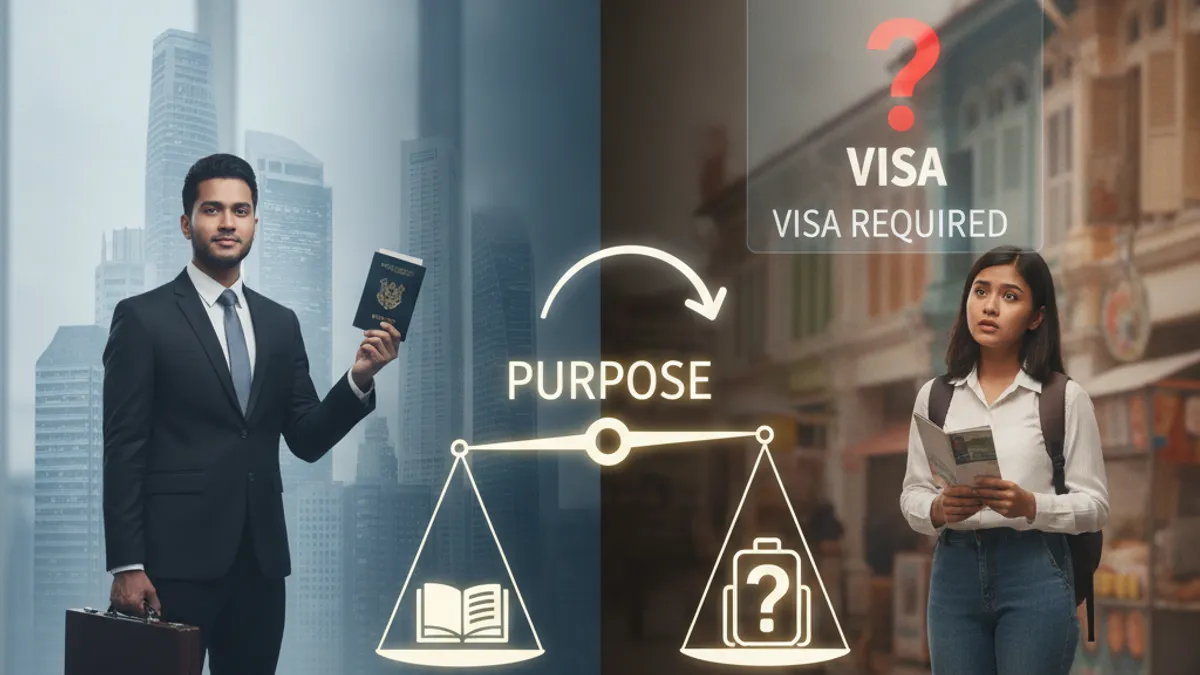
If you're a citizen of Bangladesh wondering about a visa for Singapore, the most direct answer is: probably, yes, but it depends entirely on why you're going and how long you plan to stay. Singapore has clear rules for different types of visits, and not having the correct documentation can lead to serious problems.
This decision-making process can feel a bit like a workflow. You start with your reason for travel, and that leads you down different paths regarding the type of pass you might need, if any. It’s less about a simple yes or no and more about matching your situation to Singapore's immigration framework.
Singapore Visa Requirements: The Basics for Bangladesh Citizens
For citizens of Bangladesh, entering Singapore generally requires obtaining a visa or a specific entry permit before traveling, unless you fall under very specific, limited exceptions like direct transit. The primary governing body for all immigration matters in Singapore is the Immigration & Checkpoints Authority (ICA). They set the rules for who needs a visa and what type of pass is required for entry.
When we say "visa or pass," it's important to understand the distinction. A visa is often an endorsement in your passport that grants you permission to travel to Singapore. Once you arrive, you are then issued an entry permit, commonly referred to as a Short-Term Visit Pass (STVP) for short stays like tourism, or other specific passes for business or work. For Bangladesh citizens, the STVP is the most common type of pass for non-work-related visits.
Aggregate user reviews and feedback from travel forums consistently highlight the need for pre-approval for most nationalities from Bangladesh seeking entry for purposes other than immediate transit.
Short-Term Visit Pass: Tourism and Family Visits
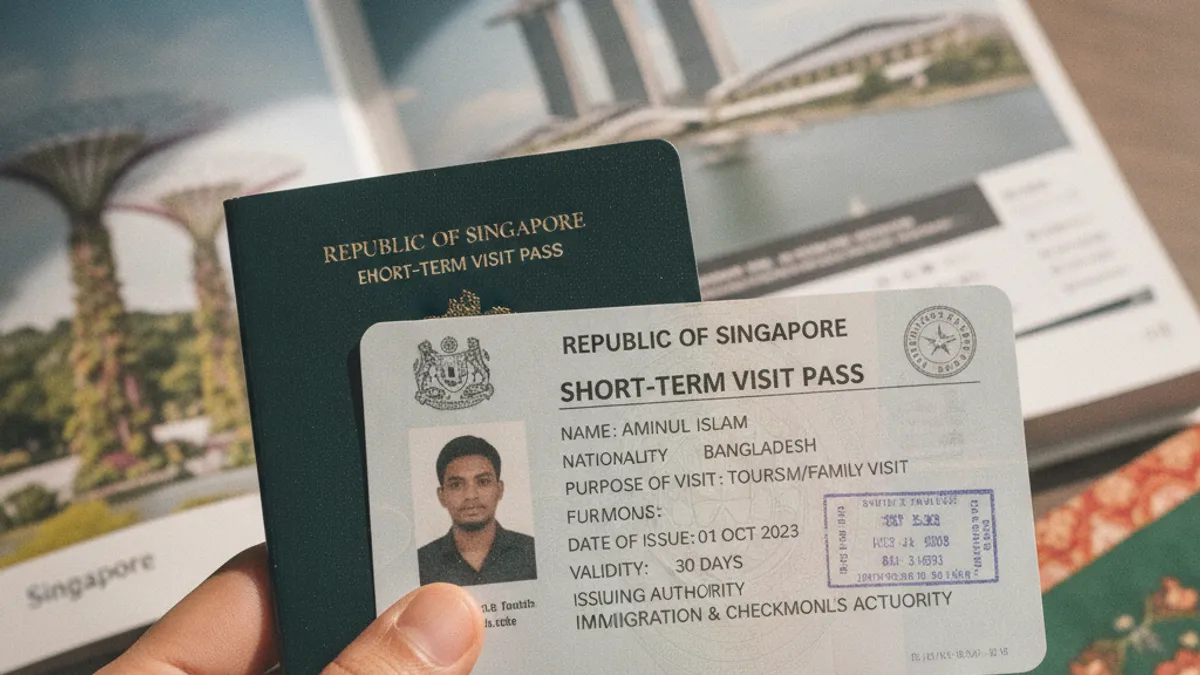
If your trip to Singapore is for tourism, visiting friends or relatives, or for short-term business meetings not involving employment, you will most likely need to apply for a Short-Term Visit Pass (STVP). This is the standard entry permit for most visitors coming for leisure or brief business engagements. The ICA of Singapore typically grants STVPs for a duration of up to 30 days, though the exact number of days granted is at the discretion of the immigration officer upon arrival.
It's crucial to note that merely intending to visit doesn't automatically grant you an STVP. You must meet the entry requirements and satisfy the immigration officer that you have sufficient funds for your stay and intend to leave Singapore before your pass expires. Always check the official ICA website for the most current application procedures and requirements.
Key Considerations for Your STVP Application:
- Purpose of Visit: Clearly state you are visiting for tourism, to see family, or for short-term business meetings.
- Sufficient Funds: You must demonstrate you have enough money to cover your expenses during your stay.
- Intention to Depart: You need to show proof or express a clear intention to leave Singapore by the end of your visit, such as a return flight ticket.
- Valid Documentation: Ensure your passport is valid for at least six months beyond your intended stay in Singapore.
Failure to meet these criteria can result in your application being rejected or your entry being denied at the point of arrival.
Business Visa: For Meetings and Work-Related Trips

For citizens of Bangladesh traveling to Singapore for business purposes, such as attending business meetings, exploring investment opportunities, or conducting negotiations, a specific Business Visa or an appropriate work-related pass is usually necessary. While the Short-Term Visit Pass can sometimes cover very brief business activities, for more involved engagements or if you plan to work even temporarily, a dedicated business pass will be required. The exact type of pass depends heavily on the nature and duration of your business activities.
Singapore's economy thrives on international business, and they have streamlined processes for legitimate business travelers. However, ensuring you have the correct designation is vital. For instance, if your visit involves any form of remunerated employment or providing services that would typically require an Employment Pass, you would need to secure that before traveling. Aggregate user feedback suggests that misclassifying a trip as a simple "business meeting" when it involves substantive work can lead to significant issues upon arrival.
Types of Business-Related Passes:
- Short-Term Visit Pass (Business Purposes): For short, infrequent business trips like attending a conference or a quick meeting.
- Employment Pass (EP): For foreign professionals, managers, and executives working in Singapore. This requires a local employer. (Managed by Ministry of Manpower)
- S Pass: For mid-skilled foreign employees, also tied to a sponsoring employer. (Managed by Ministry of Manpower)
- Work Permit: For semi-skilled or unskilled foreign workers, again requiring an employer. (Managed by Ministry of Manpower)
As of 2026, Singapore's Ministry of Manpower (MOM) outlines detailed eligibility criteria for EPs, S Passes, and Work Permits, which are distinct from the ICA's visa requirements for short stays. It’s essential to determine which pass aligns with your specific business activities and sponsor.
Transit Through Singapore: When You Might Not Need a Visa
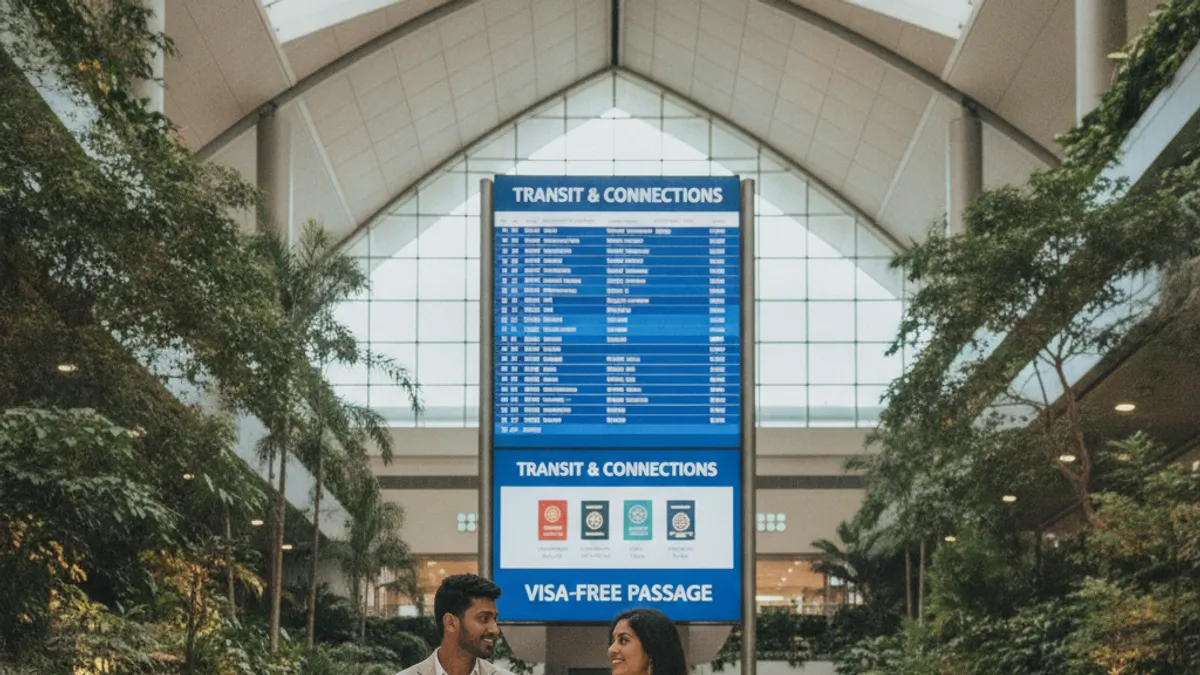
For citizens of Bangladesh, transit through Singapore's Changi Airport generally does not require a visa, provided you meet specific conditions. Singapore is a major hub, and many travelers use it as a stopover point. The key here is "transit"; you must remain within the airport's international transit area and not pass through Singapore immigration.
The ICA of Singapore clarifies that this visa exemption is for individuals whose layover is short enough to catch their connecting flight and who do not intend to leave the designated transit zones. This means you'll be heading from your arrival gate to a departure gate without clearing immigration or collecting your baggage (unless your airline requires it). If your layover exceeds the stipulated times, or if you need to collect and re-check baggage, you might be required to pass through immigration, which would then potentially require a visa or appropriate pass. Always verify the transit time limits and any baggage handling rules with your airline.
Key Factors Determining Your Visa Need
Deciding whether you need a visa for Singapore involves looking at a few specific details about your planned visit. It's like solving a small puzzle where each piece is a critical detail. If any of these elements don't align with the visa-exempt categories, then a visa application becomes your next step.
Our research indicates that three main factors consistently influence the visa requirement for citizens of Bangladesh. These aren't minor points; they're the gatekeepers to your entry into Singapore. Getting these right in your planning phase will save you a lot of potential headaches down the road.
Visit Duration
The length of time you intend to stay in Singapore is one of the most significant factors. Most visa-exempt nationalities are allowed short stays, typically between 14 to 90 days. However, for Bangladesh citizens, the default expectation is that any stay beyond immediate transit will require a pre-approved entry permit, usually the Short-Term Visit Pass, and the duration granted is determined by immigration authorities, often up to 30 days.
If your plans involve a stay longer than what's typically covered by a standard visit pass, you'll definitely need to explore different visa or pass options. For example, securing an Employment Pass for a work assignment could allow a much longer duration, but that's a fundamentally different application process managed by Singapore's Ministry of Manpower.
Purpose of Travel
Beyond just how long you'll be there, why you're going to Singapore is paramount. As we've touched on, Singapore distinguishes between visiting for tourism, attending business meetings, or simply transiting through the airport. Each purpose can lead to different requirements.
For instance, a tourist's application process, even if it involves a visa application, will focus on leisure and accommodation proof. A business traveler's documentation will need to show invitation letters, company details, and proof of business activities. If your intent is unclear or misrepresented, that's a red flag for immigration.
Specific Pass Types
Singapore uses a tiered system of passes, and understanding which one applies to your situation is key. The Short-Term Visit Pass (STVP) is for those visiting for tourism, social visits, or short-term business meetings. If your intentions lean towards employment, even for a limited period, you'll need to look into passes like the Employment Pass, S Pass, or Work Permit, which are governed by different regulations and require sponsorship from a Singapore-based employer.
It's important to differentiate these as they have separate application channels and eligibility criteria. An STVP is typically applied for at immigration upon arrival or through an authorized sponsor, whereas work-related passes require pre-approval through the Ministry of Manpower.
How to Check Your Specific Requirements
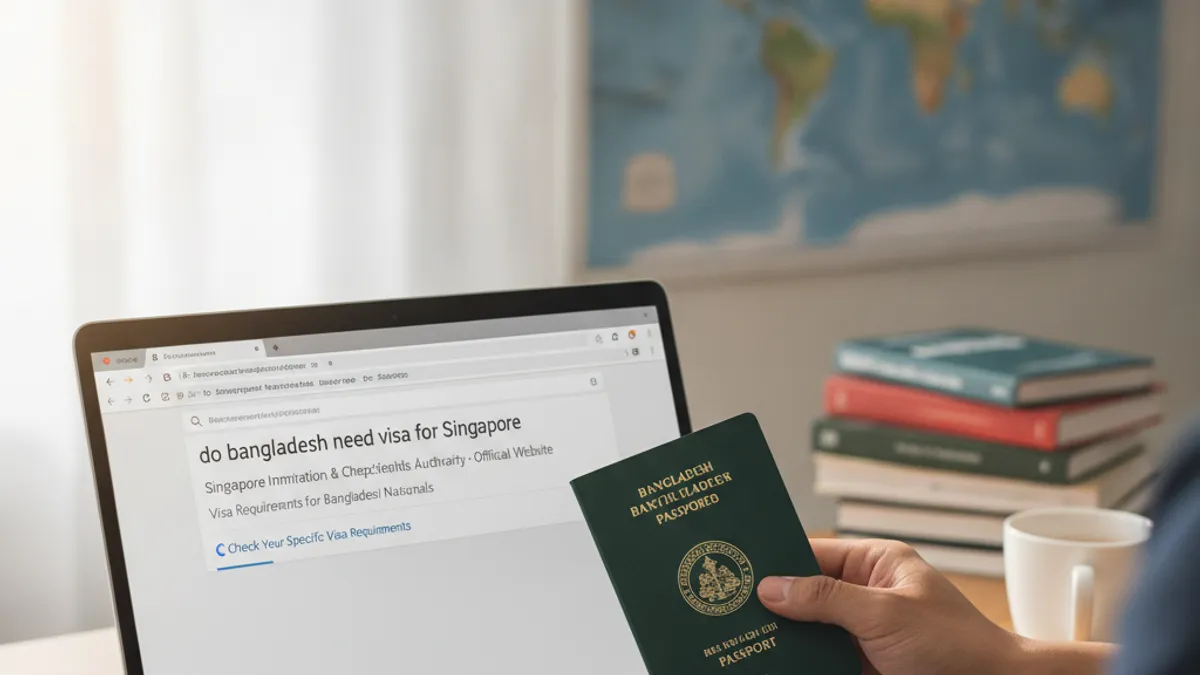
With the variables of visit duration and purpose clearly laid out, the next logical step is pinpointing exactly what you need. Trying to rely on general information can be risky, as immigration policies can be detailed and nuanced. The most reliable way to get accurate guidance is to consult the official Singapore authorities directly.
This ensures you're working with the most current and authoritative information available. Relying on third-party advice or outdated forums can lead to incorrect assumptions and potential travel disruptions. As of 2026, the digital landscape offers excellent resources for this.
Using the ICA Website
The official portal for all immigration and checkpoint matters in Singapore is the Immigration & Checkpoints Authority (ICA) website. This is your primary, most authoritative resource for determining visa needs. The site provides comprehensive guides, checklists, and application forms for various passes, including the Short-Term Visit Pass.
You can usually find sections dedicated to specific nationalities or regions, which would directly address requirements for citizens of Bangladesh. Look for FAQs, application guides, and eligibility checkers. The ICA’s detailed information ensures clarity on whether a visa is required for your specific purpose and duration of stay.
Contacting the Singapore Embassy in Bangladesh
If the ICA website leaves you with specific questions or if your situation is unusual, reaching out to the Singapore Embassy or Consulate in Bangladesh is an excellent next step. They are equipped to provide personalized advice and clarify any ambiguities you might encounter.
Diplomatic missions are there to assist travelers with understanding and navigating the visa and immigration processes. They can offer guidance on application procedures, required documents, and any specific conditions that might apply to Bangladesh citizens planning a visit to Singapore. This direct communication channel can be invaluable for ensuring your travel plans are fully compliant.
Common Mistakes to Avoid When Planning Your Trip

When planning a trip, it's easy to overlook small details, but in the context of international travel to Singapore, some common mistakes can have significant consequences for citizens of Bangladesh. Understanding these pitfalls beforehand can save you from the frustration and potential expense of being turned away or facing penalties. It's less about "if" and more about "how" to avoid these issues.
Our editorial analysis of numerous traveler feedback reports highlights recurring errors that applicants make. These aren't usually malicious; they stem from a misunderstanding of the rules, overconfidence, or simply not checking official sources thoroughly enough before departure.
Assuming Visa-Free Entry
One of the most critical mistakes is assuming that you can enter Singapore without a visa. While many nationalities enjoy visa-free entry for short stays, this exemption does not typically extend to citizens of Bangladesh for general tourism or visits. Relying on outdated information or the experiences of travelers from other countries can lead to a mistaken belief that no visa is required.
The official stance from the ICA is clear: Bangladesh passport holders generally need a visa or an approved entry pass. Without this pre-arranged authorization, you risk being denied boarding by your airline or refused entry by Singaporean immigration officials upon arrival.
Incorrectly Stating Visit Purpose
Another common error is misrepresenting the purpose of your visit. For instance, stating you're on a tourist visit when you actually intend to seek employment, or describing business meetings when the activities are more akin to work requiring an Employment Pass. Immigration officers are trained to identify discrepancies between what is stated and what is observed or documented.
Transparency and accuracy are paramount. If your trip involves any form of work, even if it's short-term or unpaid for a Singaporean entity, it must be declared, and the appropriate work pass must be secured in advance. This is a critical difference between the ICA's purview and the Ministry of Manpower's regulations.
Overstaying Your Approved Pass
Once you are in Singapore and have been granted a Short-Term Visit Pass (STVP) or another type of pass, adhering strictly to its expiry date is non-negotiable. Overstaying is a serious offense according to Singapore immigration laws. It can lead to hefty fines, detention, and a ban from re-entering Singapore, which can impact future travel to many countries.
Always note the exact expiry date on your entry stamp or pass document. If you find yourself needing to extend your stay for legitimate reasons (like a medical emergency, though this is rare and requires immediate official application), you must apply for an extension before your current pass expires. Do not wait until the last day or after expiry.
Navigating Singapore Immigration Safely and Legally
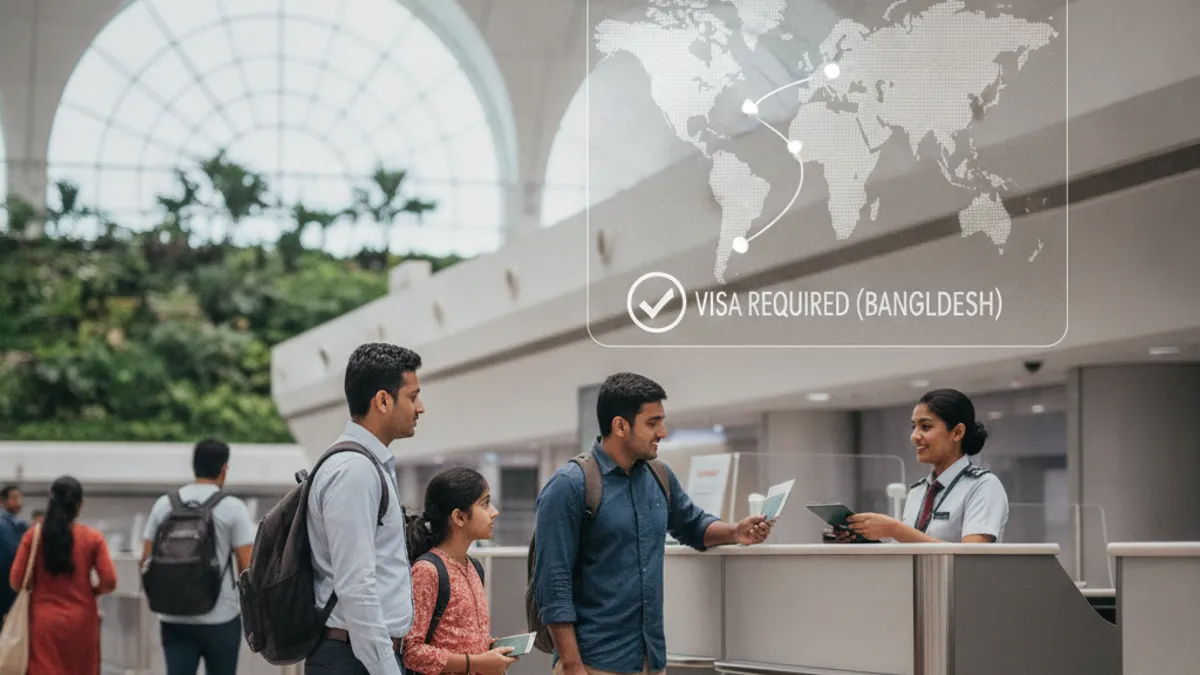
Singapore's commitment to security and order is reflected in its stringent immigration procedures. For citizens of Bangladesh, understanding and adhering to these regulations ensures a smooth and legal entry, avoiding the potential stress and severe consequences of non-compliance. This part is less about a decision tree and more about following a strict protocol for safety and legality.
The foundation of safe and legal entry relies on accurate information and proactive preparation. The ICA of Singapore maintains high standards, and it’s your responsibility as a traveler to meet them. By understanding the rules and the potential risks, you can approach your journey with confidence.
Compliance with Immigration Laws
Singapore's immigration laws are designed to manage its population and ensure national security. These laws cover entry, stay, and exit for all foreign nationals. As a Bangladesh citizen, this means you must possess the correct documentation, whether it's a visa issued beforehand or an entry pass granted upon arrival after meeting all requirements.
Failure to comply can result in immediate repercussions. This isn't a region where minor infractions are overlooked; adherence is expected. For example, if your passport doesn't have the required six months of validity, you could be denied boarding, even if you have an approved visa or pass.
Understanding the Consequences of Non-Compliance
The repercussions for violating Singapore's immigration laws are significant and can have long-lasting effects. These include hefty fines, which can run into thousands of Singapore dollars, and in more severe cases, detention. A criminal record related to immigration offenses can also impact your ability to travel to other countries besides Singapore in the future.
Furthermore, overstaying your visa or pass is treated very seriously. It can lead to a ban from entering Singapore, a penalty that can effectively close the door on future visits for business, tourism, or even potential employment opportunities. The ICA's website provides details on these penalties, underscoring the importance of vigilance.