
Planning a trip to India from the UK can be exciting, but one of the first crucial steps is understanding the visa requirements. For most British citizens, the answer to "do British citizens need a visa for India" is a definitive yes. Failing to secure the correct visa can lead to significant travel disruptions, including being denied entry at the border.
Thank you for reading this post, don't forget to subscribe!Navigating the application process can seem complex, but with the right information, it's quite manageable. As of 2026, the core requirement remains consistent: a visa is mandatory for almost all entries. We've gathered the essential details to guide you through selecting the right visa type and completing your application without hitches, ensuring your journey starts smoothly.
The Short Answer: Yes, You Most Likely Do
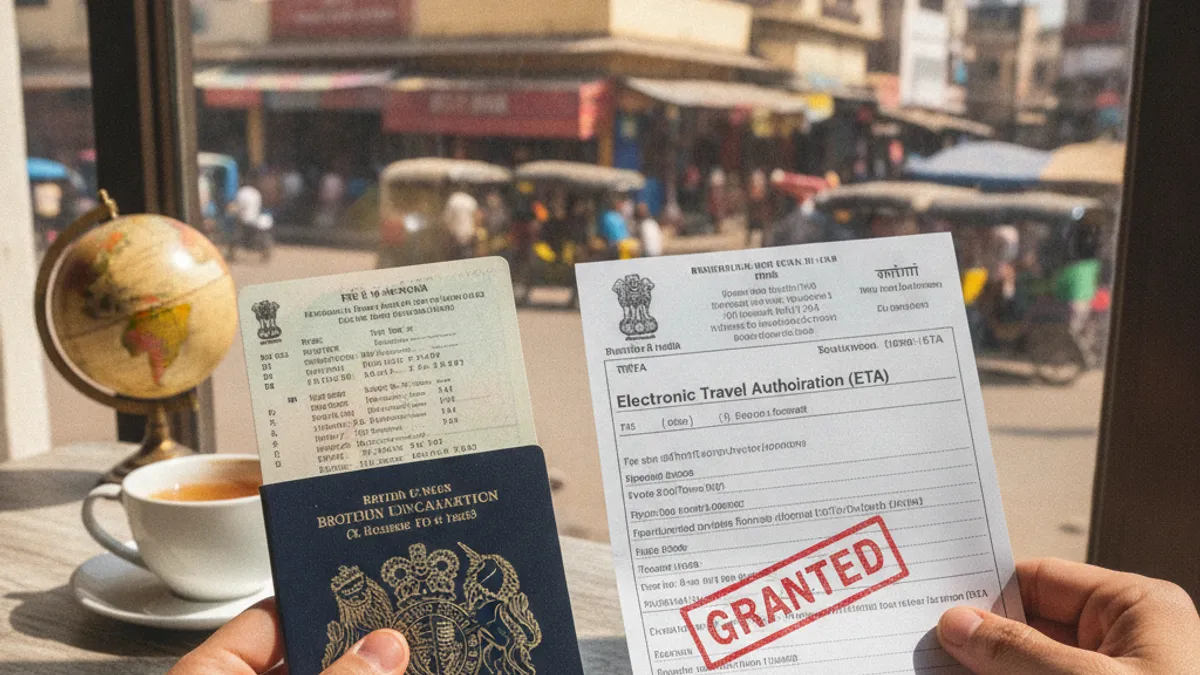
For the vast majority of British passport holders planning to visit India, a visa is an absolute must. This isn't just a suggestion; it's a strict immigration requirement enforced by the Indian government. While there are always niche exceptions for diplomatic travel or specific bilateral agreements, if you're heading to India for tourism, business, medical reasons, or even just a transit, assume you need to apply for and obtain a valid visa before your departure.
Think of it this way: your visa is your official permission slip to enter and spend time in the country. Without it, you won't be allowed through immigration. It's always best to confirm your specific situation, but the general rule of thumb is to start your visa application process well in advance of your planned travel dates.
Understanding the Visa Decision: Your Purpose Matters Most
The type of visa you need for India hinges entirely on the primary reason for your visit. India offers various visa categories, each with its own set of rules, validity periods, and application procedures. Getting this right from the start saves you a lot of hassle down the line.
Tourist Visa vs. Business Visa vs. Others
This is where our decision tree really starts to branch out. If your main goal is to see the sights, experience the culture, or visit friends and family, you’ll be looking for a Tourist Visa. These can be issued for various durations, such as 30 days, one year, or five years, with different allowances for single, double, or multiple entries.
If your trip is about commercial activities, exploring investment opportunities, or attending meetings for your company, then a Business Visa is likely your category. This typically requires more documentation, such as an invitation letter from an Indian company.
Medical Treatment, Study, or Conference Trips
Beyond tourism and business, specific purposes have dedicated visa types. For those seeking medical care at recognized Indian hospitals or wellness centers, a Medical Visa is necessary. This requires a formal letter of admission from the Indian healthcare provider.
Pursuing academic qualifications or engaging in research requires a Student Visa. You'll need proof of admission from a recognized Indian educational institution. Attending or participating in international conferences, seminars, or workshops falls under the Conference Visa category, requiring specific invitations and approvals.
Transit Through India
Even if India is just a stopover on your way to another destination, you might need a Transit Visa. These are typically very short-term, often valid for just a few days, and are specifically for passengers who need to pass through Indian territory to reach their final country. It's essential to check the exact requirements, as staying longer than permitted without the correct visa can cause problems.
Navigating the E-Visa: Your Quickest Path
For many common travel purposes, India's Electronic Visa (e-Visa) system offers a streamlined and convenient application process. This system is designed to make obtaining a visa simpler, especially for travelers who don't require extended stays or have highly specialized travel needs.
What is an E-Visa and Who Qualifies?
An Indian e-Visa is essentially an electronic travel authorization that allows you to enter India for specific purposes like tourism, business, or medical treatment. It’s not a physical sticker in your passport, but rather an online approval that you print out and carry with you. This system is generally available to citizens of many countries, including the UK, provided their visit aligns with the eligible e-Visa categories.
The most common e-Visa types for British citizens include the Tourist E-Visa, Business E-Visa, and Medical E-Visa. Each has specific limitations on duration and entries, so it’s vital to choose the one that best matches your trip. For instance, a regular Tourist E-Visa might be valid for 30 days or one year, but it's crucial to understand that each entry often has a specific limit, such as 90 days for some nationalities.
Applying for Your Indian E-Visa: A Step-by-Step Guide
The e-Visa application is completed entirely online, making it accessible from anywhere with an internet connection. However, accuracy and attention to detail are paramount throughout the process.
1. Official Website First
This is the most critical step. Always start your application on the official Indian government e-Visa portal. Beware of numerous third-party websites that mimic the official site but are not affiliated and may charge exorbitant fees or be outright scams. The genuine portal is where you'll find accurate information and the secure application form.
2. Filling Out the Application
You'll be asked to provide comprehensive personal details, including your name, date of birth, nationality, and passport information. Ensure that all details exactly match your passport. Any discrepancies can lead to significant issues, potentially causing your visa to be rejected or invalidated upon arrival. You'll also need to specify the purpose of your visit and intended port of entry into India.
3. Document Uploads
Typically, you'll need to upload a digital copy of your passport’s bio-data page and a recent digital photograph. The photograph must meet specific requirements regarding size, background color, and facial expression. Inaccurate photos are a common reason for e-Visa rejections. For business e-Visas, you might also need to upload a business card or an invitation letter.
4. Payment and Confirmation
After completing the form and uploading documents, you'll proceed to pay the e-Visa fee online using a credit or debit card. The fee varies based on the type and duration of the e-Visa you select. Once payment is successful, you should receive an acknowledgment or confirmation of your application submission.
5. Receiving Your Electronic Travel Authorization (ETA)
If your e-Visa application is approved, you will receive an Electronic Travel Authorization (ETA) via email. This document is your e-Visa. You must print this ETA and carry it with you at all times. Upon arrival at your chosen Indian port of entry, you will present this ETA along with your passport to the immigration officials.
They will then process your entry and stamp your passport.
When You Need a Regular "Sticker" Visa
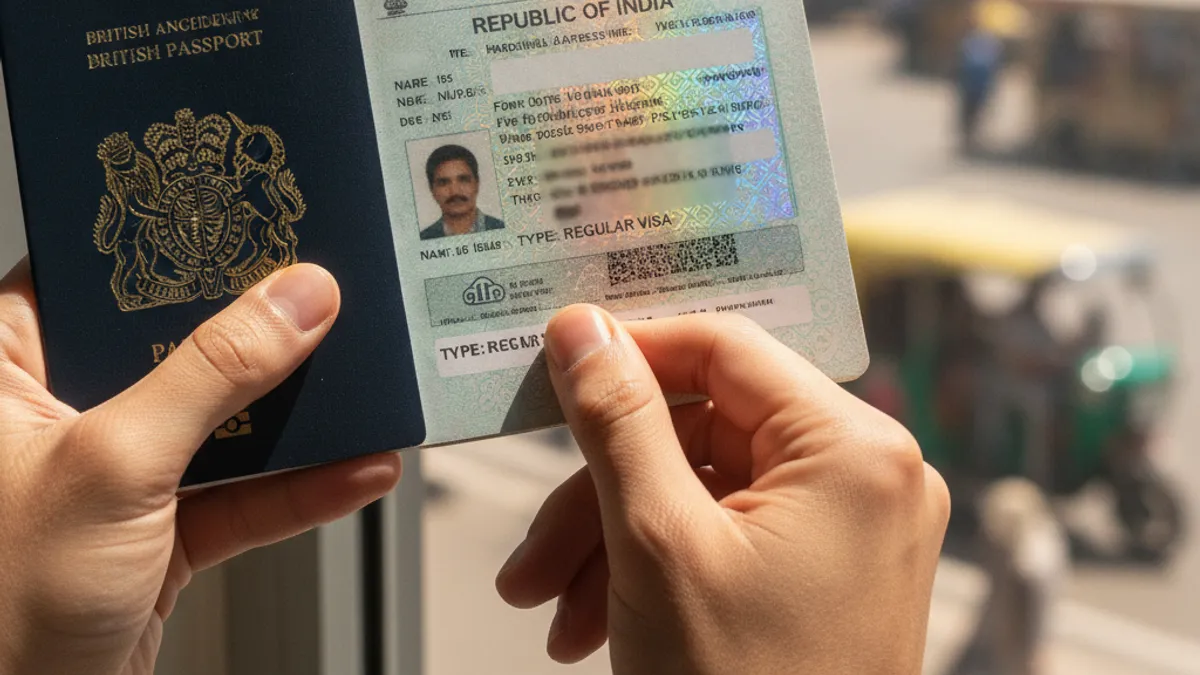
While the e-Visa system is convenient for many, it doesn't cover every possible scenario. There are instances where you'll need to apply for a traditional "sticker" visa, which is affixed to a page in your actual passport, through an Indian Embassy or Consulate in the UK.
Reasons You Can't Use the E-Visa
The e-Visa system is designed for simplicity and common travel purposes. If your reason for visiting India falls outside the standard e-Visa categories, you'll need to apply for a different type of visa. This includes, but isn't limited to, those seeking long-term employment, engaging in specific types of journalism, extensive research projects not covered by student visas, or if you have specific travel document types that are not standard passports.
Furthermore, if your intended stay exceeds the maximum duration allowed by any of the e-Visa categories, or if you have certain historical travel or immigration records that may require further scrutiny, you will likely need to apply for a regular visa. The e-Visa system is generally for straightforward, shorter visits.
Applying for a Sticker Visa: The Process
Applying for a sticker visa is a more traditional process. It usually involves completing an application form, gathering a more extensive set of supporting documents, and submitting your physical passport to an authorized Indian visa application center or directly to the Consulate/Embassy. You may also be required to attend an interview or provide biometric data, such as fingerprints and a photograph taken at the application center.
The processing times for sticker visas can also vary and may be longer than for e-Visas, so planning is even more critical. It's essential to check the specific requirements on the official High Commission of India in the UK website for the most accurate and up-to-date information regarding application centers, required documents, and processing timelines for each visa type. This process requires more direct interaction and submission of your passport for an extended period.
Essential Documents and Requirements
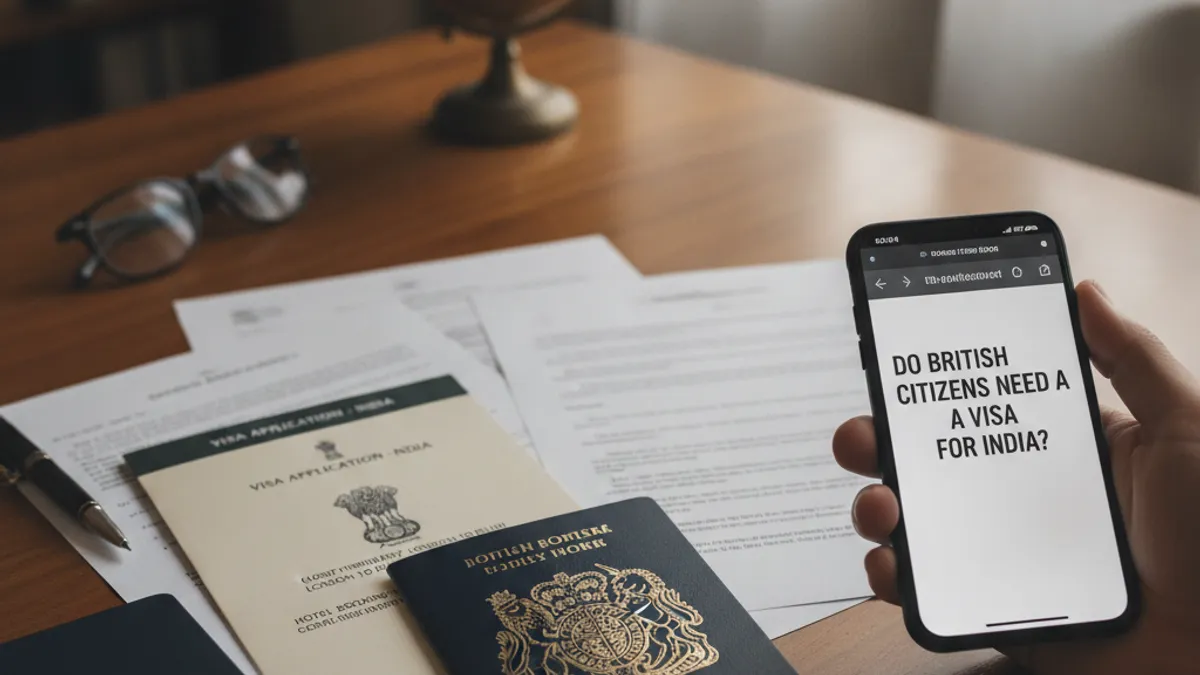
Securing a visa for India involves presenting specific documentation to prove your identity, the purpose of your trip, and your intention to return to your home country. Meeting these requirements precisely is non-negotiable for a successful application, whether you're applying for an e-Visa or a traditional sticker visa.
Passport Validity and Condition
Your passport is your primary identification document and must be valid for at least six months from your intended date of arrival in India. This six-month validity period must extend beyond your planned departure date as well. It's a standard international travel requirement designed to ensure you have a valid document throughout your stay and upon your return. Additionally, your passport must contain at least two blank pages for the visa stamp and immigration entry/exit stamps.
If your passport doesn't meet these basic criteria, you'll need to renew it before applying for a visa.
Recent Photograph Specifications
Both e-Visa and sticker visa applications require a recent passport-style photograph. For e-Visas, this is a digital upload, and specific dimensions, file size, and background requirements must be met. Generally, the photo should be of you facing forward with a neutral expression against a plain white or off-white background. For sticker visas, you will likely submit a physical photo.
It's crucial to check the exact specifications on the official Indian visa website, as deviations can lead to immediate rejection of your application. These photos help border control officials clearly identify you.
Supporting Documents by Visa Type
The exact supporting documents will vary significantly depending on the visa category. For a Tourist E-Visa, the primary documents are your passport bio-data page and the digital photograph. A Business E-Visa, however, usually requires a copy of your business card and a letter of invitation from the Indian company you will be visiting. This letter should detail the purpose of your visit, the duration, and your financial responsibility.
For Student Visas, evidence of admission to a recognized educational institution in India is mandatory, alongside your passport and photo. Employment Visas require a confirmed job offer from an Indian employer and often proof that the employer has met certain recruitment criteria. Medical Visas necessitate a letter from the Indian hospital confirming your admission and intended treatment, as well as a medical report from your doctor in the UK. Always refer to the official Indian visa website for the definitive list of required documents for your specific visa type.
Common Pitfalls to Avoid with Indian Visas
Making a mistake on your Indian visa application is surprisingly easy, and the consequences can be significant. These aren't minor errors; they can lead to outright rejection, delays, or even being denied entry upon arrival. Understanding these common pitfalls can save you from a lot of stress and potential travel disruptions.
Mistakes on the Application Form
Filling out the application form, especially for an e-Visa, requires meticulous attention to detail. A seemingly small typo in your name, passport number, or date of birth can cause major issues. For instance, if your passport spells your name as "Priya Sharma" but you enter "Priya Sharp" on the form, immigration officials might flag it as a mismatch. Always cross-reference every piece of information with your official documents.
Submitting the Wrong Documents
Another frequent issue is submitting the incorrect documents or documents that don't meet the specified requirements. This isn't just about missing an item; it's also about providing a photograph that's too old, has the wrong background, or isn't clear enough. Similarly, for a business visa, an invitation letter that lacks essential details like the period of visit or financial assurance could lead to rejection. Ensure you're uploading exactly what's asked for and that it's current and accurate.
Relying on Unofficial Websites
This is arguably the most dangerous mistake. A quick search for "India visa" will often bring up numerous websites that look official but are actually third-party agents. These sites can charge inflated fees, collect your personal data maliciously, or simply provide outdated information. Always, always, always use the official Indian government e-Visa portal or the official High Commission of India in the UK website for sticker visa information and applications.
Ignoring Entry and Stay Limits
E-Visas, and even some sticker visas, come with strict limitations on how long you can stay and how many times you can enter India. Overstaying your visa can result in fines, detention, deportation, and a ban from re-entering India for a significant period. For example, a 30-day tourist e-Visa typically means you must depart India within 30 days of your first entry. If your plans could lead you to exceed these limits, you must apply for a longer-duration visa before you travel.
Arriving in India: What to Expect at Immigration
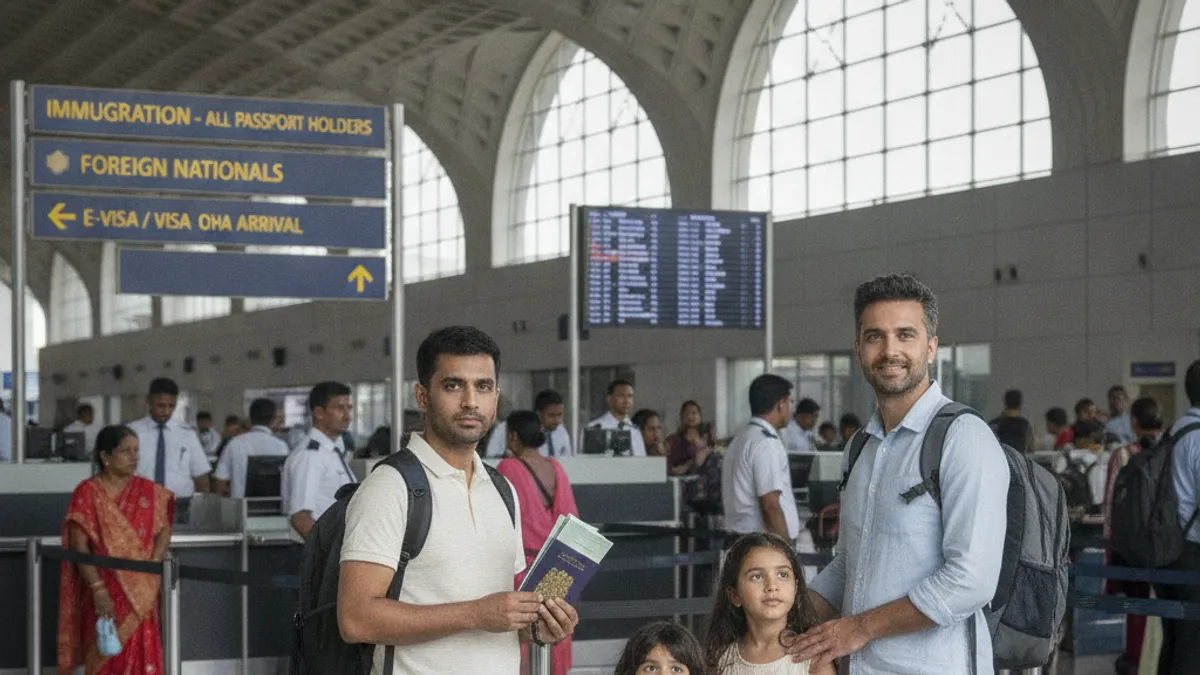
Once you land in India, your visa status will be verified by immigration officials. This is the final check before you're officially allowed into the country. Having your documentation in order makes this process much smoother.
If you applied for an e-Visa, you'll present your printed Electronic Travel Authorization (ETA) along with your passport. The immigration officer will review both documents, verify your details against their system, and if everything is in order, they will stamp your passport with an entry permit. For those with a sticker visa, the process is similar, with officials examining the visa affixed inside your passport and cross-referencing it with your passport details.
It's also wise to have proof of onward travel, such as your return flight ticket, and sometimes accommodation bookings readily accessible. While not always requested, immigration officers have the discretion to ask for these to confirm your intentions to leave India within the visa’s permitted timeframe. Being prepared can prevent any last-minute confusion or delays at the border.
Expert Tips for a Smooth Visa Application
To ensure your journey to India is as seamless as possible, from application to arrival, here are some key pieces of advice gathered from extensive research and practical application trends. These tips focus on proactive measures that can help you avoid common headaches.
Prioritize Official Sources: As stressed before, always use the official Indian government websites for e-Visas and the High Commission of India's site for sticker visa information. Cross-referencing these official sources with your travel agent's advice can also be beneficial.
Apply Well In Advance: Don't wait until the last minute. While e-Visa processing can sometimes be quick, it’s not guaranteed. Allowing at least 72 hours for e-Visa processing is standard, but applying 1-2 weeks ahead provides a buffer for any unexpected delays or the need for additional information. For sticker visas, processing can take longer, so start months in advance if possible.
Double-Check All Information: Before submitting any application, take the time to re-read every field you've filled out. Ensure your name matches your passport exactly, your passport number is correct, and your dates are accurate. This is especially crucial for the e-Visa where a typo can invalidate the approval.
Understand Your Visa Type: Be crystal clear about the difference between an e-Visa and a sticker visa, and which type best suits your travel purpose and duration. Applying for the wrong kind of visa can lead to it being rejected or invalidated upon arrival. For example, if you're attending a short business conference, ensure you apply for a conference or business visa, not solely a tourist visa.
Have Necessary Documents Ready: Before you even start the application, gather all required supporting documents. Scan your passport and photograph to the correct specifications. Have any invitation letters or other proofs ready to upload or present. Having these items prepared beforehand streamlines the application process significantly.
Key Takeaway: Your Visa Decision Guide
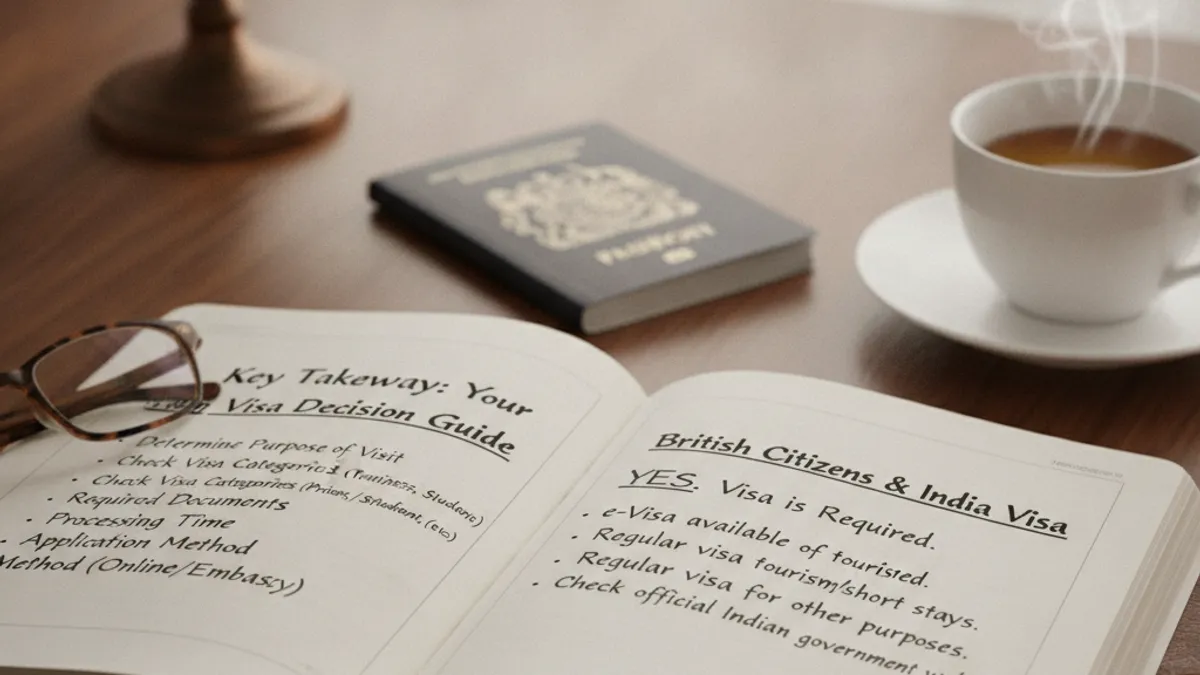
Ultimately, the decision of whether you need a visa, and which type to apply for, rests on a simple flowchart determined by your nationality and your purpose for visiting India. For British citizens, a visa is almost always required. The most frequent choice is an e-Visa for tourism or business, offering convenience through an online application.
However, if your trip's nature is more complex, longer-term, or outside the standard e-Visa categories, a traditional sticker visa obtained through the High Commission of India in the UK will be necessary. The critical takeaway is to identify your purpose of visit, check the eligibility for the e-Visa on the official government portal, and then meticulously follow the application steps for either the e-Visa or the sticker visa. Accuracy, promptness, and adherence to official guidelines are your best allies in ensuring a hassle-free entry into India.