
So, do US citizens need a visa for China? That’s the million-dollar question for many planning a trip. The straightforward answer is, for most planned stays, yes, you'll need a visa. However, China does offer some crucial visa-free transit options that can save a lot of hassle if your itinerary fits the requirements.
Thank you for reading this post, don't forget to subscribe!Understanding these differences is key to a smooth journey. For example, depending on your flight layover and destination, you might be able to skip the visa application entirely, something that many travelers overlook. As of 2026, these policies remain a significant factor for efficient travel.
What's Your Trip Reason? The Key to Visa Needs

When you're figuring out your visa situation for China, the very first thing you need to pin down is the purpose of your visit. This single factor dictates which type of visa you'll apply for, or if you might even qualify for visa-free transit. Think of your visa as your permission slip, and immigration officials want to know exactly what that permission is for.
Tourism: Seeing the Sights
If your dream is to wander through the ancient streets of Xi'an, marvel at the Terracotta Army, or gaze up at the sheer scale of the Great Wall, you'll likely be looking at an L visa, or Tourist Visa. This visa is for individuals who want to travel to China for sightseeing, visiting places of interest, and experiencing the country.
- Who it's for: Casual travelers, vacationers, and anyone whose primary goal is to explore China's rich culture and history.
- Key details: You'll typically need to show flight bookings and hotel reservations to prove your itinerary. This helps immigration officials confirm you're genuinely entering for tourism and not for work or other purposes.
Business: Making Deals
Heading to China for trade activities, attending business meetings, signing contracts, or visiting factories? The M visa, or Business Visa, is what you'll need. This visa is specifically for commercial activities, distinguishing it from tourist or work-related visas.
- Who it's for: Business professionals, entrepreneurs, and individuals engaged in commercial exchanges.
- What you'll usually need: Often, this requires an invitation letter from a Chinese company or organization you'll be interacting with. This letter serves as proof of your legitimate business purpose.
Visiting Family: Connecting with Loved Ones
Planning to spend time with family members who are Chinese citizens or foreigners legally residing in China? You'll be looking at either a Q visa (for family members of Chinese citizens) or an S visa (for family members of foreigners working or studying in China). These differ based on the length of your intended stay: Q1 and S1 visas are for long-term visits (over 180 days), while Q2 and S2 visas are for shorter stays.
- Who it's for: Individuals with close family ties to residents or citizens of China.
- Documentation focus: Expect to provide proof of your relationship, such as marriage certificates, birth certificates, or household registration documents, in addition to the inviter's information.
Studying: Enrolling in Education
If your plans involve enrolling in a Chinese educational institution, whether it's a university, college, or language school, you'll need an X visa. This type is bifurcated into X1 and X2 visas. The X1 is for long-term study programs (more than 180 days), and the X2 is for shorter-term academic pursuits.
- Who it's for: Students accepted into Chinese academic programs.
- Crucial documents: You'll need an official admission notice from the school and usually a "Visa Application for Study in China" form (JW201 or JW202) provided by the institution.
Transit: Just Passing Through
This is where things can get really handy for travelers making connections. China has implemented visa-free transit policies in many major cities, allowing US citizens (and those from other eligible countries) to pass through without a visa for a specific duration. The most common options are the 24-hour, 72-hour, and 144-hour transit periods, depending on the city.
- Who it's for: Travelers whose international itinerary includes a layover in China en route to a third country.
- The catch: You must adhere strictly to the transit rules, meaning you generally can't leave the designated transit area or travel beyond specific city limits. Your stay is limited to the approved transit time.
Visa-Free Transit: Your Potential Shortcut

The visa-free transit policies in China can be a real game-changer, potentially saving you time and money on visa applications if you're just passing through. However, these aren't blanket exemptions. They come with specific rules and requirements that you absolutely must follow to avoid issues. Understanding these nuances is critical before you count on them.
24-Hour Transit: What to Know
The most basic form of visa-free transit allows you to stay in China for up to 24 hours. This is typically for very short layovers where you are simply changing planes within the same airport or moving between airports within the same metropolitan area. You cannot leave the international transit area of the airport.
- Core condition: You must have a confirmed onward ticket to a third country.
- Destination: Applies to all major international airports in China.
- Limitations: You cannot leave the international transit zone of the airport. This is not an opportunity for city sightseeing.
72-Hour Transit: When It Applies
The 72-hour visa-free transit allows for a more extended stay, enabling you to leave the airport and explore a specific city. This policy is available in a growing number of major Chinese cities. To qualify, you must be entering from one country and departing to a different third country, and your entry and exit must be within the same designated city.
- Key requirements:
- Valid passport from an eligible country (US citizens are included).
- Confirmed onward ticket to a third country.
- Entry and exit must be through the same city's international airport.
- Cities often included: Beijing Capital International Airport (PEK) and Shanghai Pudong International Airport (PVG) are prominent examples, but this list expands. Always verify the specific port of entry and exit.
144-Hour Transit: Longer Stays
The most generous of the transit policies, the 144-hour visa-free transit, offers a full six days to explore. This is available in select regions and major cities, often with slightly different rules regarding where you can travel within that region. For example, in Shanghai, it allows travel within Shanghai, Jiangsu Province, and Zhejiang Province.
- Who benefits most: Travelers with longer layovers who want to experience a Chinese city beyond just the airport.
- Crucial distinction: While a single city might be the entry/exit point, the permitted travel area can extend to surrounding provinces, depending on the specific port of entry (e.g., Shanghai, Beijing, or the entire Northeastern China region). Proper registration with local authorities might be required if staying beyond 24 hours in certain areas.
If You Need a Visa: The Application Deep Dive
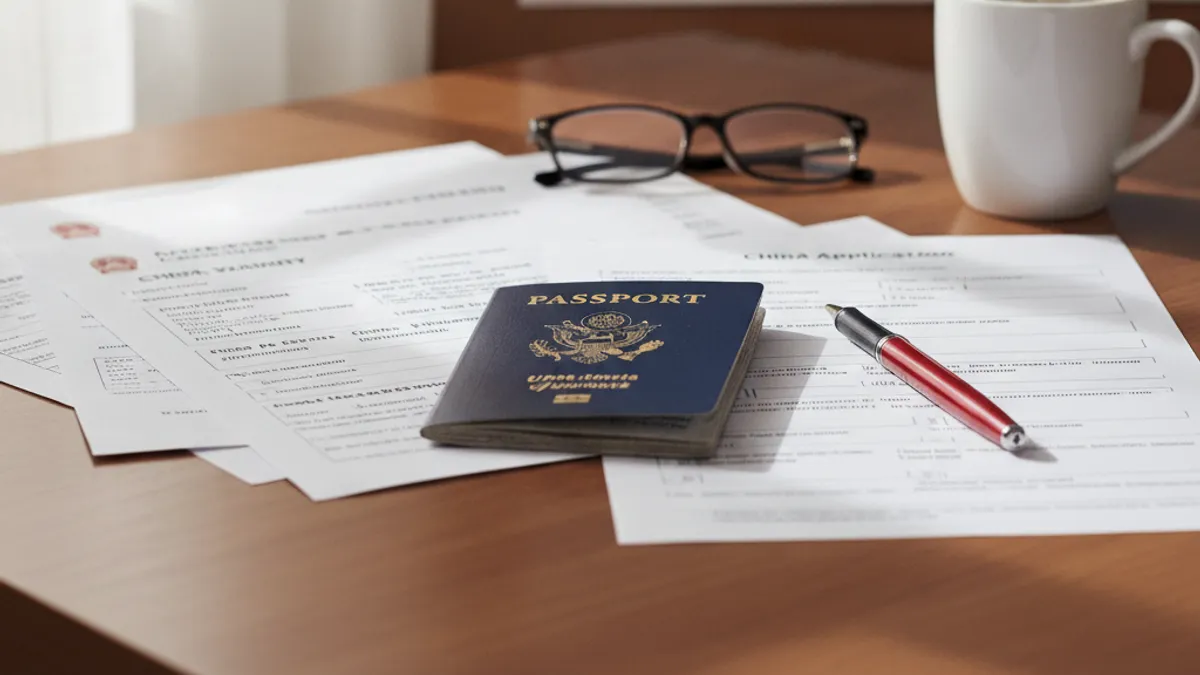
Once you've determined that visa-free transit isn't an option for your trip to China, or your travel plans exceed the transit limitations, the next step is to tackle the visa application process itself. This involves two key stages, both critical for success: correctly identifying the precise visa category you need and meticulously gathering all the necessary supporting documentation. Getting these foundational elements right is essential before you even think about submitting anything.
Deciding on the Correct Visa Type
As we touched on earlier, the purpose of your visit is the absolute cornerstone of your visa application. Trying to apply for the wrong visa type is a surefire way to get your application delayed or rejected. Let's break down the main categories again, with a focus on how to pick the right one:
- L Visa (Tourist): For pure vacationing. If you're booking tours, visiting popular landmarks, and have no intention of working or engaging in business activities, this is your visa.
- M Visa (Business): If you're going to China for activities like trade fairs, business negotiations, or market research, you need this. It’s for commercial and trade activities, not for employment.
- Q Visa (Family Reunion / Visit): This is for visiting close family members (spouse, parents, children, siblings) who are Chinese citizens. You'll need to prove the family relationship.
- S Visa (Family Visit, Foreigners): Similar to the Q visa, but for visiting close family members who are foreigners residing in China for work or study. Again, proof of relationship is key.
- X Visa (Study): For those accepted into academic programs in China. This covers both short-term (X2) and long-term (X1) study.
- G Visa (Transit): This is specifically for those transiting through China to a third country. If you meet the criteria, you might not need a separate visa application. For longer stays or specific purposes, this might not be the right choice.
Key Question: Can I apply for a tourist visa if I also plan to do some minor business networking?
Answer: Generally, no. While lines can blur, it's best to be upfront. If business is a significant part of your trip, the M visa is more appropriate. Using a tourist visa for business activities can lead to complications.
Essential Documents for Your Visa Application
Once you've correctly identified your visa type, you need to gather your supporting documents. This is where many applications falter due to missing or incorrect information. The Chinese Embassy and its authorized Visa Application Service Centers are very specific about what's required, and having everything in order from the start will save you headaches.
Here's a list of the standard documents you'll likely need for most visa types:
- Valid Passport: This is non-negotiable. For most visa types, your passport must be valid for at least six months beyond your intended stay in China and contain at least two blank visa pages. Make sure there are no obscure stamps or write-ups from previous trips that could cause confusion.
- Visa Application Form: This must be completed accurately and truthfully, usually online and then printed. Every question needs an answer; leave nothing blank. Any inaccuracies can lead to your application being denied.
- Passport-Style Photo: A recent photograph meeting specific requirements is mandatory. It typically needs to be a color photo taken against a white background, showing your full face without headwear (unless for religious reasons), and meeting exact dimensions (often 33mm x 48mm in China).
- Proof of Travel Itinerary:
- For L (Tourist) Visas: Round-trip flight bookings and hotel reservations for your entire stay in China.
- For M (Business) Visas: An invitation letter from a Chinese business entity. This letter must include details about the applicant, the purpose of the visit, and information about the inviting entity.
- For Q/S (Family) Visas: Proof of relationship (birth certificate, marriage certificate, etc.) and an invitation letter from the relative in China.
- For X (Study) Visas: Admission Notice from the Chinese school and the JW201 or JW202 form.
- Previous Chinese Visas (if applicable): If you have had previous Chinese visas, you may need to provide copies of them, especially if your current passport is different from the one in which the previous visas were issued.
Pro Tip: Always check the most current requirements on the official website of the Chinese Embassy or Consulate in the US, or the Visa Application Service Center you'll be using, as these can be updated.
The Visa Application Process: Step-by-Step
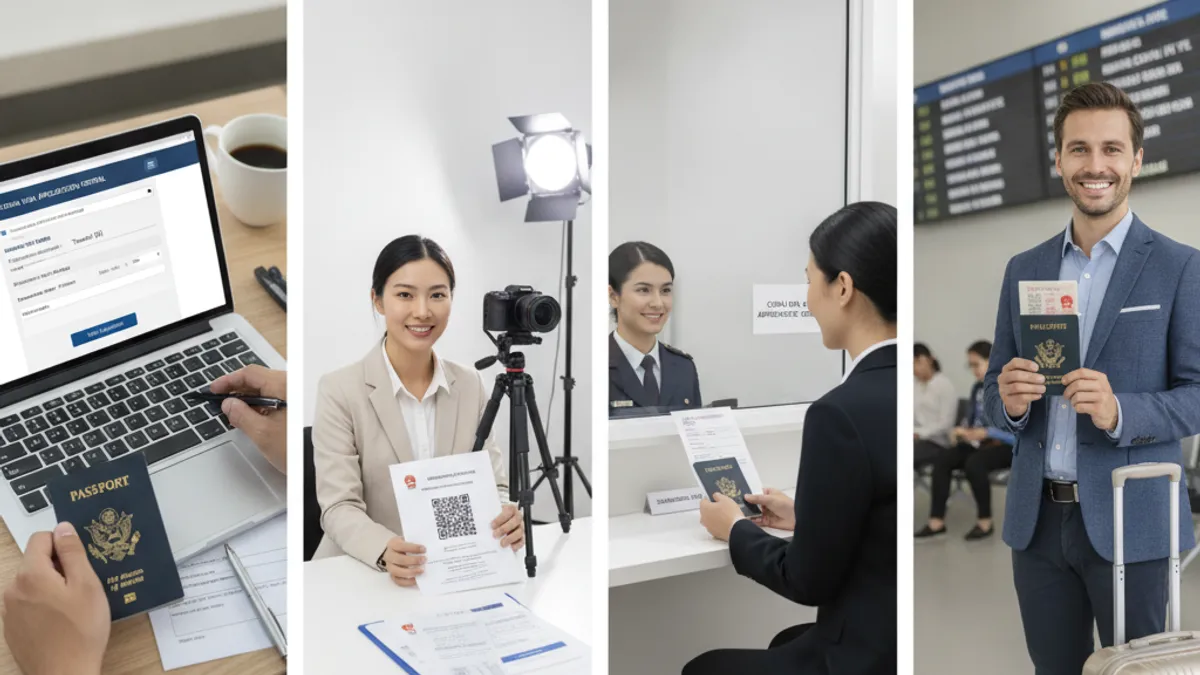
Now that you've identified your visa type and assembled all your necessary documents, it's time to navigate the actual application submission. The process is designed to be thorough, ensuring all applicants meet the legal requirements for entry into China. For most US citizens, this involves working through a specialized service center rather than directly with the embassy or consulate.
Submitting Your Application
Most US citizens will apply for their Chinese visa through an authorized Chinese Visa Application Service Center (CVASC). These centers act as intermediaries, handling the collection of applications and documents, and then submitting them to the Chinese Embassy or Consulate for final approval. You cannot typically walk into the Embassy or Consulate without an appointment or specific referral.
- Locate a CVASC: Find the CVASC that serves your geographical area. They usually have designated service regions.
- Complete the Online Application: Most CVASCs require you to fill out a visa application form online through their portal before you can even book an appointment. Double-checking your entries here is crucial.
- Book an Appointment: Once the online form is submitted, you'll typically need to schedule an appointment to visit the CVASC in person. This is when you'll submit your physical documents and provide biometrics, such as fingerprints.
- Attend Your Appointment: Bring your completed application form printout, original passport, all supporting documents, passport photos, and the required visa fees. Be punctual for your scheduled time.
- Document Review: A CVASC staff member will review your application and supporting documents to ensure everything is in order before they accept it for processing.
Important Note: Some specialized visas or diplomatic travel might have different application procedures, but for standard tourist, business, or family visit visas, the CVASC is the primary route.
What to Expect During Processing
After you've submitted your application at the CVASC, it's sent off for processing by the Chinese Embassy or Consulate. The standard processing time can vary, but it's usually around 4-5 business days for regular service. This timeframe doesn't include the time it takes for the CVASC to process your application before sending it off, or the time it takes for you to pick up your passport.
- Regular Service: This is the standard processing time, typically 4-5 business days. This is the most common option.
- Expedited Service: For an additional fee, some CVASCs offer expedited processing, which usually means you can get your visa in 2-3 business days. This faster option depends on the specific CVASC and the visa type.
- Urgent Service: In rare, emergency cases, an even faster service might be available. However, this is not guaranteed and usually comes with a significantly higher fee. It's best not to rely on this unless absolutely necessary.
Recommendation: Always factor in a buffer time of at least a week to ten days. Visa processing can sometimes take longer than expected due to unexpected circumstances, high application volumes, or public holidays, especially during peak travel seasons.
Paying the Visa Fee
The cost of a Chinese visa varies depending on the type of visa, the number of entries requested, and whether you opt for standard or expedited processing. These fees are paid directly to the CVASC, which then remits them to the Embassy/Consulate. The fee structure is generally quite transparent.
- Visa Fee: This is the base cost charged by the Chinese government for processing your application.
- Service Fee: The CVASC charges its own service fee for handling your application and providing its services.
- Expedite Fees: If you choose a faster processing option, there will be additional charges added to the total cost.
You can usually find a detailed fee schedule on the CVASC's official website. Payment is typically accepted via credit card or money order at the service center. As of 2026, fees are subject to change, so always check the current rates directly on their site before your appointment.
Avoiding Common Visa Pitfalls

Even with the best intentions, people often stumble over a few common issues when applying for a Chinese visa. These little missteps can cause significant delays or even lead to your application being rejected outright. Being aware of these common mistakes is half the battle in ensuring smooth sailing for your travel plans.
What Could Go Wrong?
- Inaccurate Information: Filling out the application form with incorrect dates, passport numbers, or personal details is a major red flag for immigration officials. Always double-check every single field before submitting.
- Missing Documents: Failing to provide all the required supporting documents, such as a proper invitation letter, correct photos, or proof of onward travel, is a guaranteed way to get delayed or rejected. Each item is there for a reason.
- Incorrect Visa Type: Applying for a tourist visa when you're actually going for business, or vice-versa, will cause problems. It’s essential to be honest and accurate about the main purpose of your trip.
- Passport Issues: An expired passport, a passport with insufficient validity (less than six months remaining), or a passport lacking blank visa pages are immediate disqualifiers. Make sure your passport meets all criteria at least a month before you plan to apply.
- Photo Rejection: Photos that don't meet the specific size, background, or facial expression requirements of the Chinese consulate are frequently rejected. It's worth getting them done professionally to avoid this common issue.
Ensuring Your Application is Perfect
To avoid these pitfalls, approach your application methodically and diligently. Precision is key here.
- Read Instructions Carefully: Every section of the application and every document requirement has a specific purpose. Don't skim; read every detail thoroughly.
- Use Official Resources: Rely only on the official websites of the Chinese Embassy/Consulates and the CVASC for information. Third-party advice can be outdated or sometimes incorrect.
- Double-Check Everything: Before you leave for your appointment, review every piece of paper. Having a friend or family member look it over with fresh eyes can also be very helpful.
- If in Doubt, Ask: Contact the CVASC directly if you’re unsure about any document or requirement. It’s much better to clarify upfront than to deal with a rejected application later.
Sticking to the Rules: Legal & Compliance

When you travel internationally, understanding and adhering to the legal requirements is paramount. For China, this means more than just having the right visa; it involves ensuring your travel documents are current and that you comply with the terms of your visa. This is where the strictures of entry requirements really come into play.
Passport Requirements: Validity and Pages
Your passport is your primary identification and travel document. For entry into China, it needs to meet specific criteria to be considered valid by immigration authorities.
- Validity: Your passport must remain valid for at least six months from the date you plan to enter China. If your passport expires sooner than that, you'll need to renew it before applying for a visa.
- Blank Pages: Passports typically need to have at least two blank visa pages available for stamps and visas. These are for the Chinese visa itself and any entry/exit stamps that immigration officials will affix. If you have many stamps or visas from previous travels, check how many blank pages you have left.
Visa Compliance for Your Stay
Once you have your visa and enter China, you're expected to abide by the conditions under which it was issued. Failing to do so can lead to significant problems.
- Purpose of Stay: You must use your visa for the purpose it was granted. A tourist visa (L) cannot be used for employment or business activities, and vice-versa. Violating this can lead to fines, deportation, or future entry bans.
- Duration of Stay: Do not overstay the period permitted by your visa. Overstaying can result in penalties, including fines and detention, and can significantly impact future travel to China.
- Registration: In some cases, especially for longer stays, visitors may be required to register their address with local police authorities within 24 hours of arrival. Check the specific regulations for your intended destination and length of stay.
Warning: Failure to comply with these regulations can have serious repercussions, affecting not only your current trip but also your ability to travel to China in the future. It's always best to be fully informed and prepared.
Where to Get the Latest Info

Navigating visa applications can feel like a labyrinth, and rules can change without much notice. The absolute best way to ensure you have the most accurate, up-to-date information is to go directly to the official sources. Relying on outdated advice or unofficial websites can lead to costly mistakes and missed opportunities.
- Chinese Embassy and Consulates in the USA: These are the ultimate authorities for visa policy concerning the USA. Their official websites will have detailed information on visa types, requirements, fees, and application procedures. Look for the sections dedicated to visa services.
- Chinese Visa Application Service Centers (CVASC): As mentioned, these centers are the primary point of contact for submitting visa applications for most travelers. Their websites are invaluable for finding the correct application forms, booking appointments, checking specific requirements for your region, and looking up current fees. They often have FAQs and contact information for specific queries.
Recommendation: Always bookmark the official websites and check them a week or two before you plan to gather documents, and again just before you submit your application. Policies can be dynamic and require the most current verification.