
Figuring out if you can work on a student visa in the USA ties directly into your immigration status and your academic journey. The short answer is yes, but it comes with a lot of specific rules. For most F-1 and J-1 visa holders, authorized work is possible, but only under very particular circumstances.
Thank you for reading this post, don't forget to subscribe!Unauthorized work can lead to serious visa problems, including deportation. Thankfully, the U.S. has structured programs to allow students to gain valuable experience. As of 2026, these regulations remain intricate, demanding careful attention to detail to ensure compliance.
When Can You Actually Start Working?
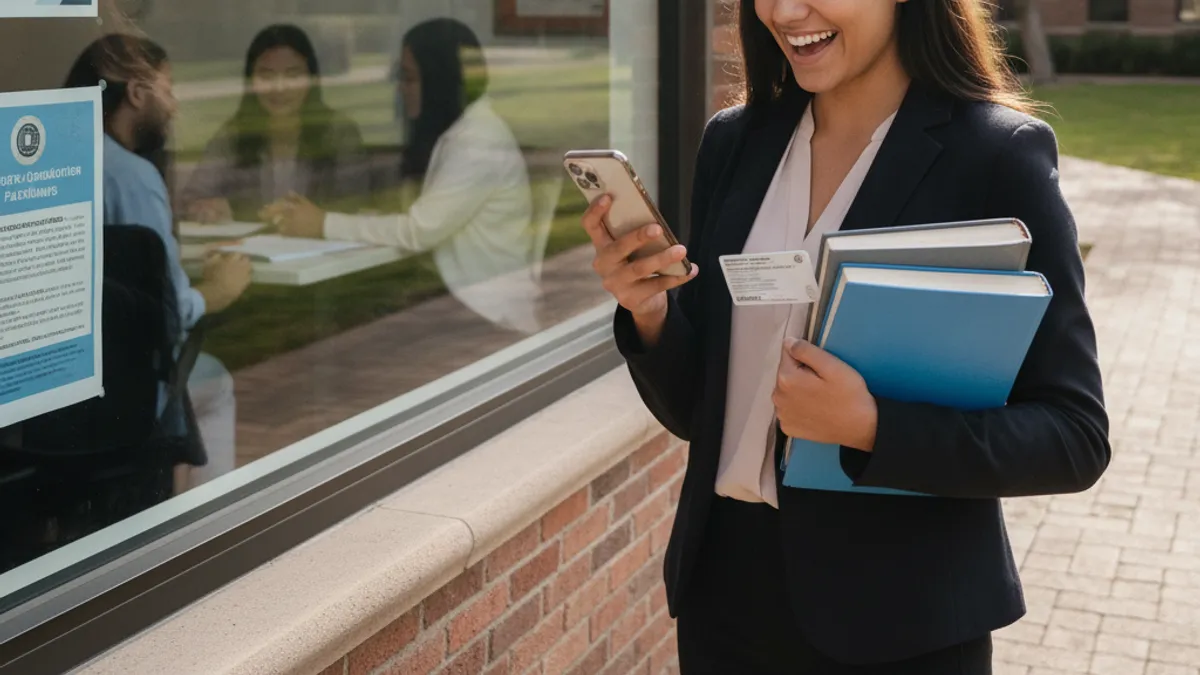
Eligibility for employment as a student in the United States hinges on your visa type (usually F-1 or J-1) and whether your work aligns with specific programs designed for students. The U.S. government, through agencies like the Department of Homeland Security (DHS) and the Student and Exchange Visitor Program (SEVP), outlines these opportunities. Generally, you can work in two main settings: on campus or off campus through designated training programs.
On-Campus Work Privileges
If you hold an F-1 visa, you're typically permitted to work on your school's campus for up to 20 hours per week during the academic year. During official school breaks, like summer or winter vacation, you can often work full-time (more than 20 hours) on campus. This type of employment is usually available at your university, such as working in the library, a campus cafeteria, a research lab, or for administrative departments.
The key here is that the employment must be directly related to your education or provide services to students on campus. Your Designated School Official (DSO), who works in your university's international student office, will confirm your eligibility and needs to authorize this type of work on your I-20 form. Keep in mind that job availability varies greatly by institution, and you still need to find an employer willing to hire you.
Off-Campus Work: The Main Ways
Working off-campus as an F-1 student is more restricted and requires specific authorization. It's not simply about finding a job outside the university grounds; you must be approved for a formal training program that complements your studies. The two primary avenues for off-campus work are Curricular Practical Training (CPT) and Optional Practical Training (OPT). Both have distinct requirements and timelines.
Curricular Practical Training (CPT)
Curricular Practical Training, or CPT, is for students who need to complete work experience that is an integral part of their academic program. This means the employment must be a required part of your curriculum or offered for academic credit as part of your degree. Your DSO must authorize CPT on your I-20 before you start working.
To qualify for CPT, your job offer must be directly related to your major field of study. Furthermore, your program of study must require you to participate in CPT to graduate or complete your degree. CPT can be full-time or part-time. According to SEVP guidance, accumulating 12 months or more of full-time CPT makes you ineligible for post-completion OPT, so very careful planning is needed.
Optional Practical Training (OPT)
Optional Practical Training, or OPT, provides F-1 students with an opportunity to work in a job directly related to their major field of study, either before or after graduation. This is a popular way for students to gain practical experience and explore career options in the U.S.
OPT falls into two main categories: pre-completion and post-completion. Pre-completion OPT can be used while you're still pursuing your degree. It is limited to 12 months total, and any time accumulated counts against your eligibility for post-completion OPT. The most common form of OPT is post-completion OPT, which allows you to work for up to 12 months after you have successfully completed your degree program.
What If You Need to Work Before Graduation? (Pre-Completion OPT)
If you're an F-1 student and need or want work experience before you finish your degree, pre-completion Optional Practical Training (OPT) is an option. This allows you to work off-campus in a role directly related to your field of study. However, it's crucial to understand that any time spent on pre-completion OPT is deducted from the total 12 months of OPT you're eligible for.
For example, if you use six months of pre-completion OPT, you'll only have six months of post-completion OPT remaining after you graduate. Furthermore, pre-completion OPT cannot be full-time during the academic year, it's limited to 20 hours per week, just like on-campus employment. If you work full-time on pre-completion OPT, it must be during official school breaks or after completing all coursework. This limited flexibility means many students opt to save their OPT for after graduation.
Key Requirements for Any Work

So, you're cleared for on-campus work or eligible for CPT or OPT. That's great news! But before you can actually clock in, there are a few crucial steps you must take. Think of these as your essential checklist items.
Skipping even one can put your legal status in jeopardy.
The U.S. government takes student visa compliance very seriously. Your ability to work is directly tied to maintaining your immigration status. This means staying enrolled full-time, making normal academic progress, and adhering strictly to all the rules laid out by your university and U.S. Citizenship and Immigration Services (USCIS).
Maintaining Your Student Status (F-1/J-1)
Maintaining your student status is the bedrock of your ability to work. For F-1 students, this primarily means always being enrolled in a full course of study as defined by your school and SEVP. It also requires reporting any changes in your address or academic program to your DSO.
You must also avoid falling out of status, which can happen if you stop attending classes, fail to make academic progress, or work without authorization. Exceeding your permitted work hours or working at a job not approved by your DSO are common ways students accidentally violate their visa terms. Remember, your SEVIS record is constantly monitored.
Getting Your DSO's Approval
Your Designated School Official (DSO) is your primary point of contact for all immigration and employment matters. They are the gatekeepers who authorize your CPT and OPT, and they will update your SEVIS record to reflect this work permission. Without your DSO's endorsement on your I-20 form (or separate authorization documents for OPT), any work you do is considered unauthorized.
When you request CPT or OPT, your DSO will review your application, ensure you meet all eligibility criteria, and confirm your proposed employment is directly related to your studies. They are there to help you navigate these complex rules, so don't hesitate to ask them questions. This approval process often involves submitting specific forms and documentation to your DSO first.
The Employment Authorization Document (EAD)
For most off-campus work, including both pre-completion and post-completion OPT, you'll need a physical card called an Employment Authorization Document (EAD). This is issued by USCIS after you file a specific application and it's approved. The EAD officially grants you permission to work for a specified period.
Applying for an EAD typically involves filing Form I-765, Application for Employment Authorization, with USCIS. You cannot start your authorized off-campus work until you have this card in hand and the start date on the card has been reached. Processing times for EADs can vary significantly, so it's vital to apply well in advance of your intended start date.
Applying for a Social Security Number (SSN)
Once you have secured authorized employment and received approval for CPT or your EAD for OPT, you'll likely need a Social Security number (SSN). An SSN is required for most jobs in the U.S. as it's how employers report your wages to the government. You can only apply for an SSN if you have a valid work authorization.
To apply for an SSN, you'll typically need to visit a Social Security Administration office with your passport, visa, I-94 arrival record, your I-20 (with DSO authorization for CPT or OPT) or your EAD card, and proof of employment from your employer. Your DSO can often provide guidance on the exact documentation needed for your specific situation. This number is crucial for tax purposes and formal employment.
U.S. Employers and Verification (Form I-9)
As an international student authorized to work, you'll encounter a standard U.S. employment requirement: the Form I-9, Employment Eligibility Verification. This form confirms that you are legally allowed to work in the United States. Your employer is required by law to have you complete this form within three business days of your start date.
To complete Section 1 of Form I-9, you'll provide your personal information. In Section 2, your employer will examine original documents from either the List A (documents establishing both identity and employment authorization) or a combination of List B (identity) and List C (employment authorization) documents you provide. Your EAD card, a U.S. passport, or a Permanent Resident Card are examples of acceptable documents. It's essential to have your authorization documents ready.
Common Pitfalls: Mistakes That Cost You

Even with the best intentions, it's easy to stumble when navigating the complex rules around student work authorization. Many international students encounter problems, not usually because they intended to break rules, but due to misunderstandings or overlooking critical details. Recognizing these common pitfalls is your first line of defense against jeopardizing your visa status.
The consequences of unauthorized employment can be severe, ranging from mandatory departure from the U.S. to being barred from future entry. It’s not just about getting a job; it’s about ensuring you can legally and safely do so while pursuing your education.
Working Too Many Hours
One of the most frequent mistakes students make is exceeding the permitted work hours. For on-campus employment, the limit is generally 20 hours per week during the academic year. During official school breaks, you can usually work full-time, but this still requires that the work itself is authorized.
Similarly, for CPT and OPT, working more hours than permitted or working outside the approved timeframe can lead to a violation. For instance, if you're on part-time CPT and decide to switch to full-time without official authorization or exceeding the weekly limit, you could be in violation. Always double-check your authorization documents and consult your DSO if there's any doubt.
Starting Work Without Authorization
This is a critical rule: you cannot begin any off-campus employment, including CPT or OPT, until you have received the proper authorization and it’s active. For CPT, your DSO must approve it and update your I-20 before your first day. For OPT, you must have your EAD card in your possession and the start date on the card must have arrived.
Starting work even one day before your authorization begins is considered unauthorized employment. This applies even if you've applied for the EAD and are just waiting for it to arrive. It’s a strict policy that immigration officials enforce rigorously.
Choosing the Wrong Training Program
The type of work you do must align with your academic program. Both CPT and OPT require your employment to be directly related to your major field of study. This isn't a loophole to work in any job you find; it's a chance to gain experience that enhances your academic learning.
For CPT, the employer's training plan or the academic credit it offers must be an integral part of your degree. For OPT, jobs that are only tangentially related or completely unrelated to your major are generally not permissible. Your DSO will help you assess if a potential job fits these criteria.
Deciding If Work is Right for You

Choosing to work while you're a student in the U.S. isn't just about earning money; it's a significant decision that impacts your academic life and immigration status. You need to weigh the tangible benefits against the potential risks and demands on your time. It’s about finding a balance that supports your educational goals without compromising them.
Consider carefully whether the added responsibilities of employment will allow you to maintain your academic performance. Your primary purpose for being in the U.S. is to study, and that must remain your top priority.
Weighing the Benefits
The advantages of authorized student employment are numerous. For many, it's a practical way to help cover living expenses, reducing the financial burden on themselves or their families. Beyond finances, it offers invaluable hands-on experience in your chosen field, which can significantly boost your resume and future job prospects.
Networking opportunities arise naturally in paid positions or internships, connecting you with professionals in your industry. This practical experience can solidify what you learn in the classroom, making your studies more relevant and engaging. It also provides a glimpse into the U.S. work culture.
Understanding the Risks
However, there are distinct risks to consider. The most significant is the potential for violating your visa status, which can have long-term consequences for your immigration journey. Working unauthorized hours or taking a job not approved by your DSO can lead to the termination of your SEVIS record and require you to leave the country immediately.
Time commitment is another major factor. Juggling coursework, study, and potentially a job can be demanding. If you're not careful, your academic performance could suffer, jeopardizing your F-1 or J-1 status. It's crucial to assess your capacity to handle the workload before committing to employment.
Navigating the Application Process

Embarking on the path to authorized work as a student involves a structured application process. Whether you're aiming for CPT or OPT, understanding these steps is key to a smooth experience. The process involves coordination between you, your DSO, and U.S. government agencies like USCIS.
This isn't a quick, same-day approval scenario. It requires careful planning, gathering specific documents, and adhering to application deadlines well in advance of when you need to start working.
Applying for CPT
Applying for Curricular Practical Training (CPT) begins with your academic department and your DSO. First, you need to secure a job offer that meets the CPT requirements, meaning it must be an integral part of your program or for academic credit. Discuss your need for CPT with your academic advisor or program coordinator to get their support.
Once you have the job details and academic backing, you'll submit a CPT application to your university's international student office. This typically includes a job offer letter, a statement explaining how the employment relates to your major, and possibly a syllabus or program description outlining the CPT requirement. Your DSO will then review your request. If approved, they will update your SEVIS record and issue a new I-20 form with the CPT authorization printed on it.
You must have this endorsed I-20 before you start your CPT employment.
Applying for OPT
Applying for Optional Practical Training (OPT) is a more involved process, particularly for post-completion OPT. You must first work with your DSO to ensure you are eligible and to have them recommend OPT on your behalf in your SEVIS record. This recommendation is a critical first step.
After your DSO makes the recommendation, you will file Form I-765, Application for Employment Authorization, with USCIS. You can typically file this up to 90 days before your program end date for post-completion OPT, but it's wise to start preparing earlier. You will need supporting documents, including your I-20 with the OPT recommendation, passport photos, and a copy of your passport and visa. USCIS will review your application, and if approved, they will mail you your Employment Authorization Document (EAD) card.
You cannot begin working until you receive this card and its start date has passed. The STEM OPT Extension has additional requirements and an application process specific to that benefit.
Who Issues the Final Word?

When it comes to authorizing you to work as an international student, the process involves collaboration between your university and the U.S. federal government. Your school plays a crucial role in initial eligibility and recommendations, but the final, official permission to work is granted by government agencies. Understanding these roles helps clarify the entire system.
Your university's Designated School Official (DSO) is your lifeline for understanding and initiating the process. However, they are not the final decision-makers for employment authorization itself. That authority rests with specific federal bodies.
USCIS and SEVP Roles
The Student and Exchange Visitor Program, or SEVP, is a part of the Department of Homeland Security (DHS). SEVP manages the Student and Exchange Visitor Information System (SEVIS), which is the database where all your immigration and academic information is stored. Your DSO uses SEVIS to update your record and make recommendations for CPT and OPT.
U.S. Citizenship and Immigration Services (USCIS) is the agency that actually processes and approves off-campus work authorization, specifically for OPT. When you file Form I-765 for OPT, USCIS reviews your application. If they approve it, they issue the crucial Employment Authorization Document (EAD) card that permits you to work.
SEVP's role is primarily administrative and oversight, ensuring schools report correctly, while USCIS handles the direct authorization for employment.
Expert Guidance for Your Next Steps

You've learned about the different ways you might be able to work as an F-1 or J-1 student in the U.S., from on-campus jobs to formal training programs like CPT and OPT. The key takeaway is that authorization is not automatic; it requires careful planning and strict adherence to the rules. Every step, from securing your DSO's signature to receiving your EAD, is vital.
Your best resource throughout this process is your university's international student office. The Designated School Officials (DSOs) there are experts who can guide you through the specific requirements and timelines for your situation. Don't hesitate to reach out to them with any questions, no matter how small they may seem.