
So, you're an Aussie planning a trip to Singapore and wondering if a visa is on the cards. It's a really common question, and the good news is, for most tourist trips, you probably don't need one! Singapore is pretty welcoming, especially to visitors from Australia.
Thank you for reading this post, don't forget to subscribe!But, like with any international travel, there are a few key details that make all the difference. The main thing to check is how long you plan to stay and what you'll be doing there. Get these right, and you'll find Singapore is super straightforward to visit.
Quick Answer: When You Don't Need a Visa
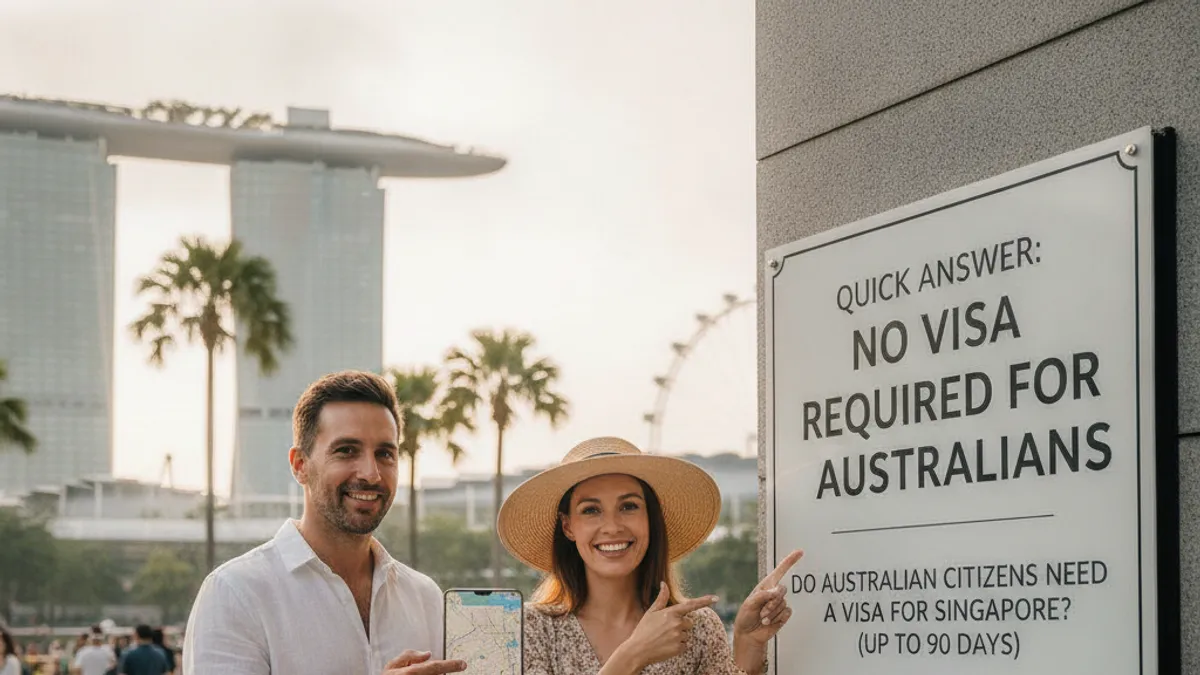
For most Australians, you usually don't need a visa to enter Singapore if your visit is for tourism, social reasons, or short-term business, and you plan to stay for 90 days or less. This visa-free entry is a common perk for citizens of many countries, including Australia. It means you can typically just hop on a plane with a valid passport and your onward travel plans sorted.
The core requirement here is that you must be a genuine visitor. This means you're not intending to work, study long-term, or settle in Singapore. Immigration officials at the point of entry will assess your situation, so it's always best to be prepared with supporting documents, even for visa-free travel.
Who Needs a Visa for Singapore?
While many Australians enjoy visa-free travel, there are specific situations where you absolutely will need to apply for a visa before you even think about booking flights. Understanding these exceptions is crucial to avoid any last-minute travel dramas or issues upon arrival.
Staying Longer Than 90 Days
If your travel plans for Singapore stretch beyond the standard 90-day visa-free limit, you'll need to apply for the appropriate visa. Singapore's Immigration & Checkpoints Authority (ICA) manages different visa categories for longer stays. These aren't your typical tourist passes.
You'll need to determine which specific long-term visa fits your purpose. This could be for extended family visits, specialized training, or other circumstances that require you to remain in Singapore for a duration exceeding three months. The application process for these visas usually involves more detailed documentation and a more thorough review.
Working or Studying in Singapore
This is probably the most common reason Australians would need a visa beyond a short visit. If your primary purpose for going to Singapore is to take up employment or enroll in an educational institution, the visa-free status simply won't cut it. You'll need to secure the correct work pass or student pass.
Getting a work pass involves your prospective employer in Singapore usually applying on your behalf. For students, the educational institution will guide you through the application for a student's pass. These processes require specific application forms, proof of qualifications, and often medical examinations.
Other Specific Purposes
Beyond work and study, there are other reasons you might need a visa. If you're planning to engage in activities that aren't covered by the 90-day visa exemption, it’s your responsibility to check the latest requirements. This could include things like participating in certain types of journalism, religious activities, or professional training not related to employment.
Essentially, if your reason for being in Singapore isn't a simple holiday, visiting friends/family, or a brief business meeting, you must investigate further. The Singapore Immigration & Checkpoints Authority (ICA) is the definitive source for understanding all such specific entry requirements applicable to Australian citizens.
What if I'm just transiting through Singapore?
If you're flying through Singapore to another destination and don't plan to leave the airport's transit area, you typically won't need a visa. You'll remain in the sterile zone of the airport. However, if your transit involves changing airports or you have a long layover where you plan to exit the transit area and enter Singapore proper, then standard entry requirements, including potential visa needs or visa-free eligibility, will apply.
What if I'm invited for a wedding or event?
Attending a wedding, conference, or other short-term event usually falls under the "social visit" or "business visit" categories for which Australians often get visa-free entry for up to 90 days. As long as your primary purpose is attendance and you aren't receiving payment in Singapore, you should be fine. Always confirm the specific duration allowed for your entry.
Essential Travel Documents for Australians
Even when you're traveling visa-free, having the correct documentation is non-negotiable. Singaporean immigration officials are thorough, and being unprepared can lead to denied entry or significant delays. Think of these as your ticket to a smooth arrival, not an optional extra.
Passport Validity
This is one of those non-negotiables that can catch people out. Your Australian passport must be valid for at least six months from your date of entry into Singapore. This means if your passport expires in five months and 20 days from when you land, you could be turned away.
It’s not uncommon for travelers to overlook this, especially if their trip is shorter than the passport’s expiry date. Always double-check your passport's expiry date well before your trip and renew it if necessary. It’s much easier to sort out a new passport from Australia than to deal with the hassle at a foreign immigration desk.
Proof of Onward or Return Travel
Immigration officers want to see that you have a clear plan to leave Singapore. They need assurance that you won't overstay your welcome or become an unforeseen burden. Therefore, having a confirmed return ticket to Australia or an onward ticket to another country is a key requirement for most visitors.
This doesn't just mean having a booking; it means having a confirmed booking. They may ask to see it. If you're planning a multi-city trip and haven't booked your onward travel yet, it’s wise to book a flexible ticket or get one for a date within your visa-free allowance. This detail is often overlooked but is critically important.
Navigating Singapore's Entry Process
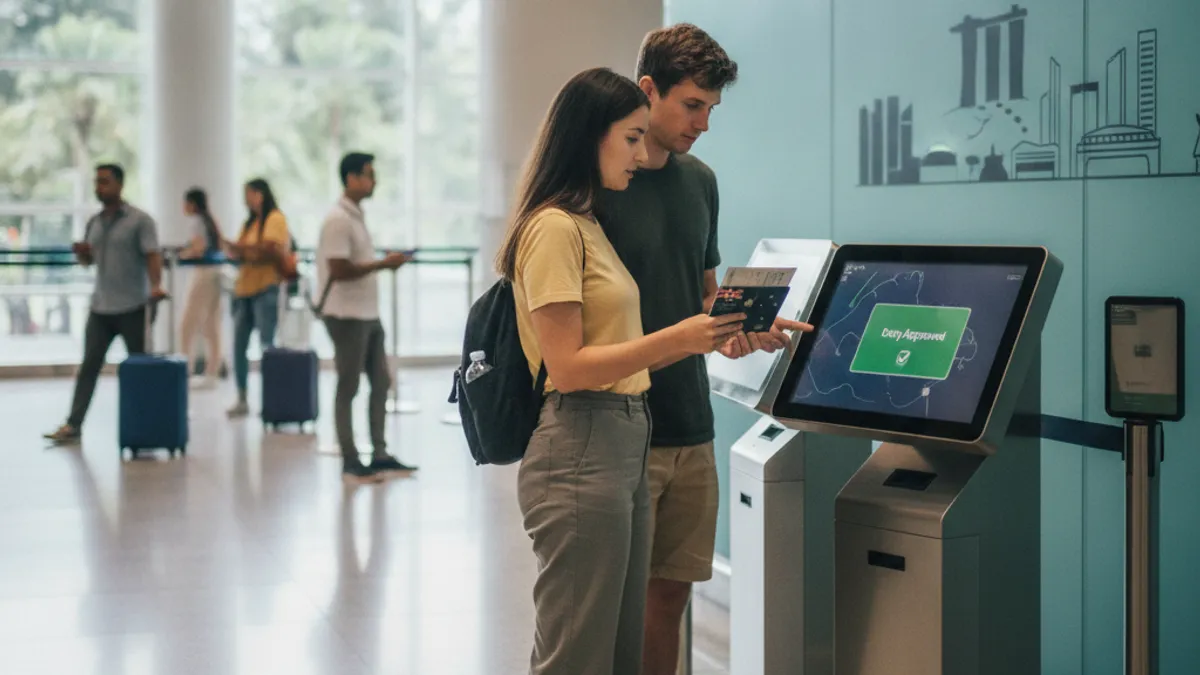
Stepping off the plane in Singapore is just the first part of entering the country. You'll go through immigration, where your documents are checked, and you officially gain entry. Understanding this process helps you feel more confident and prepared.
Completing Your Arrival Card
Before or upon arrival, you'll need to complete an Arrival Card. This is a digital declaration form that most travelers complete electronically prior to their journey. It contains information about your visit, such as your personal details, flight information, and intended stay in Singapore.
While many airlines facilitate this electronically, there might still be paper forms available in some scenarios, though online is the norm. It's best to complete this well in advance to avoid any queues or last-minute rushes at the airport. This digital submission is a crucial step in the entry process.
Immigration Inspection
Once you’ve got your passport and arrival card sorted, you’ll proceed to the immigration counters. Here, an officer will examine your passport, check your visa status (or confirm your visa-free eligibility), and may ask you a few questions about the purpose and duration of your visit.
They are looking for genuine visitors who meet Singapore's entry requirements. They might also ask about your accommodation and how you plan to support yourself financially during your stay. Being honest and having your documents readily available will make this process quick and painless. For Australians entering visa-free, as of 2026, this process remains largely the same for short tourist visits.
Common Mistakes Australians Make
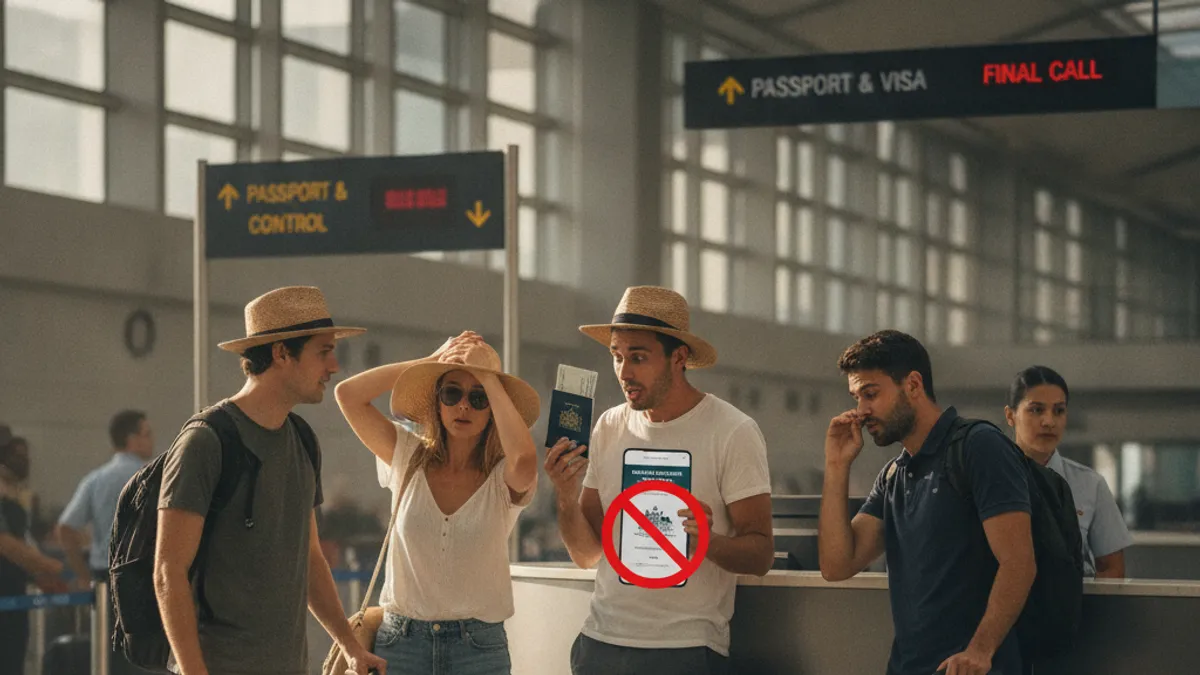
Even with visa-free travel, folks can still run into issues. These are usually down to overlooking simple details or misunderstanding the rules. Being aware of these common pitfalls can help you steer clear of any holiday headaches.
Exceeding Your Stay Limit
This is probably the biggest mistake people make. The 90-day visa-free limit is strict. If you overstay, you can face penalties, including fines, detention, and even a ban from re-entering Singapore. It’s crucial to mark your entry date and keep track of how many days you've been there.
If you realize you need to stay longer, you must apply for an extension before your current visa-free period expires. Don't wait until the last day, and never assume an extension will be automatically granted. The ICA handles these requests, and approvals are based on specific circumstances.
Forgetting Essential Documents
As covered earlier, lacking a valid passport or proof of onward travel can instantly cause problems. This isn't just about having the documents; it's about them being in the correct condition and format. A passport that's nearing its expiry date or a flight booking that isn't confirmed can be as problematic as having no document at all.
It’s also wise to have digital or physical copies of your accommodation bookings. While not always asked for, these can help an immigration officer understand your itinerary better. Think of it as having your travel ducks in a row, making your case for entry as clear and straightforward as possible.
Official Resources for Singapore Entry
When it comes to international travel regulations, especially concerning visas and entry requirements, the most reliable information always comes directly from the source. Relying on outdated blogs or hearsay can lead to significant misunderstandings and problems. Singapore has a dedicated authority that manages all immigration matters.
The primary official body you'll want to consult is the Immigration & Checkpoints Authority (ICA) of Singapore. Their website is the gold standard for accurate, up-to-date information on visa requirements, entry passes, and all other immigration-related policies. For Australians, looking for specific visa exemptions or application procedures, the ICA’s portal is your go-to resource.
If you are planning to work or study, separate government agencies might also be involved, such as the Ministry of Manpower (MOM) for work passes. However, for general entry and tourist visa queries, the ICA is the main point of contact and the most authoritative source you can trust.
Your Travel Checklist
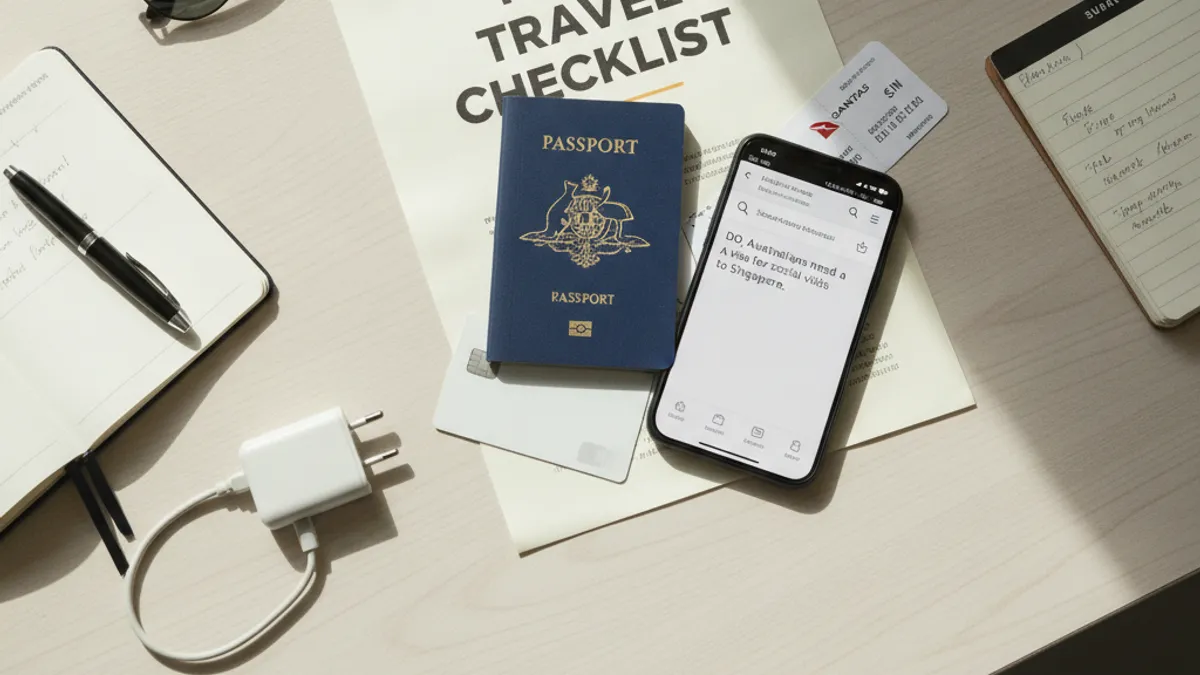
To make your trip from Australia to Singapore as smooth as possible, having a clear checklist can be a lifesaver. Before you even pack your bags, run through these essential items to ensure you’re fully prepared for your journey and immigration checks.
- Passport: Check expiry date. Must be valid for at least six months from your date of entry.
- Return/Onward Ticket: Ensure you have confirmed travel out of Singapore.
- Visa Status: Confirm you fall under visa-free entry for your intended stay (90 days or less, for tourism/social/short business). If not, apply for the correct visa well in advance.
- Accommodation: Have your hotel booking or host’s details ready.
- Arrival Card: Complete your electronic arrival card before you travel.
- Funds: Be prepared to show you have sufficient funds to cover your stay, though proof isn't always requested.
Having these items in order, and knowing where to find official information if questions arise, will ensure your entry into Singapore is straightforward and stress-free.