
Planning a trip to India from the US often brings up a key question: does an American passport need a visa to India? The straightforward answer for most travelers is a definite yes, you'll typically need to secure a visa before you arrive. India has specific entry requirements for foreign nationals, and this is a fundamental part of the process.
Thank you for reading this post, don't forget to subscribe!While the need for a visa is standard, the type of visa and how you obtain it can vary based on your travel purpose. Understanding these distinctions is crucial for a smooth entry. For instance, a tourist visa is very different from one required for business or medical treatment, and as of 2026, these guidelines remain a constant for international travelers.
Quick Answer: Do US Citizens Need a Visa for India?
Yes, generally, American passport holders require a visa to enter India. This isn't a selective requirement; it's standard for most foreign nationals wishing to visit for tourism, business, or various other purposes. The primary pathways for obtaining this visa are typically digital, making the process more accessible than in years past.
Understanding Different Visa Types for India
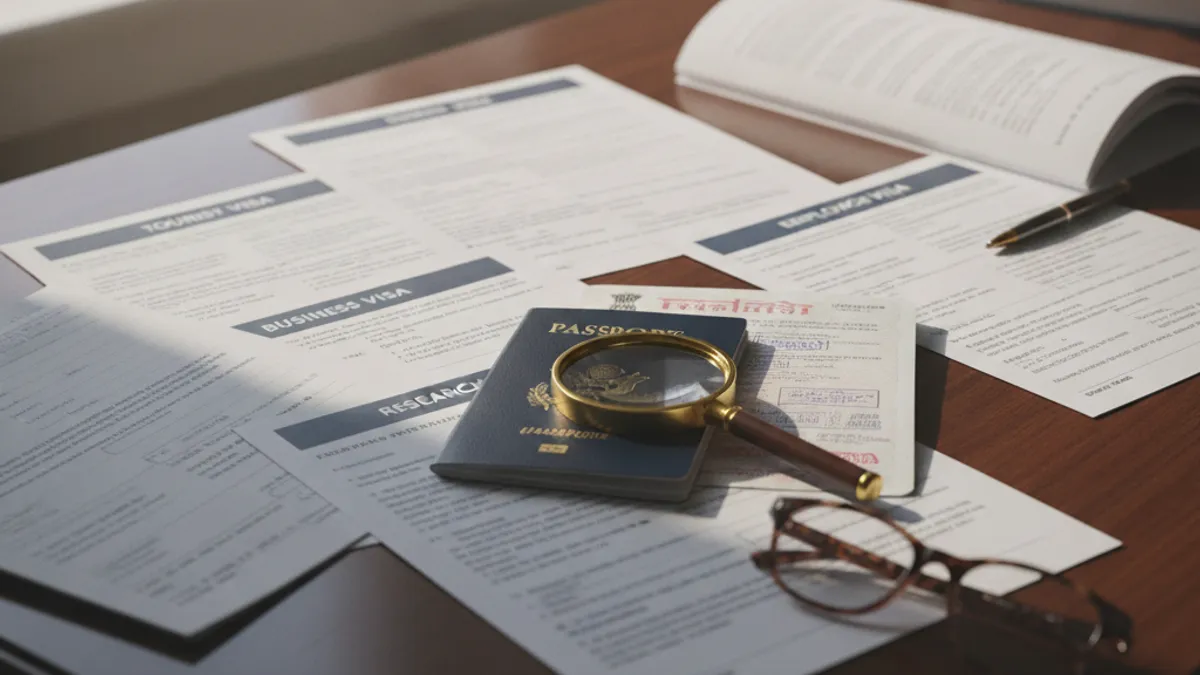
India offers a range of visa categories designed to fit the specific reasons for your visit, and choosing the right one is the first critical step. These aren't interchangeable, so matching your purpose to the correct visa prevents complications upon arrival.
- Tourist Visa: This is the most common type for visitors coming for leisure, sightseeing, and experiencing India's culture. It allows you to explore the country and enjoy its attractions.
- Business Visa: If your trip involves commercial activities, attending meetings, training, or setting up an industry, this is the visa you'll need. It's distinct from tourism and has its own set of criteria.
- Medical Visa: For individuals seeking medical treatment in India, a dedicated Medical Visa is available. This covers patients and their attendants.
- Student Visa: If your intention is to pursue education at an Indian institution, you must apply for a Student Visa. Enrollment proof from a recognized educational body is usually a key requirement.
- Employment Visa: For those who have secured a job in India, this visa is mandatory. It typically requires sponsorship and a formal offer of employment from an Indian company.
The e-Tourist Visa (e-TV): Your Go-To for Vacations
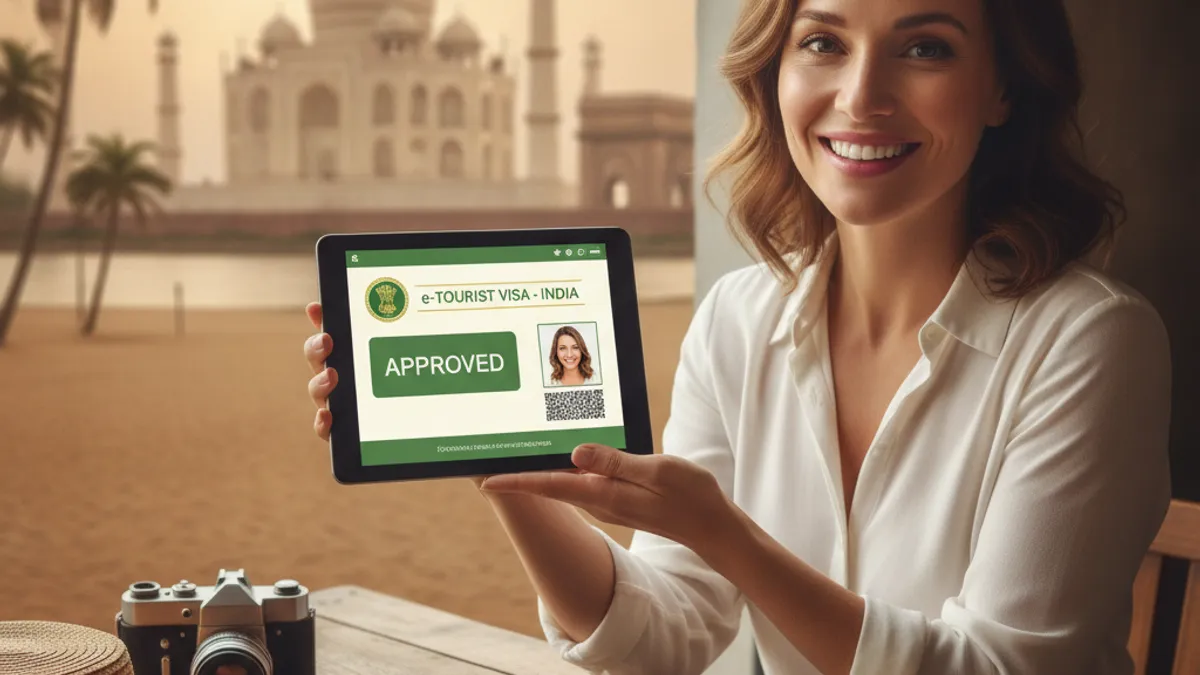
For the vast majority of American travelers heading to India purely for tourism, the e-Tourist Visa (e-TV) is the most convenient and widely used option. It's a digital visa that streamlines the application process significantly, meaning you don't have to mail your passport or visit an embassy for the initial application.
The e-TV is designed for short-term tourism. You can apply for different validity periods, usually ranging from 30 days up to five years. The longer validity options typically permit multiple entries into the country within that timeframe.
How the e-Tourist Visa Works
- Online Application: You'll complete an application form entirely online through the official Indian government portal. Accuracy here is essential.
- Document Submission: You'll need to upload scanned copies of your passport's biographical page and a recent digital photograph that meets specific criteria.
- Fee Payment: A visa fee, which varies based on the duration and type of e-Tourist Visa applied for, must be paid electronically.
- Approval and ETA: Once your application is processed and approved, you'll receive an Electronic Travel Authorization (ETA), which serves as your entry visa. You must print this ETA and carry it with you.
Business, Medical, Student, and Other Indian Visas
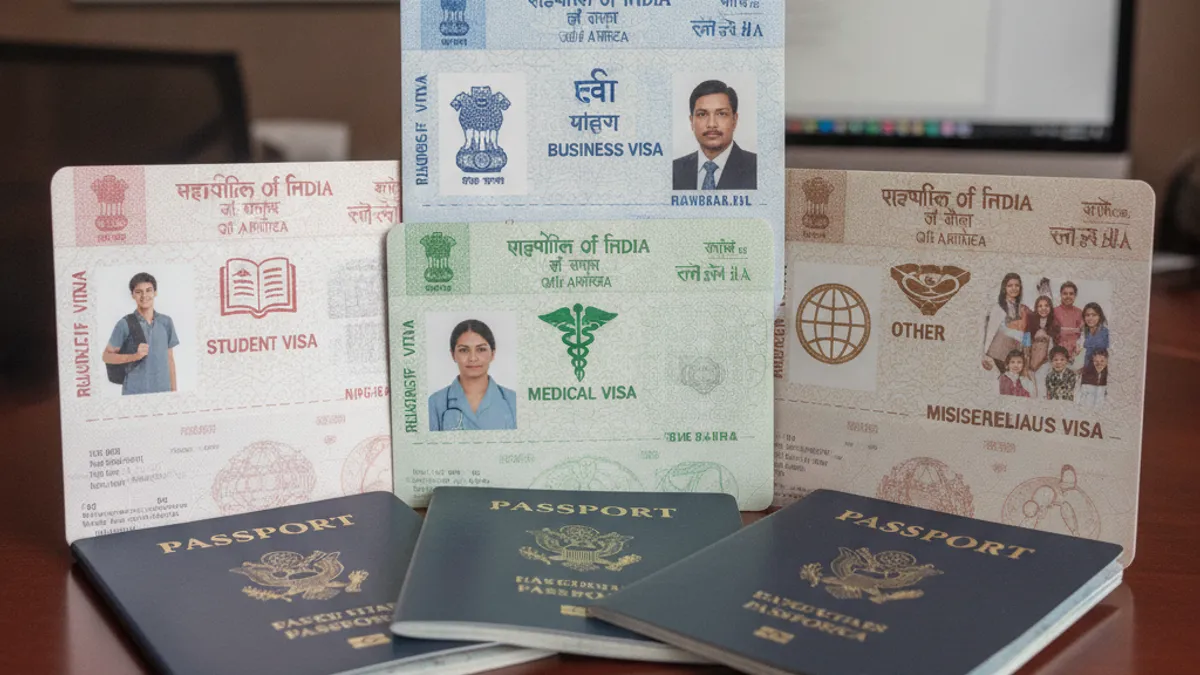
While the e-Tourist Visa covers a broad spectrum of leisure travel, it's crucial to understand that other purposes require specific visa categories. Attempting to enter India on the wrong type of visa can lead to denial of entry or significant complications.
- Business Visa: This visa is for individuals involved in commercial matters. It's not for general tourism or long-term employment. Requirements often include supporting documents from your employing company and the Indian business entity you are visiting.
- Medical Visa: If you're traveling to India for medical treatment, this visa is essential. It requires a letter from the Indian hospital confirming the booking and treatment plan. As of 2026, this pathway continues to be a vital resource for international patients.
- Student Visa: For academic pursuits, a Student Visa is necessary. You’ll need proof of admission from a recognized Indian educational institution.
- Employment Visa: If you have a job offer from an Indian employer, you'll apply for an Employment Visa. Your employer will typically initiate a significant part of this process from their end.
Navigating the Indian e-Visa Application Process
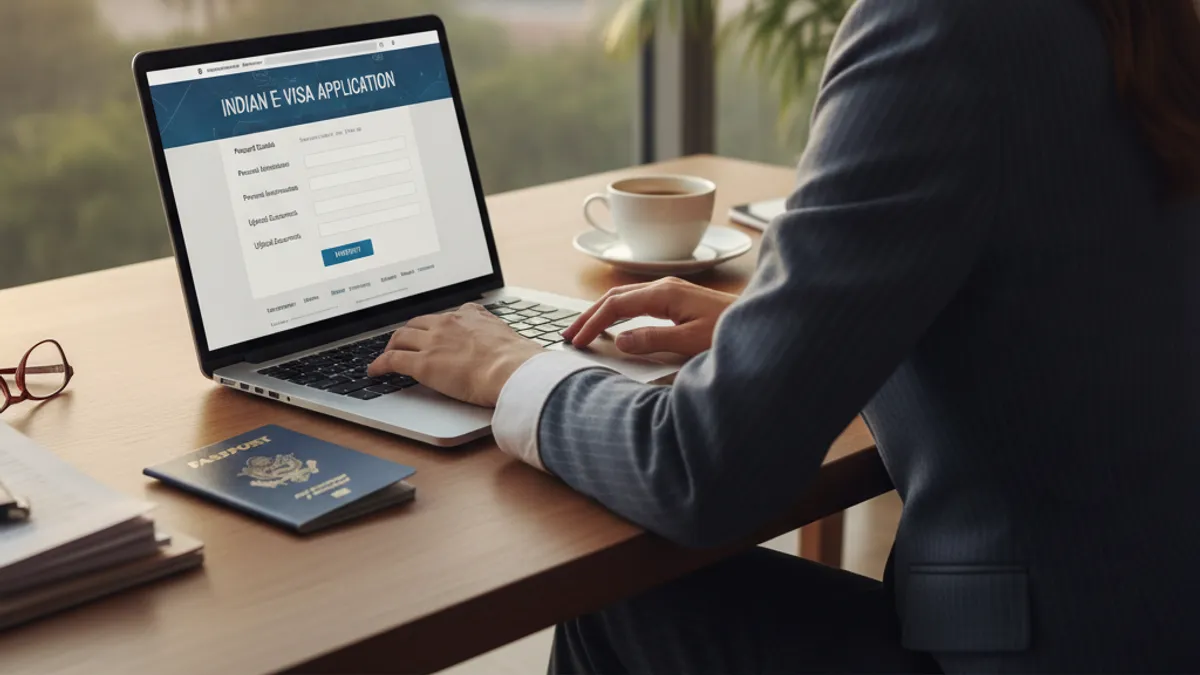
The process for obtaining an Indian visa, especially the popular e-Visa, has been designed for efficiency. However, it requires careful attention to detail to avoid common mistakes that can cause delays or rejections. It’s vital to use the official government website to prevent falling victim to fraudulent sites.
The official portal provides a structured form where you'll input all necessary personal, passport, and travel information. Think of it as laying out all the facts clearly for the Indian immigration authorities. Accuracy in every field is paramount; even minor typos can create issues.
Step-by-Step: Applying for Your Indian e-Visa
Here’s a general workflow for most e-Visa applications. Specific steps might vary slightly depending on the visa type and any updates to the official portal.
- Access the Official Portal: Navigate to the correct Indian government website for visa applications. A quick search for "Indian e-Visa official site" will lead you there. Be wary of unofficial third-party sites that may charge extra fees or provide incorrect information.
- Select Visa Type and Details: Choose the appropriate visa category (e.g., e-Tourist Visa) and input your basic details, including nationality and passport information. This begins your application session.
- Complete the Application Form: Fill out the detailed application, providing information such as your personal particulars, educational background, intended destinations in India, and anticipated arrival date. Ensure all biographical details match your passport exactly.
- Upload Required Documents: You will typically need to upload a scanned copy of your passport's main information page. This page contains your photograph, name, date of birth, and passport number. Additionally, a recent digital passport-style photograph is required. Ensure these uploads are clear and meet the specified dimensions and file size limits.
- Pay the Visa Fee: After completing the form and uploading documents, you'll proceed to the payment gateway. The fee varies based on the visa type (e.g., e-Tourist Visa for 30 days, 1 year, or 5 years) and your nationality. Payment is usually made via credit or debit card.
- Receive and Print Your ETA: Upon successful approval of your application, you will receive an Electronic Travel Authorization (ETA) via email. This document is your visa. It's crucial to print out a copy of this ETA and keep it with you at all times during your travel to India. You will need to present it to immigration officials upon arrival.
Essential Documents for Your Indian Visa Application
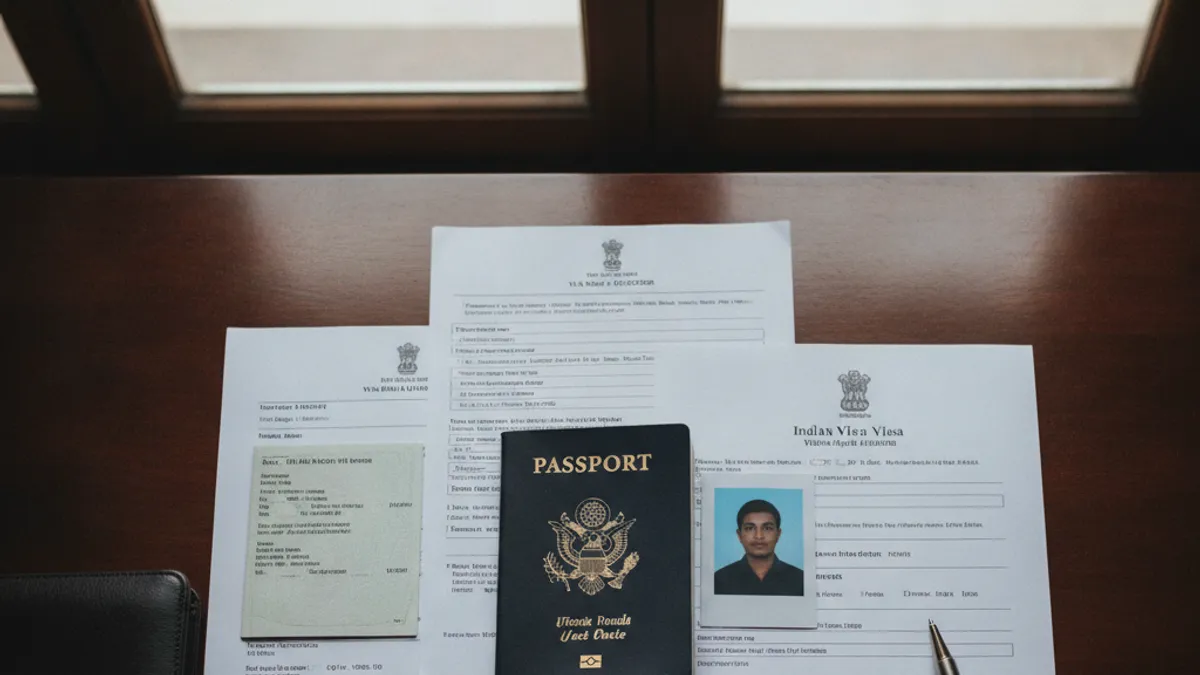
Having the right documents ready is key to a smooth Indian visa application. The most critical item is your passport, which needs to be valid for at least six months beyond your intended stay in India. This is a standard requirement by many countries for international travel.
Your passport must also have at least two blank pages. These pages are for immigration stamps when you enter and exit India. If your passport doesn't meet these basic criteria, you’ll need to renew or replace it before you can even apply for a visa. Beyond the passport, the specific documents needed will depend on the visa type, but always expect to provide clear, recent photographs.
What Passport Details Are Crucial?
Your passport’s biographical page is scanned and uploaded during the e-Visa application. This page contains vital information that must precisely match your application.
- Full Name: Exactly as it appears on your passport.
- Date of Birth: Use the same format as your passport.
- Passport Number: Double-check for accuracy.
- Nationality: Ensure it matches your passport’s nationality.
- Date of Issue and Expiry: Important for verifying validity.
These details are cross-referenced by immigration systems, so any mismatch can flag your application for review or rejection.
Digital Photograph Requirements for Visas
The digital photograph you upload for your Indian visa application must adhere to strict guidelines. These are similar to standard passport photo requirements.
- Recent Image: The photo should be taken within the last six months.
- Clear Background: A plain white or off-white background is usually required.
- Full Face View: Your face should be centered and clearly visible, with no obstructions like hats or sunglasses (unless for religious or medical reasons, which usually require a doctor's note).
- Proper Lighting: Ensure the photo is well-lit, without shadows on your face or background.
- File Format and Size: The .jpeg or .jpg format is standard, with specific file size limits (e.g., between 10 KB and 1 MB). The dimensions are also specified, often around 2×2 inches or 350×350 pixels.
Failing to meet these image specifications is a common reason for application delays or outright rejection. It’s often wise to get a professional passport-style photo taken and then have a digital version prepared to these exact specs.
Common Pitfalls: Mistakes to Avoid When Applying for an Indian Visa
Applying for an Indian visa, particularly the e-Visa, is generally straightforward, but several common errors can cause significant delays or lead to your application being denied. Being aware of these pitfalls beforehand can save you a lot of stress and potential last-minute travel disruptions.
One of the most frequent mistakes applicants make is using unofficial websites. Scammers create convincing-looking sites that mimic the official Indian visa portal, charging inflated fees and often providing incorrect information or not submitting the application at all. Always verify you are on the official government site before entering any personal or payment details.
Using Unofficial Websites for Applications
This is a critical point. Many third-party agents offer visa services, but for e-Visas, the official portal is your safest bet. These unofficial sites might claim to expedite the process or offer assistance, but they often add unnecessary charges or handle your sensitive data insecurely.
- Identify the Official Site: Navigate to the official Indian government portal for visa applications. A reliable indicator is a domain linked to the Government of India's Ministry of Home Affairs or External Affairs.
- Beware of High Fees: If a site charges significantly more than the stated government fee, it's a red flag.
- Protect Personal Data: Never share your passport information or payment details on sites you can't verify as legitimate.
Errors in Personal and Passport Information
Accuracy is non-negotiable when filling out the visa application form. Even small discrepancies between your application and your passport can cause problems.
- Name Mismatch: Ensure your name, including middle names and any suffixes, is entered exactly as it appears on your passport.
- Incorrect Dates: Double-check all dates, date of birth, passport issue and expiry dates, and intended arrival date.
- Passport Number Transcription: A single wrong digit in your passport number can invalidate your application.
Inaccurate Travel Plan Details
While the e-Visa application is somewhat flexible, providing deliberately misleading or incorrect information about your travel plans can be problematic.
- Port of Entry: You are often required to list your intended port of arrival in India. If you arrive at a different airport or border crossing than what's listed and it's not an authorized e-Visa entry point, you could face issues.
- Duration of Stay: Be realistic about how long you intend to stay within the visa's validity period.
Key Requirements: Passport and Application Details
To successfully apply for an Indian visa, ensuring your passport meets specific requirements is the foundational step. This isn't just a suggestion; it's a hard rule set by India's immigration authorities for all foreign visitors. As of 2026, these standards remain in place for international travelers.
Your passport must possess a minimum validity period of six months extending from your planned entry date into India. This means if you plan to leave India on December 31st, your passport must be valid until at least June 30th of the following year. This buffer allows for unforeseen travel delays or extensions.
Passport Validity and Blank Pages
Beyond the six-month validity rule, your passport must also contain at least two blank pages. These pages are crucial for official entry and exit stamps. Without sufficient blank pages, immigration officers may deny you boarding or entry.
- Minimum Validity: Six months from the date of entry into India.
- Blank Pages: A minimum of two blank pages required for stamps.
If your passport is nearing its expiry or lacks blank pages, you must renew it before submitting your visa application. Attempting to proceed with an insufficient passport will lead to an application rejection or problems at the border.
What to Know About Your Application Data
The information provided in your visa application is reviewed closely. It’s linked to your passport and travel records. Providing truthful and accurate data streamlines the approval process.
- Consistency is Key: All details, names, dates, nationality, must precisely match your passport.
- Honesty in Reporting: Declare any previous visa denials or criminal convictions truthfully. Non-disclosure can lead to permanent visa bans.
- Digital Records: Your e-Visa is electronically linked to your passport number. Immigration systems can verify its status instantly.
When to Apply: Timing Your Indian Visa Application
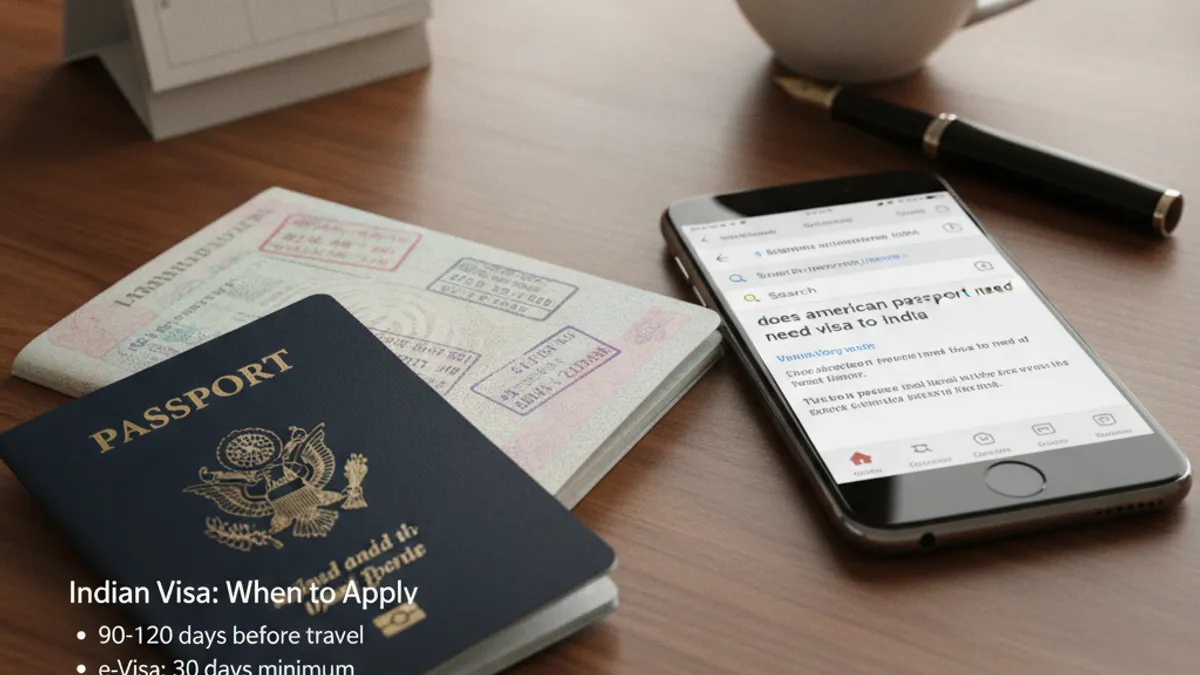
Deciding when to apply for your Indian visa is as important as knowing that you need one. Applying too early can sometimes be problematic, while applying too late is a recipe for disaster. Our research indicates that there’s a sweet spot for most travelers.
For most e-Tourist Visas, you can typically apply up to 120 days before your intended date of arrival in India. This gives you a generous window to get your paperwork in order. However, it's generally not advisable to apply that far in advance unless you have a specific reason.
The Optimal Application Window
The consensus among travel experts and official guidelines points to applying roughly 30 days before your planned departure date. This timeframe usually ensures:
- Sufficient Processing Time: Most e-Visa applications are processed within 72 hours (three business days), but it’s wise to build in a buffer for potential delays.
- Flexibility: If your travel dates are firm, applying within this month-long window means your visa will be valid for your trip without being so far in advance that it expires before you even use it.
- Managing Changes: If you need to make minor adjustments to your travel plans, having a recently issued visa provides more flexibility.
What Happens If You Apply Too Early or Too Late?
Applying too far in advance, say six months out, might mean your visa expires before your trip. For example, a 30-day e-Tourist Visa granted six months before your travel date would have already expired by the time you needed it. Conversely, applying just a few days before departure is risky.
- Too Early: The visa's validity period might run out before your travel dates.
- Too Late: You risk not receiving your visa approval in time, potentially forcing you to cancel or postpone your trip. Emergency visa services exist but are costly and not guaranteed.
Therefore, aiming for that 30-day mark before departure is a solid strategy. It balances having enough time for processing with ensuring the visa remains valid for your intended journey.