
So, you're wondering if you can snag a green card after your J1 visa. That's a super common question, and the honest answer is… it can be complicated, but it's definitely not always impossible! Think of it like this: the J1 visa is usually for temporary stays, think exchange programs, internships, teaching, or research. It's not typically designed as a direct pathway to permanent residency.
Thank you for reading this post, don't forget to subscribe!But life and career paths don't always follow the script, right? The key factor that often dictates your path is whether your program subjects you to the Two-Year Home-Country Physical Presence Requirement. According to U.S. Department of State guidelines, this requirement means you must return to your home country for two years after your program ends, and until then, certain immigration avenues may be restricted.
Let's break down what you need to consider.
Is the Two-Year Home-Country Rule Stopping You?
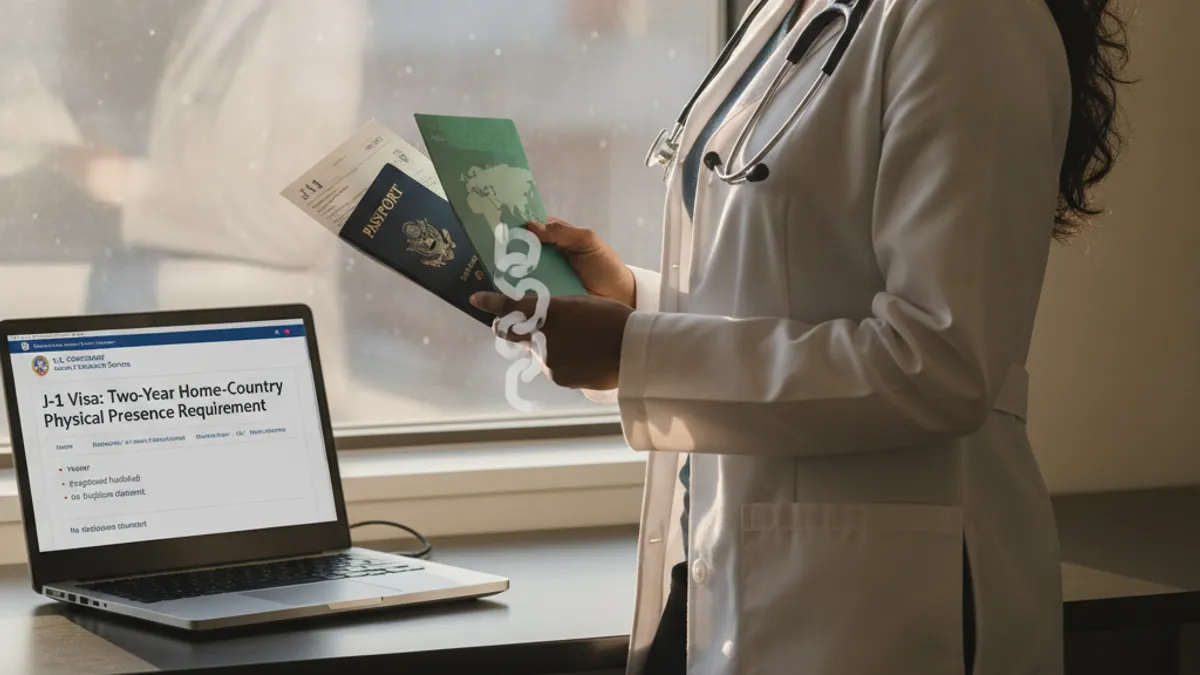
Often, the biggest hurdle when considering a green card from a J1 visa is that pesky Two-Year Home-Country Physical Presence Requirement. If your J1 program is subject to this, the U.S. government expects you to return to your home country for a period of two years after your exchange program concludes. This isn't just a suggestion; it's a part of your visa conditions. Fulfilling this requirement, or successfully obtaining a waiver for it, is usually a prerequisite for being able to adjust your status to a green card while remaining in the United States.
Checking Your DS-2019 Form for the J1 Residency Requirement
Your DS-2019, the Certificate of Eligibility for Exchange Visitor (J-1) Status, is your most important document here. It's the official record of your program details. Tucked away within this form is a specific section that clearly indicates whether the Two-Year Home-Country Physical Presence Requirement applies to you. This isn't a detail you want to overlook.
If this box is checked, it means you'll need to address this requirement head-on before you can successfully move towards permanent residency in the U.S. through most common adjustment of status routes.
Understanding Your J1 Visa and Green Card Options

To figure out your next steps, it helps to understand what each visa is for and what a green card actually means. The J1 visa is a specific type of non-immigrant visa that allows foreign nationals to come to the United States to participate in an approved exchange visitor program. These programs are designed for cultural exchange, education, and skill development.
The J1 Visa: A Temporary Pathway
The J1 visa is inherently temporary. It's built around specific programs with defined start and end dates, like research scholar positions, student internships, or teaching engagements. The core purpose is not to serve as a direct route to U.S. residency but rather to facilitate a temporary exchange of knowledge and culture. This temporary nature is why the U.S. government often imposes conditions, like the two-year home-country rule, to ensure participants return to their home countries and share their acquired experiences.
What is a Green Card?
A Green Card, officially known as a Permanent Resident Card, signifies that you have been granted lawful permanent resident status in the United States. This status allows you to live and work permanently anywhere in the U.S., travel in and out of the country, and eventually apply for U.S. citizenship after meeting certain residency and other requirements. It's a significant step up from any temporary visa status, offering stability and long-term opportunities.
Your Green Card Pathways After a J1 Visa

Navigating the path from a J1 visa to a green card isn't a one-size-fits-all process. It hinges significantly on whether you're subject to the two-year home-country rule. If you are, your primary focus will likely be on obtaining a waiver for this requirement. If you aren't subject to it, or if you secure a waiver, you can then explore the standard green card categories.
Pathway 1: Getting a Waiver for the Two-Year Rule
If your DS-2019 indicates you are subject to the Two-Year Home-Country Physical Presence Requirement, getting a waiver is often the crucial first step before you can apply for a green card from within the U.S. Without a waiver, you generally cannot adjust your status to permanent resident while in the States. This waiver process is administered by the U.S. government, and specific grounds must be met to qualify.
Waiver Options Explained: No Objection, Agency Request, Hardship, Persecution
There are several different bases upon which you can request a waiver. Each has its own set of requirements and documentation needs.
- No Objection Statement: This involves your home country's government sending a letter to the U.S. government stating that they do not object to you remaining in the U.S. rather than returning home. This is often available for certain country-specific exchange programs.
- Request by an Interested U.S. Government Agency: If a U.S. federal government agency believes your continued presence in the United States is vital to its program or interests, they can request a waiver on your behalf. This is commonly seen for individuals involved in research or projects of national importance.
- Exceptional Hardship to a U.S. Citizen or Lawful Permanent Resident Spouse or Parent: This is a more difficult category to prove. You must demonstrate that your departure from the U.S. would cause extreme hardship to your U.S. citizen or lawful permanent resident spouse or parent. This isn't simply about missing family; it requires showing significant adverse consequences that go beyond normal family separation.
- Persecution: If you can show that you would face persecution in your home country based on your race, religion, nationality, membership in a particular social group, or political opinion, you may be eligible for a waiver. This often involves demonstrating a well-founded fear of harm.
Each waiver application requires careful preparation, strong documentation, and an understanding of the specific criteria set by the relevant U.S. government agencies.
Pathway 2: Family Sponsorship
If you have a qualifying U.S. citizen or lawful permanent resident relative, they can potentially sponsor you for a green card. This is often a more straightforward route, assuming the family relationship is valid and recognized under U.S. immigration law. Eligible relatives typically include spouses, parents (if you are under 21 or over 21 and they are U.S. citizens), and children.
Pathway 3: Employer Sponsorship
For those with specialized skills or in-demand professions, an employer in the U.S. can sponsor you for an employment-based green card. This process usually involves the employer demonstrating that they are unable to find a qualified U.S. worker for the position. This pathway requires the employer to navigate a significant legal and administrative process, often including labor market testing.
When You Might NOT Be Subject to the Two-Year Rule

Not everyone who comes to the U.S. on a J1 visa is automatically subject to the Two-Year Home-Country Physical Presence Requirement. If your program doesn't trigger this rule, your path to a green card might be much smoother. You won't need to go through the waiver application process, which can be lengthy and uncertain.
What Programs Don't Typically Incur the Rule?
Generally, if your J1 program was not funded by your home country's government or the U.S. government (through agencies like USAID or the State Department), you may not be subject to the rule. Also, certain purely academic or research programs, especially those at universities that don't receive direct government funding for your specific participation, might also be exempt. It's not always a clear-cut division, though, as the specifics of your funding and program sponsorship are key.
How to Be Sure You're Exempt
Again, your DS-2019 form is your primary source of truth. It will explicitly state if the two-year requirement applies. If it does not mention the requirement, and your program funding wasn't from your government or the U.S. government, you are likely exempt. It's always wise to consult with an immigration attorney to confirm your exemption status, especially if you plan to adjust your status to a green card.
Common Mistakes J1 Visa Holders Make When Seeking a Green Card

Even with clear pathways, people often stumble on specific issues when shifting from a J1 visa to a green card application. Being aware of these common pitfalls can save you a lot of stress and potential delays. Many of these errors stem from a misunderstanding of the rules or not preparing adequately.
Not Checking the DS-2019 for the Two-Year Rule
This is perhaps the most frequent and serious mistake. Some individuals assume they aren't subject to the rule or don't bother to check their form until much later. This can lead to months or even years of delay if they then realize they need a waiver and haven't started the process.
Starting the Green Card Application Too Soon
If you are subject to the two-year rule and haven't obtained a waiver, filing an Application to Register Permanent Residence or Adjust Status (Form I-485) prematurely will likely result in denial. USCIS will see the two-year requirement noted on your immigration record and flag it. It's crucial to have your waiver approved before you file your adjustment of status application, or at least have a pending, strong waiver application.
Relying Solely on Employer Sponsorship Without Addressing the J1 Rule
While employer sponsorship is a viable green card path, the employer must also understand that your J1 status restrictions need to be resolved. They can sponsor you for an immigrant petition (I-140), but you still may not be able to adjust status within the U.S. if you haven't dealt with the two-year rule. This can sometimes lead to confusion and frustration for both the applicant and the sponsoring employer.
Expert Advice: Navigating the Green Card Process After a J1

Immigration law is intricate, and the rules governing J1 visas and green card eligibility can be particularly complex. Getting advice from someone who truly understands these nuances is not just helpful; it's often essential for a successful outcome. Our research indicates that individuals who consult with experienced immigration attorneys are more likely to navigate the process effectively and avoid costly mistakes.
When to Seek Professional Legal Guidance
If you are unsure about your J1 program's requirements, especially regarding the Two-Year Home-Country Physical Presence Requirement, you should seek legal counsel. An immigration attorney can review your DS-2019, analyze your situation, and advise you on the best course of action. They can also help you understand the strengths and weaknesses of different waiver categories or sponsorship pathways available to you.
Understanding Waiver Strength and Documentation
Attorneys specializing in immigration can guide you on what kind of evidence is needed to support your waiver application. For instance, proving "exceptional hardship" requires more than just emotional distress; it involves detailed documentation of financial impacts, medical needs, or other severe consequences that your departure would cause to a U.S. citizen or permanent resident family member. They can also help manage communications with agencies like the Department of State.
Planning Your Next Steps
An attorney can help you create a timeline and a strategic plan. This might involve deciding whether to pursue a waiver, explore family or employer sponsorship concurrently, or even consider leaving the U.S. to fulfill the two-year requirement if a waiver is not feasible. Thinking ahead about the best approach can save significant time and resources. Remember, as of 2026, immigration policies can still evolve, making expert, up-to-date advice even more critical.
Legal and Compliance: What You Absolutely Need to Know

When dealing with visa statuses and green card applications, understanding the legal framework is paramount. Failure to comply with regulations can lead to severe consequences, including denial of your application, visa revocation, or even a ban from future entry into the United States. It's about ensuring your actions align with U.S. immigration laws and that you meet all the requirements laid out by agencies like U.S. Citizenship and Immigration Services (USCIS).
The Impact of Violating J1 Visa Terms
Your J1 visa comes with specific conditions. If you work outside of your authorized program, overstay your permitted duration, or violate other terms, these actions can significantly complicate any future immigration endeavors. A record of visa violations can make it extremely difficult, if not impossible, to adjust your status to a green card within the U.S. and might also impact your ability to obtain other visas in the future. Strict adherence to your J1 program terms until its official end date is crucial.
Understanding Adjustment of Status Bars
Certain immigration actions or statuses can create "bars" to adjusting your status to that of a lawful permanent resident while physically present in the U.S. The most common one for J1 visa holders is the aforementioned Two-Year Home-Country Physical Presence Requirement. However, other situations, such as working without authorization or entering the U.S. without inspection, can also create bars. It's essential to know if any such bars apply to your situation before filing an I-485 application.
Filing Deadlines and Timeliness
Each step in the immigration process has deadlines. For waivers, there are specific submission periods and required documentation timelines. For green card applications, filing too early or too late can cause problems. For instance, filing an I-485 application before your immigrant visa number is available (for preference categories) will lead to denial.
Consulting with an immigration attorney helps ensure that all applications are filed accurately and within the correct timeframes.