
Planning a trip to India from Australia can be exciting, but one of the first crucial questions you'll face is straightforward: do Australians need a visa for India? The definite answer is yes, for the vast majority of visits. Indian authorities require Australian citizens to obtain a visa before their travel. This isn't a step you can skip or try to sort out at the airport.
Thank you for reading this post, don't forget to subscribe!The specifics of your visa depend entirely on your travel purpose and how long you plan to stay. For instance, a holiday requires a different visa than a business meeting or a course of study. As of 2026, the application processes continue to evolve, but the fundamental need for a visa remains constant. Let's break down exactly what you need to know to make your journey smooth.
Why Getting This Right Matters

Navigating the visa process correctly is absolutely essential for anyone heading to India from Australia. Making a mistake here doesn't just mean a small inconvenience; it can lead to serious issues like being denied boarding on your flight or even being turned away at immigration upon arrival in India. It's not uncommon for travelers to overlook crucial details, thinking all visas are the same. However, India has distinct categories, and each has its own set of application procedures, required documents, and rules.
Getting it wrong can unravel carefully laid travel plans, leading to lost money on flights and accommodation, and significant stress. Our research indicates that overlooking the minimum passport validity period or neglecting to get the right passport photo size are common oversights. Therefore, understanding the nuances and following the correct steps is paramount to ensure your entry into India is seamless and legal.
Is a Visa Always Required for Australians Visiting India?
Yes, as an Australian citizen, you will generally need a visa to enter India. There are very few exceptions, and these are typically for specific diplomatic or official purposes that don't apply to most travelers. For standard visits, whether for tourism, business, study, or medical reasons, an Indian visa is a mandatory requirement. This isn't a suggestion; it's a rule set by the Indian government for border control and national security.
The Indian government has established a clear framework for foreign nationals, and Australian passport holders fall under these regulations. Ignoring this requirement is a direct contravention of Indian immigration law. The primary method for most tourists and short-term business travelers to obtain their visa is through the Indian e-Visa system, which streamlines the application process significantly.
Understanding Your "Why": Purpose of Your Indian Trip
The most critical factor in determining which visa you need is the primary reason you're visiting India. This purpose dictates the visa category you'll apply for, and each has different eligibility criteria, documentation requirements, and sometimes even different processing times. Think of it as the first fork in the road when you start planning your trip.
Tourist Visa: Your Holiday Checklist
If your plan is to explore India's vibrant culture, visit historical sites, relax on beaches, or spend time with friends and family (without engaging in any business activities), you'll likely be applying for a Tourist Visa. These visas are designed for leisure travel. They typically come in different durations, such as 30 days, one year, or five years, with varying entry requirements and stay limitations for each. It's important to select a duration that matches your planned trip length, and often, tourist visas have restrictions on the number of entries permitted per year.
Business Visa: For Work and Meetings
Heading to India for commercial or business-related activities? You'll need a Business Visa. This category is for those who intend to attend business meetings, conduct negotiations, set up business ventures, or participate in exhibitions. A key requirement for most Business Visas is an invitation letter from an Indian company or organization.
This letter must clearly state the purpose of your visit and the duration. It's crucial to ensure this letter is official and meets the Embassy's standards.
Employment, Student, and Other Specialized Visas
Beyond tourism and general business, India offers various specialized visas. If you've secured a job offer from an Indian employer, you'll need an Employment Visa. This process usually involves significant sponsorship from the hiring company, as they'll need to complete specific procedures on your behalf. For those planning to pursue academic qualifications at an Indian institution, a Student Visa is mandatory.
Likewise, if you're traveling for medical treatment, you'll apply for a Medical Visa, which also has its own set of application guidelines and requirements. There are also provisions for journalists, researchers, and those attending conferences, each with their specific visa types.
Choosing Your Application Path: e-Visa vs. Sticker Visa
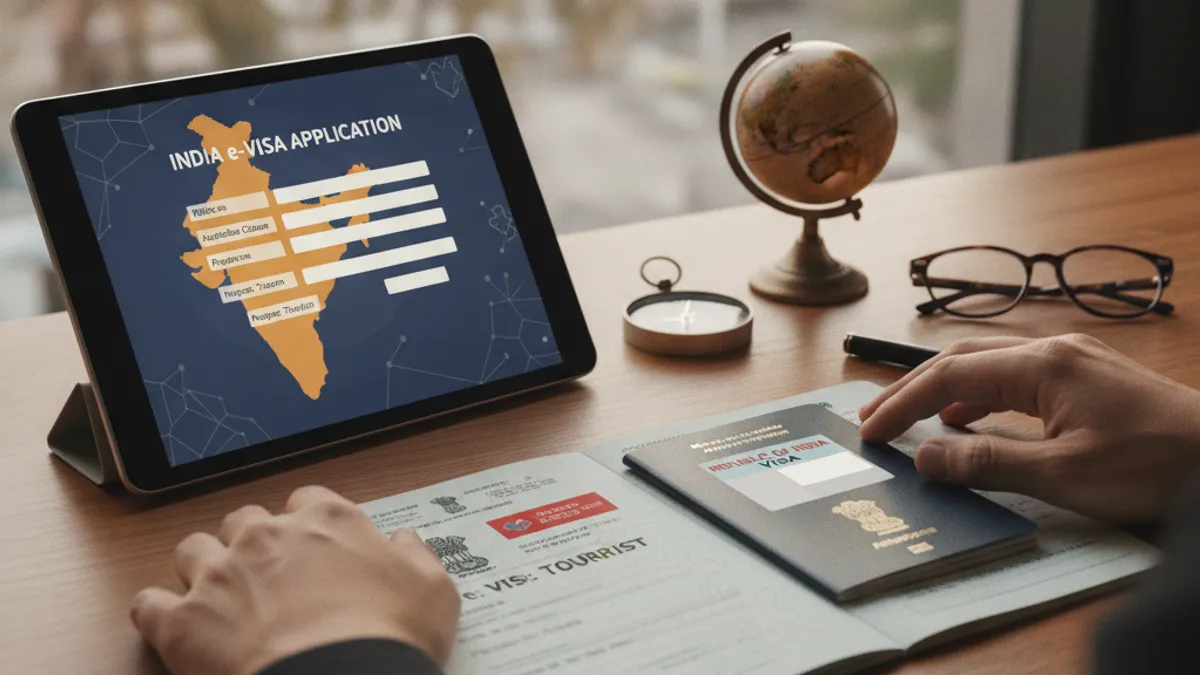
Once you've identified the purpose of your visit, the next big decision is how you'll actually get your visa. India offers two primary methods for most travelers: the e-Visa and the traditional Sticker Visa. Each has its own advantages and is suited to different types of travel and applicants. Understanding the differences will help you choose the most convenient and appropriate path for your needs.
The e-Visa Route: How It Works
The Electronic Visa, or e-Visa, is a modern, online system designed to simplify the visa application process. It's available for a range of purposes, including tourism, short business trips, and medical visits. The entire application is completed online, typically through the official Indian government visa portal. You'll upload necessary documents, including a digital copy of your passport and a recent photograph conforming to specific standards, and pay the visa fee electronically.
If approved, you'll receive an Electronic Travel Authorization (ETA) via email, which you then print and carry with you. Upon arrival at designated Indian airports or seaports, you present this ETA along with your passport to the immigration authorities. The e-Visa is a fantastic option for its speed and convenience, often allowing for smoother entry for eligible travelers.
When to Opt for a Regular/Sticker Visa
If your travel purpose isn't covered by the e-Visa scheme, or if you prefer a traditional application, you'll need to apply for a Sticker Visa. This is the more traditional method where you submit your physical passport along with a completed application form and supporting documents to an Indian Embassy, Consulate, or an authorized visa application center. This route is usually required for longer stays, employment visas, student visas that may extend beyond standard e-Visa limits, or for specific types of research or long-term business engagement. The process can take longer than an e-Visa, and it requires a physical submission of your passport, so planning well in advance is crucial.
The Visa Application Step-by-Step for Australians
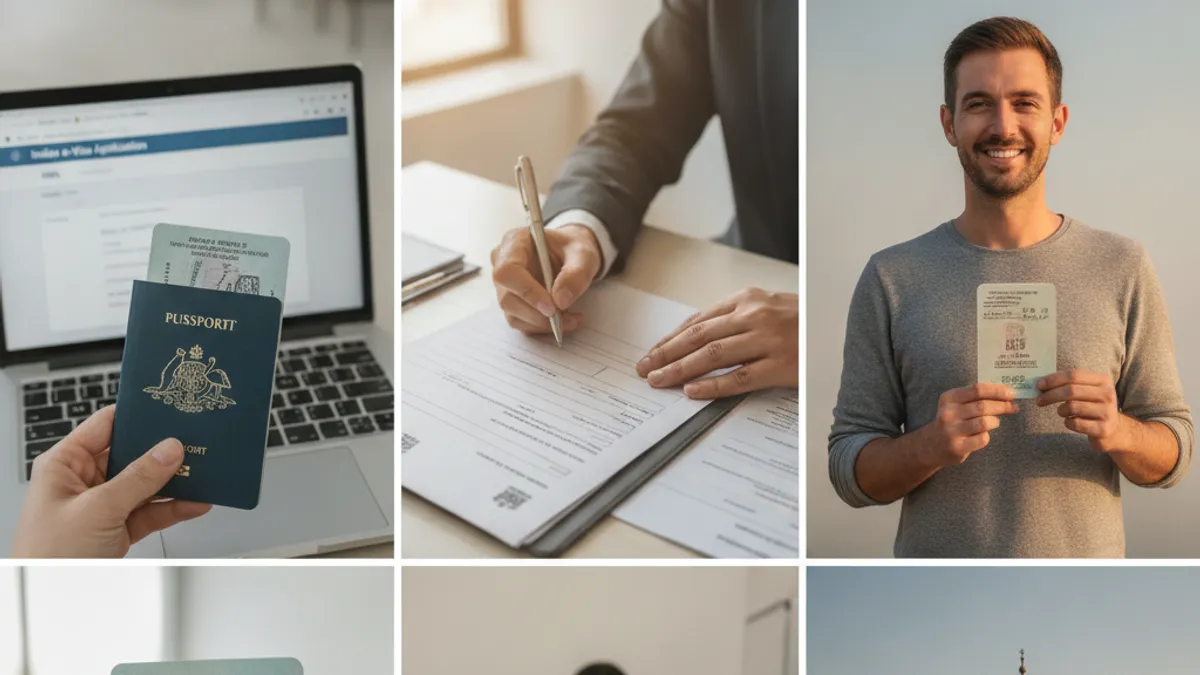
Let's walk through the typical process for an Australian citizen applying for an Indian visa. This workflow applies generally, though specific details might slightly vary depending on the visa type you choose. Adhering to each step diligently is key to a successful application.
Step 1: Identify Your Visa Type
The very first action you must take is to determine the correct visa category for your trip. As we've discussed, this is based purely on the purpose of your visit. Are you going for a holiday (Tourist Visa), a conference (Conference Visa), or to attend business meetings (Business Visa)? Accurately identifying this will guide you to the correct application portal and list of required documents.
This foundational step prevents potential rejections later.
Step 2: Gather Your Documents
Once you know your visa type, you’ll need to collect all the necessary supporting documents. Think of this as building your case for entry.
- Passport Requirements: Your Australian passport must be valid for at least six months beyond your intended date of departure from India. It also needs to have at least two blank pages for immigration and visa stamping. Ensure your passport isn't damaged in any way.
- Photo Specifications: You'll usually need a recent passport-style photograph. Aggregate reviews of the application process indicate that precise photo dimensions (often 2×2 inches or 51x51mm) and background color (typically white) are critical. Digital uploads for e-Visas must meet specific file size and format requirements, typically JPEG, and be under a certain megabyte limit.
- Supporting Documentation: This varies greatly by visa type. For a Tourist Visa, it might include proof of onward or return travel. For a Business Visa, an invitation letter from the Indian company is essential. For a Student Visa, an admission letter from a recognized Indian educational institution is required. Always check the official Indian visa website for the exact list applicable to your chosen visa category.
Step 3: Complete the Application Form
Whether you're applying for an e-Visa or a sticker visa, you'll need to fill out an application form. For e-Visas, this is done entirely online. For sticker visas, you typically start online and then print the form. Be meticulous.
Fill out all required fields accurately, including personal details, passport information, travel dates, and itinerary. Any misinformation or discrepancies can cause significant delays or lead to your application being rejected. Double-check spellings of your name and passport details against your actual passport.
Step 4: Pay the Visa Fee
Visa applications come with a fee, which varies depending on the visa type, duration, and nationality of the applicant. You will usually pay this fee online as part of the application process for an e-Visa, or at the visa application center for a sticker visa. Payment methods typically include credit or debit cards. Ensure you are paying through an official portal to avoid fraudulent sites.
Fees are generally non-refundable, even if your application is denied.
Step 5: Submit Your Application
For an e-Visa, submission is automatic after you complete the form and make the payment. You'll receive a confirmation of submission. For a sticker visa, you'll need to physically submit your completed application form, passport, and all supporting documents to the designated Indian Embassy, Consulate, or visa processing center. Make sure you have all the required hard copies and originals as specified.
Step 6: Await Approval and Next Steps
After submission, your application will be processed. For e-Visas, you'll typically receive an approval notification via email, which contains your Electronic Travel Authorization (ETA). Print this document and keep it with your passport. If you applied for a sticker visa, you’ll be notified when your passport is ready for collection, with the visa stamp inside.
Always check the status of your application through the official portal or as advised by the visa application center.
Common Pitfalls: Visa Application Mistakes to Avoid
Many travelers, even experienced ones, can stumble during the visa application process. The most frequent issue Australian applicants face is not applying for the correct visa type. For example, using a Tourist Visa for business meetings is a common mistake that leads to application rejection. Another significant pitfall is submitting an application with insufficient passport validity.
India requires your passport to be valid for at least six months beyond your intended departure date.
If your passport expires in four months, your application will likely be denied. Errors in personal details, like a misspelling of your name or incorrect passport number, are also incredibly common and can cause major headaches. These might seem like small oversights, but immigration authorities treat them seriously. Our research shows that not carefully reading the specific document requirements outlined by the Indian Embassy can also lead to incomplete applications and frustrating delays.
Key Data Points: Visa Durations and Fees
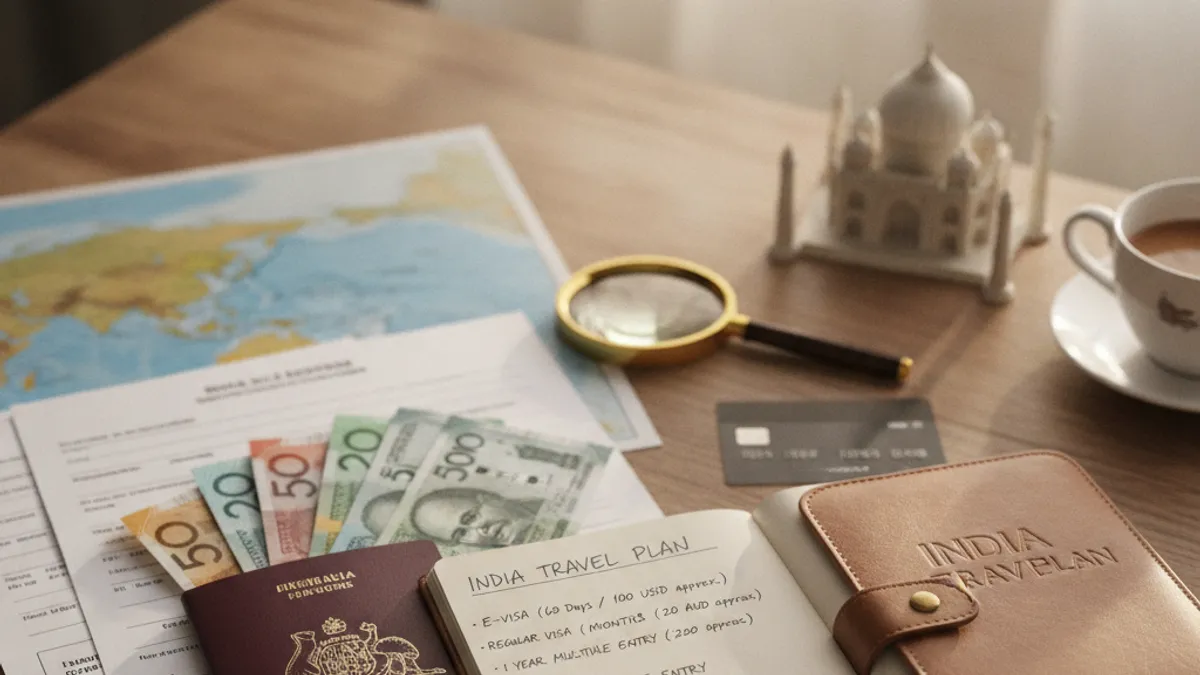
Understanding the financial and time commitments is crucial when planning your Indian trip. Visa fees can range significantly based on the type of visa and its validity period. For instance, a 30-day Tourist e-Visa might cost around USD $25, whereas a five-year Tourist e-Visa could be closer to USD $80. These figures are subject to change, and it's always best to check the latest fee schedule on the official Indian visa portal.
Beyond the initial cost, consider the visa duration. Tourist e-Visas offer options like 30 days, one year, or five years. A one-year Tourist e-Visa typically allows for multiple entries, but each stay cannot exceed 180 consecutive days. A five-year visa also permits multiple entries, with strict limitations on continuous stay.
For business purposes, visa durations can differ, and employment visas are tied to your specific work contract. As of 2026, fee structures and duration options are subject to government policy updates.
Expert Tips for a Smooth Visa Process

To ensure your application sails through without any hiccups, consider these expert-backed tips. Firstly, always start the process well in advance of your planned travel dates. Aim to apply at least 7-10 business days before your trip, especially for e-Visas, though earlier is always safer. This buffer accounts for any unforeseen delays or the need for additional information.
Secondly, use the official Indian government visa website for all applications and information. Avoid third-party agencies that might charge extra fees or provide outdated information. When filling out forms, take your time and be extremely thorough. If something seems unclear, it's better to seek clarification from official sources than to guess.
Finally, keep digital and physical copies of all submitted documents, your application confirmation, and your approved e-Visa or sticker visa in a safe place.
Official Sources: Where to Find Accurate Information
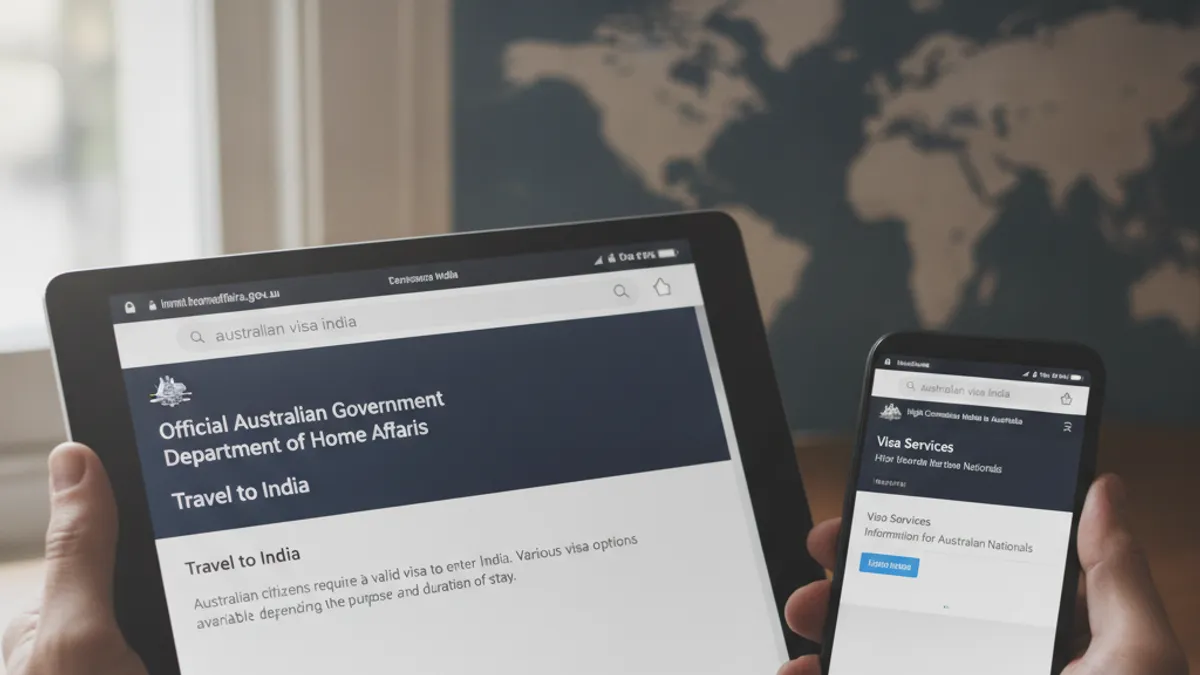
Relying on accurate, up-to-date information is non-negotiable when navigating visa requirements. The primary and most authoritative source for all visa-related matters for Australia is the High Commission of India in Canberra and its associated Consulates. Their official website is where you’ll find the most current details on visa types, eligibility criteria, fees, and application procedures. You can access this directly through their government portal.
Another equally vital resource is the official Indian government's e-Visa portal. This site is specifically for online applications and provides clear instructions, FAQs, and the application forms themselves. For sticker visas, the application is often managed through authorized outsourced agencies, but the initial guidance and requirements will always point back to the Indian Embassy's specifications. Cross-referencing these official sites ensures you're working with the most credible and timely information available.