
Planning a trip to Europe can feel exciting, but navigating different visa requirements can quickly turn that excitement into confusion. If you're wondering, "can I travel to Schengen countries with a UK visa?" the straightforward answer is usually no. The UK operates its own immigration system, separate from the unified Schengen Area.
Thank you for reading this post, don't forget to subscribe!This means that simply holding a UK visa doesn't automatically grant you entry into any of the 27 Schengen member states. Travel insurance requirements for Schengen countries can also vary, so it's always wise to check the specific policy needs for your destination. As of 2026, these rules are expected to remain largely consistent, but staying updated is key.
Quick Answer: Usually No, But There Are Key Exceptions

Generally, you can't just hop from the UK to the Schengen Area using a UK visa. They are distinct travel zones with separate entry rules. However, there are specific situations where having a UK document might allow you to travel visa-free or with fewer complications into Schengen countries. These rely heavily on the type of UK immigration status you hold and your nationality.
It's not a blanket yes or no. If you're a national of a country that doesn't require a Schengen visa, and you hold a valid UK residence permit (like a Biometric Residence Permit or BRP) that is still active, you might be able to travel for short stays. This usually applies for tourism or business trips lasting up to 90 days within any 180-day period.
Understanding the UK vs. Schengen Area Difference

The biggest reason for confusion is that the UK is physically close to Europe, and many people assume its visa policies align with the Schengen Area. This isn't the case. The Schengen Area is a zone of 27 European countries that have abolished passport and other types of border control at their mutual borders. Think of it as a single country for international travel purposes.
Why Your UK Visa Doesn't Automatically Work for Schengen
When you get a UK visa, it's specifically for entering and staying in the United Kingdom. Its validity is tied to UK immigration laws and agreements. The Schengen Area has its own external border policy and requires visitors to meet its specific entry conditions, which often includes obtaining a Schengen visa if your nationality isn't visa-exempt for short stays.
- Separate Jurisdictions: The UK is not a member of the Schengen Agreement.
- Independent Visa Policies: Each area has its own set of rules for who needs a visa.
- Border Controls: Entering the Schengen Area involves crossing an external border that is governed by Schengen rules.
When UK Residence Permit Holders Might Travel Visa-Free

This is where a crucial distinction comes into play. While a standard UK short-term visa (like a visitor visa) won't get you into Schengen, a UK residence permit, specifically a Biometric Residence Permit (BRP), can sometimes serve a different purpose. If your nationality already grants you visa-free access to the Schengen Area for short stays, holding a UK BRP might allow you to benefit from this visa-free transit or entry.
Who Qualifies: Nationality and UK Permit Type Matters
So, how do you know if you qualify? It’s a two-part test. First, your nationality determines if you generally need a Schengen visa. Second, your UK immigration status, specifically, holding a valid UK Biometric Residence Permit (BRP), might offer an exemption.
If your home country’s passport usually requires a Schengen visa, then simply having a UK BRP won't change that requirement. The UK permit acts more as a confirmation of your lawful residence status in the UK, in addition to your nationality, which then might exempt you from needing a separate Schengen visa. It's a nuanced point that catches a lot of people off guard.
What "Visa-Free" Short Stays Mean (90/180 Rule)
When you're eligible for visa-free entry into the Schengen Area, it almost always comes with a specific set of conditions, the most important being the "90/180 rule." This isn't a perk; it's a fundamental regulation you must abide by. It limits how long you can stay within the entire Schengen zone.
This rule means you can spend up to 90 days in total within any consecutive 180-day period across all Schengen member countries. It's crucial to track your days carefully. For instance, if you enter on January 1st and stay for 90 days, you can't re-enter the Schengen Area until roughly July 1st, because you've used up your allowance within that 180-day window.
The Schengen Visa: When You'll Likely Need One

If you’ve determined that you don't qualify for visa-free travel using your UK status, or if your nationality simply requires a Schengen visa regardless of your UK residency, then the next step is to apply for one. This process requires careful preparation and attention to detail to ensure your application is strong and meets all the necessary criteria.
How to Apply for a Schengen Visa
The process generally involves identifying the correct consulate, gathering required documents, and submitting your application. You'll usually apply through the consulate or embassy of the Schengen country where you'll spend the most time, or your main destination. If your trip involves equal stays in multiple countries, you’d apply at the consulate of your first point of entry.
Gathering required documents is the most crucial part. You'll need proof of your identity (passport valid for at least three months beyond your intended stay), application forms, passport-sized photos, travel insurance covering at least €30,000 for medical emergencies and repatriation, proof of accommodation, a detailed travel itinerary, and evidence of sufficient financial means to cover your stay. Applications are typically submitted in person at a visa application center or directly at the consulate.
Common Mistakes to Avoid When Planning Your Trip
When you're excited about exploring Europe, it's easy to overlook the details that can lead to big problems. Many travelers unfortunately make assumptions about visa requirements that can result in denied boarding or being turned away at the border. Being aware of these common missteps is the first step to ensuring your trip goes smoothly.
Assuming Your UK Visa is Enough
This is the most frequent error. People see their UK visa, assume it's a general "European" pass, and don't look further. They might think, "I have permission to be in the UK, so surely I can visit their neighbours." This is where the confusion between the UK's independent immigration system and the Schengen Area's common travel zone becomes a major hurdle. Simply put: a UK visitor visa is for the UK, period.
Not Checking Official Immigration Rules
Relying on outdated blogs, forum advice, or even well-meaning friends can lead you astray. Immigration rules are complex and can change. The only truly reliable sources are the official government immigration websites of the Schengen member states you plan to visit. They will have the definitive lists of nationalities requiring a visa and the specific documentation needed.
Always cross-reference information if you're unsure.
Essential Steps for Planning Your Schengen Travel
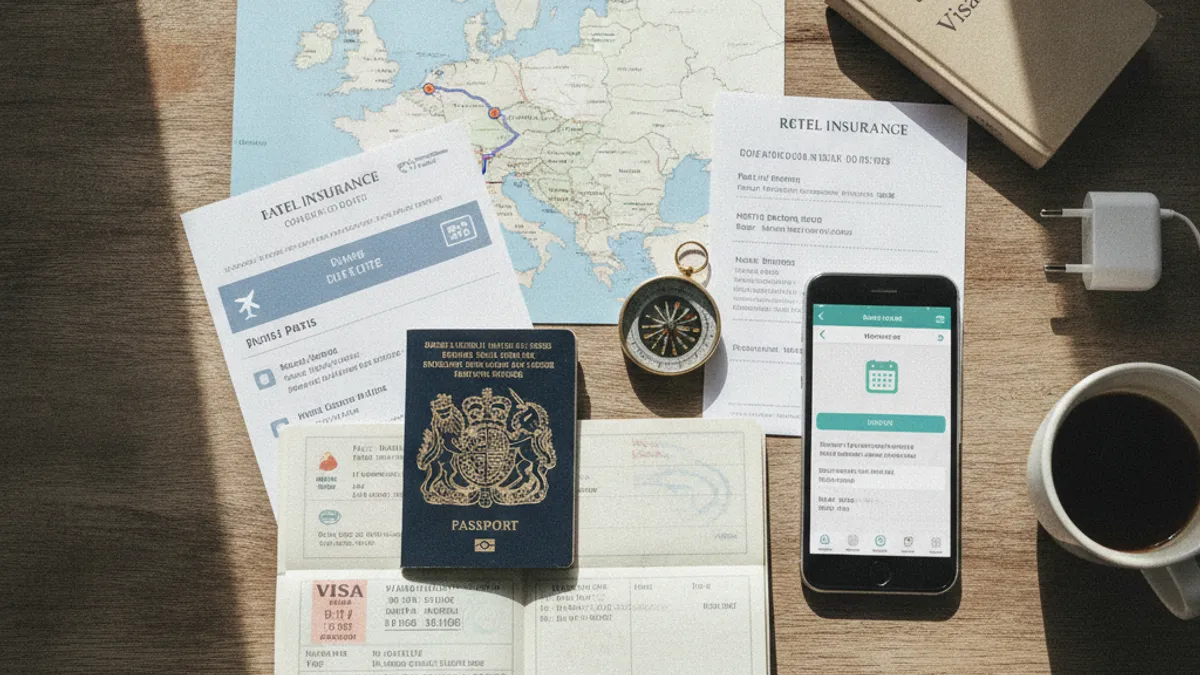
Getting your Schengen visa or confirming your visa-free status is just one piece of the travel puzzle. Proper planning ensures that once you arrive, you can enjoy your trip without unexpected bureaucratic hurdles. Think of this as a pre-flight checklist for your peace of mind.
Here’s a breakdown of what you should be doing:
- Confirm Your Eligibility: Double-check if you need a visa based on your nationality and UK permit status using official government websites.
- Apply for Your Visa (If Needed): Submit your Schengen visa application well in advance, adhering strictly to all document requirements and deadlines.
- Book Flights and Accommodation: Get these confirmed once your visa application is approved or if you are traveling visa-free.
- Arrange Travel Insurance: Ensure your policy meets the Schengen visa requirements (minimum €30,000 coverage, repatriation).
- Prepare Your Documents for Border Control: Even if visa-free, carry copies of your passport, BRP, confirmed accommodation, return flight tickets, and proof of funds.
- Understand the 90/180 Rule: Keep a log of your Schengen days, especially if you travel in and out of the area frequently.
Where to Find Reliable Information

In the world of travel regulations, information is power, and accuracy is paramount. Relying on outdated or unofficial sources can lead to serious setbacks, from travel disruptions to entry refusals. For Schengen and UK visa matters, always prioritize official government channels. These sources provide the most up-to-date and legally accurate guidance.
The primary places to get trustworthy information are official government immigration websites. Each country in the Schengen Area has an official site detailing its visa policies, entry requirements, and application procedures. You'd look at the French Ministry of Foreign Affairs website for France, or the German Federal Foreign Office for Germany. For information on your UK immigration status, such as the specifics of Biometric Residence Permits (BRPs), the UK government's official immigration website is the definitive resource.
Always look for ".gov" or equivalent domain endings to ensure you are on an official government site.