
Applying for a visit visa for Dubai is a manageable process for many, especially with the right guidance. If you're wondering how to apply visit visa for dubai, this guide breaks down the essentials to make your planning smoother.
Thank you for reading this post, don't forget to subscribe!The key is understanding that requirements are heavily influenced by your nationality. Some passports grant visa-free entry, while others necessitate an advance application. As of 2026, these general processes remain largely consistent, but it’s always wise to verify the latest rules for your specific situation.
Understanding Your Dubai Visit Visa Options

When planning a trip to Dubai, figuring out the visa situation is naturally one of the first things on your mind. Many nationalities can enter for tourism or business without a pre-approved visa, often receiving an entry permit upon arrival at immigration. This permit is usually valid for a set period, typically 30 or 90 days.
For travelers whose passports aren't on the visa-free list, a pre-approved visa is a requirement before departure. This distinction is fundamental, as it dictates whether your next step involves gathering documents for an application or simply ensuring your passport meets the minimum validity period, which is generally at least six months from your entry date.
Who Needs a Dubai Visit Visa? It Depends on Your Passport!
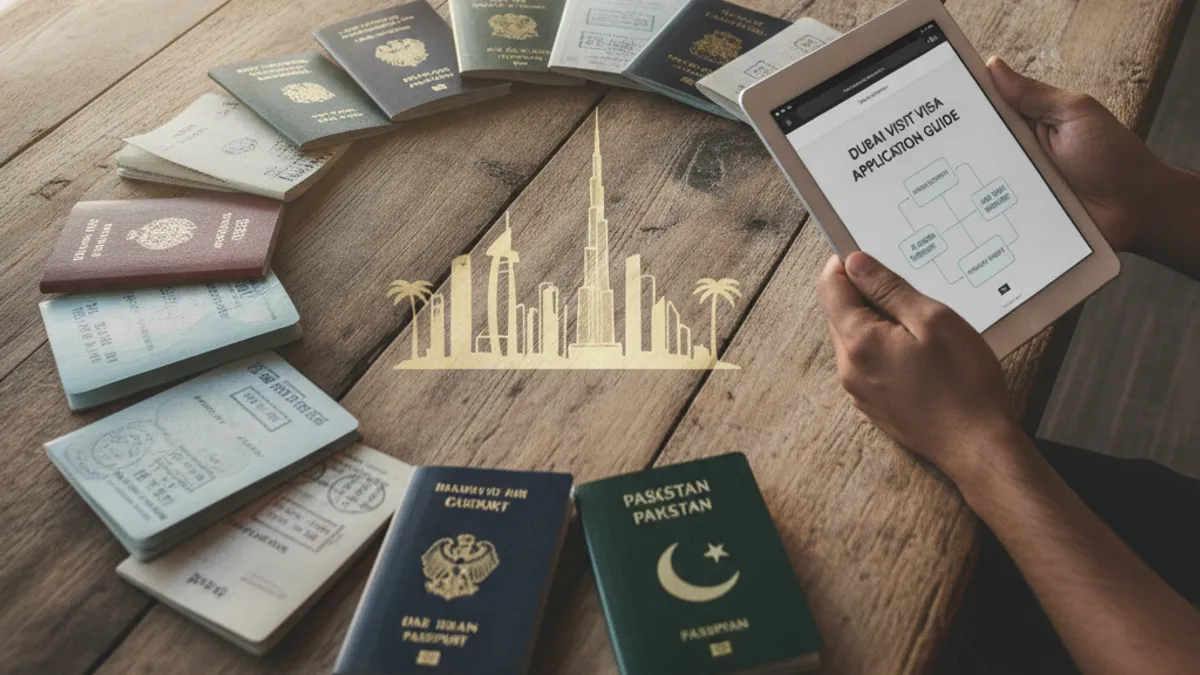
The most important question when applying for a visa to Dubai is simple: it depends on your passport. The United Arab Emirates (UAE) has agreements with many countries allowing their citizens visa-free entry for tourism or business. These individuals often get an entry permit stamp upon arrival, typically for 30 or 90 days.
If your passport isn't on the visa-free list, you'll need to obtain a visit visa before traveling. This applies to citizens of numerous countries. Understanding this difference is the first step in the "how to apply visit visa for dubai" process and directs you toward specific application pathways.
The Main Ways to Get Your Dubai Visit Visa: The Workflow

Navigating the process of obtaining a Dubai visit visa can feel like following a specific map, and that map has a few main routes depending on your circumstances. For most travelers who need a visa in advance, there are generally two primary workflows to consider. The first involves securing a sponsor within the UAE who will facilitate your visa application. The second, often more convenient for tourists, is to arrange your visa directly through an airline that offers this service.
Each of these workflows has its own set of steps and often relies on different entities to manage the application process from start to finish. Understanding these distinct paths is crucial because choosing the right one can significantly impact the ease and speed with which you obtain your entry permit. We'll break down what each of these looks like, so you can pick the one that best fits your travel plans and nationality.
1. The "Sponsor First" Path
This is a common way to secure a Dubai visit visa, especially if you're traveling to visit family or friends who are UAE residents. In this scenario, your sponsor is typically the individual living in Dubai who can vouch for your visit. This person will then initiate the visa application on your behalf. The sponsor needs to be a UAE resident, often holding their own residence visa.
The process usually begins with your sponsor applying for an "entry permit" for you through the UAE Federal Authority for Identity, Citizenship, Customs & Port Security (ICP). They will need to provide details about you, including passport information and the purpose of your visit, and may need to meet certain financial or residency criteria themselves. Once the entry permit is approved, it is typically sent to your sponsor, who will then forward it to you. You will use this permit to travel to Dubai, and the actual visa endorsement will be processed upon arrival or by your sponsor.
2. The Airline Service Path
For many tourists, this is the most straightforward route to getting a Dubai visit visa. Several major airlines flying to Dubai, notably Emirates and Etihad Airways, offer visa processing services directly to their passengers. If you book your flights with one of these airlines, you can often apply for your visit visa through their website as part of the booking process or shortly after.
This method essentially uses the airline as your sponsor and facilitator. They have established procedures and direct links with UAE immigration authorities, which can streamline the application. You'll typically upload required documents, like your passport copy and a recent photograph, directly to the airline's portal. They submit these on your behalf and manage communication with immigration.
Once approved, the electronic visa is usually sent directly to you via email, making it easy to print.
Gathering Your Dubai Visit Visa Essentials: What You'll Need

Regardless of whether you're using a personal sponsor or an airline service, you'll need a core set of documents and information ready for your Dubai visit visa application. Think of this as your starter kit for a successful application. Missing even one item can lead to delays or rejection. UAE immigration authorities are specific about their requirements.
The absolute non-negotiable item is your passport. It must be valid for at least six months from your intended date of entry into the UAE. If your passport is nearing its expiration date, renew it before you start the visa application. Beyond the passport, you'll generally need clear, recent passport-sized photographs.
These usually must meet specific criteria, such as a white background and a neutral expression. Many applications also require a copy of your confirmed flight itinerary, showing your entry and exit dates from Dubai.
How Long Will Your Dubai Visit Visa Be Valid?

The validity period of your Dubai visit visa depends heavily on your nationality and the type of visa granted. It's not a one-size-fits-all situation. For many nationalities who get visa-free entry, the permitted stay is often 30 or 90 days, stamped upon arrival.
If you apply for a visa in advance, the duration can vary more. For example, a standard tourist visa might be for 30 days, with an option for a single extension of another 30 days if you meet requirements and pay fees. Longer-term visit visas, sometimes up to 90 days or more for specific purposes or nationalities, are available but usually come with stricter conditions and require a sponsor. It’s paramount to check the exact validity and extension possibilities for your specific visa type to plan your trip.
Common Pitfalls: Mistakes to Dodge When Applying for a Dubai Visa

When focused on the excitement of visiting Dubai, it's easy to overlook small details in the visa application. However, research indicates many applications encounter delays or rejections due to avoidable errors. Being aware of these common pitfalls can save you time, money, and stress. Don't let a simple oversight derail your travel plans.
One frequent mistake concerns documentation. This includes submitting photos that don't meet specified dimensions or background requirements, or providing a passport with less than the required six months of validity. Any mismatch between application details and your passport, like name or date of birth, can cause problems. Ensure every letter and number is perfect.
Expert Tips for a Smooth Dubai Visa Application

Getting your Dubai visit visa should be a smooth experience, and a few expert tips can help ensure it is. Beyond the standard document requirements, paying close attention to detail and understanding the nuances of the application process can make all the difference. Think of these as insider knowledge that can save you from unforeseen headaches.
Firstly, always double-check all dates. This includes your passport's expiry date, intended travel dates, and any dates on supporting documents. Consistency is key. Secondly, keep clear digital copies of everything you submit, as well as the electronically issued visa.
This is invaluable for your records. Finally, be realistic about processing times. While many visas are approved quickly, delays can happen. Planning with an extra buffer beyond the minimum stated processing time is always wise.
What's the typical processing time?
Processing times for Dubai visit visas can vary, but many applications are completed within a few business days to two weeks. This is an estimate; factors like applicant nationality, application volume, and the specific visa sponsor influence how long it takes. It’s wise to factor in a buffer of at least a few extra days beyond the stated typical processing time.
How can I speed up my visa application?
The best way to ensure a prompt visa approval is to submit an accurate and complete application. This means all documents are in order, photos meet specifications, and all information matches your passport exactly. Choosing an airline that offers direct visa services can also expedite the process due to their established relationships with immigration authorities.
Should I use a visa agency?
Using a reputable visa agency can be helpful if you're unsure about the process or have a complex situation. These agencies specialize in visa applications, guiding you through each step, helping compile documents, and submitting the application. However, always research agencies carefully, check reviews, and be aware of their fees, which are separate from official government visa charges.
What if my visa application is rejected?
If your visa application is rejected, understand the reason provided. Sometimes it's a correctable error. Other times, reasons may be more complex and not fully disclosed. If the reason is fixable, like a minor document error, you may be able to reapply.
If rejected for serious grounds, future visa applications might be difficult. Consult your sponsor or the application handler for guidance.
What is the role of the UAE Federal Authority for Identity, Citizenship, Customs & Port Security (ICP)?
The ICP is a primary government body managing immigration, identity, and customs services within the UAE. For many visa applications, especially those sponsored by individuals or companies, the ICP is the authority that processes and approves entry permits and visas. They set the regulations and oversee the entire immigration process for foreign nationals entering the country.
Staying Compliant: Key Rules for Your Dubai Visit Visa

Adhering to the rules associated with your Dubai visit visa is crucial for a trouble-free trip and to maintain a good standing for future travel. These are legal requirements governed by UAE immigration laws. Most importantly, respect the duration of stay granted by your visa. Overstaying can lead to significant fines, potential bans from re-entering the UAE, and other legal consequences.
Another key compliance aspect relates to your visit's purpose. A standard visit visa is typically for tourism, visiting family, or short business meetings. It does not grant the right to work or live permanently in the UAE. If your intentions change and you plan to work, you need an appropriate employment visa and work permit.
Ensure your passport remains valid for your stay and for at least six months beyond your departure date where required by visa rules.
What are the penalties for overstaying a Dubai visa?
Overstaying a visa in Dubai can result in substantial daily fines. Beyond financial penalties, persistent overstayers may face entry bans limiting return to the UAE. Exact penalties depend on how long you've overstayed and your nationality. Authorities are strict about adherence to visa expiry dates.
Can I work on a visit visa?
No, a standard Dubai visit visa is not valid for employment. If you intend to work in the UAE, you must obtain a specific employment visa and work permit. Working on a visit visa violates immigration laws and can lead to fines, deportation, and future entry bans.
What if my visa expires while I'm in Dubai?
If your visa is set to expire and you wish to stay longer, you must apply for an extension before your current visa expires. This often involves a specific process and fee. For some nationalities, a visa extension may be possible without leaving the country. If an extension isn't granted or you miss the deadline, you must leave the UAE by the expiry date to avoid overstay penalties.
Are there specific rules for transit passengers?
Yes, transit passengers often have different rules. If transiting through Dubai and staying within the airport's international transit area, you typically do not need a visa. However, if your layover is long enough to leave the airport for city visits, you will likely need a transit visa. These can often be arranged through your airline and are usually valid for a short period, such as 48 or 96 hours.