
Planning a trip from Bangladesh to India? It's an exciting prospect, but a crucial first step is understanding the visa requirements. For most Bangladeshi citizens, getting a visa is a necessary part of the travel planning process. Ignoring this can lead to a lot of headaches, from being turned away at the border to potential legal issues.
Thank you for reading this post, don't forget to subscribe!The short answer to "do Bangladeshi need visa for India?" is almost always yes, but the specifics depend heavily on your situation. We've found that the Indian Embassy in Bangladesh outlines several visa categories, typically requiring a passport with at least six months of validity remaining and several blank pages for the visa stamp as of early 2026. Let's break down exactly what you need to know.
Quick Answer: What's the General Rule?

Generally speaking, if you are a citizen of Bangladesh and wish to travel to India, you will need a visa. There are very few exceptions to this rule, and for standard travel purposes such as tourism, business, or visiting family, applying for and obtaining a visa before your trip is mandatory. Trying to enter India from Bangladesh without the correct visa authorization can result in being denied entry, facing fines, or other serious immigration penalties. It's not something you want to leave to chance.
Why You Need to Know Your Travel Purpose
The most significant factor determining the visa you need is the reason for your visit to India. India offers a variety of visa types, each tailored to specific purposes, and using the wrong one can cause problems. It's not just about getting a visa; it's about getting the right visa for your intended activities. This ensures your entry is legal and that you can conduct your affairs without interruption.
Tourist Visa Essentials
If you’re planning to explore India’s vibrant culture, historical sites, or natural landscapes, a Tourist Visa is likely what you’ll need. This visa is for individuals who want to visit India for recreation, sightseeing, or visiting friends and relatives. It typically allows for multiple entries over a specific period, though the length of stay per visit is usually limited, often to around 90 days. You’ll usually need to provide proof of confirmed travel arrangements, such as hotel bookings or an itinerary.
Business Visa Requirements
For those traveling to India for business-related activities, such as attending meetings, conferences, trade fairs, or exploring business partnerships, a Business Visa is necessary. This visa category is distinct from a tourist visa and signifies your intent to engage in commercial activities. You will likely need an invitation letter from an Indian company or organization, detailing the purpose and duration of your business visit. Manufacturer specifications for business visas often emphasize the need for clear documentation of business intent.
Medical and Other Specific Visas
India is a popular destination for medical tourism, and for this, a Medical Visa is available. This allows individuals to travel to India for specific medical treatment at recognized hospitals. If you are accompanying a patient, you might apply for a Medical Attendant Visa. Beyond medical travel, other specialized visas exist for missionaries, researchers, journalists, and longer-term academic pursuits (Student Visas).
Each of these has its own set of stringent documentation requirements and eligibility criteria.
Key Factors That Determine Your Visa Needs
When you start looking into the visa process, two core variables immediately stand out: what you plan to do in India and for how long. These aren't just minor details; they are the foundation upon which your entire visa application is built. Getting these wrong means your application will likely be rejected, forcing you back to square one.
Purpose of Visit: The Deciding Factor
As we've touched upon, the primary purpose of your trip is paramount. Are you going for leisure, to conduct business, to study, or for medical reasons? Each scenario falls under a different visa category. For instance, engaging in any kind of paid work or business transaction on a Tourist Visa is strictly prohibited and can lead to serious consequences.
Similarly, a Student Visa requires proof of admission into an educational institution, which a Business Visa cannot substitute.
Duration of Stay: Short vs. Long Visits
Beyond the purpose, how long you intend to stay is critical. Indian visas are issued for specific durations, and these can range from a few days for transit visas to several years for certain long-term visas. A typical Tourist Visa might be valid for 6 months or a year but limit each stay to 90 days. Conversely, an Employment Visa might be granted for a much longer period, aligned with your work contract.
Understanding your exact travel dates helps determine the most appropriate visa validity and application.
The Step-by-Step Visa Application Process for Bangladeshis
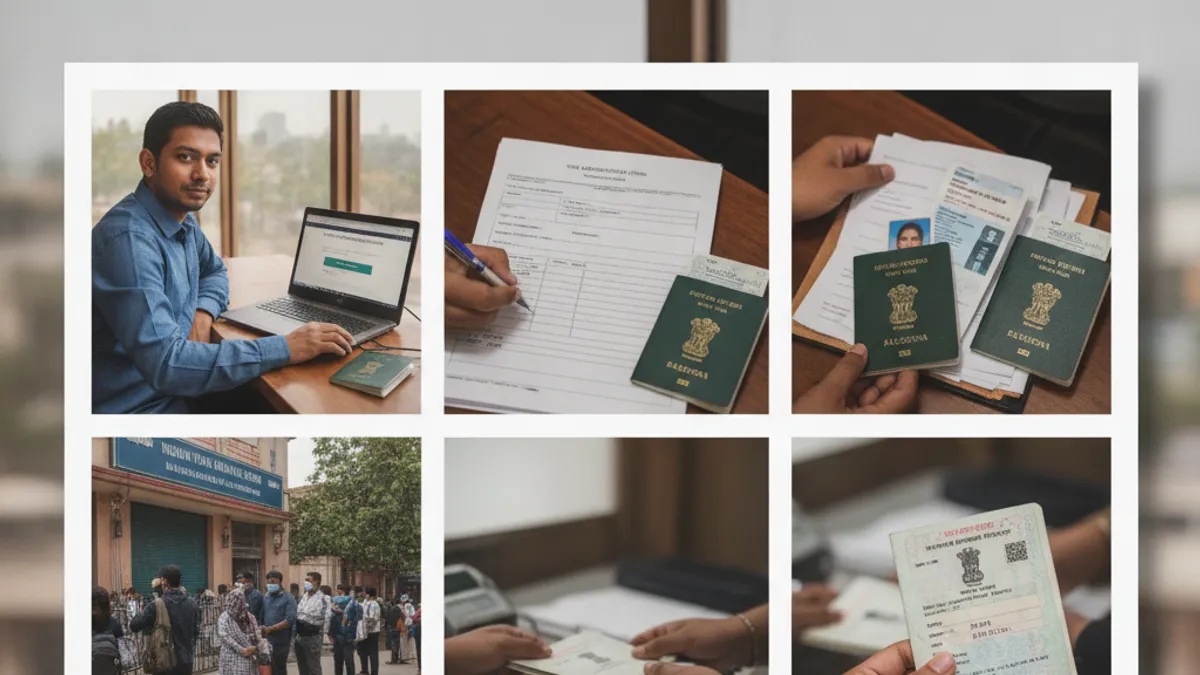
Securing an Indian visa from Bangladesh involves a structured process that requires careful attention to detail. It's not usually a walk-in service; rather, it’s a procedural workflow designed to ensure all necessary checks are in place. Following these steps correctly is key to a smooth application, and as of early 2026, the general pathway remains consistent for most applicant types based on Indian government guidelines.
Gathering Your Required Documents
This is arguably the most critical stage. Missing even one document or providing incorrect information can lead to delays or outright rejection. Typically, you'll need:
- Valid Passport: Your passport must have at least six months of validity from your intended date of arrival in India and at least two blank pages.
- Visa Application Form: This is usually filled out online, then printed and submitted. Accuracy is vital.
- Photographs: Recent passport-sized color photographs meeting specific Indian visa photo specifications (e.g., white background, specific dimensions).
- Proof of Travel Purpose: This varies hugely. For tourists, it might be hotel bookings or an itinerary. For business, it's an invitation letter from an Indian company. For medical visits, it's a letter from the Indian hospital.
- Financial Proof: Sometimes, you may need to show you have sufficient funds to cover your expenses during your stay in India.
- Previous Visa Copies: If you have traveled to India before, previous visa copies might be requested.
Where and How to Submit Your Application
The submission method typically involves an outsourced service provider appointed by the Indian Embassy or Consulate in Bangladesh. You’ll usually need to book an appointment online through their designated portal. You will then visit the application center with all your physical documents and the printed application form. Some services also offer postal submission for certain documents or renewal cases, but this is less common for new applications.
Always check the official website for the most current submission procedures.
Understanding Processing Times and Next Steps
Processing times can vary significantly based on the type of visa and the volume of applications. While a standard tourist visa might take anywhere from 5 to 15 working days, business or medical visas may require longer scrutiny. It's highly recommended to apply at least 3-4 weeks before your planned departure date to account for any unforeseen delays. Once your application is processed, you will be notified to collect your passport, hopefully with the visa stamped inside.
Common Mistakes to Avoid When Applying for an Indian Visa
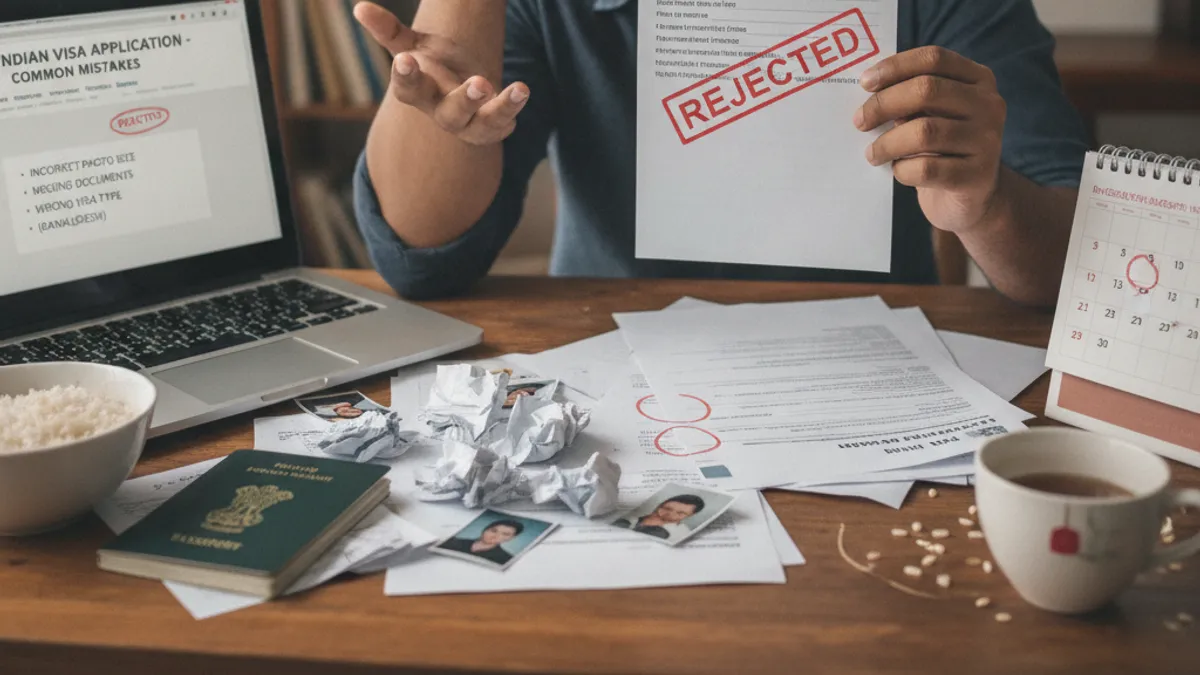
Making a mistake on your Indian visa application can be frustrating and costly, often leading to delays or outright rejection. One of the most frequent errors is submitting incomplete documentation. For example, not including a clear copy of your passport's bio-data page or failing to provide a letter of invitation for business visas can immediately flag your application. Another common pitfall is overlooking specific photo requirements; if your photos don't meet the exact specifications (like background color or size), they'll likely be rejected, requiring you to resubmit.
Applicants sometimes underestimate the importance of travel dates alignment. If your visa application states you're arriving on a specific date, but your flight booking shows a different one, it can raise a red flag. Similarly, providing inaccurate or misleading information about your travel history or purpose of visit is a serious mistake. Honesty and precise details are crucial.
Who to Trust for Official Visa Information
When you're gathering information about visas, it's absolutely essential to stick to authoritative sources. Relying on unofficial websites, social media posts, or word-of-mouth can lead you down the wrong path with outdated or incorrect information. The most reliable and accurate source for visa requirements for Indian travel is always the official channels.
The primary, most trustworthy resource is the Indian Embassy or Consulate in Bangladesh. Their official websites are regularly updated with the latest guidelines, application forms, and any changes to policy. These government entities are the authoritative bodies that set and enforce the visa regulations. Don't gamble with your travel plans by using less credible sources.
Always cross-reference information with these official government sites.
Navigating Your Travel Decision

Deciding whether to travel to India from Bangladesh involves more than just looking at visa rules. It's about understanding your specific situation and how it aligns with the requirements. If your travel purpose is straightforward, like a short tourist trip, the path is generally clear. However, if your plans involve complex business dealings, extended study, or specialized medical treatment, you’ll need to pay even closer attention to the distinct visa categories and their precise stipulations.
Your decision-making should be informed by the visa type that best matches your intention. For instance, if you're visiting a trade fair, a Business Visa is appropriate, not a Tourist Visa. If your stay is expected to exceed the typical tourist limit, you need to explore options like long-term tourist visas or other relevant categories. This careful consideration ensures you’re on the right track from the very beginning.