Thank you for reading this post, don't forget to subscribe!
Most visitors admitted to the United States with a B-2 tourist visa or a B-1/B-2 visitor visa are generally allowed to stay for up to six months per visit. However, the actual period depends on the admission decision made by U.S. Customs and Border Protection (CBP). Your Form I-94, not the visa expiration date, is the key record of your authorized stay.
If you are planning a trip to the United States, knowing how long you can stay with a tourist visa can help you avoid immigration problems. Whether you want to visit family, explore national parks, attend a family event, or receive permitted medical treatment, you need to understand the rules before you book your return flight. A visa may be valid for several years, but that does not mean you can remain in the country for the entire period.
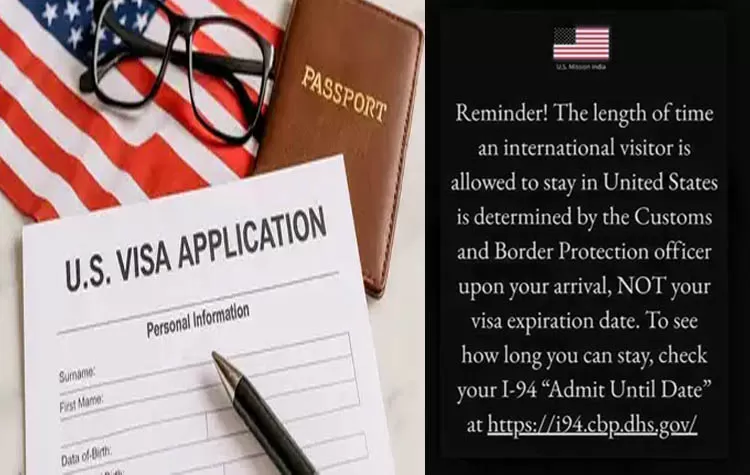
For most travelers using a B-2 tourist visa or a combined B-1/B-2 visa, a stay of up to six months is common. Still, there is no universal guarantee that every visitor will receive six months. A CBP officer determines whether to admit you and sets the period of authorized stay when you arrive at a U.S. airport, seaport, or land border. You should check your electronic Form I-94 after admission and follow its specific admit-until date.
This guide explains the usual length of a U.S. tourist visa visit, how to find your authorized departure date, what can affect your stay, and how to request more time if you qualify. It also covers repeat visits, family travel, possible overstays, and common mistakes that can affect future trips. Immigration rules can depend on individual facts, so seek qualified legal advice when your situation involves a prior overstay, a pending immigration application, or another complex issue.
How Long Can You Stay in the US With a Tourist Visa?
Most travelers admitted to the United States with a B-2 tourist visa are commonly permitted to stay for up to six months per visit. The same general expectation often applies to travelers admitted in B-1/B-2 status for an authorized visitor purpose. However, six months is a common admission period, not an automatic entitlement. CBP determines the authorized period for each arrival.
Your permitted stay begins when you are admitted to the United States, not when your visa is issued. The officer may grant a shorter stay based on the circumstances of your trip and the applicable immigration rules. The date recorded on your electronic Form I-94 generally tells you the latest date by which you must depart, unless a valid legal exception or a later USCIS decision applies.
For example, imagine that you arrive in the United States on March 10 and your I-94 lists September 9 as your admit-until date. You should plan to leave by the date shown on that record. Do not assume that you have six months from the date you purchased your ticket, received your visa, or first planned your trip.
Source: sasdigitaltv.com
Typical visitor admission
Up to six months is common for B-2 visitors, but the exact period depends on the decision made when you enter.
Shorter admission periods
A CBP officer may authorize less time than you expected, so check the record after every arrival.
Your legal deadline
Use the admit-until date on Form I-94 or a valid subsequent immigration decision to determine your authorized stay.
Does Every Tourist Receive Six Months?
No. Six months is not guaranteed to every tourist visa holder. Admission and the length of stay are determined individually at the U.S. port of entry. Your travel purpose, answers to questions, documents, and compliance with visitor status requirements may be relevant to the admission decision.
A traveler who expects to stay for several months should be prepared to explain the purpose of the visit, where they plan to stay, how they will pay for the trip, and when they intend to leave. Supporting documents can help explain your plans, but no document guarantees a particular admission period.
Check the official record
Do not rely on what another traveler received. Your own I-94 determines your recorded admission period.
Can You Stay for Less Than Six Months?
Yes. You can plan a shorter visit and leave before the authorized deadline. If your I-94 gives you a period shorter than you expected, adjust your travel plans or promptly explore lawful options with USCIS if you have a genuine reason to remain longer.
Plan around your I-94
A return ticket is useful for planning, but it does not extend the period authorized by immigration officials.
Visa Expiration Date vs. Authorized Length of Stay
The expiration date on your U.S. tourist visa and the date you must leave the United States are two different things. Confusing them is one of the most common mistakes international visitors make. The visa generally allows you to travel to a U.S. port of entry and request admission during its validity, while your admission record establishes the authorized period for that visit.
A visa can remain valid for years, depending on the visa issued and the rules that apply to the traveler. That does not permit you to live in the United States for years without regard to your individual admissions. Conversely, if you entered lawfully and your I-94 authorizes a stay beyond the visa’s printed expiration date, the visa expiration date alone does not require you to leave on that earlier date.
For example, suppose your tourist visa expires in December, but you were admitted in October with an I-94 that authorizes your stay until the following April. In general, you must follow the April admit-until date for that visit, provided no other legal issue changes your status. If you leave and later want to return, you must have the required valid travel documents and be admitted again.
Source: i.redd.it
Visa validity
This is the period during which the visa can generally be used to travel to a U.S. port of entry and seek admission, subject to its terms.
Admission decision
CBP decides whether to admit you and records the authorized period for your visit.
Form I-94
This record identifies your admission classification and, in ordinary visitor cases, the date by which you must depart.
What Happens If Your Visa Expires While You Are in the United States?
An expiring visa does not automatically require you to leave if you were lawfully admitted and your authorized stay remains valid. You must still follow the I-94 deadline and all conditions of your visitor status. A visa that has expired generally cannot be used for a new entry unless an applicable exception allows it.
If you plan to leave and return, check your visa’s validity, number of permitted entries, passport requirements, and any other applicable rules before traveling. A valid visa does not guarantee readmission.
Before leaving
Check whether your visa permits another entry and whether you need a new visa for your planned return.
How to Check Your Authorized Stay on Form I-94
The safest way to confirm how long you can stay in the United States is to review your Form I-94 admission record. CBP generally issues I-94 records electronically to visitors arriving by air, sea, and land, although limited exceptions may apply. The record is more useful for determining your departure deadline than the visa expiration date or a travel agent’s estimate.
After entering the country, use the official CBP I-94 website to retrieve your most recent record. Check that your name, passport details, admission class, and admit-until date are correct. Save a copy for your records and check the date carefully when planning flights, hotel bookings, or a possible extension request.
If your record appears incorrect, do not simply assume that the date you expected is valid. Contact CBP or an appropriate deferred inspection office for guidance about correcting an admission record. If you cannot retrieve your record, seek official assistance rather than relying on a screenshot, an old admission stamp, or an informal estimate.
Source: iraimmigration.com
Step 1: Open the official I-94 website
Use the CBP website at https://i94.cbp.dhs.gov/ to access the available I-94 services.
Step 2: Retrieve your latest record
Enter the requested passport and identity details to locate the record for your most recent admission.
Step 3: Review your admission details
Confirm your admission class and admit-until date. Contact CBP if important information appears incorrect.
Step 4: Save a copy
Keep the record with your passport information and travel documents so you can check the deadline whenever needed.
What If Your I-94 Date Is Different From Your Return Ticket?
Your return ticket does not change your authorized stay. If the ticket is for a date after your I-94 deadline, contact the airline or travel provider and arrange an earlier departure unless you have obtained a valid extension or another lawful basis to remain.
If the I-94 date appears to be a clerical error, promptly ask CBP about correction procedures. Keep evidence of your admission and any communications. Do not assume that an error can be ignored until departure.
Resolve discrepancies promptly
Use official immigration records and seek qualified legal help if the discrepancy could affect your status.
What Determines How Long You Can Stay in the United States?
The length of a tourist visit depends primarily on the admission decision and the rules for the visitor classification under which you enter. Your visa’s validity period does not establish the length of your stay. The officer’s decision may reflect the facts of your trip and whether you qualify for admission as a temporary visitor.
Visitors should be able to explain their plans in a clear and truthful way. This may include the purpose of the trip, intended length of stay, accommodation, available funds, and reasons to return to their country of residence. The documents requested and the questions asked can vary, and no single document guarantees admission or a six-month stay.
Your actions after entering also matter. B-2 status is for permitted temporary visitor activities, such as tourism, visiting friends or relatives, and certain medical treatment. It does not authorize ordinary employment in the United States. Activities outside the terms of visitor status can create immigration problems even when you have not passed the I-94 date.
Source: i.ytimg.com
Purpose of travel
Your stated reason for visiting should fit the permitted activities of the visa classification.
Temporary intent
Be ready to explain your plans and the reasons you expect to leave the United States.
Ability to pay
You may need to explain how you will pay for accommodation, food, transport, medical needs, and other expenses.
Compliance with visitor rules
You must avoid unauthorized employment and other activities that conflict with your admission status.
Can You Work While Visiting on a Tourist Visa?
A B-2 tourist visa does not authorize ordinary employment in the United States. You should not accept a U.S. job or perform work that requires employment authorization merely because you have been admitted as a visitor. Certain limited business activities may be permitted under the separate B-1 rules, but B-1 business visitor status is not a general work permit.
If you intend to work, study, or remain for a purpose outside normal visitor activities, determine whether a different immigration classification is required before acting. Consult USCIS guidance or a qualified immigration attorney when the proposed activity is not clearly permitted.
Do not treat a tourist visa as a work visa
Obtain the correct authorization before engaging in employment or other restricted activities.
Can You Extend Your Tourist Visa Stay Beyond Six Months?
You may be able to request more time in the United States if you were admitted in B-2 visitor status and have a legitimate reason for extending your temporary visit. The usual process is to file Form I-539, Application to Extend/Change Nonimmigrant Status, with U.S. Citizenship and Immigration Services. Approval is not automatic, and you must continue to comply with the applicable immigration rules.
USCIS recommends filing well before your authorized stay expires. U.S. government guidance advises applicants to apply at least 45 days before the expiration date when possible. That is a planning recommendation, not a guarantee of approval or a promise that every application will be decided before the I-94 date.
An extension request should explain why additional time is needed, why the visit will remain temporary, how you will support yourself, and what arrangements you have made to depart. Supporting evidence should match the facts of your case. An application that is incomplete, inconsistent, or unsupported may be delayed or denied.
Source: i.ytimg.com
Use the correct application
Review the current Form I-539 instructions and USCIS filing options for B-2 visitors.
Explain the reason for staying longer
Describe the specific circumstances that require more time and provide relevant evidence.
Show that the visit remains temporary
Explain your intended departure plans and the ties or obligations that support your temporary purpose.
Document financial support
Provide a clear explanation of how you will pay for your additional stay without unauthorized employment.
Documents That May Support a B-2 Extension Request
The evidence needed depends on your circumstances and the current USCIS instructions. Common supporting materials include a copy of your passport, your I-94 record, a written explanation of the requested extension, and financial evidence. You may also need documents that support your reason for staying longer and explain your arrangements to leave.
Review the current form instructions before filing. Filing requirements and fees can change, and an incomplete submission can cause delays or denial. Keep copies of the entire application, the filing confirmation, and all notices from USCIS.
Identity and admission records
A passport copy and the relevant I-94 record help identify your current visitor admission.
Written explanation
Describe the reason for the extension, the temporary nature of the visit, and the planned departure arrangements.
Financial evidence
Provide relevant evidence showing how you can cover living expenses during the additional period.
Supporting records
Include documents that substantiate the reason for the request when appropriate.
Does Filing an Extension Automatically Approve More Time?
No. Filing Form I-539 is a request, not an approval. A timely, nonfrivolous extension application may affect how an authorized stay is treated while the case is pending, but the result depends on the applicable rules and the facts. Do not assume that filing guarantees approval, preserves every immigration benefit, or permits international travel without consequences.
If the I-94 deadline is approaching, your application is delayed, or you are unsure whether you can lawfully remain while it is pending, seek advice from a qualified U.S. immigration attorney. Check your USCIS case status and follow any instructions in official notices.
Keep proof of filing
Save your receipt notice and application records, and respond to USCIS requests by the stated deadlines.
What Happens If You Overstay Your Tourist Visa?
Overstaying means remaining in the United States beyond the period you are authorized to stay, without a valid legal basis for the additional time. For a visitor with a specific I-94 admit-until date, staying beyond that date can create serious immigration consequences. You should not treat an overstay as a minor travel mistake that can always be fixed by buying a new ticket.
Depending on the facts, an overstay may affect future visa eligibility, admission, or immigration applications. Overstaying can also cause a visa to become automatically void or canceled under applicable law, subject to limited exceptions. Unlawful presence can lead to additional consequences, including three-year or ten-year bars in certain circumstances when a person departs the United States after accruing the required period of unlawful presence.
The exact consequences depend on the person’s immigration history, age, status, any pending applications, and other legal factors. A late departure does not have the same legal effect in every case. If you have already overstayed or believe you may have done so, consult a qualified immigration attorney before leaving or applying for another visa.
Source: psahelpline.ph
Check the deadline immediately
Review your latest I-94 and any valid USCIS decision to confirm the period authorized for your stay.
Do not rely on an expired visa date
The visa expiration date and the authorized stay deadline are separate records with different purposes.
Seek legal advice for a past overstay
A qualified attorney can assess whether unlawful presence or other immigration consequences may apply to your case.
What If an Emergency Prevents You From Leaving on Time?
An illness, canceled flight, natural disaster, or family emergency may disrupt your departure plans, but the emergency does not automatically extend your authorized stay. Keep records of the event, contact your airline when relevant, and review official USCIS guidance about any available relief or extension procedure.
If there is time before your I-94 deadline, determine whether you qualify to apply for an extension and file promptly if appropriate. If the deadline has already passed, obtain individualized legal advice rather than assuming that an explanation alone resolves the issue.
Keep evidence
Save medical records, airline notices, cancellation confirmations, or other documents that explain the delay.
Can You Leave the United States and Return to Get More Time?
Leaving the United States and returning does not guarantee a fresh six-month stay. Every new arrival is a separate admission decision, and CBP determines whether to admit you and how long you may remain. You must have the required travel documents and meet the conditions for entry each time you travel.
Some travelers assume that taking a short trip to Canada, Mexico, or another nearby destination automatically resets their permitted stay. That assumption is unsafe. A quick trip abroad does not create a right to reenter, and an officer may question repeated trips that suggest the traveler is effectively living in the United States rather than visiting temporarily.
If you intend to spend substantial time in the country over several visits, plan carefully and be prepared to explain the purpose of each trip, your financial support, and your ties outside the United States. There is no universal rule that guarantees admission after a specific number of days abroad. Your individual travel pattern and circumstances matter.
Source: images.moondeveloper.com
A valid visa is not a guarantee
You may be questioned or refused admission even when your visa has not expired.
Avoid artificial resets
Do not rely on brief trips abroad as a way to live in the United States indefinitely on visitor status.
Be truthful about your plans
Give accurate answers about your travel purpose, intended stay, finances, and plans to depart.
How Long Should You Stay Outside the United States Before Returning?
There is no single required number of days outside the United States that guarantees a new admission or a six-month stay. The appropriate travel plan depends on your circumstances, visa terms, immigration history, and the purpose of the next visit.
If you have spent most of the year in the United States, plan to return soon after a long visit, or have previously been questioned at a port of entry, consider speaking with an immigration attorney before traveling. A professional can help assess the risks, but no adviser can guarantee a CBP admission decision.
Assess your full travel history
Consider the length of earlier visits, time spent abroad, and whether your plans are consistent with temporary visitor status.
How Long Can Family Members Stay on a Tourist Visa?
Family members traveling to the United States should check each person’s admission record rather than assume that everyone has the same authorized departure date. Parents, children, spouses, and other relatives may arrive together but still need to verify the details recorded for each traveler. A family booking that lists one return date does not change an individual’s I-94 deadline.
If a family wants to stay longer because of a wedding, medical treatment, a graduation, or a visit with relatives, each person’s eligibility for an extension should be assessed under the applicable rules. When filing a family extension request, follow the current USCIS instructions about who may be included and what records must be submitted for each applicant.
Parents visiting children in the United States should also consider the financial and practical demands of a longer trip. A visitor must maintain the temporary purpose of the visit and should not assume that family ties automatically create a right to remain. If a family member has a separate immigration status or pending case, that fact may require additional legal guidance.
Source: images.moondeveloper.com
Check each I-94
Confirm the authorized stay for every family member, including children.
Plan a realistic family budget
Make sure the group can pay for housing, food, transport, health needs, and the planned return trip.
Review extension requirements
Follow the current USCIS form instructions for all people included in a request.
Can Parents Visit Their Children in the United States for Six Months?
Parents admitted as B-2 visitors are often granted a period of up to six months, but the exact date depends on their own admission records. The purpose of the trip may include visiting children or grandchildren, provided the visit remains consistent with visitor status.
If a parent needs more time, they may be eligible to request an extension, but approval is not automatic. They should review the I-94 deadline, explain the reason for the request, and show how the extended visit will remain temporary and financially supported.
Keep travel plans consistent
The planned visit, financial arrangements, and return plans should match the actual purpose of travel.
Frequently Asked Questions
Q
Can I stay in the United States for six months on a tourist visa?
Yes, many visitors admitted in B-2 or B-1/B-2 status receive permission to stay for up to six months. However, this is not guaranteed for every traveler. Check your I-94 admit-until date because that record shows the authorized period for your particular visit.
Q
Can I stay in the United States longer than six months?
You may be eligible to request an extension if you were admitted in B-2 status and have a valid reason to remain temporarily. The usual process involves Form I-539 filed with USCIS. You should apply before your authorized stay expires and provide the required evidence. Approval is not automatic.
Q
Does my tourist visa expiration date determine when I must leave?
No. The visa expiration date generally determines when the visa can be used to travel to a U.S. port of entry and request admission. Your I-94 or another applicable immigration decision determines how long you may remain during the visit. You must follow the authorized stay deadline even if the visa remains valid.
Q
Can I return to the United States immediately after a six-month visit?
There is no guaranteed waiting period that ensures readmission after a long visit. CBP makes a new admission decision each time you arrive. Frequent or lengthy visits may lead to questions about whether you are genuinely visiting temporarily or effectively residing in the country. Your visa, travel history, and circumstances all matter.
Q
What happens if I stay one day beyond my I-94 date?
Remaining beyond your authorized stay can create immigration problems even if the overstay is brief. The exact consequences depend on the facts and applicable law, and not every consequence applies in the same way to every traveler. If you have already overstayed, seek qualified immigration advice promptly rather than assuming that a short delay has no effect.
Q
Can I work while staying in the United States on a B-2 tourist visa?
No. B-2 visitor status does not authorize ordinary employment in the United States. Certain business visitor activities may be allowed under B-1 rules, but those rules do not provide general employment authorization. If you want to work, determine the appropriate immigration classification and authorization before beginning.
Q
Where can I check how many days I have left in the United States?
Visit the official CBP I-94 website at https://i94.cbp.dhs.gov/ and retrieve your most recent admission record. Review the admit-until date and keep a copy. If the information appears wrong or you cannot retrieve the record, contact CBP for guidance.
✦ Wrapping Up
Conclusion
Most travelers admitted to the United States on a B-2 tourist visa or B-1/B-2 visitor visa are commonly allowed to stay for up to six months per visit. However, the actual period is set by CBP when the traveler is admitted. Your visa’s printed expiration date is not the deadline for leaving the country; your I-94 admission record is the key document to check.
If you need more time, review the current USCIS rules for Form I-539 and consider applying well before your authorized stay expires. An extension is a request, not a guaranteed approval, and leaving and returning does not automatically provide a new six-month period. Follow the terms of your visitor status, avoid unauthorized work, and do not remain beyond your authorized date without a valid legal basis.
For a straightforward trip, check your I-94 as soon as possible after arrival, save a copy, and plan your departure around the recorded date. If your case involves an overstay, a denied extension, repeated long visits, or another complex immigration issue, consult a qualified U.S. immigration attorney before making a decision that could affect your ability to travel in the future.
💡 Key Takeaway
Check your latest Form I-94 at https://i94.cbp.dhs.gov/, confirm your admit-until date, and arrange to depart on time. If you need a longer stay, review the official USCIS Form I-539 guidance and obtain qualified legal advice when your circumstances are complex.