
Planning a trip to Dubai and wondering about the paperwork? The straightforward answer to whether Australians need a visa for Dubai isn't a simple yes or no. It genuinely depends on your travel plans and how long you intend to stay in the United Arab Emirates (UAE). Fortunately, for many Australian passport holders, the process is quite relaxed for typical visits.
Thank you for reading this post, don't forget to subscribe!Our research confirms that for short tourist or business trips, most Australians can enjoy visa-free entry. Upon arrival at Dubai International Airport, you'll typically be granted a visa on arrival. As of 2026, this standard provision allows for a stay of up to 30 days, often with an option to extend. However, if your visit is for work, study, or an extended period, you'll need to look into specific visa applications before you travel.
Landing in Dubai: What Aussies Need to Know
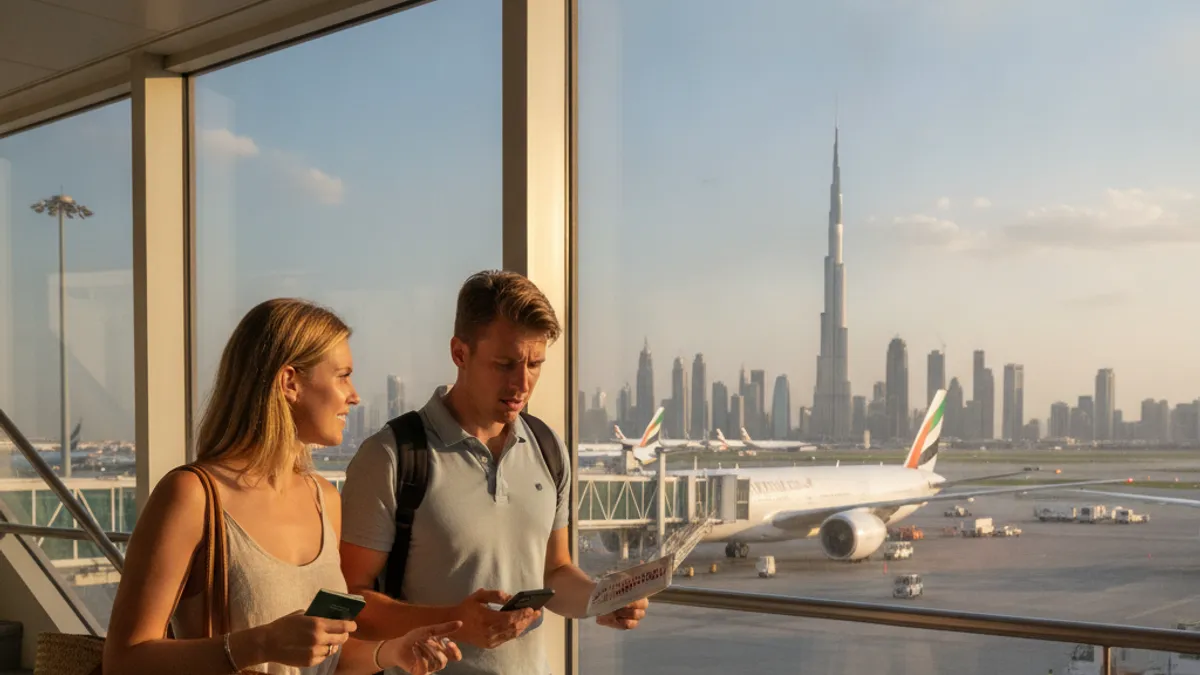
When you're flying from Australia to Dubai, the immigration process is usually quite smooth, especially for tourists. As an Australian passport holder, you generally won't need to arrange a visa before you leave home for standard holiday or short business trips. This policy is in place to encourage tourism and make travel easier for many nationalities. Your passport is the key document that allows you this privilege upon arrival.
The process at the airport typically involves heading to immigration, where an officer will review your passport and ask about the purpose of your visit. If it aligns with short-term tourism or business, they will stamp your passport, granting you entry for a set period. It’s always wise to have proof of your onward or return travel, like a flight ticket, just in case it's requested.
Understanding Dubai's Visa Policy for Australians

Dubai's immigration policies are designed to accommodate a wide range of international visitors. For Australian citizens, the main determining factor for visa requirements boils down to two critical components: the purpose of your trip and how long you plan to be in the UAE. The UAE government has established different entry statuses based on these factors to manage tourism, business, and residency.
Here, we'll break down how these elements influence your need for a visa, ensuring you have a clear picture of what to expect. Understanding these specifics means you can plan your trip with confidence, avoiding any last-minute complications at the border.
Purpose of Your Visit: Key Factor
The primary reason you're traveling to Dubai is the most significant factor in determining your visa needs. The UAE differentiates between short-term visits for leisure or business and longer-term commitments like work or study.
- Tourism: If you're heading to Dubai for a holiday, sightseeing, or to visit friends and family, this falls under the tourism category. For Australians, this usually means you'll get a visa on arrival.
- Short Business Trips: Attending meetings, conferences, or exploring business opportunities typically also falls under short-term visitor status, often processed via a visa on arrival.
- Work: If you have secured a job offer in Dubai, you will need a work visa. This requires sponsorship from your employer and a more involved application process that must be completed before you arrive to start working.
- Study: For those planning to enroll in educational institutions in Dubai, a student visa is mandatory. This process is usually facilitated by the university or school you will be attending.
Duration of Your Stay: Another Key Factor
Alongside the purpose of your visit, the length of time you intend to stay in Dubai is crucial. The standard visa-on-arrival privileges are for short durations.
- Standard Stays: For most tourist and short business visits, Australian passport holders are typically granted a visa on arrival that allows them to stay for 30 days. This period can sometimes be extended, but only through an official application process.
- Extended Stays: If your plans involve staying longer than the initial visa-on-arrival duration, you must secure an appropriate extended visa or residency permit. This cannot be done by simply extending the initial on-arrival visa at the airport.
Visa on Arrival: The Most Common Scenario for Aussies

For the majority of Australian passport holders traveling to Dubai for leisure or short business purposes, the visa on arrival (VOA) is the standard procedure. This means you don't need to arrange a visa before you travel to a UAE embassy or consulate. It's a system designed for convenience, allowing you to receive your entry permit directly at the port of entry.
This process is specific to those who intend to stay in the UAE for a limited time, usually for tourism or to attend short business meetings. It simplifies pre-travel arrangements significantly, enabling Australians to book flights and accommodation with greater flexibility.
How the Visa on Arrival Works
When you arrive at Dubai International Airport (or any other UAE port of entry) with a valid Australian passport, you'll proceed to immigration. After your passport is scanned, an immigration officer will assess your entry. If your purpose aligns with short-term tourism or business, and you meet the general entry requirements, they will issue you a visa-on-arrival stamp in your passport.
This stamp serves as your official permission to enter Dubai for a specific period. The typical allowance for Australian citizens is 30 days per visit. This entry can often be utilized more than once a year, provided each stay adheres to the stipulated duration.
What to Expect at Immigration
At the immigration counter, have your Australian passport readily accessible. The immigration officer may ask a few standard questions to confirm your visit's purpose and your intended length of stay. It’s advisable to have your return or onward flight booking details handy, as this is often requested as proof that you do not plan to overstay.
There are no specific forms to fill out beforehand for the visa on arrival; the process is handled electronically and with a stamp directly in your passport by the immigration officer. The visa itself is usually linked to your passport electronically. Remember, this visa on arrival is for short stays. If your trip exceeds this allowance, you will need to apply for an extended visa or a different type of permit beforehand, which is where the process becomes more involved.
When You'll Need to Apply for a Visa in Advance
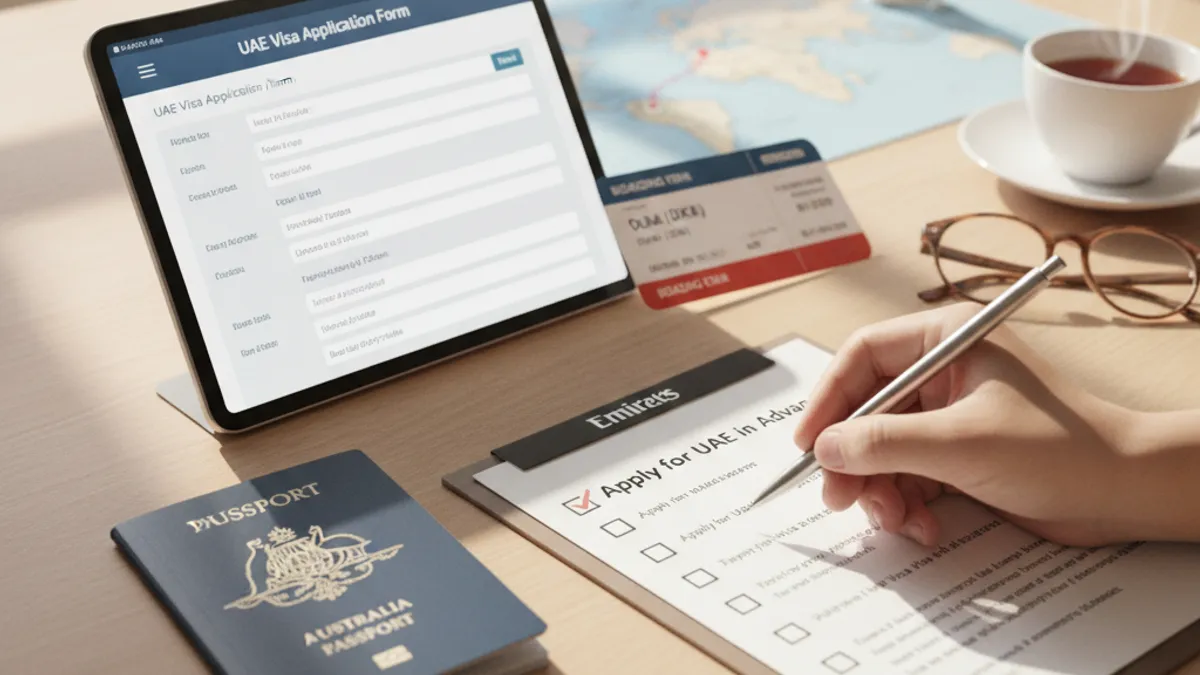
While the visa on arrival is convenient, it's not a universal solution for all Australian visitors to Dubai. There are specific circumstances where applying for a visa before you travel is not just recommended, but absolutely necessary. These situations typically involve longer commitments or specific activities that fall outside the scope of standard tourist or short-term business visits.
Failing to secure the correct visa in advance for these scenarios can lead to denied entry, fines, or other serious immigration issues. It's crucial to be aware of these exceptions to ensure your travel plans go smoothly.
Extended Stays Beyond Standard Allowances
If your travel plans extend beyond the standard 30-day period granted by the visa on arrival, you need to apply for an extended visa or a residency permit. This isn't a simple matter of getting an extension at the airport. You'll typically need to submit an application through official UAE government channels or a designated visa processing center before your initial on-arrival visa expires.
These extended visas are often tied to specific purposes, such as continued tourism, visiting relatives for an extended duration, or other approved reasons. The application process involves submitting a detailed application form, supporting documents, and possibly proof of financial means to support your extended stay.
Working in Dubai: Employer Sponsorship
Securing employment in Dubai is an exciting prospect, but it comes with a stringent visa requirement. If you plan to work in Dubai, you absolutely must have a work visa, and this is almost always sponsored by your employer. You cannot simply arrive on a tourist visa and start working.
Your prospective employer in Dubai will initiate the work visa application process on your behalf. This typically involves obtaining a work permit from the UAE Ministry of Human Resources and Emiratisation (MOHRE) and a residency visa. The process can take several weeks and requires numerous documents from both you and your employer, including passport copies, photographs, and sometimes medical examinations.
Studying in Dubai: Student Visas
For any Australian wishing to pursue higher education or enroll in a long-term course at an educational institution in Dubai, a student visa is mandatory. This visa category is specifically for individuals who are officially registered and accepted into a program of study.
The process for obtaining a student visa is generally coordinated by the educational institution itself. They will guide you through the required documentation, which usually includes an acceptance letter from the university, proof of academic qualifications, passport photos, and evidence of sufficient funds to cover your tuition and living expenses. The institution will act as your sponsor and guide you through the application with the relevant UAE authorities.
Transit and Layovers
Even if Dubai is just a stopover en route to another destination, visa requirements can sometimes apply depending on the length of your layover. For shorter transit times, where you remain within the airport's international transit area, you typically won't need a visa. However, if your layover is long enough that you plan to leave the airport, perhaps to sightsee or have an extended break, you may need to acquire a specific transit visa.
The rules for transit visas can vary, and it's always best to check with the airline you are flying with or the official UAE immigration resources to confirm the requirements based on your flight schedule. This ensures you won't face unexpected issues when you need to re-enter the transit area or pass through immigration.
Navigating Dubai Entry Requirements: Your Action Plan

So, you've figured out if you need a visa. Now, what are the practical steps to ensure smooth entry into Dubai? It’s all about being prepared and knowing where to find reliable information. This section breaks down the essentials to help you confidently navigate the process.
Checking Official Sources First
Always prioritize information from official UAE government bodies or the UAE embassy in Australia. Immigration rules can change, and sticking to official updates is your best bet. A quick online search for the "UAE Ministry of Foreign Affairs and International Cooperation" or the "UAE Embassy Australia" will direct you to their official websites. These sites provide the most current visa regulations, application procedures, and any urgent travel advisories.
This proactive step helps you avoid relying on outdated travel blogs or forums, which might not reflect the latest policy changes. Official sources are your primary reference for accurate and up-to-date visa requirements.
Important Documents to Carry
Regardless of whether you need a visa in advance or qualify for a visa on arrival, certain documents are essential for your journey to Dubai. Your passport is the most critical item; it must be valid for at least six months beyond your intended stay. A digital or printed copy of your onward or return flight tickets is also frequently requested by immigration officers.
Besides your passport and flight details, be prepared to show proof of accommodation, such as hotel bookings or an invitation letter if staying with a resident. If you secured a visa in advance, carry a printed copy of your visa confirmation. Carrying photocopies of all important documents separately from the originals is a smart precautionary measure.
Common Mistakes Australians Make

Even with accessible information, travelers sometimes run into hiccups with their Dubai visit. Understanding common pitfalls can help you steer clear of unnecessary stress and potential complications at the border or during your stay. These errors often stem from a misunderstanding of the rules or a lack of due diligence before traveling.
Relying on Outdated Information
One of the most frequent mistakes Australian travelers make is relying on information that's no longer current. Visa policies and entry requirements can be updated by the UAE government without much notice. A travel tip you read online from a few years ago might be completely irrelevant today. This can lead to expecting a visa-on-arrival when an advance application is now required, or vice-versa.
It's crucial to cross-reference information with official sources, like the UAE embassy or government immigration websites, close to your travel date. Policies regarding visa duration and eligibility can shift, so always double-check just before you depart.
Not Understanding Visa Extension Rules
Australians who qualify for a visa on arrival might assume they can simply get an extension easily if their plans change. While extensions are sometimes possible, they aren't automatic and often require a formal application process before your initial entry period expires. Many travelers are unaware of the specific procedures, deadlines, and potential fees associated with extending their stay.
Overstaying your visa, even by a day, can result in significant fines and future travel bans to the UAE. If you anticipate needing more time than your initial allowance, research the extension process for your specific visa type well in advance. This usually involves visiting an immigration office or utilizing official online government services to apply for the extension.
Decision Guide: Do YOU Need a Visa?
To help you pinpoint your exact visa situation, let's use a simple decision-making workflow. This process helps clarify whether you need to apply for a visa before you travel or if you'll receive one upon arrival. By answering a few questions about your trip, you can determine the necessary steps.
Here’s how it works:
What is the primary purpose of your visit to Dubai?
- Tourism/Holiday/Visiting Family/Short Business Trip: Proceed to question 2.
- Work (with a job offer): You need a Work Visa. Proceed to Section 6: When You'll Need to Apply for a Visa in Advance.
- Study at an institution: You need a Student Visa. Proceed to Section 6: When You'll Need to Apply for a Visa in Advance.
- Transit through Dubai (leaving the airport): You may need a Transit Visa. Proceed to Section 6: When You'll Need to Apply for a Visa in Advance.
How long do you plan to stay in Dubai?
- 30 days or less: As an Australian passport holder, you will likely receive a Visa on Arrival (VOA). Proceed to Section 5: Visa on Arrival: The Most Common Scenario for Aussies.
- More than 30 days but less than 60 days: You might be eligible for an extension or a different type of tourist visa. Check official UAE immigration websites for current tourist visa extension options for Australians. If a pre-approved visa is required, proceed to Section 6: When You'll Need to Apply for a Visa in Advance.
- 60 days or more: You will very likely need to apply for an extended tourist visa or a residency permit before your arrival. Proceed to Section 6: When You'll Need to Apply for a Visa in Advance.
This flowchart highlights that for most straightforward Australian tourist trips, the answer points towards a visa on arrival. Any deviation from that standard scenario requires proactive visa arrangements.
Where to Get Official UAE Visa Information

Relying on official channels is paramount when dealing with immigration matters. For Australians planning a trip to Dubai, knowing where to find the most accurate and up-to-date information will save you time, potential stress, and costly mistakes. These sources are maintained by the UAE government and are regularly updated to reflect current policies.
Here are the primary authorities you should consult:
- UAE Embassy in Australia: This is your first point of contact for official advice. They can clarify complex visa situations and provide guidance specific to Australian citizens. Search for the "Embassy of the United Arab Emirates, Canberra" online to find their official website and contact details.
- General Directorate of Residency and Foreigners Affairs (GDRFA): This is the main governmental body responsible for entry and residency in Dubai. Their official website often provides comprehensive visa information, checklists, and online application portals for various visa types. You can search for "GDRFA Dubai" to find their official portal.
- Ministry of Foreign Affairs and International Cooperation (MoFAIC): While not directly processing visas, MoFAIC provides overarching information about UAE foreign policy and entry requirements for different nationalities.
Always look for the .gov.ae domain for official UAE government websites, as these are the most reliable. This ensures you're getting information directly from the source, which is critical for compliance.