Thank you for reading this post, don't forget to subscribe!
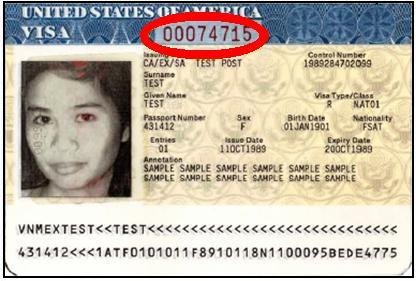
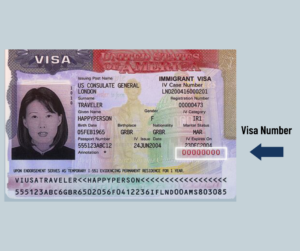
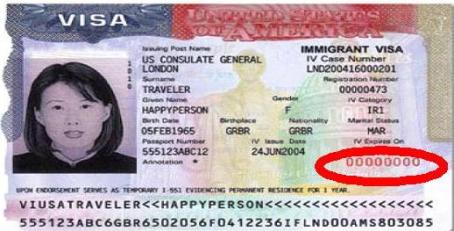
On most U.S. visas, the visa number is the red number printed near the bottom-right area of the visa foil. It is often eight digits long, although formats can vary. Do not confuse it with your passport number, control number, or visa expiration date.
If you have a U.S. visa in your passport, finding the visa number is usually simple. The number appears on the visa foil, which is the visa document placed inside your passport by a U.S. embassy or consulate. For most traditional U.S. nonimmigrant visas, look for a red number near the lower-right portion of the visa.
This guide explains where to find visa number in US visa documents, how to tell it apart from other numbers, and what to do if a form asks for it. The guidance applies to common U.S. visitor visas, student visas, work visas, and other visa categories, while recognizing that document layouts and number formats may differ.
The U.S. Department of State issues visas through its embassies and consulates abroad. A visa allows a traveler to seek admission to the United States for a permitted purpose, but it does not guarantee entry. U.S. Customs and Border Protection makes the admission decision at the port of entry. Knowing which number belongs to your visa can help you complete travel, immigration, and application forms accurately.
The visa number on most traditional U.S. visas is printed in red near the bottom-right area of the visa foil. The visa foil is the page-sized visa label attached to a page in your passport. It contains your photograph, personal details, visa classification, validity dates, and other identifying information.
Hold your passport open to the page containing the U.S. visa. Look at the lower portion of the visa image and identify the red number. On many commonly issued visa foils, this number is easy to distinguish from the black text printed elsewhere on the document.
The precise layout can vary by visa design and issuance period. Use the color, position, and surrounding labels as clues, but do not rely on color alone if your document looks different. The most reliable approach is to inspect the actual visa and compare its fields with the instructions on the form you are completing.
Source: citizenpath.com
Look near the lower-right corner
On many traditional U.S. visa foils, the red visa number appears in this area.
Check the color
The visa number is commonly printed in red, while many other details use black text.
Read the entire number
Enter all digits in the order shown. Do not add spaces or letters unless the receiving form specifically requires them.
Confirm the requested field
If the form says control number, passport number, or document number instead, do not automatically enter the red visa number.
What Does the U.S. Visa Number Look Like?
On many traditional U.S. visa foils, the visa number consists of eight digits printed in red. For example, a hypothetical number such as 12345678 illustrates the format. This is only an example and is not a real visa number.
Some documents may have a different format or layout. If the number on your visa does not match the common eight-digit pattern, do not assume the document is invalid. Check the visa itself and seek official guidance if you cannot identify the correct field.
Typical appearance
A red sequence of digits near the lower-right area of many traditional visa foils.
Important limitation
Not every number printed on the visa is the visa number, and not every document layout is identical.
How to Find Your U.S. Visa Number Step by Step
You can usually locate your visa number in a few minutes without using an online lookup service. All you need is your passport containing the visa and, if applicable, the form that asks for the number.
Before entering the number, make sure you are looking at the U.S. visa rather than a visa issued by another country. A U.S. visa may be surrounded by passport stamps, entry records, and other travel documents, but those items do not replace the visa foil.
Source: visahq.com
Step 1: Open your passport
Find the page containing the U.S. visa sticker or foil. If you have more than one U.S. visa, select the document relevant to the form or travel record.
Step 2: Examine the lower part of the visa
Look near the lower-right area for the red number commonly used as the visa number.
Step 3: Separate nearby numbers
Do not confuse the red number with the passport number, application confirmation number, control number, or dates printed on the foil.
Step 4: Match the number to the form
Read the form label and any help text. If it requests the visa number, enter the number identified as such on the visa.
Step 5: Review your entry
Check each digit against the original document before submitting the form. A single transposed digit can cause a mismatch.
What If the Number Is Hard to Read?
If the red number is faded, covered by damage, or difficult to distinguish, use good lighting and inspect the original visa carefully. Avoid relying on a blurry photograph or a cropped image that hides nearby field labels.
If you still cannot identify the number, consult the U.S. embassy or consulate that issued the visa or follow the official instructions for the application you are completing. Do not use a random online service that claims it can recover confidential visa details.
Try a clearer view
Use natural light and a steady, clear view of the complete visa foil.
Protect personal information
Do not post an unredacted visa image publicly. It can contain your photograph, date of birth, passport details, and other sensitive data.
Visa Number vs. Passport Number and Other Visa Details
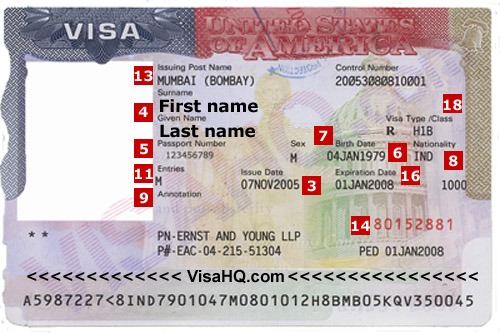
A U.S. visa contains several numbers and dates, and each serves a different purpose. The most common mistake is entering the passport number when a form asks for the visa number, or entering the visa control number instead of the red visa number.
The distinction matters because government forms and travel systems may use these details to identify different records. The visa number identifies the visa document for the relevant process, while the passport number identifies the passport issued to you.
Source: utpaqp.edu.pe
Visa number
Usually the red number near the lower-right area of a traditional U.S. visa foil. Use it when the form explicitly requests the visa number.
Passport number
The number identifying your passport. It is generally printed on the passport’s identification page and may also appear in the visa’s passport-number field.
Visa control number
A separate identifying number that may appear elsewhere on the visa. Do not use it as the visa number unless the form explicitly asks for the control number.
Visa foil number
A term commonly used for the number associated with the physical visa label. In many contexts, people use this term to refer to the visa number printed on the foil, but follow the wording of the specific form.
Visa expiration date
The date through which the visa may be used to seek entry, subject to its terms and applicable rules. It is not the visa number.
Visa classification
The category printed on the visa, such as B1/B2 for certain business or visitor purposes or F-1 for academic students. The classification is not the visa number.
How to Tell the Visa Number From the Control Number
The visa number and control number are separate fields. Their positions and appearance may vary by document design, so the best method is to use the field labels and the commonly red number as a guide rather than treating every long sequence of digits as interchangeable.
If an online form asks for a visa number, do not substitute a control number merely because it is easier to read. If the form specifically requests a control number, use the field that matches that wording.
Match the exact label
Read the form’s wording before choosing a number from the visa.
Do not rely on length alone
A number’s length does not prove that it belongs in a particular field.
Where to Find the Visa Number on Different Types of U.S. Visas
The same general method works for many U.S. visa categories: inspect the visa foil attached to the passport and identify the visa number printed on it. However, the purpose of the visa and the information requested by a form can differ, so always verify which document and field the form requires.
A tourist visa, student visa, and employment-based visa are not interchangeable, even if their printed numbers look similar. The visa classification explains the permitted travel purpose, while the visa number identifies the particular visa document for the relevant administrative task.
Source: fity.club
B-1/B-2 visitor visa
Look for the red visa number near the lower-right area of the visa foil. B-1 and B-2 classifications cover certain business and tourism or visitor activities, subject to the terms of the visa.
F-1 student visa
Inspect the visa foil in the passport and identify the visa number. Do not confuse it with a Student and Exchange Visitor Information System record or a Form I-20 identifier.
H-1B or another work-related visa
Use the number printed on the visa foil when a form asks for the visa number. A petition receipt number or approval notice number is a different identifier.
J-1 exchange visitor visa
Look at the visa foil rather than assuming the number on Form DS-2019 is the visa number. These documents serve different purposes.
Immigrant visa
An immigrant visa is used in the process of immigrating to the United States. It may have a different layout or include additional immigrant-processing details, so follow the specific document and official instructions.
What If You Have an Electronic or Different-Format Record?
Not every immigration record is a visa foil. An approval notice, electronic travel authorization, immigration status document, or entry record may have its own receipt or reference number. These numbers should not be treated as a U.S. visa number unless the relevant instructions say so.
If you do not have a physical visa foil, first determine which document you actually hold. Then check the issuing agency’s instructions for the number requested. The right answer depends on the document type, not simply on whether a number appears on it.
Check the document type
Confirm whether you have a visa foil, approval notice, passport, or another immigration record.
Follow official instructions
Use the agency’s guidance when a form’s terminology does not match the fields on your document.
When Do You Need Your U.S. Visa Number?
You may need your visa number when completing a travel form, an immigration application, an employment or school record, or another official document that asks for visa details. The exact requirement depends on the form and your circumstances.
Do not assume every U.S. government form requires the visa number. Some forms request the passport number, visa classification, admission record, or immigration receipt number instead. Enter only the information requested, and use the form’s official instructions if the wording is unclear.
Source: visaverge.com
Travel and visitor records
A travel-related form may ask for the visa number along with the visa issue date, expiration date, and issuing location.
Employment and school paperwork
An employer or educational institution may request visa details for recordkeeping or a specific process. Confirm which field it needs before sharing information.
Immigration applications
Some applications request information about a previously issued visa. Use the relevant visa foil rather than a petition receipt or passport number.
Replacement or follow-up requests
If you contact a consulate about a visa, having the document available can help you identify the relevant record. Follow the consulate’s security and submission instructions.
How to Enter the Visa Number on an Online Form
Read the field label and any instructions displayed next to it. If the form requests the visa number, enter the number from the visa foil exactly as directed. If the form accepts digits only, do not add punctuation or spaces.
Review the completed form before submitting it. If the form rejects the number, check for transposed digits, extra spaces, an incorrect document, or a field that actually requests a different identifier. Do not change the number to fit a guessed format.
Use the correct visa
If you have multiple visas, identify which visa the application is asking about.
Check the instructions
Some forms define the number they want or provide a help link with an example.
Save your confirmation
After submitting a form, retain its confirmation or receipt according to the official process.
Common Mistakes When Looking for a U.S. Visa Number
Most visa-number errors happen when people select the wrong number from a document or assume that all U.S. visa records use the same format. A quick check of the field label and the original visa can prevent many avoidable mistakes.
If a form has already been submitted with an incorrect number, do not submit repeated applications without checking the official correction process. The right response depends on the form, whether it has been submitted, and whether an appointment or decision is pending.
Source: support.citizenpath.com
Mistake: Using the passport number
The passport number identifies the passport, not the visa. Find the number printed on the visa foil when the form asks for a visa number.
Mistake: Using the visa expiration date
The expiration date is a date, not an identifying number. Check the date and number fields separately.
Mistake: Choosing any red or black number
Color can help identify the visa number, but you should also consider its location and the form’s wording.
Mistake: Assuming every visa number has the same length
Eight digits are common on many traditional visa foils, but formats can vary. Follow the actual document and official guidance.
Mistake: Confusing a petition number with a visa number
An employer petition receipt, immigration case number, and visa number identify different records.
Mistake: Sharing an unredacted visa image
A visa can contain personal information. Share it only through a trusted, authorized channel when necessary.
What Should You Do If You Entered the Wrong Number?
If you have not submitted the form, correct the entry and compare it with the original visa. If you have submitted it, review the agency’s instructions for correcting an application or updating an existing record.
For a visa appointment or consular application, use the official website of the relevant U.S. embassy or consulate to find the appropriate support route. If the error concerns an immigration filing already submitted to U.S. Citizenship and Immigration Services, follow the instructions for that specific filing rather than assuming the consulate can amend it.
Before submission
Correct the field and verify the digits against the original document.
After submission
Check the official correction process and retain any confirmation number.
When the effect is unclear
Contact the agency responsible for the form or seek qualified immigration advice if the error may affect a pending case.
What to Do If Your U.S. Visa Is Lost, Damaged, or Expired
If you cannot read the visa number because the visa is damaged, do not invent a replacement number. Keep the passport safe and follow the official guidance from the U.S. embassy or consulate responsible for the visa or from the agency handling your application.
If your passport or visa has been lost or stolen, the next steps depend on where the loss occurred and whether you are inside or outside the United States. A lost visa does not automatically mean that your underlying immigration status has ended, but it may affect your ability to travel internationally and return using that document.
An expired visa is a different issue from a missing visa number. The visa expiration date generally relates to the period in which you may seek admission using the visa, while your authorized stay after entry is governed by the admission record and applicable immigration rules. Do not assume that an expired visa always means an expired authorized stay, or that an unexpired visa guarantees admission.
Source: citizenpath.com
If the visa is damaged
Do not alter the visa. Ask the issuing U.S. embassy or consulate how to proceed if the number or other details are unreadable.
If the passport or visa is lost abroad
Report the loss as appropriate and consult the relevant U.S. embassy or consulate for replacement and travel guidance.
If the visa has expired
Check whether you need a new visa for future travel. Review your admission record separately if you are already in the United States.
If the visa information appears incorrect
Contact the issuing post for instructions instead of editing the document or relying on an unofficial correction service.
Where to Get Official Help
For visa issuance questions, use the official U.S. Department of State website or the website of the U.S. embassy or consulate that issued the visa. For questions about a pending application filed with U.S. Citizenship and Immigration Services, use the official USCIS website and the instructions for the relevant form.
If a mistake may affect your immigration status, admissibility, or an active case, consider speaking with a qualified U.S. immigration attorney. Be cautious of websites or individuals who promise guaranteed visa outcomes or request unnecessary copies of sensitive documents.
U.S. Department of State
Use travel.state.gov for official information about U.S. visas and consular services.
U.S. Citizenship and Immigration Services
Use uscis.gov for immigration applications and services within USCIS’s responsibility.
U.S. Customs and Border Protection
Use cbp.gov for official information about admission at U.S. ports of entry and related border processes.
How to Protect Your U.S. Visa Information
Your visa contains personal information that can be misused if shared carelessly. Although you may need to provide visa details for a legitimate travel or immigration process, you should avoid posting a full image of the visa on social media, public forums, or untrusted websites.
Use official government websites when checking visa instructions or correcting application details. Before uploading a document, confirm that the website belongs to the agency or service that is authorized to receive it, and share only what the process requires.
Source: fity.club
Keep the original passport secure
Store your passport in a safe place and limit unnecessary handling of the visa page.
Redact public copies
If you need to discuss a layout online, hide personal details, machine-readable information, and identifying numbers. A redacted image may still reveal information, so review it carefully.
Check website addresses
Use official government websites for government services and verify the destination before uploading sensitive files.
Avoid guaranteed-result claims
No private service can guarantee a U.S. visa approval merely by finding or checking a visa number.
Can Someone Use Your Visa Number Without Permission?
A visa number is one piece of identifying information, not a password that grants access to every immigration record. However, an image of the visa may expose other personal details that could be useful for impersonation or fraud.
If you believe your visa or passport information has been misused, preserve relevant messages and records, contact the appropriate issuing authority, and follow official identity-protection guidance. Do not send additional documents to an unknown person who claims they need your visa number to fix the problem.
Share only when needed
Provide visa details to authorized organizations for a clear, legitimate purpose.
Report suspicious requests
Use official channels if someone asks for unnecessary personal data or claims to guarantee an immigration result.
Frequently Asked Questions
Q
Where can I find my visa number on a U.S. visa?
On most traditional U.S. visa foils, the visa number is printed in red near the lower-right area. Look at the visa page inside your passport and compare the number with the exact field requested by your form.
Q
How many digits are in a U.S. visa number?
Many traditional U.S. visas display an eight-digit visa number. However, formats can vary, so use the number printed on your actual visa and follow the relevant form’s instructions rather than relying only on the digit count.
Q
Is the U.S. visa number the same as the passport number?
No. The visa number identifies the visa document for the relevant process, while the passport number identifies your passport. Use the number requested by the form and do not substitute one for the other.
Q
Is the red number on my U.S. visa the visa number?
On many traditional U.S. visa foils, the red number near the lower-right area is the visa number. Check the position and surrounding information because visa layouts can vary and other identifying numbers may appear on the document.
Q
Is the visa number the same as the control number?
No. The visa number and control number are different identifiers. If a form requests the visa number, use the number that corresponds to that field rather than selecting a nearby number based on appearance alone.
Q
Can I find my U.S. visa number online?
If you have the visa in your passport, the simplest method is to read the number directly from the visa foil. Some official records or application systems may contain related information, but there is no single public lookup method that should be assumed to retrieve every person’s visa number. Use official government channels if you no longer have access to the document.
Q
What should I do if I cannot read my visa number?
Inspect the original visa in good lighting and check the complete document. If the number remains unreadable because of damage or fading, contact the U.S. embassy or consulate that issued the visa for official guidance. Do not guess the number or alter the visa.
Q
Does an expired U.S. visa mean my authorized stay has ended?
Not necessarily. A visa’s expiration date generally concerns when it may be used to seek admission to the United States. If you are already in the country, your authorized period of stay is generally determined by your admission record and applicable immigration rules. Check your own records and seek qualified advice if your status is unclear.
✦ Wrapping Up
Conclusion
Finding the visa number on a U.S. visa is usually straightforward. On most traditional visa foils, look for the red number near the lower-right area of the visa page in your passport. Many visas display eight digits, but the exact format and layout can vary.
Before entering the number on an application, make sure the form asks for the visa number rather than the passport number, control number, visa classification, or expiration date. If your document is damaged or the number is unclear, consult the issuing U.S. embassy or consulate or the official agency responsible for your form.
💡 Key Takeaway
Open your passport to the U.S. visa page, locate the red number near the lower-right area, and compare it with the field label on your form. Verify every digit before submitting and use official government guidance if anything is unclear.