
Have you ever stared at a visa application or an approval letter and wondered, “What is Indian visa number?” It’s that alphanumeric string that feels like a secret code, and for good reason. This number is your direct link to your visa case, acting as the primary identifier for everything from checking your application’s progress to making inquiries. Without the correct one, navigating the Indian visa process can feel like being lost.
Thank you for reading this post, don't forget to subscribe!Understanding which specific number is relevant is crucial because there isn’t just one. Different stages of the visa process generate different reference numbers, and using the wrong one can lead to confusion. For instance, your Visa Application Reference Number might look quite different from your final Visa Approval Number. Official Indian visa portals typically require these unique identifiers to be entered accurately, often with specific formatting, to retrieve your case details.
Your Indian Visa Number: The Key to Tracking Everything

At its heart, any Indian visa number you’re given is a unique identifier. Think of it like your passport number, but specifically for your visa application or grant. Its primary purpose is to distinguish your specific case from thousands of others being processed. This is why accurately identifying and keeping track of the correct number is so important.
So, what makes up these numbers? They’re not random strings, though they can look that way initially.
- Alphanumeric Characters: Most visa numbers will contain a mix of letters and numbers.
- Unique Format: The structure often varies depending on the type of visa (e.g., tourist, business, e-Visa) and the specific application or approval stage.
- Specific Length: While there’s no single fixed length for all Indian visa numbers, they typically fall within a defined range for each category.
This identifier is your ticket to online tracking systems, enabling you to see where your application stands without having to call an embassy or consulate. The online interface for checking visa status on official Indian government websites relies heavily on these numbers for user authentication.
Finding Your Indian Visa Number: Where to Look
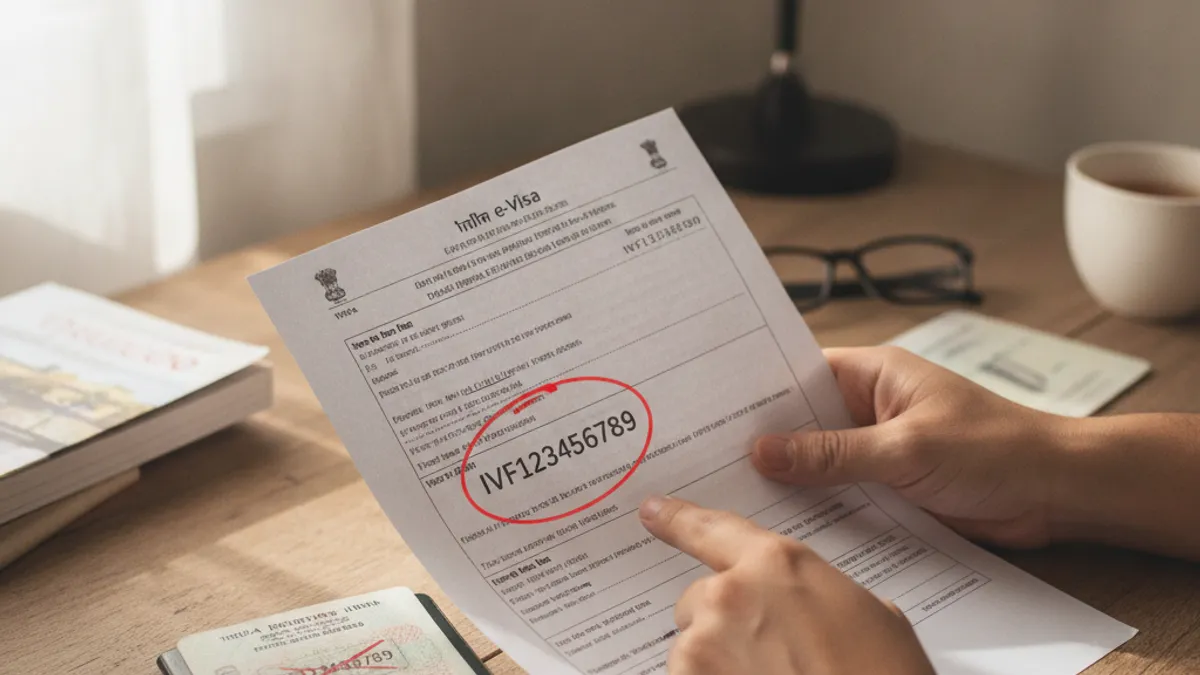
Figuring out which specific number you need can be a little confusing because there are a few possibilities. The one you’re looking for depends entirely on where you are in the visa application process. Each number serves a distinct purpose and is found on different documents.
You’ll encounter several key identifiers.
Visa Application Reference Number vs Approval Number
- Visa Application Reference Number: This is the number you’ll likely receive right after you submit your visa application, whether online or in person. It’s generated by the application system to confirm your submission. You’ll usually find it on the confirmation page or in the email you get immediately after applying. This number is primarily for tracking the progress of your application before it’s approved.
- Visa Approval Number: This number is issued once your visa application has been successfully processed and approved. It’s often the number you’ll see on your visa sticker if it’s a traditional visa, or it will be part of the electronic grant notice for an e-Visa. This number confirms that you have been granted permission to travel to India.
- Visa Transaction Number: Sometimes, especially with online payments or specific services, you might also have a transaction number related to visa fees. This is different from your application or approval number and is more for financial record-keeping.
When you’re initially applying, your primary focus will be the Visa Application Reference Number. Once approved, the Visa Approval Number becomes the critical identifier. Always check the specific instructions on your application form or official communication to know which number is requested.
Why Having the Right Visa Number Matters
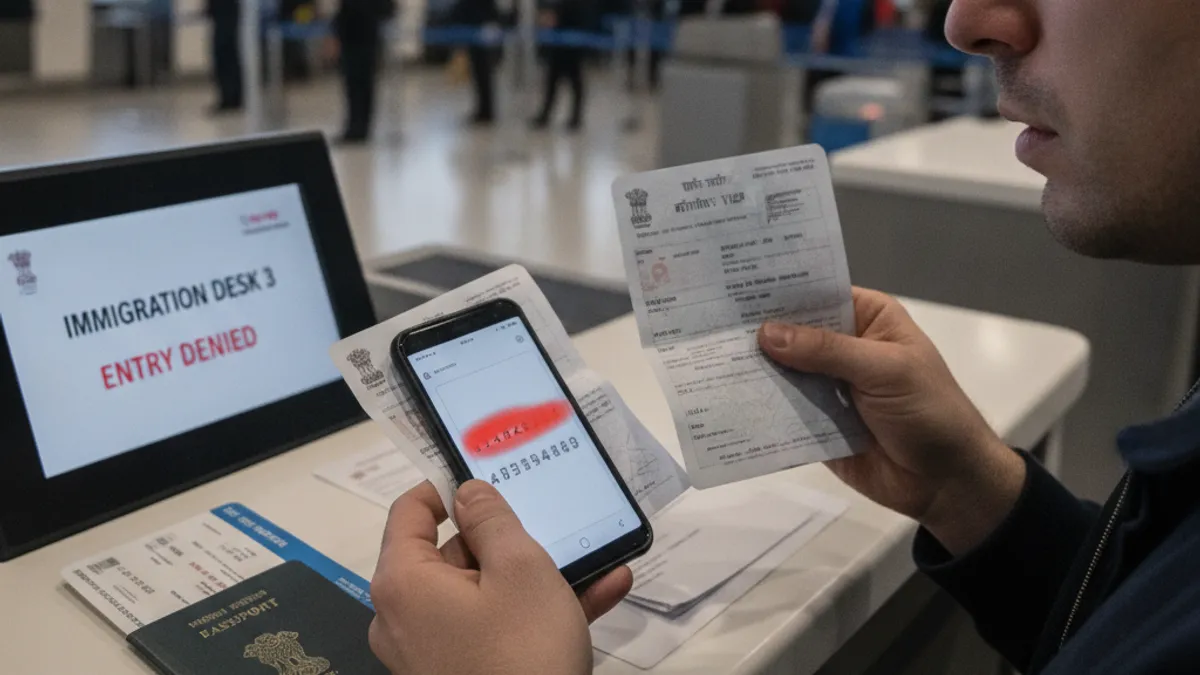
Think of your Indian visa number as your visa’s unique fingerprint. It’s the single most important piece of information that connects you to your specific case within the immigration system. Without it, official bodies can’t easily look up your details, and you can’t track your progress.
The consequences of not having the correct number or mistaking one for another can be significant.
The Problems When You Get It Wrong
- Delayed Status Updates: If you try to check your application status online using the wrong number, you’ll get an error message or be shown irrelevant information. This means you won’t know if your visa is approved, rejected, or still pending.
- Communication Breakdowns: When you need to contact an embassy, consulate, or visa application center for an inquiry, providing the wrong number leads to a dead end. They can’t locate your file, so they can’t assist you effectively.
- Missed Deadlines or Opportunities: In some cases, crucial information about your visa might be communicated via the portal linked to your reference number. Not being able to access this due to an incorrect number could mean missing a deadline for document submission or overlooking an approval notification.
- Re-application Hassles: In the worst-case scenario, if you can’t resolve issues related to your existing application due to a lost or incorrect number, you might be forced to start the entire application process over, including paying fees again.
Our research indicates that users often confuse the application reference number with other transaction IDs or even their passport number when trying to track their visa. It’s vital to distinguish each.
How to Use Your Indian Visa Number for Status Checks
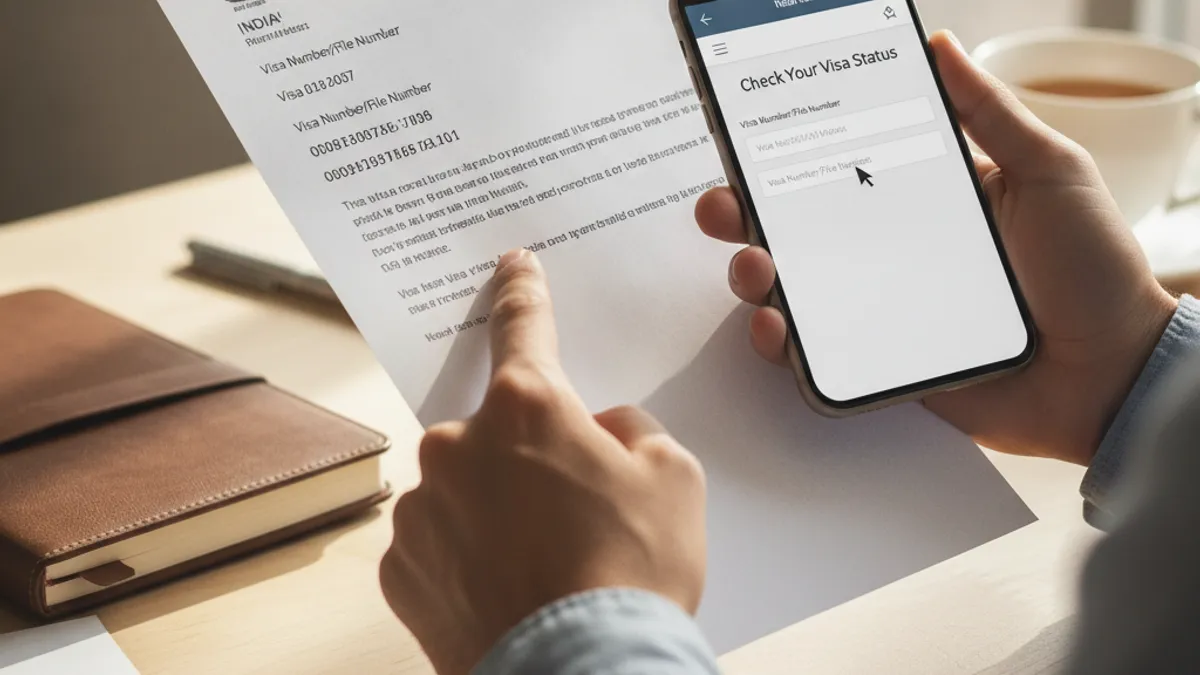
So, you’ve got your Indian visa number, fantastic! The most common reason you’ll need it is to check the status of your visa application. This is a super handy feature provided by the Indian government to keep applicants informed.
The process is pretty straightforward, but it requires you to have the correct identifier.
Step-by-Step: Checking Your Indian Visa Application Status
- Identify the Official Portal: First, make sure you’re on the legitimate official website for Indian visa applications and status checks. Be wary of third-party sites that might look official but are not.
- Locate the ‘Status Check’ or ‘Track Application’ Link: This is usually prominently displayed on the homepage or within the visa application section.
- Select Your Visa Type: The portal will likely ask you to specify the type of visa you applied for (e.g., e-Visa, regular visa).
- Enter Your Visa Number: This is where your specific number comes in. You’ll need to input either your Visa Application Reference Number or, if the application has been processed and approved, your Visa Approval Number.
- Provide Additional Details (If Required): Some systems might ask for your passport number or date of birth as a secondary security measure to confirm your identity.
- Click ‘Submit’ or ‘Check Status’: The system will then retrieve your application’s current status.
What you see can vary. It might say “Pending,” “Under Processing,” “Approved,” or “Rejected.” If it’s approved, the portal might provide details on how to collect your visa or what to expect next. Always ensure you’re using the exact alphanumeric string, paying attention to capitalization and any hyphens if they are part of the number format.
Common Mistakes with Indian Visa Numbers
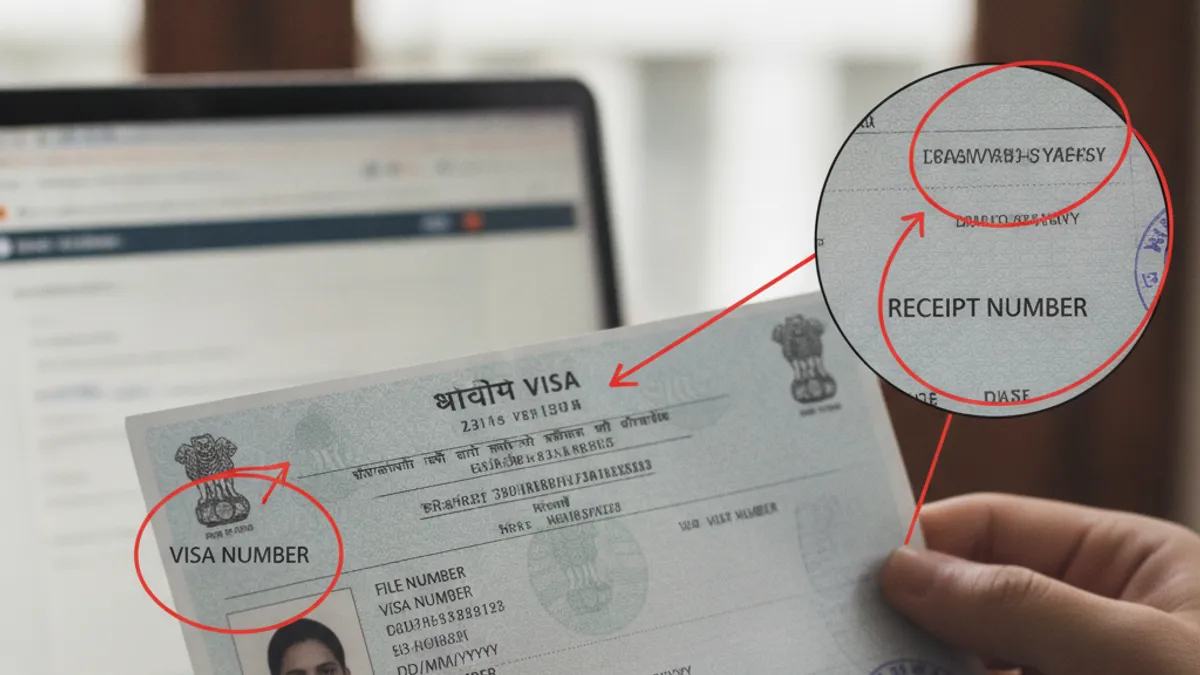
Even with clear instructions, people sometimes stumble when dealing with their Indian visa numbers. These aren’t massive errors, but they’re common enough to cause frustration. Getting them right from the start saves a lot of potential headaches.
Here are the usual slip-ups we see:
- Using the Wrong Number: The biggest mistake is confusing the application reference number with the approval number, or even using a transaction ID. If you apply for a regular visa and then try to track it using an e-Visa approval number (or vice-versa), the system won’t find your record.
- Typographical Errors: Mistyping even one letter or number in your visa number will prevent the system from recognizing your application. This includes confusing similar characters like ‘0’ (zero) and ‘O’ (letter O), or ‘1’ (one) and ‘I’ (letter I). Always double-check before hitting submit.
- Not Checking the Official Source: Some individuals use unofficial tracking websites. While these might sometimes work, they can be outdated, inaccurate, or even security risks. Stick to the government-approved portals for reliable updates.
- Losing the Document: The visa number is printed on official documents. If you misplace your application confirmation or approval letter, you might struggle to recall the exact number. It’s wise to save a digital copy or take a clear photo.
- Assuming All Numbers Are the Same: Not understanding that there are different numbers for different stages is a major pitfall. If you’ve just applied, you need the application number. If you’ve received your visa grant, you need the approval number.
To avoid these, always read the prompts on the website carefully and refer back to your official documentation.
Who Needs to Know Their Indian Visa Number?

Essentially, anyone applying for, processing, or inquiring about an Indian visa needs to be familiar with these numbers. This includes international travelers hoping to visit India for tourism, business, medical reasons, or study.
- Tourists: If you’re planning a vacation, your Visa Approval Number will be crucial when you arrive at immigration. You might also use your Visa Application Reference Number to track your tourist e-Visa status before departure.
- Business Professionals: Those traveling for meetings, conferences, or business activities will need their business visa numbers to secure entry and confirm their authorized stay duration.
- Students and Researchers: Individuals coming to India for educational purposes will rely on their specific student visa numbers for all immigration-related interactions.
- Family Members: If you’re helping a family member with their application, you’ll need to know their relevant visa number to assist them.
Government agencies, airlines, and immigration officials also use these numbers to verify your travel authorization. Airlines might check your visa status linked to your number before boarding your flight to India.
Official Sources for Visa Information
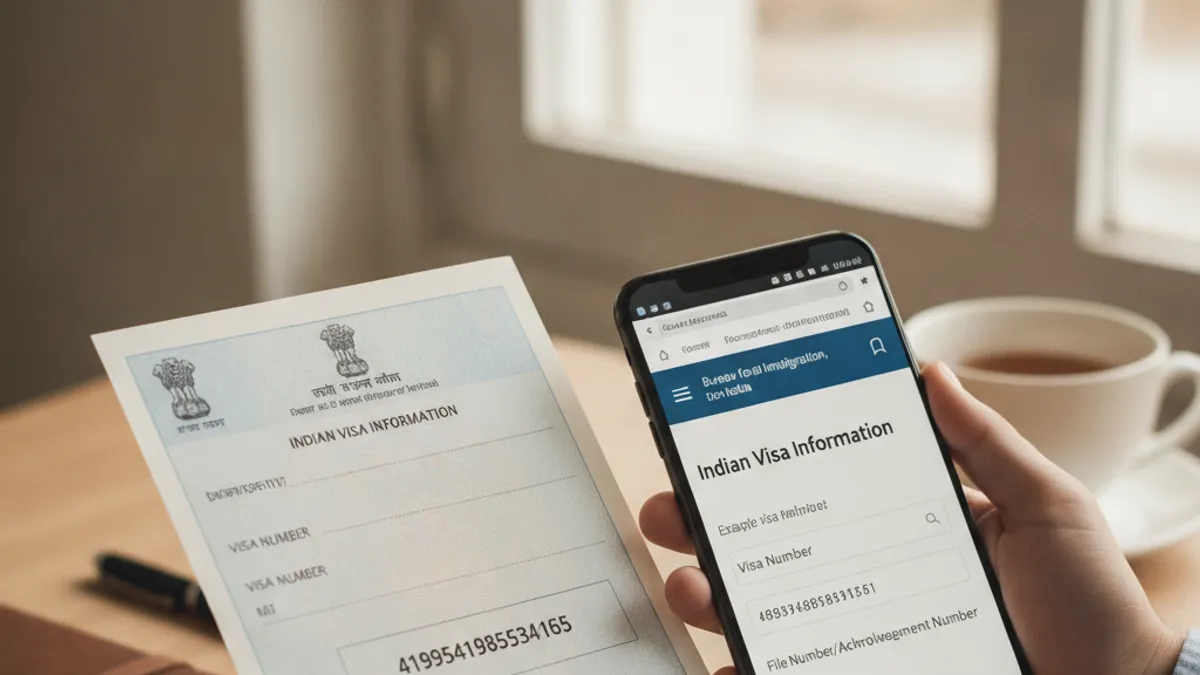
When you’re dealing with official documents like visa numbers, relying on the correct sources is paramount. You don’t want to get information from a third party that might be outdated or inaccurate. The Indian government provides official channels for all visa-related matters.
The primary authorities you should be aware of are:
- Ministry of External Affairs (MEA), Government of India: This is the nodal agency responsible for India’s foreign affairs and immigration policies. Its official websites are the most authoritative sources for visa regulations and links to application portals.
- Indian Bureau of Immigration: This bureau, under the Ministry of Home Affairs, handles the implementation of immigration laws and policies in India.
When you apply for a visa, you’ll likely be directed to an official portal managed or endorsed by these bodies. Always look for website addresses ending in “.gov.in” or links that clearly lead you back to these government entities. Any inquiry about your visa number or status should ideally be directed through these official channels to ensure you receive correct and up-to-date information.
Next Steps After You’ve Found Your Visa Number

Congratulations on locating your Indian visa number! Now that you have this crucial piece of information, what’s next? The immediate steps depend on what you intend to do with it and your current stage in the visa process.
If you’ve just received a Visa Application Reference Number, your primary next step is to continue monitoring your application status. It’s wise to save this number securely, like in a digital note or a printed copy, and check the official portal periodically for updates.
If you possess your Visa Approval Number, this confirms your visa has been granted.
- For e-Visas: You should print out the Electronic Travel Authorization (ETA) or visa grant notice that contains this number. You’ll need to present this, along with your passport, to immigration officers upon arrival in India.
- For Regular Visas: The approval number will typically be endorsed on a visa sticker placed in your passport. Ensure you verify all details on the sticker are correct.
Always keep copies of any documentation related to your visa number, as you may need them for future reference or during your stay in India.