Thank you for reading this post, don't forget to subscribe!
A biometrics appointment is a scheduled visit where a government agency collects personal identification details, such as fingerprints, a photograph, and sometimes a digital signature. In the United States, U.S. Citizenship and Immigration Services may require this appointment to verify your identity, conduct background and security checks, and process certain immigration or citizenship applications.
If you are applying for a green card, U.S. citizenship, or another immigration benefit in the United States, you may receive a notice asking you to attend a biometrics appointment. This can sound stressful if you have never completed the process before. In most cases, however, the appointment is a routine identity-checking step rather than an interview about your immigration eligibility.
The U.S. Citizenship and Immigration Services, commonly called USCIS, generally schedules biometrics appointments at an Application Support Center, or ASC, when it needs new biometric information. Your appointment notice explains where and when to appear. Staff may scan your fingerprints, take a digital photograph, and collect a signature, depending on your application and the agency’s requirements.
Understanding what happens before, during, and after the appointment can help you prepare with confidence. This guide explains the purpose of biometrics, who may need an appointment, what documents to bring, how to handle scheduling problems, and what the appointment means for your immigration case. The guidance focuses on the U.S. immigration process; other countries use different rules and procedures.
The most important point is that completing biometrics does not mean your application has been approved. It allows the government to complete required identity and security checks and continue processing your request. Your final decision depends on the requirements of the immigration benefit you seek and the facts of your case.
What Is a Biometrics Appointment in the United States?
A biometrics appointment is an official visit where an authorized agency collects physical or digital characteristics that help identify a person. In U.S. immigration matters, USCIS may request this information after you submit an application, petition, or other benefit request. The appointment is part of the government’s process for confirming identity and completing required checks.
The word biometrics refers to measurable features associated with a person. These features can include fingerprints, a facial photograph, and a signature. Which items USCIS collects depends on the application, the available records, and the instructions for your particular case.
For many applicants who are in the United States, biometrics are collected at a local Application Support Center. USCIS sends an appointment notice when it needs you to attend. The notice is a formal instruction, so you should read it carefully rather than rely only on general information found online.
Not everyone must attend a new appointment for every application. In some cases, USCIS may be able to reuse previously collected biometric information or determine that a separate appointment is unnecessary. If USCIS requires you to appear, follow the notice even if you have already provided fingerprints for another purpose.
Source: canapprove.com
Fingerprints
Digital fingerprint scans can help USCIS verify identity and support fingerprint-based background checks when required.
Photograph
A digital photograph may be taken for identity verification and, where applicable, the production of an official immigration document.
Digital signature
USCIS may collect a digital signature as part of its identification procedures, depending on the appointment and application.
Identity verification
The collected information helps the agency connect the biometric record with the correct applicant and immigration request.
What Is the Difference Between Biometrics and an Immigration Interview?
A biometrics appointment focuses on collecting or confirming identity information. An immigration interview, by contrast, may involve questions about your application, eligibility, family relationships, travel, employment, or other relevant facts. The exact interview topics depend on the benefit you requested.
At a typical biometrics appointment, you should not expect a full interview about why you qualify for a green card or citizenship. However, staff may ask basic questions needed to confirm your identity or process your appointment. If USCIS separately schedules an interview, that notice will explain the next step.
Biometrics appointment
The primary purpose is to collect or verify biometric identification information.
Immigration interview
The primary purpose is to review relevant information and assess eligibility when an interview is required.
Why Does USCIS Require a Biometrics Appointment?
USCIS uses biometrics to help verify identity, support required background and security checks, and produce secure identity documents. These functions help the agency assess immigration requests and protect the integrity of its processes. The specific checks performed depend on the type of application and the applicable rules.
Fingerprint records may be submitted for comparison through authorized government systems, including FBI fingerprint-based background checks when required. USCIS may also conduct name checks or other security checks. A biometrics appointment is one part of this broader review, not the entire review itself.
Biometrics can also help USCIS link a person to records collected during earlier interactions with the immigration system. This can reduce uncertainty about identity and help the agency determine whether it has the information needed to continue processing a request.
It is important to understand what biometrics can and cannot tell you about your case. Completing the appointment confirms that you have completed a required collection step when the agency accepts it. It does not establish that every background check is complete, that all eligibility requirements have been met, or that a decision is imminent.
Source: unlocal.org
Identity confirmation
Biometric information helps the agency check that the records relate to the correct person.
Background screening
Fingerprints and other checks may be used to review criminal history or security-related information as required by the relevant process.
Secure document production
Biometric information may help support the issuance or replacement of certain secure immigration documents.
Application processing
Completing the required collection step allows USCIS to continue its review, subject to other outstanding requirements.
Does a Biometrics Appointment Mean USCIS Suspects You of a Problem?
No. Receiving a biometrics appointment notice does not, by itself, mean that USCIS suspects wrongdoing or has found a problem with your application. Biometrics are a routine part of many immigration and citizenship processes.
The appointment alone does not reveal the result of a background check. If USCIS needs more information, it may send a separate request, issue another notice, or take another action under the rules that apply to your case. Respond to official notices accurately and by their deadlines.
Routine procedure
An appointment usually means USCIS needs biometric information or has instructed you to complete a collection step.
No approval guarantee
The appointment does not predict whether USCIS will approve or deny your application.
Who Needs a Biometrics Appointment?
People applying for certain U.S. immigration or citizenship benefits may need to provide biometrics. Whether you must attend depends on the benefit requested, your circumstances, and whether USCIS can use existing biometric records. There is no single rule requiring every applicant to attend a new appointment.
Applicants for permanent residence, commonly called green card applicants, may receive a biometrics notice as part of the adjustment-of-status process. Some applicants for naturalization, immigration-related employment authorization, travel documents, or other benefits may also be instructed to provide biometrics when required.
A biometrics requirement can apply to people of different ages and immigration categories. The agency’s rules and the particular benefit determine what information must be collected. Do not assume that a child, an older adult, or a person who previously submitted fingerprints is automatically exempt.
USCIS may reuse biometrics collected previously when the agency determines that reuse is appropriate. If it does so, the agency may notify you rather than require a new collection appointment. You should still follow any current notice or account message because previous fingerprinting for a job, state license, or another country’s visa may not satisfy a USCIS requirement.
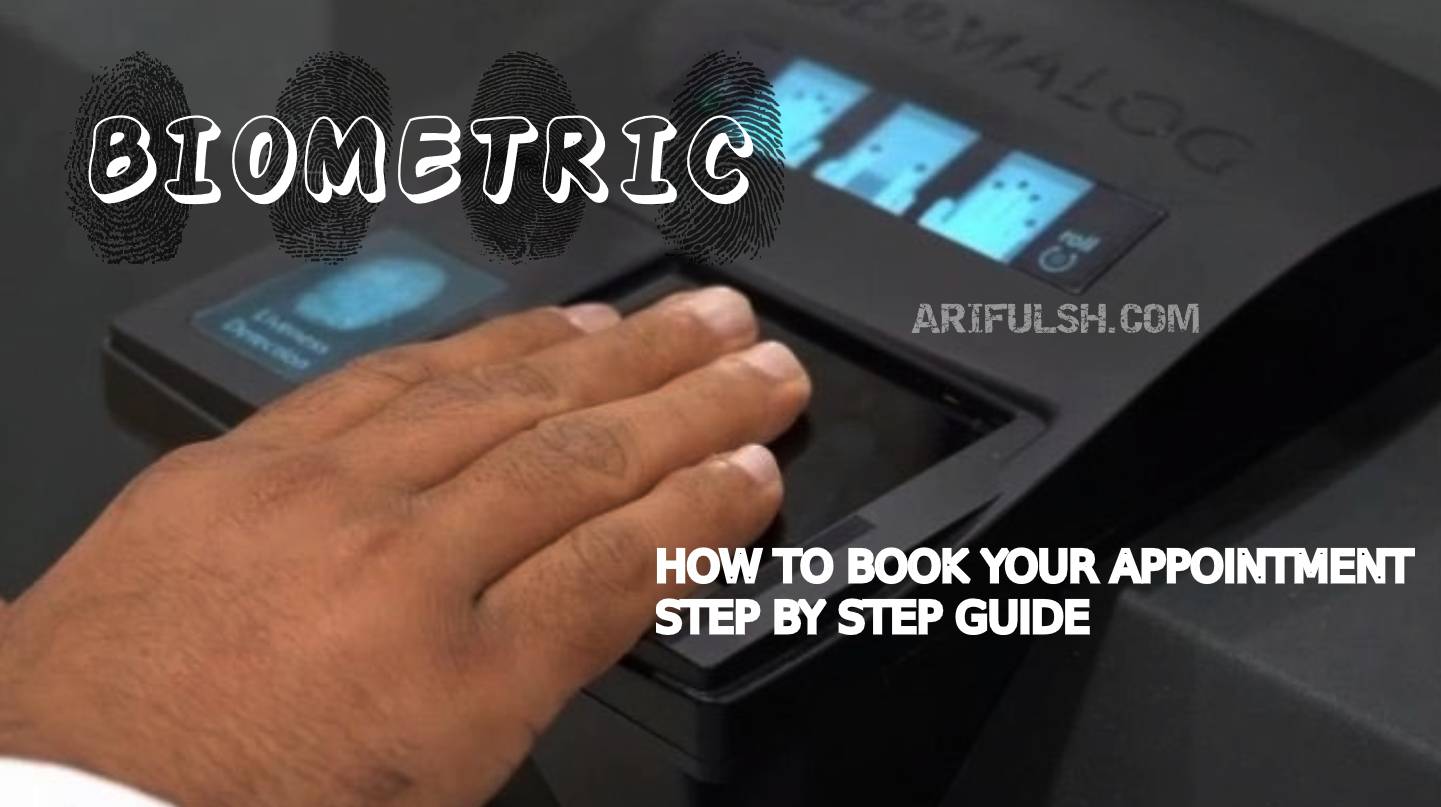
Source: arifulsh.com
Green card applicants
Some applicants seeking lawful permanent residence must complete biometric collection as part of the application process.
Citizenship applicants
USCIS may require biometrics to conduct background checks before proceeding with a naturalization case.
Other immigration benefit applicants
Certain applicants seeking employment authorization, travel documents, or other immigration benefits may be instructed to attend.
Applicants whose biometrics can be reused
Some people may not need a new collection appointment if USCIS determines that existing biometric information can be reused.
What If You Have Already Given Your Fingerprints?
Previous fingerprinting does not automatically remove the need for a new USCIS appointment. The earlier collection may have been completed for a different agency, purpose, or application, and the records may not meet the requirements of your current request.
If USCIS reuses your biometrics, follow the notice or account update that confirms the relevant action. If you receive a new appointment notice, do not ignore it because you believe the agency already has your fingerprints. Contact USCIS through an official channel if the notice appears inconsistent with your records.
Check your notice
Read the instructions to determine whether USCIS requires you to attend in person.
Check your account
Review your USCIS online account, if available, for updates or notices related to your application.
How to Prepare for a USCIS Biometrics Appointment
The best way to prepare is to follow your official appointment notice, confirm the location and time, and gather the required identification documents. A little preparation can prevent avoidable delays and reduce the risk of missing the appointment.
USCIS commonly issues an appointment notice on Form I-797C, Notice of Action. The notice identifies the appointment details and provides instructions that may vary by case. Read the full document, including any information about identification, access, or special circumstances.
Make sure the name and other identifying details on your documents are consistent with your records. If you have changed your name or believe a detail is incorrect, do not alter an official document yourself. Ask USCIS how to handle the discrepancy before your appointment when possible.
Plan your trip in advance. Check the route, allow time for traffic and building security, and review restrictions on items that may be brought into the facility. Appointment sites may have specific security rules, so follow the directions for the location shown on your notice.
Source: i.ytimg.com
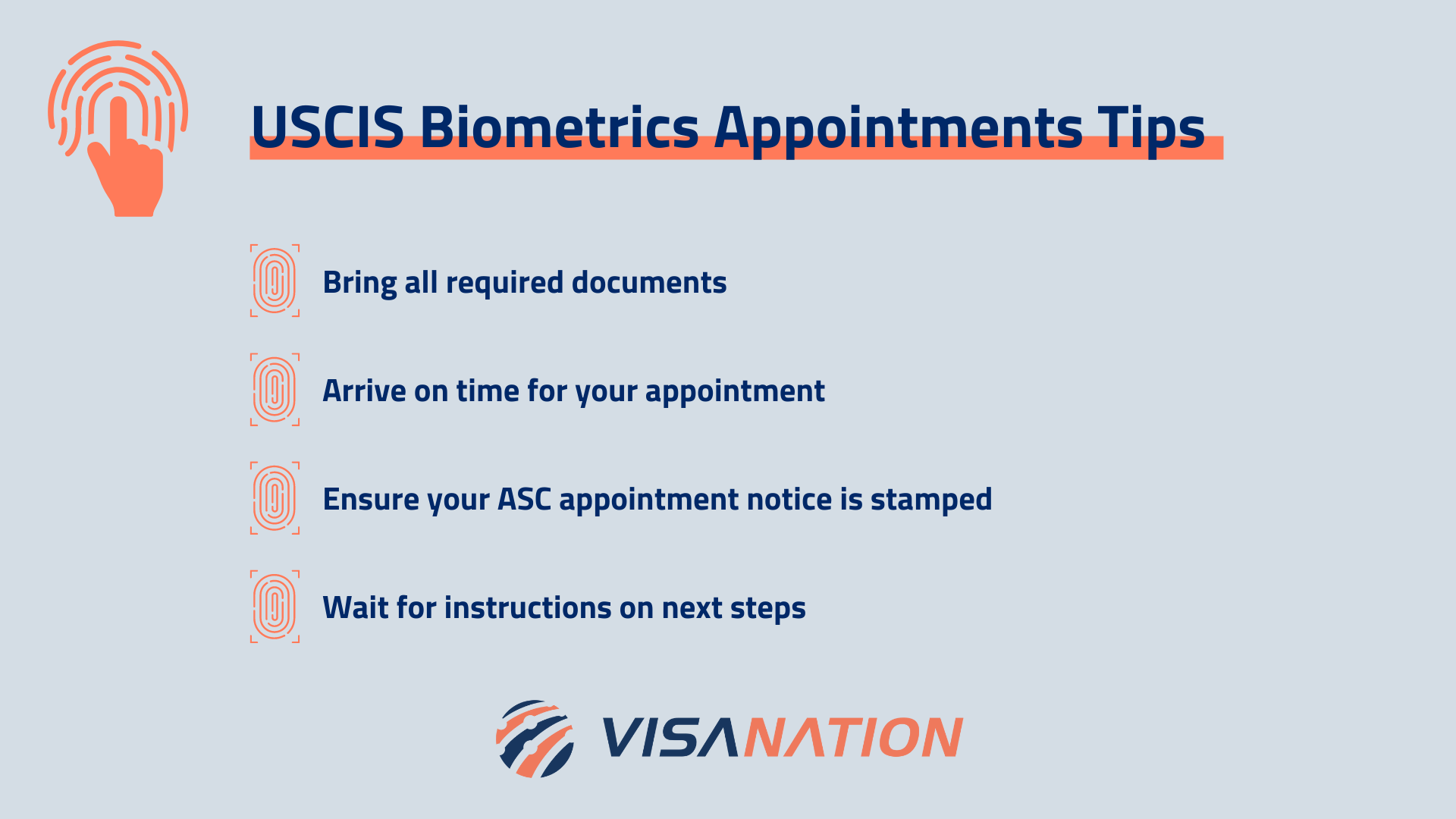
Appointment notice
Bring the official notice that states your appointment date, time, and location.
Valid photo identification
Bring an acceptable, unexpired identity document, such as a passport, driver’s license, state identification card, or permanent resident card, as directed by your notice.
Supporting records
Bring any additional documents specifically requested in the notice or by USCIS for your situation.
Travel plan
Confirm the address, transportation, parking arrangements, and the facility’s security instructions before leaving.
Step-by-Step Checklist Before You Leave
Use this checklist on the day before your appointment. Your notice takes priority if it gives instructions that differ from general guidance. Keep your documents together so you can present them quickly at check-in.
Step 1: Confirm the appointment
Verify the date, time, and location against the latest official notice. Do not rely on an old notice if USCIS has issued a replacement.
Step 2: Check your identification
Make sure your chosen photo ID is valid and meets the instructions. If you are uncertain about acceptable identification, contact USCIS before the appointment.
Step 3: Review security restrictions
Check which items are prohibited and bring only what you need. Follow any location-specific instructions about visitors and electronic devices.
Step 4: Plan to arrive on time
Allow time for travel, parking, and security screening. Follow the arrival guidance provided by USCIS rather than arriving far ahead of the permitted time.
Step 5: Keep copies of important records
Keep a copy of the appointment notice and retain relevant immigration records at home or in a secure place.
What Should You Wear to a Biometrics Appointment?
Choose clean, comfortable clothing that allows you to move easily and comply with any identification photograph requirements. A formal suit is not normally necessary for routine biometric collection, but you should follow any specific photo or facility instructions in your notice.
If you wear glasses, religious clothing, or a head covering, follow the agency’s applicable identification and photograph rules. If you have a medical or religious concern that may affect the collection process, contact USCIS in advance to ask about the correct procedure.
Wear comfortable clothing suitable for a short government appointment.
Consider identification needs
Ensure your appearance allows staff to follow the applicable photograph and identity verification procedures.
What Happens During a Biometrics Appointment?
A typical USCIS biometrics appointment involves check-in, identity verification, and the collection of required biometric information. The exact sequence may vary by facility and application, but the visit is usually focused on collecting data rather than conducting a detailed eligibility interview.
When you arrive, staff may review your appointment notice and photo identification. They will direct you through the facility’s check-in and security procedures. If the details match the appointment record, staff will guide you to the biometric collection area.
A staff member may scan your fingerprints electronically, take a digital photograph, and collect a digital signature when required. You may be asked to place individual fingers on a scanner or repeat a scan if the system cannot capture a clear image. Follow the instructions carefully and tell staff if a physical condition makes the process difficult.
Before you leave, check whether staff have completed the required collection steps and whether they have given you any additional instructions. Keep any receipt or stamped notice you receive. Do not assume that a completed visit means all security checks or the full immigration application have been completed.
Source: abogadoray.com
Check-in
Staff review your appointment details and acceptable identification before beginning the collection process.
Fingerprint scanning
A digital scanner records your fingerprints when they are required for your case.
Photograph and signature
Staff may take a photograph and collect a digital signature based on the applicable procedures.
Completion
Once the required collection steps are complete, you can leave unless staff provide further instructions.
How Long Does a Biometrics Appointment Take?
The collection itself is often brief, but the total visit can take longer because of check-in, security screening, waiting time, or technical issues. USCIS does not provide one universal duration that applies to every applicant and location.
Set aside enough time for travel and possible delays rather than scheduling another important appointment immediately afterward. If the facility is busy, you may need to wait even when you arrive at the correct time. Your appointment notice and any local instructions remain the best guides for planning.
Travel and security
Allow time to reach the facility, pass through screening, and find the correct check-in area.
Waiting time
The number of people attending and the facility’s workflow can affect how long you remain on site.
Repeat scans
Staff may need to repeat a scan if a fingerprint image is unclear or the equipment cannot capture it properly.
What If Your Fingerprints Cannot Be Captured?
Fingerprint scans do not always succeed on the first attempt. Dry skin, worn fingerprint ridges, skin conditions, injuries, or equipment issues can make collection harder. If a scan fails, tell the staff member and follow the instructions for another attempt or further review.
Do not assume that a failed scan means your application will be denied. The agency may need another collection attempt or may provide additional instructions based on your circumstances. If you have a disability, medical condition, or physical limitation that affects your ability to attend or provide biometrics, contact USCIS to discuss the appropriate accommodation process.
Tell the staff member
Explain any difficulty with your fingerprints or a medical issue that affects the collection process.
Follow the next steps
Complete any additional attempts or follow-up actions the staff or USCIS instructs you to take.
What Happens After a Biometrics Appointment?
After your biometrics appointment, USCIS can use the collected information to support identity verification and required background or security checks. The agency then continues processing your application according to the rules and procedures for the benefit you requested. The next step may differ from one case to another.
You may see an update in your USCIS online account or receive a notice by mail. The status wording and timing vary, and not every case follows an identical sequence. Keep your mailing address current and check your account regularly if you use one.
Some applicants receive an interview notice, a request for additional evidence, or another communication after biometrics. Others may not need an interview, depending on the application and the agency’s decision-making process. You should not schedule travel, resign from a job, or make another major decision based only on the fact that biometrics are complete.
If your case appears to have no progress after the appointment, compare your situation with the current processing information for the relevant application type. A delay alone does not prove that something is wrong. If your case is outside the applicable published processing timeframe or you have received a notice you do not understand, use official USCIS contact options or seek qualified immigration legal advice when needed.
Source: warrenlawfirm.net
Biometric processing
The agency processes the collected information and completes any required checks that apply to your case.
Application review
USCIS continues evaluating the request, including eligibility requirements and any other outstanding issues.
Additional communication
You may receive an interview notice, a request for evidence, a decision, or another update if further action is required.
Final decision
Approval or denial depends on the applicable legal requirements and the evidence in your case, not merely on completing biometrics.
How Long After Biometrics Will You Get a Green Card?
There is no fixed number of days between a biometrics appointment and receiving a green card. Processing depends on the type of application, the applicable immigration category, the workload of the responsible office, background and security checks, and whether USCIS needs more evidence or an interview.
For an adjustment-of-status applicant, biometrics is one step in the larger permanent residence process. USCIS may continue reviewing the application for some time after the appointment. Use the official processing-time information relevant to your form and case circumstances rather than relying on another applicant’s timeline as a guarantee.
Check the correct form
Use processing information for the application you actually filed, rather than a different immigration benefit.
Monitor official updates
Review your account and mail for requests, interview notices, and decisions.
Respond promptly
If USCIS asks for additional evidence or action, follow the notice and its deadline.
Does Biometrics Approval Mean Your Case Is Approved?
USCIS does not approve an immigration application simply because it has collected your fingerprints or photograph. Biometrics completion means the collection requirement has been addressed, but the agency may still need to complete checks and evaluate your eligibility.
The official approval notice or other formal decision is the reliable evidence of the outcome. Do not treat an online status change related to fingerprints as a final approval unless the status or notice explicitly states that the benefit has been approved.
Collection is not adjudication
Biometrics and the final decision serve different purposes in the immigration process.
Wait for the formal outcome
Use the official decision notice to confirm whether USCIS has approved or denied your request.
How to Reschedule a Biometrics Appointment or Fix a Problem
If you cannot attend your scheduled biometrics appointment, request a reschedule through the official USCIS process before the original appointment time. Under USCIS guidance, a request generally must establish good cause, meaning you need to provide a sufficient reason for being unable to attend as scheduled. Follow the instructions that apply to your notice and current case.
USCIS directs applicants to use their myUSCIS online account or contact the USCIS Contact Center for rescheduling, subject to the applicable procedure. Do not assume that sending a letter, visiting an office without an appointment, or simply failing to appear will protect your case. A request is not necessarily granted just because it has been submitted.
Missing an appointment without an accepted excuse can have serious consequences. USCIS may consider a related application, petition, or request abandoned and may deny it, depending on the circumstances and governing rules. If the appointment date has already passed, contact USCIS promptly and explain what happened rather than assuming that you can reschedule through the usual process.
If you have a disability, are homebound, are hospitalized, or have a health condition that prevents you from attending in person, ask USCIS about available accommodations. Special arrangements may be possible in limited circumstances, but they are not automatic. Provide the documentation requested and keep records of your communications.
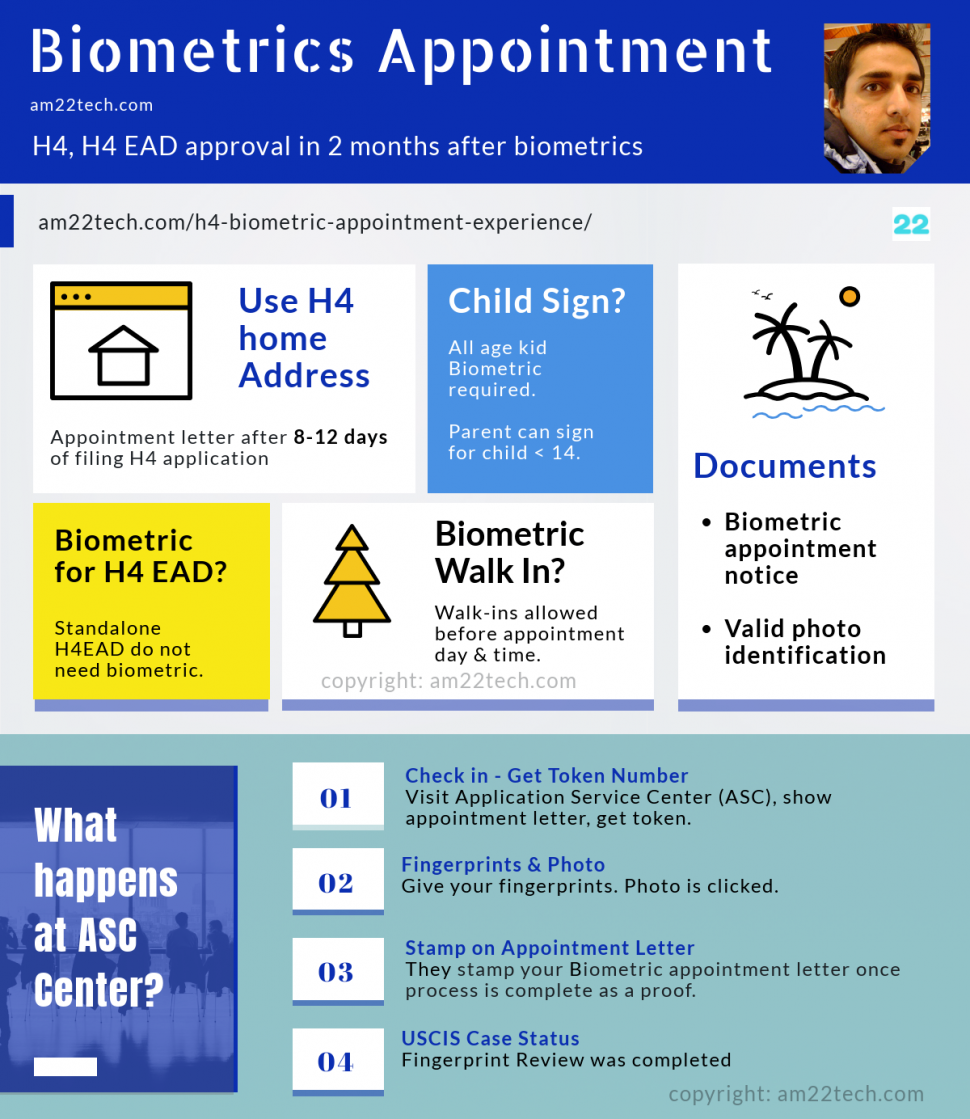
Source: am22tech.com
Use an official channel
Check your myUSCIS account and the instructions on your appointment notice. Contact the USCIS Contact Center if you cannot complete the request online.
Act before the appointment
Submit your rescheduling request before the scheduled date and time whenever possible, and follow the applicable good-cause requirements.
Keep evidence
Retain confirmation messages, copies of relevant notices, and records of any documents submitted.
Explain special circumstances
If illness, disability, hospitalization, or another serious issue prevents attendance, ask USCIS about the appropriate procedure and supporting documentation.
What If You Missed Your Biometrics Appointment?
If you missed the appointment, act as soon as possible. Check your USCIS account and appointment notice, then contact USCIS through an official channel to explain the circumstances and ask what action is available. Be clear about whether you missed the appointment entirely or attempted to attend but could not complete the collection.
Do not assume USCIS will automatically issue another appointment. The agency may evaluate the reason for the missed visit and the timing of your request. If you receive a denial or another adverse notice, read the instructions carefully because response options and deadlines depend on the type of decision.
If missing the appointment could affect an important immigration benefit, or if you are unsure how to respond to a formal denial, consider speaking with a licensed U.S. immigration attorney or a Department of Justice-accredited representative. Avoid relying on informal online advice for a deadline-sensitive case.
Contact USCIS promptly
Explain the missed appointment and ask which procedure applies to your case.
Follow written instructions
Use the official guidance for any rescheduling request, response, or other action.
Seek legal help when needed
Get qualified advice if your application may be at risk or you receive an adverse decision.
How Can You Tell Whether a Biometrics Appointment Notice Is Genuine?
Use official USCIS channels to verify information when a notice looks suspicious or someone contacts you about a paid appointment. USCIS biometrics appointments are not sold by private individuals, and the agency warns applicants not to pay someone who claims to sell an appointment.
Be cautious if a message demands immediate payment through gift cards, cryptocurrency, wire transfers, or an unofficial website. Do not share your immigration account password or sensitive identity information with an unverified person. Check your USCIS account and use contact details from the official USCIS website rather than a number supplied in a suspicious message.
Verify the notice
Compare the appointment details with your official case records and USCIS account.
Do not buy an appointment
Use the official government process and report suspected appointment scams through appropriate channels.
Protect personal information
Keep your immigration documents, account credentials, and identifying details secure.
Frequently Asked Questions
Q
What Is a Biometrics Appointment Used For?
A biometrics appointment allows USCIS to collect or verify identifying information, such as fingerprints, a photograph, and sometimes a digital signature. The information can help verify identity, support required background and security checks, and assist with producing secure immigration documents. The exact purpose depends on the application you filed.
Q
Is a Biometrics Appointment the Same as an Immigration Interview?
No. A biometrics appointment is mainly for collecting identity information. An immigration interview may involve questions about your application, background, eligibility, or supporting evidence. If USCIS requires both, it will provide the relevant instructions for each step.
Q
How Long Does a Biometrics Appointment Take?
The biometric collection itself is often brief, but check-in, security screening, waiting, and repeat fingerprint scans can extend the visit. There is no single duration that applies to every location. Allow enough time for the full trip and follow the arrival instructions in your appointment notice.
Q
What Documents Should I Bring to My Biometrics Appointment?
Bring your official USCIS appointment notice and valid photo identification that meets the notice requirements. A passport, driver’s license, state identification card, or permanent resident card may be acceptable, depending on your circumstances. Bring any additional documents specifically requested by USCIS and confirm acceptable identification if you are uncertain.
Q
Can I Reschedule My Biometrics Appointment?
USCIS generally requires you to request a reschedule before the original appointment date and time and provide good cause under the applicable rules. Use your myUSCIS account or the USCIS Contact Center as directed by the official instructions. Do not simply miss the appointment, because USCIS may consider the related application abandoned and may deny it.
Q
What Happens If My Fingerprints Cannot Be Read?
Tell the staff member if the scanner cannot capture your fingerprints. Staff may ask you to try again or provide instructions for additional collection steps. If a medical condition, injury, or disability affects fingerprint collection, explain the issue and ask USCIS about the appropriate procedure or accommodation.
Q
Does a Biometrics Appointment Mean My Green Card Is Approved?
No. Completing biometrics is a procedural step and does not guarantee green card approval. USCIS may still need to finish background checks, review eligibility, examine supporting evidence, or conduct an interview. Wait for the formal decision notice to confirm the outcome of your application.
Q
Can USCIS Reuse My Previous Biometrics?
Yes, USCIS may reuse biometric information it already has when the agency determines that reuse is appropriate. However, previous fingerprinting for employment, licensing, or another immigration request does not automatically satisfy the requirements of your current case. Follow the latest official notice or account update.
Q
What Should I Do After My Biometrics Appointment?
Keep any appointment confirmation or receipt, monitor your USCIS account and mail, and respond promptly to official notices. If your case exceeds the applicable published processing timeframe, review the relevant USCIS guidance and use the available official inquiry process. Do not assume that a delay alone means your application has a problem.
Q
Are USCIS Biometrics Appointments Free?
USCIS appointments themselves are free to attend, and you should be cautious of anyone selling appointment slots. Application filing fees are separate and depend on the benefit requested and the rules that apply to your filing. Check the current official fee information for your form rather than paying an unofficial service to secure an appointment.
✦ Wrapping Up
Conclusion
A biometrics appointment is a routine but important part of many U.S. immigration and citizenship processes. It allows USCIS to collect or verify identifying information, usually fingerprints and a photograph, and helps the agency carry out required background and security checks. Knowing what to expect can make the appointment easier to manage.
Your appointment notice is the main source of instructions for your visit. Confirm the date, time, and location, bring the required notice and valid identification, and follow the facility’s security rules. If you cannot attend, request a reschedule through the official USCIS process before the scheduled appointment time whenever possible.
After biometrics, continue monitoring your application rather than assuming that the case is approved or that a decision will arrive by a particular date. Processing depends on the benefit requested, the information in your case, and any remaining agency requirements. When you receive a request or decision, follow its instructions and deadlines.
💡 Key Takeaway
Before your biometrics appointment, review your latest USCIS notice, confirm acceptable photo identification, plan your trip, and save a copy of the appointment details. If you need to reschedule or request an accommodation, contact USCIS through an official channel and keep a record of your request. For current instructions, use the official USCIS website at https://www.uscis.gov.