Thank you for reading this post, don't forget to subscribe!
Whether you need a visa for Canada depends on your citizenship, travel document, and how you enter the country. Most US citizens do not need a visitor visa or an eTA. Many other travelers need either a visitor visa or an electronic travel authorization before departure.
For Americans planning a trip from the United States to Canada, the good news is that a visitor visa is usually not required. US citizens can generally visit Canada for tourism, family visits, and other permitted short-term activities without applying for a Canadian visitor visa or an electronic travel authorization. They still need acceptable identification and must meet Canada’s entry rules.
The answer changes for travelers who hold passports from other countries. Some visitors can travel by air with an electronic travel authorization, known as an eTA, while others must obtain a visitor visa before traveling. For example, Bangladeshi citizens generally need a Canadian visitor visa unless they qualify for a specific exception or alternative travel document arrangement.
Before booking flights or paying for hotels, check the Canadian government’s official entry requirements for your passport and travel plans. The right document depends on more than your destination. Your citizenship, permanent residence status, travel method, and reason for visiting can all affect what you need.
You may need a visa to visit Canada, but not every traveler does. Canada uses different entry rules for different nationalities and travel documents. The main options for international visitors are a visitor visa and an electronic travel authorization.
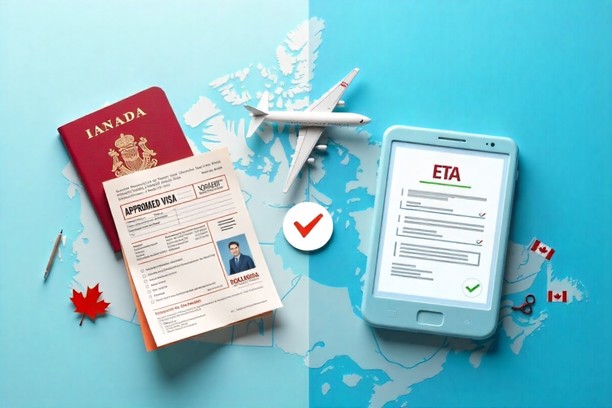
A visitor visa is a formal travel document issued by Canadian immigration authorities. An eTA is an electronic authorization linked to a passport. These documents serve different groups of travelers, and most people need only the one that applies to their situation.
US citizens are generally exempt from both requirements for ordinary visits. Travelers from countries that require Canadian visas usually need a valid visitor visa before boarding a flight or traveling to a Canadian border. Citizens of visa-exempt countries generally need an eTA if they fly to or transit through a Canadian airport.
The Canadian government maintains an official country-by-country guide. Use it to check your exact citizenship and travel document rather than relying on a general travel blog or a rule that applies to someone with a different passport.
Source: corniche.com
US citizens
Generally do not need a visitor visa or eTA for a short visit. They must carry proper identification and meet Canadian entry requirements.
Visa-exempt foreign nationals
Usually need an eTA when traveling to Canada by air. An eTA is generally not required for arrival by car, bus, train, or boat.
Visa-required foreign nationals
Generally need a visitor visa and a valid passport. Some citizens may qualify for an eTA under specific eligibility rules when flying.
US lawful permanent residents
Generally do not need a Canadian visitor visa or eTA. They must carry a valid passport or acceptable travel document and valid proof of US permanent residence.
What If You Are Traveling From the United States?
Where you live is not the same as your citizenship. A person who lives in the United States may hold a passport from a country whose citizens need a Canadian visitor visa. A US visa, work permit, or student status does not automatically make that person a US citizen or a permanent resident.
If you are a US citizen, you generally do not need a Canadian visitor visa or eTA. If you are a US green card holder, different documentation rules apply. If you are in the United States temporarily, check the Canadian requirements for the passport you will use.
Visitor Visa vs. eTA: What Is the Difference?
A Canadian visitor visa and an eTA both relate to travel permission, but they are not interchangeable. Choosing the correct one is one of the most important steps in planning your trip.
A visitor visa, also called a temporary resident visa, is generally placed in your passport. It is used by travelers who need a visa to visit or transit through Canada. Approval depends on the applicant’s circumstances and the documents submitted.
An eTA is an electronic authorization for eligible visa-exempt foreign nationals traveling to Canada by air. It is electronically linked to the passport used for the application. You do not receive a traditional visa sticker when an eTA is approved.
A visitor visa may be issued for one entry or multiple entries. An eTA can generally be used for multiple trips while it remains valid, subject to the passport’s validity and the conditions of admission. Neither document guarantees that a border officer will allow entry.
Source: settler.ca
Visitor visa
Generally required for citizens of visa-required countries. Applicants submit the required documents and may need to provide biometrics.
Electronic travel authorization
Generally required for eligible visa-exempt foreign nationals flying to Canada. It is linked electronically to the traveler’s passport.
Entry decision
Both documents allow a traveler to seek entry. Border officials still assess whether the person meets the rules.
How Long Is an eTA Valid?
A Canadian eTA is generally valid for up to five years or until the passport used for the application expires, whichever comes first. If you receive a new passport, you generally need a new eTA before flying to Canada.
An eTA allows eligible travelers to seek admission for short visits. Many visitors are permitted to stay for up to six months, but the actual authorized period depends on the circumstances and the decision made at the border. Do not confuse the validity of your eTA with the length of time you may stay in Canada.
Can You Apply for an eTA Instead of a Visitor Visa?
Some citizens of countries that normally require a visa may qualify for an eTA when traveling by air. Eligibility depends on specific conditions, including whether the traveler has held a Canadian visitor visa within the past ten years or currently holds a valid US nonimmigrant visa, as well as other requirements.
This exception does not apply to every passport holder from a visa-required country. Eligible travelers may still need a visitor visa when arriving by land or sea. Check the official eligibility tool before deciding which application to submit.
Who Needs a Canadian Visitor Visa?
Travelers whose citizenship and travel documents fall under Canada’s visa-required rules generally need a visitor visa for a temporary visit. This includes many people traveling for tourism, family visits, and short business activities.
Bangladeshi citizens generally need a Canadian visitor visa when visiting Canada with an ordinary Bangladeshi passport. They should not assume that a US visa, a UK residence permit, or a previous trip to another country automatically removes this requirement.
Some travelers from visa-required countries may qualify for an eTA under Canada’s special eligibility rules. Others must apply for a visitor visa. The distinction matters because applying for the wrong document can waste time and money.
Check the official country list and any exceptions that apply to your situation. The list can change, and eligibility may depend on the exact passport or travel document you hold.
Source: blogassets.leverageedu.com
Tourists
Need the entry document required for their nationality and travel method before beginning their trip.
People visiting relatives
Generally follow the same visa or eTA rules as other temporary visitors. An invitation letter can support an application but does not replace a required visa.
Business visitors
May need a visitor visa or eTA, depending on their passport. They must also meet the rules for permitted business visitor activities.
Transit passengers
May need a visa or eTA even when Canada is only a stop between two flights. Check the rules before booking a connecting journey.
Do US Green Card Holders Need a Visa for Canada?
US lawful permanent residents generally do not need a Canadian visitor visa or eTA, regardless of whether they arrive by air, land, or sea. They must carry a valid passport from their country of nationality, or an acceptable equivalent travel document, along with valid proof of US permanent residence.
A valid green card is the usual proof of permanent residence. Certain other official documents may also be accepted under Canadian rules. Travelers should check the official list if their card is expired or they are using temporary proof of status.
How to Check Whether You Need a Visa
The safest way to find your Canadian entry requirement is to use the official Canadian government tool. It asks for details about your citizenship, travel document, and travel plans to help identify the document you need.
Do this before paying a nonrefundable application fee or booking a trip. A quick check can help you avoid choosing an eTA when you need a visitor visa, or applying for a visa when you qualify for a simpler authorization.
Source: apexvisas.com
Step 1: Identify your citizenship
Use the citizenship associated with the passport or travel document you will present. Do not use your country of residence as a substitute.
Step 2: Confirm your travel document
Check whether you will travel with a national passport, refugee travel document, or another accepted document. Different documents can have different rules.
Step 3: Select your travel method
Choose air, land, or sea travel accurately. This is especially important for eTA eligibility and for travelers who may qualify for an exception.
Step 4: Review the result
Confirm whether you need a visitor visa, an eTA, or another travel document. Read any conditions that apply to your situation.
Step 5: Apply through the official channel
Use the Canadian government’s official application process. Check fees, document requirements, and processing times before submitting.
What Documents Should You Prepare?
The required documents depend on whether you need a visa or an eTA. An eTA application typically requires a valid passport, an email address, and a payment method accepted by the official application system. Applicants should enter their passport details carefully.
A visitor visa application usually requires a valid passport or travel document and additional information about the purpose of the visit. Depending on the case, applicants may need evidence of available funds, employment, travel plans, family ties, accommodation, or an invitation from someone in Canada.
Some applicants must provide fingerprints and a photograph, known as biometrics. Others may be asked for a medical examination or additional documents. Follow the personalized instructions provided during the application process rather than assuming every applicant has the same checklist.
Valid passport
Check the expiry date and use the same passport for your application and travel.
Proof of funds
Prepare suitable evidence that you can pay for your visit, including accommodation, daily costs, and return travel.
Purpose of travel
Be ready to explain whether you are visiting family, taking a vacation, attending a permitted business event, or traveling for another temporary purpose.
Evidence of ties
Documents about your job, home, family, or other commitments may help show that you plan to leave Canada at the end of your authorized stay.
How Long Does the Application Take?
Processing time depends on the document, the applicant’s country, the completeness of the application, and the workload of Canadian immigration authorities. An eTA may be processed quickly, but some applications require additional review and take longer.
Visitor visa processing can vary considerably. Biometrics appointments, requests for more information, and other checks can add time. Check the official processing-time tool close to the date you plan to apply, and avoid making travel plans that depend on approval by an unconfirmed date.
How Much Does a Canadian Visa Cost?
The cost depends on the type of travel document you need. Canada’s published fee for a standard visitor visa starts at CAD 100 per person. Biometrics fees may apply separately, depending on the applicant and application.
The official eTA application fee is CAD 7 per applicant. This is different from the visitor visa fee, and eligibility rules determine which document you should apply for. Do not choose an eTA simply because it costs less.
Other expenses can include passport renewal, travel to a biometrics collection location, document translation, courier services, or professional immigration assistance. These are separate from the Canadian government’s application fee and can vary by location and provider.
Before submitting payment, verify the current fee on the official Canadian government website. Avoid websites that imitate government services or claim they can guarantee approval for an additional charge.
Source: immigroup.com
Visitor visa
The standard published fee starts at CAD 100 per person. Additional biometrics fees may apply.
eTA
The official application fee is CAD 7. Only eligible travelers should apply.
Extra expenses
Passport costs, travel to appointments, and optional professional services may increase the total amount spent.
Can Someone Guarantee Visa Approval?
No legitimate representative can guarantee that Canadian immigration authorities will approve an application. A consultant or lawyer may help prepare documents and explain the process, but the final decision belongs to the responsible immigration authority.
Be careful with websites that promise guaranteed visas, unusually fast approvals, or special access to immigration officers. Check that any immigration consultant or lawyer you hire is authorized to provide the service in the relevant jurisdiction.
How Long Can You Stay in Canada?
Many visitors are allowed to stay in Canada for up to six months, but this is not an automatic right for every traveler. A border services officer may authorize a shorter or longer period, depending on the circumstances and the applicable rules.
If an officer sets a specific departure date, you must follow it. A visitor record may document the authorized period of stay. If there is no stamp or other document specifying a different period, the general rule often allows a stay of up to six months, subject to applicable conditions and the relevant passport or travel document rules.
A visa’s expiry date does not necessarily determine how long you can remain in Canada after entering. Likewise, an eTA’s validity for future travel does not authorize an unlimited stay. Keep track of your permitted period and leave on time or apply for an extension before your current status expires, if eligible.
Review any passport stamp or visitor record for a specific date or condition.
Request an extension when appropriate
If you need more time, check the official extension process and apply before your authorized stay ends.
Do not work without authorization
A visitor visa or eTA does not, by itself, give you permission to work in Canada.
Can You Work or Study With a Visitor Visa?
A visitor visa or eTA is not a work permit. Most foreign nationals need appropriate work authorization to work in Canada, although specific exemptions exist. Business visitor activities may be permitted in certain cases, but they must not amount to unauthorized entry into the Canadian labor market.
Study rules also depend on the course, its length, and the person’s circumstances. Some short courses may be taken without a study permit, while longer programs generally require one unless an exemption applies. Check the official work and study requirements before accepting a job or enrolling in a course.
Common Reasons Travelers Face Problems
A correct visa or eTA is only one part of preparing for a trip. Travelers can face delays or refusal of entry if their documents are inconsistent, their travel purpose is unclear, or they do not meet Canadian admissibility requirements.
Check your documents well before departure. The passport used for an eTA must match the passport presented to the airline and border officials. A new passport generally requires a new eTA, even if the old authorization has not reached its original expiry date.
A criminal record or past immigration violation may affect admissibility. The result depends on the nature of the issue, its timing, and any applicable legal process. If you have a criminal conviction, a previous removal order, or a past refusal, seek reliable guidance before traveling rather than assuming a new application will resolve the issue.
A visa or eTA does not guarantee entry. Border officers may ask about your plans, finances, accommodation, and intention to leave Canada at the end of your visit. Answer questions honestly and carry documents that support your stated purpose.
Source: immiperts.com
Using the wrong passport
Make sure the authorization is linked to the passport you will use to travel.
Applying too late
Allow time for processing, biometrics, and requests for additional information.
Giving inconsistent information
Check that your application, itinerary, and supporting documents tell a consistent and truthful account.
Assuming approval guarantees admission
Prepare for border questions and make sure you meet the requirements for entry.
What Should You Do if Your Visa Is Refused?
Read the refusal notice carefully to understand the reasons given. Review the application for missing evidence, unclear travel plans, financial concerns, or other issues identified by the decision-maker.
Do not immediately submit the same application with no meaningful changes. Depending on the refusal and your circumstances, you may be able to submit a stronger new application or pursue another available process. Immigration rules and options are case-specific, so qualified legal advice may be useful for complex refusals.
Frequently Asked Questions
Q
Do US citizens need a visa to visit Canada?
Generally, no. US citizens do not need a Canadian visitor visa or eTA for ordinary short visits. They must carry acceptable identification, satisfy the entry requirements, and comply with any rules that apply to their circumstances.
Q
Do Bangladeshi citizens need a visa for Canada?
Generally, yes. Bangladeshi citizens traveling on ordinary Bangladeshi passports usually need a Canadian visitor visa. Some travelers may qualify for a specific exception, so check the official Canadian entry requirements for your passport and travel method.
Q
Can I travel to Canada without a visa if I have a US visa?
Not automatically. A US visa does not generally replace a Canadian visitor visa. However, citizens of certain visa-required countries may qualify for a Canadian eTA when flying if they meet all the specific eligibility conditions, including the relevant US visa or Canadian visa history requirements.
Q
Do I need an eTA if I drive to Canada?
Eligible visa-exempt foreign nationals generally do not need an eTA when arriving by car, bus, train, or boat. Travelers who require a Canadian visitor visa must still obtain the required visa. US citizens and US permanent residents have separate documentation rules, so check the requirements that apply to your status.
Q
How much does a Canadian visitor visa cost?
The standard visitor visa application fee starts at CAD 100 per person, and biometrics fees may apply. The official eTA application fee is CAD 7. Check the Canadian government’s current fee information before paying because fees and eligibility rules may change.
Q
How long can I stay in Canada as a tourist?
Many visitors can stay for up to six months, but a border services officer may authorize a different period. Follow any date or condition stated in your admission documents, and apply for an extension before your authorized stay expires if you qualify.
Q
Does an approved eTA guarantee entry into Canada?
No. An eTA permits an eligible traveler to travel to a Canadian airport and seek entry. Border officials still determine whether the traveler meets Canada’s entry and admissibility requirements.
Q
Can I work in Canada with a visitor visa?
A visitor visa does not, by itself, authorize employment in Canada. Most foreign nationals need a work permit or another valid basis for working, although certain exemptions apply. Check the rules for the exact work activity before accepting a job.
✦ Wrapping Up
Conclusion
Whether you need a visa for Canada depends on your citizenship, travel document, and method of entry. US citizens generally do not need a visitor visa or eTA for a short visit, while many other travelers need a visitor visa or an eTA before departure. US lawful permanent residents generally follow a separate exemption and must carry acceptable proof of their status.
The best way to avoid delays is to confirm your requirements through Canada’s official immigration website before booking travel. Check your passport, choose the correct application, prepare the requested documents, and allow enough time for processing. Remember that approval does not guarantee admission and that your authorized stay may differ from your visa or eTA validity.
💡 Key Takeaway
Before traveling, use the official Canadian government tool at https://www.canada.ca/en/immigration-refugees-citizenship/services/visit-canada/check-visa-eta.html to check whether your passport requires a visitor visa, an eTA, or another document. Verify current fees, processing times, and entry rules before making final travel plans.