Thank you for reading this post, don't forget to subscribe!
No. A permanent resident is not automatically a U.S. citizen. A permanent resident, also called a green card holder, can live and work permanently in the United States but does not have all the rights of an American citizen. Eligible permanent residents may apply for citizenship through naturalization.
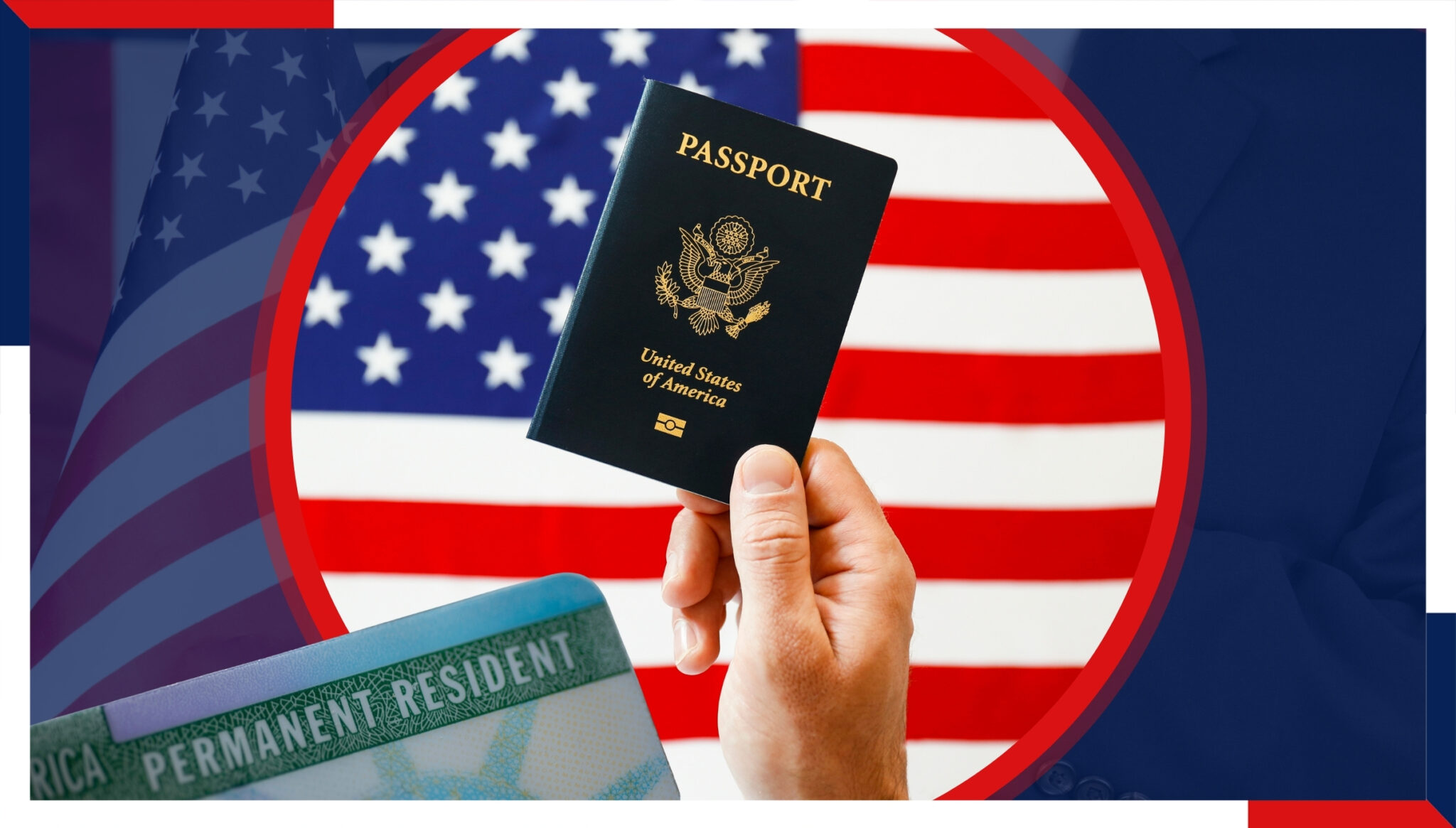
For immigrants living in the United States, knowing the difference between permanent residency and citizenship can help them make better choices about work, travel, family, and their future. A green card gives a person lawful permanent resident status. It does not, by itself, grant American citizenship, the right to vote in federal elections, or the ability to obtain a U.S. passport.
The U.S. Citizenship and Immigration Services, known as USCIS, manages most naturalization applications. Many green card holders can apply after five years as permanent residents, while certain people married to U.S. citizens may qualify after three years. Other rules apply to some military members and children of U.S. citizens. Meeting a time requirement alone does not guarantee approval.
This guide explains what permanent residency means, how it differs from citizenship, which rights green card holders have, and how to become a U.S. citizen. It also covers common mistakes involving voting, travel, taxes, and immigration status. The information is general guidance based on U.S. federal immigration rules available as of October 26, 2026; individual cases may require legal advice.
What Is a Permanent Resident in the United States?
A permanent resident is a person who has legal permission to live permanently in the United States under U.S. immigration law. This status is commonly called lawful permanent residence. The person usually receives a Permanent Resident Card, known as a green card, as proof of that status.
A green card is an immigration document, not proof of U.S. citizenship. It shows that the holder has permanent resident status, although the person must still follow the laws and rules that apply to that status. Some green cards have an expiration date and must be renewed or replaced when required.
Permanent residency can be obtained through several immigration pathways. These include qualifying family relationships, employment, certain humanitarian programs, and other categories authorized by law. The process and eligibility rules depend on the category under which a person applies.
A permanent resident can build a life in America, buy property, attend school, and work for many employers. However, permanent residence is not the same as an unconditional right to remain in the country in every situation. Certain immigration violations, criminal convictions, or other legal grounds can lead to removal proceedings.
Source: differencebetween.net
Green card holder
A common term for someone who has lawful permanent resident status and generally uses a Permanent Resident Card as evidence of that status.
Lawful permanent resident
The formal immigration status that allows a person to reside permanently in the United States, subject to applicable laws.
Conditional permanent resident
A person whose residence is subject to conditions, often because of certain marriage-based or investment-based immigration categories. The person must follow the applicable process to remove those conditions.
Does Having a Green Card Mean You Are American?
A green card means that a person is a lawful permanent resident of the United States. It does not mean the person has become a U.S. citizen. A green card holder may identify as an American in a cultural or personal sense, but legal citizenship is a separate status.
For immigration purposes, a permanent resident remains a noncitizen unless the person has also acquired citizenship through birth, derivation, or naturalization. The distinction matters when applying for a passport, voting, seeking certain government jobs, or sponsoring family members.
Permanent residence
Provides permission to live permanently in the United States, subject to immigration law.
Citizenship
Creates a different legal relationship with the United States and provides rights that permanent residents do not automatically receive.
Can a Permanent Resident Be a Citizen Too?
Yes, if the person separately qualifies for U.S. citizenship. For example, a permanent resident may later become a naturalized citizen. A person may also already have acquired citizenship through a U.S. citizen parent under applicable law, even if the person has been using a green card or has misunderstood their status.
If you believe a parent may have passed citizenship to you, check the rules that applied to your birth, your parents’ citizenship, and your residence history before assuming that naturalization is necessary. USCIS or a qualified immigration attorney can help clarify a complicated case.
Permanent Resident vs. U.S. Citizen: Key Differences
The main difference between a permanent resident and a U.S. citizen is legal status. Both may live in America, but citizens have broader rights related to voting, passports, certain jobs, and protection from removal based solely on ordinary immigration-status violations.
Permanent residents can work for many employers and may qualify for public benefits if they meet the relevant requirements. However, some positions require citizenship, and benefit eligibility can depend on federal law, state law, income, age, work history, or other conditions.
The table below summarizes common differences. Individual rights and obligations may depend on a person’s circumstances, and some exceptions apply.
Source: detroitchinatown.org
Voting
U.S. citizens who meet applicable election rules can vote in federal elections. Permanent residents cannot vote in federal elections and should not register or vote in them. Some local jurisdictions have limited rules for certain noncitizen local elections, so local law must be checked.
Passport
U.S. citizens may apply for a U.S. passport. A green card alone does not make a person eligible for a U.S. passport as a citizen.
Residence security
Citizens generally have the right to remain in the United States as citizens. Permanent residents can face immigration consequences for certain conduct and may lose their status under applicable law.
Family immigration
Citizens can petition for certain immediate relatives and other qualifying family members. Permanent residents may petition for certain eligible family members, but the available categories and waiting periods differ.
Comparison Table: Green Card Holder vs. Citizen
Use this comparison to understand the most practical differences between the two statuses.
Legal status
Permanent resident: noncitizen with lawful permanent resident status. U.S. citizen: citizen by birth, acquisition, derivation, or naturalization.
Living in the United States
Permanent resident: may live permanently in the country while maintaining status. Citizen: has the right to live in the United States as a citizen.
Employment
Permanent resident: may generally work in the United States, subject to applicable restrictions. Citizen: may work in positions open to citizens, including certain jobs restricted by law or policy.
Federal elections
Permanent resident: cannot vote in federal elections. Citizen: may vote if registered and otherwise eligible.
U.S. passport
Permanent resident: generally travels with a valid passport from their country of citizenship and appropriate U.S. immigration documents. Citizen: may apply for a U.S. passport.
Jury service
Permanent resident: generally is not eligible for federal jury service because jurors must be U.S. citizens. Citizen: may be summoned and must comply with applicable jury-service rules.
Removal from the United States
Permanent resident: may be placed in removal proceedings on legally established grounds. Citizen: cannot be removed merely for violating ordinary immigration-status rules.
Citizenship application
Permanent resident: may apply for naturalization if eligible. Citizen: does not need naturalization to obtain citizenship already held.
Why the Difference Matters in Daily Life
Consider a hypothetical person who has held a green card for six years, has a job, pays taxes, and owns a home in Texas. That person is still a permanent resident unless citizenship has been acquired separately. Living in the United States for a long time does not automatically change immigration status.
If the person qualifies for naturalization, they can apply and complete the required process. Until citizenship is legally acquired, the person must continue to follow the rules for permanent residents.
What Rights Does a U.S. Permanent Resident Have?
A lawful permanent resident has many important rights in the United States. A green card generally permits the holder to live and work in the country, seek education, own property, and pursue ordinary personal and professional goals. These rights do not make the holder a citizen, and some activities remain subject to specific laws.
Permanent residents can generally work for U.S. employers without obtaining a separate employment visa, although certain government jobs and other positions may require U.S. citizenship or a particular security clearance. They can also seek a driver’s license under the rules of the state where they live.
Permanent residents may qualify for Social Security, Medicare, or other public benefits if they meet the program’s separate eligibility rules. Having a green card does not automatically qualify someone for every benefit, and some programs have waiting periods or additional conditions.
Permanent residents must also meet important responsibilities. They must obey federal, state, and local laws, file and pay taxes when required, maintain their immigration status, and follow applicable document and address-reporting rules.
Source: detroitchinatown.org
Live and work in the United States
Permanent residents generally have permission to reside in the country and work for eligible employers without a separate work visa.
Study and own property
They may attend school, purchase property, and take part in many ordinary economic activities, subject to applicable rules.
Petition for certain relatives
They may petition for qualifying spouses and unmarried children under the family immigration categories available to permanent residents.
Travel abroad and return
They may travel internationally, but they must carry appropriate documents and satisfy the rules for returning to the United States.
What Are the Main Responsibilities of Green Card Holders?
Permanent residency comes with duties as well as rights. Green card holders should maintain accurate records, keep their address current with USCIS as required, and carry proof of permanent resident status as required by law. Adults generally must carry their Permanent Resident Card or other legally accepted evidence of registration.
Tax obligations can apply even when a permanent resident earns income outside the United States. Tax rules depend on the person’s circumstances, income, and applicable law. A qualified tax professional can help with complex international income or residency questions.
Follow immigration rules
Avoid conduct that could jeopardize permanent resident status and seek legal advice when a serious immigration issue arises.
Report address changes
Most permanent residents must notify USCIS of a change of address within 10 days, subject to the applicable rules and exceptions.
Meet tax obligations
File required tax returns and report income as required by U.S. tax law.
Understand Selective Service rules
Certain male immigrants ages 18 through 25 must register with the Selective Service System, subject to the applicable requirements and exceptions.
Can a Permanent Resident Be Deported?
Yes. A permanent resident can be placed in removal proceedings if the government establishes a legal ground for removal. Certain criminal convictions, immigration fraud, abandonment of residence, and other conduct may create serious risks, depending on the facts and applicable law.
A green card is valuable, but it does not provide the same protection from removal as U.S. citizenship. Anyone facing criminal charges, an immigration notice, or questions about long-term residence abroad should consult a qualified immigration attorney before taking action.
How Can a Permanent Resident Become a U.S. Citizen?
A permanent resident may become a U.S. citizen through naturalization if they meet the applicable legal requirements and complete the required process. Naturalization is not automatic, even after a person has held a green card for many years.
For many applicants, the general residence requirement is five years as a lawful permanent resident. Certain applicants who are married to and living in a qualifying marital relationship with a U.S. citizen may be eligible to apply after three years as permanent residents. Special rules may apply to qualifying military service members, spouses of military members, and some other applicants.
Applicants usually must be at least 18 years old, demonstrate the required continuous residence and physical presence, show good moral character, meet applicable English and civics requirements, and satisfy other legal conditions. Exceptions and exemptions may apply based on age, disability, military service, or another provision of law.
The date printed on a green card can help identify when permanent resident status began, but applicants should review their immigration records and the specific filing rules. Eligibility can be affected by trips abroad, criminal history, tax issues, and other factors.
Source: chidoluelaw.com
Step 1: Check your eligibility
Review the current USCIS naturalization requirements and determine whether you qualify under the five-year, three-year, military, or another applicable provision.
Step 2: Prepare Form N-400
Complete the Application for Naturalization using the current form and instructions. Provide accurate information about residence, travel, employment, family history, and other requested details.
Step 3: Submit the application
File through the permitted method and pay the required fee unless an exemption or fee waiver applies. Check the current USCIS fee schedule rather than relying on old prices.
Step 4: Attend appointments
Complete biometrics when required, attend the naturalization interview, answer questions about the application, and take the required tests unless an exemption or waiver applies.
Step 5: Take the Oath of Allegiance
If USCIS approves the application, attend the required oath ceremony. For most applicants, citizenship is not complete until the Oath of Allegiance is taken.
Can You Apply for Citizenship After Five Years?
Many permanent residents can apply under the general five-year rule, provided they meet the other requirements. They generally must show continuous residence, sufficient physical presence in the United States, good moral character, and the ability to meet the applicable English and civics requirements or qualify for an exception.
Some eligible applicants may file Form N-400 up to 90 days before completing the required continuous-residence period. This early-filing rule does not remove the need to satisfy the other eligibility requirements, including the required period of permanent residence.
Five-year category
Generally applies to permanent residents who do not qualify for a shorter statutory period or another special naturalization route.
Three-year category
May apply to certain permanent residents who have been married to and living in a qualifying marital relationship with the same U.S. citizen spouse and meet the related requirements.
Special provisions
Certain military service and other circumstances may provide different eligibility rules. Applicants should check the rules that apply to their category.
What Happens After Your Citizenship Application Is Approved?
Approval of the naturalization application does not always mean the person has already become a citizen. Most applicants must attend an oath ceremony and take the Oath of Allegiance before naturalization is complete.
After the ceremony, the person receives a Certificate of Naturalization. The new citizen can then use the appropriate evidence of citizenship to apply for a U.S. passport, update records where needed, and register to vote if eligible under the applicable rules.
Can Permanent Residents Vote, Travel, or Get a U.S. Passport?
Permanent residents can participate in many parts of American life, but some activities are reserved for citizens or governed by special immigration rules. Voting, international travel, and passport eligibility are three areas where the difference between residency and citizenship matters most.
A green card holder should never assume that long residence, tax payments, property ownership, or a pending citizenship application creates the rights of a U.S. citizen. Each activity has its own legal requirements.
Source: lorenzolawgroup.com
Voting in federal elections
Permanent residents cannot vote in elections for federal offices. Voting when not legally eligible can create serious immigration consequences. Check eligibility before registering or casting a ballot.
Voting in local elections
Some local jurisdictions may allow certain noncitizens to vote in specific local elections under local law. This does not grant federal voting rights or citizenship. Verify the exact rules with the relevant election office.
Getting a U.S. passport
A green card alone does not qualify a person for a U.S. passport as a citizen. A permanent resident generally travels using a valid passport from their country of citizenship along with required U.S. immigration documents.
Traveling outside America
Permanent residents may travel abroad, but long absences can raise questions about whether they have maintained U.S. residence. They should check travel-document requirements before leaving.
Can a Green Card Holder Leave the United States and Return?
Yes, permanent residents can generally travel abroad and return if they meet the applicable entry requirements. They should carry a valid Permanent Resident Card and any required travel documents. A passport from their country of citizenship is also generally needed for international travel.
A trip lasting more than six months may raise questions about continuous residence for naturalization, and an absence of one year or longer can create additional problems with permanent resident status and reentry. These are not automatic outcomes in every case, but long trips require careful planning.
A reentry permit may help some permanent residents document an intention to return after an extended absence, but it does not guarantee admission or preserve eligibility in every situation. Before planning a long stay abroad, review USCIS and U.S. Customs and Border Protection guidance or speak with an immigration attorney.
Can a Permanent Resident Sponsor Family Members?
Yes. Permanent residents may petition for certain qualifying family members, including spouses and unmarried children, under the categories available to green card holders. The process may involve waiting for a visa to become available, and the timeline can change based on the category and the applicant’s country of chargeability.
U.S. citizens have broader family sponsorship options, including the ability to petition for parents and certain other relatives under the relevant rules. Becoming a citizen can therefore change which family immigration categories are available, but it does not guarantee immediate approval for every relative.
Common Mistakes About Permanent Residency and Citizenship
Many immigration problems begin with a simple misunderstanding about what a green card proves. Permanent residence is a valuable legal status, but it is not interchangeable with citizenship. Understanding the limits of each status can help prevent costly mistakes.
A person should verify their status using official records rather than relying on assumptions based on time spent in the country, family relationships, or the possession of an expired document. An expired green card does not necessarily mean permanent resident status has ended, just as a valid green card does not establish citizenship.
Living in the United States for five, ten, or twenty years does not automatically make a permanent resident a citizen. Naturalization or another legally applicable route to citizenship must be established.
Mistake 2: Voting without checking eligibility
Permanent residents generally cannot vote in federal elections. Registering or voting when ineligible may harm immigration prospects and can carry other legal consequences.
Mistake 3: Treating a green card as a U.S. passport
A Permanent Resident Card is evidence of immigration status, not a travel passport or proof of citizenship. Different documents serve different purposes.
Mistake 4: Ignoring lengthy trips abroad
Extended travel may affect permanent residence, reentry, or the continuous-residence requirement for naturalization. Check the rules before leaving for a long period.
Mistake 5: Assuming marriage guarantees citizenship
Marriage to a U.S. citizen does not automatically grant citizenship. The applicant must meet the applicable requirements and complete the required naturalization process.
Mistake 6: Filing without checking the current rules
Form instructions, fees, testing rules, and eligibility requirements can change. Use current USCIS information before submitting an application.
When Should You Seek Immigration Legal Advice?
Professional advice may be useful if you have a criminal record, a prior removal order, a lengthy absence from the United States, possible immigration fraud in your history, or uncertainty about whether a parent passed citizenship to you. These issues can affect eligibility in ways that depend on specific facts and legal rules.
Consider speaking with a licensed U.S. immigration attorney or an accredited representative authorized to provide immigration legal services. Be cautious of anyone who guarantees citizenship, promises special treatment, or asks you to provide false information on an official form.
Frequently Asked Questions
Q
Is a permanent resident a U.S. citizen?
No. A permanent resident is a noncitizen who has legal permission to live permanently in the United States. A green card does not automatically grant citizenship. The person may later become a citizen through naturalization if eligible or may already have acquired citizenship under a separate legal rule.
Q
How long does it take a green card holder to become a U.S. citizen?
Many green card holders may apply after five years as permanent residents. Certain applicants who are married to and living in a qualifying marital relationship with a U.S. citizen may apply after three years. Other eligibility rules apply, and the full process also includes application review, an interview, required testing, and usually an oath ceremony.
Q
Can a permanent resident get a U.S. passport?
Not on the basis of permanent residence alone. A U.S. passport is generally issued to U.S. citizens and qualifying U.S. nationals. Permanent residents normally use a passport issued by their country of citizenship and carry the immigration documents required for their trip.
Q
Can a permanent resident vote in U.S. elections?
Permanent residents cannot vote in federal elections. Some local jurisdictions may allow noncitizens to vote in narrowly defined local elections, but those rules do not grant federal voting rights or citizenship. Check the relevant election office’s rules before registering or voting.
Q
Can a green card holder lose permanent resident status?
Yes. Permanent residents can lose status or face removal proceedings under applicable immigration law. Certain criminal convictions, fraud, abandonment of residence, and other grounds may create risks. A long trip abroad does not automatically end status in every case, but extended absences can cause serious problems. Get qualified legal advice if your circumstances raise concerns.
Q
Does marrying a U.S. citizen make someone an American citizen?
No. Marriage alone does not grant U.S. citizenship. A qualifying spouse may be eligible for a green card and may later apply for naturalization under the three-year rule if all applicable conditions are met. The marriage must satisfy the relevant legal requirements, and the applicant must complete the required process.
Q
Are permanent residents required to pay U.S. taxes?
Permanent residents generally have U.S. tax responsibilities and may need to report worldwide income under federal tax rules. The exact obligations depend on the facts, income, and applicable law. People with foreign income, overseas assets, or complex tax situations should consult a qualified tax professional.
Q
Does an expired green card mean a person is no longer a permanent resident?
Not necessarily. The expiration of the physical card does not by itself mean that permanent resident status has ended. However, an expired card can create problems when proving status, working, or traveling. Check current USCIS instructions for renewal or replacement and any extension evidence that may apply.
✦ Wrapping Up
Conclusion
A permanent resident is not automatically a U.S. citizen. A green card gives a person lawful permanent resident status and generally allows them to live and work in the United States, but it does not provide every right that comes with citizenship. Federal voting rights, eligibility for a U.S. passport, and access to certain government positions are important differences.
Many permanent residents can apply for naturalization after five years, while certain qualifying spouses of U.S. citizens may apply after three years. Applicants must meet all applicable requirements and complete the required process. For most applicants, citizenship is acquired after taking the Oath of Allegiance, not simply when an application is filed or approved.
The best next step is to confirm your current immigration status, review the eligibility rules that apply to your situation, and use official USCIS resources before submitting an application. If you have a complicated travel history, criminal issue, or question about citizenship through a parent, seek qualified legal advice.
💡 Key Takeaway
Visit the official USCIS website at https://www.uscis.gov/citizenship to review naturalization eligibility, current Form N-400 instructions, filing fees, and the steps required to become a U.S. citizen.