
Figuring out if your visa is approved can feel like a guessing game, especially when your travel plans depend on it. The exact process for how to know if visa is approved varies greatly depending on where you applied and what type of visa you’re seeking. It’s crucial to use official channels to avoid misinformation and potential complications.
Thank you for reading this post, don't forget to subscribe!In our research, we’ve found that most immigration authorities offer a way to track your application online, usually through a dedicated portal. For instance, the U.S. Department of State’s Consular Electronic Application Center (CEAC) provides status updates for visa applications. Let’s break down the most common ways you can get a clear answer without any guesswork.
Your Visa Application Status: What You Need to Know Right Now
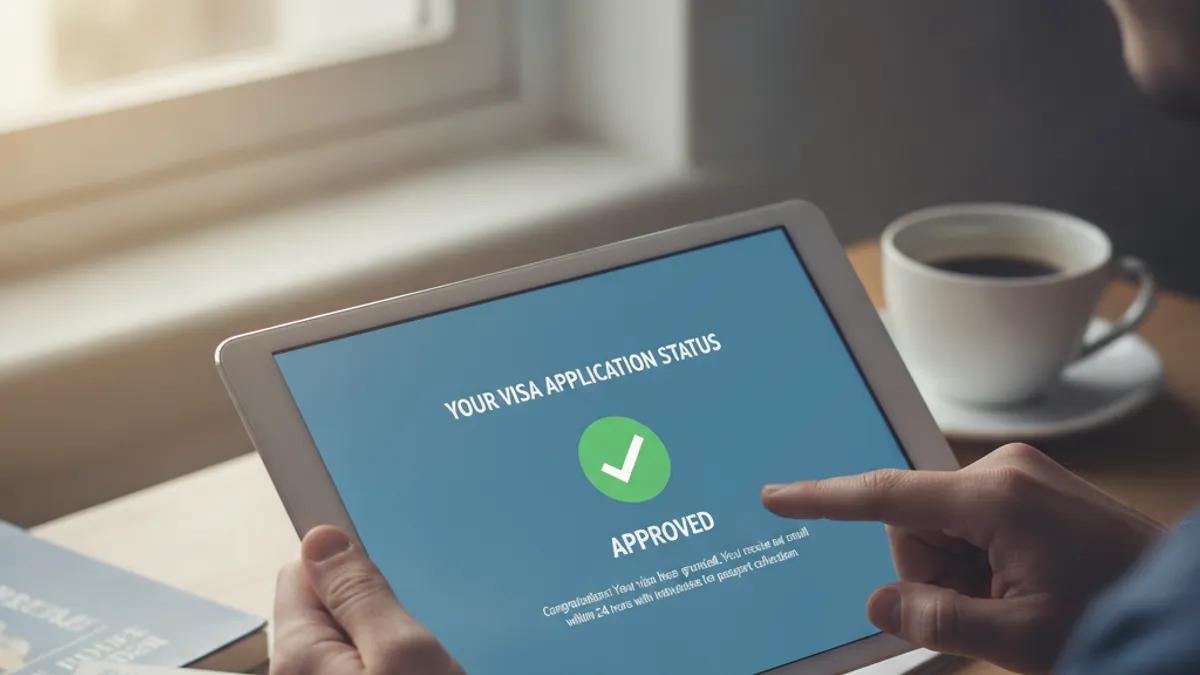
Knowing your visa application status is the first step in managing your expectations and planning your next move. It’s not just about getting a “yes” or “no.” Understanding where your application stands allows you to react appropriately, whether that means booking flights or preparing for further steps. Many applicants experience anxiety due to the uncertainty surrounding processing times, which can range from a few days to several months.
Knowing your status helps you avoid making premature travel arrangements or missing crucial deadlines. For example, if your visa is approved, you’ll want to know when you can expect to receive your passport back so you can finalize booking your travel. Conversely, if it requires further action, being aware of this early gives you time to gather any additional documents or information requested. This proactive approach can save significant stress and potential financial loss down the line.
Tracking Your Visa: The Official Channels
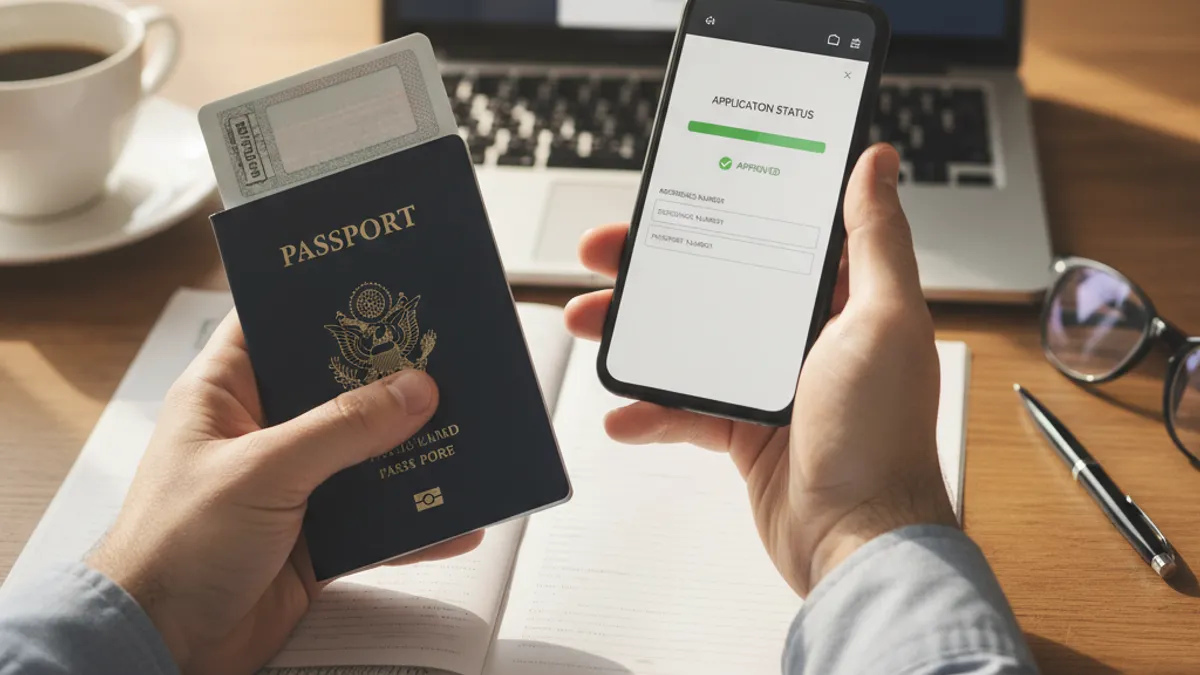
When you’re waiting for a visa decision, sticking to official tracking methods is your safest bet. Relying on unofficial sources or rumors can lead to confusion and misinformation. Government agencies responsible for visa processing have specific systems in place for you to check your application’s progress. These systems are designed to provide accurate, up-to-date information directly from the source.
Using Online Visa Portals
Most countries now offer an online portal where you can track your visa application status in real time. These portals are typically accessed through the official website of the immigration authority or the embassy/consulate of the country you’re applying to. You’ll usually need your application reference number, often called a case number or receipt number, to log in and view updates.
If you are applying for a U.S. visa, you will likely use the Consular Electronic Application Center (CEAC) website. After submitting your DS-160 form, you’ll receive a confirmation page with your unique barcode number. This number is essential for tracking your application on the CEAC status checker. Aggregate user feedback indicates that these portals are generally user-friendly, though occasional system glitches can occur.
Make sure to use the correct portal for your specific country of application, as URLs differ significantly.
Checking via Consular Offices or Embassies
If an online portal isn’t available, or if you encounter issues with it, contacting the specific consular office or embassy where you submitted your application is the next best step. Many embassies and consulates provide contact information, including phone numbers and email addresses, on their official websites. Some may have dedicated visa information lines or inquiry forms.
It’s important to have your application reference number, passport details, and any other relevant personal information ready before you contact them. This will help the consular staff locate your file quickly. Be aware that response times can vary, especially during peak application periods. Some countries might also have specific procedures for in-person inquiries, so it’s wise to check their website for any listed protocols before visiting.
Understanding Status Updates: What Do They Mean?

Once you start checking your visa status, you’ll encounter various messages indicating its progress. Not all messages are straightforward, and understanding what each one means is crucial. The language used can differ between countries, but the core stages of processing are generally similar. Being able to interpret these updates accurately helps manage your expectations and avoid unnecessary worry.
Common Status Messages Explained
- “Application Received”: This is usually the first message you’ll see, confirming that your application has been successfully submitted and is being processed.
- “In Progress”: This is a general status indicating your application is being reviewed by immigration officials. It means your case is actively being worked on, but no final decision has been made yet.
- “Approved”: Congratulations! This is the status you’re hoping for, meaning your visa application has been successful. You’ll typically receive further instructions on how to collect your passport with the visa stamp or how to receive the electronic visa.
- “Refused”: Unfortunately, this means your visa application has been denied. You should receive a letter or notification explaining the reasons for refusal.
- “Further Action Required”: This status indicates that officials need more information or documentation from you to make a decision. It’s crucial to respond promptly to any requests to avoid further delays or potential refusal.
“In Progress”: What Happens Next?
When your visa status reads “In Progress,” it means your application is actively undergoing review. This is a broad term that can encompass several stages, such as initial data entry, security checks, and assessment by an immigration officer. For many countries, including those using systems like the U.S. CEAC, “In Progress” signifies that the application hasn’t reached a decision point yet.
The duration of the “In Progress” phase can vary significantly. It depends on the type of visa, the volume of applications being processed, and the specific country’s immigration policies. Some applications might move through this stage in days, while others can take weeks or even months. It’s generally advisable to wait for updates rather than making repeat inquiries during this period, as this could potentially slow down the process.
“Approved”: What Are Your Next Steps?
Receiving an “Approved” status is a moment of relief. This means your visa application has met all the necessary requirements and you have been granted permission to enter the country. However, approval is just one part of the process. You’ll typically need to take further action to obtain your visa document or confirmation.
For most countries, particularly those with sticker visas in passports, the next step involves retrieving your passport. You might be notified to collect it from the embassy or consulate, or it may be mailed back to you. If it’s an electronic visa (e-visa), you’ll usually receive an email with a link to download or print your official visa document. Always follow the specific instructions provided alongside your approval notification to ensure you get the correct documentation.
“Refused” or “Further Action Required”: What Now?
If your status shows “Refused” or “Further Action Required,” it’s important to understand the implications and know how to proceed. A refusal means your application did not meet the criteria for the visa. You should receive a formal notification detailing the reasons for this decision. In some cases, you may have the option to appeal the decision or reapply, but this depends heavily on the specific country’s regulations and the grounds for refusal.
“Further Action Required” is often a less definitive status. It signals that an immigration officer needs more information to make a final decision. This could be additional supporting documents, clarification on details in your application, or a request to attend a secondary interview. Responding promptly and accurately to any such requests is paramount.
Failure to do so can lead to a definitive refusal. Always check the official guidance provided with this status to understand exactly what is needed.
Application Reference Numbers: Your Key to Tracking
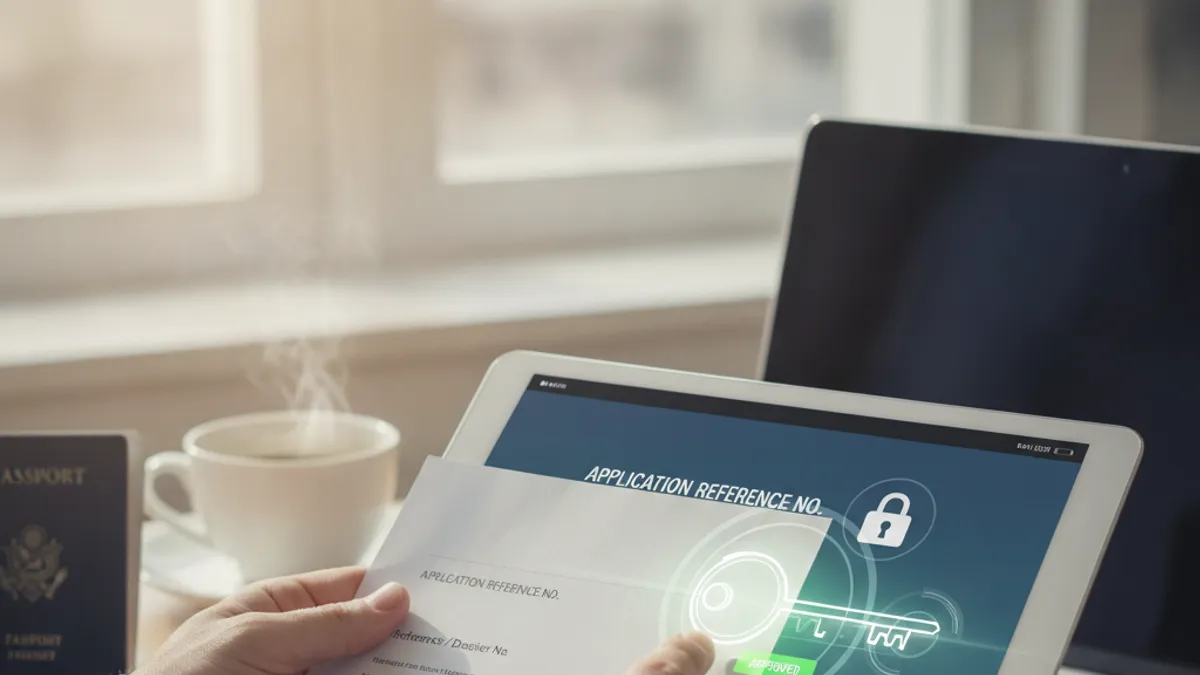
Your application reference number, often called a case number or receipt number, is the most critical piece of information for tracking your visa status. This unique alphanumeric code acts as your digital footprint within the immigration system. Without it, checking your progress online or providing it to consular staff for inquiries becomes nearly impossible.
When you submit your visa application, you should receive this reference number immediately or within a short period. For example, in the United States, after completing the DS-160 online application form, your confirmation page will display a barcode number. This number serves as your application ID on the Consular Electronic Application Center (CEAC) tracking system. It’s vital to record this number safely and accurately immediately after receiving it.
Store it in a secure digital note or a physical document, as you will likely need it multiple times throughout the visa process and potentially for future interactions with the immigration authorities.
When to Expect a Decision: Processing Timelines
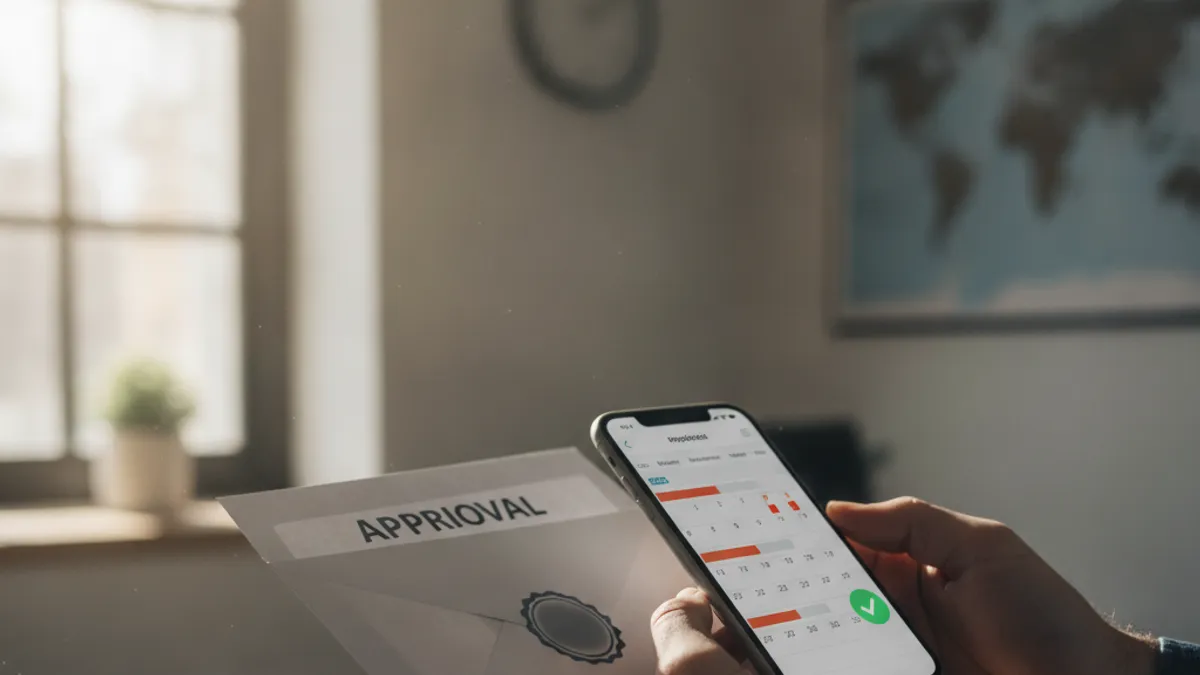
A common source of anxiety for visa applicants is the unknown waiting period. Understanding what influences visa processing timelines and what typical durations look like can help manage expectations. There isn’t a universal timeline; it’s highly dependent on the specific country, the visa category, and the current workload of the immigration department.
Understanding Variable Wait Times
Visa processing times are not fixed and can fluctuate significantly. Factors influencing these times include the country you’re applying to, the volume of applications received, the complexity of your case, and even seasonal demand. For instance, holiday seasons often see a surge in applications for tourist visas, which can lead to longer processing periods. As of 2026, many governments are still working to streamline processes, but variances persist globally.
Factors Influencing Processing Speed
Several factors can influence how quickly your visa application is processed. The type of visa plays a significant role; for example, urgent business or medical visas might be prioritized over standard tourist or student visas. Your personal circumstances also matter, if you have a straightforward application with all documentation in order, it’s likely to be processed faster than a complex case requiring additional verification or security checks. Some countries also have different service standards for various visa categories, impacting the expected turnaround time.
Mistakes to Avoid When Checking Your Visa Status

Many applicants stumble by making common errors when trying to check their visa application status. These mistakes can lead to frustration, delays, or missed opportunities. The most frequent pitfall is using unofficial or outdated information sources. Always verify that you are on the official government website or using a designated tracking system provided by the embassy or consulate.
Another common error is not having your application reference number readily available or typing it incorrectly. This number is your golden ticket to accessing status updates. Double-checking its accuracy before entering it into any system is crucial. Also, some applicants mistakenly assume a lack of immediate updates means their application is lost or stalled.
This is rarely the case, as most applications go through multiple internal processing stages before visible updates appear on tracking portals.
Who to Contact with Specific Questions

If you can’t find the information you need through online portals or if your situation is complex, knowing who to contact is vital. Your first point of contact should always be the official immigration authority or the embassy/consulate of the country to which you are applying. They are the only entities authorized to provide definitive information about your application.
For U.S. visa inquiries, after checking the CEAC status, you might need to contact the U.S. embassy or consulate where you applied. They handle specific case inquiries, especially if your status shows “Further Action Required” or if you have questions about an interview. For other countries, locate the relevant government immigration department’s contact details. Avoid unofficial law firms or consultants who promise quick status checks, as they may charge fees for information you can get directly or, worse, provide inaccurate guidance.
Official Sources for Visa Information
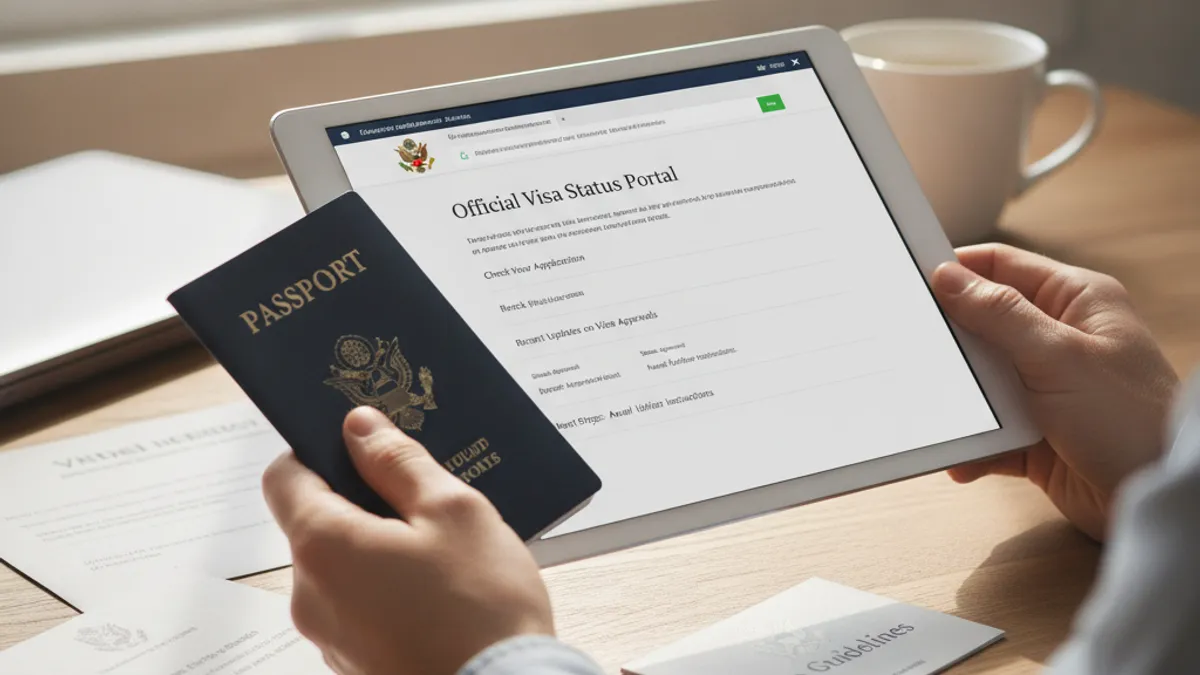
Relying on official sources is non-negotiable when dealing with visa applications. These sources provide the most accurate, up-to-date information on requirements, procedures, and the status of your application. They are maintained by government bodies and are designed to be comprehensive and trustworthy.
Here are the types of official sources you should prioritize:
- Government Immigration Websites: These are the primary portals for visa information. They detail application processes, required documents, fees, and often link directly to status tracking systems. For example, agencies like Immigration, Refugees and Citizenship Canada (IRCC) or the UK’s Home Office maintain extensive online resources.
- Embassy and Consulate Websites: Each country’s embassy or consulate abroad will have a dedicated section for visa services. These sites offer information specific to applicants in that particular region and often include contact details for local inquiries. This is your go-to for understanding country-specific nuances.
- Official Application Portals: As discussed, systems like the Consular Electronic Application Center (CEAC) for U.S. visas are official tracking platforms. Always ensure you are using the URL provided by the official government agency.
Planning Your Next Steps After Approval or Refusal

Once you have a definitive visa decision, whether it’s an approval or a refusal, it’s important to know what to do next. This phase requires careful planning based on the outcome. Having a clear understanding of the next steps can prevent confusion and ensure you proceed efficiently.
If Your Visa is Approved
If your visa application is approved, your next actions will depend on the type of visa and the country’s process.
- Passport Collection: You’ll likely be notified to collect your passport, which will contain the visa stamp. Follow the instructions from the embassy or consulate regarding collection times and required identification.
- Receiving E-Visa: For electronic visas, you’ll typically get an email with a link to download your visa document. Print several copies; you may need them at immigration checkpoints and upon arrival.
- Travel Arrangements: With your visa in hand, you can finalize your travel bookings. Ensure your travel dates align with the visa’s validity period.
- Arrival Procedures: Be prepared for immigration checks upon arrival. Have your passport, visa, and any other supporting documents readily accessible.
If Your Visa is Refused
A visa refusal can be disappointing, but it’s not always the end of the road. The first step is to understand why your application was denied, as detailed in the refusal letter or notification.
- Review the Refusal Notice: This document will outline the specific reasons for your visa being denied. Carefully read and understand each point.
- Consider Reapplication: In many cases, you can reapply. You’ll need to address the reasons for the original refusal. This might involve providing stronger evidence, clarifying information, or meeting additional requirements.
- Appeals Process: Some countries offer an appeals process. This is typically for specific grounds, and the process can be complex and time-consuming. Check the refusal notice or the embassy’s website for information on whether an appeal is possible and how to initiate it.
- Seek Professional Advice: If your case is complex or if you’re unsure how to proceed, consulting with an immigration lawyer or a registered migration agent can be beneficial. They can help you assess your options and guide you through the reapplication or appeals process.
What to Do If Your Visa Status Never Changes

It can be incredibly stressful when your visa application status remains stagnant for an unusually long period. If you’ve checked your online portal regularly and seen no updates for weeks or months beyond the normal processing times, it’s time to take action. Don’t assume the worst immediately, but don’t wait indefinitely either.
First, confirm the standard processing times for your specific visa type and country. This information is usually available on the official immigration website. If you are indeed outside these standard times, your next step is to make an official inquiry. Use the contact methods provided by the embassy or consulate, clearly stating your application reference number and the date you applied.
Some systems, like the U.S. CEAC, have specific channels for inquiring about long-pending cases. Be polite and factual in your communication. Remember that patience is key, but persistent and polite follow-up through official channels is also necessary.
Comments are closed.