Thank you for reading this post, don't forget to subscribe!
To get an American work permit, first determine whether you qualify for employment authorization under U.S. immigration law. If you are eligible for an Employment Authorization Document, file Form I-765 with U.S. Citizenship and Immigration Services. If you are outside the United States, you may instead need an employer-sponsored work visa before you can begin working.
For people planning to work in the United States, the first step is to identify the legal route that fits their immigration status, job offer, and career goals. A work permit is not a single document that every foreign worker must obtain. Some people need an Employment Authorization Document, commonly called an EAD, while others can work only under the terms of an approved immigration status or employment-based visa.
The right process depends on whether you already live in the United States, are applying from abroad, have a U.S. employer willing to sponsor you, or hold a status that allows employment. For example, an eligible student may apply for work authorization through a specific student-related category, while a foreign professional may need an employer to petition for a temporary H-1B visa. A lawful permanent resident generally does not need a separate EAD to work.
This guide explains how to get an American work permit, how to check eligibility, which documents to prepare, how to submit an application, and what to do if USCIS requests more evidence or denies a case. It also explains the difference between a work permit and a work visa, so you can choose the correct process before spending money or making travel plans.
Immigration rules, fees, eligibility categories, and processing times can change. The guidance below reflects the general U.S. immigration framework and official government information available as of October 26, 2026. Always verify the current requirements on the official USCIS, Department of State, and Department of Labor websites before filing.
An American work permit usually refers to an Employment Authorization Document, or EAD. U.S. Citizenship and Immigration Services issues this card to eligible noncitizens as evidence of employment authorization. The card is commonly identified as Form I-766.
An EAD can allow an eligible person to work for an employer in the United States, subject to the limits of the person’s immigration category. However, some people can work without a separate EAD because their immigration status already authorizes employment. Others have permission to work only for a particular employer or under specific program rules.
The key question is not simply whether you want a job in America. You must determine which immigration rule makes you eligible to work and whether you need a separate card, an employer-sponsored visa, or another form of authorization.
Source: workpermitcheck.com
Employment Authorization Document
An EAD is a document that proves qualifying employment authorization. Eligible applicants commonly request it through Form I-765.
Work visa
A work visa is connected to a particular immigration classification and purpose. Temporary work visas often require an employer petition, and the permitted work may be limited by the visa category.
Green card
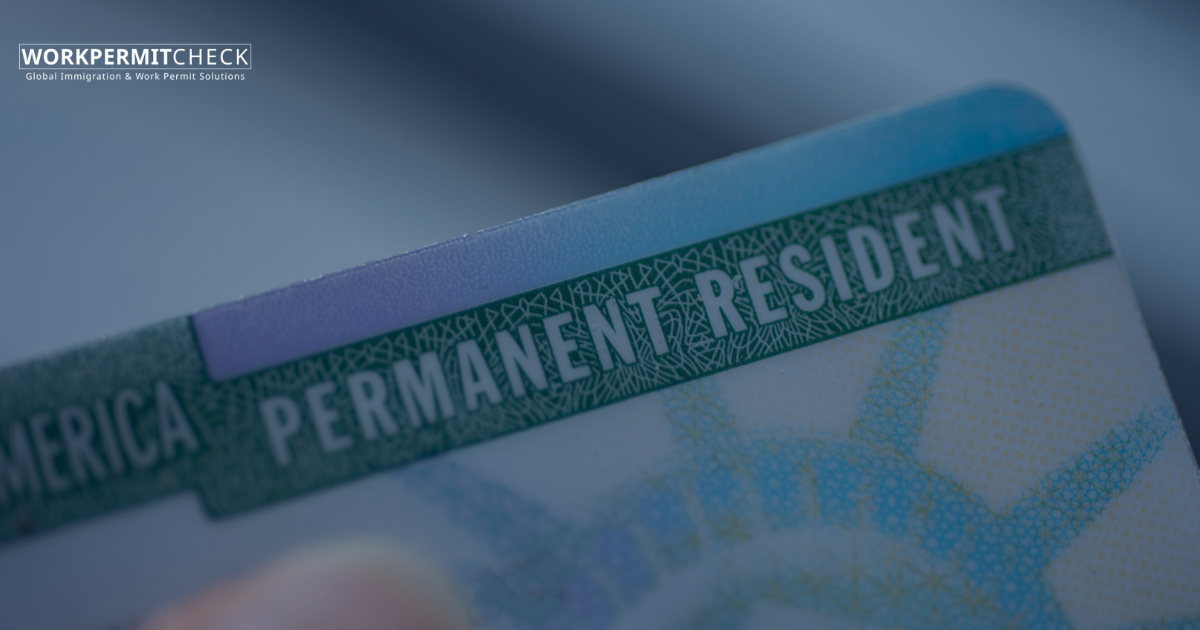
A green card proves lawful permanent resident status. Permanent residents generally may work in the United States without obtaining a separate EAD.
Social Security number
A Social Security number is used for earnings records, taxes, and other authorized purposes. It is not a substitute for immigration permission to work.
Who Needs a Work Permit?
Certain noncitizens need an EAD before they can accept employment. Depending on the applicable rules, eligible groups may include some applicants for adjustment of status, certain pending asylum applicants, people granted deferred action, and individuals in other qualifying immigration categories.
Other groups follow different rules. Refugees and people granted asylum, for example, have employment authorization connected to their status, although they may obtain an EAD as evidence of that authorization. Some nonimmigrant workers are authorized to work for a named employer under their status and should not apply for an EAD unless a separate eligibility category permits it.
U.S. citizens do not need an EAD to work, and lawful permanent residents generally do not need one either. If you are unsure about your status, check the official USCIS instructions for Form I-765 before filing.
Can You Apply for a Work Permit Without a Job Offer?
Sometimes. A job offer is not required for every EAD eligibility category. For example, certain eligible applicants may request employment authorization based on an existing immigration application or status rather than a specific job.
However, many foreign nationals who want to enter the United States for employment must qualify for a work visa that involves a U.S. employer or another approved sponsoring arrangement. Whether a job offer is required depends on the legal category, not simply on the applicant’s qualifications.
2. Check Which Work Authorization Route Fits Your Situation
Before applying, decide whether you need an EAD from inside the United States or an employment-based visa to enter the country. Choosing the wrong route can lead to unnecessary fees, delays, or a rejected application.
Your nationality, current immigration status, education, work experience, job duties, employer, and intended length of stay can all affect your options. There is no single American work permit that fits every occupation or applicant.
Source: workpermitcheck.com
You are already in the United States
Check whether your current status or a pending immigration application makes you eligible for an EAD. If so, review Form I-765 and the instructions for your exact eligibility category.
You are outside the United States and have a job offer
Ask the employer which employment-based immigration category fits the job. The employer may need to obtain a labor certification or file a petition with USCIS before you can apply for a visa.
You are a student
Review the employment rules for your student status. Eligible F-1 students may qualify for certain forms of practical training, including Optional Practical Training, subject to applicable requirements.
You are a permanent resident
A green card generally provides employment authorization. A separate EAD is usually unnecessary for employment purposes.
You are a spouse or dependent of a foreign worker
Check the exact dependent classification. Some spouses may qualify for employment authorization, while others may not. For example, certain qualifying H-4 spouses may apply for an EAD under specific conditions.
Common U.S. Work Visa Categories
Several immigration categories allow foreign nationals to work in the United States. Each has different eligibility rules, filing steps, and limits. The following examples can help you identify which official requirements to review.
H-1B
For qualifying specialty occupations that generally require a bachelor’s degree or equivalent in a directly related specialty. The employer typically files a petition, and annual cap rules may apply.
H-2A
For qualifying temporary or seasonal agricultural employment. Employer requirements and applicable worker eligibility rules must be met.
H-2B
For qualifying temporary nonagricultural work. The program has specific employer obligations and numerical limits.
L-1
For eligible employees transferring within a qualifying multinational organization, generally as managers, executives, or employees with specialized knowledge.
O-1
For individuals who meet the applicable standards for extraordinary ability or achievement in their field.
J-1
For participants in approved exchange visitor programs. Work is limited by the rules of the program and the person’s authorized activities.
E-2
For eligible treaty-country nationals investing in and directing a qualifying enterprise, or performing qualifying work for an eligible treaty enterprise under the applicable rules.
Employment-based immigrant categories
Some workers may qualify for permanent immigration through employment-based categories such as EB-1, EB-2, or EB-3. Requirements vary, and some cases require employer sponsorship and labor certification.
Quick Comparison of Common Routes
Use this table as a starting point rather than a final eligibility decision. The rules for each category can include additional conditions, exceptions, and filing requirements.
EAD through Form I-765
Best for an applicant who already belongs to a category eligible to request an EAD. A qualifying immigration status or application is the starting point.
Employer-sponsored temporary visa
Best for an applicant whose proposed job and qualifications fit a temporary worker category. The employer often begins the process.
Employment-based immigrant visa
Potential route for qualifying workers seeking permanent residence. The process may involve a labor certification, an immigrant petition, and an immigrant visa or adjustment of status.
Student practical training
Potential route for eligible students who meet the relevant school, program, and immigration rules. Authorization must be secured through the correct process before work begins.
3. How to Apply for an American Work Permit Using Form I-765
If you are eligible for an Employment Authorization Document, Form I-765 is the main application used to request it. The application is handled by USCIS, and the exact filing method depends on your eligibility category and the current form instructions.
Do not file Form I-765 simply because you want to work in the United States. First confirm that your category appears in the current instructions and identify the correct eligibility code. Using the wrong category or leaving out required evidence can delay processing or result in denial.
Source: i.ytimg.com
Step 1: Confirm eligibility
Review the official Form I-765 instructions and the USCIS page for your immigration category. Check whether you can apply now and whether you need an approved benefit or a pending application.
Step 2: Obtain the current form
Download Form I-765 from the official USCIS website. Use the latest edition accepted by USCIS and follow the filing instructions for your category.
Step 3: Complete the application
Enter your personal information, immigration details, mailing address, and eligibility category carefully. Use the information requested by the current form and instructions.
Step 4: Gather supporting evidence
Collect the identity documents, status records, photographs if required, and category-specific evidence listed in the official instructions.
Step 5: Pay the correct fee or confirm an exemption
Check the current fee schedule and payment rules. Some categories may have different fees or exemptions. Do not rely on an old fee amount from an unofficial website.
Step 6: Submit the application
File online if your category and the current USCIS system permit it, or mail the application to the correct filing address. Follow the current instructions exactly.
Step 7: Save your receipt and monitor the case
Keep a copy of the application and supporting documents. If USCIS issues a receipt notice, use the receipt number to check your case status and retain all notices.
Step 8: Respond to requests from USCIS
If USCIS requests more evidence or schedules an appointment, follow the notice carefully and meet the stated deadline.
Step 9: Wait for authorization before working
Do not assume that filing Form I-765 permits you to work. You must already have employment authorization under your category or receive the required approval before beginning employment.
Documents You May Need
The documents required for an EAD application depend on the eligibility category. The official checklist for your category takes priority over a general list because not every applicant needs the same evidence.
Identity evidence
A copy of your passport identity page or other acceptable identity evidence, as required by the current instructions.
Immigration records
Copies of relevant visa documents, Form I-94 records, prior USCIS notices, or other proof of your current status when applicable.
Proof of eligibility
Evidence supporting the category under which you are applying, such as a qualifying pending application, approval notice, school-related documents, or other required records.
Photographs
Passport-style photographs if the instructions for your filing method and category require them.
Previous EAD
A copy of a prior work permit if you are applying for renewal or replacement and the instructions require it.
Translations
Complete English translations of foreign-language documents when required, along with the translator’s certification specified by USCIS.
How to Avoid Common Form I-765 Errors
Small errors can create delays. Before submitting your application, compare each answer against your identity and immigration records, and confirm that every required attachment is included.
Wrong eligibility code
Confirm the exact category code from the current instructions. Do not copy a code from another applicant with a different immigration status.
Incorrect personal information
Check spelling, dates, document numbers, and address details. Explain any relevant differences between current records and earlier filings when the instructions require it.
Missing evidence
Use the checklist for your category and verify that every required page and supporting record is included.
Wrong fee or payment method
Confirm the current amount and accepted payment method immediately before filing.
Outdated form edition
Check the USCIS form page for the edition date and filing restrictions before sending your application.
4. How to Get a U.S. Work Visa From Outside America
If you live outside the United States and want to enter for employment, you will often need an employment-based visa rather than a stand-alone EAD. The appropriate route depends on the job, your qualifications, the employer, and the immigration classification.
For many temporary worker categories, the employer must first file a petition with USCIS. Some categories also require labor certification or other steps before the petition can be submitted. Once the relevant petition is approved, the worker generally applies for the appropriate visa through the U.S. Department of State if a visa is required.
An approved petition does not automatically guarantee visa issuance or admission to the United States. A consular officer reviews the visa application, and a Customs and Border Protection officer makes the admission decision at the port of entry.
Source: workpermitcheck.com
Step 1: Find a qualifying employer or program
Search for jobs or programs that match your skills and may support a lawful employment-based immigration route. Confirm that the employer understands the relevant sponsorship process.
Step 2: Identify the correct visa category
Review the official Department of State and USCIS descriptions. The job duties, qualifications, duration, and type of employer help determine which classification may apply.
Step 3: Complete employer-side requirements
The employer may need to obtain labor certification, submit Form I-129 for a temporary worker, or file Form I-140 for a qualifying permanent worker case. The required process depends on the category.
Step 4: Prepare the visa application
After the required petition or approval, follow the Department of State instructions for your visa category. Many temporary work visa applicants complete Form DS-160 and prepare the petition receipt information.
Step 5: Attend the required interview
If an interview is required, bring your passport, confirmation pages, application fee receipt when applicable, petition details, and other documents requested by the embassy or consulate.
Step 6: Follow the visa and admission rules
Wait for the visa decision and review its terms. Do not assume that a job offer, petition receipt, or visa application allows you to begin work before the relevant authorization is in place.
What If You Want Permanent Work in America?
Some foreign workers may qualify for employment-based immigrant visas that can lead to lawful permanent residence. Common categories include EB-1 for certain priority workers, EB-2 for qualifying professionals and individuals with exceptional ability, and EB-3 for certain skilled workers, professionals, and other workers.
Many cases require a permanent job offer and employer sponsorship. Depending on the category, the employer may first need an approved labor certification from the Department of Labor and then file Form I-140 with USCIS. Some applicants, including qualifying individuals with extraordinary ability and certain applicants seeking a national interest waiver, may be eligible to file without a specific employer sponsor.
The process can involve separate waiting periods, visa availability, an immigrant visa application abroad, or an application to adjust status from within the United States. Approval of one step does not mean that every later step is complete.
What Should You Do If You Cannot Find a Sponsor?
Start by checking whether your education, experience, professional achievements, nationality, or proposed work may fit another lawful category. Some routes have different sponsorship rules, but none should be treated as an automatic substitute for a category you do not qualify for.
Be cautious about recruiters who promise a guaranteed American work visa or demand large upfront payments for a job that has not been verified. Research the employer, confirm the actual job offer, and check the government’s rules before paying an agent. A legitimate process does not require you to misstate your qualifications or immigration history.
5. Work Permit Costs, Processing Times, and Renewal Rules
The cost and waiting time for an American work permit depend on the immigration category, application type, filing method, and any additional immigration steps. There is no single fee or processing time that applies to all work authorization cases.
For an EAD, the main filing cost is determined by the current USCIS fee schedule. Other expenses may include required photographs, document translation, postage, or legal assistance. A work visa case may also involve separate petition fees paid by an employer, a visa application fee, and other category-specific charges.
Processing estimates are not guarantees. A case may take longer because of missing evidence, a request for more information, background checks, workload, or a rule that affects the particular eligibility category.
Source: workpermitcheck.com
Check the current filing fee
Use the official USCIS fee schedule and the Form I-765 page. Confirm whether your category has a different fee or an exemption before paying.
Check the correct processing time
Use the USCIS processing-time tool for the form, category, and office or service center where applicable. The estimate can change.
Keep your receipt notice
Save your receipt number and all filing records. Use the number to track the case and respond to official notices.
Review renewal timing
Check the expiration date on your EAD and the current rules for your category. File a renewal only when permitted and within the applicable filing window.
Do not assume an extension applies
Automatic EAD extensions and other temporary protections depend on the category and rules in effect. Verify current USCIS guidance rather than relying on older articles.
How Long Does It Take to Get a Work Permit?
There is no reliable universal timeline for every work permit application. USCIS processing times vary by form, category, and case circumstances. A temporary work visa may also require an employer petition, possible labor certification, and consular processing, each with its own timing.
To estimate your timeline, identify the exact process you need, check the official processing-time information, and review any deadlines tied to your immigration status. If your status or current authorization is close to expiring, seek qualified immigration advice before relying on an expected approval date.
How to Renew or Replace an EAD
If your EAD is approaching expiration, review the current renewal rules for your eligibility category. File Form I-765 using the correct renewal category and include the required evidence. Do not assume that a pending renewal automatically allows you to continue working.
The rules for automatic extensions have changed over time and may depend on the category, filing date, and other conditions. Check the current USCIS instructions and official government updates to determine whether an extension applies to your case.
If your card is lost, stolen, damaged, or contains an error, review the USCIS replacement instructions. The correct procedure depends on the reason for replacement and the type of error. Retain copies of any correspondence and follow the official directions for requesting a correction.
6. How to Check Your Work Permit Status and Start Working Legally
After submitting an EAD application, use the receipt number on your USCIS notice to check your case status. The official online case-status service can show whether USCIS has received the application, taken action, requested evidence, or made a decision.
If the case remains pending, compare the waiting period with the current USCIS processing-time information. If USCIS requests additional evidence, read the notice closely and submit the requested materials by the stated deadline. Keep copies of everything you send.
When the application is approved, review the approval notice and any employment authorization document you receive. Confirm that the authorization is valid for your situation and that any relevant restrictions are understood before accepting work.
Source: workpermitcheck.com
Check your case online
Use the official USCIS case-status service and enter the receipt number exactly as shown on the notice.
Read every notice
A request for evidence, appointment notice, or denial notice may include a strict deadline or instructions that affect the next step.
Verify the authorization period
Check the start and end dates and any applicable conditions. Do not rely only on an old card or an informal statement that your case is approved.
Complete employment verification
U.S. employers generally must complete Form I-9 for new employees. You must provide acceptable documentation under the applicable rules, and the employer must review it as required.
Can You Work While Your Application Is Pending?
In general, submitting Form I-765 does not by itself grant permission to work. Some applicants may already have employment authorization under their status, and some categories may have specific rules that permit continued employment while a timely application is pending. Other applicants must wait for approval.
The answer depends on the category and the rules in force. Do not assume that a receipt notice, pending green card application, or expired EAD gives you permission to keep working. Confirm the applicable rule through USCIS or a qualified immigration attorney before beginning or continuing employment.
What If USCIS Denies Your Application?
If USCIS denies your work permit application, read the written decision to understand the stated reason. The notice may explain whether the problem involved eligibility, missing evidence, a filing error, or another legal issue.
Depending on the decision and applicable rules, possible next steps may include correcting a filing problem, submitting a new application if eligible, or pursuing an available motion or other review process. Not every denial can be appealed, and filing another application may involve additional fees.
Pay close attention to any deadline. If the denial affects your ability to work, your immigration status, or another pending application, consult a qualified immigration attorney or an accredited representative before taking action.
Frequently Asked Questions
Q
How can I get an American work permit for the first time?
First, determine which immigration category allows you to work in the United States. If you qualify for an Employment Authorization Document, review the current Form I-765 instructions, prepare the required evidence, pay any applicable fee, and submit the application through an approved filing method. If you are abroad and need an employer-sponsored work visa, your employer may need to file a petition before you apply for the visa.
Q
Can I apply for a U.S. work permit online?
Some eligible applicants can file Form I-765 online through a USCIS account. Online filing availability depends on the eligibility category and current USCIS rules. Other applicants must use a paper filing method. Check the official Form I-765 page before submitting your application.
Q
How much does an American work permit cost?
The cost depends on the form, immigration category, and applicable fee rules. Some applicants may qualify for a fee exemption, while others must pay the current filing fee. Work visa cases can involve separate employer petition fees and visa application fees. Verify all amounts on official government websites before paying.
Q
Can I get a work permit without a job offer?
Yes, in some circumstances. Certain EAD eligibility categories do not require a specific job offer. However, many foreign nationals applying to enter the United States for employment need a qualifying employer or approved program. Your eligibility category determines whether a job offer or sponsor is required.
Q
Can I work in America with a tourist visa?
A standard visitor visa does not authorize ordinary employment in the United States. You should not accept unauthorized work while visiting. If you want to work, identify a lawful employment-based route and obtain the required status or authorization before starting the job.
Q
Do I need a work permit if I have a green card?
Lawful permanent residents generally may work in the United States without a separate EAD. A valid green card normally serves as evidence of both identity and employment authorization for Form I-9 purposes. Some people may still obtain an EAD for other reasons, but it is generally unnecessary solely to establish a permanent resident’s right to work.
Q
How long is an American work permit valid?
The validity period depends on the eligibility category and the document USCIS issues. Some EADs are issued for limited periods, and others may have different validity rules. Check the expiration date printed on the card and current USCIS guidance to determine when renewal is permitted.
Q
Can I change employers after getting a U.S. work permit?
It depends on the type of authorization you hold. An EAD that permits employment without restriction to one employer may allow you to change jobs while the authorization remains valid. A worker whose immigration status is tied to a specific employer may need a new petition, an approved transfer, or another immigration step before changing jobs. Confirm your category’s rules before accepting a new position.
Q
What is the difference between a work permit and a work visa?
A work permit usually means an Employment Authorization Document issued by USCIS to an eligible noncitizen. A work visa is a visa classification used for entry to the United States for an authorized purpose. Some workers need an employer-sponsored visa and do not need a separate EAD, while other eligible applicants need an EAD based on their immigration status or application.
Q
Where can I find official American work permit information?
Start with USCIS at https://www.uscis.gov for Form I-765, eligibility rules, case status, fees, and processing information. For temporary work visas, use https://travel.state.gov and https://www.usa.gov/temporary-work-visa. For employment-based permanent immigration, consult https://www.usa.gov/immigrant-work-visa. These government resources provide the applicable forms, procedures, and updates.
✦ Wrapping Up
Conclusion
Getting an American work permit starts with choosing the correct legal route. Some people can apply for an Employment Authorization Document through Form I-765, while others must rely on employment authorization already granted by their immigration status or obtain an employer-sponsored work visa. Permanent employment-based immigration is another option for people who meet the relevant requirements.
Before you file, confirm your eligibility, use the current official forms, collect the required evidence, and check the latest fees and processing information. Keep copies of your application and notices, monitor your case, and follow the conditions of your immigration status. Do not begin work merely because you have submitted an application or received a job offer.
Immigration decisions can affect your right to remain in the United States as well as your right to work. If your eligibility is unclear, you have a complicated immigration history, or a denial could affect your status, seek advice from a qualified U.S. immigration attorney or an accredited representative.
💡 Key Takeaway
Start by visiting https://www.uscis.gov/i-765 and reviewing the current Form I-765 instructions if you are already in the United States and believe you qualify for an EAD. If you are outside the country, review https://www.usa.gov/temporary-work-visa and identify the employment-based category that fits your proposed job before paying fees or making travel plans.