Thank you for reading this post, don't forget to subscribe!
To apply for American permanent residency, determine which Green Card category fits your situation, file the required immigrant petition, and complete the applicable application process through USCIS or a U.S. embassy or consulate.
In the United States, American permanent residency allows an eligible immigrant to live and work in the country on a permanent basis. The official proof of this status is a Permanent Resident Card, commonly called a Green Card. For many people, getting a Green Card is a major step toward building a stable life in the United States, joining family, or pursuing a long-term career.
The process depends on your immigration category, current location, family ties, job qualifications, and individual circumstances. A person living in the United States may qualify to apply for adjustment of status, while someone living abroad generally follows consular processing. Some applicants need a sponsor, and others may qualify to file a petition on their own.
This guide explains how to apply for American permanent residency, which eligibility routes to consider, which forms may be required, how to prepare supporting documents, and what happens after filing. Immigration rules, filing fees, visa availability, and processing times can change, so check the latest instructions from U.S. Citizenship and Immigration Services and the U.S. Department of State before submitting an application.
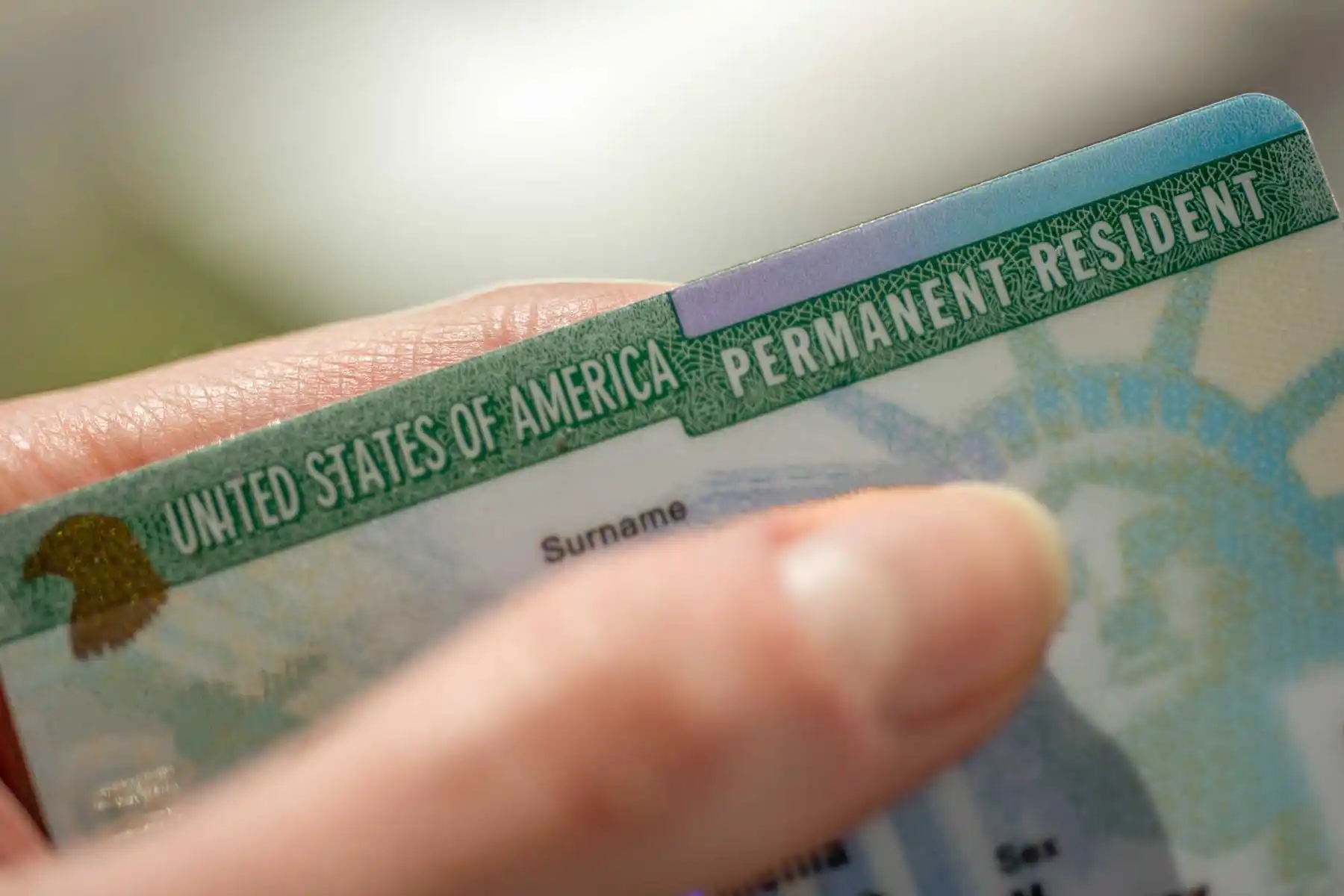
American permanent residency is a legal immigration status that allows a person to live permanently in the United States, subject to immigration law. A person with this status is called a lawful permanent resident. The Green Card, formally known as Form I-551, serves as evidence of that status.
Permanent residents can generally work for most U.S. employers without needing a separate employment visa. They may also live in any U.S. state, attend school, and sponsor certain eligible family members. However, permanent residency is not the same as citizenship, and some rights remain limited.
A Green Card holder must obey federal, state, and local laws, file applicable tax returns, and avoid conduct that could make the person removable from the United States. Long periods abroad can also raise questions about whether permanent residence has been abandoned.
There is no single application route that works for everyone. The first task is to identify a valid legal category and confirm that you meet its requirements before paying fees or sending forms.
Source: immigrationlawneworleans.com
Permanent residence
Provides authorization to live permanently in the United States while meeting the legal requirements for maintaining resident status.
Employment rights
Generally allows work for most U.S. employers, subject to any legal restrictions that apply to particular jobs.
Conditional residence
Some people receive conditional permanent residence, often for two years, and must file the appropriate petition to remove those conditions.
Citizenship is separate
A permanent resident may become eligible to apply for naturalization later, but citizenship requires a separate application and approval.
Step 1: Determine Which Green Card Category Fits Your Situation
The correct way to apply for American permanent residency starts with your eligibility category. U.S. immigration law offers several routes, each with its own rules. Your relationship to a U.S. citizen or permanent resident, professional background, humanitarian circumstances, or eligibility under a special program may determine which route is available.
Do not select a category only because it sounds faster or easier. You must meet its legal requirements and provide evidence that supports your claim. If more than one category may fit, compare the eligibility rules, filing sequence, visa availability, and likely costs before deciding how to proceed.
Source: i.ytimg.com
Family-based immigration
Certain relatives of U.S. citizens and lawful permanent residents may qualify. Eligible relationships include spouses, certain children, parents of qualifying adult U.S. citizens, and relatives in designated preference categories.
Employment-based immigration
Eligible workers may qualify through employer sponsorship or, in some categories, a self-petition. The requirements depend on the employment preference, professional record, job offer, labor certification rules, and other applicable conditions.
Humanitarian pathways
Some refugees, asylees, and eligible people in other protected or special categories may qualify for permanent residence after meeting the rules that apply to their status.
Diversity Visa program
Eligible applicants selected through the program may pursue immigrant visas if they meet all requirements and a visa remains available. Eligibility, registration periods, and program rules must be checked through official government sources.
Special immigrant and other categories
Certain religious workers, qualifying special immigrants, investors, and other individuals may have a route under specific provisions of immigration law. Each category has distinct conditions.
How Family-Based Green Cards Work
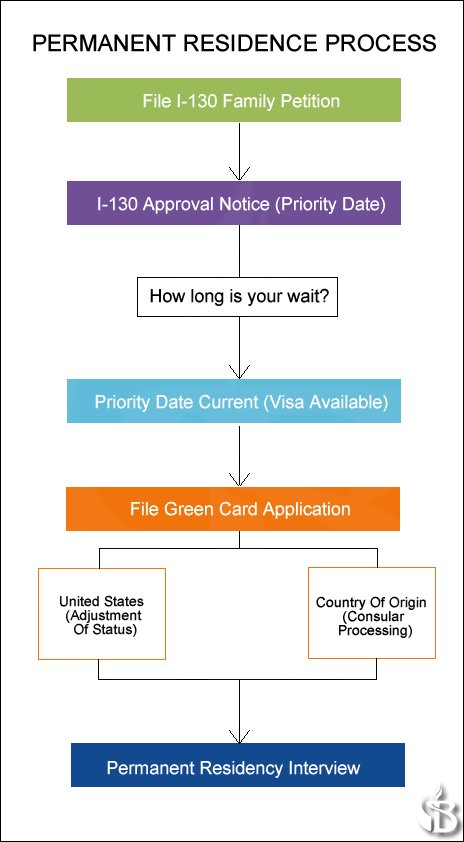
A family-based application often begins when a qualifying relative files Form I-130, Petition for Alien Relative, with U.S. Citizenship and Immigration Services. The petitioner must establish the qualifying family relationship with valid records, such as marriage certificates, birth certificates, and evidence of a genuine relationship when required.
Immediate relatives of U.S. citizens are generally not subject to the annual numerical limits that apply to many family preference categories. Other relatives may need to wait until their priority date becomes eligible under the Visa Bulletin. An approved Form I-130 does not, by itself, grant permanent residence or permission to enter the United States.
Marriage to a U.S. citizen
The applicant must establish a legally valid marriage and satisfy the applicable immigration requirements. A marriage entered into solely to obtain an immigration benefit can lead to serious legal consequences.
Family preference categories
Certain adult children and siblings of U.S. citizens, along with some relatives of permanent residents, may qualify but face visa number limits and potentially long waits.
How Employment-Based Green Cards Work
Employment-based permanent residence may require a U.S. employer to offer a qualifying job and file an immigrant petition. Some categories also require a labor certification from the U.S. Department of Labor before the employer files Form I-140, Immigrant Petition for Alien Workers.
Certain applicants may qualify for a self-petition. For example, some people with extraordinary ability or individuals who qualify for a national interest waiver may be able to seek permanent residence without a traditional employer-sponsored labor certification process. These routes have specific evidentiary standards and are not available to every skilled worker.
Employer sponsorship
The employer and applicant must meet the rules for the relevant employment category and provide the required evidence.
Self-petition
Applicants must establish that they meet the legal criteria for a category that permits self-petitioning.
Step 2: Check Whether You Can Apply From Inside or Outside the United States
Your location determines which application process may be available. Applicants who are physically present in the United States may qualify for adjustment of status, while eligible applicants abroad generally use consular processing. The rules depend on the immigration category and the person’s individual history.
Being physically present in the United States does not automatically make someone eligible to adjust status. For many applicants, lawful admission or parole, an available immigrant visa, and the absence of disqualifying grounds are important. Some categories have exceptions, while others have strict restrictions involving unlawful entry, unauthorized employment, or a failure to maintain status.
Applicants outside the country generally cannot use Form I-485 to obtain a Green Card through the ordinary adjustment process. Instead, after the required petition and visa processing steps, they may apply for an immigrant visa at the designated U.S. embassy or consulate.
Source: aipassportphotos.com
Adjustment of status
A qualifying applicant in the United States files Form I-485 and completes the required USCIS process.
Consular processing
A qualifying applicant abroad completes the immigrant visa process through the U.S. Department of State and the assigned consular post.
Visa availability
Applicants in numerically limited categories may have to wait until an immigrant visa is available under the applicable rules.
Immigration history
Prior visa overstays, removal proceedings, unlawful presence, criminal records, or inaccurate statements can affect eligibility and may require legal advice.
What Is Adjustment of Status?
Adjustment of status is the process through which an eligible person already in the United States applies to become a lawful permanent resident without completing the standard immigrant visa interview abroad. The main application is Form I-485, Application to Register Permanent Residence or Adjust Status.
Depending on the category, the applicant may need an approved immigrant petition before filing Form I-485. Some categories allow concurrent filing when the applicable requirements are met. Always check the current instructions for your specific category and confirm whether a visa is available before submitting the application.
Confirm eligibility
Review the adjustment rules for your category and disclose relevant entry, status, employment, and immigration history accurately.
Check filing instructions
Use the current Form I-485 instructions and the USCIS direct filing address or online filing options applicable to your case.
What Is Consular Processing?
Consular processing is the usual route for an eligible immigrant who applies for permanent residence from outside the United States. Once the required petition is approved and a visa is available, the case generally moves through the National Visa Center and the assigned U.S. embassy or consulate.
The applicant typically completes Form DS-260, submits civil and financial documents as required, completes a medical examination with an authorized physician, and attends an immigrant visa interview. An approved immigrant visa permits travel to the United States for inspection by immigration officials. Permanent residence is generally granted when the person is admitted as an immigrant.
Follow the assigned post
Use the embassy or consulate instructions that apply to your case and place of processing.
Wait for visa issuance
An approved petition does not guarantee that a visa will be issued. The consular officer must determine that the applicant is eligible.
Step 3: Prepare the Required Immigration Forms
The forms you need depend on your category and where you apply. Read the official instructions for each form before filling it out. Using the wrong form, leaving required questions unanswered, or filing at the wrong address can delay a case or lead to rejection or denial.
Many applicants must complete an initial immigrant petition and then a separate application for permanent residence or an immigrant visa. Others may follow a different sequence under humanitarian or special immigration rules. Do not assume that every applicant must submit the same forms.
Source: anamariarivera.com
Form I-130
Used by eligible family petitioners to establish a qualifying relationship with a relative seeking immigration benefits.
Form I-140
Used for many employment-based immigrant petitions filed by employers or qualifying self-petitioners.
Form I-485
Used by eligible applicants in the United States to apply for adjustment of status to permanent residence.
Form DS-260
The online application for an immigrant visa used in the applicable consular processing route.
Form I-864
An Affidavit of Support generally required in many family-based immigrant visa and adjustment cases, subject to category-specific exceptions.
Form I-693
The Report of Immigration Medical Examination and Vaccination Record used when required under the current USCIS rules.
How to Complete Your Forms Correctly
Enter your legal name, date of birth, addresses, family details, and immigration history consistently with your supporting records. If a question does not apply, follow the form instructions for how to respond. Never guess at an answer to a question about a prior arrest, visa refusal, entry, or immigration violation.
Check that each form edition is accepted on the date you file. USCIS may reject forms that use an outdated edition or do not meet filing requirements. Confirm the correct fee, signature requirements, mailing address, and payment method on the official form page immediately before submission.
Use current forms
Download forms and instructions from official USCIS or Department of State websites.
Review every answer
Compare the completed form with passports, birth records, marriage records, prior immigration documents, and other evidence.
Keep a full copy
Save a complete copy of each signed form, every supporting document, and proof of delivery or online submission.
Step 4: Gather Your Supporting Documents
Supporting documents help immigration officials verify your identity, eligibility, family relationships, employment qualifications, and admissibility. The exact list depends on the Green Card category, so use the relevant USCIS or Department of State checklist rather than relying on a generic list alone.
Documents issued outside the United States may need certified translations. Some records may also require specific civil document formats under the instructions for the country where they were issued. Submit clear, complete copies and bring original documents to appointments when instructed.
Source: inmigracionyvisas.com
Identity and civil records
Prepare your valid passport, birth certificate, marriage certificate if applicable, divorce records when relevant, and required photographs.
Relationship evidence
Family applicants may need proof of the qualifying relationship and, in marriage cases, evidence that the marriage is genuine.
Employment records
Employment-based applicants may need education records, professional licenses, work history, job offers, employer documents, or evidence of achievements.
Financial documents
Some applicants need tax records, income evidence, financial sponsorship forms, or other documents showing that the applicable support requirements are met.
Immigration and legal records
Provide relevant prior visa records, entry documents, court dispositions, police certificates, or other records required for the category and interview location.
Medical examination
Complete the required immigration medical examination with an authorized physician and follow the current instructions for submitting the results.
Document Checklist Before Filing
Create a checklist that matches your category and mark each item only after confirming that it meets the official requirements. Check names, dates, document numbers, translations, and any differences between older and newer records.
If a required document is unavailable, do not simply omit it without explanation. Follow the agency’s instructions for unavailable records, acceptable substitutes, or written explanations. If the missing evidence affects a key eligibility issue, consult a qualified immigration attorney before filing.
Check translations
Provide complete English translations when required, together with the translator’s certification under the applicable instructions.
Resolve inconsistencies
Explain legitimate differences in names, dates, or records with suitable evidence rather than changing information to make documents appear consistent.
Protect sensitive records
Use official submission channels and keep personal identity, financial, and medical documents secure.
Step 5: Pay the Required Fees and Submit Your Application
Green Card costs depend on the application category, forms required, age where relevant, and whether the case is processed in the United States or abroad. There is no single fee that applies to every permanent residency application. Some cases involve separate petition, application, visa processing, financial sponsorship, medical examination, or immigrant fee costs.
Check the current USCIS fee schedule and fee calculator before filing Form I-485 or another USCIS application. For consular processing, check the Department of State’s current immigrant visa fee information and the instructions provided for your case. Fees and exemptions can change, so do not rely on an old article or another applicant’s payment receipt.
Submit the application through the permitted online system or to the correct filing address. Use only the payment methods accepted for that form and filing location. An incorrect fee, missing signature, or wrong filing address may result in rejection, which can affect timing and, in some cases, visa availability.
Source: images.template.net
Check the fee for each form
Confirm whether each fee is separate, whether a combined fee is permitted, and whether any exemption or reduced-fee rule applies.
Use the correct filing address
USCIS filing locations can vary by form, category, and delivery method. Follow the current direct filing instructions.
Keep proof of submission
Save payment confirmations, delivery tracking, online submission receipts, and all notices sent by the government.
Avoid unverified payment requests
Use official government channels and be cautious of anyone promising guaranteed approval in exchange for extra fees.
How Much Does American Permanent Residency Cost?
The total cost may include government filing fees, immigrant visa fees, a required medical examination, document translation, travel to appointments, and professional legal fees if you choose to hire an attorney. Employer-sponsored cases may involve costs that the employer is legally required to cover, depending on the type of expense and applicable rules.
For a reliable estimate, list every form and service required for your category, then check the official fee for each item. Do not assume that a fee paid for an immigrant petition also covers the Green Card application or the immigrant visa process.
Government fees
Use the current official fee schedule for each required form or visa service.
Medical and civil documents
Costs vary by authorized physician, location, translation needs, and document requirements.
Legal assistance
Attorney fees vary by case complexity and service scope. Ask for a written fee agreement before hiring a professional.
Step 6: Attend Biometrics, Medical, and Interview Appointments
After filing, you may receive notices for biometrics, an interview, or other required steps. Follow every notice carefully and attend appointments at the specified time and location. If you cannot attend, use the official process to request a change rather than simply missing the appointment.
For many adjustment-of-status applicants, a biometrics appointment may involve fingerprints, a photograph, and a signature. These details help verify identity and support required background and security checks. Some applicants may have their biometrics reused or may not need a new appointment, depending on agency instructions.
An interview may be required to confirm information in the application, review eligibility, or examine the claimed family relationship. Bring the requested documents and answer questions truthfully. If an officer asks for more evidence, follow the deadline and submission instructions in the notice.
Source: bataraimmigrationlaw.com
Read appointment notices
Confirm the date, time, location, identification requirements, and documents you must bring.
Complete the medical exam
Use an authorized civil surgeon for the applicable U.S. adjustment process or an embassy-approved panel physician for immigrant visa processing abroad.
Prepare for the interview
Review your submitted forms and supporting evidence so your answers are accurate and consistent.
Respond to evidence requests
Submit the requested documents by the stated deadline and follow the exact instructions for delivery or online upload.
What Happens After the Interview?
The case may be approved, remain under review, or require additional evidence. An interview does not guarantee approval, and an officer may need more time to review documents or complete required checks.
If the government sends a request for evidence or a notice of intent to deny, read it carefully. The notice should explain what is missing or why the agency has concerns. A clear, timely response that directly addresses each issue is usually more useful than sending large amounts of unrelated paperwork.
Approved
Follow any remaining instructions about immigrant visa issuance, the USCIS immigrant fee where applicable, or delivery of the Green Card.
Additional evidence requested
Respond within the specified period and include the documents or explanations requested.
Denied
Read the decision to understand the reason and whether any motion, appeal, refiling, or other legal option is available.
Step 7: Track Your Case and Understand Processing Times
Processing times vary by category, form, agency workload, visa availability, and individual circumstances. A family petition may take a different amount of time from an employment petition or an adjustment-of-status application. Consular processing can also depend on document review and appointment availability at the assigned post.
Use the USCIS case status tool with your receipt number to follow a case filed with USCIS. For an estimate, consult the official USCIS processing-times page and select the correct form, category, and office when those details are requested. These estimates are not guarantees for an individual application.
Applicants in categories subject to annual limits should also review the Department of State Visa Bulletin. The priority date and applicable preference category determine when an immigrant visa may be available. A petition can be approved while the applicant still needs to wait for a visa number.
Source: anamariarivera.com
Save your receipt number
Use the number on the official receipt notice to check case status and identify the case in communications with the agency.
Check official processing estimates
Choose the correct form and case details instead of relying on estimates from unrelated applicants or unofficial websites.
Monitor visa availability
Review the relevant Visa Bulletin chart and follow the agency’s rules about when a filing may be submitted.
Respond to notices promptly
Keep your mailing address current and read all government correspondence so you do not miss deadlines.
What If Your Green Card Application Is Delayed?
First, check the latest case status and processing-time information. Confirm that the agency has your current address and that you have responded to all notices. Delays may occur because of background checks, missing records, visa number limits, or additional review.
If your case appears to be outside normal processing times, follow the agency’s official inquiry process when eligible. If a visa category is backlogged, an inquiry may not overcome the statutory limit. Seek legal advice if the delay affects removal proceedings, work authorization, travel, or another urgent legal concern.
Check for missed notices
Review your mail, online account, and saved case records for requests or appointment letters.
Use official inquiry options
Submit a service request or contact the relevant agency only when your case meets the applicable inquiry criteria.
Avoid duplicate filings without advice
Submitting another application without understanding the first case may create confusion, extra costs, or new legal issues.
Common Mistakes to Avoid When Applying for Permanent Residency
Many application problems begin before a form reaches an immigration officer. A wrong category, incomplete evidence, or missed deadline can lead to rejection, delay, or denial. A careful review before filing can help reduce avoidable errors, although it cannot guarantee approval.
Immigration applications require truthful answers. Do not hide a prior visa refusal, arrest, unauthorized employment, previous marriage, or immigration violation when a form or officer asks about it. If you are unsure how an event affects your eligibility, obtain qualified legal advice before submitting your application.
Source: inmigracionyvisas.com
Choosing the wrong category
Check the legal requirements for your exact family, employment, humanitarian, or other immigration route.
Using outdated forms
Download the current edition and follow the latest filing instructions.
Missing evidence
Use the category-specific checklist and confirm that each required document is included.
Paying the wrong fee
Verify the current fee and accepted payment method before filing.
Missing deadlines
Track appointment dates, response periods, visa availability, and expiration dates for relevant documents.
Traveling without checking the rules
Some adjustment applicants need advance permission to travel, and leaving without the required authorization can have serious consequences. Confirm the rules for your category before departing.
Trusting guarantees
No private service can guarantee that USCIS or a consular officer will approve a Green Card application.
When Should You Hire an Immigration Attorney?
You may be able to prepare a straightforward application yourself if you understand the eligibility rules and can follow the official instructions. However, professional legal help can be especially valuable when the case involves complicated entry history, prior removal orders, criminal records, possible fraud findings, unlawful presence, a denied petition, or uncertain eligibility.
An immigration attorney can review the facts, explain risks, identify relevant filing options, and help prepare responses to difficult legal questions. Choose a licensed attorney or an authorized representative who is permitted to provide immigration legal services. Be wary of anyone who promises guaranteed approval or tells you to provide false information.
Complex immigration history
Seek advice before filing if you have overstayed a visa, entered without inspection, received a removal order, or faced a prior immigration denial.
Unclear eligibility
Ask a qualified professional to review the legal category and any possible grounds of inadmissibility.
Serious legal concerns
Obtain advice before submitting documents or making statements when criminal, fraud, or national security issues may be involved.
What Happens After You Become a U.S. Permanent Resident?
After approval, you should review the Green Card or immigrant visa documentation and follow all instructions for receiving your physical card. If you entered through consular processing, the card is generally produced after admission as an immigrant and completion of the required steps, including payment of the USCIS immigrant fee when applicable.
Permanent residence brings important rights, but it also comes with responsibilities. You must comply with U.S. law, file required tax returns, update your address with USCIS when required, and take care not to abandon residence through extended travel or other conduct that conflicts with permanent residence.
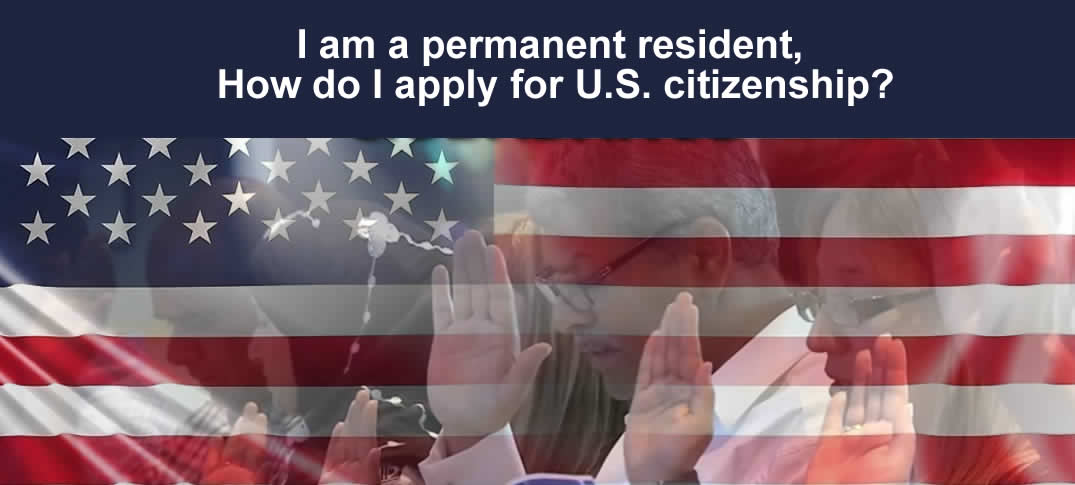
Many Green Card holders may eventually qualify to apply for U.S. citizenship through naturalization. The usual eligibility period is five years as a permanent resident, with a general three-year route for certain spouses of U.S. citizens who meet all statutory requirements. These are not automatic entitlements; continuous residence, physical presence, good moral character, and other requirements can affect eligibility.
Source: bataraimmigrationlaw.com
Keep your Green Card valid
Monitor the expiration date and follow the correct renewal or replacement process when required. Expiration of the physical card does not always mean the underlying permanent resident status has ended.
Maintain your residence
Before a long trip abroad, understand how travel may affect residence and future naturalization eligibility.
Update your address
Follow USCIS rules for reporting a change of address within the required period.
Review citizenship eligibility
Use the current naturalization requirements before filing Form N-400.
Frequently Asked Questions
Q
How can I apply for American permanent residency?
Start by identifying a Green Card category for which you qualify. Complete the required immigrant petition and follow the appropriate process. Eligible applicants in the United States may apply through adjustment of status using Form I-485, while eligible applicants abroad generally complete consular processing through a U.S. embassy or consulate.
Q
Can I get a Green Card without a sponsor?
Yes, some categories allow self-petitioning. Examples may include certain employment-based applicants with extraordinary ability, applicants who qualify for a national interest waiver, and certain other categories established by law. Refugees, asylees, and other eligible applicants may have separate routes. You must meet the specific legal requirements for the category.
Q
How long does American permanent residency take?
There is no single processing time for every Green Card case. The timeline depends on the category, petition processing, visa availability, the applicant’s circumstances, and the relevant USCIS office or consular post. Check the USCIS processing-times tool and the Department of State Visa Bulletin for information that applies to your case.
Q
Can I apply for a Green Card while living in the United States?
You may be able to apply through adjustment of status if you meet the requirements for your category. Physical presence alone is not enough. Admission or parole, visa availability, immigration history, and possible grounds of inadmissibility can affect eligibility. Certain applicants face special restrictions, so review the official rules before filing.
Q
How much does it cost to apply for permanent residency?
The total cost varies by category and process. It may include petition fees, the adjustment-of-status or immigrant visa fee, a medical examination, document translations, and other required expenses. Check the current USCIS fee schedule or the Department of State’s immigrant visa fee information before submitting payment.
Q
Does an approved immigrant petition mean my Green Card is guaranteed?
No. Petition approval generally confirms that a particular petition has met the applicable requirements, but it does not automatically grant permanent residence. The applicant may still need an available immigrant visa, approval of a separate application, an interview, and a determination that no applicable legal ground prevents admission or adjustment of status.
Q
Can I work while my Green Card application is pending?
Work authorization depends on your current immigration status and the rules that apply to your application. Some eligible adjustment applicants may apply for an Employment Authorization Document using Form I-765, but filing Form I-485 does not automatically authorize employment. Confirm your existing work authorization and any applicable restrictions before starting or continuing a job.
Q
Can I travel outside the United States while my Green Card application is pending?
Travel rules depend on the application category and your immigration status. Some adjustment-of-status applicants may need advance parole before leaving the United States, and departure without required authorization can cause the application to be treated as abandoned or create other problems. Check the current USCIS rules and obtain legal advice if your travel history or status is complicated.
Q
Can permanent residents apply for U.S. citizenship?
Many permanent residents can apply for naturalization after meeting the applicable residence period and other requirements. The general route often requires five years as a permanent resident, while certain eligible spouses of U.S. citizens may qualify under a three-year rule. Continuous residence, physical presence, good moral character, and other legal conditions must also be met.
Q
Where can I check official Green Card requirements?
Use the U.S. Citizenship and Immigration Services website for Green Card categories, forms, filing instructions, fees, and case status. Use the U.S. Department of State website for immigrant visa processing, the Visa Bulletin, and consular instructions. If you are applying abroad, follow the specific instructions for the embassy or consulate assigned to your case.
✦ Wrapping Up
Conclusion
Applying for American permanent residency begins with finding the right legal category and understanding the process that applies to your situation. Family sponsorship, employment, humanitarian protection, the Diversity Visa program when available, and other special categories can provide routes to a Green Card, but each has distinct eligibility rules and evidence requirements.
Once you confirm your eligibility, prepare the correct forms, collect supporting documents, check current fees, and follow the instructions from USCIS or the Department of State. Attend required appointments, respond to notices on time, and monitor your case through official government tools. Do not assume that an approved petition guarantees a Green Card or that every applicant follows the same timeline.
Because immigration mistakes can affect eligibility, travel, work authorization, and future applications, consider consulting a qualified immigration attorney if your history includes visa overstays, prior denials, criminal issues, removal proceedings, or uncertainty about the law. Use current official guidance for all filing decisions.
💡 Key Takeaway
Your next step is to visit USCIS.gov, identify the Green Card category that matches your circumstances, and read its current eligibility rules and filing instructions. If you are applying from outside the United States, also review the Department of State’s immigrant visa guidance and the instructions for your assigned consular post.