Thank you for reading this post, don't forget to subscribe!
A visa can be valid for a few days, several months, or many years. Its validity depends on the country, visa type, and conditions printed on the document. For travel to the United States, the visa expiration date does not automatically determine how long you may stay. Your admission record and immigration status usually control that period.
For travelers planning a trip to the United States, knowing how long a visa is good for can prevent costly mistakes. A visa may allow you to request entry over a long period, yet each visit may have a much shorter limit. The exact rules depend on the visa category and the decision made by immigration officials.
The key is to separate visa validity from the length of your permitted stay. These are two different dates with different purposes. Before booking flights, check your visa, passport, entry rules, and any official record that states when you must leave. Never assume that a visa with a long validity period gives you permission to remain for the same length of time.
This guide explains common visa validity periods, how U.S. visa rules work, what changes for other countries, and how to check whether your document remains usable. It also covers renewals, extensions, expired visas, and practical steps to take when your travel dates are close to an expiration date.
A visa is good for the period set by the government that issues it. Some visas are designed for one short visit, while others allow travel over several months or years. The period can depend on the purpose of travel, the applicant’s circumstances, nationality, and agreements between countries.
There is no single validity period that applies to every visa worldwide. A tourist visa, student visa, work visa, and transit visa can each have different rules. Even two people applying for the same broad visa category may receive different validity periods if the relevant rules allow that result.
For a U.S. visa, look at the expiration date printed on the visa foil in your passport. That date generally marks the last day on which you can use the visa to seek admission, subject to the applicable rules. It does not automatically tell you how long you can remain after entering the country.
Source: i.redd.it
Short-term visas
Some visas are issued for a limited trip, a short transit, or a brief stay. Their conditions may restrict the number of entries or the dates when travel is permitted.
Long-validity visas
Some visitor visas remain valid for multiple years. Travelers must still follow the permitted purpose of travel, entry conditions, and authorized stay for every visit.
Purpose-specific visas
Student and employment visas may be linked to an approved program, job, petition, or other legal condition. The printed visa validity period alone may not establish the full period of lawful status.
Why Visa Validity Periods Differ
Governments set visa validity rules based on immigration law, travel purpose, security checks, reciprocity arrangements, and the conditions of the visa category. A visa issued to one traveler may therefore have a different expiration date from another traveler’s visa.
The country you plan to visit is the first factor to check. A visa for the United States follows U.S. rules, while a visa for the United Kingdom, Canada, or a Schengen country follows that destination’s rules. Do not apply the validity rules of one country to another.
Country and nationality
Some countries set different maximum validity periods based on nationality or bilateral arrangements.
Visa category
Tourism, business, study, employment, transit, and immigrant visas serve different legal purposes.
Entry conditions
A visa may permit one entry or multiple entries. The number of entries and the expiration date affect how it can be used.
Visa Validity vs. Length of Stay
Visa validity and length of stay are separate concepts. Visa validity tells you when the document may be used to seek entry, while the length of stay tells you how long you are authorized to remain after admission. Confusing these two periods is one of the most common travel mistakes.
For example, imagine a traveler has a U.S. visitor visa that expires in December 2028. The traveler enters the United States in June 2027 and is admitted for a shorter period. The traveler must follow the authorized departure date or obtain a lawful extension or other authorization when eligible. The 2028 visa expiration date does not let the traveler remain until 2028.
The reverse can also cause confusion. A person may be lawfully present in the United States for an authorized period even after the visa used to enter has expired. Whether that person can leave and return depends on the visa and immigration rules that apply. An expired visa should never be treated as automatic permission for a new entry.
Source: images.goodreturns.in
Visa expiration date
The date shown on the visa indicates the end of its validity for the relevant purpose, subject to official rules and any special conditions.
Authorized stay
This is the period the government permits you to remain after entry or under a particular immigration status.
Entry decision
A visa generally allows its holder to seek admission. It does not guarantee that a border officer will admit the traveler.
How the Rule Works for Visitors to the United States
For most nonimmigrant visitors admitted to the United States, the Form I-94 arrival/departure record is a key place to check the authorized period of stay. Many travelers can retrieve their electronic I-94 record through the official U.S. Customs and Border Protection website.
Read the admission information carefully and check the admit-until date when one is provided. Do not rely only on a passport stamp, a flight booking, or the expiration date printed on the visa. If a record appears incorrect, seek guidance from the responsible government agency or a qualified immigration attorney.
Check the official record
Use the official CBP I-94 website to review your available arrival and departure information.
Confirm your category
Different immigration categories may use different documents or rules to establish the authorized period.
Act before the deadline
If you need more time, review extension eligibility and filing instructions well before your authorized stay ends.
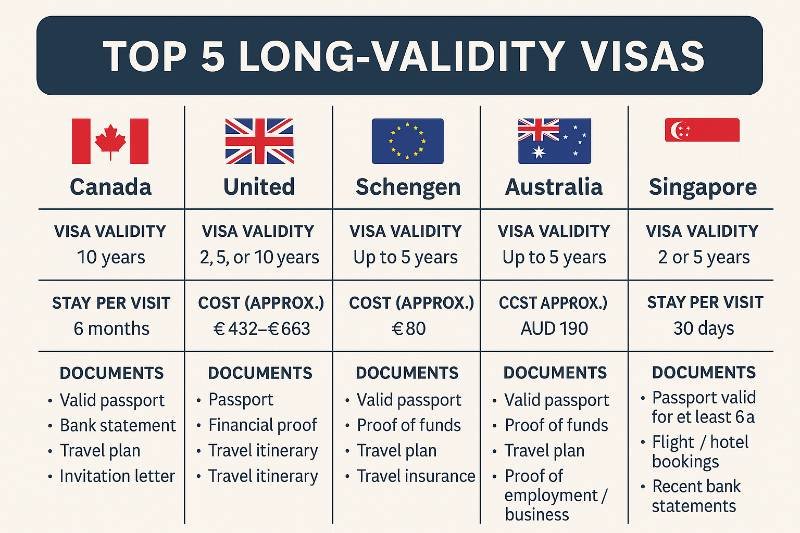
How Long Are Common Types of Visas Valid?
The validity of a visa depends on the category and the issuing country. The periods below describe common patterns, not guaranteed terms for every applicant. Always confirm the rules for your nationality, destination, and exact visa class before relying on an example.
A tourist visa may cover a single visit or several trips over a longer period. A student or work visa may be connected to a course, employment authorization, petition, or immigration status. An immigrant visa follows a different process because it is generally used to seek admission as a permanent resident rather than for a temporary visit.
Source: immi-usa.com
Tourist and visitor visas
These may be issued for one entry or multiple entries. Some remain valid for years, but each visit is still subject to the destination’s stay rules.
Business visas
Business visitor visas may permit qualifying activities such as meetings or consultations. They do not automatically authorize ordinary employment, and their validity depends on the country and category.
Student visas
A student visa’s validity may differ from the length of the academic program or the student’s authorized immigration status. Students must check both their visa and program-related records.
Work visas
Employment-related visas can be tied to an approved petition, employer, or work period. A visa’s expiration does not, by itself, answer every question about employment authorization or status.
Transit visas
Transit visas are often designed for a narrow purpose and a short period. Some travelers may not need one, while others must obtain it even for a brief connection.
Immigrant visas
An immigrant visa is generally issued with a limited period for travel to seek admission as a permanent resident. Follow the printed expiration date and the instructions provided with the visa.
How Long Is a U.S. Tourist Visa Good For?
A U.S. B-1/B-2 visitor visa may be issued for different validity periods, depending on the applicant’s nationality and the applicable reciprocity schedule. Some qualifying applicants receive a multiple-entry visa valid for several years, while others may receive a shorter period or different entry conditions.
The visa’s validity does not determine the authorized length of each visit. A U.S. border officer decides whether to admit the traveler and sets the applicable admission period. Visitors should review their I-94 record after arrival and leave or take other lawful action by the required deadline.
Check the visa class
Confirm that the document is a B-1, B-2, or combined B-1/B-2 visa and read the entries field and expiration date.
Check nationality-specific rules
Use the U.S. Department of State’s official visa reciprocity information for the country associated with your passport.
Check the admission period
After entry, review the I-94 record rather than assuming that the visa’s full validity period is available for a single stay.
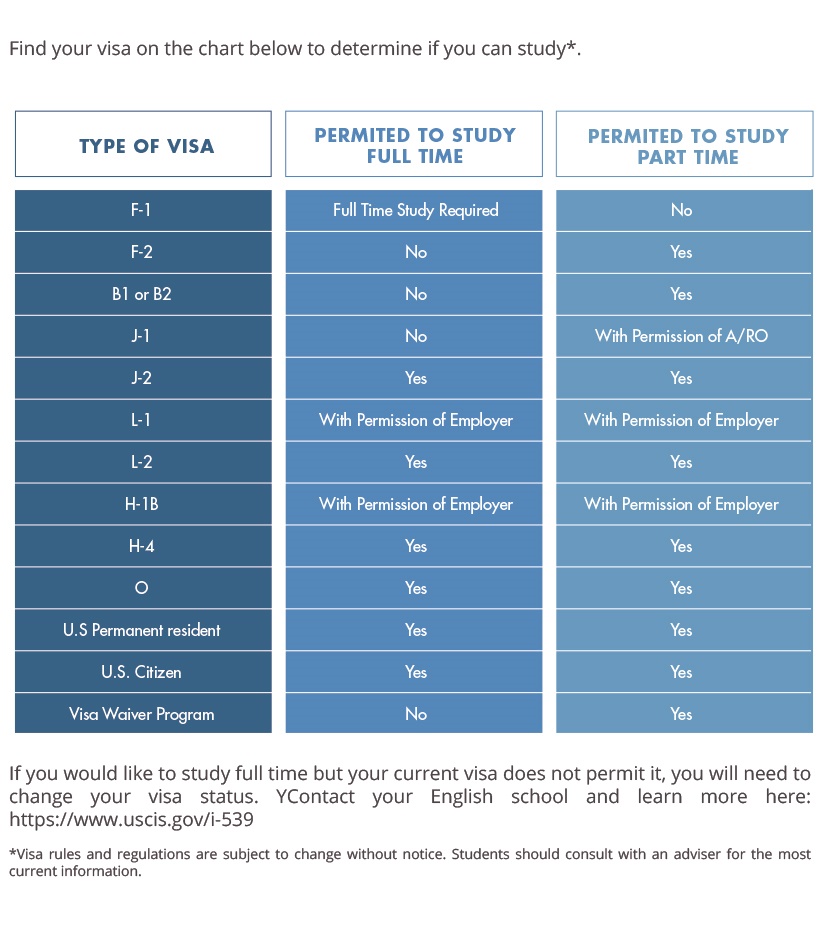
How Long Is a Student or Work Visa Good For?
Student and employment visa rules require extra care because the visa sticker, authorized status, program dates, and employment documents may serve different purposes. A student should check the applicable student status documents and program requirements. A worker should check the visa, approved petition where relevant, and the rules governing authorized employment.
If a course, job, employer, or petition changes, do not assume that the original visa automatically covers the new circumstances. Ask the relevant school official, employer’s immigration representative, government agency, or qualified immigration attorney which documents and approvals are required.
Students
Check the visa, school documentation, program dates, and applicable status rules before travel or changes to study plans.
Workers
Check the visa category, petition validity where applicable, employment authorization, and any employer-specific restrictions.
Single-Entry and Multiple-Entry Visas
A single-entry visa generally permits one use for entry, while a multiple-entry visa may be used to seek entry more than once during its validity. The exact meaning of the entries field depends on the issuing country’s rules. Neither type guarantees admission at the border.
A multiple-entry visa can be useful for travelers who expect to make several trips. However, it does not usually allow someone to live in a country indefinitely by leaving briefly and returning repeatedly. Border officials may consider the purpose and pattern of travel, the applicable conditions, and whether the traveler appears to be using a temporary visa for an unauthorized purpose.
Before making a second trip, confirm that the visa remains valid, that unused entries are available if required, and that your passport meets the destination’s rules. Also check whether the prior visit or any change in circumstances affects your eligibility to enter again.
Source: entryvietnamvisa.com
Single entry
Often intended for one entry during the permitted period. Leaving the country may use the entry even if the visa’s printed expiration date has not arrived.
Multiple entry
May allow repeated requests for admission during the visa’s validity, subject to entry limits, stay conditions, and the destination’s immigration law.
Check the entries field
Read the visa carefully. Do not assume that a long expiration period means unlimited entries or unlimited time in the destination country.
Can You Travel If Your Visa Expires Soon?
You may be able to travel with a visa that expires soon if you meet the destination’s rules and arrive while the visa is still valid. However, the answer depends on the country, visa type, travel date, and whether the visa must remain valid for the entire stay or only at the time of entry.
For a U.S. visitor visa, the visa generally needs to be valid when you seek admission, but the authorized stay is determined separately. Other countries may apply different requirements, and some require a visa or travel authorization to remain valid for the whole visit. Verify the exact rule before departing.
Confirm the entry rule
Check the official government guidance for your destination and visa category.
Check passport validity
Some destinations require a passport to remain valid for a set period beyond arrival or departure.
Allow for delays
If a flight is delayed until after the visa expires, you may face a different result. Leave a practical margin when possible.
How to Check When Your Visa Expires
The safest way to check visa validity is to read the visa and compare its details with official government records. Make sure you identify the correct expiration date, visa category, number of entries, and any special notes. If the document is electronic, use the issuing authority’s official portal rather than an unverified third-party website.
A date format can cause mistakes. In the United States, dates commonly use month, day, and year in everyday writing, while other countries may use a different order. Confirm the date using the format stated by the issuing authority, especially if the printed numbers could be read in more than one way.
Source: hangout-bridges.com
Step 1: Find the expiration date
Look for the field marked expiration date or an equivalent label. Do not confuse it with the issue date.
Step 2: Read the entries field
Determine whether the visa allows one entry, multiple entries, or another stated arrangement.
Step 3: Check the visa category
Confirm the category matches your intended activity, such as tourism, business, study, or employment.
Step 4: Review the authorized stay
For U.S. visitors, check the I-94 record when applicable. For other countries, use the relevant arrival record or official status document.
Step 5: Verify current rules
Consult the official immigration or consular website for any rules about passport validity, permitted stay, extensions, and re-entry.
What If the Visa Date or Record Looks Wrong?
Do not guess when a date is unclear or a government record conflicts with your document. Contact the relevant embassy, consulate, immigration authority, or border agency for instructions. Keep copies of your visa and official travel records, but protect personal information when sharing them.
If your authorized stay may be ending soon, do not wait for a routine response if the delay could cause an overstay. Seek prompt advice from the agency responsible for your status or a qualified immigration attorney.
Use official contact details
Find contact information through the relevant government website rather than an unsolicited message or unofficial agent.
Keep records
Save copies of relevant notices, admission records, applications, and correspondence.
Get advice early
If the issue could affect lawful status, entry, or employment, obtain guidance before taking action.
Can You Extend or Renew an Expiring Visa?
A visa extension and a visa renewal are not the same process. An extension generally seeks permission to remain longer under an eligible status, while a renewal usually means applying for a new visa document. Whether either option is available depends on the country, category, timing, and the applicant’s circumstances.
For the United States, some eligible nonimmigrants may request an extension of stay from U.S. Citizenship and Immigration Services. Eligibility and filing requirements vary, and submitting an application does not mean every request will be approved. Travelers must follow the instructions for their specific status and filing situation.
A visa that has expired while its holder is outside the destination country generally cannot be used for a new entry unless a specific rule or exception applies. A traveler may need to apply for a new visa before returning. The requirements can include a new application, fee, supporting documents, and an interview.
Check whether you need an extension
If you are already in the country, determine whether the issue concerns your authorized stay or the validity of a visa used for entry.
Check the filing deadline
Some applications should be filed before the current authorized period ends. Follow official instructions and do not assume late filing will be excused.
Prepare the required documents
Depending on the process, you may need identity documents, proof of purpose, financial evidence, school or employer records, or other supporting material.
Do not rely on an agent’s promise
No private agent can guarantee a government decision. Verify fees, forms, and eligibility through official sources.
What Happens If Your Visa Expires While You Are Abroad?
If your visa expires while you are outside the country that issued it, you may need a new visa before you can return. The answer depends on the destination’s rules, the type of visa, and whether a specific exception applies. A previous visa approval does not guarantee a new approval.
Check the application process and current appointment requirements before booking travel. If you hold a U.S. visa, review the U.S. Department of State’s guidance and the instructions for the embassy or consulate handling your application. If your visa is for another country, consult that country’s official immigration authority.
Confirm the correct application route
Determine whether you need a new visa, a renewal process, an electronic authorization, or another document.
Review processing time
Visa processing can vary by location, category, security checks, and appointment availability. Do not assume that a prior application timeline will repeat.
Avoid nonrefundable commitments
Where possible, wait for the required approval before making travel plans that cannot be changed.
What Happens If You Stay After Your Visa or Authorized Stay Ends?
Remaining in a country beyond the period authorized by its immigration rules can lead to serious consequences. Depending on the country and circumstances, these may include loss of status, removal, future visa refusal, restrictions on re-entry, or other legal penalties. The precise result depends on the law and the facts of the case.
For the United States, an expired visa stamp and an expired authorized stay are not identical. A person may have an expired visa but still be maintaining lawful status, or may have a visa that is still valid while the authorized stay has ended. These situations require different analysis.
If you think you may have overstayed, do not assume that leaving and returning will fix the problem. Check your official records and get qualified immigration advice promptly. Some immigration consequences can be difficult to reverse, and the effect of departure depends on the person’s immigration history and applicable law.
Do not ignore a deadline
Check the official date and act promptly if your permitted stay is ending.
Do not rely on informal advice
Friends, travel forums, and unlicensed agents may not know the rules that apply to your particular case.
Seek qualified help
A qualified immigration attorney can assess your status, travel history, possible remedies, and risks before you make a decision.
Can You Leave After Your Visa Expires?
Whether you can depart after a visa expires is different from whether you can remain lawfully or return later. Departure procedures and possible consequences depend on the country and your immigration circumstances. Do not treat the expiration of the visa document as a complete answer to either question.
If you are in the United States and your I-94 date has passed, or you are unsure whether your status remains valid, seek prompt advice from an appropriate immigration professional. If you are in another country, contact its immigration authority or a qualified adviser familiar with its law.
Review your records
Collect your passport, visa, admission record, and any notices or applications that affect your status.
Ask before traveling again
A departure may affect future entry or visa eligibility in some circumstances. Get case-specific advice when a possible overstay is involved.
Practical Examples of Visa Expiration Dates
Examples make the difference between visa validity and authorized stay easier to understand. The dates below are hypothetical and illustrate general principles; they are not promises about the rules for any specific visa or traveler.
Suppose a visitor has a multiple-entry visa valid through December 31, 2028, and is admitted for a stay that ends on October 15, 2027. The visitor must follow the October 2027 deadline unless an applicable lawful extension or other authorization changes it. The later visa expiration date does not extend that visit.
Now suppose a traveler’s single-entry visa is valid through March 20, 2027, and the traveler plans to enter on March 18, 2027. Whether that trip can proceed depends on the destination’s entry rules, the actual admission decision, and any other travel requirements. The traveler should not assume that the visa will be usable for another trip after the entry has been used.
Finally, suppose a student has a visa that expires before the end of a study program. That fact alone does not establish whether the student must leave immediately or may continue studying. The student’s immigration status, program documentation, and relevant rules must be checked separately.
Example 1: Long-validity visitor visa
A visa may remain valid for years while each visit is limited to a shorter period set at admission.
Example 2: Single-entry travel
A visa may expire later than the date of a first trip, but its single entry may already have been used.
Example 3: Student travel
The printed visa expiration date and the student’s continuing eligibility to study are related but distinct questions.
Common Mistakes to Avoid When Checking Visa Validity
Many visa problems begin with a reasonable but incorrect assumption. A person may see a long expiration period and assume it allows a long stay, or may think that an expired visa automatically cancels every form of lawful status. The right approach is to check each document for the purpose it serves.
Do not rely on old advice, a relative’s visa conditions, or a social media post that describes a different nationality or visa category. Immigration rules can vary by country and can change over time. Use current official information that matches your specific situation.
Mistake: Treating validity as permitted stay
Correction: Check the authorized stay record and applicable immigration status rules separately from the visa expiration date.
Mistake: Assuming a visa guarantees entry
Correction: A visa generally permits the holder to seek admission, but the relevant border authority makes the entry decision.
Mistake: Assuming every visa allows repeat travel
Correction: Read the entries field and confirm any limits on re-entry.
Mistake: Waiting until the last minute to renew
Correction: Check processing instructions and appointment availability early, especially when travel dates are fixed.
Mistake: Using an unofficial website as the final authority
Correction: Confirm forms, fees, and legal requirements through the government agency responsible for the visa.
Where to Find Official Visa Validity Information
The correct government source depends on the country that issued the visa. For U.S. visa validity and application rules, start with the U.S. Department of State. For information about arrival records and admission to the United States, consult U.S. Customs and Border Protection. For eligible requests to extend certain nonimmigrant stays, consult U.S. Citizenship and Immigration Services.
For a visa issued by another country, use that country’s official immigration service, foreign ministry, or embassy and consulate website. Confirm the rules for your nationality, travel purpose, visa category, and intended dates. If the official guidance does not resolve a complex status issue, consider seeking qualified legal advice.
U.S. Department of State
Use travel.state.gov for U.S. visa categories, visa application guidance, and country-specific reciprocity information.
U.S. Customs and Border Protection
Use cbp.gov and the official I-94 website for relevant admission and arrival/departure record information.
U.S. Citizenship and Immigration Services
Use uscis.gov for information about immigration status and eligible extension or change-of-status processes.
Destination country’s immigration authority
For non-U.S. visas, use the official government source responsible for the destination’s visa and stay rules.
Frequently Asked Questions
Q
How long is a visa usually valid for?
A visa may be valid for days, months, or years, depending on the country, category, nationality, and applicable rules. Some visas allow one entry, while others permit multiple entries. Check the actual expiration date and conditions on your document rather than relying on a general estimate.
Q
Does a visa expiration date mean I must leave that day?
Not necessarily. For many U.S. nonimmigrant visitors, the authorized stay is shown in the I-94 record, not by the visa expiration date. Other countries use their own rules and documents, so check the official record that applies to your visa and status.
Q
Can I enter the United States on the day my visa expires?
A traveler may generally seek admission with a U.S. visa that is valid on the date of application for admission, subject to applicable rules and exceptions. Admission is not guaranteed, and the authorized stay is determined separately. Confirm the visa details, passport requirements, and current entry rules before departure.
Q
Can I stay in the United States after my visa expires?
In some circumstances, a person can remain lawfully in the United States after the visa stamp expires because the visa’s validity and authorized stay are separate. The person’s admission record or other applicable status documents matter. Do not remain beyond the authorized period without a lawful basis.
Q
Can I renew my visa before it expires?
Renewal may be possible, but the process depends on the country, visa category, and your circumstances. Some applicants must complete a new application and interview, while certain categories or applicants may qualify for different procedures. Check official instructions before paying fees or making travel plans.
Q
What if my passport expires before my visa?
The answer depends on the destination’s rules and whether the visa remains usable with the old passport. Some countries may allow a valid visa in an expired passport to be presented with a new passport, while others have different requirements. Check official guidance before traveling, and do not assume the visa can be transferred.
Q
Does a multiple-entry visa let me stay indefinitely?
No. Multiple entry generally concerns how many times you may seek admission while the visa is valid. It does not remove limits on each stay or authorize activities that the visa category does not permit. Repeated visits can also be reviewed under the destination’s immigration rules.
Q
What should I do if I have already overstayed my visa?
Check your official immigration records and seek qualified legal advice promptly. The legal consequences depend on the country, your status, the length of the overstay, and other facts. Do not assume that leaving, filing a new application, or obtaining a new visa will automatically resolve the issue.
✦ Wrapping Up
Conclusion
How long a visa is good for depends on the country, visa category, and conditions of issue. A visa can be valid for a short trip or several years, but that period is not always the same as the time you are allowed to stay after entering a country.
For U.S. travel, check the visa’s expiration date and entries field, then review the admission record or status documents that establish your authorized stay. For travel elsewhere, follow the destination government’s official rules. If your visa is close to expiring or your status is unclear, verify the facts before booking a trip or waiting until the last day.
💡 Key Takeaway
Before you travel, check three things: the visa expiration date, the number of entries permitted, and the official record or rule that determines your authorized stay. If any detail is unclear, contact the responsible immigration authority or a qualified immigration attorney.