
Life happens, and sometimes you just can't make your scheduled US visa appointment. Whether it's a sudden work emergency, a family obligation, or just realizing you're not quite ready with all your documentation, figuring out how to reschedule your US visa appointment is a common need. It might seem daunting, but the process is designed to be manageable, provided you know where to look and what steps to follow.
Thank you for reading this post, don't forget to subscribe!The official US Department of State system allows for appointment modifications, but the exact procedure can vary. For example, while some visa application centers use a unified online portal, others, as of 2026, rely on country-specific platforms managed by their respective US Embassies or Consulates. This guide will break down the typical steps and highlight what you need to know.
Why You Might Need to Reschedule Your US Visa Appointment

Life is unpredictable, and sometimes your meticulously planned visa appointment just doesn't work out anymore. It's not uncommon to find yourself in a situation where you need to change your appointment date. Common reasons often boil down to unforeseen circumstances that conflict with your original booking.
- Unexpected Work Commitments: A crucial business trip, a new project deadline, or an important client meeting that can't be moved might force your hand. You might have landed a new job that requires you to travel sooner than anticipated or needs you to be available.
- Urgent Personal Matters: Family emergencies, significant health issues (yours or a close family member's), or other pressing personal situations can arise without warning. These personal obligations often take precedence over travel plans.
- Travel Conflicts: You might have discovered a conflict with another planned trip or a major life event that was scheduled around the same time. Sometimes, you might also realize that the visa you applied for isn't the most suitable one for your intended travel, requiring a reset.
- Document Readiness: It’s not unusual to realize, as the appointment date nears, that you’re missing a critical document or that some paperwork needs further clarification. It's often better to reschedule than to attend an interview unprepared, which could lead to a denial.
Navigating the Rescheduling Process: Key Considerations by Location
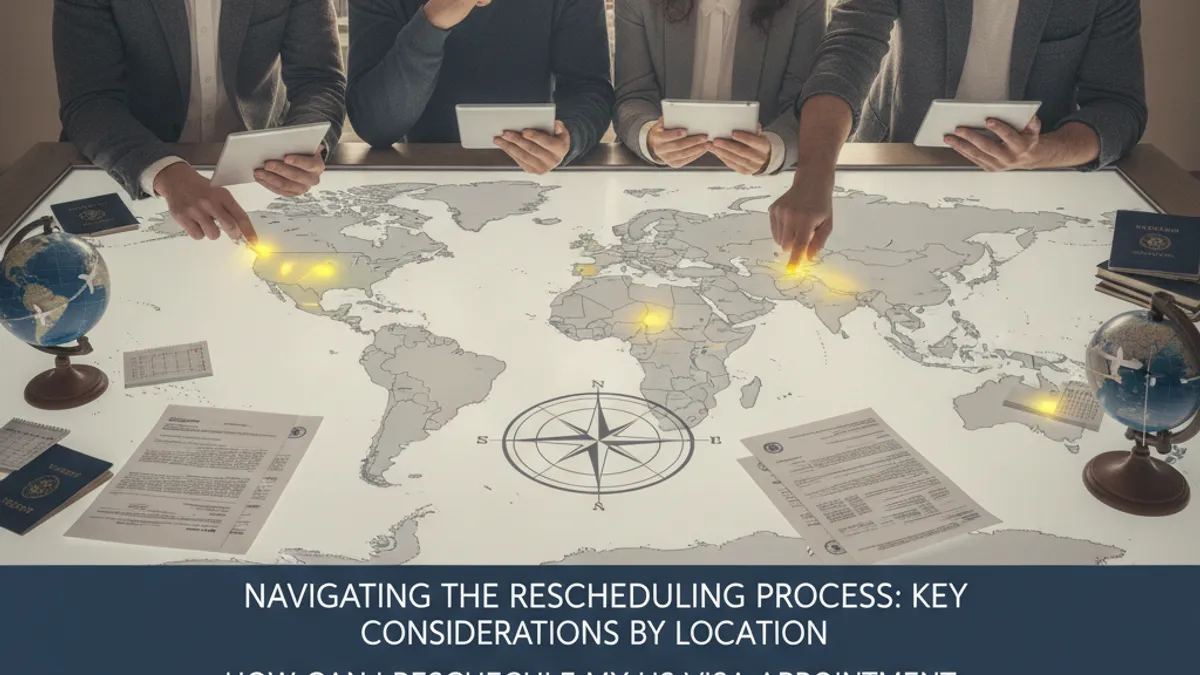
The actual mechanics of rescheduling your US visa interview appointment depend heavily on the US Embassy or Consulate where you submitted your application. Each location operates its own specific online system or follow-up procedures. Your first and most critical step is to identify the official website for the US Embassy or Consulate in the country you are applying from. This website is your primary source for accurate, up-to-date information regarding appointment management.
While the specific buttons and layout will differ, the underlying process generally involves accessing your applicant account. Most online visa application systems allow you to log in using credentials you created when initially booking your appointment. This portal is designed to let you manage various aspects of your application, including rescheduling.
Logging In and Finding the Reschedule Option
To begin the rescheduling process, you'll need to access the online portal where you initially booked your appointment. Think of it like logging into your online banking or a customer account; you use the same username and password you created when you first applied. This is usually done through the website of the US Embassy or Consulate handling your application.
Once logged in, you'll typically look for a section dedicated to managing your appointments. Common labels for this option include:
- "Reschedule Appointment"
- "Change Appointment Date"
- "Manage My Application"
- "My Appointments"
Be patient as you navigate the site. Sometimes this option is clearly displayed on your dashboard, while other times it might be nested under a broader "Applications" or "Profile" section. If you can't easily find it, a quick search on the embassy's visa services page for "reschedule" often yields precise instructions.
Understanding Appointment Availability and Restrictions
This is where things can get tricky, and it's crucial to pay close attention. Most systems will display available dates and times for new appointments, but you won't necessarily see immediate openings for your preferred slot. The availability you see is a direct reflection of the current demand and the resources at that specific embassy or consulate.
Moreover, there are often restrictions on rescheduling:
- Number of Reschedules: Some systems may limit how many times you can reschedule an appointment before requiring you to start a new application. For instance, the system might allow up to three reschedules.
- Time Restrictions: You might only be able to reschedule within a certain window before your original appointment. For example, you may need to reschedule at least 48 hours in advance, or within a specific number of days after your original date.
- Rescheduling Fees: While uncommon for standard rescheduling within the permitted parameters, some locations or specific situations might involve a fee. Always check the website for any associated costs.
Failing to adhere to these rules could mean forfeiting your appointment or needing to re-submit your entire application, including paying any fees again.
Selecting and Confirming Your New Appointment Date
After navigating the login, finding the reschedule option, and understanding any restrictions, you'll be presented with a calendar or list of available dates and times. This is your opportunity to pick a new slot that works for your schedule. It’s important to be realistic here; if an embassy is extremely busy, you might see available slots only a few weeks or even months out.
When you find a date and time that suits you, select it. The system will likely ask you to confirm your choice. Crucially, make sure you double-check the date and time before finalizing. A common mistake is confirming the wrong day, especially if time zones are a factor. After you confirm, you should receive a confirmation email or see a confirmation message on the screen. This confirmation is vital proof of your rescheduled appointment, so save it securely.
What If the Online System Isn't Working For You?
Occasionally, you might encounter technical glitches with the online portal, or perhaps the system simply doesn't offer the flexibility you need. In these instances, don't despair; there are alternative avenues to explore. The key is to remain persistent and utilize the official resources provided.
If you've thoroughly explored the applicant portal and are still stuck, your next best bet is to thoroughly review the official website of the specific US Embassy or Consulate where you have your appointment. These sites are mandated to provide clear instructions for visa applicants. Look for sections labeled "Visa Services," "Appointments," or "Frequently Asked Questions (FAQs)." These pages often contain detailed information about rescheduling procedures, including contact details for direct support.
Using Official Embassy/Consulate Contact Channels
If the online system proves uncooperative, or if you have specific, complex questions that aren't addressed on the website, reaching out directly to the embassy or consulate is the logical next step. Most US Embassies and Consulates provide dedicated contact information for visa-related inquiries. This can include a specific email address, a contact form on their website, or sometimes even a customer service phone number.
When you contact them, be prepared to provide all relevant details about your application, such as your case number, passport number, and the details of your original appointment. Clearly explain the situation you're facing and your need to reschedule. While they are often busy, using these official channels ensures you are interacting with the correct authority and getting accurate guidance tailored to your location. Be patient; responses can sometimes take a few business days, especially during peak times.
When to Consider an Emergency Appointment
In very specific circumstances, you might be eligible for an expedited or emergency US visa appointment. This is not a standard rescheduling option for simple convenience; it's typically reserved for situations that present an urgent humanitarian need or significant risk. Examples include life-or-death medical emergencies involving immediate family members or urgent travel for critical medical treatment.
To request an emergency appointment, you will almost always need to provide verifiable documentation to support your claim. This could be a letter from a hospital, a death certificate, or other official proof of the urgent situation. You will typically submit this request through the official visa application portal or via the embassy's designated emergency contact method. It’s important to note that approval is not guaranteed and is entirely at the discretion of the consular officer or embassy.
This route is for genuine emergencies, not for simply getting a faster appointment.
Crucial Mistakes to Avoid When Rescheduling
You're trying to do the right thing by rescheduling, but it’s easy to stumble if you’re not aware of potential pitfalls. The biggest mistake individuals make is simply not showing up for their original appointment. This "no-show" status is recorded and can significantly complicate future applications, making it much harder to secure a new interview slot or even leading to the cancellation of your existing application without recourse.
Another common error is relying on unofficial or third-party websites that promise expedited rescheduling. These services are often scams, or they may use methods that violate the application process rules, potentially harming your case. Always stick to the official US Embassy or Consulate website and their designated applicant portal. Ensure you understand any time limits or restrictions on rescheduling specific to your visa type and application country.
Missing these deadlines could mean you have to start the entire visa application process over again, from paying fees to submitting forms.
Some applicants also make the mistake of not reading the specific instructions provided by their local embassy or consulate diligently enough. These instructions are vital, as online systems and rules can differ greatly from one country to another. For example, one country might allow rescheduling up to 72 hours before the appointment, while another might have a shorter window. Always verify the exact policy for your location.
Finally, incorrect date or time selection during the rescheduling process is a surprisingly common oversight. After you find a new slot, take a moment to confirm the date and time, paying very close attention to the year and any AM/PM designation. If you're rescheduling across time zones, be extra careful. A simple typo or misreading could lead to another missed appointment.
Expert Tips for a Smooth Rescheduling Experience
To increase your chances of a hassle-free rescheduling experience, think proactively. If you know you can't make your original appointment, try to initiate the reschedule process as soon as possible. This maximizes your options for finding a new slot that fits your schedule rather than being forced into whatever remains late in the process. Don't wait until the last minute, as availability can be scarce, especially during peak travel seasons.
Consider checking the applicant portal regularly if your ideal dates aren't immediately available. People cancel and reschedule appointments all the time, opening up new slots. Some systems might even have a notification feature, though this is not universal. Keep a close eye on the website for any announcements regarding system updates or appointment availability changes.
If you encounter any specific issues that the online system cannot resolve, don't hesitate to utilize the official contact channels provided by your local US Embassy or Consulate.
When contacting them, be clear, concise, and polite. Have your application reference number, passport details, and original appointment confirmation readily available. Being organized will help them assist you more efficiently. Remember that response times can vary, so start this process well in advance of your original appointment if possible.
Some visa application centers do not charge a fee for rescheduling, but it's always prudent to check the official terms and conditions for your specific visa type and application country for any potential costs.
Keeping Your Application on Track: Next Steps After Rescheduling
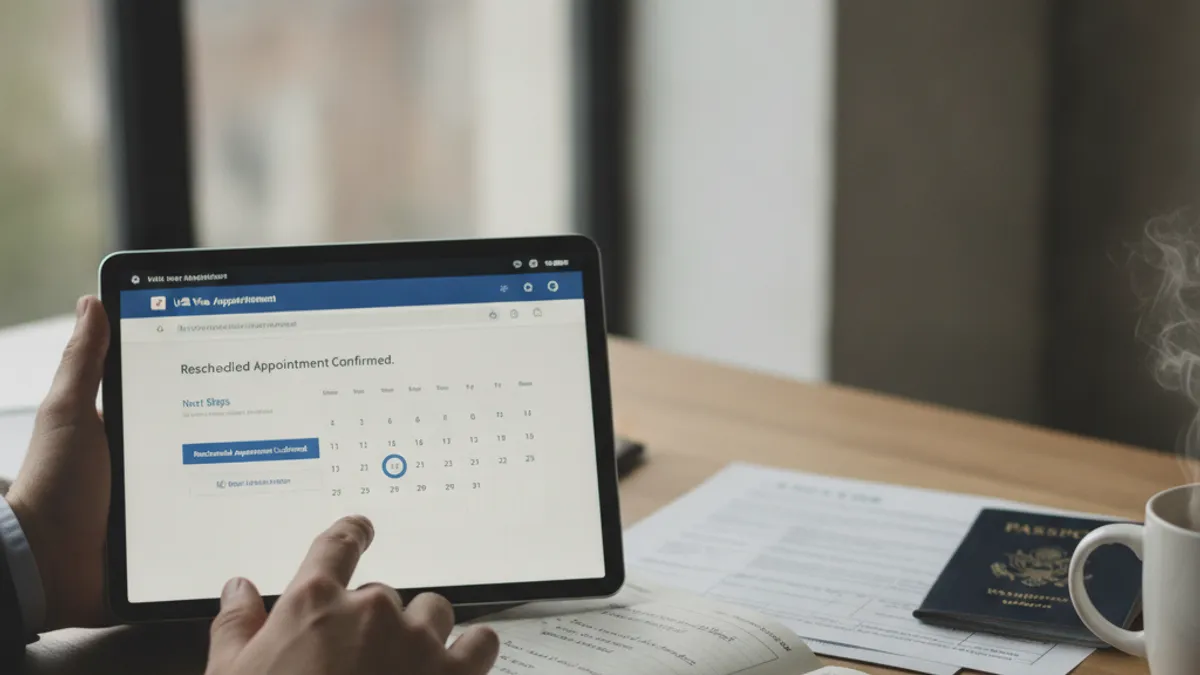
Successfully rescheduling your US visa appointment is a significant step, but it's not the final one. Once you have your new appointment date confirmed, the most important thing is to mark it clearly in your calendar and set multiple reminders. Treat this new appointment with the same importance as the original one, ensuring you don't have to go through this process again.
Before your new appointment, thoroughly review the requirements for your specific visa category. Pay close attention to any updates or changes in documentation that may have occurred since your initial booking. The U.S. Department of State may update its guidance periodically, so it’s wise to check the official website for the latest information regarding required documents, interview questions, and any health or safety protocols in place at the embassy or consulate.
Ensure you have all necessary documents prepared well in advance. This includes your passport, DS-160 confirmation page, appointment confirmation letter, and any supporting documents relevant to your visa type (e.g., proof of financial means, employment letters, invitation letters). It's often helpful to organize these in a clear folder or binder, making them easy to present during your interview. Arriving at the embassy or consulate a little early on your rescheduled date is also advisable; it allows time for security checks and to get oriented without feeling rushed.