
Thinking about a trip to Turkey? It's an amazing place, full of history, incredible food, and stunning views. But before you pack your bags, let's sort out the visa situation for us Canadians. It’s not as complicated as it might seem, but you do need to know the basics.
Thank you for reading this post, don't forget to subscribe!So, do Canadians need a visa for Turkey? For most short trips, the answer is a straightforward "yes, via an e-Visa," which is a digital visa you can get online. As of 2026, this remains the primary method for many visitors.
So, Do You Need a Visa? It Depends!
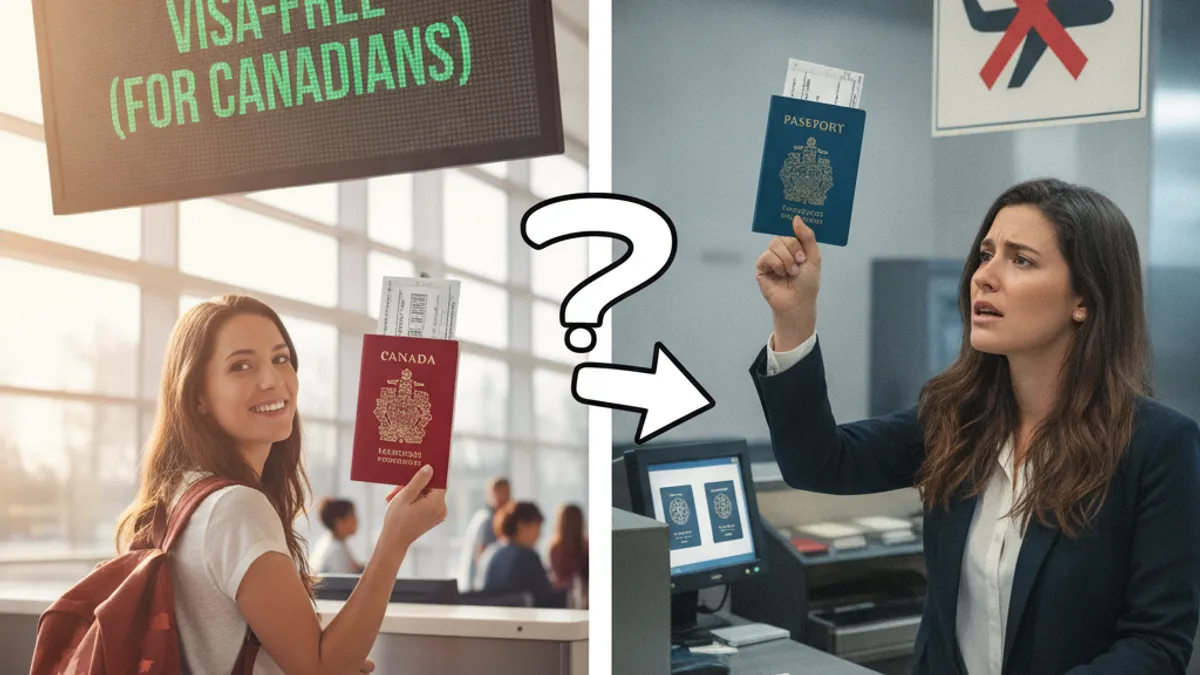
This is the big question, right? And the answer is… usually yes, but with some important exceptions and types of visas. It really comes down to why you're going and how long you plan to stay. If you're a Canadian citizen planning a trip, understanding these variables is key to a smooth entry.
If your visit is solely for tourism or to attend short business meetings, you’ll likely qualify for an e-Visa. This digital travel authorization streamlines the entry process considerably and is accessible through official government channels. The key here is that it's for non-immigrant purposes.
What happens if your plans extend beyond typical tourism or infrequent business gatherings? For instance, if you intend to undertake employment, enroll in academic programs, or reside in Turkey for an extended period exceeding the e-Visa allowance, a different application pathway opens up. This typically involves seeking a specific type of visa directly from Turkish diplomatic missions in Canada.
For Tourism or Short Business Trips: The E-Visa is Your Friend

If you’re a Canadian citizen heading to Turkey for a vacation or a short business meeting, the easiest route is often the e-Visa. It’s super convenient and you can usually get it online. This digital permit streamlines the entry process, especially for common tourist and business activities.
E-Visa: Who It's Right For
The e-Visa system is designed primarily for travelers coming to Turkey for tourism or to attend business meetings, conferences, or training sessions. It’s essentially a digital permit that signifies you’ve met the basic entry requirements for these specific purposes.
If your travel plans include any form of employment, paid work, or formal study in Turkey, this e-Visa is not the correct document. Those activities require a different type of visa, which involves a more thorough application process. It's crucial to align your visa type with your actual intentions for visiting the country to avoid any issues upon arrival.
E-Visa: How Long Can You Stay?
With an e-Visa, Canadian citizens are permitted to stay in Turkey for a maximum of 90 days within any 180-day period. This is a crucial detail, it’s not simply 90 days in a row, but a rolling window.
This means that across any six-month span, your total days spent in Turkey cannot exceed 90. For example, if you visit for 30 days in January, then again for 30 days in March, you'll have 60 days accounted for within that 180-day period. This rule is common across many international travel authorizations and is designed to prevent long-term residency under a short-stay visa.
E-Visa: How Do You Get It?
Getting your e-Visa is a fairly straightforward online process, provided you use the official channels. You’ll navigate to the Turkish government’s dedicated e-Visa portal. It’s important to be vigilant and only use the official website to avoid fake sites that may overcharge or steal your information.
The application usually involves filling out an online form with your personal details, passport information, and travel dates. Once submitted and approved, you'll receive your e-Visa electronically, typically via email. You should then print this document for your records and to present if requested.
E-Visa: What Do You Need?
To successfully apply for and use your Turkish e-Visa, you’ll need a few key items. The most important is your valid Canadian passport. Manufacturer specifications for passports indicate that it must have at least six months of validity remaining from your intended date of entry into Turkey.
You'll also likely need to provide a copy of your flight itinerary, showing your confirmed return or onward journey. Additionally, a valid credit or debit card will be required to pay the e-Visa fee. Always have a digital or printed copy of your e-Visa with you when you travel.
What if You Plan to Stay Longer or Work?

If your visit to Turkey extends beyond the 90-day limit allowed by an e-Visa, or if your primary reason for traveling is to work or study, you’ll need to follow a different application process. The e-Visa is strictly for short-term visits and does not permit you to engage in gainful employment or pursue academic degrees.
For these extended stays or work-related purposes, your application must be submitted through the official Turkish Embassy or Consulate located in Canada. This route is more formal and typically requires a greater depth of documentation than the e-Visa.
You will likely need to provide extensive supporting documents tailored to your specific visa category. This could include a formal letter of invitation from a Turkish employer, admission documentation from an educational institution, proof of sufficient financial resources to support yourself during your stay, and potentially other specific permits or certificates required by Turkish immigration authorities.
It is highly recommended to begin this application process well in advance of your planned departure date. Processing times for these types of visas can vary significantly and often take several weeks or even months to complete, depending on the specific visa type and the volume of applications being processed. Missing deadlines or misunderstanding requirements can lead to significant delays or denial of your request.
Transit Through Turkey

Navigating transit through Turkey requires a clear understanding of whether you'll actually enter the country or simply remain in the international transit zone of an airport. The rules differ based on this distinction and the length of your layover.
If your travel involves simply changing planes within the same airport and you do not need to pass through immigration to reach your connecting flight, you typically will not require a visa. Your stay is confined to the sterile international transit area. As of 2026, this remains the standard procedure for passengers with connecting flights.
However, if your itinerary dictates that you must leave the international transit area, for example, if you have separate tickets for different airlines and need to collect and re-check your luggage, or if you have a very long layover and plan to exit the airport, then you will likely need to meet entry requirements. In such cases, a visa or an approved e-Visa might be necessary, depending on the duration and purpose of your brief stay outside the transit zone. It's always best to verify this with your airline or the Turkish immigration authorities before booking.