
Planning a trip to Brazil is exciting, but figuring out the entry requirements can be a headache. You're probably wondering, "do Americans need a visa for Brazil?" The good news is, for most tourist trips, the answer is often no, thanks to a special agreement. However, the specifics of your travel can change everything, so it's vital to get this right before you book your flights.
Thank you for reading this post, don't forget to subscribe!This guide cuts through the confusion and lays out exactly what you need to know. Our research indicates that U.S. citizens can generally enter Brazil for tourism or business for up to 90 days without a visa, within a 180-day period. But always double-check, as policies can shift, and specific travel purposes might require a visa application filed well in advance.
Understanding Brazil's Entry Rules for U.S. Citizens
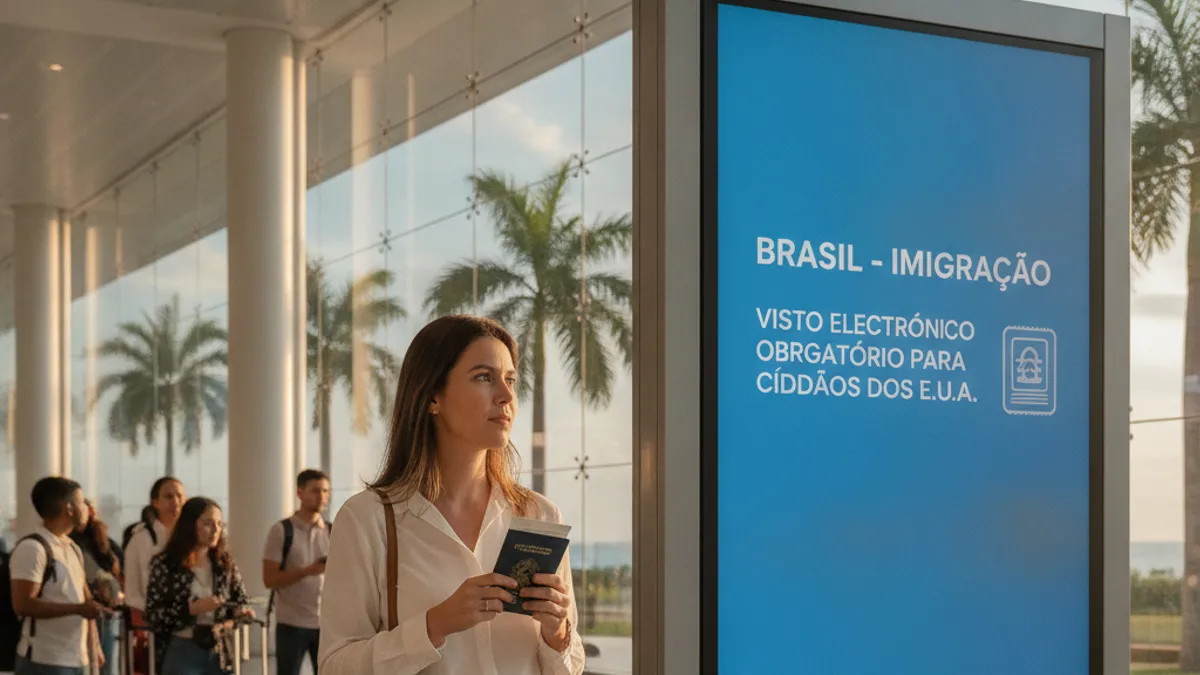
Brazil's approach to visas for U.S. citizens is based on reciprocity. This means the rules often mirror what Brazilians face when traveling to the United States. For American tourists and many business travelers, this often translates to visa-free entry for shorter stays. Verified information confirms the core agreement allows stays of up to 90 days within any 180-day period for non-immigrant purposes.
This period can often be extended for another 90 days while you are in Brazil, provided you apply for the extension before your initial stay expires.
It's crucial to understand that "visa-free" doesn't mean "no requirements." When you arrive at a Brazilian port of entry, immigration officials will want to see that your passport is valid for at least six months from the date you enter the country. They may also ask for proof of onward or return travel, essentially evidence that you plan to leave Brazil within the allowed timeframe. Failure to meet these basic entry requirements, even if you don't need a formal visa, can lead to being denied entry.
When Do You Not Need a Visa for Brazil?
For many U.S. travelers, the most common scenario involves visiting Brazil for leisure. If your primary purpose is tourism, vacationing, visiting family or friends, or engaging in short-term business activities like attending meetings or conferences (but not working for a Brazilian company), you often don't need to apply for a visa beforehand. This visa-free entry applies for stays of up to 90 days within any given 180-day period. This arrangement significantly simplifies travel for short getaways and business trips.
Aggregation of data from official travel advisories and Brazilian consulate notices confirms this general exemption. The key here is that your intent must be non-immigrant. If you plan to work, study, or reside in Brazil for an extended period, the visa-free option simply won't apply, and you'll need to go through the official visa application process. It’s smart to mark your calendar with your entry date, as tracking your 180-day window is essential for remaining compliant.
When Do You Need a Visa for Brazil?
There are several situations where U.S. citizens will need to obtain a visa before traveling to Brazil. The most common reason is if your intended stay exceeds the 90-day visa-free limit. If you plan to be in Brazil for longer than three months (which can be extended another 90 days), you must apply for the appropriate visa. This often includes individuals planning for extended cultural immersion, long-term family visits, or specific volunteer work that falls outside short-term tourist parameters.
Another significant category requiring a visa involves working in Brazil. If you intend to take up employment with a Brazilian company, receive payment from a Brazilian source for services rendered there, or engage in activities that are considered work even if unpaid, you absolutely need to secure a work visa. Similarly, students planning to enroll in Brazilian educational institutions must obtain a student visa. For these longer-term or work-related stays, the application process must be initiated well before your travel date.
Key Factors Deciding Your Visa Needs

The most critical factors that determine whether you need a visa for Brazil boil down to two main elements: your trip's purpose and how long you plan to stay. Brazil's immigration policy is designed to accommodate short-term visitors easily while ensuring that longer-term or work-related stays are properly regulated. Understanding these two variables is fundamental to an uncomplicated travel experience.
If you're just looking for a vacation to explore the Amazon, relax on Copacabana beach, or visit the Iguaçu Falls, the visa-free entry likely covers you. However, if your plans involve enrolling in a university, taking a job, or staying for an extended period to volunteer, you'll need to follow the formal visa application procedures. It's not about if you're an American citizen, but rather what you intend to do and for how long once you arrive in Brazil.
Trip Purpose: Tourism vs. Other Reasons
For U.S. citizens, the distinction between tourism and other intents is paramount when determining visa requirements. If your visit is purely for pleasure, sightseeing, or visiting friends and family located in Brazil, you can generally enter without a visa for up to 90 days within a 180-day period. This category is broad and captures the vast majority of American travelers. The Brazilian government wants to encourage tourism and cultural exchange.
However, if your objective crosses into professional activities, even if unpaid, or formal education, a visa is typically mandatory. This includes individuals coming to Brazil to participate in scientific research, engage in artistic or athletic performances (unless very short-term and without remuneration), or undertake an internship. The visa needed will vary based on the specific activity, such as a Temporary Visa (VITEM) for work or study. It’s always best to confirm the exact classification of your travel purpose with the relevant Brazilian consulate.
Duration of Your Stay: The 90-Day Rule
The 90-day limit is the cornerstone of Brazil's visa-free policy for U.S. citizens and many other nationalities. This means that within any consecutive 180-day period, you can spend a total of up to 90 days in Brazil without needing a visa for tourism or short-term business. This is often referred to as the "90/180 rule." This allows for flexible travel planning, such as taking multiple shorter trips throughout the year, as long as the total time doesn't exceed 90 days within any 180-day span.
For example, if you enter Brazil on January 1st, you can stay until March 31st (approximately 90 days). Then, you must depart and cannot re-enter Brazil visa-free until 180 days have passed from your initial entry date (around June 29th), or until your accumulated stay in the preceding 180 days drops below 90 days. Many travelers also have the option to extend their initial 90-day stay for an additional 90 days, but this requires proactive application with the Federal Police in Brazil before the first 90 days expire, and it's not guaranteed.
Navigating Brazilian Immigration

Once you're approaching your travel date, it’s time to think about what happens when you land. Brazilian immigration procedures are designed to be straightforward for those who meet the entry criteria, but being prepared is key. Understanding what documents you’ll need and what the immigration officers are looking for will make your arrival process much smoother. This is where your passport and proof of onward travel become essential.
When you step off the plane, you'll head to the immigration counter. The officer's main goal is to verify your identity, ensure you have the right to enter Brazil, and confirm that you intend to leave as planned. Having all your documentation in order, as outlined by Brazilian law starting as of 2026, significantly speeds up this process and minimizes any potential issues. It’s always better to have a little extra documentation than not enough.
Passport Requirements: Validity is Key
Your U.S. passport is your most critical document for international travel, and Brazil has specific requirements for its validity. For entry into Brazil, your passport must be valid for at least six months from the date you plan to enter the country. This is a standard requirement for many countries, and it ensures that your passport remains valid for the duration of your intended stay and provides a buffer period should your travel plans change unexpectedly.
If your passport expires less than six months after your arrival date, you will likely be denied boarding by the airline or even denied entry upon arrival in Brazil. Therefore, before booking any flights or making travel arrangements, it’s highly recommended to check your passport’s expiration date. If it’s close to expiring, you should begin the process of renewing it immediately. The U.S.
Department of State advises renewing passports at least nine months before expiration to allow ample time for processing.
Proof of Onward Travel & Financial Support
Brazilian immigration officials may ask you to present proof that you have a plan to leave the country. This is typically demonstrated by showing a return airline ticket or an onward ticket to another destination. This requirement serves as confirmation that you are a temporary visitor and do not intend to overstay your visa-free period or immigrate illegally. Some airlines might even check for this proof before allowing you to board your flight from the U.S. to Brazil.
In some cases, though less commonly asked for than passport and return tickets, immigration officers can also request proof of sufficient funds. This is to ensure that you have the financial means to support yourself during your stay in Brazil without becoming a burden on the state. Examples of such proof could include bank statements or credit card statements. While not always requested, being prepared for this possibility can prevent potential complications at the border.
When to Start Your Visa Application

If your travel plans fall into categories requiring a visa, timeliness is your absolute best friend. Procrastinating can lead to missed flights and major disappointment. Brazilian consulates, like most official bodies, have processing times that can vary significantly depending on current demand and the specific consulate's workload. It's generally recommended to begin the visa application process at least 60 to 90 days before your intended departure date.
For instance, if you're planning a trip for early December, you should ideally start looking into visa requirements and gathering documents by mid-September or even early August. This allows ample time for completing the online application, booking appointments if necessary, submitting your passport and supporting documents, waiting for processing, and receiving your visa back. Rushing this process often leads to errors that can cause delays or outright rejection.
Steps for a Brazil Visa Application
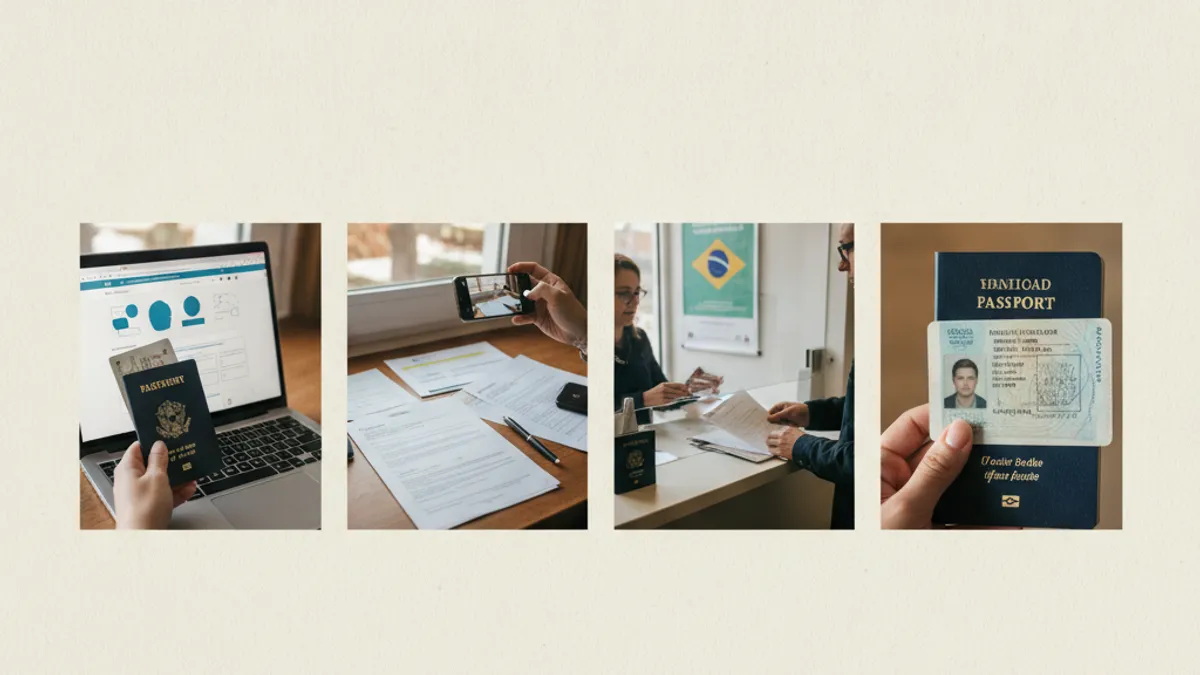
Applying for a Brazil visa involves a structured, multi-step process that requires attention to detail. First, you’ll need to identify the correct Brazilian Consulate that serves your U.S. state of residence. Next, you must complete the official online visa application form, which is available through the Brazilian government's Ministry of Foreign Affairs portal. This form requires accurate personal information, travel details, and answers to specific questions about your background and intentions in Brazil.
After submitting the online application, you’ll usually receive a protocol number and instructions on how to proceed. This often includes scheduling an appointment at the consulate or authorized visa application center, paying the required visa fee, and gathering all necessary supporting documents. The exact procedure can vary slightly by consulate, so it's imperative to follow their specific guidelines meticulously. A common mistake is not checking the consulate’s individual website for any unique requirements they might have.
Essential Documents for Your Visa

Gathering the correct documentation is arguably the most critical phase of the Brazil visa application process. Even a small oversight can result in delays or a rejected application. The exact list of required documents can differ based on the type of visa you are applying for (e.g., tourist, business, student, work), but there are several standard items universally needed. Ensuring all these are ready and correctly formatted will streamline your application considerably.
The foundational documents usually include:
- Your U.S. Passport: It must be valid for at least six months beyond your intended stay and have at least two blank pages for visa stamps.
- Visa Application Form Receipt: The printed confirmation page from your completed online application form.
- Passport-Sized Photographs: Typically one or two recent, color photos meeting specific Brazilian visa photo specifications (e.g., white background, specific dimensions).
- Evidence of Financial Means: Bank statements or pay stubs demonstrating you can support yourself during your stay in Brazil.
- Proof of Accommodation: Hotel reservations or a letter of invitation from a host in Brazil.
- Flight Itinerary: Round-trip flight reservations showing your entry and exit dates from Brazil.
Depending on the visa type, you might also need a criminal background check, a letter from your employer explaining the purpose of your business trip, or an acceptance letter from a Brazilian educational institution. Always check the specific requirements from the consulate handling your application.
Common Pitfalls and How to Avoid Them

Many travelers encounter similar issues when navigating Brazil's entry requirements, often stemming from a lack of detailed planning or misunderstanding the nuances of the regulations. One of the most common problems is attempting to stay longer than permitted under the visa-free agreement. U.S. citizens are granted 90 days within a 180-day period, and extensions are possible but require specific steps and approval. Overstaying this period can lead to fines, future entry bans, and significant immigration complications.
Another frequent error is misunderstanding the difference between short-term business visits that are visa-exempt and activities that constitute work, requiring a specific work visa. Attending a conference or a business meeting is usually fine visa-free, but if you are performing duties that would normally be done by a local employee, you will likely need a work visa. Getting this wrong can lead to immediate penalties. Always research the specific category your travel falls into before you depart.
Overstaying Your Visa-Free Period
Overstaying your allowed visa-free period in Brazil is a serious immigration violation with substantial consequences. When your 90-day visa-free entry expires, you must leave Brazil. If you wish to stay longer, you must apply for an extension from the Federal Police in Brazil before your initial 90 days are up. Simply leaving the country and immediately re-entering on a new 90-day term within the same 180-day window is not permitted under the reciprocal agreement and will likely result in being denied re-entry.
The penalties for overstaying can include fines, deportation, and a ban from re-entering Brazil for a specified period. The exact fine amount can vary, but it's often calculated daily. For example, if you overstay by three days, you might face a specific fine. If you overstay by more than 30 days, you could be permanently banned from re-entry, although waivers can sometimes be obtained with significant justification.
It is critical to track your entry and exit dates carefully and to be aware of the 180-day rolling period.
Mistakes in Your Visa Application
When a visa is required, the application process itself can be a source of significant errors. One of the most common mistakes is providing incomplete or inaccurate information on the online application form. This includes typos in names, incorrect passport numbers, or vague answers to questions about your travel purpose or background. Any discrepancy between your application and your supporting documents can raise red flags with immigration officials.
Another frequent error is failing to provide all the required supporting documents or submitting them in the wrong format. For instance, visa photos might not meet the specified dimensions or background color, or bank statements might not clearly show sufficient funds. Some applicants also forget to include the printed receipt from their online application or fail to schedule a required appointment. Always carefully read all instructions provided by the Brazilian Consulate or Embassy, as even small details matter.