
When you're planning a trip to the Schengen Area, figuring out the visa process can feel like a puzzle. Many people immediately wonder: can I apply for Schengen visa online? It's a compelling idea, promising to save trips to embassies and speed things up.
Thank you for reading this post, don't forget to subscribe!The truth is, while the process has become more digital, a fully online application, from start to finish without any in-person steps, isn't the standard for most across the Schengen zone. Your nationality and the specific country you're applying through will determine just how "online" your experience can be.
Understanding Online Schengen Visa Applications
Applying for a Schengen visa has historically involved a fair bit of paperwork and in-person visits. As technology advances, many consulates and their authorized Visa Application Centers (VACs) have introduced online components to streamline the process. However, what this "online" application entails can vary significantly from one country to another. It's crucial to understand what these digital tools actually cover and where the physical aspects of the application still come into play.
Quick Answer: Can I Apply for My Schengen Visa Entirely Online?
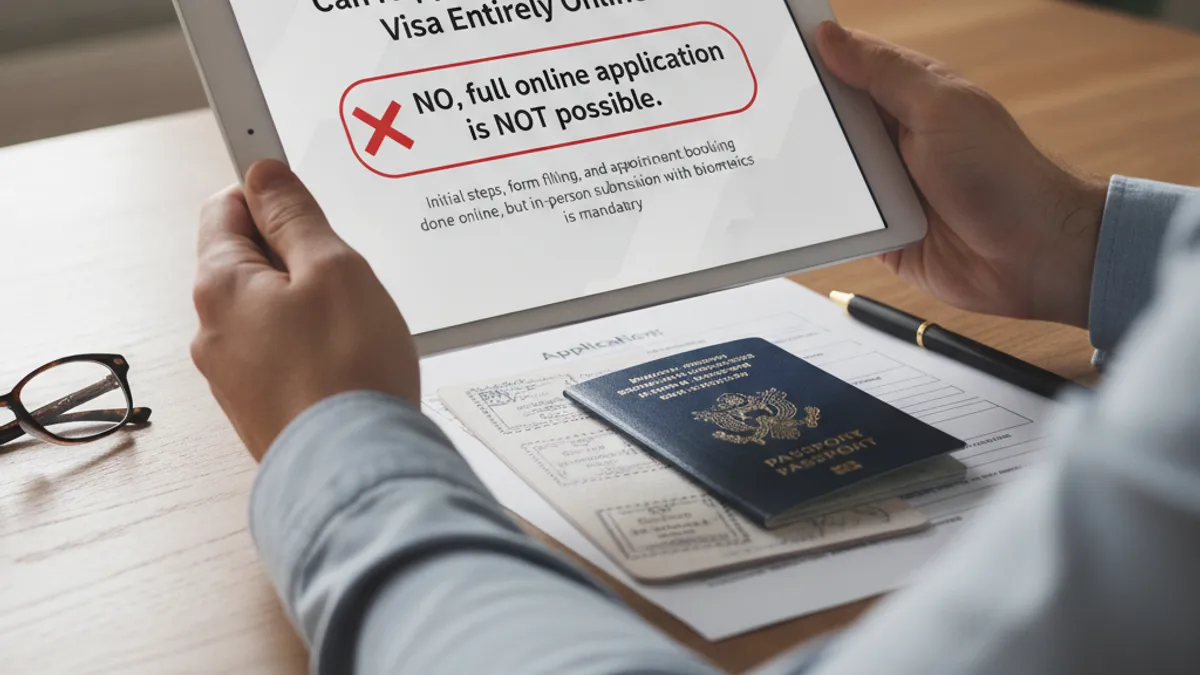
No, for most people, you cannot complete the entire Schengen visa application process online from start to finish. While many steps, like filling out the application form, booking appointments, and tracking your application, are now done digitally, you will almost certainly still need to attend an in-person appointment to submit your physical documents and provide your biometrics (fingerprints and photograph).
Is a Fully Online Schengen Visa Application Possible? The Reality Check

The dream of uploading all your documents from your couch and receiving a visa without leaving home isn't quite a reality for the Schengen Area yet. Authorities require in-person verification of documents and collection of biometric data for security reasons. This means that even with the most advanced online portals, a visit to a consulate or a designated Visa Application Center (VAC) is usually a non-negotiable step in the process.
Why "Online" Isn't One-Size-Fits-All for Schengen Visas
The Schengen Area comprises 27 member states, each with its own immigration policies and procedures, including how they manage visa applications. This leads to significant variation in how much of the application process can be conducted online. Some countries' embassies or consulates have robust online application systems, while others may only offer online appointment booking.
The Role of Your Nationality in Online Application Options

Your nationality is one of the biggest determining factors in whether you need a visa in the first place and, if so, how you'll apply. Citizens of many countries have visa-free access to the Schengen Area for short stays (typically up to 90 days within any 180-day period). For those who do require a visa, the countries that have bilateral agreements or specific visa facilitation processes might offer more streamlined digital application options. However, for many nationalities, the standard application involving physical submissions remains the primary route.
How to Find the Right Online Application Process for Your Schengen Visa
To determine what your "online" application will look like, you must go directly to the official source. The procedure centers around the specific Schengen country that is your main destination or your first point of entry.
Embassy vs. Visa Application Center (VAC) Online Tools
When you need a Schengen visa, your application will be handled by the embassy or consulate of the country that represents your main destination. If you're visiting multiple Schengen countries and can't identify a main destination, you'll apply through the country you will enter first. These official bodies, and sometimes third-party companies they partner with, offer various online services.
- Embassy/Consulate Websites: These are your primary starting point. They detail the application requirements, provide links to download the official Schengen visa application form, and usually direct you to their authorized online appointment booking system or a designated VAC.
- Visa Application Centers (VACs): Companies like VFS Global or TLScontact act as intermediaries. They manage the logistical aspects of visa applications on behalf of many consulates. Their websites are typically where you'll find portals for:
- Submitting the initial application form digitally.
- Scheduling your mandatory in-person appointment.
- Uploading supporting documents prior to your appointment.
- Tracking the status of your submitted application.
It's crucial to use only the official websites for embassies, consulates, and their designated VACs to avoid scams or incorrect information. Always look for the .gov or official domain names associated with the country's diplomatic mission.
STEP-BY-STEP: Navigating the Digital Schengen Visa Application Workflow
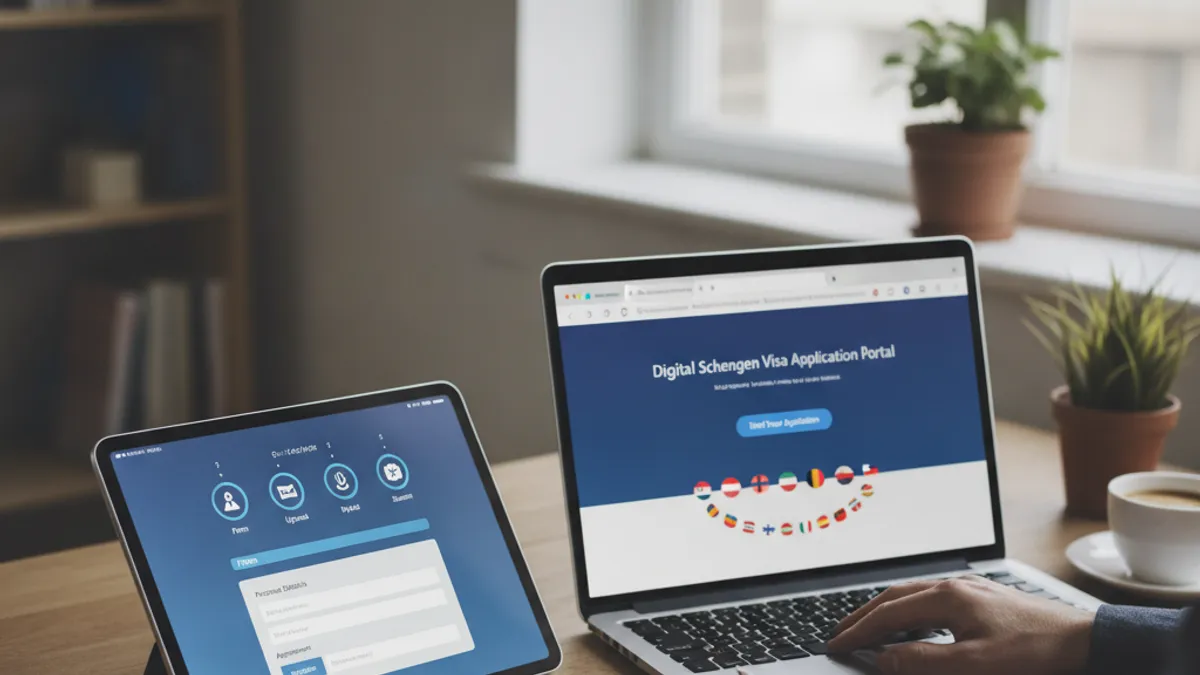
Applying for a Schengen visa, even with online components, follows a specific sequence. Understanding these steps ensures you don't miss anything crucial. The process generally begins well before you even think about booking an appointment.
1. Filling Out the Online Application Form
This is where most of your "online" engagement will happen initially. You’ll download the official Schengen visa application form, usually a PDF, from the embassy or consulate's website, or you’ll be directed to an online portal. This form requires detailed personal information, travel plans, including flight and accommodation details, employment history, and financial information. Accuracy is paramount; any discrepancies can lead to your application being flagged or rejected.
2. Booking Your Visa Appointment Online
Once your form is complete and you've gathered your supporting documents, the next crucial step is scheduling your in-person appointment. You'll typically do this through the online portal of the embassy, consulate, or their designated VAC. Appointment slots can fill up quickly, especially during peak travel seasons, so it’s advisable to book as early as possible, ideally at least one to three months before your intended travel date. Some VACs allow you to upload documents at this stage to expedite the process on your appointment day.
3. Uploading Supporting Documents Online (If Applicable)
Some visa application centers offer the feature to upload supporting documents digitally before your appointment. This isn't a universal offering, so check the specific requirements for your chosen VAC. If available, this can be incredibly convenient, allowing you to scan and upload items like your passport copies, proof of accommodation, flight itineraries, and financial statements. This also means you'll spend less time handling physical papers during your appointment.
4. Tracking Your Visa Application Status Online
After submitting your application and your biometrics, you'll often be provided with a tracking number or a reference code. This allows you to monitor the progress of your application through the online portal of the embassy or VAC. You can typically see if your application has moved from "received" to "under processing" or "decision made." This feature offers peace of mind and allows you to anticipate when your passport might be ready for collection.
What "Online" Features You Can Actually Expect
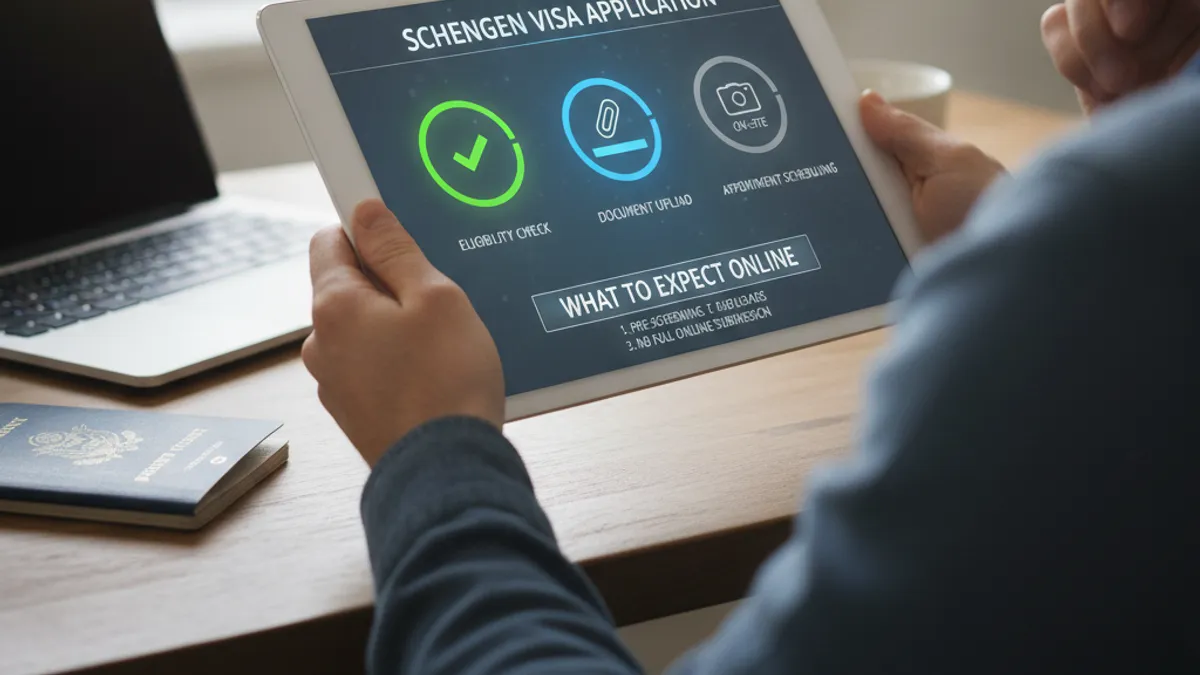
The term "online application" for a Schengen visa typically encompasses several digital functionalities, but not a completely virtual process. You can expect to find and fill out the official Schengen visa application form digitally, whether it's a downloadable PDF or an interactive online form on an embassy or VAC portal. Booking your appointment is almost always done through an online scheduling system.
Many applicants also benefit from being able to upload scanned copies of supporting documents before their scheduled appointment. This is a significant time saver and helps ensure you have all necessary paperwork in order. Finally, tracking the status of your application online is a common feature, providing transparency from submission to decision.
Common Mistakes When Applying for Your Schengen Visa Online
A frequent mistake is believing the entire application can be completed without an in-person visit. Applicants might fill out online forms only to discover they still need to schedule an appointment for biometrics (fingerprints and photo) and document submission. Another pitfall is using unofficial websites for booking or form submission, which can, as of 2026, lead to financial loss or identity theft.
Incorrectly stating your main destination country on the online form is a critical error. This dictates which consulate is responsible for your application. Forgetting to include required supporting documents, even if the initial submission is online, is also a common way applications get delayed or rejected. Always double-check the required document list specific to your nationality and destination.
When You Still Need to Visit in Person: Biometrics and More

The most critical reason you'll still need a physical visit is for the collection of your biometric data. This includes your fingerprints and a digital photograph. This is a mandatory step for most Schengen visa applicants, as it's part of international security protocols and helps prevent identity fraud. The data collected is typically valid for 59 months, meaning if you've applied for a Schengen visa in the past five years and provided biometrics, you might be exempt from providing them again.
Beyond biometrics, you'll need to submit original documents that might not be easily digitized or are required in their physical form by the consulate. This includes your passport, proof of accommodation, flight reservations, and travel insurance. Sometimes, interview requirements also necessitate an in-person meeting with a consular officer.
Your Decision Guide: Which Application Path is Best for You?

Choosing the right application path depends heavily on your specific circumstances. If you're applying for short-stay tourism and your nationality qualifies for visa-free travel, then no visa application is needed, online or otherwise. For those who do need a visa, the decision isn't about choosing between "online" or "in-person" in a binary way, but rather understanding the digital tools available within the required in-person framework.
Consider the following scenarios:
- For Maximum Digital Convenience: If you want to complete as much of the paperwork as possible before your appointment, focus on consulates or VACs that offer online form filling, document upload, and clear online appointment booking. This is ideal for tech-savvy travelers who have their documents prepared well in advance.
- For Standard Application: If your country requires a standard Schengen visa and you're new to the process, simply follow the instructions on the embassy's website. They'll guide you through the necessary online steps (form, booking) and clearly list the documents you need for your physical appointment.
- For Expedited Information: If you’re unsure about eligibility or specific requirements, starting with the official embassy website is always the fastest way to get accurate, country-specific information that guides your online and in-person actions.
Key Entities to Know: Official Sources and Terms
Understanding a few key terms and knowing where to find authoritative information will make your Schengen visa application process much smoother. The Schengen Area itself refers to the zone comprising 27 European countries that have abolished passport and all other types of border control at their mutual borders. Your application will always be processed by the Embassy or Consulate of the country that is your primary destination.
Often, these official bodies outsource the logistical and administrative tasks to a Visa Application Center (VAC), such as VFS Global or TLScontact. These VACs provide online application portals for form submission and online appointment booking, which are critical digital tools. You also need to be aware of biometrics, the collection of fingerprints and a photograph, which is a required in-person step for most applicants. Always rely on these official sources for accurate guidance.