
Planning a trip to Vietnam from India? That's exciting! Vietnam is such a beautiful country, from the bustling streets of Hanoi to the serene beaches of Phu Quoc. But before you pack your bags and book that flight, let's talk about the most important thing: visas.
Thank you for reading this post, don't forget to subscribe!It can be a bit confusing sometimes, so I'm here to break it down for you in a way that makes sense.
We'll walk through the key things you need to consider, and by the end, you'll know exactly what you need to do.
Is a Visa Mandatory for Indian Nationals Visiting Vietnam?

For Indian citizens, the answer to whether a visa is mandatory for Vietnam isn't a simple yes or no; it depends on the length of your intended stay and your reason for visiting. As of 2026, Vietnam offers a short visa exemption for Indian passport holders, allowing entry for tourist purposes for up to 15 days. However, if your trip exceeds this duration, or if you’re traveling for business, study, or any other non-tourist reason, obtaining a visa in advance is a requirement. Our research indicates that many travelers overlook the specific conditions of the exemption, leading to unexpected complications upon arrival.
Understanding Vietnam's Visa Policy for Indians: Key Factors

When looking into the requirements for entering Vietnam, two main factors truly dictate whether you'll need a visa as an Indian citizen: how long you plan to stay and what you intend to do there. Vietnam's immigration policy is structured around these variables, offering different pathways for entry. Understanding these distinctions is crucial to avoid any last-minute issues or denied boarding.
How Long Will You Stay?
The duration of your visit is the most significant factor determining your visa needs. Vietnam’s immigration laws clearly differentiate between short stays and longer ones for Indian nationals. If your travel plans keep your stay to 15 days or less, you might be eligible for a visa exemption. However, if your itinerary extends beyond this limit, even by a single day, you will almost certainly need to secure a visa before you arrive or through an approved on-arrival process.
This single data point, the number of days you intend to be in Vietnam, can save you a lot of planning hassle.
What's the Purpose of Your Visit?
Beyond the length of your stay, your reason for traveling to Vietnam is equally important in determining visa requirements for Indian citizens. Stated purposes for entry are categorized by the Vietnamese government, and each category may have different visa protocols. While tourists often benefit from specific exemptions and streamlined e-visa processes, individuals traveling for business, employment, or study will likely face different application procedures and potentially require different visa types. This distinction is critical, as misrepresenting your purpose of visit can lead to serious immigration penalties.
Visa Exemptions: When You Might NOT Need a Visa
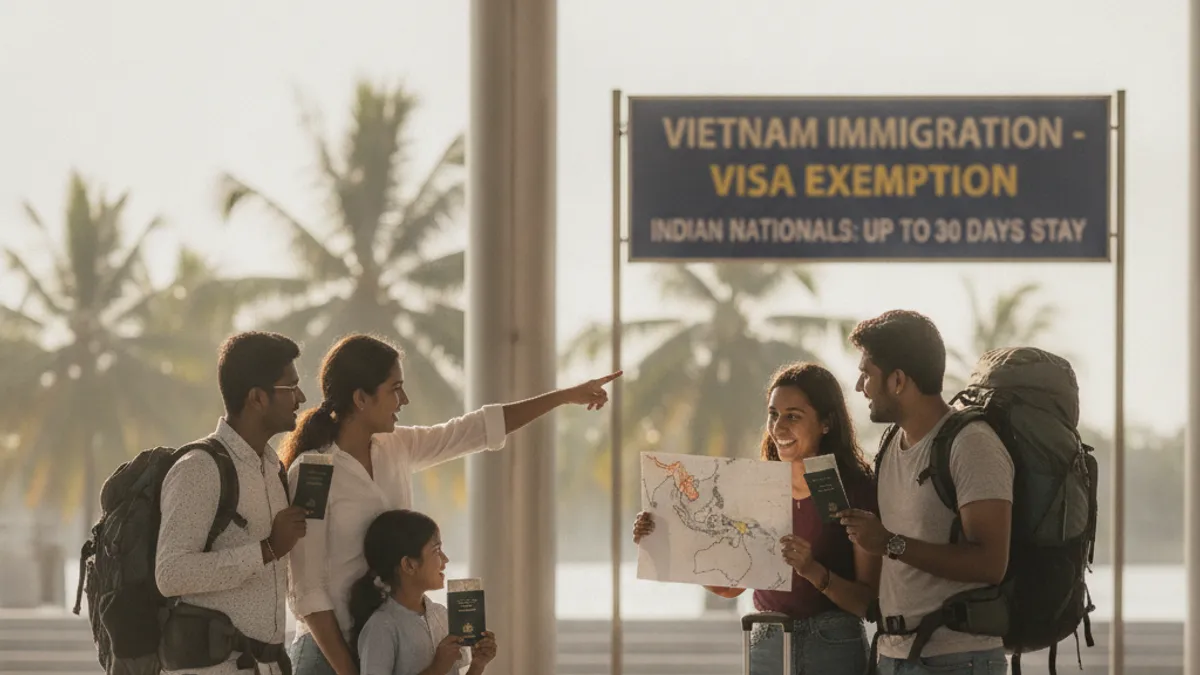
Good news for Indian travelers: Vietnam offers a short visa exemption that can allow you to visit without a pre-applied visa. This exemption is a fantastic option for quick trips, allowing many Indian passport holders to enter Vietnam for tourism purposes for a limited time. However, it comes with specific conditions, and it's vital to understand them thoroughly to ensure you qualify and can use this streamlined entry method.
Navigating the 15-Day Rule
The core of Vietnam's visa exemption for Indian citizens hinges on a hard limit: 15 days. This means if your entire visit, from the day you enter Vietnam to the day you depart, does not exceed 15 consecutive days, you typically do not need to apply for a visa beforehand. This rule is strictly enforced, and the count includes your arrival and departure dates. For example, arriving on the 1st of a month and departing on the 15th uses up your 15 days.
It’s a straightforward rule, but one that requires precise planning to stay within its bounds.
When You Will Need a Visa for Vietnam
If your plans involve staying in Vietnam for more than 15 days, or if your visit isn't solely for tourism, you'll definitely need a visa. Fortunately, Vietnam offers several straightforward visa options for Indian citizens, making it manageable even if you don't qualify for the short-stay exemption. These options are designed to cater to various travel needs, from short business trips to extended explorations of the country.
The E-Visa Route: Your Online Option
A highly recommended and convenient method for Indian citizens needing a visa for Vietnam is the electronic visa, or e-visa. This system allows you to apply for and receive your visa entirely online, saving you time and the need to visit an embassy or consulate. The typical e-visa for Vietnam is valid for single entry and generally allows stays of up to 30 days. The application process is generally user-friendly and can be completed from anywhere with internet access, making it a top choice for many travelers.
Visa on Arrival: What You Need to Know
Another option for Indian citizens traveling to Vietnam, particularly if they choose to use a third-party service to facilitate their entry, is the Visa on Arrival (VOA). It's important to understand that this isn't a visa you simply get upon landing without prior arrangement. Instead, you must first obtain an official approval letter from a Vietnamese immigration authority or an authorized agency before your trip. You then present this letter, along with your passport and other required documents, at a designated immigration counter upon arrival at a Vietnamese international airport to have your visa stamped into your passport.
This process is usually for a one-month duration and allows for single entry.
Applying Directly at the Embassy
For Indian citizens who require a visa with specific conditions, such as multiple entries, longer durations beyond what an e-visa or VOA offers, or if you prefer the traditional application route, applying directly at the Vietnamese embassy or consulate in India is always an option. This method can sometimes provide more flexibility for complex travel plans or specific visa categories not covered by the e-visa system. It generally involves submitting a physical application form, passport, photographs, and supporting documents directly to the diplomatic mission.
Essential Requirements for All Travelers (Recap and Clarification)
Regardless of whether you qualify for a visa exemption or need to apply for an e-visa or Visa on Arrival, there are baseline requirements that all Indian citizens must meet to enter Vietnam. These are standard across most international travel and are in place to ensure smooth processing for both you and immigration officials. Failing to meet these can result in being denied entry, even if you have a valid visa. Always double-check the latest requirements before you travel, as they can sometimes be updated.
Passport Validity: The Six-Month Rule Explained
Your passport is your primary travel document, and Vietnam's immigration authorities are very clear about its condition. For Indian passport holders, the rule is straightforward: your passport must be valid for at least six months from your intended date of entry into Vietnam. This isn't just about your passport not being expired; it's about having a buffer period. If your trip spans the end of your passport's validity, authorities assume you might overstay or have issues with your return journey.
Always cross-reference your departure date from Vietnam with your passport's expiry date; there should be at least six months between them.
Proof of Onward or Return Travel: What Counts?
This is a crucial requirement that many travelers underestimate. Vietnamese immigration wants to be assured that you intend to leave the country and not become an overstayer. Therefore, you need to demonstrate that you have onward or return travel arrangements. This usually means having a confirmed flight ticket from Vietnam back to India, or to another country if you're continuing your travels elsewhere.
A printout or a digital copy on your phone of this ticket is generally acceptable. If you're traveling overland to a neighboring country, a bus or train ticket might suffice, but flight confirmations are usually the most universally accepted form of proof.
Common Visa Mistakes to Avoid

When planning a trip to Vietnam, making a simple mistake with your visa application or understanding the rules can lead to significant problems. This could mean being denied entry, missing your flight, or facing unexpected delays and costs. Our research and analysis of traveler feedback highlight a few recurring pitfalls that Indian citizens should be particularly aware of to ensure a smooth journey. Being informed ahead of time is your best defense against these common errors.
- Overstaying the 15-Day Exemption: The most frequent mistake is miscalculating the 15-day visa exemption. Remember, it's 15 days inclusive of your arrival and departure dates. A day too long means you needed a visa.
- Incorrect Purpose of Visit: Applying for a tourist e-visa when your trip is actually for business or work is a serious error. Stating the wrong purpose can lead to visa cancellation and potential future entry bans.
- Passport Not Valid for 6 Months: Many travelers don't check their passport's expiry date rigorously. If it's less than six months from your entry date, you will likely be turned away.
- Not Having Onward Travel Proof: Forgetting to print or have readily available proof of your departure flight can cause delays or refusal at immigration.
- E-Visa Details Mismatch: Not double-checking the details on your e-visa (like your name spelling or passport number) before printing it. Any discrepancy can cause issues.
Next Steps: Which Visa Path Is Right for You?
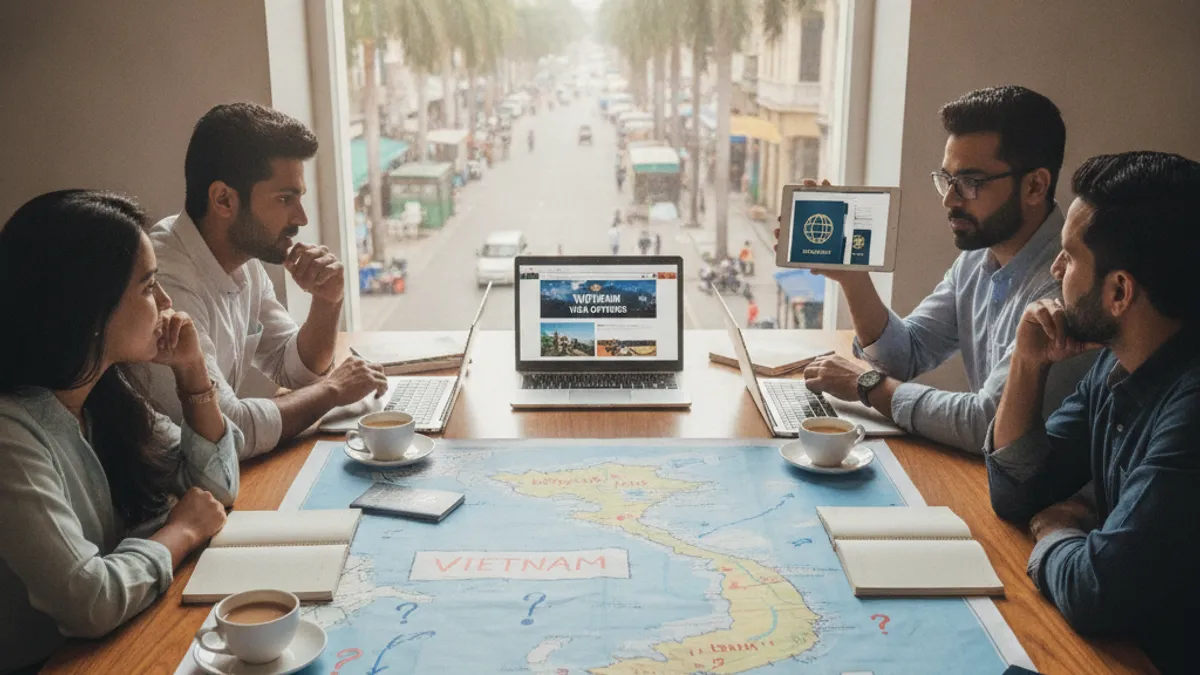
Now that we've walked through the different requirements and options, let's help you figure out the best visa strategy for your upcoming trip to Vietnam. The path you should take really depends on your specific travel plans. Think about your exact duration, the reason you're going, and how much planning time you have. This decision guide will help you pinpoint the most suitable route to ensure you have the correct documentation for a stress-free journey.
| Your Trip Details | Recommended Visa Option | Key Considerations |
|---|---|---|
| Duration: 15 days or less (Tourism) | Visa Exemption | Must be for tourism; passport valid for 6+ months; proof of onward/return travel required; typically only usable once every 30 days. |
| Duration: 16-30 days (Tourism) | E-Visa | Apply online. Typically single entry valid for 30 days. Ensure passport is valid for 6+ months. You'll need a digital photo and a scanned passport bio page. This is usually processed within 3-4 business days. |
| Duration: 16-30 days (Business) | E-Visa (if eligible) or Visa on Arrival (with Approval Letter) or Embassy Visa | Check e-visa eligibility for business purposes. If using VOA, secure an approval letter first from an agency. Embassy visa offers most flexibility for specific needs and official documentation. |
| Duration: Over 30 days (Any purpose) | Embassy Visa or Visa on Arrival (with Approval Letter) | E-visas are usually capped at 30 days. For stays longer than 30 days, an embassy visa is often required. VOA with a longer-duration approval letter is also possible. Consult the Embassy of Vietnam in India for detailed requirements for your specific length of stay. |
| Need Multiple Entries | Embassy Visa | E-visas and standard VOA are typically single-entry. If you plan to exit and re-enter Vietnam within your trip, you must apply for a multiple-entry visa through the Vietnamese embassy. |
| No Internet Access / Preference | Embassy Visa | If you prefer not to apply online or lack reliable internet access, applying directly at the Vietnamese embassy in India is the traditional and reliable method. This allows for direct consultation and submission of physical documents. |