
Are you wondering how can I check my visa status for Canada? It's a common and important step after you've submitted your application. Waiting for news about your immigration journey can be nerve-wracking, but thankfully, the Canadian government provides ways to keep you informed.
Thank you for reading this post, don't forget to subscribe!The key is knowing where to look and what information you'll need handy. Most updates are readily available through official channels, but it's crucial to use these directly to avoid misinformation. As of 2026, their systems remain consistent for checking your application progress.
Understanding Your Options for Checking Visa Status
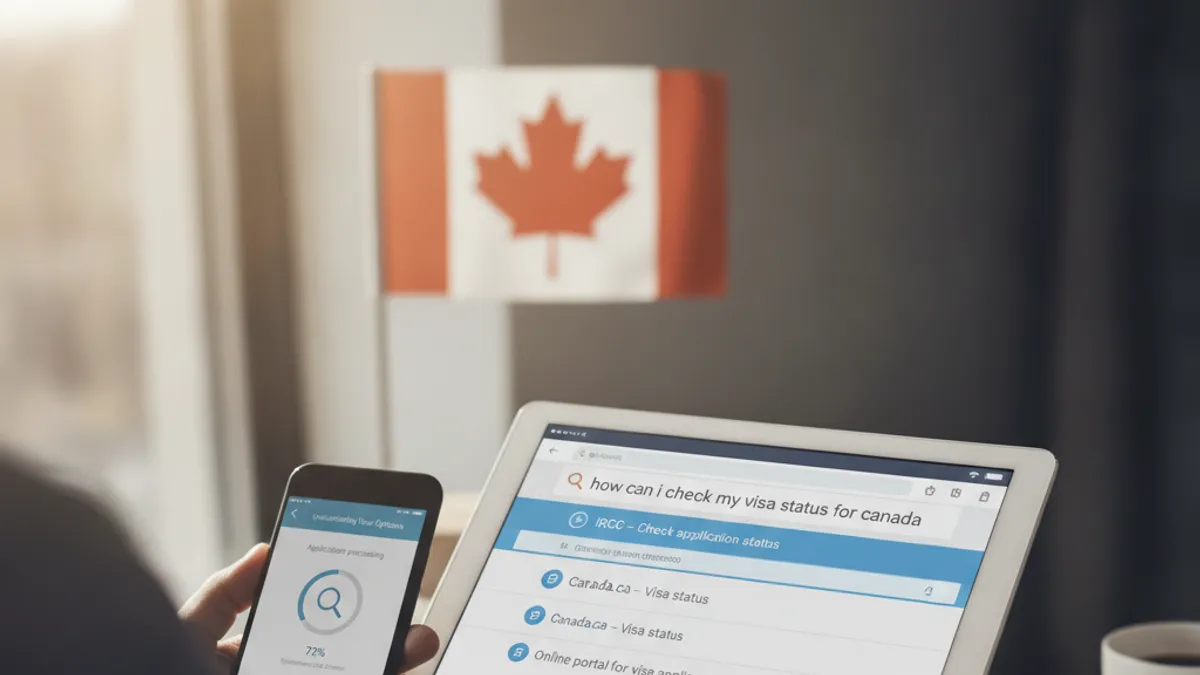
When it comes to tracking your Canadian visa application, you've got a few main avenues to explore. Think of these as your direct lines to the Immigration, Refugees and Citizenship Canada (IRCC) system. Each option is designed to give you clarity on where your application stands, preventing those anxious "what's happening?" moments. Your primary goal here is to get accurate, up-to-date information directly from the source.
This isn't about guessing or relying on unofficial advice; it's about following a clear process. The methods available are generally straightforward, especially if you applied online, which is how most people submit their applications these days. We'll break down each method so you know exactly which one suits your situation.
The IRCC Online Account: Your Main Hub
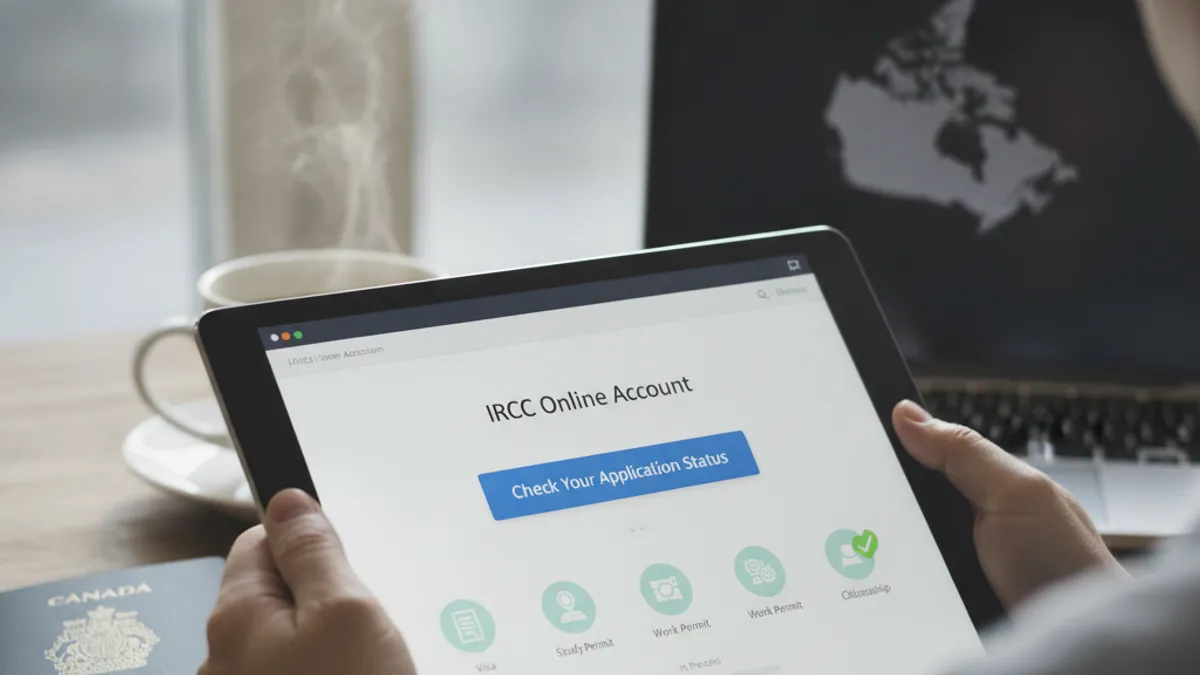
For anyone who applied through the official IRCC website, your secure online account is your definite go-to. This is where most of your application's lifecycle will be managed and where you'll receive key updates. It acts as your personal portal for all things related to your Canadian visa or immigration application.
Logging In and Finding Your Application
First things first, you'll need to log in to your IRCC Secure Account. If you don't have one yet and you applied online, you would have created one during the application submission process. This typically involves using an email address and a password you set up. Once logged in, you should see a dashboard listing your submitted applications.
Click on the specific application you want to check.
If you've forgotten your login details, there's usually a "Forgot Password" or "Forgot Username" link on the login page. Follow the prompts to recover your access. Be sure to keep your login credentials secure, as this account contains sensitive personal information.
What You'll See in Your Online Account
In your online account, you'll find a wealth of information, often presented in a clear, organized manner. This typically includes:
- Application Status: This is the most important part. It will tell you if your application is "in progress," "received," "awaiting a decision," or if a final decision has been made.
- Document Status: If you've uploaded documents, you can often see if they've been received and processed by IRCC.
- Communication History: Any messages or requests from IRCC will usually appear here. This is also where they might notify you about updates or ask for additional information.
- Biometrics Status: If your application requires biometrics (fingerprints and photo), you can sometimes see the status of this requirement here.
- Application Details: You can usually review the information you submitted with your original application.
This account is dynamic; as your application progresses, the information displayed will be updated by IRCC officers.
Using the IRCC Web Form for Inquiries
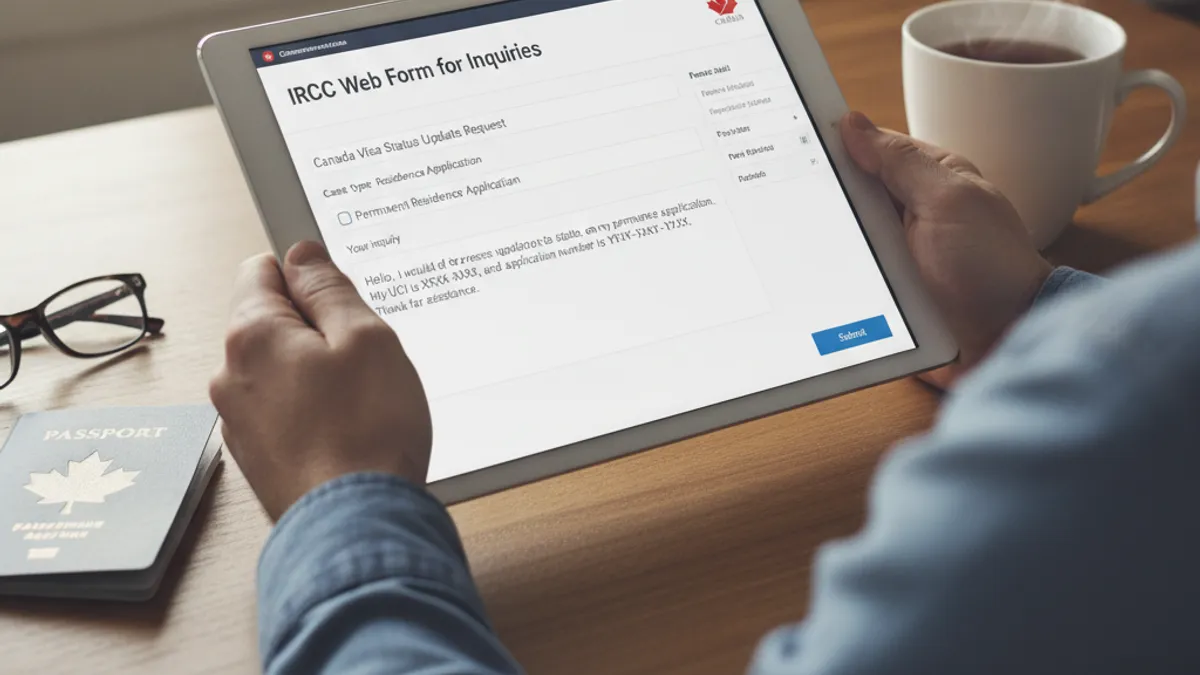
Sometimes, you might have a specific question that isn't immediately answered by your online account, or perhaps you applied on paper and don't have a fully functional online account yet. In these situations, the IRCC Web Form is your next best tool. Think of it as a way to directly ask a question to the processing center.
When to Use the Web Form
The Web Form is best suited for direct inquiries that go beyond simply checking a status that should already be visible in your secure account. You might use it if:
- You need clarification on a specific document request.
- You believe there's an error in the information displayed in your account.
- You haven't received a required update within a reasonable timeframe after the estimated processing time has passed.
- You need to add information that cannot be uploaded through your online portal.
It's important not to overload the Web Form with redundant questions. Stick to one clear, concise query per submission.
What Information to Provide
When you use the IRCC Web Form, accuracy and completeness are key. You'll need to provide specific details so IRCC can locate your application. This typically includes:
- Your Unique Application Number: This is a critical identifier, often a letter and number combination like 'W1234xxxxxx'. Have it ready before you start filling out the form.
- Your Client ID Number: If you have one.
- Your Full Name and Date of Birth: To verify your identity.
- Your Email Address: This is how they will respond to you.
- The Reason for Your Inquiry: Be specific and brief. For example, "Inquiry regarding processing time for family sponsorship application" or "Request for update on study permit application, reference number [your application number]."
IRCC aims to respond to Web Form inquiries within a certain timeframe, though this can vary based on workload.
What If You Applied on Paper?

While most applications are now submitted electronically, some individuals may still have applied using paper forms. This can sometimes change how you check your status, though the IRCC aims to bring all applicants into their digital system eventually. If you're in this category, your path to status updates might involve a few more steps.
Initially, you might not have a fully functional online portal linked to your paper application. In such cases, the IRCC Web Form becomes an even more important tool for initiating contact and requesting information about your application's progress. You will absolutely need your paper application number to use this.
As your application is processed, IRCC may eventually create an online account for you, or they might assign you an application number that can be used to track progress. They might also send you correspondence via mail. It's crucial to ensure your mailing address is up-to-date with them. If you are unsure if your paper application is being linked to an online profile, using the Web Form with your application number is the most direct way to get clarification from IRCC.
Understanding Processing Times

Waiting for your Canadian visa or immigration application to be processed can feel like an eternity. To manage expectations, IRCC provides official processing time estimates. These figures are extremely useful, though it's important to remember they are estimates and not guaranteed timelines. They are based on the average time it takes to process a simplified application, assuming all necessary documents are submitted correctly.
Where to Find Official Processing Time Estimates
The most reliable place to find these estimates is directly on the official Immigration, Refugees and Citizenship Canada (IRCC) website. You can usually navigate to a section explicitly labeled "Check processing times." Here, you'll find a tool where you can select the type of application you submitted (e.g., visitor visa, study permit, work permit, permanent residence). You'll also typically need to specify the country you are applying from, as processing times can vary geographically.
The search results will give you a range, often stating something like "XX days" or "XX months." This range accounts for the typical variation in application complexity and caseload.
What is a "Typical" Wait?
A "typical" wait time, as provided by IRCC, represents the average processing duration for a specific application type from a specific country. For example, as of late 2025, some common study permit applications from certain countries might have an estimated processing time of around 10 weeks. However, this means some could be processed faster, while others might take significantly longer. Complex cases, applications requiring additional checks, or those with missing documents will almost always take longer than the stated average.
If your application has been in process for considerably longer than the estimated processing time, it might be time to make an inquiry. However, persistent inquiries before the estimated timeframe has passed are generally not recommended, as they do not speed up the process and can sometimes slow down overall operations.
Common Mistakes When Checking Status

It's easy to get anxious when waiting for your Canadian visa status, and sometimes that anxiety leads to common missteps. Avoiding these pitfalls can save you time and prevent unnecessary complications. The biggest issue we see? People seeking status updates through unofficial or fraudulent channels, which is a major risk.
Falling for Scams
This is by far the most dangerous mistake you can make when checking your visa status. You might receive emails or messages claiming to be from IRCC, asking for payment to speed up your application, or requesting sensitive personal information. Remember, official government communication channels are very specific.
- Official Emails: Always come from an official IRCC domain.
- Payment Requests: IRCC will direct you to official payment portals. They will not ask for credit card details in an email or unsolicited message.
- Urgency: Scammers often create a sense of urgency to make you act without thinking.
If you’re ever unsure, do not click links or provide information. Instead, go directly to the official IRCC website to verify the communication or procedure.
Not Having Your Application Number Ready
Trying to check your visa status without your application number is like trying to find a specific book in a library without knowing the title or author. Your unique application number, often a letter and number combination like 'W1234xxxxxx', is the primary key that IRCC uses to identify and locate your file. Without it, you won't get far with any inquiry, whether it's through your online account, the web form, or a phone call.
Make sure you've stored this number in a safe place as soon as you receive it after submitting your application. Double-check it for accuracy whenever you need to use it. A typo here could mean you get incorrect information or no information at all.
Expecting Instant Updates
The Canadian visa processing system is efficient, but it's not instantaneous. Applications go through multiple stages, reviews, and checks by different officers. For this reason, expecting your status to update the moment a minor action is taken internally is unrealistic.
- Processing Time Estimates: Always refer back to the official processing time estimates for your specific application type and country. This gives you a realistic expectation.
- System Lag: There can also be a slight delay between when an action is taken on your file and when that update is reflected in your online account or IRCC systems. Give it a day or two after you suspect an action has occurred.
Patience is key. Focus on providing all necessary information correctly upfront, and then use the official channels to check status within the expected timeframes.
Who Can Help You Check Your Status?

When you're trying to get a handle on your Canadian visa status, you have a few distinct avenues for getting assistance and information. It's important to understand who is legitimate and who isn't, especially to avoid scams. Your primary resource will always be the official government channels.
The Canadian government, specifically Immigration, Refugees and Citizenship Canada (IRCC), is the sole authority for processing and updating visa applications. Therefore, the most direct and secure way to check your status is by using the tools they provide, such as your online IRCC Secure Account or the IRCC Web Form. These are your direct lines to the processing system.
Beyond these official channels, if you've used the services of an immigration consultant or lawyer, they can also assist you. Reputable consultants are authorized to act on your behalf and can communicate with IRCC to inquire about your application status. However, it is crucial to verify that any consultant or representative you use is registered with a recognized regulatory body in Canada. Unregistered individuals or agencies posing as consultants are often fraudulent.
Official Sources: Stick to What's Reliable
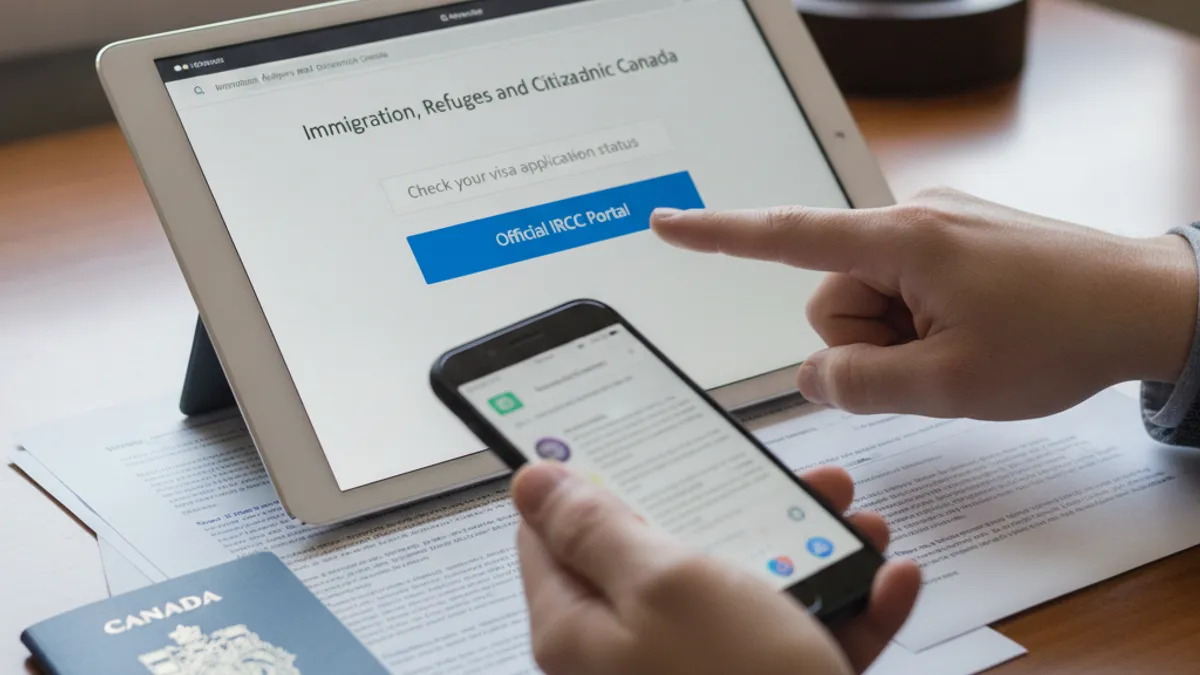
In the world of visa applications and immigration, accuracy and trust are paramount. This is especially true when checking the status of your application. Relying on official sources ensures you're getting correct information and avoids the significant risks associated with unofficial channels.
Why the IRCC Website is Your Authority
The Immigration, Refugees and Citizenship Canada (IRCC) website is the definitive source for all information regarding Canadian visas and immigration processes. It is the official platform where you apply, where your application is processed, and where updates are provided. Any information you find elsewhere should be cross-referenced with the IRCC site.
The site hosts vital tools like the online application portal, the Web Form for inquiries, and crucially, the official processing time estimator. These resources are maintained by the government itself, ensuring they are the most current and accurate. For example, as of late 2025, changes to application requirements or processing speeds are first reflected here.
For Reliable Updates:
- Your IRCC Secure Account: This is your personal dashboard for real-time updates directly from the processing officers.
- The IRCC Web Form: Use this for specific questions when your online account doesn't provide enough detail.
- Official Processing Time Tool: Helps you set realistic expectations for how long your application might take.
Any other website or individual claiming to have insider information or the ability to magically speed up your application should be viewed with extreme skepticism. Stick to ircc.gc.ca for all your visa status needs.
Your Next Steps: What to Do Now
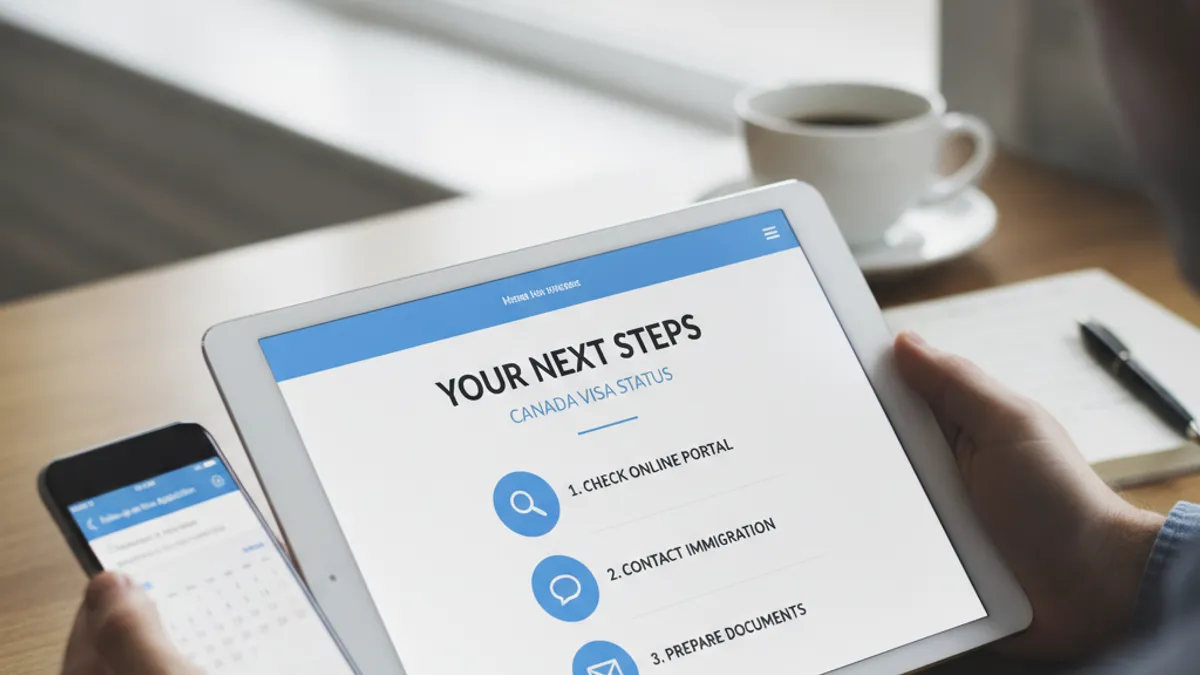
Now that you understand the various avenues for checking your Canadian visa status, it’s time to put that knowledge into action. The path you take will largely depend on how you initially submitted your application and what information you currently have available. Your immediate goal should be to confirm your application's status using the most appropriate official method.
If you applied online, your priority is to log into your IRCC Secure Account. This is the most direct and up-to-date portal for tracking your application's progress. Make sure you have your login credentials ready and navigate to your application dashboard to see the current status.
If you applied on paper, or if your online account doesn't provide the clarity you need, your next best step is to utilize the IRCC Web Form. Ensure you have your unique application number readily available, as you’ll need it to submit your inquiry. Be specific and concise in your question. Remember, patience is crucial, and always verify any communications with IRCC through their official website.