
So, you're wondering, "Do UK citizens need a visa for Canada?" It’s a question that pops up a lot for folks planning a trip across the pond. For most quick visits, the answer usually involves something called an Electronic Travel Authorization, or eTA, rather than a full visa.
Thank you for reading this post, don't forget to subscribe!This eTA is a digital entry requirement that links to your passport. As of 2026, while most UK visitors won't need a traditional visa for short stays, properly securing this eTA is crucial to avoid any surprises at Canadian customs.
Understanding Canada's Entry Requirements for UK Citizens

When you're planning a trip from the United Kingdom to Canada, the first thing to get clear is how you'll be allowed to enter. Canada has specific rules for different nationalities and different types of visits. For UK passport holders, the most common path for short trips, like a holiday or a brief business meeting, involves obtaining an Electronic Travel Authorization (eTA) rather than a full visitor visa.
This distinction is important because the application process, the required documentation, and the implications of eligibility differ between an eTA and a visa. If you're unsure about your specific situation, it's always best to consult the official Canadian government resources.
What's an eTA and Why Does it Matter?
An Electronic Travel Authorization (eTA) is an electronic pre-travel screening for travelers who are visa-exempt and flying to or transiting through Canada. It's not a visa, but it is a mandatory entry requirement for many travelers. Think of it as an online clearance that allows you to board your flight without any issues down the line.
The eTA application process is done entirely online and is typically quite straightforward for eligible individuals. It's designed to quickly assess a traveler's admissibility to Canada before they even set foot on a plane.
Is an eTA the Same as a Canada Visa?
No, an eTA is not the same as a Canada visa, though both are types of travel authorization. A Canada visa is a more formal document, often requiring an in-person application or more extensive documentation, and is usually for longer stays, specific purposes like working or studying, or for individuals not eligible for an eTA.
An eTA, on the other hand, is for visa-exempt travelers entering Canada for short stays, typically for tourism, business meetings, or to visit family and friends. The application is online, and approval usually comes quickly.
Navigating Your Visit: Key Factors to Consider

When determining what you need to enter Canada from the UK, your travel plans are the most critical factors. These aren't just minor details; they directly dictate whether an eTA will suffice or if you'll need a more formal visa or permit. Canada's immigration system is built around understanding the visitor's intent and expected duration of stay to ensure smooth processing and adherence to immigration laws.
Getting this right upfront saves a lot of potential headaches. It means you can focus on packing your bags and planning your itinerary, rather than worrying about your admissibility at the border.
How Long Will You Stay in Canada?
The duration of your intended stay in Canada is a primary factor in determining your entry requirements. Generally, for short stays, an eTA is sufficient. Most eTAs allow for stays of up to six months per visit.
However, if your plans involve staying in Canada for longer than this six-month period, you will likely need to apply for an extension or a different type of authorization, such as a visitor visa extension or a specific permit, depending on the reason for your extended stay. It’s essential to be realistic about your travel dates during the application process.
What’s the Purpose of Your Trip to Canada?
The reason for your visit significantly influences the type of entry authorization you'll need. Canada categorizes visits by purpose to apply the correct immigration rules.
- Tourism: If you're heading to Canada for sightseeing, exploring national parks, or enjoying the vibrant cities, you're likely considered a tourist. For UK citizens, this usually means an eTA.
- Business: Attending meetings, conferences, or exploring business opportunities falls under business travel. This also frequently requires an eTA.
- Visiting Family or Friends: If your primary goal is to spend time with loved ones, this is also generally covered by the eTA.
If your intention is to work in Canada, start a business, or enroll in a study program, you will typically need a work permit or a study permit, respectively, as these purposes fall outside the scope of a standard eTA.
Getting Your eTA: The Step-by-Step Process
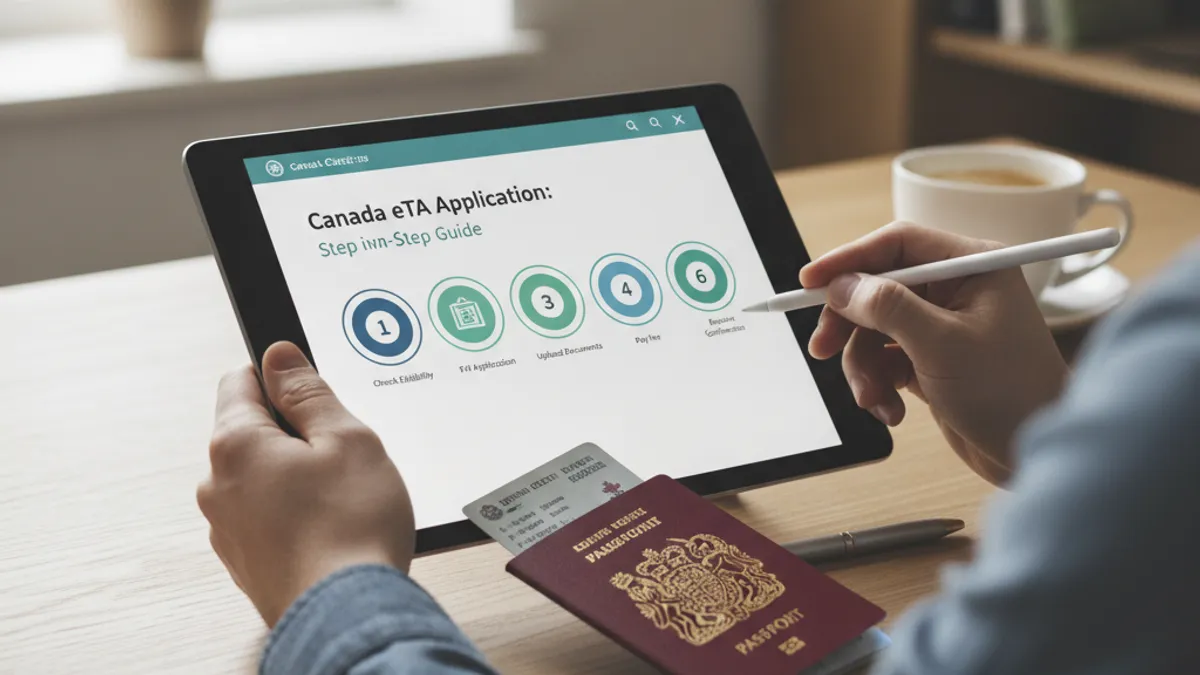
For most UK citizens planning short visits to Canada, securing an Electronic Travel Authorization (eTA) is the standard procedure. This process is designed to be efficient and online, minimizing the need for extensive paperwork. It's crucial to follow the steps accurately to ensure your entry is smooth and problem-free. The entire application is handled digitally, so you won't need to mail in any physical documents.
The key is to use the official Canadian government website to avoid any third-party scams or unnecessary fees. Accuracy in your application is paramount.
Eligibility Check for UK Citizens
As a UK citizen, you are generally eligible to apply for an eTA for short stays in Canada if you meet certain criteria. The primary requirements are:
- Valid UK Passport: You must hold a valid UK passport for the duration of your intended stay.
- Purpose of Visit: Your visit must be for tourism, business meetings, or visiting family/friends.
- Duration of Stay: You intend to stay for a maximum of six months.
If you fall into any of the categories listed below, you may need a visa instead of an eTA. Individuals who have had previous immigration issues, certain criminal convictions, or who are traveling for purposes other than tourism or short-term business, will typically require a visa.
Applying for Your Electronic Travel Authorization (eTA)
The application for an eTA is a straightforward online process. You'll need to visit the official Government of Canada website dedicated to immigration and citizenship.
- Gather Your Documents: Have your valid UK passport ready. You'll also need a credit or debit card for the application fee.
- Complete the Online Form: You'll answer a series of questions about your personal information, passport details, employment, and travel history. Be honest and accurate.
- Pay the Fee: There is a small fee to process your eTA application. As of current government advisories, this fee is typically around CAD $7.
- Submit Your Application: Once you've reviewed your answers and paid, you submit the application electronically.
What Happens After You Apply?
After submitting your eTA application, you will usually receive a decision very quickly, often within minutes. Most applicants get approval almost immediately. The approval is sent electronically and is linked to your passport.
If approved, your eTA is generally valid for five years from the date it was issued, or until your passport expires, whichever comes first. This means you can use the same eTA for multiple visits to Canada within that validity period, as long as your passport remains valid and your reason for travel still meets eTA requirements.
Common Mistakes and Roadblocks to Entry

It's all well and good to know the general rules, but what trips people up? Our analysis of common travel issues shows that overlooking the specifics of entry requirements is a frequent problem. For UK citizens heading to Canada, this often revolves around the eTA, either not getting one at all or filling out the application incorrectly.
Understanding these pitfalls can save you a lot of stress and potential disappointment at the border. Being prepared means having all your ducks in a row.
Missing Your eTA
The most common mistake is simply not realizing you need an eTA. For many, the idea of "visa-free travel" might lead them to believe no prior authorization is needed. However, Canada requires an eTA for short-stay, visa-exempt travelers arriving by air. Air carriers are obligated to check for a valid eTA before boarding.
If you don't have one when you try to board your flight in the UK, you could be denied boarding.
This is a critical point because while you might not need a full visa, the eTA is still a mandatory gatekeeper for air travel.
Incomplete or Inaccurate Application Information
Another significant issue arises from errors or omissions on the eTA application form itself. The Canadian government uses this information to assess your eligibility. Inaccuracies can lead to delays, automatic denials, or even issues with future travel plans.
- Passport Details: Ensure your passport number, expiry date, and issuing country are entered exactly as they appear on your passport.
- Personal Information: Names, dates of birth, and other personal identifiers must match your official documents precisely.
- Travel History and Background Questions: Honesty is paramount. Failing to disclose relevant past issues, even if you think they are minor, can have serious repercussions, including being deemed inadmissible. This includes past visa refusals or immigration violations in any country, not just Canada.
Criminality or Health-Related Inadmissibility
Beyond paperwork, potential inadmissibility is a serious concern. Canada has strict rules about who can enter the country to protect public safety and health. This means even with a valid eTA, if you have a criminal record, you might be denied entry. For example, a DUI conviction can make you inadmissible.
Similarly, certain medical conditions can also lead to inadmissibility if they pose a risk to public health or could place excessive demand on health or social services. If you have any concerns about these issues, it's best to look into obtaining a Temporary Resident Permit (TRP) or a criminal rehabilitation option before you travel.
Essential Legal and Safety Considerations
When planning international travel, understanding the legal framework and safety protocols is non-negotiable. For UK citizens traveling to Canada, this means being aware of how immigration laws apply and what measures are in place to ensure a secure border. Canada operates under a system where admissibility is assessed based on various factors, and it's crucial to be fully informed to avoid any unintended legal complications upon arrival.
Adhering to these regulations isn't just about ticking boxes; it's about respecting the laws of the destination country and ensuring a smooth, trouble-free visit. This proactive approach can prevent significant disruptions to your travel plans.
- Admissibility Rules: Canada assesses admissibility based on factors including security (espionage, terrorism), human or international rights violations, serious criminality, criminality, organized criminality, health grounds, financial reasons, and misrepresentation. These are serious considerations that can prevent entry.
- Disclosure is Key: If you have any past issues that might make you inadmissible, it's vital to disclose this and seek appropriate waivers or permits in advance. Trying to hide information can lead to severe penalties, including bans from future travel.
- Border Seriousness: Canadian border officials have the final say on who is admitted. It’s imperative to be truthful and cooperative during any questioning.
Your Decision Guide: What Do You Need to Enter Canada?
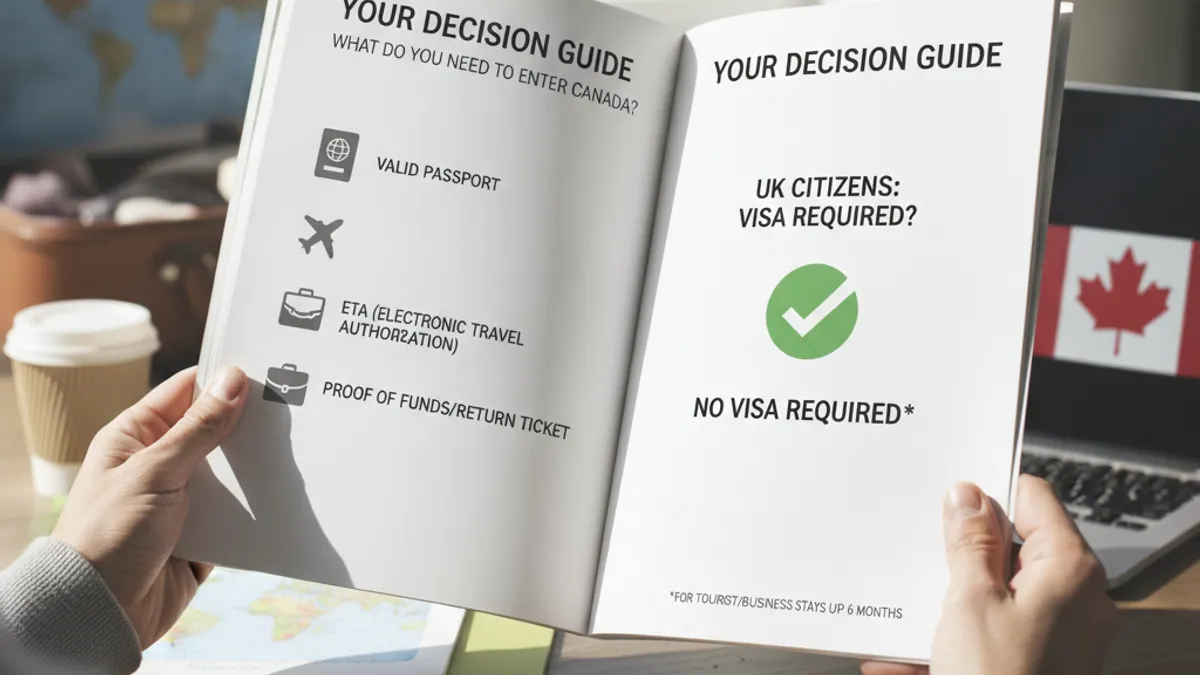
Ultimately, deciding whether you need a visa or an eTA for Canada hinges on a few key questions about your trip. For most UK citizens, the journey will start with determining if an eTA is sufficient for their plans. If your visit is purely for tourism, a short business trip, or to see family and friends, and you plan to stay for six months or less, the path typically leads to an eTA.
This decision tree is designed to help you quickly pinpoint your requirement.
- Scenario 1: Short Visit (Tourism, Business, Family Visit, <= 6 months)?
- YES: You likely need an eTA. Proceed with the eTA application process via the official Government of Canada website.
- NO: You likely need a Visa or another type of permit.
- Scenario 2: Looking to Work in Canada?
- YES: You need a Work Permit. This is a separate application process from an eTA.
- NO: Continue to next question.
- Scenario 3: Planning to Study in Canada?
- YES: You need a Study Permit. This is also a different application process.
- NO: Continue to next question.
- Scenario 4: Staying Longer than 6 Months?
- YES: You will likely need to apply for an extension or a different type of authorization, not just an eTA.
- NO: If you've answered no to all these, and your plans are for short-term tourism or business, the eTA is your most probable requirement.
If you're ever in doubt, the safest course of action is always to visit the official Immigration, Refugees and Citizenship Canada (IRCC) website for the most accurate and up-to-date information tailored to your specific nationality and travel purpose.